2027 What Requirements Do You Need for an Online Public Policy Bachelor's Degree? Admission Rules, Credits & Eligibility

Co-Founder and Chief Data Scientist
Imagine a working professional aiming to shift careers into public policy but uncertain about the admission requirements for online bachelor's programs. Many such individuals hesitate due to unclear eligibility rules and credit transfer policies. Recent data shows that enrollment in online public policy bachelor's programs grew by 35% between 2018 and 2023, reflecting rising demand for flexible education paths. Prospective students often struggle with matching prior credits and meeting prerequisites while managing work commitments.
This article clarifies typical admission rules, credit expectations, and eligibility criteria, helping readers navigate entry requirements and plan their path toward earning an online public policy bachelor's degree successfully.
Key Benefits of Preparing for Online Public Policy Bachelor's Degree Requirements
- Choosing accredited, flexible programs aligned with career goals ensures eligibility and maximizes financial aid opportunities in online public policy bachelor's degrees.
- Carefully evaluating transfer credit policies can save time and tuition, enabling students to leverage previous coursework from accredited institutions effectively.
- Completing required credit hours and meeting minimum GPA benchmarks opens doors to diverse roles in government, nonprofits, and the private sector, enhancing career prospects.
What Are the Basic Eligibility Requirements to Apply for an Online Public Policy Bachelor's Degree?
Eligibility in the context of undergraduate online admissions refers to the minimum qualifications applicants must meet to apply, not the final acceptance or enrollment decision. For online public policy bachelor's degree programs, these fundamental criteria typically involve academic preparation, age, and citizenship or residency status. According to the U.S. Department of Education and various accredited institutions, most programs require applicants to hold a high school diploma or a GED certificate, ensuring they have the academic foundation necessary for college-level work. Additionally, applicants must usually be at least 17 or 18 years old to comply with legal enrollment policies. Citizenship or residency is another key factor, as many schools require U.S. citizenship or permanent resident status but also may accept international students who meet language proficiency and visa regulations.
Because admission requirements for online public policy bachelor's programs vary widely, prospective students should carefully review each school's specific eligibility criteria before applying. This helps ensure they understand credit hour expectations, transfer credit policies, and any English language proficiency tests required. Gathering necessary documents and contacting admissions offices with questions can position applicants to pursue the most affordable and efficient path to their degree. For learners seeking flexibility with a focus on value, exploring options among the easiest online degrees that pay well may also be helpful.
- High School Diploma or GED: Completion of recognized secondary education is essential, serving as proof of readiness for college coursework in public policy.
- Minimum Age Requirement: Typically, applicants must be 17 or 18 years old to comply with legal standards for higher education enrollment.
- Citizenship or Residency Status: Most programs require U.S. citizenship or permanent residency, though some accept qualified international students with proper credentials.
- English Language Proficiency: Non-native speakers often need to pass standardized tests like TOEFL or IELTS, especially for fully online programs taught in English.
- Verification with Institutions: Because policies differ, it is critical to consult official admissions pages for each program to understand their unique admission requirements for online public policy bachelor's degrees.
What Is the Minimum GPA Required for Admission to an Online Public Policy Bachelor's Degree Program?
The minimum GPA required for admission to online public policy bachelor's degree programs varies significantly between institutions. Some programs accept a cumulative high school GPA as low as 2.0, while more selective ones typically require a minimum GPA of 2.5 or higher. It's important for applicants to understand how their GPA interacts with other criteria such as class rank, standardized test scores, letters of recommendation, and personal statements during a holistic admissions review. This approach allows schools to weigh strengths across multiple areas, so a lower GPA can be offset by excellence elsewhere.
Many universities differentiate between weighted and unweighted GPAs; weighted GPAs account for honors or Advanced Placement courses, which can influence admission chances. Additionally, students with borderline GPAs may still qualify for admission through conditional or probationary acceptance programs, where maintaining certain academic standards during the first term is required. This path provides an opportunity for candidates to demonstrate their capabilities once enrolled.
Applicants often wonder how to calculate or self-report their GPA accurately when applying. It is recommended to use official transcripts if available. If not, students should carefully follow their high school's GPA scale and clearly specify whether the GPA is weighted or unweighted. This transparency helps admissions officers fairly assess the applicant's academic background. Prospective learners should also inquire about transfer credit policies and accreditation status to ensure an efficient, affordable path to their degree in public policy.
Those interested may explore options for online business degree programs accredited as well, to compare costs and credit transfer opportunities.
- Variability in GPA Standards: Minimum GPA requirements for online public policy bachelor programs vary, with some schools accepting a 2.0 GPA and others demanding 2.5 or higher depending on selectivity and competitiveness.
- Holistic Admissions Approach: Admissions committees evaluate class rank, test scores, recommendations, and essays alongside GPA, allowing candidates with lower GPAs to bolster their applications through other strengths.
- Weighted vs. Unweighted GPA: Weighted GPAs give additional points for honors and advanced courses, which benefit students who take more rigorous classes, while unweighted GPAs treat all courses equally.
- Conditional and Probationary Admission: Students with borderline GPAs may be admitted conditionally, requiring them to maintain minimum academic performance during early semesters to continue enrollment.
- Self-Reporting GPA Tips: When official transcripts aren't available, students should carefully calculate their GPA using their high school's scale and specify weighting status for accurate and transparent self-reporting.
2026 Update: Online Participation and Fieldwork Requirements
This update reviews practical enrollment expectations that can affect whether an online public policy bachelor’s program fits your schedule, location, and technology access before you apply.
- Whether courses are fully asynchronous or require scheduled live classes, debates, or policy workshops.
- Minimum technology requirements, including webcam, microphone, reliable internet, and access to required software.
- Rules for online exams, such as remote proctoring, identity verification, or approved testing environments.
- Any required internship, practicum, capstone, or community-based policy project that must be completed locally.
- Whether students must secure their own field placement or receive support from the department.
- Any background check, agency approval, or professional conduct requirement tied to public-sector placements.
Checking these details early helps students avoid enrollment surprises and choose a program that matches their work schedule, location, and readiness for applied policy learning.
Many online bachelor's degree programs in public policy, particularly those targeting adult learners and transfer students, have moved toward test-optional or test-free admissions. This approach reflects a national shift in higher education that gained momentum after 2020, aiming to lower barriers and acknowledge that standardized tests don't always capture a student's full potential.
Nevertheless, some programs still require SAT or ACT scores. This is common for merit-based scholarships, honors tracks, or highly competitive public policy majors. Generally, accepted score ranges hover around 1200+ for the SAT and 25+ for the ACT, though these numbers can vary by institution and program selectivity.
Because policies continue to change rapidly, prospective students should always consult the official admissions pages or contact admissions officers at each school. Confirming current requirements helps avoid confusion and prepares applicants to position themselves effectively.
- Test-Optional Policies: A growing number of online public policy programs waive standardized test requirements, especially for nontraditional students and transfers, reflecting a broader trend in college admissions.
- Score Submission Situations: Some selective programs and scholarship applicants still need to submit test scores to demonstrate academic readiness or competitive edge.
- Typical Score Benchmarks: Institutions often reference minimum thresholds of around 1200+ SAT or 25+ ACT for admissions or scholarships, though exact figures differ widely.
- Rapid Policy Shifts: Since 2020, test requirements have evolved swiftly; applicants must verify each program's current stance to plan accurately.
- Data Trends: A 2023 study by the National Association for College Admission Counseling reported over 70% of U.S. colleges adopted test-optional policies since 2020, including many online public policy programs.
Reflecting on his experience, a professional who enrolled in an online public policy bachelor's program recalled initial confusion about testing requirements. "I wasn't sure if I needed to send SAT scores since some schools said optional, others asked for them for scholarships," he explained. Navigating admissions involved multiple calls with admissions staff and carefully reviewing websites. Ultimately, he appreciated the flexibility offered, stating, "The process felt more about my past work and goals than just test numbers, which made the whole experience less stressful and more personal."
Most accredited bachelor's programs require about 120 credit hours for completion, though some specific online public policy bachelor's degree tracks may demand up to 128 or 130 credits depending on the curriculum's depth and specialization. These total credit requirements for online public policy degree completion typically split into general education, major core courses, electives, and capstone or practicum components to ensure both broad and focused expertise.
Credits are assigned differently based on whether the institution uses semester or quarter systems. Semester credit hours (SCH) count one credit for each hour of weekly classroom time over about 15 weeks. Quarter hours require more credits-usually 12 to 14 additional credits-to cover the same learning hours spread across three terms annually, so students should verify how credits transfer between systems if they switch schools.
Prior learning may reduce the required total credits. Advanced Placement (AP) courses, College-Level Examination Program (CLEP) tests, or transferable credits from other colleges allow learners to bypass portions of coursework, accelerating the degree path and decreasing tuition costs.
- General Education Requirements: These foundational courses cover writing, math, and sciences and make up approximately 30-40 credit hours, supporting essential skills for public policy study.
- Major Core Courses: Around 40-50 credits focus on subjects like governance, economics, and ethics, which are crucial for understanding public policy deeply.
- Electives: A flexible portion of 20-30 credits lets students explore interdisciplinary topics or specialize further within public policy fields.
- Capstone or Practicum: Programs often require a 3-6 credit project or internship that integrates classroom learning with practical experience.
- Credit Transfer and Conversion: Students should understand differences between credit systems and the role of prior learning credits to plan an efficient path to their degree.
For those seeking the most affordable and credit-efficient options, exploring resources like the cheapest online doctorate in educational leadership can offer useful strategies on financial aid and program cost management.
Core high school courses often required for an online public policy bachelor's program include strong English skills, particularly through composition or literature classes, to support effective communication. Math prerequisites usually involve algebra or statistics because of the critical role quantitative analysis plays in evaluating policies. Social studies subjects such as history, government, or economics are essential, as they provide fundamental insights into societal systems and policymaking contexts.
While science courses are not always mandatory, they are recommended to enhance analytical thinking and empirical reasoning abilities. For students lacking some prerequisites, community college classes or dual enrollment credits earned during high school often offer convenient options to fulfill these requirements without delaying progress. This flexibility helps applicants strengthen their academic profiles before starting their degrees.
Additionally, certain programs provide bridge or remedial courses to address any gaps in foundational knowledge. Though these may extend the overall time required to finish the degree, they ensure students develop the necessary skills to succeed in advanced study.
- English Proficiency: Completion of coursework in English composition or literature is usually mandatory to prepare students for writing analytical reports and policy documents.
- Mathematical Skills: Algebra and statistics are common requirements since numeric and data analysis are vital to policy assessment.
- Social Studies Knowledge: Courses in history, government, or economics give critical background needed for understanding policy environments and challenges.
- Credit Flexibility: Dual enrollment or community college credits can satisfy prerequisites, providing alternative pathways for students needing additional preparation.
- Remedial Options: Bridge courses available at some institutions help students build missing skills but may prolong degree completion time.
A professional with a career rooted in an online public policy bachelor's degree shared how navigating prerequisite challenges was initially stressful but ultimately rewarding. She recalled feeling overwhelmed when discovering she lacked some required math courses but found reassurance through her program's flexible credit options. By enrolling in community college classes and later utilizing bridge courses offered by her university, she gradually built her confidence and academic foundation. "It wasn't easy juggling work and extra courses," she reflected, "but those steps prepared me better for the program's rigorous demands." Her experience underscores the importance of planning and using available resources to create a successful and affordable path toward earning a public policy degree.
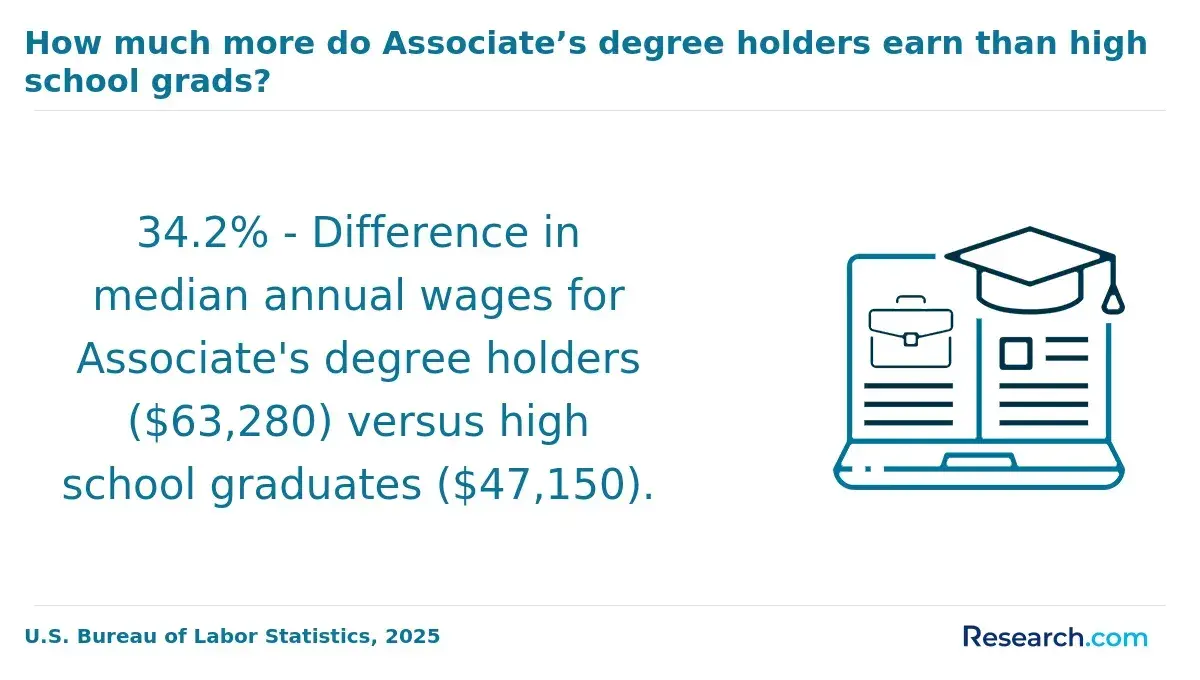
Most accredited institutions allow students to transfer between 60 and 90 credits toward their bachelor's degree, but this limit varies by school. Some universities have more flexible transfer policies, especially those with formal 2+2 articulation agreements with community colleges, which create clearer credit pathways. Other schools enforce stricter credit transfer rules, often limiting how many credits count toward the degree.
- Credit Caps: Typically, schools restrict transfer credits to a range of 60 to 90 semester hours, requiring students to complete the remainder of their coursework at the enrolling institution to fulfill degree requirements.
- Transfer-Friendly Institutions: These schools maintain partnerships with community colleges, making it easier for students to transfer applicable credits, particularly for public policy-related courses, minimizing credit loss and easing progression toward the degree.
- Transcript Review: Admissions offices analyze official transcripts to verify course content, credit hours, and academic level against their curriculum. Credits may be declined if they don't align with public policy program standards, especially if unrelated to core or general education requirements.
- Course Matching: Schools assess how previous classes correspond to their learning outcomes. Credits may transfer as electives or be rejected if a direct equivalency with public policy courses cannot be established, influencing overall degree completion time.
- Official Evaluation: Requesting a formal transfer credit evaluation at admission is essential. This evaluation details which credits apply toward your degree, allowing for better academic and financial planning.
According to the National Student Clearinghouse Research Center, about 40% of students entering four-year programs recently make use of transfer credits, underlining the critical role transfer policies play in higher education paths like public policy.
Accreditation can be institutional-either regional or national-or programmatic, focusing on specific academic fields. Regional accreditation, granted by agencies recognized by the Council for Higher Education Accreditation (CHEA) or the U.S. Department of Education, assures that a school meets rigorous academic and operational standards. For online public policy degrees, regional accreditation is crucial because it directly impacts credit transferability and employer recognition.
Credits earned from regionally accredited institutions generally transfer more smoothly between schools, which benefits students who start at one college and then move to another or pursue graduate studies. In contrast, unaccredited degrees often come with credits that won't transfer, requiring students to retake courses and incur extra expenses and delays.
Employers commonly require degrees from accredited schools for public policy roles, as accreditation signals that the education aligns with industry standards. Some public policy programs also hold programmatic accreditation, which may include additional admission prerequisites like minimum GPA or relevant coursework. Applicants should verify if their program has this specialized accreditation before applying.
- Research Before Applying: Check official accrediting agency websites to confirm a program's accreditation status; this can prevent financial loss and academic issues.
- Admission Impact: Accreditation affects GPA minimums, test score acceptance, and English proficiency requirements because institutions follow accreditor guidelines.
- Financial Aid Eligibility: Only accredited schools qualify for federal aid, which strongly influences affordability for many students.
Degrees from unaccredited schools can disqualify students from graduate programs or professional licensing, limiting career options. According to a survey by the National Center for Education Statistics, over 90% of employers prioritize candidates with degrees from regionally accredited institutions when hiring for public policy positions.
Official Transcripts: Most online public policy bachelor's programs require official high school transcripts to verify your academic history. If you previously attended college, you may need to provide official college transcripts as well. These documents must be sent directly from the issuing institution or be certified to ensure authenticity.
Government-Issued ID: A valid government-issued photo ID, such as a passport or driver's license, is typically required to confirm your identity during the application process. Some schools may request a notarized copy or additional proof depending on their admission policies.
Application Essays: Many programs ask for one or more essays to assess your motivation and fit for the major. These essays allow you to explain your interests in public policy, career goals, and relevant experiences. Taking time to draft clear, reflective essays improves your chances of admission.
Letters of Recommendation: Selective programs often require letters of recommendation from teachers, employers, or community leaders. These letters support your application by attesting to your skills, character, and potential for success in the field. Aim to request these well in advance to give your recommenders enough time.
Résumé or CV: Some programs may ask for a résumé or curriculum vitae that outlines your work, volunteer experiences, internships, and achievements. This document helps admissions committees see your practical background and commitment to public policy.
Personal Statement: A personal statement, if required, differs from a general essay by focusing more on your personal journey, challenges overcome, and unique perspectives you bring to the program. Prepare this thoughtfully to stand out in competitive applicant pools.
Official vs. Unofficial Documents: Official documents are certified and sent directly by institutions or authorities, while unofficial copies are those you or someone else provide without formal verification. Many online programs accept unofficial transcripts for initial review but require official versions for final admission. International students must provide certified translations of any documents not in English.
Time Management: Begin gathering all required materials at least three to four months before your application deadlines, especially for rolling admissions or semester-based cycles. Early preparation helps avoid last-minute delays caused by transcript requests, recommendation letters, or translation services.
Documents required for admission to an online public policy bachelor's degree program typically include the above, but it's important to inquire about credit hour standards, minimum GPA policies, and English language proficiency requirements as well. Prospective students should ask admissions offices detailed questions about transfer credit rules and accreditation standards to ensure the most affordable, credit-efficient path. Financial aid pathways are also critical to explore when planning your degree journey.
For those interested in related fields, consider exploring opportunities through a forensic psychology degree program, which shares some similar admission documentation requirements and application processes.
Most accredited U.S.-based online public policy bachelor's degree programs require non-native English speakers to demonstrate proficiency in the English language. This ensures students can effectively understand course material and engage in discussions. The accepted tests typically include TOEFL iBT, IELTS Academic, and the Duolingo English Test, each with specific minimum score ranges set by undergraduate admissions.
- TOEFL iBT Scores: Schools generally require scores between 61 and 80 on the internet-based TOEFL. These scores reflect a sufficient level of English comprehension, including reading, writing, and speaking skills necessary to succeed in an undergraduate online environment.
- IELTS Bands: IELTS Academic scores of 6.0 to 6.5 are commonly accepted as a baseline, indicating an ability to use English effectively without major difficulty in academic settings.
- Duolingo English Test: This test is growing in popularity and typically demands a minimum score between 90 and 105 for undergraduate applicants. It offers a quicker and more accessible alternative to traditional language assessments.
- Exemptions: Applicants from English-speaking countries such as the United States, Canada, the United Kingdom, Australia, and New Zealand often do not have to submit test scores. Likewise, students who completed several years of education in English-medium institutions may be exempt.
- Conditional Admission Options: Some online public policy programs offer conditional admission combined with ESL bridge courses. These pathways help students improve their English before fully enrolling in degree coursework, providing more flexible admission pathways.
Prospective students should verify specific English language proficiency requirements directly with the admissions office, since policies and minimum scores can vary. Checking these details is a key step for anyone exploring English language proficiency requirements for international students in online public policy bachelor's programs.
For those researching degree options and comparing criteria, reviewing comprehensive resources can be helpful. Explore our guide on online architecture degree programs to see examples of how related fields approach admissions and language requirements.
The College-Level Examination Program (CLEP) allows students to earn undergraduate credit by passing exams with a recommended minimum score of 50, as suggested by the American Council on Education (ACE). More than 2,900 colleges recognize CLEP credits, helping students accelerate their degree progress. However, acceptance policies differ by institution; some public policy programs apply CLEP broadly across the curriculum, while others restrict its use to general education requirements.
- Institution-Specific Policies: Each college or university has unique rules about how CLEP credits apply. Some count these exams toward major coursework, while others limit them to elective or general education credits.
- Other Prior Learning Assessments: Besides CLEP, many schools accept DANTES/DSST exams, portfolio assessments, and professional certifications. Credits may also be granted for military training or relevant work experience.
- Early Verification: Contact the registrar's or admissions office early to confirm which prior learning credits your target program accepts. This helps clarify how exams and documented experiences contribute toward degree requirements.
- Cost and Time Savings: Leveraging CLEP or other prior learning credits can reduce tuition costs and shorten degree completion time, making public policy programs more affordable and accessible.
Many public universities offer online students in-state tuition rates regardless of where they live. This is often made possible through the State Authorization Reciprocity Agreements (SARA), which permit institutions in participating states to enroll out-of-state online students without breaching state authorization laws. SARA streamlines the process for schools and learners, broadening access to online education across state lines.
Not all schools are part of SARA, though, and some still apply out-of-state tuition charges for online programs. Because tuition costs can vary widely depending on residency, confirming a program's tuition policy before enrolling in an online public policy bachelor's degree is essential to avoid surprise expenses.
- Sara Participation: SARA membership allows universities in approved states to offer online courses to students from other member states without additional state permissions, increasing enrollment flexibility.
- Tuition Variation: Some institutions continue charging higher out-of-state fees for online learners, making early verification of tuition costs critical for budgeting.
- Residency Proof: Demonstrating in-state status often requires documents like utility bills, voter registration, or a driver's license to access resident tuition rates.
- Essential Verification: Prospective students should inquire with admissions about residency rules and SARA involvement to find affordable, suitable options with clear enrollment terms.
What Graduates Say About Preparing for the Online Public Policy Bachelor's Degree Requirements
- Tony: "Pursuing my online public policy bachelor's degree was a game-changer because I thoroughly researched the admission requirements before applying. Knowing exactly what credits transferred saved me time and money, allowing me to focus on coursework that really counted. This careful planning made it easier to complete my degree and advance quickly in my career."
- Denver: "Looking back, the clarity on credit policies and eligibility criteria was crucial to my success in the program. I appreciated how the online format offered flexibility, but I knew upfront I had to meet specific requirements to avoid delays. This proactive approach not only helped me graduate on time but also positioned me well for leadership roles in the public sector."
- Kai: "The impact of my online public policy degree on my professional life has been profound. Understanding exactly what the program required, especially admission standards and transferable credits, empowered me to choose the best fit for my goals. The degree opened doors I hadn't imagined, and the process itself taught me how critical preparation is for career growth."
Other Things You Should Know About Public Policy Degrees
Many online public policy bachelor’s programs accept up to 90 transfer credits toward a 120-credit degree. Most schools require official transcripts, and upper-division policy courses usually must be completed at the degree-granting institution. Some programs also set a minimum 2.0 GPA for transferred coursework.
Students pursuing an online public policy degree typically need a reliable computer with a stable internet connection. Common software requirements include web browsers, word processing applications, and access to video conferencing tools for virtual classes or meetings. Some courses may also require specialized software for data analysis or research.
Many online public policy programs accommodate adult learners and working professionals by offering flexible admission criteria such as waiving standardized test scores or accepting prior college credits and work experience. Some schools provide credit for prior learning or professional certifications to help reduce time to degree completion. Applicants should inquire about these tailored options when applying.
- Do Graduate Schools Accept Online Degrees? Admissions Experts Speak https://www.onlineeducation.com/features/is-an-online-degree-respected
- Accredited Online Public Policy Degree Programs https://www.accreditedonlinecolleges.org/public-policy/
- News https://www.polandstudy.com/en/news/study-in-english-language-requirements-and-support-for-non-native-speakers-9644
- Top Online Schools That Accept Transfer Credits https://www.edvisorly.com/student-guides/online-schools-that-accept-transfer-credits
- Apply to the BA in Public Policy | School of Public and International Affairs https://www.spia.pitt.edu/admissions/apply-ba-public-policy
- In-State Tuition and State Residency Requirements - Finaid https://finaid.org/otheraid/stateresidency/
- List of Colleges Dropping & Reinstating ACT/SAT Requirements https://progresslearning.com/news-blog/colleges-dropping-reinstating-act-sat-requirements/
- Students' Frequently Asked Questions - Council on Education for Public Health https://ceph.org/constituents/students/faqs/
- Public Administration and Policy How to apply https://online.missouri.edu/degrees-programs/mu/arts-and-sciences/public-administration-and-policy/ba/admissions
- World's Largest platform as University Common Application https://www.planstudyabroad.uniagents.com/course-details.php