2027 What Do You Learn in a Global Studies Degree: Curriculum, Skills & Core Competencies

Co-Founder and Chief Data Scientist
Many students struggle to understand what a global studies degree entails and how it prepares them for today's interconnected job market. Recent data shows that 67% of employers value international awareness and cross-cultural skills when hiring graduates for global roles. This gap in understanding often leads to uncertainty about the curriculum and career outcomes.
This article clarifies the components of a global studies degree, detailing essential coursework, the critical skills developed-including cultural competence and policy analysis-and core competencies needed for success. It equips readers with clear insights to make informed educational and career decisions in a globalized environment.
Key Benefits of a Global Studies Degree
- Global studies curricula integrate politics, economics, and culture to foster comprehensive understanding of international systems and global interdependencies.
- Students develop critical skills in cross-cultural communication, data analysis, and policy evaluation essential for global problem-solving roles.
- Core competencies include ethical reasoning, multilingual proficiency, and adaptability, preparing graduates for diverse careers in diplomacy, development, and international organizations.
What Is a Global Studies Degree?
A global studies degree is an interdisciplinary academic program that examines the connections among world societies and issues spanning political, economic, cultural, and environmental dimensions. Positioned uniquely within higher education, it blends social sciences, humanities, and international perspectives, ideally suited for individuals interested in addressing complex global challenges. According to the Bureau of Labor Statistics, employment in areas closely related to global studies, like international relations and global policy analysis, is expected to grow by approximately 5% over the next decade, highlighting steady demand for these skills.
The primary purpose of this degree is to provide students with conceptual frameworks and analytical tools to critically engage with global phenomena. The curriculum typically emphasizes themes such as globalization, transnational relations, and cultural diversity, thereby fostering a broad and nuanced worldview. Students exploring what you learn in a global studies degree will encounter these foundational topics regularly. Various degree formats exist, including traditional on-campus studies, accelerated options for quicker completion, and flexible online programs, which accommodate different schedules and life circumstances.
An overview of global studies degree programs reveals how they are designed to meet evolving workforce needs that prioritize cultural fluency and the ability to navigate international complexities. For those searching for economic education options, examining the cheapest online masters in artificial intelligence might offer additional pathways in related interdisciplinary fields.
What Core Courses Are Included in a Global Studies Degree?
Evaluating the core coursework is crucial for prospective students considering a global studies degree, as it reveals the skills and knowledge the program emphasizes. Knowing the essential subjects in global studies programs helps students align their academic choices with career goals in international fields. The following outlines common core courses found in such curricula, highlighting their role in shaping global perspectives.
- International Politics: This course introduces students to the power structures, diplomatic strategies, and geopolitical dynamics that shape global affairs. It provides foundational knowledge essential for careers in diplomacy, government agencies, or international organizations.
- Global Economics: Focused on trade systems, financial markets, and economic policies, this class explains economic forces influencing global development. It prepares students to analyze international markets and economic trends relevant to international businesses and policymaking.
- World Cultures and Anthropology: Offering insights into diverse societies, this course enhances cross-cultural communication skills vital for working across borders and understanding social dynamics in a global context.
- Human Rights and Sustainable Development: This subject addresses ethical concerns and environmental challenges worldwide, equipping students to support NGOs, governmental programs, and global initiatives centered on sustainability and justice.
- Research Methods and Statistics: Providing analytical tools for data-driven decision making, this course aligns with industry demands for research competency, as highlighted by the National Association of Colleges and Employers (NACE) in 2023.
Students interested in a global studies path will benefit from comparing program curricula and may also explore related options like the cheapest online business management degree to complement their skill set with business acumen.
What Specializations Are Available in a Global Studies Degree?
Specializations within a global studies degree enable students to customize their education to align with particular career goals, providing focused expertise that improves job prospects. The U.S. Bureau of Labor Statistics projects an 8% growth in social science and international affairs jobs over the next decade, underscoring rising demand for professionals equipped with specialized global knowledge. Below are some key specializations attracting interest and offering distinct career pathways.
- International development: Concentrates on tackling poverty, inequality, and fostering sustainable progress in developing regions. This specialization prepares graduates for roles in humanitarian aid, nonprofits, and international organizations focused on economic and social improvement.
- Environmental policy: Addresses global challenges such as climate change and sustainable resource management. Students gain skills to work in sustainability consulting, environmental advocacy, or governmental agencies shaping policy responses.
- Global security: Explores conflict resolution, terrorism, and transnational crime prevention. Career options include positions in intelligence, defense analysis, and international law enforcement.
- Cultural diplomacy: Emphasizes intercultural communication and exchange to promote peaceful international relations. This area supports careers in public diplomacy, international institutions, and multicultural education initiatives.
Breakdown of All Fully Online Title IV Institutions (in percentage)

Choosing the length of a global studies program is crucial for students balancing time, expenses, and career goals. Understanding typical program durations helps learners plan effectively and select the format that matches their lifestyle and ambitions. Here's a breakdown of common pathways and their usual timeframes.
- Traditional Full-Time: Usually completed in about four years, this format requires a steady, full course load each semester. It is ideal for students who can dedicate themselves fully to their studies without outside commitments.
- Part-Time: Taking six years or more, part-time programs suit those managing work or family obligations. This approach lets students progress at a comfortable pace while balancing other responsibilities.
- Accelerated: Designed for highly motivated individuals, accelerated degrees can be finished in three years or less by increasing course loads or enrolling year-round. This option demands strong discipline and time management skills.
- Online: Offering the most flexibility, online global studies degrees typically take between three and six years to complete, depending on the student's schedule and course load. This suits learners needing geographic freedom or asynchronous learning.
A graduate who completed a hybrid global studies program shared insights when asked about the timeframe. "Balancing in-person sessions with online components was tough at first," he said, "especially coordinating group projects across different time zones." Despite some stress juggling deadlines and work, he appreciated the adaptability the hybrid model offered. "It wasn't a straight path-there were semesters I took fewer classes and others I overloaded-but that flexibility helped me finish without sacrificing job opportunities." His experience highlights how varied pacing within a program's structure can be both challenging and rewarding.
Developing technical skills is essential in global studies programs, equipping students for diverse professional environments where data interpretation and cross-cultural collaboration are vital. The World Economic Forum identifies analytical thinking and innovation among the most sought-after abilities worldwide. These competencies enhance graduates' readiness for roles in policy analysis, international development, and global business. Below is an overview of key technical skills cultivated in such programs.
- Data Analysis Tools: Proficiency with software like SPSS and Excel enables students to examine demographic, economic, and political datasets, supporting evidence-based decision-making in international contexts.
- Geographic Information Systems (GIS): Training in GIS allows for mapping and spatial analysis, which is crucial for resource allocation, environmental planning, and conflict mapping.
- Research Methodologies: Instruction in both qualitative and quantitative techniques guides students in designing studies, conducting surveys, and performing ethnographic research to interpret cultural and societal dynamics.
- Digital Communication and Language: Combining language proficiency with digital tools fosters effective cross-cultural interaction and global information sharing.
- International Legal and Economic Frameworks: Familiarity with global regulations and economic modeling software prepares students to navigate complex markets and international policy environments.
Soft skills are vital complements to the technical expertise gained in a global studies program, enabling students to effectively engage with complex international challenges. These interpersonal and cognitive abilities enhance professional adaptability and collaboration across diverse environments. Below is an overview of key soft skills cultivated in global studies that support career success.
- Communication: Students learn how to articulate ideas clearly and persuasively to diverse audiences, whether in cross-cultural groups, policy settings, or public forums. Strong communication is essential for diplomacy, advocacy, and raising awareness in global contexts.
- Teamwork: Group assignments and discussions equip students with the ability to collaborate with individuals from varied cultural and disciplinary backgrounds. This cooperative skill is highly valued in international work environments.
- Problem-solving: Global studies programs encourage analytical thinking to address issues like inequality, conflict, and climate change through innovative strategies. Employers prioritize this for navigating evolving global problems.
- Critical thinking: Learners develop the capacity to evaluate complex information and perspectives, enabling informed decision-making and strategic planning in their careers.
- Adaptability: Emphasis on responding to shifting political, social, and technological landscapes prepares graduates to adjust promptly and effectively in dynamic work settings.
A professional who completed a global studies degree shared reflections on how these skills shaped her career. She recalled her initial uncertainty working in international development but emphasized that extensive group projects and diverse classroom debates taught her resilience and open-mindedness. "I had to learn how to listen actively and incorporate multiple viewpoints under tight deadlines," she explained.
These experiences developed her confidence in leading multicultural teams and navigating unforeseen challenges once she entered the workforce. She noted, "It wasn't just about the knowledge-I grew in patience and problem-solving every step of the way, which opened doors for promotions and new responsibilities." Her story highlights how the soft skills fostered in global studies are instrumental in building a fulfilling, impactful career on the global stage.
About 70% of students in global studies programs across the U.S. engage in internships or cooperative education (co-op) experiences at some point during their studies. These practical experiences often serve as an optional yet strongly encouraged part of the curriculum, sometimes even fulfilling degree requirements. Placements can take place domestically or abroad, spanning various sectors such as nonprofits, government agencies, research centers, or multinational firms.
The length of these opportunities varies, typically lasting from a summer internship to a semester-long co-op aligned with the academic calendar. By participating, students gain hands-on exposure that complements their academic learning with real-world challenges.
Internships and co-ops provide vital chances for students to translate classroom theories-such as international relations, cross-cultural communication, and economic policy-into professional practice. These experiences help develop essential skills including problem-solving, global awareness, and effective communication, all highly valued in international careers. Beyond skill-building, these placements create important networking avenues, linking students with mentors, industry experts, and potential employers worldwide.
For those exploring career directions, internships serve as a practical way to test interests in fields like diplomacy, international development, or global health. Overall, they play a crucial role in preparing graduates with the expertise and connections needed to succeed in a connected global workforce.
Professional certifications can significantly complement a global studies degree by enhancing specific skills and boosting career readiness. These credentials provide focused expertise and practical validation that many employers value in competitive global careers. With this in mind, exploring how certification opportunities align with a global studies curriculum is important for students planning their academic and professional paths.
Certifications are not typically integrated as formal requirements within most global studies curricula. Instead, programs emphasize interdisciplinary coursework covering international relations, cultural analysis, economics, and political science, with optional workshops or language proficiency exams sometimes available. Because certification integration varies widely, students often pursue professional certifications independently to supplement their academic knowledge.
Common examples include project management credentials, foreign language proficiency tests (such as TOEFL or DELE), and diplomas in conflict resolution or international law. Combining these certifications alongside a degree in global studies improves specialized expertise, validates skills with industry-recognized credentials, and strengthens resumes. Students exploring certification opportunities in global studies programs can also find added benefit from networking through professional organizations.
For those looking for flexible education options to pair with certifications, reviewing online psychology programs can offer insight into how degrees and certifications might be combined effectively.
Exploring the varied career opportunities available to global studies graduates is essential for students considering this degree, as it highlights the practical applications of their skills and knowledge. Employment data from the U.S. Bureau of Labor Statistics indicates a steady 6% growth in demand for professionals with expertise in global affairs over the next decade. This increasing need reflects the expanding role of international cooperation and globalization across multiple sectors, setting the stage for numerous top jobs for global studies degree holders.
- Diplomacy and International Relations: Graduates often engage in analyzing geopolitical dynamics and facilitating cross-cultural communication within governmental or intergovernmental organizations. These roles demand strong foreign language proficiency and policy analysis skills gained during the global studies curriculum.
- International Development and Nonprofit Work: Many find positions in NGOs focused on human rights, environmental sustainability, or social justice. Responsibilities include project management and advising on culturally informed strategies to effect positive change in global communities.
- Global Business and Multinational Corporations: Graduates contribute to international market research, coordinate global operations, and support ethical business practices across borders, leveraging their understanding of cultural diversity and global economic trends.
- Research and Policy Analysis: Conducting research on worldwide trends and crafting policy recommendations are pivotal roles. These positions often exist within governmental agencies, think tanks, or international media outlets.
The curriculum equips students with competencies like ethical reasoning and critical thinking that prepare them to manage complex global challenges effectively. Whether advising organizations on strategic decisions or managing international projects, global studies graduates are well-positioned to thrive in sectors that require nuanced global expertise. For those interested in advancing their education in related fields, exploring affordable edd programs can provide additional qualifications.
Overall, global studies graduate career opportunities remain diverse and expanding, aligned with the growing importance of global interconnectedness in public policy, business, and advocacy.
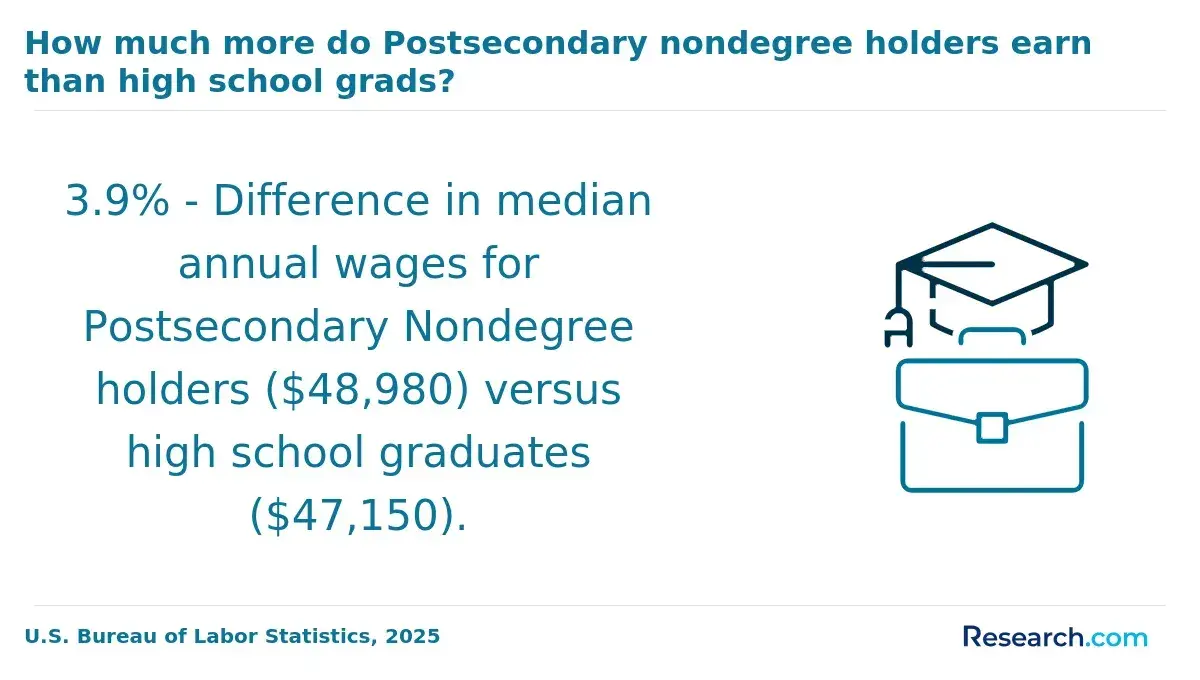
Evaluating the average salary for global studies degree graduates is crucial for assessing the return on investment of this interdisciplinary education. In the United States, the average starting salary for those holding a global studies degree is approximately $45,000 per year. These figures help prospective students and early-career professionals understand potential earnings and guide their career planning.
Early-career salaries vary, with many graduates earning between $40,000 and $55,000 annually depending on their role and location. These initial earnings reflect entry into sectors like international development, education, and nonprofit work, where the global studies graduate earnings in the United States can fluctuate significantly.
- Early-career earnings: Graduates starting out often earn modest salaries within the $40,000 to $55,000 range, influenced by geographic factors and job type. Roles in nonprofit organizations or education tend to offer salaries on the lower end of this spectrum.
- Mid-career potential: With experience, salaries typically increase to between $60,000 and $85,000 annually. Mid-career professionals with advanced qualifications, such as master's degrees or certifications, often command higher wages, especially in more competitive sectors.
- Influencing factors: Salary differences arise from the industry sector (public, private, nonprofit), cost of living in various geographic regions, and additional skills like foreign language proficiency. Those working in governmental or international agencies might experience different compensation compared to private sector employees.
The global studies curriculum equips students with critical analysis, policy research, and cross-cultural communication skills essential for these diverse roles. For those considering further education, exploring the cheapest online masters can provide affordable pathways to enhance salary potential and career opportunities.
What Graduates Say About Their Global Studies Degree
- Denver: "The global studies core curriculum provided me with a comprehensive understanding of international relations, cultural dynamics, and economic systems that shape our world. I developed critical thinking and cross-cultural communication skills that have proven invaluable in my career abroad. Graduating with this degree, despite the average cost of attendance being significant, was truly a worthwhile investment in my future. "
- Rhianne: "Reflecting on my global studies degree, what stands out most is how the interdisciplinary approach honed my analytical abilities and global awareness. The program equipped me with research competencies and practical skills that allowed me to navigate complex geopolitical environments professionally. It's been rewarding to see how these core learnings translate directly to impactful work in policy development. "
- Morgan: "My time in the global studies program sharpened my expertise in international economics and human rights, emphasizing real-world applications. The skills I gained in critical analysis, foreign language proficiency, and stakeholder engagement have been crucial in my consulting career. Though the average attendance expenses were considerable, the career doors opened by this degree have made every dollar worthwhile. "
Other Things You Should Know About Global Studies Degrees
Many programs require a capstone, senior seminar, or thesis in the final year. A common format is a 6- to 12-credit project that uses original research on a transnational issue and is assessed by a faculty advisor and department rubric.
Students in global studies programs engage with coursework and experiences that promote understanding and respect for diverse cultural perspectives. This often includes studying languages, regional histories, and participating in exchange programs or fieldwork. Such exposure helps build the cultural awareness necessary for effective global collaboration.
While language requirements vary by institution, many global studies programs encourage or require proficiency in at least one foreign language. This requirement supports communication skills and deeper engagement with different regions. Some programs offer multiple language options to align with students' area of focus.
- Report finds study abroad strengthens soft skills and cultural awareness, improves career prospects https://www.uwstout.edu/about-us/news-center/report-finds-study-abroad-strengthens-soft-skills-and-cultural-awareness-improves-career-prospects
- Global Studies https://inopia.uni.opole.pl/en/global-studies/
- Global Studies Certificate https://www.ccbcmd.edu/Programs-and-Courses-Finder/Program/global-studies-certificate.html
- Concentrations and Specializations https://students.wlu.ca/programs/arts/global-studies/concentrations.html
- Global Studies B.A. Course Outline https://www.shepherd.edu/globalstudies/global-studies-course-outline
- Master Program International Relations - Global Studies - Instytut Studiów Międzynarodowych i Bezpieczeństwa https://ismb.uwr.edu.pl/en/master-program-international-relations-global-studies/
- 9 Important Skills for Students Who Dream To Study Abroad https://mybeta.ca/important-skills-for-students-study-abroad/
- Global Studies Internship | St. James Research https://www.stjamesresearchcentre.org/gsei
- What is Global Studies? Ultimate Guide https://www.northcentralcollege.edu/news/2023/04/26/what-global-studies-ultimate-guide
- Global Studies Major | Curriculum | Academics | College of International Relations | Ritsumeikan University https://www.ritsumei.ac.jp/ir/eng/education/curriculum/