2027 Urban Planning Degree Careers Ranked by Salary, Growth, and Work-Life Balance
Audited and Verified:
Our Editorial and Data Verification Process
Research.com uses government datasets, official education statistics and primary institutional information to support its career and degree guides. Our review process checks factual accuracy, occupational definitions, source dates and the requirements associated with the credentials discussed.
How This Article Was Fact-Checked
Our editorial team verifies salary estimates, employment projections, education requirements and program information against original data providers and official organizations. Salary figures are checked against the relevant occupational definitions and reporting periods. Information about licensure, accreditation and required in-person training is reviewed separately.
Fact-checked and verified on:

Co-Founder and Chief Data Scientist
Choosing a career path within urban planning often challenges graduates and professionals balancing potential salary, job growth, and work-life balance considerations-especially in a field where roles vary widely. For example, while the median annual wage for urban planners was $75,950 in 2023, employment in this sector is projected to grow only 7% through 2031, matching the average for all occupations but creating competition for high-paying roles. This article evaluates urban planning degree careers using comprehensive data on salary, growth prospects, and sustainable work schedules-guiding readers to identify the most advantageous and balanced career options in the field.
Key Things to Know About Urban Planning Degree Careers Ranked by Salary, Growth, and Work-Life Balance
- Salary variations across urban planning careers show median earnings ranging from $55,000 to over $90,000 annually-higher salaries often correlate with specialized roles in transportation and environmental planning.
- Projected job growth for urban planning professionals is steady at about 7% through 2030-positions emphasizing sustainable development and smart city initiatives experience faster expansion.
- Work-life balance tends to be more favorable in government and nonprofit sectors-private consulting roles, while lucrative, frequently demand longer hours and higher workloads over the long term.
How Are Urban Planning Degree Careers Evaluated and Ranked Across Salary, Growth, and Work-Life Balance?
Ranking urban planning degree careers involves evaluating three key dimensions-salary, career growth, and work-life balance-to provide a well-rounded view beyond paycheck figures alone. This three-pillar framework offers a clearer picture of what professionals can expect, balancing financial rewards with future opportunities and lifestyle sustainability.
- Salary: Median annual wages come from the Bureau of Labor Statistics (BLS) Occupational Employment and Wage Statistics, ensuring reliable and current data reflects typical earnings. This offers a consistent baseline to compare urban planning degree career salary growth evaluation across fields.
- Career Growth: The BLS's ten-year employment projections measure growth potential, revealing which roles are expected to expand or contract. This helps identify urban planning careers with strong long-term opportunities, a critical factor when considering strategic career moves.
- Work-Life Balance: This dimension synthesizes data from the American Time Use Survey, Glassdoor employee reviews, and industry-specific workforce satisfaction surveys-capturing average work hours, flexibility, stress, and overall job satisfaction. These insights contribute to rankings of urban planning careers by work-life balance that highlight sustainability and personal well-being.
These pillars together form a flexible decision-making tool rather than a strict ranking, since individual priorities-such as valuing flexibility over income-may shift which career path suits someone best. For example, some may prefer roles offering excellent balance despite moderate salaries.
Examined careers include:
- City Planner: Roles focused on developing land use strategies and community development plans.
- Transportation Planner: Specialists designing efficient, sustainable transit systems.
- Environmental Planner: Experts balancing development goals with ecological protection.
- Urban Designer: Professionals shaping the physical layout and aesthetics of cities.
- GIS Analyst: Technicians using geographic information systems for urban data analysis.
For high school seniors and others exploring career options, considering easy degrees to get online may also complement urban planning studies by broadening skillsets and employment prospects.
Which Urban Planning Degree Career Paths Offer the Highest Starting and Mid-Career Salaries?
Higher-paying urban planning careers are often found in large-scale development, infrastructure, and policy roles. Positions like transportation planners, development consultants, and metropolitan planners tend to offer stronger compensation and growth. Advancement depends on experience with complex projects and regulatory expertise.
- Transportation Planner: Among the highest paying urban planning degree careers in the US, transportation planners start with median salaries between $55,000 and $65,000. Mid-career professionals can exceed $95,000, particularly in metropolitan areas with heavy infrastructure demands. This salary premium is driven by the specialized technical expertise required and the critical role transportation planners play in public safety and economic mobility. Additionally, a shortage of experts skilled in advanced transportation modeling tools further elevates earnings. Public sector jobs may offer slightly lower pay but come with increased job stability.
- Environmental Planner: Starting salaries for environmental planners generally range from $50,000 to $60,000, rising to approximately $90,000 or more after ten years. High barriers like advanced degrees and certifications contribute to this growth, alongside demand for skills in sustainability and environmental impact assessment. Private environmental consulting firms typically pay more than municipal roles, reflecting the market's emphasis on compliance and remediation. Geographical location also plays a significant role in compensation.
- Economic Development Specialist: Economic development specialists begin their careers earning $48,000 to $58,000, with mid-career salaries reaching above $85,000. The field commands a premium due to its focus on driving economic value through investment attraction and community development. This career requires strong analytical skills and experience in public-private partnerships, with larger cities and private entities offering higher pay.
- Urban Designer: Urban designers have starting salaries near $52,000, climbing to $88,000 or more at advanced stages. The role balances creativity with technical knowledge, and employers with large-scale projects often pay premium wages. Demand varies regionally according to development trends, affecting salary outlook.
- City or Regional Planner: Starting salaries for city or regional planners are typically $45,000 to $55,000, with mid-career pay between $80,000 and $90,000. Private consulting firms tend to pay more than government agencies. Certification requirements and responsibility over land use and growth policies help maintain this compensation structure. Salary variations by region can be explored further in the geographic section.
For those eyeing educational advancement, pursuing an MS in psychology online could provide complementary skills enhancing career flexibility and growth potential within urban and regional planning contexts.
What Do the Bureau of Labor Statistics Job Growth Projections Reveal About the Future of Urban Planning Degree Careers?
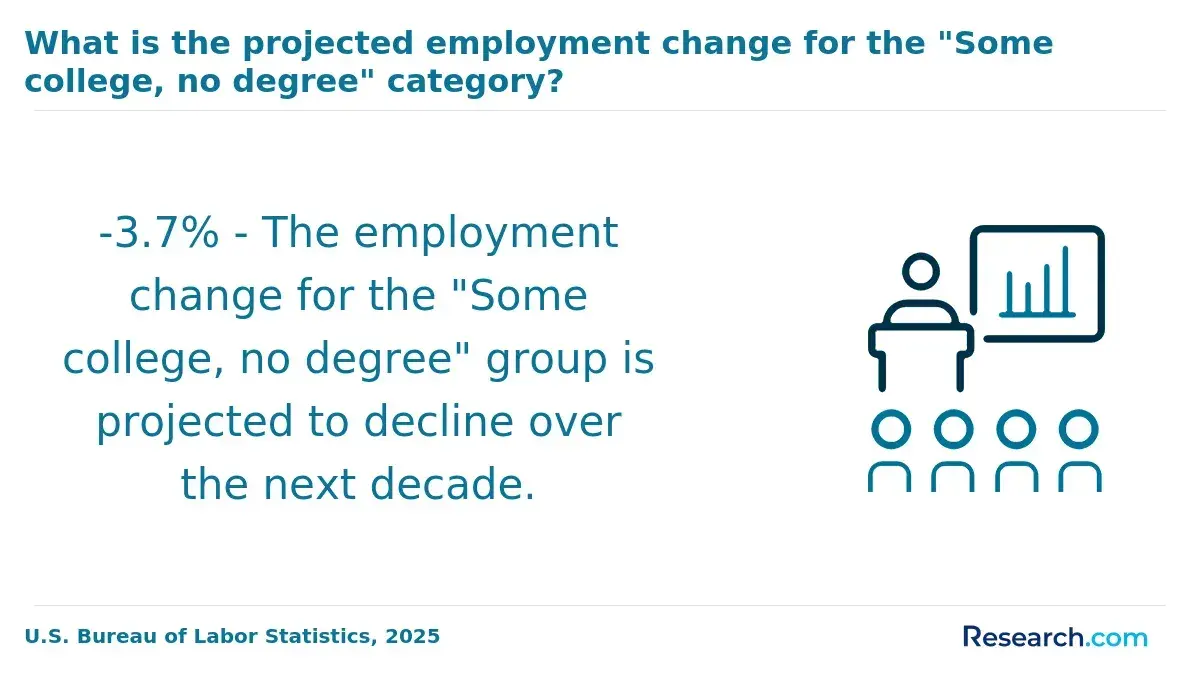
The Bureau of Labor Statistics (BLS) forecasts varied growth rates for career paths related to urban planning, with some roles expected to significantly exceed the national average of 5% to 8% growth over a decade, while others may experience minimal advancement. These projections help clarify where demand is rising and where it may stagnate.
- Population Growth and Aging: Community and regional planning jobs tend to grow faster than average due to expanding urban populations and increased needs for housing, transit, and infrastructure. The aging population also heightens demand for planners focused on accessible design and senior-friendly urban environments.
- Technological Integration: Positions emphasizing Geographic Information Systems (GIS) and data analytics are rapidly growing. The drive to build smarter cities fuels the need for planners adept at leveraging these technologies for efficient resource use.
- Environmental and Policy Focus: Environmental planners benefit from escalating government attention on sustainability, climate adaptation, and green infrastructure. Growth in federal, state, and local policies aimed at resilience and risk reduction bolsters these roles.
- Stagnant or Declining Roles: Traditional planning jobs centered on zoning enforcement or outdated regulations may face flat or shrinking demand. Professionals in these areas can pivot by gaining skills in emerging regulatory frameworks, sustainability, or community engagement to remain competitive.
- Regional Differences: The BLS data represent national trends-actual growth will vary significantly by location. Fast-growing urban centers offer more opportunities compared to rural or economically slow regions. Understanding local market conditions is essential for accurate career planning.
Work-life balance is assessed here using measurable factors like average weekly hours worked, schedule stability, remote or hybrid work options, paid time off policies, and employee satisfaction ratings from platforms such as Glassdoor, Indeed, and Payscale. These indicators are drawn from the BLS American Time Use Survey and various workforce studies to provide a comprehensive view of how professionals integrate job and personal life.
- Average Hours: Careers with predictable 40-45 hour weeks often support better balance compared to roles with frequent overtime or erratic schedules.
- Schedule Predictability: Fixed hours enhance stability, while emergency calls or last-minute deadlines reduce it.
- Remote Work Availability: Flexible arrangements help manage family and personal needs, improving overall satisfaction.
- Paid Time Off: Generous vacation and sick leave are key to preventing burnout and sustaining motivation.
- Employee Satisfaction: Reviews provide insight into how these factors affect day-to-day work-life integration.
Among urban planning career paths, work-life integration varies significantly. City planners and urban designers typically have moderate hours and growing flexibility, especially in government settings. Transportation planners often enjoy steady schedules but may face longer hours in private roles. Environmental planners report high work-life satisfaction due to project-based workflows. Urban planning consultants experience more unpredictability and longer hours, particularly early in their careers, with variable remote options.
Work-life balance also differs by employer and career stage-public sector jobs usually offer more predictable hours and benefits, while private sector roles may demand overtime but offer higher pay. Young professionals often encounter heavier workloads, easing as they advance. Understanding these dynamics can guide intentional employer choices and negotiations to actively shape one's career and lifestyle.
For those considering online graduate education to support career growth or improve balance, exploring MSW online programs can offer additional flexibility and opportunities within related fields.
This analysis balances salary, growth, and work-life quality equally to highlight urban planning careers that offer a well-rounded professional experience. Salary measures financial compensation, growth predicts future job availability, and work-life balance gauges how sustainable and manageable the role is over time. Together, these dimensions create a composite ranking emphasizing positions that provide solid pay, promising advancement, and a healthy lifestyle.
- Transport Planner: Combines competitive salaries with strong growth and notably favorable work hours, making it a top contender for those seeking stability and a manageable routine.
- Urban Designer: Offers moderate pay with high growth potential and excellent balance, attracting candidates interested in creativity alongside steady career prospects.
- Environmental Planner: Excels in job growth and schedule flexibility despite somewhat lower earnings, appealing to those valuing meaningful work and sustainable careers.
- City Planner: Maintains consistent salaries and dependable growth with balanced work-life conditions, well-suited for public service-minded professionals.
- Regional Planner: Scores high in salary and opportunity but presents a more moderate balance, ideal for those motivated by expansive projects and steady income.
- Land Use Planner: Features above-average earning and growth figures but demands more work hours, positioning it lower in overall balance rankings.
- Community Development Specialist: Stands out for exceptional work-life balance and growth prospects, though with lower salary levels, fitting individuals focused on lifestyle and societal impact.
These rankings assume equal emphasis on pay, advancement, and balance, but personal priorities may require adjusting weightings. For instance, prioritizing income might elevate Land Use or Regional Planner roles, while valuing lifestyle could shift preference toward Environmental Planner or Community Development Specialist careers.
Most specializations necessitate focused graduate education or credentials such as the Certified Planner certification from the American Planning Association. Early career decisions to concentrate on internships or projects within specific subfields amplify expertise, networks, and earning potential. Conversely, a generalist background can position professionals for leadership roles that reward broad strategic insight above narrow technical skills.
- Salary: Specializing in areas like transportation or environmental planning often leads to higher earnings-transportation planners typically make 15-20% more than general urban planners due to their pivotal role in infrastructure projects. Environmental planners also enjoy competitive pay but may encounter variable workloads linked to the timing of specific initiatives.
- Career Growth: Job prospects differ significantly by focus. Land use and zoning roles tend to have steady growth near 7% through 2032, reflecting ongoing urban development, while transportation and environmental planners benefit from faster expansion driven by infrastructure investment and sustainability priorities. However, those deeply specialized might face fewer advancement options compared to generalists who build versatile strategic expertise.
- Work-Life Balance: Trade-offs are common. Environmental planners, particularly in government, often experience predictable schedules and better lifestyle balance. Transportation planners report higher stress and longer hours due to complex coordination demands. Specialists in historic preservation usually advance more slowly but enjoy manageable workloads and stronger ties to local communities.
According to recent BLS data, employment for urban and regional planners is expected to grow 8% between 2022 and 2032-faster than average-though growth varies across specialties, with sustainability-focused planners among the fastest-growing segments.
Data from BLS sub-national Occupational Employment and Wage Statistics and state workforce development reveal that median salaries, employment growth, and work-life balance for Urban Planning graduates vary markedly across U.S. regions and metropolitan areas. Major metros often lead in salary levels but face higher living costs that can erode real purchasing power.
- Northeast: Offers the highest median salaries, especially in New York City and Boston, but steep housing and taxes reduce net financial gains. Job growth centers on urban redevelopment and transit planning with mixed work-life balance due to lengthy commutes and dense living.
- Southeast: Salaries are lower but balanced by affordable living costs. Atlanta and Miami show steady job expansion linked to housing development and managing urban sprawl. Work-life balance benefits from shorter commutes and reasonable housing prices.
- Midwest: Presents moderate salaries and stable employment in Chicago and Minneapolis. Cost of living is lower, boosting overall compensation. Community-oriented planning supports healthier work-life balance with less congestion.
- Southwest: Phoenix and Dallas attract growth in infrastructure and sustainable projects. Salaries remain competitive with moderate living costs. Urban design reduces traffic issues, improving balance between work and life.
- West: High salaries in tech-driven metros like San Francisco and Seattle contrast with extremely expensive housing. Growth in green urbanism is strong, but work-life balance suffers from long commutes and high expenses.
Mid-tier markets often yield superior total compensation when factoring in housing and taxes. Meanwhile, remote and hybrid models have partially decoupled salary from location for specialized Urban Planning roles-allowing professionals to earn top-market wages while residing in lower-cost areas.
Integrating geographic considerations into career planning is crucial, as salary potential, job growth, and lifestyle preferences-such as commute length, community type, and family proximity-impact long-term success.
When comparing public sector vs private sector urban planning salaries and growth, important distinctions emerge based on data from the BLS Quarterly Census of Employment and Wages, Office of Personnel Management compensation tables, and workforce satisfaction surveys. Public sector urban planners tend to earn base salaries that are 10 to 20 percent lower than their private sector peers at entry, mid, and senior levels.
However, the total compensation picture narrows considerably thanks to public benefits-defined-benefit pension plans, eligibility for student loan forgiveness, and comprehensive health insurance-that add long-term financial value and appeal especially to those prioritizing retirement stability and financial security.
- Salary: Public roles show a consistent base salary gap behind private firms, which often offer higher direct cash compensation. Benefits in the public sector substantially complement these salaries, making overall pay competitive over a career span.
- Growth: Hiring surges in the public sector are prominent within federal, state, and local agencies addressing infrastructure, climate resilience, and affordable housing, including metropolitan planning organizations and transportation departments responding to government priorities. In contrast, private sector growth centers on real estate development, environmental consulting, and smart city technology companies that follow market and technological trends but may face cyclical hiring tied to economic fluctuations.
- Work-Life Balance: Public sector urban planners typically report better schedule predictability, more generous leave policies, and flexible work options, contributing to higher satisfaction among employees valuing routine and personal time. Private sector planners often confront project-driven demands and variable hours, although some firms provide wellness programs and remote work opportunities. Experiences vary widely across agencies, firms, and career stages.
For those exploring career directions after earning an Urban Planning degree, these differences highlight the trade-offs in salary, growth, and work-life balance to consider carefully. Individuals seeking more insight may also explore the best organizational leadership master's programs online to strengthen their qualifications and leadership potential within these evolving fields.
Advanced degrees and certifications affect salary, career growth, and work-life balance in urban planning. Data from the National Association of Colleges and Employers (NACE) and the Bureau of Labor Statistics (BLS) indicate that earning a master's or doctoral degree in urban planning or related fields generally yields a salary premium between 15% and 30% compared to a bachelor's degree.
These advanced credentials often unlock senior or specialized roles requiring deeper expertise.
- Master's Degree: Typically requires two years of full-time study and costs between $20,000 and $70,000. Graduates can pursue higher-paying positions such as city planners, transportation planners, or environmental consultants. While many managerial roles gained through this degree offer flexible schedules enhancing work-life balance, some specialized jobs demand longer hours.
- Doctoral Degree (Ph.D.): Involves 3 to 6 years of research and study, often supported partially by assistantships. Salary increases can exceed 30%, especially in academia, research, or high-level policy positions. These roles may include grant management or leadership in government agencies but come with increased responsibility and pressure, which can impact balance despite financial gains.
- Professional Certifications (e.g., AICP): Credentials like the American Institute of Certified Planners (AICP) require passing rigorous exams and relevant experience. Certified planners earn a 10% to 20% salary premium and access leadership roles with more autonomy and client interaction, often improving work-life balance.
These advanced degrees and certifications should be viewed as strategic investments rather than just academic milestones when considering advanced degrees for urban planning career growth. Professionals who prioritize work-life balance might emphasize certifications promoting autonomy, while those focused on salary might lean toward graduate degrees.
Avoid credential accumulation without clear career goals-focused investment in a qualification aligned with your career direction leads to better overall advancement and satisfaction. For those considering flexible educational options, exploring accredited online programs at a non profit university can be advantageous.
Certifications impact on urban planning salary and work-life balance by enabling planners to leverage authority and decision-making opportunities without the extended timeframe of graduate study. Each credential opens different doors, so carefully evaluate how they align with your personal and professional priorities before committing.
Remote and hybrid options differ across urban planning roles. Approximately 40% of urban and transportation planners report some remote flexibility, according to LinkedIn Workforce Insights and Owl Labs' 2023 data. Conversely, professions like environmental planners and urban design specialists usually require consistent in-person attendance due to fieldwork and public engagements.
The BLS American Time Use Survey highlights that hybrid arrangements are more frequent in metropolitan planning offices with robust digital tools.
- Salary: Positions eligible for remote work often offer salaries on par with traditional office roles. Some specialists in remote urban planning jobs benefit from geographic arbitrage, earning urban-level wages while living in lower-cost areas. However, entry-level roles and jobs requiring extensive site visits tend to see minimal remote pay advantages. Ultimately, compensation gains rely on individual negotiation as well as employer policies regarding remote pay.
- Career Growth: The impact of remote work on career progression in urban planning is nuanced. While earlier concerns warned that less visibility might hinder advancement, recent normalization-especially within government and large firms-has stabilized growth prospects. Remote professionals may need to invest more in networking and mentorship, yet no significant disadvantage exists where flexible work is embraced.
- Work-Life Balance: Benefits of remote and hybrid setups include less commuting, flexible hours, and greater autonomy. Challenges involve potential blurring between home and work time, sometimes leading to longer hours. Success often depends on personal traits and home environment-those with dedicated office spaces and discipline tend to thrive, whereas others may struggle with distractions.
A 2024 survey from the American Planning Association found that 55% of professionals anticipate hybrid work will be a standard feature in their careers over the next five years, reflecting broader acceptance of flexible work in planning fields.
Certain urban planning careers stand out by offering a strong balance of competitive pay, steady job growth, and favorable work-life conditions. Data from sources like Glassdoor, PayScale's Work-Life Balance Index, and the BLS American Time Use Survey highlight roles where employees report satisfying schedules alongside professional advancement and financial stability.
- Transportation Planner: Usually employed by government agencies or consulting firms involved in public infrastructure, transportation planners benefit from structured hours that align with typical office policies, limiting overtime. This role merges analytical work with community interaction, maintaining a steady workload. Median salaries surpass the average for urban planners, with job growth expected at around 7% through 2030.
- Environmental Planner: Working mainly within nonprofits, government environmental divisions, or private consultancies, environmental planners often enjoy flexible and remote work setups thanks to project-focused assignments. Pay remains competitive, especially in areas prioritizing sustainability, and employment growth mirrors that of the broader urban planning field.
- GIS Specialist In Urban Planning: Specialists in Geographic Information Systems operate mainly in desk-based roles for public and private sectors, analyzing spatial data for urban projects. They typically experience consistent work hours without emergency duties. High demand for GIS expertise translates into attractive salaries and solid career progression.
Individual perceptions of work-life balance vary widely based on employer culture, team environment, and personal boundaries. Thus, these balance ratings serve as initial guides for more in-depth research rather than guarantees. Notably, a 2023 survey revealed that 62% of urban planning professionals consider flexible scheduling a critical factor when choosing job offers.
What Graduates Say About the Urban Planning Degree Careers Ranked by Salary, Growth, and Work-Life Balance
- Tristan: "Graduating with a degree in urban planning opened my eyes to the vast potential in salary growth within the field-it's rewarding to see how expertise directly impacts earning power. Long-term career growth is robust, thanks to evolving city needs and sustainability initiatives that keep the profession dynamic. What surprised me most was how day-to-day work-life balance can vary widely depending on your role, but overall it's manageable if you find the right position that fits your lifestyle."
- Jesiah: "Reflecting on my time as an urban planning graduate, I appreciate how the careers rank highly in terms of long-term growth-constantly adapting to new technologies and societal demands. Salary prospects are decent, but what truly matters is the meaningful work that urban planning offers, which often leads to a fulfilling and balanced daily routine. This degree truly equipped me to weigh professional satisfaction alongside financial rewards."
- Christopher: "From a professional standpoint, urban planning careers stand out for their steady salary potential combined with compelling opportunities for advancement over time. The field's emphasis on sustainable development often ensures a balanced workload, which contributes to a healthy work-life rhythm. It's clear that those who prioritize strategic career development within urban planning will find both stability and growth rewarding."
Other Things You Should Know About Urban Planning Degrees
Most accredited urban planning programs require a studio, capstone, or internship, and many employers prefer at least one 200- to 400-hour practicum or summer placement. Programs accredited by the Planning Accreditation Board often build these field experiences into the degree before graduation.
Urban planning professionals working in the private sector often earn higher salaries compared to those in public planning agencies, but they might experience longer work hours and tighter deadlines. Government roles generally provide more stable growth prospects and better work-life balance, though with modest pay increases. Nonprofit and academic sectors can offer rewarding work environments, though salaries and advancement opportunities may be limited in these areas.
In 2027, urban planning graduates should prioritize networking, specializations in high-demand areas like sustainable design, and proactively seek mentorship opportunities. These strategies may enhance long-term salary prospects, promote sustained career growth, and contribute to a more balanced work-life experience.
- Why start a career in urban planning? https://www.ube.ac.uk/whats-happening/articles/why-start-a-career-in-urban-planning/
- Unlocking the Future of Planners: Insights from Recent Graduates and Why the Outlook is Promising https://www.boyerplanning.co.uk/news/unlocking-future-planners-insights-recent-graduates-and-why-outlook-promising
- Urban and Regional Planners: Salary, career path, job outlook, education and more - RaiseMe https://www.raise.me/careers/life-physical-and-social-science/urban-and-regional-planners/
- Private vs Public Sector Town Planning: Same Skillset, Two Different Worlds (and a Growing Pay Gap) – FutureGen Recruitment – Town Planning Recruitment Specialists https://futuregenrecruitment.com/private-vs-public-sector-town-planning-same-skillset-two-different-worlds-and-a-growing-pay-gap/
- Understanding BLS Employment Projections https://oercommons.org/courses/understanding-bls-employment-projections
- State of the Profession 2023 | Championing the power of planning https://www.rtpi.org.uk/new-from-the-rtpi/state-of-the-profession-2023/
- Job Outlook for Urban and Regional Planners https://job-outlook.careerplanner.com/Urban-and-Regional-Planners.cfm
- Urban Planning Salary and Career Outlook https://teach.com/online-ed/government-degrees/online-masters-urban-planning/salary-and-career-outlook/
- The Rise of Hybrid Work: Redefining Work-Life Balance https://blog.radancy.com/2025/02/06/the-rise-of-hybrid-work-redesigning-work-life-balance/
- Work-Life Balance in Remote Working and How to Maintain It https://cuckooworkout.com/how-to-maintain-work-life-balance-in-hybrid-and-remote-work/