2027 Special Education Degree Careers That Do Not Require Graduate School

Co-Founder and Chief Data Scientist
Why can some careers related to a special education degree be accessed immediately after earning a bachelor's, while others demand graduate school or advanced credentials? Around 15% of students in the US receive special education services, creating varied demands across roles. Entry-level positions often prioritize practical skills and on-the-job training, yet many specialized roles require deeper academic preparation or certifications.
Understanding these distinctions is key for early-career job seekers. This article explores special education degree careers that do not require graduate school but still offer strong long-term potential and employability.
Key Things to Know About the Special Education Careers That Do Not Require Graduate School
- Bachelor's degrees in special education often enable direct workforce entry, especially for roles like paraeducators and teaching assistants, with 65% of such graduates securing relevant employment within a year.
- Employers prioritize practical skills, certifications, and relevant internships, which significantly influence access to entry-level special education positions over advanced degrees.
- Hands-on experience gained through practicum or volunteer work is frequently more valued than graduate credentials, supporting immediate career growth and long-term professional development.
What Career Paths Can You Pursue with a Special Education Degree Without Graduate School?
Many special education bachelor's degree holders find opportunities to start their careers immediately after graduation, though the level of access varies by role and sector demand. Roughly 60% of graduates with this degree enter related fields within a year without pursuing graduate school, reflecting the degree's broad practical application. These roles often capitalize on the foundational skills acquired during undergraduate studies.
Entry-level special education careers without graduate degrees often include the following:
- Teacher's Assistant: This role is commonly available to those with a bachelor's degree as it requires supporting classroom instruction without the necessity of full teaching credentials. The demand for teacher's assistants in special education is high, making it one of the more accessible career options.
- Paraprofessional: Paraprofessional positions provide direct instructional support to students with disabilities and usually require only a bachelor's degree. These jobs are designed for entry-level professionals who bring specialized knowledge from their undergraduate training.
- Behavior Intervention Specialist: This job involves assisting certified professionals in creating and applying behavioral plans. It allows graduates to leverage behavioral management skills learned during their degree program, making it accessible without further graduate education.
- Community Outreach Coordinator: With this role, graduates work to connect families and communities to educational resources. It involves strong communication skills and a solid understanding of special education needs, which are covered in most bachelor's programs.
- Educational Advocate: Advocates help parents navigate the special education system by applying their knowledge of laws and regulations. This position often values practical experience and insight gained during undergraduate studies, rather than advanced degrees.
For those interested in further enhancing their qualifications without graduate school, exploring certifications online can be a valuable step to improve employability and specialization.
What Are the Highest-Paying Jobs for Special Education Degree Graduates Without a Graduate Degree?
Many of the highest-paying careers available to special education graduates can be accessed without pursuing graduate school, especially in roles where employers value a bachelor's degree and broader workforce demand exists. According to the U.S. Bureau of Labor Statistics, the median annual wage for special education teachers at elementary and secondary levels is about $62,000. This reflects the earning potential of graduates who leverage their specialized knowledge to fill in-demand roles.
Here are several well-compensated career paths for special education graduates with a bachelor's degree:
- Special Education Teacher in Public Schools: These positions often require state certification rather than a graduate degree. Public schools typically offer competitive salaries due to high demand and the complexity of supporting diverse learners under strict legal mandates.
- Behavioral Therapist or Behavioral Interventionist: Working with children with autism and developmental challenges, these roles command above-average wages because they require targeted intervention skills that improve client outcomes.
- Educational Consultant or Coordinator: Many entry-level consultant roles focus on curriculum adaptation or special needs programming and do not require graduate education. Their influence on improving educational services enhances their compensation.
- Paraeducator or Instructional Coordinator: These professionals often advance into salaried positions with greater responsibility, leading to higher pay. They play a key role in planning and monitoring education for students with disabilities, directly impacting student success.
What Skills Do You Gain from a Special Education Degree That Employers Value?
Special education degree programs prepare students with versatile skills highly sought by employers, particularly for positions that do not demand advanced degrees. A 2023 National Association of Colleges and Employers report found that 91% of employers favor transferable skills like communication and adaptability over specific technical knowledge when hiring new graduates. These programs emphasize practical and theoretical learning, fostering abilities crucial across various industries.
Below are some key competencies developed through special education studies that attract employer interest:
- Effective Communication: Students learn to present complex concepts clearly to diverse audiences, enhancing interaction with colleagues, clients, and stakeholders. This skill supports team collaboration and client relations in many workplaces.
- Analytical Problem-Solving: Training includes devising solutions for individual student challenges, cultivating creativity and critical thinking that employers value in problem-driven environments.
- Emotional Intelligence and Patience: Working closely with individuals who have specialized needs builds resilience and empathy, qualities that improve workplace harmony and stress management.
- Organizational Proficiency: Managing detailed educational plans develops meticulous planning and record-keeping aptitudes applicable to project management and administrative roles.
- Team Collaboration: Emphasis on cooperative efforts among educators and families translates into strong interpersonal skills necessary for successful teamwork in business settings.
One special education degree graduate shared how these skills translated directly into their first job: "Navigating unexpected challenges taught me to adapt quickly and communicate clearly under pressure, which made coordinating with my team much smoother." Their experience highlights how skills gained through the degree seamlessly transfer to real-world professional environments.
Approximately 65% of special education graduates secure entry-level special education teaching jobs without experience within six months after earning their degree. Employers recognize the value recent graduates bring and often create roles specifically for those starting out, eliminating the need for prior professional background or graduate school. This approach reflects the demand for new talent and supports early-career development in inclusive education settings.
Below are some common roles that special education graduates can pursue without previous work history:
- Paraprofessional Support: These positions involve assisting licensed teachers by providing personalized attention to students. Schools often recruit new graduates for paraprofessional jobs with no experience to strengthen classroom support teams.
- Instructional Assistant: Instructional assistants help prepare lessons and manage students, offering a chance to develop classroom skills without initial teaching experience. These positions are typically designed with entry-level hiring practices in mind.
- Behavioral Aide: Focused on behavioral strategies, these aides work under supervision and receive training on the job. Many districts offer no experience special education assistant positions that prepare graduates for more specialized roles.
- Administrative Support: Roles involving coordination and clerical tasks in special education departments provide a pathway to understand educational processes. New graduates can enter the field through these roles even without prior employment.
For those seeking an affordable online bachelor's degree in special education, these accessible positions provide foundational experience that can lead to broader career opportunities without graduate school.
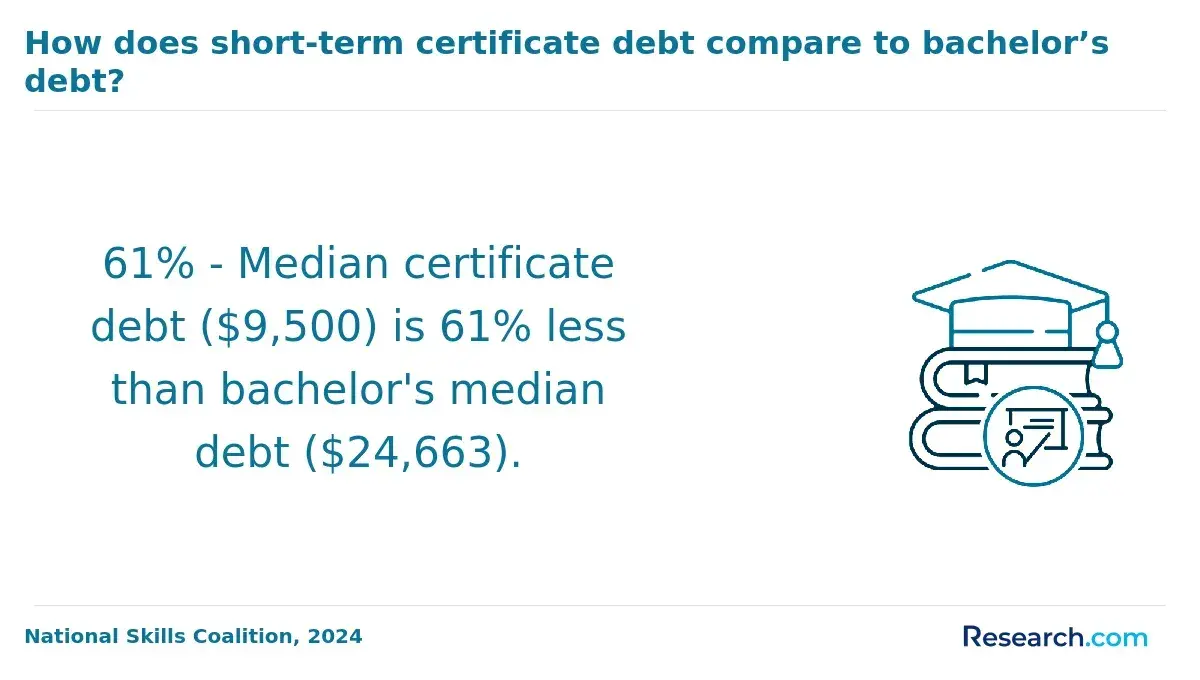
Certifications and short courses offer special education graduates a practical way to enhance their employability and advance their careers without enrolling in graduate programs. These focused credentials provide targeted skills that meet employer needs and improve readiness for diverse roles. Studies reveal that about 65% of employers in education prioritize candidates with relevant certifications or training, highlighting their importance in hiring decisions.
Some valuable certifications and courses that can support career growth include:
- Board Certified Behavior Analyst (BCBA) Assistant Certification: This certification builds expertise in behavioral intervention methods, preparing professionals to support students with behavioral challenges. It opens up more opportunities in educational and clinical environments.
- Teaching English as a Second Language (ESL) Certification: ESL certification equips educators to assist students facing language obstacles, facilitating inclusive classroom experiences and broadening employment prospects.
- Assistive Technology Specialist Certificate: Focused on integrating technology to aid students with disabilities, this course helps professionals design effective educational plans that incorporate digital tools.
- First Aid and CPR Certification: Widely recognized across educational settings, this practical credential increases a candidate's qualifications for classroom assistance and emergency preparedness.
- Positive Behavior Support (PBS) Training: This training teaches strategies to foster positive behavioral outcomes, an essential skill for managing challenging situations in special education contexts.
A professional with a special education degree shared how completing the BCBA Assistant Certification significantly impacted their career path. Initially, balancing work and study was challenging, especially learning complex behavioral concepts remotely. However, gaining this certification allowed them to confidently apply evidence-based interventions in their job, which colleagues and supervisors recognized. They emphasized that the focused nature of the course helped sharpen practical skills quickly, making their daily work more effective and opening doors to new roles that wouldn't have been accessible otherwise.
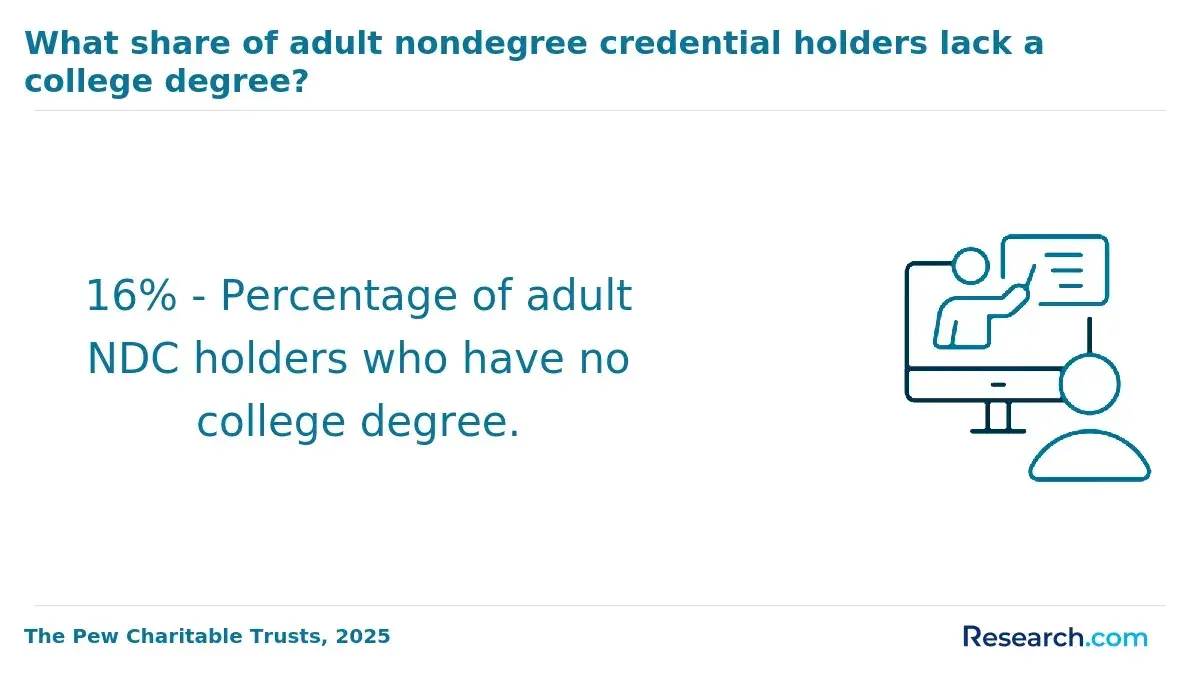
Opportunities for special education graduates without graduate degrees vary widely across industries. Some fields show strong demand for bachelor's-level professionals, creating easier entry points. Nearly one-third of jobs in special education-related areas are filled by workers holding only a bachelor's degree or equivalent, reflecting significant employment options without advanced study.
Industries that commonly welcome special education graduates without graduate credentials include:
- K-12 Public School Systems: These systems require numerous support staff such as paraprofessionals and instructional aides. Many roles focus on assisting special education programs without requiring graduate degrees, providing accessible positions for bachelor's graduates.
- Community and Social Services: Agencies in this sector often employ bachelor's-level staff to deliver educational and developmental support services. Their emphasis on direct client interaction and program implementation makes them open to those without graduate training.
- Nonprofit Disability Advocacy: Nonprofits engage in outreach, education, and resource coordination, relying on bachelor's-level employees for program coordination and community involvement rather than advanced credentials.
- Early Intervention Centers: These centers demand specialists to support young children's development and families. The nature of early intervention services allows bachelor's degree holders to enter the workforce in meaningful ways.
- Rehabilitation and Vocational Services: Agencies assist individuals with disabilities in acquiring vocational skills and independence, frequently hiring bachelor's-level staff for practical support and case management roles.
Non-traditional career structures are broadening access for special education degree holders by reducing dependence on conventional employment routes typically requiring graduate education. Digital and independent work models offer more flexible ways to enter the profession, adapting to individual schedules and geographic locations. Recent studies indicate that about 46% of professionals with bachelor's degrees in education-related fields engage in some form of remote or freelance work, reflecting a growing trend toward alternative employment formats.
Several freelance, remote, and non-traditional career options are particularly accessible for special education graduates without graduate school:
- Distributed Work Systems: Teams spread across different locations provide services such as virtual tutoring or behavioral coaching, relying mainly on reliable internet connectivity rather than geographic proximity, which enables graduates to support students regardless of location.
- Digital-First Labor Markets: Online platforms serve as marketplaces where special education professionals offer their expertise on a flexible, on-demand basis, bypassing traditional hiring and allowing for customized scheduling.
- Project-Based Independent Contracts: Focused on specific deliverables like curriculum development or assessment design, these contracts permit graduates to build their portfolios remotely while engaging in temporary, task-oriented roles.
- Telepractice Service Providers: Using video conferencing tools, graduates deliver therapeutic or instructional services remotely, expanding their reach without geographical limits or commutes.
- Consultant Roles with Nonprofits or EdTech Firms: Freelance consulting on accessibility, compliance, or technology enables graduates to gain diverse experience while working remotely across multiple regions or populations.
Graduates with a special education degree can build careers without attending graduate school by entering the workforce directly after earning their bachelor's degree. Early career momentum is often driven by access to entry-level special education jobs with a bachelor's degree, such as paraprofessional or teaching assistant roles, which offer vital exposure to educational settings. Approximately 70% of graduates secure relevant employment within six months without further academic qualifications, highlighting the practical value of the undergraduate degree. This initial experience lays the foundation for skill development and future advancement within educational or community support environments.
Long-term career development for special education professionals without graduate school typically depends on progression through increasing responsibilities and evolving roles over time. Many advance within organizations by gaining experience, certifications, and specialized training rather than pursuing formal degrees. This pathway allows growth into leadership or specialist positions across diverse settings, reflecting a commitment to ongoing professional engagement. For those interested in additional resources on education pathways, exploring the best online accounting degree programs may offer insight into complementary educational options.
Skipping graduate school is a common pathway in special education careers, allowing many to enter the workforce more quickly and start gaining experience. However, this choice can shape both early job opportunities and long-term professional growth, depending on one's career goals and the hiring landscape. For instance, bachelor's degree holders in special education typically earn less on average than those with graduate degrees but often face fewer barriers to entry initially.
Below are some advantages and disadvantages to consider when opting out of graduate school for special education careers:
- Early Workforce Entry: Graduates without advanced degrees can begin working sooner, which may provide immediate income and practical experience. This pathway suits those eager to start their careers without delay.
- Opportunity Costs: Avoiding graduate school reduces financial burdens such as tuition and fees, making it a cost-effective approach. This can be especially important for individuals managing other personal expenses.
- Long-Term Progression Limits: Certain specialized roles and leadership positions often require a master's degree, potentially limiting career advancement for bachelor's degree holders.
- Flexibility in Career Exploration: Without the commitment of graduate studies, individuals may explore a wider range of special education career opportunities and determine their strengths before specializing.
Access to various organizations in the special education field can vary widely, affecting career opportunities without graduate education. Larger institutional employers, highly selective organizations, specialized professional environments, and state or federal educational agencies often prefer or require advanced degrees for many positions. These expectations influence the advantages and disadvantages of skipping graduate school as you pursue special education career opportunities without graduate school.
According to national data, highly selective special education employers may receive over 100 applications per opening, increasing competition among bachelor's degree graduates. A strategic approach considering these factors can help balance immediate access to work and longer-term career benefits.
For those interested in expanding credentials without a full graduate program, exploring online MFT programs accredited can provide flexible pathways for gaining advanced qualifications.
Graduates with a bachelor's degree in special education generally find steady opportunities entering the workforce, reflecting stable labor market participation in this field. Employment trends for bachelor's level special education graduates reveal that many secure roles within school districts and educational programs, with national data showing placement rates near average for education graduates overall. Workforce demand remains consistent but varies by region and specialization, affecting overall career placement outcomes for these degree holders. For students exploring options beyond advanced degrees, considering programs like non profit online universities can be a valuable step toward entering the field efficiently.
Job market analysis for special education degree holders highlights that outcomes differ widely depending on specific roles and market dynamics. While some positions requiring niche skills or certifications may offer higher compensation and demand, others with broader accessibility often face more competition and lower wages. Regional funding levels, policy priorities, and labor supply influence opportunities, meaning graduates should evaluate multiple factors rather than expect a uniform career path. This variability underscores the importance for candidates to align their goals with current market conditions across various special education career options.
What Graduates Say About Special Education Careers Even Without Pursuing Graduate School
- Aries: "Graduating with a special education degree gave me a solid foundation to jump straight into classroom roles without the need for graduate school. I found that the practical strategies and real-world training equipped me to handle diverse learning needs confidently. Looking back, this hands-on experience was invaluable for building my career quickly and effectively."
- Massimo: "When I finished my special education degree, I wasn't sure if skipping graduate studies would hold me back. However, my degree alone opened doors to early career roles where I applied what I learned each day. The program's focus on individualized instruction prepared me well for navigating challenges in my first jobs, and I appreciate how it let me start gaining experience sooner."
- Angel: "Starting my career directly after earning a special education degree was the right choice for me. Employers valued the comprehensive knowledge I brought, especially on behavior management and inclusive teaching practices. I often reflect on how the degree itself empowered me to make an immediate impact without needing additional credentials at the time."
Other Things You Should Know About Special Education Degrees
Advancement without graduate school is possible through gaining experience, certifications, and specialized skills like assistive technology or behavior intervention. Many professionals move into supervisory or coordinator roles after demonstrating proficiency and leadership in their positions. Continuing education through workshops and state-approved programs can also enhance career growth without graduate degrees.
Certifications such as Registered Behavior Technician (RBT), Certified Special Education Paraprofessional, or assistive technology specialist credentials can boost employability and responsibilities. These certifications typically require fewer hours of training than graduate degrees and focus on practical skills relevant to supporting students with disabilities. They provide a competitive edge and open doors to specialized roles.
Yes. In most states, a bachelor’s degree plus an approved teacher-preparation program is not enough; you also need a state special education endorsement on your teaching license. Requirements usually include a Praxis special education exam, supervised student teaching, and fingerprint-based background checks through the state education agency.
- What are the Highest Paying Jobs in Special Education? | Special Education Degrees https://www.special-education-degree.net/what-are-the-highest-paying-jobs-in-special-education/
- The Growing Demand for Special Education Needs Experts in 2026: Skills, Careers & Trends Every Educator Should Know https://www.ebu.ac/blog/263-The-Growing-Demand-for-Special-Education-Needs-Experts-in-2026-Skills-Careers---Trends-Every-Educator-Should-Know-blog.php
- Why Earn a Master's Degree in Special Education? https://online.ewu.edu/degrees/education/med/special-education/why-earn-masters-in-special-education/
- What Skills Do You Gain from Special Education? https://londoncollegeteachers.com/blog/top-5-skills-you-gain-from-a-special-needs-education-program/
- Main navigation https://careersportal.ie/sectors/subsectors.php
- Careers in Special Education Besides Teaching https://tsengcollege.csun.edu/blog/careers-in-special-education-besides-teaching
- Careers With a Special Education Degree | University of Phoenix https://www.phoenix.edu/articles/education/careers-with-a-special-education-degree.html
- Exploring the Benefits of an M.Ed in Special Education - Graduate Programs for Educators https://www.graduateprogram.org/blog/exploring-the-benefits-of-an-m-ed-in-special-education/
- Special Education Teachers: Salary, career path, job outlook, education and more - RaiseMe https://www.raise.me/careers/education-training-and-library/special-education-teachers/
- What Can I Do with a Special Education Degree? https://www.northcentralcollege.edu/news/2023/04/05/what-can-i-do-special-education-degree