2027 Software Development Degree Programs With Rolling Admissions

Co-Founder and Chief Data Scientist
How does rolling admissions reshape access to software development degree programs amid fluctuating workforce demands? For career changers balancing job transitions and credential timelines, the option to apply beyond fixed deadlines can ease entry into competitive fields. The National Center for Education Statistics notes a 21% rise in adult learners enrolling in nontraditional programs between 2015 and 2021, signaling a shift toward adaptable schedules that accommodate practical training and employment pacing.
This flexibility aligns with software development's project-based learning demands and hiring cycles. This article examines rolling admissions' impact on timing, program fit, and career strategy for prospective software development students.
Key Benefits of Software Development Degree Programs With Rolling Admissions
- Rolling admissions allow software development students to time entry with evolving technology trends, but this can disrupt cohort cohesion and delay access to project-based learning opportunities.
- Employers increasingly value adaptability; rolling admissions cultivate graduates who engage with up-to-date skills, yet inconsistent start times may challenge traditional internship and recruitment cycles.
- Continuous application windows reduce upfront financial pressure, enabling nontraditional students to optimize timing, though course scheduling flexibility may be limited compared to fixed-semester programs.
How Do Software Development Degree Programs With Rolling Admissions Work?
Software development degree programs with rolling admissions reshape traditional enrollment by enabling ongoing candidate intake, which significantly affects both student timelines and institutional resource management. This approach reflects an adaptive balance between expanding accessibility and managing educational quality within a rapidly evolving labor market.
- Continuous Evaluation: Programs accept and review applications as they arrive rather than through a fixed deadline, allowing candidates to enroll as soon as they meet prerequisites. This accelerates workforce entry for students who complete foundational requirements at nontraditional times.
- Resource Allocation Challenges: The incremental filling of cohorts complicates faculty scheduling and classroom availability, forcing programs to adopt flexible instructional models. These adjustments impact the consistency of academic offerings and require dynamic curriculum delivery strategies.
- Peer Dynamics Variation: Rolling admissions often lead to uneven cohort sizes and compositions, which can diminish the stability of peer networks critical for collaborative software development projects. Students must proactively seek community engagement to compensate for these fragmented group experiences.
- Employer Expectations Alignment: Timely program entry supports industry demand for up-to-date technical skills, but employers may still favor graduates who have experienced cohesive teamwork throughout a structured program. The admissions model can therefore influence the nature of skill development and employer readiness.
- Strategic Accessibility: Offering rolling admissions aligns with the needs of career changers and professionals seeking rapid upskilling in emerging technologies, broadening entry points beyond traditional academic cycles. This flexibility often attracts a diverse student body focused on immediate applicability rather than conventional academic pacing.
Such features illustrate key operational tradeoffs and strategic considerations embedded in the software development degree programs with rolling admissions process. Prospective students evaluating these options should weigh the advantage of flexible start dates against possible fluctuations in academic community structure and the implications for both networking and learning outcomes.
For additional context on accelerated program models that complement rolling admissions, prospective applicants may explore 1 year masters programs, which similarly emphasize expedited paths and workforce responsiveness.
What Are the Admission Requirements for Rolling Admissions Software Development Programs?
Rolling admissions for software development programs demand an ongoing evaluation of applicants' current capabilities rather than fixed deadlines, reflecting the rapidly evolving nature of technical skills and workforce needs. This approach allows admissions committees to weigh recent improvements or emerging experiences, which can be critical when candidates balance education with work or other responsibilities.
However, this flexibility also requires applicants to strategically present evidence of their preparedness to prevent delays or misjudgments in readiness assessments.
- GPA Requirement: Many programs expect applicants to have a competitive GPA but focus on upward trends or recent academic improvements during the review period to gauge potential success in rigorous coursework.
- Transcripts: Official academic records must be submitted, with rolling admissions enabling updated transcripts if grades improve while applications are under consideration, offering a chance to strengthen candidacy.
- Application Form: Comprehensive applications that include detailed educational background, work history, and relevant technical experience help admissions panels assess practical readiness alongside formal qualifications.
- Letters of Recommendation: These should emphasize problem-solving skills, adaptability, and motivation for software development careers, reflecting not just past achievements but present suitability for intensive study.
- Personal Statement: Applicants need to articulate clear goals and demonstrate a commitment to evolving technical competencies, aligning with employer expectations for continuous learning in software development.
- English Proficiency: Non-native speakers often must provide evidence of language skills sufficient to engage with complex technical content and collaborate effectively in team environments.
When Should You Apply for Rolling Admissions Programs?
Rolling admissions in software development programs operate through continuous application evaluations rather than fixed deadlines, creating a scenario where timing materially shapes acceptance chances. Early applicants often gain access to the most seats and financial aid opportunities since programs allocate limited spots progressively, favoring those who submit soon after the cycle opens.
However, the advantage hinges on readiness-submitting incomplete or underprepared materials early can undermine an applicant's position compared to a more polished submission later. Mid-cycle candidates encounter tighter competition, balancing fewer remaining seats with potentially stronger portfolios, especially if they invested extra time improving skills or certifications.
In contrast, late applicants confront restricted availability and stricter selection criteria, sometimes limited to less popular formats like evening or online classes, while missing financial aid deadlines and sacrificing strategic alignment with internships or employer hiring timelines that emphasize early commitment and preparation. Deciding when to apply involves weighing preparedness against seat scarcity and funding constraints inherent in rolling admissions structures.
Programs' ongoing review means offers fluctuate as enrollment progresses, so delaying an application on the assumption more time improves outcomes risks disqualification simply due to capacity caps. Conversely, rushing to apply immediately without addressing key gaps leaves applicants vulnerable to rejection or deferral, undermining long-term employment prospects by delaying entry into practical training or networking opportunities.
Employers increasingly value candidates' ability to demonstrate relevant experience alongside credentials, which necessitates careful timing to maximize both acceptance odds and post-admission career-readiness. Ultimately, applying effectively requires strategic self-assessment of academic and financial readiness matched to the admissions environment's evolving availability and selection intensity.
Are Rolling Admissions Common in Online Programs?
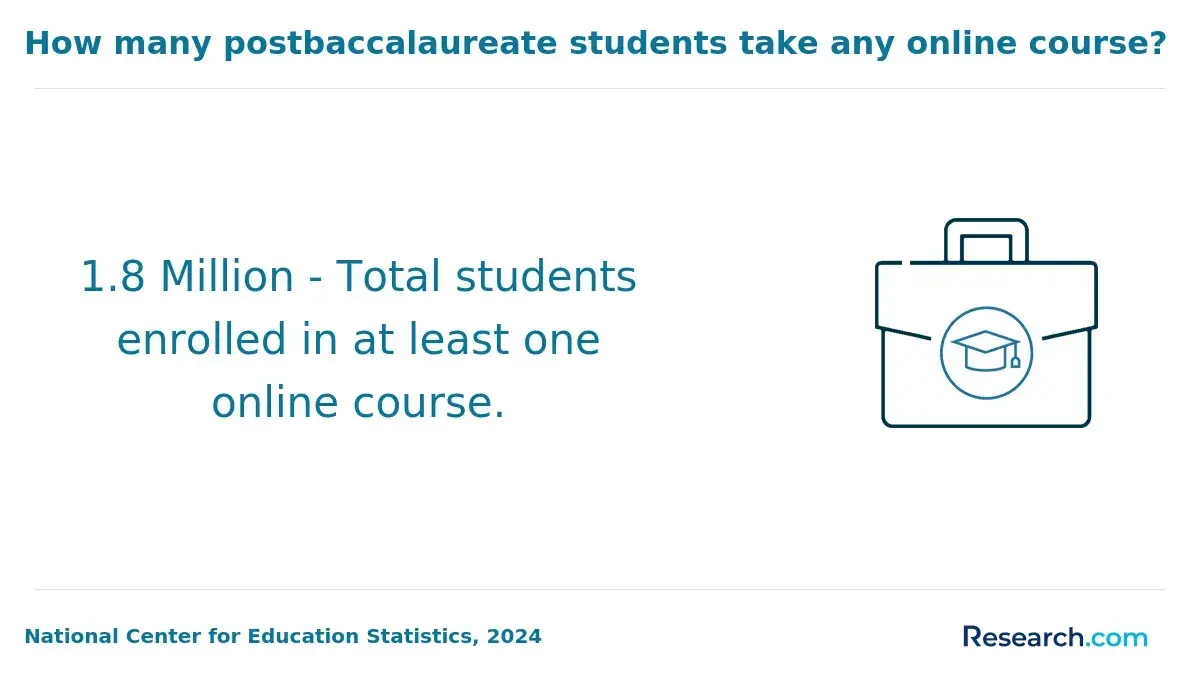
Rolling admissions have become a strategic feature for many online software development programs, reflecting institutional efforts to enhance scalability and accessibility. Compared to traditional on-campus degrees, online formats more frequently adopt rolling admissions to better accommodate remote and nontraditional learners who require flexible start dates. This model allows schools to manage enrollment more dynamically, smoothing demand spikes throughout the year and supporting students balancing work and family responsibilities.
However, adoption varies considerably, as some programs prioritize fixed cohort starts to create cohesive learning environments and more predictable faculty resource allocation. Programs with rolling admissions offer more frequent enrollment opportunities, which can accelerate time-to-enrollment but occasionally spur competition during peak application periods in high-demand fields.
Approximately 60% of accredited online software development programs feature rolling admissions or multiple annual start dates, signaling a notable institutional trend toward learner-centered flexibility. This flexibility aligns with the asynchronous nature of many online courses and supports faster employment transitions in tech-related roles. Yet, despite broader availability, not all online programs embrace this model, underscoring the importance for prospective students to assess admissions frameworks relative to their learning style and career timelines.
Those considering rolling admissions should weigh the benefits of expedited enrollment and greater flexibility against potential downsides like increased competition in sought-after cohorts. Students focused on degrees that make the most money may find rolling admissions particularly advantageous given the sector's fast-paced hiring demands and skills turnover.
Do Rolling Admissions Schools Have Higher Acceptance Rates?
Rolling admissions do not inherently correlate with higher acceptance rates; this model primarily reflects a continuous application review process rather than reduced selectivity. The misconception that rolling admissions schools admit more students arises because early applicants face less competition due to available seats, which can create a temporary advantage.
However, as cohorts fill and capacity tightens, later applicants encounter increased competition, aligning acceptance chances more with demand and program constraints than with relaxed standards. This timing effect highlights a structural nuance rather than an admission policy leniency.
Acceptance rates under rolling admissions vary significantly across institutions and program types, especially within software development pathways where hands-on cohort work and resource limits influence enrollment decisions. Factors such as program size, applicant volume, and timing of submission play a larger role than the admission timeline itself.
While some programs may show fluctuating acceptance percentages, data from sources like the National Center for Education Statistics reveal these rates often fall within similar ranges to fixed deadline institutions, underscoring that selectivity depends more on institutional goals and workforce alignment than application cycle style. Prospective students should prioritize understanding these operational dynamics and program-specific factors over assuming any simplified admissions advantage.
How Much Do Rolling Admissions Software Development Programs Cost?
Tuition pricing in rolling admissions software development programs typically follows a per credit hour, per term, or flat-rate model, with some innovative options adopting subscription or competency-based frameworks. While rolling admissions itself does not directly alter tuition costs, it changes the timing and pacing of payments, influencing both cash flow and the student's progression speed.
A student enrolling off-cycle may face a different term schedule, which can delay fee deadlines or accelerate course completion, thereby affecting total financial outlay over time. Tuition commonly ranges between $300 and $700 per credit hour, meaning a traditional 120-credit bachelor's program might cost anywhere from $36,000 to $84,000 in base tuition alone for many software development rolling admissions programs.
Additional fees are an important consideration in assessing average expenses for rolling admissions software development degrees. Institutional fees, technology access charges, and occasional lab or software licensing costs can add $1,000 to $3,000 annually, especially in programs emphasizing practical or specialized development environments. Program design factors such as online, hybrid, accelerated, or cohort-based structures substantially influence overall cost experience-not just sticker price-by altering housing, commuting, and the duration of education.
These elements impact affordability and return on investment since faster completion helps earlier workforce entry. Students should also anticipate variable costs for materials, development tools, and certification exams. Those weighing multiple program options should consider these financial tradeoffs and explore broader affordability benchmarks like those available for the best data science masters to contextualize what represents a reasonable investment.
Are Career Outcomes Different for Rolling Admissions Students?
Career outcomes for students admitted through rolling admissions to software development programs show no inherent advantage or disadvantage compared to those admitted via traditional fixed deadlines. Rolling admissions functions purely as an enrollment scheduling tool, offering greater flexibility but not directly affecting academic quality or job prospects. Instead, outcomes correlate more strongly with program accreditation, curriculum relevance, and specialization areas such as mobile app development or cybersecurity.
Practical experience, especially internships and industry networking, remains a far more decisive factor; nearly 60% of software job offers go to candidates who completed internships, according to the National Association of Colleges and Employers (NACE). Likewise, local labor market conditions and employer demand in tech hubs versus smaller regions shape employment opportunities far more than admission timing.
That said, rolling admissions may indirectly influence career timing by enabling earlier enrollment and potentially faster program completion, which can lead to entering the workforce sooner. This can translate into an earlier start on salary progression or career advancement but depends heavily on a student's ability to maintain consistent progress and avoid delays.
Variation among institutions means outcomes are not uniform; high-quality programs with strong industry ties-and not admission format-drive better post-graduate success. Ultimately, students should prioritize program substance and practical exposure when selecting software development degrees rather than admission flexibility as a proxy for future employment prospects.
Can Rolling Admissions Programs Lead to High-Paying Careers?
High-paying careers in software development are influenced far more by specialization, institutional reputation, practical experience, and workforce networks than by enrollment mechanisms like rolling admissions. While rolling admissions provide flexibility by allowing students to start programs without waiting for fixed deadlines, this advantage primarily affects timing rather than salary outcomes.
For instance, a student who enrolls earlier through a rolling admissions program may enter the workforce sooner, but this timing edge does not guarantee higher initial pay or faster salary growth. Salary levels vary significantly within software development roles depending on factors such as the specific technical domain, employer prestige, internship quality, and regional market demand.
Rolling admissions should be understood as an administrative convenience rather than a career accelerator. The key determinants of income remain the rigor of training, hands-on experience through cooperative education or internships, and professional connections built during study. Geographic location plays a crucial role as tech hubs command higher salaries but also have higher living costs, which requires careful consideration beyond admission format.
Median starting salaries for entry-level developers in the U.S. typically range between $70,000 and $80,000, but variances are tied to skills, company, and role rather than how a student gained admission. Ultimately, prospective software development students choosing programs with rolling admissions must weigh flexibility benefits against these broader, more impactful career factors.
What Are the Disadvantages of Rolling Admissions Programs?
Rolling admissions in software development degree programs may seem flexible on the surface, but they introduce practical complications that can hinder student progress and decision-making. The absence of fixed deadlines often leads to deferred applications, which misaligns with optimal enrollment cycles and may delay graduation.
This unpredictability also affects critical aspects like financial planning and workforce entry timing, which many programs with rolling admissions struggle to accommodate effectively.
- Unclear timelines encourage procrastination, causing students to miss the best enrollment periods aligned with course availability or faculty expertise, which can delay academic progress.
- Variable cohort size and composition reduce opportunities for peer collaboration and networking, key components of learning in software development fields.
- Employers often expect graduates to follow traditional schedules; data from a 2022 postsecondary enrollment report shows students admitted through rolling admissions were 15% more likely to take longer than four years to graduate, raising concerns about consistency and program rigor.
- Inconsistent academic advising due to staggered admissions can limit students' access to resources needed for internships and job placement, undermining their preparedness in competitive tech job markets.
- Financial aid and housing arrangements become difficult to plan without predictable semester start dates, complicating personal and professional scheduling especially for those balancing multiple commitments.
These disadvantages highlight the challenges in applying to software development degree programs with rolling admissions, underscoring how the flexible model can paradoxically restrict strategic planning and reduce overall educational value. For students prioritizing a more structured pathway, a traditional admissions cycle may better support timely completion and workforce entry.
Those researching alternatives might also explore programs like a master in blockchain which typically follow more defined enrollment practices and specialized curriculum design.
How Do You Choose the Best Software Development Program With Rolling Admissions?
Comparing software development degree programs with rolling admissions requires more than evaluating open enrollment windows-it demands assessing operational realities and career impact. Flexibility in application deadlines can benefit working adults but may come with hidden constraints affecting financial aid or cohort integration. Choosing well involves balancing these tradeoffs against outcomes that truly matter.
- Accreditation and curriculum relevance: Accredited programs ensure recognized quality, but since software tools evolve rapidly, curricula must also align with current industry languages and methodologies to maximize employability.
- Admissions flexibility nuances: Some programs advertise rolling admissions but enforce cutoff dates or limited start terms, which could disrupt timely progression or access to scholarships-critical for students managing transitions.
- Graduation and job placement: A program's real-world success is shown by maintaining graduation rates above 60% and securing employment within six months, which indicates robust support systems and employer connections for adult learners.
- Cost and modality tradeoffs: Tuition affordability intersects with delivery format; online or hybrid options complement rolling admissions for schedule flexibility but may limit live interaction crucial for networking and hands-on learning.
- Faculty experience and alumni network: Programs led by instructors with recent field engagement foster practical skills, while active alumni networks can open pathways for mentorship and job placement in competitive markets.
Those researching the best software development programs with flexible application deadlines should also compare options across fields-sometimes broader programs provide better career pathways, as suggested in reviews of related areas like the graphic design bachelor degree sector, where rolling admissions have similar implications on student outcomes.
What Graduates Say About Software Development Degree Programs With Rolling Admissions
- Khai: "Balancing a full-time job while completing my software development degree through rolling admissions was a real challenge, but the program's flexibility made it manageable. I chose it mainly because I could start projects immediately and update my portfolio on the fly, which proved crucial when applying for internships. Ultimately, I landed a junior developer role where employers valued my hands-on experience over formal certifications, confirming that practical skills carried more weight than I initially expected."
- Julio: "As someone switching careers later in life, time and financial constraints were my biggest concerns, so the rolling admissions in software development appealed because I could enter without delay. Choosing the program meant sacrificing some traditional classroom interaction, but it allowed me to complete important coding projects remotely and secure a paid internship. However, I soon realized that while the entry-level roles were accessible, advancement without additional certifications or specialization might be limited, which I'm actively addressing now."
- Jayden: "The workload in my software development program was intense, especially juggling part-time studies and freelancing, but the rolling admissions made it easier to start when I was ready. I opted for this route since it provided a steady stream of internship opportunities, which helped me build real-world connections. While I did get a solid job offer after graduation, I found that many employers prioritized a strong portfolio and hands-on experience over just having the degree, a practical insight that influenced how I continue to develop my skills."
Other Things You Should Know About Software Development Degrees
While employers primarily focus on skills and portfolio, degrees completed via rolling admissions can sometimes raise questions about program rigor and consistency. However, the real concern lies in whether the program's curriculum matches industry standards and includes up-to-date, practical software development training. Prospective students should prioritize programs that maintain strong ties with tech employers and incorporate real-world projects, regardless of admission style, to ensure their degree is respected in hiring processes.
The ongoing enrollment nature of rolling admissions can translate into continuous course offerings but may reduce access to structured academic support aligned with traditional semesters. Students need proactive time-management skills because resources like tutoring or mentorship might not synchronize with an ever-changing student body. Those less confident managing an independent learning schedule may struggle, so opting for a program with structured support systems available year-round can improve persistence and outcomes.
Yes, rolling admissions can be particularly suited to individuals with unpredictable schedules, as they allow enrollment when ready rather than waiting for fixed deadlines. This flexibility supports career changers or parents who might face fluctuating responsibilities. However, students should ensure the program provides adequate asynchronous learning options and access to faculty support to accommodate their unique time constraints while maintaining academic quality.
References
- Career Paths in Software Development | Herzing College https://blog.herzing.ca/careers-in-software-development
- Pros and Cons of Working as a Software Engineer https://dev.to/devlazar/pros-and-cons-of-working-as-a-software-engineer-2259
- Opintopolku https://opintopolku.fi/konfo/en/hakukohde/1.2.246.562.20.00000000000000076728/valintaperuste
- How to Become a Software Engineer https://www.snhu.edu/about-us/newsroom/stem/how-to-become-a-software-engineer
- Rolling application - Centria University of Applied Sciences https://net.centria.fi/en/education/how-to-apply/how-to-apply-for-bachelors/rolling-admission/
- LUT moves to rolling admission for English-language bachelor’s programmes, drops first joint application round https://www.lut.fi/en/uutiset/lut-moves-rolling-admission-english-language-bachelors-programmes-drops-first-joint
- Rolling Admissions Definition & Benefits https://www.act.org/content/act/en/students-and-parents/college-planning-resources/applying-to-college/rolling-admissions.html
- Outcomes Reporting - Tech Elevator https://www.techelevator.com/outcomes/
- How to Choose the Right Career Path in Software Development https://betterprogramming.pub/how-to-choose-the-right-career-path-in-software-development-8fae4c9cc7dd
- The Benefits Of Continuous Learning Programs In Developer Retention. - Proxify https://proxify.io/knowledge-base/%7Bretention/the-benefits-of-continuous-learning-programs-in-developer-retention