2027 Does an Online Software Development Degree Qualify You for Licensure?

Co-Founder and Chief Data Scientist
Does an online software development degree meet the stringent requirements for professional licensure? Many career changers pursuing flexible learning options worry about whether their digital education aligns with state licensing criteria. Approximately 60% of software development roles now require formal credentials alongside practical experience, heightening concerns about degree legitimacy and recognized training components. Licensure often involves supervised work or passing specific exams beyond academic completion. Understanding how an online program aligns with these requirements is critical for prospective students.
This article explores whether an online software development degree qualifies graduates for licensure and highlights essential factors to consider before enrollment.
Key Things to Know About Online Software Development Degree Licensure Qualifications
- Accreditation and program approval by recognized bodies are crucial; without them, an online software development degree may not satisfy licensure educational standards.
- State-specific licensure requirements vary widely, so eligibility for graduates depends heavily on the state's accepted program types and educational criteria.
- Completion of clinical, practicum, or supervised experience components is often mandatory, ensuring practical skills necessary for professional licensure are demonstrated.
Does an Online Software Development Degree Qualify You for Licensure?
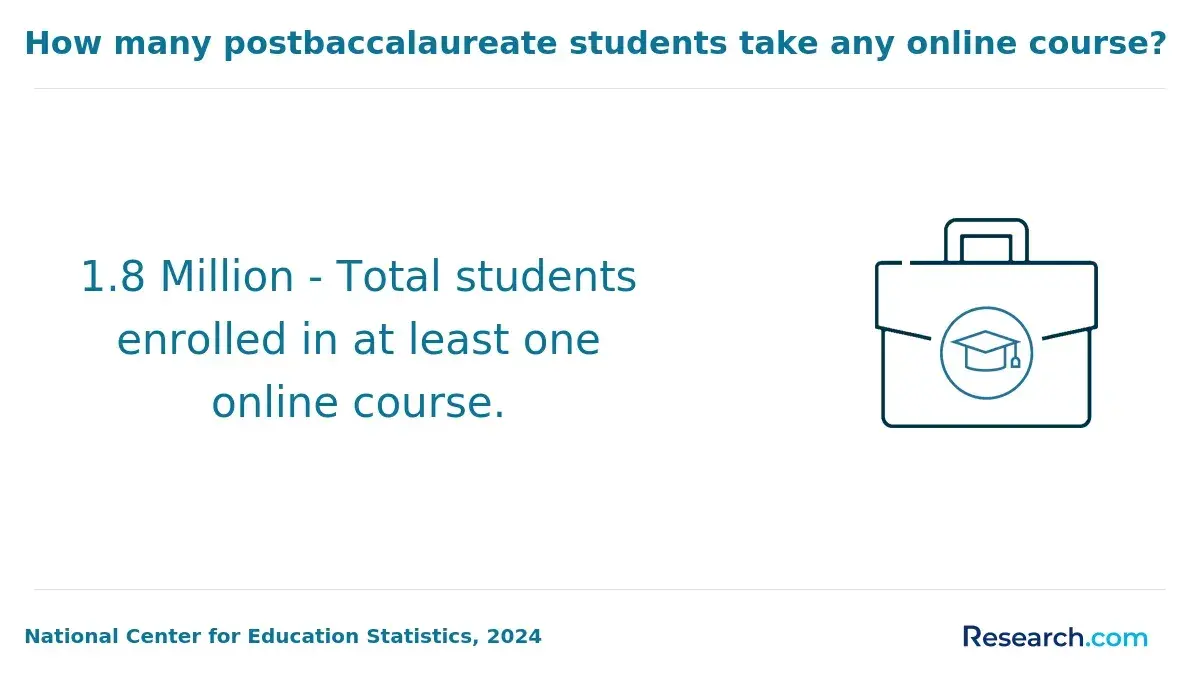
Online education has become increasingly common in fields that require licensure, reflecting a broader acceptance of remote learning's legitimacy. Nearly 40% of higher education students in the U.S. now take at least one online course, illustrating the shift toward digital classrooms. This growth signals expanding opportunities for those pursuing licensure-track programs through online degrees. Exploring the state requirements for licensure with an online software development degree reveals important considerations for credential recognition and program quality.
Whether an online software development degree qualifies you for licensure largely depends on several key factors, including the institution's recognition by relevant licensure authorities and how the program is structured. Programs must integrate both theoretical coursework and practical components such as hands-on projects or supervised experiences to comply with licensure standards. Meeting these established educational requirements is essential to ensure the degree aligns with professional expectations. Prospective students should carefully verify their program's curriculum and credentials before pursuing licensure and may find additional guidance by reviewing quick online degrees that pay well, which often meet licensure criteria.
Which Software Development Careers Require Professional Licensure?
Professional licensure in certain software development careers serves to uphold public safety, ethical standards, and technical accuracy. While only about 7% of STEM occupations require such licenses, those that do typically involve high-stakes environments where software failures could have serious consequences. The following are key software development careers where licensure plays a critical role.
- Safety-Critical Software Engineers: These professionals work in industries such as aerospace and medical devices, where software directly affects human lives. Licensure ensures engineers are accountable for validating designs that minimize risk and guarantee system safety.
- Cybersecurity Specialists: Particularly those protecting government or financial infrastructures must often hold certifications or licenses. Licensing verifies their expertise in handling sensitive data and complying with legal frameworks for national and organizational security.
- Data Privacy Officers and Compliance Analysts: In roles focused on managing personal information under stringent privacy laws like GDPR or HIPAA, licensing ensures adherence to legal standards and prevents misuse or breaches of user data.
- Consultants for Regulated Utilities: Developing software for critical infrastructure and public services requires licensure to confirm professional responsibility and reliability, as failures can disrupt vital community operations.
A software development degree graduate I spoke with shared his experience navigating licensure in a cybersecurity role. "It was daunting at first," he said, describing the rigorous process to obtain and maintain certifications tied to legal compliance and security protocols. He emphasized how licensing helped him gain credibility with employers while ensuring he stayed current with evolving regulations. "Knowing that I'm legally trusted to protect sensitive systems adds a layer of professionalism that my degree alone didn't fully convey," he noted, highlighting that licensure deeply impacted his career path and confidence in the field.
What Accreditation Is Required for Software Development Licensure?
Accreditation is a critical factor in determining whether an online software development program meets the standards required for professional licensure. Graduates from accredited programs tend to perform better, with studies showing a roughly 20% higher pass rate on licensure exams than those from non-accredited schools. The following key accreditations are integral to validating program quality and supporting licensure eligibility.
- ABET: Recognized as the premier accrediting body for software development-related degrees, ABET ensures programs meet comprehensive curricular criteria. Many employers and licensing authorities regard ABET accreditation as proof of a rigorous and relevant education.
- CSAB: Working closely with ABET, CSAB focuses specifically on accrediting programs in computing sciences and software engineering. Their standards emphasize educational content essential for professional growth and licensure pathways.
- DEAC: As an accreditor of distance education, DEAC certifies that online programs maintain quality despite their remote delivery format. While indirectly linked to licensure, this accreditation bolsters the credibility of online software development degrees.
- WASC Senior College and University Commission: This regional accreditor assesses overall institutional excellence, which carries weight when licensing boards review candidates' academic qualifications from online institutions.
Do Licensure Requirements Vary by State for Software Development Careers?
State regulations play a significant role in determining whether graduates from online and traditional software development programs qualify for professional licensure. About 40% of U.S. states have specific licensure or certification requirements related to software or computer engineering fields. These state-specific licensing regulations for software development professionals create variability in how educational credentials from online degrees are accepted. This patchwork of rules influences eligibility for licensure across different states.
Differences in state licensure requirements impact whether an online software development degree meets educational standards, as some states may exclude online programs while others recognize them equally. These variations also affect professional practice eligibility since licenses may not be portable without additional state-specific processes. Understanding these distinctions helps prospective students select programs that comply with their intended state's licensing criteria, ensuring their degree supports their career goals. For those interested in the highest paying jobs in the field, aligning program choice with state requirements is particularly important.
What Online Courses Are Required for Software Development Licensure?
Online courses for software development licensure are designed to provide both theoretical foundations and practical skills necessary for professional qualifications. With more than 70% of technology degree programs now offering online options, digital learning has become a widely accepted path for acquiring licensure-related education. The following outlines key coursework areas typically required in such programs.
- Core Theory: These courses cover programming basics, data structures, and algorithms, establishing essential knowledge vital for understanding software engineering principles used in licensure evaluations.
- Applied Practice: Practical classes focus on software design, testing, and project management, helping students develop technical competencies and collaborative skills essential for real-world software development challenges.
- Ethics and Professionalism: Instruction emphasizes moral responsibilities, legal considerations, and industry standards to ensure candidates are prepared to uphold accountability and ethical conduct in their careers.
- Research and Technology Trends: Coursework in this area cultivates the ability to critically analyze new methodologies and emerging tools, supporting continued professional growth in a fast-changing field.
When I spoke with a professional holding a software development degree, she reflected on her licensure coursework as both demanding and rewarding. She described navigating a rigorous curriculum that balanced abstract concepts with hands-on projects, which helped build her confidence. "The online format required strong self-discipline, but the diverse assignments and collaboration opportunities made me feel well-prepared for licensure," she said. Her experience underscored how closely these courses aligned with the competencies expected in professional practice.
Do Online Software Development Programs Require Internships for Licensure?
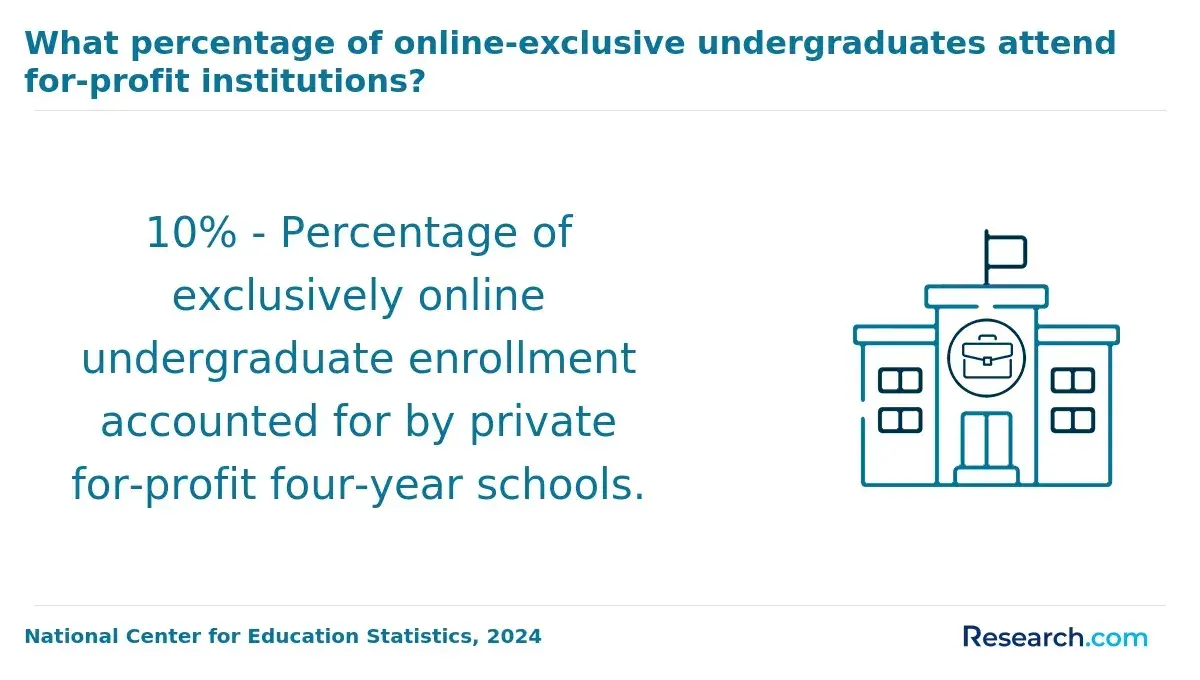
Many online software development degree programs incorporate internship or practical experience components to align with professional licensure requirements. While not always mandatory for licensure, these experiential opportunities help students connect classroom theory with real-world applications. Studies indicate that around 65% of students in hybrid or fully online programs engage in internships or similar practical projects, highlighting the value placed on hands-on learning in technical disciplines. This foundation supports a deeper examination of how such programs address licensure preparation.
Internship expectations vary widely depending on the design of the software development program and the criteria set by licensure authorities. Some programs embed internships within the curriculum through partnerships with industry, providing structured experience, while others offer more flexible options or optional practical components. Rather than focusing strictly on administrative internship placements, licensure bodies generally prioritize demonstrated competence and knowledge, making internships a key method for skill validation and applied learning. This distinction reflects the adaptable nature of experiential learning within licensure-focused education pathways.
How Do Licensing Exams Work for Online Software Development Graduates?
Licensing exams serve as a standardized measure of competency for both online and traditional software development graduates, ensuring all candidates meet professional standards. Recent data shows that about 68% of candidates with accredited online degrees pass their first licensing exam attempt, a success rate comparable to that of traditional program graduates. Several factors are important to understand regarding how these exams operate for online graduates.
- Eligibility Requirements: Candidates must hold a recognized degree, including those earned through accredited online programs, to qualify for the licensing exam. This ensures that the educational foundation meets industry standards regardless of delivery method.
- Exam Content: The exams cover core topics such as software design, algorithms, programming languages, system architecture, and professional ethics. These areas assess both theoretical knowledge and practical problem-solving skills expected of licensed professionals.
- Preparation Expectations: Due to competitive pass rates and exam difficulty, extensive preparation is essential. Candidates should focus on mastering both conceptual understanding and application of programming principles.
- Testing Administration: Exams are typically administered as computer-based tests at approved, secure testing centers nationwide. This standardized setting provides consistency in testing conditions for all candidates, regardless of educational background.
How Do You Verify an Online Software Development Program's Licensure Status?
Verifying an online software development program's licensure alignment is essential for students who want to ensure their degree meets professional standards. Nearly 30% of students mistakenly enroll in programs without licensure eligibility, which can delay or prevent certification. Proper verification helps safeguard educational investment and career goals. Below are key steps to confirm licensure status.
- Official Disclosures: Review the program's webpage and official catalogs for licensure or certification status statements. Reputable institutions provide clear disclosures about whether their online software development program meets licensure criteria, aiding transparency in program selection.
- Institutional Recognition: Confirm that the institution is recognized or authorized by state education departments or regulatory agencies. This recognition is often a prerequisite for offering programs that qualify graduates for professional licensure.
- Licensing Board Criteria: Consult high-level eligibility requirements published by relevant licensing boards. Comparing these general criteria with program credentials can offer an early indication of whether the degree supports licensure goals.
- Program Outcomes: Examine data on graduate success rates, employment, or licensure exam pass rates shared by the program. These outcomes provide insight into how well the program prepares students for licensure and employment.
Students researching how to verify online software development program accreditation should also consider how these verification strategies align with their professional objectives. For those pursuing advanced roles, reviewing options like a PhD in organizational leadership may offer additional pathways. Checking licensure eligibility for online software development degrees remains a crucial step in securing valid credentials.
What Challenges Do Online Software Development Students Face With Licensure?
Licensure pathways for online software development students can be more complex due to differing program structures and varying jurisdictional requirements. Approximately 30% of applicants with online degrees experience delays or require additional verification during the licensure process. These challenges highlight the ongoing licensing obstacles for online software development graduates. Key challenges related to licensure include:
- Varied Program Expectations: Licensing boards often have strict, diverse standards that not all online programs fully satisfy, complicating eligibility determination for graduates.
- Documentation Complexity: Online coursework and assessments are delivered via many digital platforms, making it harder to provide clear, consistent documentation that meets licensure authorities' validation criteria.
- Alignment with Professional Standards: Students must confirm their online degree programs adhere to recognized accreditation and licensure challenges for online software development degrees, ensuring the education meets industry benchmarks.
- Diverse Eligibility Pathways: Licensure criteria vary widely by state or jurisdiction, forcing students to navigate a patchwork of rules without uniform guidance.
In addition to these licensure challenges for online software development students, those considering advanced degrees might explore related areas such as a masters in organizational leadership to broaden career opportunities.
Are Online Software Development Degrees Respected in Licensed Professions?
Perceptions of online education in licensed professions have shifted significantly as technology and workplace norms evolve. A 2023 survey by the National Association of Colleges and Employers found that almost 70% of employers consider online degrees equally credible to traditional campus degrees, provided the institution is reputable. This growing acceptance reflects broader trends in how education formats are viewed, impacting the recognition of online software development degrees. Such changes invite evaluation of the credibility these programs hold within licensed careers.
The respect afforded to online software development degrees in licensed professions generally hinges on the program's quality, clear evidence of learning outcomes, and proven technical skills rather than just the mode of delivery. Emphasis on demonstrated competency helps ensure these degrees meet professional standards and employer expectations alike. This dynamic means that online software development degree recognition in licensed careers is largely determined by how well programs prepare students for real-world challenges, not simply whether they are offered remotely. For insights on related educational costs, see mechanical engineering degree online cost.
What Graduates Say About Online Software Development Degree Licensure Qualifications
- Howard: "Choosing an online software development degree was a strategic move for me, especially since I needed flexibility while working full-time. I learned that not all states recognize online degrees for licensure, so researching that beforehand saved me a lot of headaches. Ultimately, earning my licensure expanded my career opportunities, allowing me to take on leadership roles I hadn't imagined before."
- Julian: "Reflecting on my journey, pursuing a licensure with my online software development degree was both challenging and rewarding. The biggest insight was how crucial accreditation is when it comes to qualifying for licensure-online programs can vary widely. Now licensed, I've seen firsthand how this credential boosts my credibility and opens doors in a competitive tech landscape."
- Aiden: "From a professional standpoint, the impact of having a licensure after completing an online software development degree has been significant. I initially doubted if an online degree would meet licensure requirements, but staying diligent about state board guidelines paid off. Licensed and confident, I'm now able to contribute more meaningfully on projects that require certified expertise."
Other Things You Should Know About Software Development Degrees
Licensing bodies typically require degrees from regionally accredited institutions to consider the educational credential valid. National or programmatic accreditation alone may not be sufficient. Therefore, students pursuing online software development degrees should ensure their program holds appropriate regional accreditation to qualify for licensure where applicable.
Yes, many software development careers that require licensure also demand passing standardized certification exams or obtaining professional credentials beyond the degree. Certifications like Certified Software Development Professional (CSDP) can be necessary to demonstrate competence. Holding an online degree alone does not guarantee full licensure without completing these supplementary certifications.
The mode of delivery-whether online or in-person-generally does not impact licensure eligibility as long as the program meets accreditation and curriculum standards. Licensing authorities focus on the quality and content of the coursework rather than its format. Hence, graduates from accredited online software development programs are typically eligible to pursue licensure if all other criteria are met.
References
- Professional Engineer Licensing https://www.harborcompliance.com/engineer-license-requirements-registration
- 200+ Software Licensing Online Courses for 2026 | Explore Free Courses & Certifications | Class Central https://www.classcentral.com/subject/software-licensing
- Software Development Qualifications | Ashdown Group https://www.ashdowngroup.com/it-qualifications/software-development
- Gain a Certificate in Microsoft Licensing! https://pulse.microsoft.com/en/skill-forward-en/na/fa2-gain-a-certificate-in-microsoft-licensing/
- How to check if your software licenses are still valid and what to do if they're not. https://www.deeperthanblue.co.uk/software-license-audit/
- Top 10 Software License Tracking Tools | Zluri https://www.zluri.com/blog/software-license-tracking-tools
- Professional Software Developer Certification https://www.computer.org/product/education/professional-software-developer-certification
- TLDRLegal - Software Licenses Explained in Plain English https://www.tldrlegal.com/
- Online Software Engineering Degrees Versus The Alternative https://www.softwareengineerinsider.com/degrees/online-software-engineering-degrees.html
- Challenges in the modern software licensing landscape https://codekeeper.co/articles/challenges-in-modern-software-licensing