2027 Online Political Science Degrees With Stable Public Sector Alignment

Co-Founder and Chief Data Scientist
Professionals seeking online political science degrees today confront a critical bottleneck: aligning academic credentials with stable, public sector roles requires more than just coursework. Public agencies increasingly prefer candidates with programs attuned to government protocols and policy frameworks, yet 45% of online social science enrollments in 2024, according to the National Center for Education Statistics, occur in programs lacking clear pathways to public employment.
This disconnect complicates timing and resource allocation for working adults aiming to pivot careers without compromising income or job security. This article examines online political science degrees with demonstrated public sector alignment to guide decisions maximizing career mobility and long-term stability.
Key Things You Should Know
- Public sector job growth in political science roles is forecasted at just 2% through 2031, per BLS 2024 data, pressuring graduates to prioritize specialized policy analysis skills over broad curricula for competitive hiring.
- Federal hiring managers increasingly value practical experience integrating data analytics with political theory, creating a workforce demand mismatch for programs lacking applied research components.
- Programs averaging $18K-$28K tuition in 2024 show enrollment declines as rising costs disproportionately impact mid-career public servants seeking reskilling, delaying workforce entry and credential relevance.
What is an online political science degree with a public sector focus?
An online political science degree with public sector emphasis targets applied skills crucial for government and policy roles, distinct from general political theory. A city planning commission candidate, for example, must grasp municipal governance and public law, reflecting how employers prioritize practical competence over abstract knowledge. This public sector aligned political science education prepares students for federal, state, or local agencies and public policy organizations, focusing on regulatory compliance, legislative processes, and stakeholder engagement.
Graduates navigating this pathway face tradeoffs, notably balancing flexible online delivery with limited in-person networking that government roles often demand. Success depends on proactively leveraging online career services and emphasizing public sector-specific skill sets during recruitment. Accreditation, faculty experience in government sectors, and experiential opportunities like virtual internships influence employability significantly.
Financially, public sector political scientists earn a median wage of $128,020, substantially above the national median. This underscores the value of investing in focused training but also highlights intense competition for high-tier positions, requiring networking and demonstrated results alongside credentials. For those comparing educational pathways, exploring examples such as the best online computer science degree programs may provide insight into how specialized, accelerated online degrees can align market demand with practical skill acquisition.
How do online political science programs align with federal, state, and local government careers?
Employment projections for political scientists indicate a 6% growth from 2022 to 2032, driven by increased demand for public policy expertise in government agencies nationwide. Online political science degrees aligned with government careers must prioritize applied competencies in quantitative analysis, legislative research, and government relations to meet these market needs. Federal roles, such as those within the Department of Homeland Security or Congressional committees, specifically require familiarity with regulatory frameworks and interagency coordination.
State and local government career pathways in political science programs differ by emphasizing local governance, budget management, and community engagement strategies. For example, candidates pursuing city management or state legislative analyst roles must understand regional political dynamics and public finance, skills that programs often reinforce through case studies and internships. Navigating logistical obstacles like securing relevant field experiences can be a limiting factor for fully remote students unless the program offers effective government partnerships or localized placement support.
Employers prioritize graduates who demonstrate practical experience with current policy issues and data-driven decision-making. Consequently, programs integrating real-world datasets and projects enhance graduate employability. Prospective students should critically assess program accreditation, practical skill emphasis, and government network connections to maximize alignment with specific career goals within federal, state, or local sectors.
Comparatively, while many online degrees exist, those seeking degrees with a practical and workforce-ready focus might also consider complementary options such as an online sports science degree, highlighting the importance of carefully selecting programs that align with career pivot objectives.
Which accredited schools offer online political science degrees tailored to public service?
Choosing accredited online political science degrees with a focus on public service jobs demands careful alignment between program strengths and sector expectations. Programs at institutions like American Public University System, Oregon State University, and the University of Massachusetts Amherst tailor curricula around public administration, policy analysis, and nonprofit management to position graduates for government and civic roles. These offerings go beyond theory, requiring applied research and capstone projects that cultivate skills favored by data-driven public sector employers.
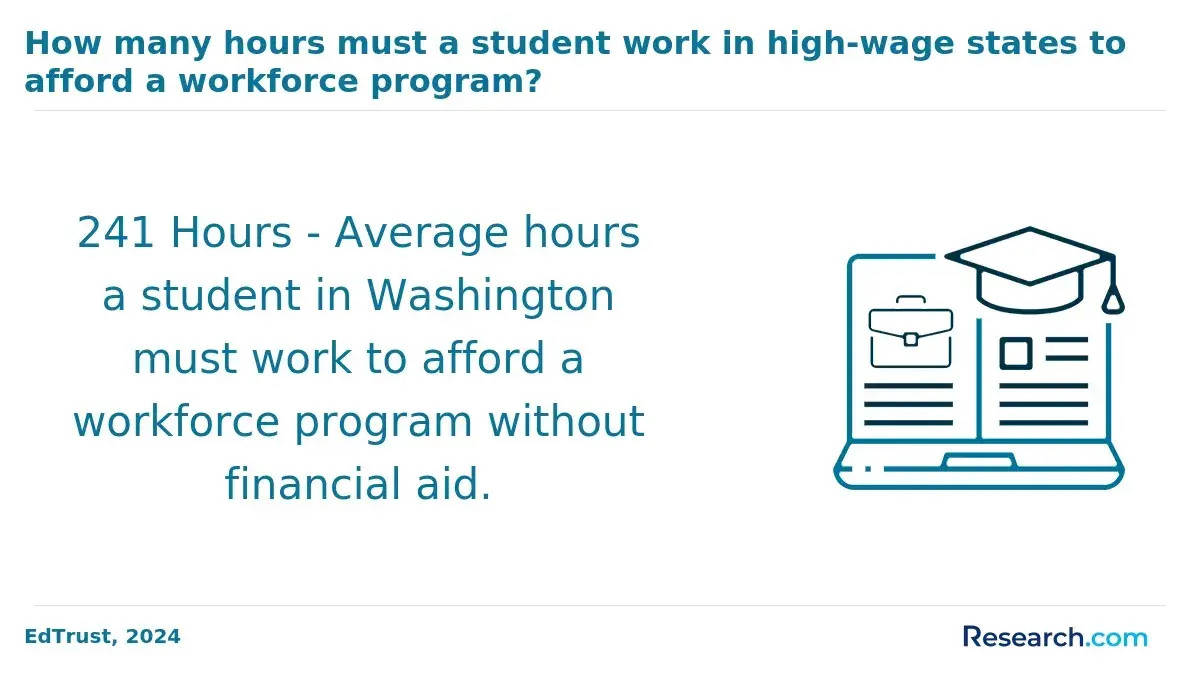
Cost considerations matter: tuition ranges from $266 to $686 per credit for such programs, which is significantly more accessible than many on-campus out-of-state options. However, prospective students must scrutinize credit transfer policies and practicum or internship availability, as hands-on experience often outweighs credentials in public service hiring.
Realistically, professionals already in state agencies may seek synchronous seminars and alumni networks connected to government, whereas those entering nonprofit roles benefit from faculty with public administration expertise and policy labs. This sector-specific fit affects outcomes more than the school's prestige.
Students weighing online political science programs for public sector careers should also consider return on investment, balancing manageable debt with tangible skills. In this context, exploring pathways in related disciplines can also add value; for instance, those interested in analytics might compare options such as online masters data science programs to complement policy expertise.
What admission requirements and prerequisites do online political science programs typically have?
Admission to online political science degree programs typically demands clear proof of prior academic achievement, such as a bachelor's degree or high school diploma, with several schools imposing GPA cutoffs between 2.5 and 3.0 for undergraduates. Graduate admissions often require a relevant undergraduate background and transcripts, while test score requirements like the GRE are increasingly flexible, accommodating applicants with substantial professional experience or public sector internships. This reflects a broader shift to prioritize real-world skills alongside academic records in public sector aligned political science program prerequisites.
The curriculum prerequisites differ notably by level: undergraduates benefit from foundational courses in history or government before tackling advanced material, whereas graduate students need demonstrated competence in political theory, quantitative methods, and research. This foundational knowledge corresponds directly to employer expectations in policy analysis roles, where analytical precision and data literacy drive effectiveness.
Many online programs gauge applicants' self-motivation and time management through personal statements and recommendations, crucial factors given the autonomous structure of remote learning. Between 2012 and 2016, bachelor's degree completions in political science declined, but growth resumed in 2017, indicating renewed interest aligned with public affairs careers and affecting program competitiveness. For those weighing costs and outcomes, comparing affordable online paths-such as a library degree-can reveal alternatives or complements useful in a multifaceted public sector skill set.
How does an online political science degree compare with on-campus options for quality and outcomes?
Employers in public sector roles prioritize competencies and institutional reputation over whether a political science degree was earned online or on-campus. For instance, a policy analyst applying to a federal agency will not face significant disadvantages with an online degree if they demonstrate essential skills like critical thinking and data analysis. This parity depends on programs being accredited and maintaining rigorous curriculum standards.
Online political science programs offer flexibility and cost advantages, particularly for working professionals or caregivers, by eliminating commuting and relocation expenses. Yet, they often lack the immersive, hands-on experiences like internships or live networking that on-campus students access more readily. Students must proactively pursue local or virtual opportunities to build relevant practical experience, which is critical for roles emphasizing coalition-building or legislative liaison work.
The gender gap in political science degree completions has narrowed substantially since 2016, positioning the field as one of the most gender-equitable undergraduate disciplines. This demographic shift aligns with growing workforce diversity priorities in public agencies.
Prospective students should carefully evaluate online programs for faculty expertise, regional accreditation, and alignment with specific public sector competencies, such as policy analysis and administrative law. Maintaining a portfolio through targeted internships or research can offset fewer in-person networking chances. Ultimately, the decision between online and on-campus pathways involves weighing flexibility against access to experiential learning vital for certain political science career trajectories.
What core courses and concentrations support stable public sector roles in political science?
Political science graduates targeting public sector roles must prioritize coursework that delivers both foundational knowledge and applicable skills, as government employers expect proficiency in navigating legal frameworks and bureaucratic processes. Core classes such as Comparative Politics, American Government, and Public Administration provide essential insights into institutional structures and administrative systems. Specialized concentrations-like Public Policy and Administration, International Relations, and Political Economy-directly equip students for specific public sector challenges, ranging from policy design to socioeconomic governance.
Practical skills in quantitative methods, data analysis, and program evaluation are increasingly non-negotiable for positions related to urban planning, budgeting, and performance management within government agencies. For instance, public policy students benefit from mastering cost-benefit analysis and regulatory impact assessments, which are critical for grant writing and legislative advising. International Relations students improve their employability by focusing on geopolitical risk assessment and diplomatic negotiation, useful in federal roles.
Location heavily influences curricular emphasis and employment prospects; large metropolitan hubs like New York City, Los Angeles, and Washington, DC shape programs toward federalism, urban governance, and public ethics tailored to regional hiring priorities.
Employers consistently value experiential learning-internships or applied research in public agencies-which bridges the gap between academic theory and real-world demands. Political science degrees with insufficient practical exposure risk limiting graduates' access to competitive government positions in a hiring climate driven by measurable skills and outcomes.
How long do online political science degrees take, and what do they cost?
Extended timelines for online political science degrees impose clear opportunity costs that often outweigh benefits, especially for public sector workers balancing employment and education. While full-time students typically finish within four years, part-time pathways stretch to five or six years, risking delayed salary growth and increased debt burdens.
Tuition hovers around $620 per credit, totaling roughly $75,000 for a 120-credit bachelor's, which can strain finances absent robust aid or employer support. Federal and state employees considering a political science degree must evaluate this investment against modest salary scales and limited short-term job market leverage.
Prioritizing accelerated programs or those offering credit transfer and asynchronous coursework enables students to reduce time-to-degree and optimize cash flow. Employers in government sectors expect graduates to contribute analytical and policy competencies promptly, favoring candidates who complete degrees efficiently. Ultimately, selecting online political science programs with flexible schedules and payment plans aligns better with workforce realities and public-sector hiring expectations than traditional multi-year part-time routes.
What public sector jobs can you get with an online political science degree?
Securing a public sector role with an online political science degree typically demands more than academic knowledge; it requires practical navigation of hiring protocols and demonstrated management aptitude. Graduates often enter the workforce as city planners, policy analysts, or legislative assistants across governmental levels, leveraging applied coursework on policy mechanics and socio-political dynamics. However, moving beyond entry or mid-level positions usually hinges on acquiring experience within public agencies or supplementary credentials like project management.
For example, a master's degree holder seeking mid-level policy advising roles in health services or urban planning must combine analytical capability with proven public-sector familiarity to meet employer expectations. Competition for federal jobs involves civil service exams and background checks, extending hiring timelines compared to private sector pathways.
Cost-wise, tuition averaging $350-$490 per credit yields a moderate investment ($4,895-$15,863 per semester) relative to broader public administration fields, an important consideration for professionals targeting government roles.
Strategically, graduates benefit from networking or internships to improve placement odds and may pursue certifications such as Certified Public Manager or data analysis training to distinguish themselves within a saturated job market.
What salary ranges and job outlook can political science graduates expect in government roles?
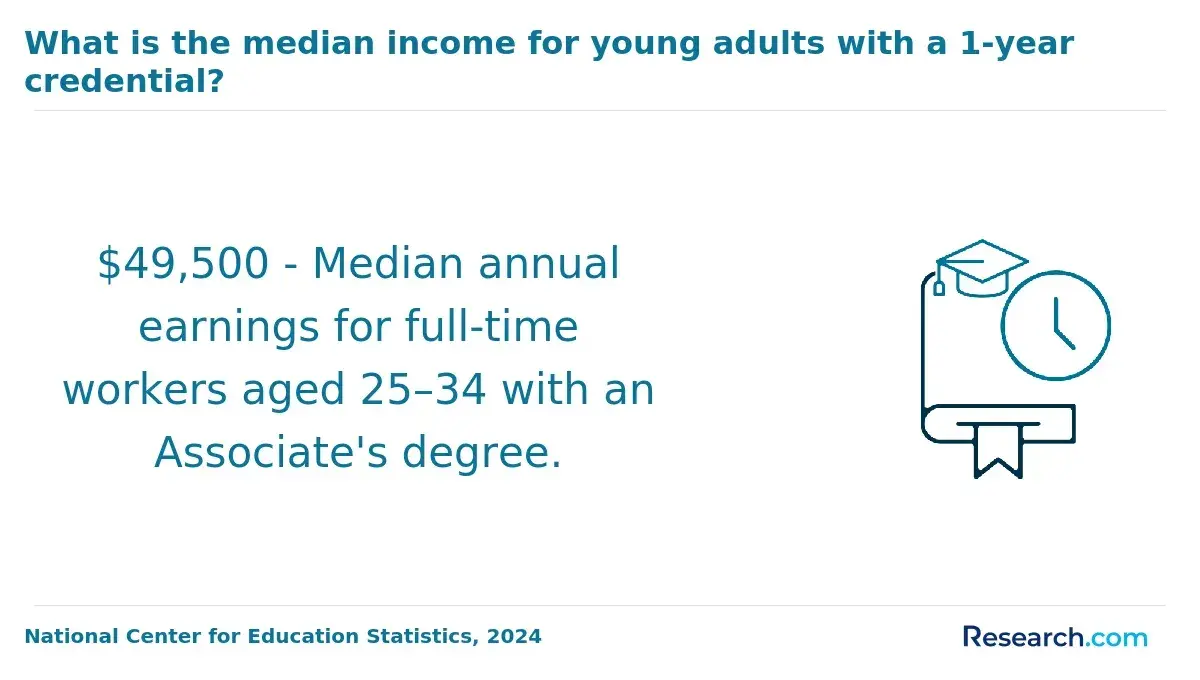
Salary ranges for political science graduates entering government roles vary significantly based on job function, agency level, and location. Entry-level local government analysts typically earn between $60,000 and $80,000 annually, while federal roles in policy analysis, intelligence, or legislative affairs start higher, often between $90,000 and $110,000. Mid-career professionals generally see salaries from $120,000 to $140,000, with senior federal positions or specialized research roles exceeding $150,000.
Professional growth is influenced heavily by evolving government funding priorities and competing skill demands. Areas such as policy research, cybersecurity policy, and regulatory compliance show increased demand, especially for candidates with expertise in data analytics, legal knowledge, and inter-agency coordination.
Transitioning from private or nonprofit sectors to government positions often involves adapting to lengthy clearance processes and slower hiring cycles, sometimes extending job searches by six months or more. This delay, combined with the trade-off between lower pay at local levels and greater job security plus benefits, requires thoughtful consideration.
Political science graduates targeting agencies with stable funding-defense, homeland security, and health policy-improve their chances of reaching mid-to-senior roles within five to seven years by building quantitative and policy implementation skills.
How can you evaluate and choose a reputable online political science program for public service?
Choosing an online political science program for public service demands more than accreditation checks-it requires assessing how effectively the curriculum translates into government or nonprofit roles. Accreditation by recognized regional or national bodies confirmed by the U.S. Department of Education ensures the credential holds currency with public sector employers, who often scrutinize legitimacy before advancing applications.
Graduates' employment outcomes are a practical measure. Placement rates within government agencies, nonprofits, or policy research entities reflect the alignment of training with market needs. Programs sharing independent audits or recent BLS-verified statistics demonstrate transparency and an infrastructure geared towards workforce entry, a decisive factor for candidates balancing career pivots or advancing under evolving public policy standards.
Flexibility in course delivery addresses the working professional's reality: asynchronous formats supplemented by scheduled live discussions support retention and networking without the inflexibility of synchronous-only models. This combination enables real-time mentoring connections essential for navigating public sector hiring complexities.
Faculty with current roles in government or nonprofits add tangible value by facilitating access to internships or jobs-key for those shifting into policy analysis or administrative roles without extensive prior sector experience. Additionally, programs emphasizing practical skills such as statistical analysis or policy simulations better prepare students for the technical demands increasingly prevalent in public administration.
Affordability remains a nuanced factor; the lowest tuition rarely justifies exclusion of career services that guide credential verification or bureaucratic hiring passages common in government employment systems. Prioritizing programs offering these supports alongside practical curriculum content balances cost considerations with functional outcomes.
Other Things You Should Know About Political Science
Internships are not always mandatory in online political science programs but securing one markedly improves hiring prospects in government roles. Employers value practical experience demonstrating real-world skills and agency exposure alongside academic credentials. Prioritize programs with structured internship placement support or partnerships with public sector entities to avoid career entry delays and ensure your degree translates into tangible government job eligibility.
Employers increasingly accept online political science degrees for entry-level positions but may prefer traditional degrees or advanced credentials for mid-career or senior roles. To improve promotion chances, complement your degree with certifications seen as valuable in government contexts, such as project management or data analysis. This combined approach offsets lingering skepticism about online-only academic routes for leadership positions.
For federal hiring, the degree should come from a regionally accredited institution. The U.S. Office of Personnel Management recognizes degrees from accredited schools, and many agencies also prefer programs with recognized programmatic approval, such as NASPAA-linked public affairs coursework, for policy and administrative roles.
References
- Online Political Science Degrees https://mycollegeguide.org/online-political-science-degrees/
- Best Research Programs for Students Interested in Political Science https://riseglobaleducation.com/blogs/best-research-programs-for-students-interested-in-political-science
- Political Science - Rogers State University https://www.rsu.edu/degree-programs/political-science/
- Online Degree vs. Traditional: Choosing the Right Path https://beal.edu/online-degree-vs-traditional/
- Online Political Science Degrees: Find Your School https://www.degreesforgood.org/online-degrees/political-science-degrees/
- Political Science Degree Jobs: 12+ Career Paths (2026) | Extern https://www.extern.com/post/political-science-degree-jobs-career-guide
- What to Look for in a Great Political Science Program https://www.siena.edu/news/story/what-to-look-for-in-a-great-political-science-program/
- Political Science Careers https://www.concordiacollege.edu/academics/programs-of-study/political-science/careers/
- Online Political Science Degree | Programs & Career Options https://www.learnhowtobecome.org/best-online-bachelors-in-political-science-degree-programs/
- Political Science - Bachelor's Degree - The Institute of Political Science https://politologia.uwr.edu.pl/en/candidates/bachelor-degree-political-science/