
2027 Should You Choose a BS in Business Administration or A State Insurance Producer License for Your Next Career Step?
Audited and Verified:
Our Editorial and Data Verification Process
Research.com uses government datasets, official education statistics and primary institutional information to support its career and degree guides. Our review process checks factual accuracy, occupational definitions, source dates and the requirements associated with the credentials discussed.
How This Article Was Fact-Checked
Our editorial team verifies salary estimates, employment projections, education requirements and program information against original data providers and official organizations. Salary figures are checked against the relevant occupational definitions and reporting periods. Information about licensure, accreditation and required in-person training is reviewed separately.
Fact-checked and verified on:

Co-Founder and Chief Data Scientist
If you want to move into insurance sales, a state producer license may be the qualification you need next. If you want broader options in business operations, marketing, or administration, a BS in Business Administration may serve you better. The distinction matters because these credentials do different things: one authorizes regulated insurance activity; the other develops business knowledge but grants no insurance authority. This guide compares their requirements, time, costs, and career uses so you can choose a next step based on the work you actually want to do.
Key Things You Should Know
- Choose the license first if your immediate goal is to sell, solicit, or negotiate insurance in a state where that activity requires producer authority; a business degree cannot replace it.
- Choose the BS if your goal requires broad business preparation or a bachelor's degree; it normally involves substantially more study and expense than licensing.
- Consider both if you want to produce insurance now and later pursue broader responsibilities. The license and degree address different requirements, and neither guarantees a job or promotion.
What Is the Difference Between a Business Administration Degree and an Insurance Producer License?
A BS in Business Administration is an academic degree covering multiple business functions. A state insurance producer license is legal authorization, issued under state rules, to conduct specified insurance activities for specified lines of authority. The line matters: authorization for life insurance does not automatically authorize property-and-casualty activity.
This comparison shows why the credentials are not interchangeable.
| Consideration | BS in Business Administration | Insurance producer license |
| Primary purpose | Broad undergraduate business education | State authorization for covered insurance activity |
| Scope | Academic coursework and any required general education | Approved line of authority and applicable state rules |
| Where it applies | Awarded by a college or university | Issued by a state; additional states have their own requirements |
| What it does not confer | Producer authority or guaranteed management eligibility | A bachelor's degree or broad business qualification |
A business degree may help you build toward leadership outside insurance, but even a focused degree remains different from occupational authorization. For example, undergraduate leadership programs with shorter timelines are academic options, not substitutes for a producer license.
What Are the Requirements for an Insurance Producer License?
Requirements depend on the state where you apply and the insurance line you seek. Common steps include meeting age and application rules, completing prelicensing education where required, passing the applicable exam, submitting an application and fees, and satisfying background-check or fingerprinting requirements where applicable. Some states or applicant categories have exemptions; do not assume a course or exam is required until you check the regulator's instructions for your situation.
Start with your state insurance department's producer-licensing instructions. Confirm the approved line, prelicensing and exam rules, application process, and whether you must complete any insurer appointment or other step before conducting business. If you intend to work across state lines, check nonresident licensing requirements separately. After licensing, continuing education and renewals may apply.
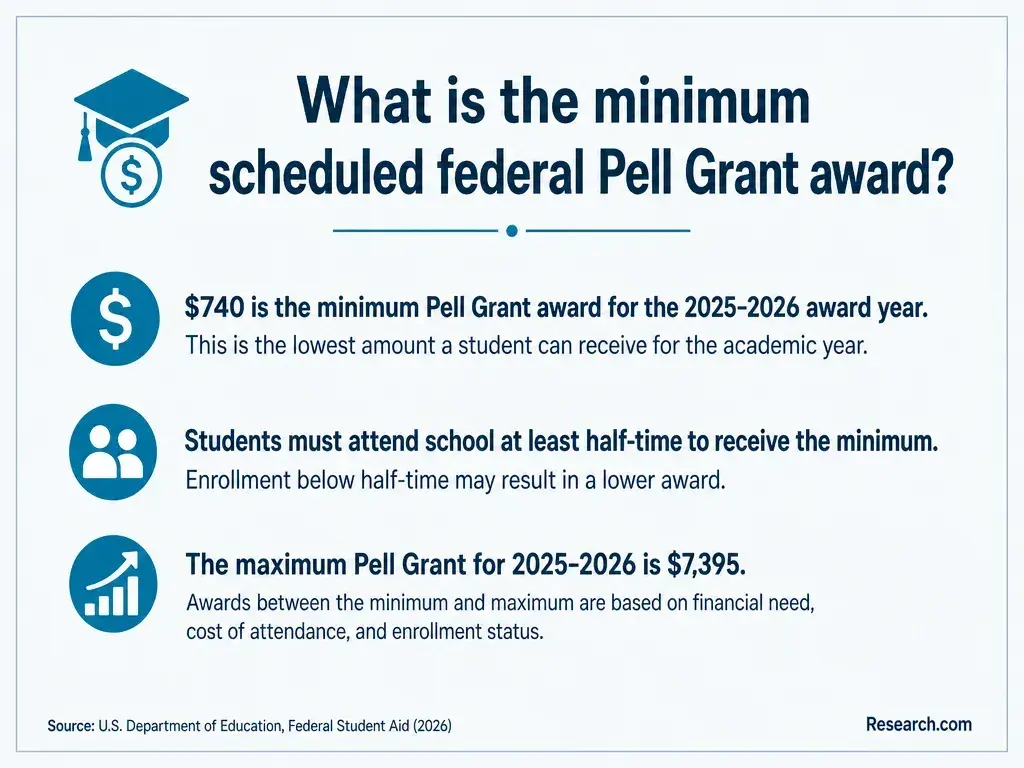
Keep the funding distinction clear, too: material about paying for project management bachelor's study with grants concerns degree study, not an assumption that federal student aid covers a standalone producer-preparation course. Ask a training provider and the appropriate aid office before counting on financial assistance.
Is a Business Administration Degree or Insurance License Better for Your Career Goals?
For an immediate move into insurance production, investigate the license first. If your target work involves discussing policies with customers, soliciting coverage, or negotiating insurance, the applicable state authorization is the decisive requirement. Pair it with product training, ethical sales practice, and supervised experience; passing an exam alone does not establish a client base.
For a broader move into business, evaluate the BS against actual job postings. Existing customer service, sales, administrative, or operations experience may already qualify you for adjacent roles, while a degree can help when employers require a bachelor's or when you need structured preparation in finance, analytics, and management. A more specialized program may be better if your target function is already clear. Someone aiming at project coordination, for instance, could compare lower-priced project management degrees rather than assume general business or insurance licensing is the closest match.
The recommendation can change with your starting point. If an insurer has offered you a role contingent on licensing, delaying it for a full degree may make little sense. If you already hold a producer license but repeatedly encounter bachelor's requirements for roles you want, degree completion becomes more relevant. For either path, compare the credential with the specific employer's requirements - not with a hoped-for job title.
A BS in Business Administration typically combines general education with accounting, finance, marketing, management, economics, operations, and quantitative or information-systems coursework. Assignments may ask students to interpret financial statements, analyze a market, use spreadsheets, or recommend a process change. The depth of each subject depends on the program; introductory coverage is not the same as specialist experience.
For an aspiring producer, the most transferable lessons may be financial literacy, customer analysis, communication, and ethical decision-making. The degree generally does not teach every state's insurance law or replace line-specific licensing preparation. Conversely, if you want substantial operations or logistics training, inspect the actual curriculum and consider whether accelerated supply chain bachelor's degrees align more closely with your intended work than either a general business degree or an insurance license.
A bachelor's degree ordinarily requires several academic years of undergraduate study. Your remaining time depends on accepted credits, how those credits apply to degree requirements, course availability, and whether you attend full time or part time. Returning students should request an official degree audit: a credit accepted as an elective may not replace a required accounting or business-core course. Advertised shorter undergraduate business programs across the US still need to be checked against your own remaining requirements.
Producer licensing is generally a shorter, narrower process, but its duration is state- and applicant-specific. Required education, exam scheduling or retakes, application review, and background checks can all affect when you may begin licensed activity. If timing is crucial to a job offer, ask the employer which line and state authorization you need, then check the regulator's process before committing to a start date.
The two paths have different cost structures. A BS budget may include tuition, mandatory fees, books, software, travel, and the cost of reduced work hours. Licensing costs may include prelicensing instruction where required, exam and application fees, fingerprinting where applicable, and later renewal or continuing education. State fees and school prices change, so a reliable personal comparison needs current quotes rather than a single national estimate.
To compare the paths fairly, price the work you still have to complete - not the entire advertised degree if you already have applicable college credit. A written transfer evaluation and itemized school estimate make budget-conscious online business administration education easier to assess. Separately, ask a prospective insurance employer whether it pays for training, exam attempts, or licensing fees, and whether repayment conditions apply. Do not assume either employer support or student aid will be available.
Yes. Colleges offer online BS in Business Administration programs, but "online" does not necessarily mean self-paced. Before enrolling, confirm live-class times, weekly deadlines, group work, exam proctoring, required internships or campus visits, and how often required courses run. Those details matter if you plan to work in insurance while studying.
Shorter terms can help some students concentrate on fewer courses at once, but they can also compress assignments into a tighter schedule. Compare the actual workload and sequencing of business degree options with shorter sessions with the time you expect to spend on licensing, work, and customer appointments. Check separately whether a state accepts a particular online producer-preparation course; a college's online degree format does not establish approval for insurance prelicensing.
Requirements vary by school and by whether you enter as a first-year, transfer, or returning student. Colleges commonly request evidence of secondary education and transcripts from prior colleges; some business majors have separate admission standards or prerequisites. Ask which mathematics, accounting, economics, or statistics courses must be completed before entry to the major, and which can be taken after admission.
Already have college credit? Submit transcripts for an official evaluation, then distinguish credits accepted by the institution from credits that satisfy the business core, general education, electives, and residency requirements. Admission does not settle that question. If financing affects your choice, cheaper business administration study with FAFSA-based aid is a starting point for comparison, not confirmation of your personal aid eligibility; verify the school's aid participation and your award with its financial-aid office.
A producer license can support insurance sales work within its authorized line and state. Actual responsibilities and compensation depend on the employer, products, market, and whether pay is salary, commission, or a combination. A BS can support applications for business roles across functions, but employers may also require relevant experience, technical skills, or a specialized degree. Neither credential makes a new entrant a manager.
For context, the U.S. Bureau of Labor Statistics reports a May 2025 median annual wage of $78,760 for market research analysts, with employment projected to grow 7% from 2025 to 2035. That is an occupation-wide figure, not an expected starting salary for business graduates or insurance producers. It is useful only if the role's research and analytical work matches your interests and you can demonstrate the skills employers seek.
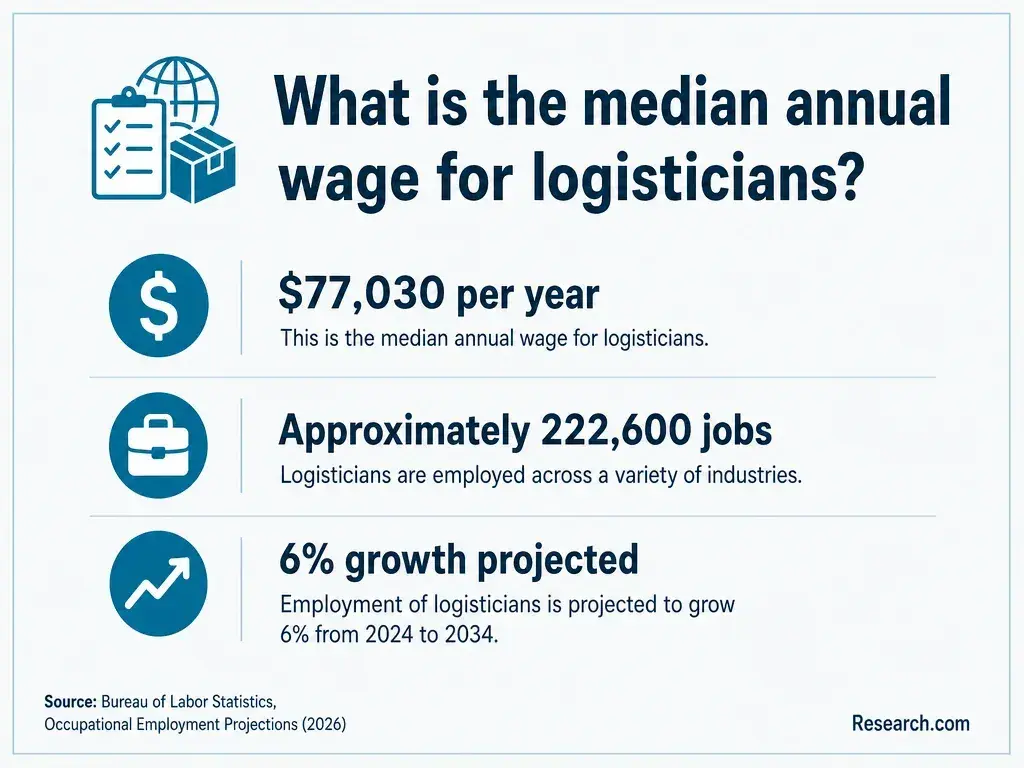
If logistics appeals to you more than sales, use tuition and time comparisons for supply chain students to examine that distinct education path. For any target role, read local postings for duties, degree preferences, licensing requirements, and experience thresholds before treating a salary figure as a return-on-investment forecast.
How Do You Choose an Accredited Business Program or Reputable Insurance Training Provider?
For a business degree, verify the institution's recognized accreditation and the exact program it awards. If it advertises AACSB, ACBSP, or IACBE accreditation, check whether that accreditor's stated scope includes the school or program you are considering; institutional and business-specific accreditation are different claims. Request a degree audit, current tuition and fee schedule, required-course rotation, and any available outcomes information with its reporting period.
For insurance preparation, start with the state insurance department's rules. Where prelicensing education is required, confirm that the provider and course satisfy that state's requirement for your line of authority. Review what the price includes, how long you retain course access, and what happens if you need to retake an exam. A provider's pass-rate claim is not a substitute for regulatory approval.
Finally, compare verified completion time with your career goal rather than choosing on speed alone. Information on business administration program length and salary context can help frame questions, but your remaining credits, total cost, and target job requirements determine whether a degree is worth pursuing now. If insurance production is the immediate goal, confirm the licensing route first; you can decide separately whether the BS adds enough value to justify completing it.
Other Things You Should Know About Business Administration
Possibly. Some administrative, technical, and support jobs do not involve licensed producer activity. Check the duties - not just the title - with the employer and state regulator before discussing or handling policies with customers.
No. Licenses specify lines of authority, and authorization in one state does not automatically cover activity in another. Verify each line and state where you plan to work.
It can strengthen broader business knowledge, but its value depends on the role you want next and what you already know. Ask prospective employers which degree, skills, and experience they expect.
No. A state license grants the applicable producer authority; an appointment concerns authorization connected to an insurer where state law requires it. Confirm both requirements before conducting business for a company.
- ARTICLE 2 - INSURANCE PRODUCERS https://wyoleg.gov/NXT/gateway.dll/Statutes/2021%20Titles/1402/1424/1426
- Moving to or from Illinois https://idoi.illinois.gov/producers/licensescertificationsfaqs/moving-to-or-from-illinois.html
- General lines manage - life, accident, health and HMO | Texas Department of Insurance https://www.tdi.texas.gov/agent/general-life-manage.html
- Insurance Agent and Broker License Application - NY DFS https://www.dfs.ny.gov/apps_and_licensing/agents_and_brokers/apply_individual_original_tba
- How Long Does It Take to Get a Business Degree? | The University of Olivet https://www.uolivet.edu/how-long-does-it-take-to-get-a-business-degree/
- Business Administration (B.A. and B.S.) - Academic Catalog https://bulletins.wayne.edu/undergraduate/school-business/bachelors-business-administration/
- What Jobs Can You Get With a Business Degree? | snhu.edu https://www.snhu.edu/about-us/newsroom/business/what-jobs-can-you-get-with-a-business-degree
- Bachelor of Science in Business Administration: Admissions | CSU College of Business https://biz.colostate.edu/academics/undergraduate-programs/bsba/admissions
- How Long Does It Take to Get a Business Degree? | SCU https://www.scu.edu/business/blog/admissions/how-long-does-it-take-to-get-a-business-degree/
- Entry-Level Jobs With a Business Administration Degree | Warner Pacific University http://www.warnerpacific.edu/blog/top-entry-level-jobs-ba-business-administration/


