2027 Return on Investment (ROI) of an International Business Degree Program

Co-Founder and Chief Data Scientist
An international business degree is worth evaluating only after you compare what it will cost you with the career outcomes it can realistically support. The degree can be useful for students and working professionals who want roles tied to global markets, cross-border operations, international finance, supply chains, trade, consulting, or multinational management. It can also be expensive, time-consuming, and less valuable if your target career rewards experience more than formal credentials.
This guide explains how to judge the return on investment of an international business degree using the main factors that matter: tuition, lost income while studying, time to completion, financial aid, online versus campus delivery, salary outcomes, promotion potential, accreditation, and industry fit. Recent data shows that employment in this sector is projected to grow by 10% over the next decade, but ROI still depends on choosing the right program for your budget, experience level, and career goals.
Key Things to Know About International Business Degree ROI
- Graduates with an international business degree often see 15% higher starting salaries than general business majors, reflecting strong earning potential in global markets.
- This degree enhances career advancement, offering access to leadership roles in multinational corporations and increased job stability amid economic fluctuations.
- International business skills provide flexibility across industries, enabling long-term salary growth by adapting to diverse markets and global economic trends.
How Is ROI Calculated for a International Business Degree Program?
Return on investment for an international business degree measures whether the financial and career gains from the degree are greater than the total cost of earning it. A strong ROI usually means the degree helps you qualify for better roles, earn more over time, advance faster, or enter a field that would have been harder to access without the credential.
The basic calculation compares your total investment with your expected earnings gain. In practical terms, students should look beyond tuition and ask: How much will I pay, how much income might I lose while enrolled, and how much more could I earn after graduating?
- Tuition and required fees: These are the most visible costs and usually include tuition, program fees, textbooks, technology charges, and required materials. Lower tuition improves ROI only if the program still provides credible academics, employer recognition, and useful career support.
- Opportunity cost: If you leave the workforce, reduce your hours, or turn down promotions while studying, those lost wages are part of the degree’s true cost. This can be especially important for professionals who already have business experience.
- Time to completion: A shorter program may reduce living expenses and help you return to full-time earning sooner. However, speed should not come at the expense of internships, applied projects, or networking opportunities that could improve career outcomes.
- Post-graduation salary outcomes: Starting salary matters, but ROI is stronger when graduates also see long-term wage growth. Compare likely earnings before and after the degree, not just the advertised salary range for the field.
- Career advancement: The degree may pay off through promotions, leadership responsibilities, international assignments, or entry into higher-paying industries. These gains can be harder to measure upfront but often shape long-term ROI.
- Debt and repayment burden: A program with strong career outcomes can still produce weak ROI if it requires excessive borrowing. Estimate monthly payments before enrolling and compare them with realistic entry-level and mid-career earnings.
A useful ROI review should include a best-case, expected-case, and conservative-case scenario. This helps you avoid assuming that every graduate immediately lands a high-paying international role. If you are comparing ROI across very different professional fields, resources on online speech pathology programs can provide another example of how education costs, licensure pathways, and career outcomes affect the value of a degree.
How Much Does a International Business Degree Program Cost?
The cost of an international business degree is more than the published tuition price. To understand ROI, you need to calculate the full cost of attendance, including fees, materials, relocation, travel, and income you may give up while enrolled. This matters because graduate tuition fees have risen steadily and total student debt in the U.S. now surpasses $1.7 trillion.
The biggest cost drivers usually include the following:
- Tuition and fees: Public, private, in-state, out-of-state, online, and campus-based programs can differ significantly in price. Mandatory university fees may also add to the bill even when tuition appears affordable.
- Books, software, and materials: International business courses may require textbooks, case-study platforms, data tools, language-learning resources, or business simulation software. These costs are smaller than tuition but should still be included in your budget.
- Living and relocation expenses: Campus programs in high-cost cities may require higher spending on rent, transportation, food, and parking. Relocation can also create one-time costs that are easy to overlook.
- Opportunity cost: If the program requires full-time enrollment, daytime classes, or travel, you may lose income or slow your current career progress. For working adults, this can be one of the largest hidden costs.
- International or experiential components: Study abroad, global consulting projects, conferences, networking events, and internships may improve career value but can add travel, lodging, visa, and participation expenses.
- Debt costs: Interest, origination fees, and repayment timelines affect the real cost of borrowing. A lower-cost program may produce better ROI if it allows you to graduate with less debt.
Before enrolling, ask the school for a complete estimated cost of attendance and separate required expenses from optional opportunities. Optional international travel or networking events may be valuable, but they should be planned rather than treated as surprises.
One graduate described the financial pressure clearly: “Balancing coursework and part-time work was tough. I didn’t anticipate how much incidental expenses would add up—networking events and trips were often essential but stressed my budget.” He also said the loss of full-time income made the program feel more expensive than the tuition alone suggested. His advice was simple: understand the complete cost picture before committing, because hidden costs can change the ROI calculation.
What Financial Aid Is Available for International Business Degree Programs?
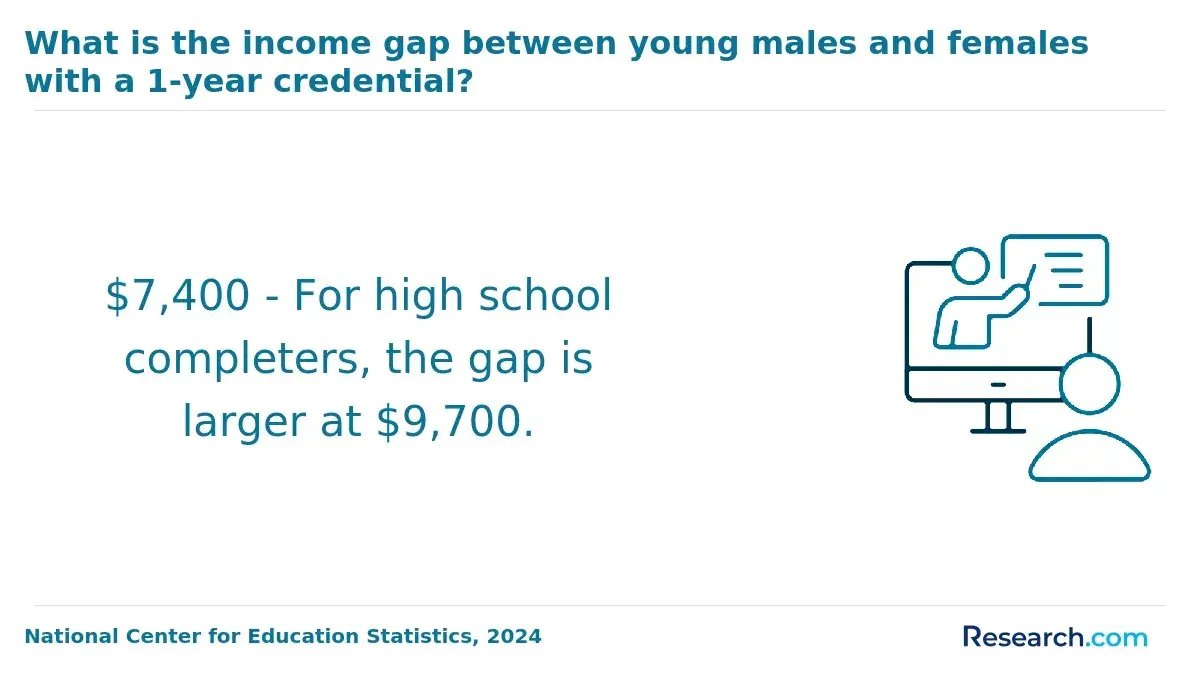
Financial aid can improve the ROI of an international business degree by lowering out-of-pocket costs, reducing borrowing, and making it easier to finish without interrupting your career. Nearly 70% of graduate students utilize some form of financial assistance, which makes aid planning a core part of choosing a program rather than an afterthought.
Common funding options include:
- Scholarships: Scholarships may be based on academic performance, leadership, professional background, financial need, or intended career path. Because they do not require repayment, they directly reduce the cost side of your ROI calculation.
- Grants: Grants are often need-based and may come from schools, government sources, or outside organizations. Like scholarships, they can reduce total borrowing and make a higher-cost program more affordable.
- Fellowships: Fellowships may provide tuition support, stipends, or research funding. They are often competitive, but they can be especially valuable for students pursuing academic, policy, consulting, or research-oriented paths in global business.
- Employer tuition assistance: Employer support can be one of the strongest ROI boosters because it allows you to earn the degree while keeping your job. Review repayment conditions carefully, including service commitments or requirements to stay with the employer after graduation.
- Federal loans: Federal loans require repayment, but they usually offer structured repayment options and borrower protections. They should still be used carefully because debt can weaken ROI if post-graduation earnings do not rise enough.
- Assistantships or campus work: Some programs offer graduate assistant roles, research support positions, or administrative work. These can reduce costs while building professional experience, although they may also increase time demands.
To compare aid packages accurately, focus on net cost rather than the size of the award. A large scholarship at an expensive school may still leave you paying more than a modest award at a lower-cost institution. Also confirm whether aid is renewable, tied to GPA requirements, or limited to the first year.
How Long Does It Take to Complete a International Business Degree?
Completion time has a direct effect on ROI because it determines how long you pay tuition, how long you may reduce work hours, and how soon you can use the credential in the job market. A faster program can improve ROI, but only if it still gives you enough time to build skills, complete meaningful projects, and make career connections.
The timeline depends on several practical factors:
- Enrollment intensity: Full-time study usually leads to faster graduation but may reduce your ability to keep working. Part-time study takes longer but can protect your income and may lower the need for loans.
- Program format: Online and accelerated formats may offer flexible scheduling, shorter terms, or year-round enrollment. These features can help working professionals finish sooner without relocating.
- Transfer credits: Prior coursework, professional certifications, or approved graduate credits may reduce the number of courses required. Always confirm transfer policies before enrolling because limits vary by institution.
- Internships and applied projects: Practical requirements may extend the timeline, but they can improve employability by giving students evidence of real-world international business experience.
- Scheduling flexibility: Evening, weekend, asynchronous, and hybrid options can help students stay on track while working. Rigid schedules can delay graduation if course availability conflicts with job responsibilities.
- Academic load and burnout risk: Taking too many courses at once can backfire if it lowers performance or forces you to pause enrollment. The best timeline is usually the fastest pace you can sustain successfully.
One graduate who worked full-time while studying part-time said the longer timeline was worthwhile because it allowed her to keep earning while applying coursework at work. She used summer courses and transfer credits to shorten the path where possible, but she avoided overloading her schedule. Her experience highlights an important ROI point: the shortest program is not always the best financial choice if it requires leaving a stable job.
Is ROI Higher for Online or On-Campus International Business Programs?
ROI can be strong in either online or on-campus international business programs, but the better option depends on your career stage, budget, location, and need for flexibility. Over 30% of graduate students in the US have enrolled exclusively in online courses, reflecting how common online study has become for working adults and cost-conscious students.
Online programs often improve ROI by lowering relocation costs and allowing students to keep working. On-campus programs may justify higher costs when they provide stronger recruiting pipelines, in-person networking, international immersion, or access to employers in major business hubs.
- Tuition and fees: Online programs may cost less, but this is not guaranteed. Compare total tuition, technology fees, residency requirements, and travel costs before assuming online is cheaper.
- Opportunity cost: Online study can make it easier to maintain full-time employment, which may substantially improve ROI. On-campus study may require schedule changes, relocation, or reduced work hours.
- Time to completion: Some online programs offer accelerated or flexible pacing. Others can take longer if students enroll part-time. On-campus programs may have a more structured timeline that keeps students progressing steadily.
- Networking and career services: Campus programs often provide more frequent face-to-face networking, employer events, and peer interaction. Strong online programs may offset this with virtual career services, alumni mentoring, and short residencies.
- Employer perception: Employer acceptance of online credentials is growing, especially when the institution is accredited and reputable. The school’s reputation, curriculum quality, and your work experience often matter more than the delivery format alone.
- Fit for international business: Because global business work often happens across time zones and digital platforms, online collaboration can mirror real workplace conditions. However, students seeking international immersion should check whether online programs include global projects or optional travel.
If you are comparing flexible business programs, reviewing the best online business schools can help you weigh affordability, format, and academic fit. Students considering other flexible graduate pathways can also look at an accelerated social work degree online as an example of how online delivery can affect cost, pacing, and ROI across fields.
What Is the Average Salary After Earning a International Business Degree?
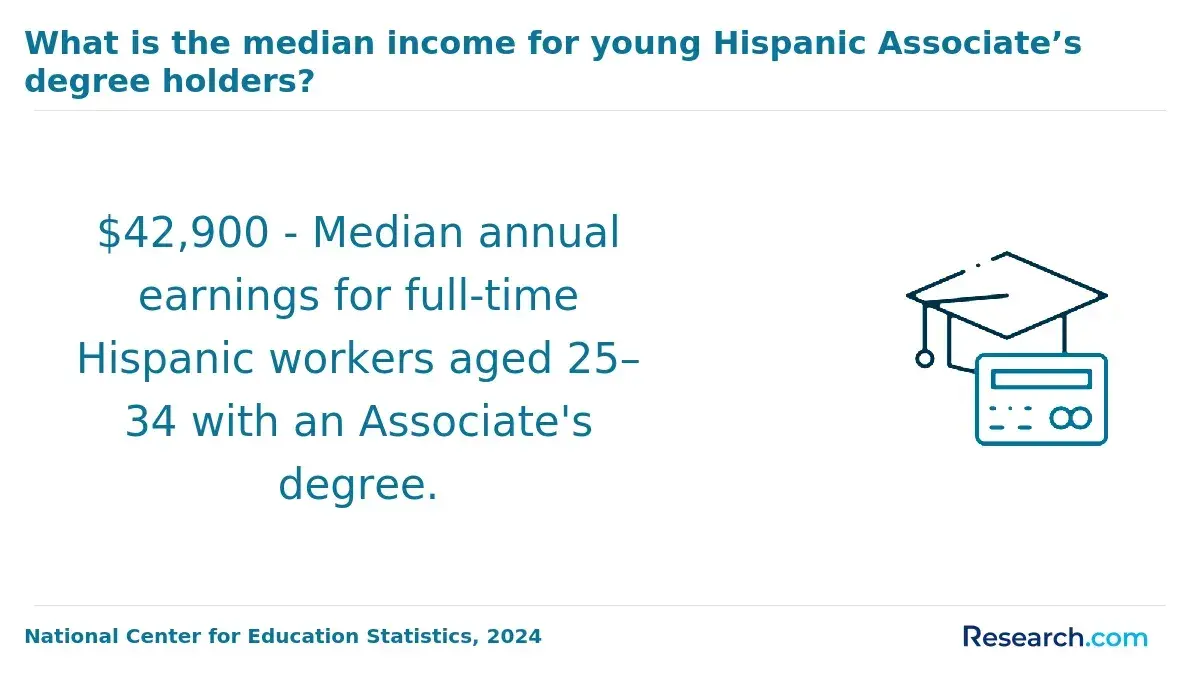
Salary after graduation is one of the clearest indicators of ROI because it affects how quickly you can recover the cost of the degree. The average salary for international business graduates in the United States typically ranges from $50,000 to $90,000 annually, but actual earnings depend heavily on role, industry, location, prior experience, and the level of the degree.
Several factors shape salary outcomes:
- Industry: Finance, consulting, technology, and supply chain roles often offer stronger compensation than some nonprofit or public-sector positions. The same degree can produce very different ROI depending on where it is applied.
- Geographic location: Major metropolitan areas and international business hubs may offer higher salaries, but they may also come with higher living costs. Net income matters more than salary alone.
- Prior experience: Students with internships, language skills, international exposure, or business experience may qualify for better roles sooner. A degree is most powerful when it builds on relevant experience.
- Specialization: Concentrations such as global supply chain management, international marketing, finance, trade compliance, or analytics may lead to different career paths and compensation levels.
- Career level: Entry-level roles may start closer to the lower end of the range, while mid-career professionals may see stronger gains if the degree helps them move into management or strategy roles.
- School network and recruiting access: Programs with active employer relationships, alumni networks, and internship pipelines may improve placement opportunities, which can affect salary outcomes.
When judging salary ROI, compare your expected post-degree earnings with your current earnings and debt obligations. A $50,000 to $90,000 annually salary range can be attractive, but the degree is a better investment when it creates a clear path to roles you could not reasonably access without additional education. Students comparing education investments across career fields may also review online marriage and family therapy programs to see how program cost, career requirements, and earning potential differ by profession.
Does a International Business Degree Lead to Promotions?
An international business degree can support promotions, but it does not guarantee them. The degree is most likely to improve advancement prospects when it fills a clear skill gap, aligns with your employer’s promotion criteria, and prepares you for responsibilities tied to global operations, international clients, cross-border strategy, or multinational teams.
Promotions can increase ROI by raising salary, expanding responsibility, and creating access to leadership tracks. A key workforce trend is the rising emphasis on credential-based promotions, where formal education increasingly complements professional experience in advancement decisions.
- Credential requirements: Some management and executive roles prefer or require advanced business education. An international business degree can help meet that baseline when global market knowledge is part of the job.
- Leadership preparation: Programs often include coursework in strategy, management, negotiation, finance, and cross-cultural communication. These skills can prepare graduates for supervisory or client-facing leadership roles.
- Employer tuition reimbursement: If your employer helps pay for the degree, your ROI may improve significantly. Ask whether tuition support is tied to approved programs, grades, continued employment, or promotion pathways.
- Internal promotion policies: Some companies favor employees who combine strong performance with formal education. The degree may help you stand out when competing for international assignments or regional management roles.
- Experience and education synergy: The strongest promotion outcomes often occur when the degree adds strategic knowledge to practical work experience. Education alone is less persuasive without a record of performance.
- Visibility and networking: Class projects, alumni connections, and employer partnerships can increase exposure to decision-makers and new opportunities. This matters for professionals seeking to move from operational roles into strategy or management.
Educational qualifications often serve as gateways to advancement in multinational firms where understanding global markets is important. Career advancement with international business degree credentials may surpass that of colleagues lacking formal degrees when the credential is paired with measurable job performance. For broader context on how earning a 4 year degree can compare financially, salary and career-path data can help clarify the trade-offs.
The best way to assess promotion ROI is to speak with managers, alumni, and HR contacts before enrolling. Ask which roles the degree supports, whether graduates have advanced internally, and what experience is still required after graduation.
Which Industries Offer the Best ROI for International Business Graduates?
ROI for international business graduates varies widely by industry. The strongest returns usually appear in sectors where global markets, cross-border transactions, international regulations, supply networks, and multicultural communication are central to the work. Industries with higher salaries and clearer advancement paths tend to produce better financial outcomes.
- Consulting: Consulting can offer high compensation and fast advancement for graduates who can analyze global markets, advise multinational clients, and solve complex business problems. The work can be demanding, but the career growth potential may be strong.
- Financial services: International finance, global economics, risk, banking, and regulatory roles can provide strong salary growth. This sector may offer one of the highest return on investment careers international business graduates can pursue when paired with analytical skills.
- Technology: Technology companies often operate across borders and need professionals who can support international expansion, global partnerships, localization, and distributed teams. Business graduates with data, product, or market-entry skills may be competitive.
- Supply chain and logistics: Global trade depends on procurement, transportation, inventory planning, vendor relationships, and risk management. This field can offer job stability and advancement as companies manage complex international supply networks.
- Healthcare management: Healthcare organizations with international operations, partnerships, or supply chains may value cross-border management skills. Long-term growth can be attractive for graduates who combine business training with knowledge of healthcare operations.
- Global marketing and consumer goods: Companies expanding into new markets need professionals who understand local consumer behavior, pricing, distribution, and brand positioning. ROI may improve for graduates with language skills or regional expertise.
When comparing industries, do not focus only on starting salary. Consider promotion speed, travel expectations, work-life demands, geographic mobility, and whether the industry values the specific skills taught in your program. Professionals seeking faster graduate pathways may also consider 1 year masters programs online that align with international business goals and reduce time away from the workforce.
Does Accreditation Affect ROI for a International Business Degree?
Accreditation can affect ROI because it signals that a college or program meets recognized academic quality standards. For international business students, accreditation matters most because it can influence employer trust, transfer credit, graduate school eligibility, and access to financial aid. A cheaper unaccredited program may appear affordable upfront but can produce weak ROI if employers question the credential or credits cannot be transferred.
Accreditation also helps protect students from programs with unclear academic standards, limited student support, or poor transparency. It does not guarantee a high salary or promotion, but it improves the credibility of the degree and reduces the risk of paying for a credential with limited market value.
- Employer confidence: Employers are more likely to recognize degrees from accredited institutions, especially for roles that require verified education.
- Financial aid access: Accreditation can affect eligibility for certain forms of financial aid, which may reduce borrowing and improve ROI.
- Credit transfer: Accredited coursework is more likely to be considered by other institutions if you transfer or pursue another degree later.
- Graduate and professional pathways: Some advanced programs and professional credentials may expect applicants to hold degrees from accredited institutions.
- Quality assurance: Accreditation provides an external review of institutional practices, which can help students avoid low-value programs.
Before enrolling, verify accreditation through official school materials and recognized accreditation databases. Also review outcomes that accreditation alone does not prove, such as graduation rates, career services, alumni employment, internship access, and employer partnerships.
Is a International Business Degree Worth It?
An international business degree can be worth it when the program is affordable, accredited, aligned with your target industry, and connected to roles that offer better pay or advancement. It is less likely to pay off if you choose an expensive program without clear career support, borrow heavily without a realistic salary plan, or pursue the degree for a field where experience matters more than formal education.
Program costs vary widely, with some affordable online options completing in one to two years while full-time degrees can take up to four years. The length of study affects ROI because longer programs may increase tuition, living costs, and lost income. Shorter or flexible programs can be more cost-effective, especially for working professionals who can remain employed while studying.
Graduates typically earn between $50,000 and $90,000 annually, and more than 85% find employment within six months, indicating favorable job prospects. Career growth can be strong in sectors such as finance, global marketing, and supply chain management, particularly for students who build practical experience through internships, applied projects, language skills, or international exposure.
The degree may be a strong fit if you want to:
- work for multinational companies or organizations with international operations;
- move into global marketing, finance, consulting, logistics, trade, or supply chain roles;
- qualify for management positions that require broader business training;
- combine business experience with cross-cultural communication and global strategy skills;
- use employer tuition assistance or financial aid to reduce net cost.
It may not be the best investment if your target role does not require a degree, if the program would force you to take on unmanageable debt, or if you already have strong international business experience and need only targeted certifications or short-term training. The best decision comes from comparing total cost, likely earnings, program reputation, employer demand, and your personal career timeline.
What Graduates Say About The ROI of Their International Business Degree
- : "Choosing to pursue an international business degree as a traditional student was a pivotal decision for me. Although the average cost of attendance was around $40,000, I viewed it as a strategic long-term investment in my career. Graduating opened doors in multinational corporations, and the ROI has been more than worth it. —Penelope"
- : "I decided to enroll in an online international business program primarily because of its flexibility and lower tuition costs, which averaged closer to $20,000. Reflecting on the experience, the degree has significantly enhanced my understanding of global markets and improved my professional opportunities, proving that the cost was definitely justified. —Reed"
- : "Balancing work and study as a part-time international business student was challenging but manageable given the investment of roughly $25,000 in tuition. From a practical standpoint, completing this degree has been essential in my career advancement and provided invaluable skills to negotiate international deals, confirming the long-term value despite the initial expense. —Aran"
Other Things You Should Know About International Business Degrees
An international business degree equips students with skills such as cross-cultural communication, global market analysis, and international trade regulations. These abilities increase employability in multinational companies and broaden career opportunities, often leading to higher salaries and better job stability. Such practical skills contribute significantly to the overall return on investment for graduates.
Work experience, particularly internships or co-op positions in global companies, enhances the practical application of international business knowledge. Graduates with relevant experience tend to secure higher-paying roles more quickly, improving their ROI. Employers value hands-on experience in navigating international markets, which can sometimes be more influential than the degree alone.
In 2027, networking opportunities can substantially enhance the ROI of an international business degree. Establishing connections with industry professionals and alumni can lead to job placements and international career advancements, ultimately resulting in greater salary potential and return on investment.
In 2027, networking opportunities remain a crucial factor in determining the ROI of international business degree programs. Strong alumni networks and industry connections often lead to higher-paying job placements and career advancement, enhancing graduates' financial returns over the long term.
References
- International Business https://akademiata.pl/en/offer/bachelor/international-business/
- Is An International Business Degree A Good Investment? - Britts Imperial 2025 https://brittsimperial.com/is-an-international-business-degree-a-good-investment/
- The Highest Paying Business Master’s Degrees Worldwide in 2024 https://mastergradschools.com/master-jobs/highest-paying-business-masters-degrees-worldwide-2024
- 5 Global Impact Careers After an MSc in International Business - EMLV Business School Paris https://www.emlv.fr/en/5-global-impact-careers-msc-international-business/
- The ROI of Your Business Degree: Why Your Education Matters https://www.sbs.edu/blog/roi-of-your-business-degree-education-matters/
- Scholarships and Financial Aid https://www.global-business-school.org/scholarships-and-financial-aid/
- International business degree drives high-level careers https://ibu.ca/blog/the-power-of-a-business-degree-unlocking-opportunities-for-career-success/
- Early-Career ROI: Is Your Business Degree Worth It? https://poetsandquantsforundergrads.com/financing/early-career-roi-is-your-business-degree-worth-it/
- Ten Best Business Degrees for High Pay and Career Growth https://www.pace.edu/news/best-business-degrees-undergrad-grad
- Many devices to help people who need it https://www.mbs-education.com/international/mbs-en/diversity-and-equal-opportunities/financing-your-studies/