
2027 Return on Investment (ROI) of an Advertising Degree Program

Co-Founder and Chief Data Scientist
Many students hesitate to pursue an advertising degree due to uncertainty about its financial payoff. The average starting salary for advertising graduates in the U. S. is around $48, 000, yet tuition costs and potential student debt may offset initial earnings. With digital marketing rapidly evolving, employers increasingly seek candidates with both creative skills and data-driven insights, making the degree's value fluctuate. This article explores the return on investment of advertising degree programs, analyzing costs, job prospects, and salary trends to help readers determine if this educational path aligns with their career and financial goals.
Key Things to Know About Advertising Degree ROI
- Graduates with an advertising degree often see a 20% higher starting salary compared to non-degree holders, enhancing early career earning potential.
- Advertising skills apply across industries like media, technology, and retail, offering diverse career advancement and job flexibility.
- Long-term salary growth for advertising professionals averages 5% annually, reflecting strong demand and job stability in evolving digital markets.
How Is ROI Calculated for a Advertising Degree Program?
Return on investment (ROI) in higher education measures the financial benefits a student can expect from earning a degree in relation to the costs and time involved. This calculation helps students compare a degree's value against the costs and duration required to complete it, enabling better educational choices.
The following key factors are used to estimate ROI for an advertising degree program:
- Tuition and fees: This encompasses all expenses related to enrollment, including tuition, mandatory fees, textbooks, and necessary supplies. Accurately accounting for these costs is critical for a clear picture of financial commitment.
- Opportunity cost: This reflects potential income lost while attending school, considering how much a student might have earned by working during the completion period.
- Time to completion: The program's length impacts total costs and forgone earnings. Shorter programs may reduce expenses but limit depth, while longer ones might increase costs but yield higher long-term returns.
- Post-graduation salary: Expected salaries in advertising roles after graduation, along with potential earnings growth, play a major role in the ROI calculation by offsetting upfront costs.
- Career advancement potential: Opportunities for promotion and specialized positions within the advertising field can increase lifetime earnings, improving the overall financial return.
Prospective students performing return on investment calculation for advertising degree should also consider the advertising degree program cost versus earnings analysis carefully to understand their financial outlook upon graduation. For those exploring related fields, the slp online masters program offers another example of balancing cost and career outcomes.
How Much Does a Advertising Degree Program Cost?
Accurately assessing the return on investment for an advertising degree requires a clear picture of all associated costs, especially as average graduate tuition in the U.S. has risen nearly 3% annually over the last decade, contributing to a student debt total exceeding $1.7 trillion. These financial factors are vital to consider when balancing education expenses against potential career benefits.
Key elements that influence the overall cost and impact ROI include:
- Tuition and fees: The primary expense for most students, these vary significantly depending on the institution type and program duration.
- Books and materials: Textbooks, course resources, and necessary software or creative tools often add substantial extra costs.
- Living and relocation expenses: Moving away for school brings on housing, transportation, and daily costs that can quickly add up.
- Opportunity cost: Time dedicated to studying typically means less income earned from full-time work or other employment.
- Hidden costs: Additional expenses such as tech upgrades, printing, and event fees can catch students off guard.
When I asked a recent advertising degree graduate about his experience with the program's cost, he shared that budgeting was one of his biggest hurdles. "I underestimated how much living expenses in a new city would affect my finances," he explained. "Balancing part-time jobs with coursework was stressful, and the unexpected costs like software licenses and networking events added pressure I hadn't planned for." Despite these challenges, he noted that careful financial planning and support resources were key to managing the investment and staying on track toward his career goals.
What Financial Aid Is Available for Advertising Degree Programs?
Financial aid can significantly reduce the initial expenses of an advertising degree, enhancing the overall return on investment by lowering long-term financial burdens. Approximately 85% of graduate students in the U.S. benefit from some form of financial assistance, highlighting its critical role in managing education costs and debt.
Common financial aid opportunities that can help make an advertising program more affordable include:
- Scholarships: Awarded based on merit, scholarships do not require repayment and directly cut down the total education cost, improving the net ROI.
- Grants: Often need-based, grants also avoid repayment obligations and reduce dependency on loans, decreasing overall student debt.
- Fellowships: Particularly in graduate studies, these provide funding for research or advanced coursework, sometimes paired with internships, helping offset tuition and related expenses.
- Employer Tuition Assistance: Some employers subsidize tuition or fees, allowing working students to advance their education while minimizing personal financial strain and enhancing ROI by reducing out-of-pocket costs.
- Federal Loans: While these increase debt, federal loans typically offer lower interest rates and flexible repayment plans, enabling students to invest in their advertising careers with manageable financial terms.
The length of time needed to complete an advertising degree plays a crucial role in its return on investment (ROI) by affecting both the total cost of education and the opportunity to start earning sooner. Delays in finishing increase tuition and living expenses while postponing entry into the workforce and salary gains. Several key factors shape how long it takes to earn this degree and influence its overall financial benefits.
Important considerations include:
- Enrollment status: Full-time students commonly graduate more quickly, reducing tuition fees and allowing faster income generation. Conversely, part-time students balance education with other responsibilities but may take longer and accumulate higher costs.
- Program format: Online or accelerated tracks can significantly shorten completion times. These options offer flexibility and speed, potentially boosting ROI by enabling earlier employment.
- Transfer credits: Previous academic work accepted toward the degree can cut down the number of required courses. This shortens study duration, saving both money and time.
- Experiential requirements: Internships or thesis projects might extend the program but provide valuable skills and networking opportunities that can increase future earnings.
- Scheduling flexibility: Programs that accommodate varied schedules can affect how soon students finish, influencing overall costs and career timing.
When asked about her experience, a graduate of an advertising degree reflected on juggling part-time enrollment while working full-time to manage expenses. She noted, "Balancing classes and a job was tough, and it stretched my timeline longer than I expected." However, she valued the practical skills gained through an internship, which "opened doors to better job opportunities right after graduation." Her story highlights how personal circumstances and program choices shape not only how long it takes to complete the degree but also the eventual payoff in a career.
The return on investment (ROI) for advertising degree programs can vary significantly depending on whether the program is completed online or on campus. Delivery format affects factors such as tuition costs, flexibility, career outcomes, and ultimately how students balance expenses with potential earnings. In fact, a 2022 report found that over 40% of U.S. higher education students took at least one online course, demonstrating the growing acceptance and reach of online learning options.
Here are key differences that influence the ROI for online versus on-campus advertising degrees:
- Tuition and Fees: Online programs generally have lower tuition and fees compared to on-campus options, making the upfront financial burden lighter. This can greatly affect the total cost of earning a degree and improve the overall ROI for students.
- Flexibility and Opportunity Cost: Online degrees offer greater scheduling flexibility, allowing students to continue working while studying. This reduces opportunity costs by maintaining income streams and can accelerate time to completion.
- Networking and Career Services: On-campus programs typically provide richer in-person networking, stronger career service support, and employer connections, which may enhance job opportunities and long-term earning potential.
- Employer Perception: Although some employers still view on-campus degrees as more rigorous, the perception gap is shrinking, with online credentials gaining increasing recognition in the job market.
For prospective students evaluating the return on investment for advertising programs, it's important to consider these factors alongside individual career goals. Additionally, detailed program information and options for cacrep accredited online counseling programs can provide guidance on affordability and quality in online education fields.
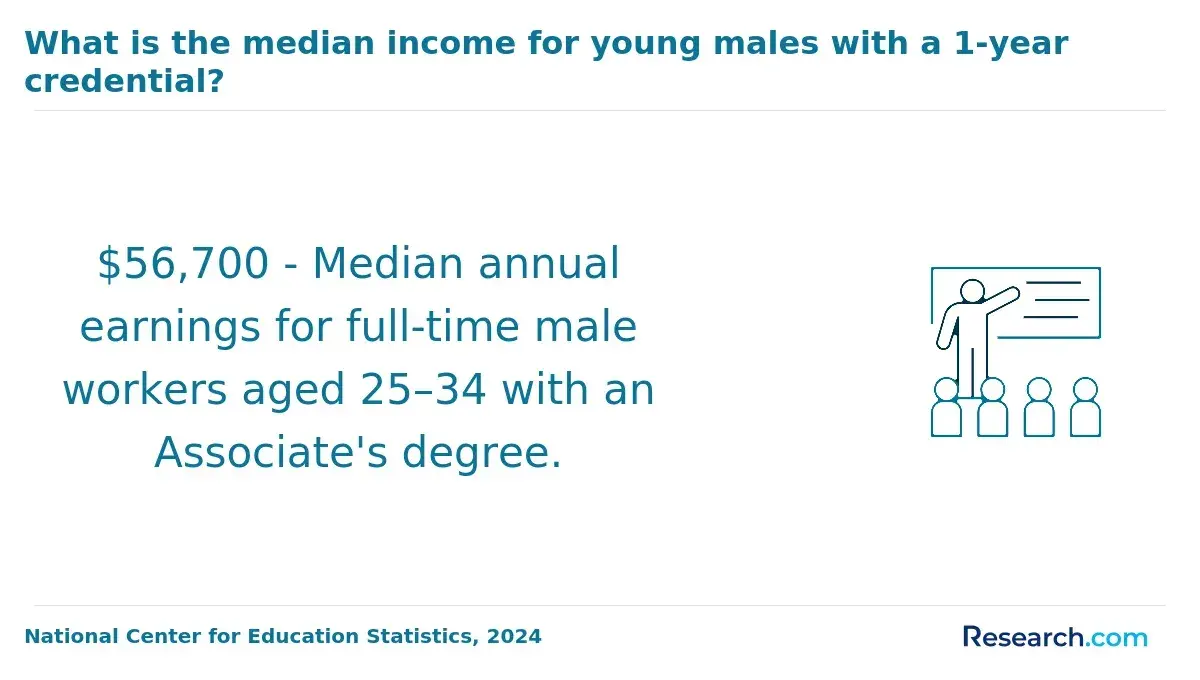
Post-graduation salary is a primary factor in evaluating the return on investment (ROI) for an advertising degree, as it determines how quickly graduates can recoup tuition costs and achieve financial stability. Advertising degree salaries in the U.S. typically range from $45,000 to $75,000 annually, with variations depending on experience, role, and industry.
Several key factors impact average advertising degree salary by industry and affect overall ROI:
- Industry: Higher salaries are common in sectors like technology and pharmaceuticals, while non-profit or smaller firms may offer less.
- Geographic location: Metropolitan areas such as New York or Los Angeles generally provide better pay but come with increased living expenses.
- Prior experience: Graduates with relevant internships or work history often secure higher starting salaries, improving their ROI.
- Specialization: Skills in digital marketing or data analytics are increasingly sought after and can significantly boost earnings.
- Career level: Moving into management or director roles substantially raises salary potential over time.
Prospective students comparing the financial benefits of an advertising degree may also consider related fields; for example, an online masters in psychology can offer different salary trajectories and ROI profiles.
Promotions significantly contribute to the return on investment (ROI) of an advertising degree by bringing salary increases, expanded responsibilities, and improved career mobility. These advancements enhance long-term financial gains and open additional professional opportunities for degree holders. A rising trend in the workforce is credential-based promotions, where employers increasingly favor candidates who combine relevant experience with formal education to secure higher-level roles.
Key ways an advertising degree may influence promotion opportunities and ROI include the following:
- Credential Requirements: Many mid-level and senior positions mandate formal degrees as a baseline, making an advertising degree essential for eligibility to advance within organizations.
- Leadership Preparation: Degree programs often include management and strategic training that equips graduates with skills necessary for supervisory and leadership roles, demonstrating readiness for increased responsibilities.
- Tuition Reimbursement: Holding an advertising degree can increase access to employer tuition assistance programs, effectively reducing the cost of education and improving overall ROI.
- Internal Promotion Policies: Companies frequently prioritize employees with degrees when considering promotions, aligning academic achievement with advancement criteria.
- Experience and Education Synergy: While practical experience remains vital, combining it with a degree underscores commitment and enhances a candidate's qualifications, fostering career advancement with advertising degree credentials.
This blend of education and experience supports stronger leadership capabilities and strategic thinking essential for success at higher organizational levels. Those seeking promotions after advertising degree completion benefit from improved marketability and career flexibility across various marketing functions. For professionals exploring cost-effective education options, the cheapest online edd programs offer a model for balancing investment and career returns in higher education.
The return on investment (ROI) for advertising graduates varies significantly across industries due to differences in salary levels, career progression opportunities, and demand for specialized skills. Industries with faster compensation growth and clearer promotion paths typically offer the highest returns. Additionally, sectors that prioritize branding, digital marketing, and consumer engagement tend to provide better job stability and long-term demand for advertising expertise.
Several industries stand out as the highest paying industries for advertising graduates and deliver some of the best ROI careers in the advertising sector:
- Technology: The technology sector provides high salaries and rapid career advancement driven by constant innovation and the need for advanced digital advertising skills. This combination often translates into strong financial rewards and growth potential.
- Healthcare and Pharmaceuticals: Increasing demand for targeted patient engagement campaigns and strict regulatory requirements create specialized advertising roles with competitive compensation and job security.
- Consumer Goods: This industry emphasizes brand management and marketing innovation, offering significant opportunities to apply and expand advertising skills while advancing professionally.
- Financial Services: Advertising roles here require expertise in compliance and data-driven marketing, resulting in well-paid positions with stable, ongoing demand.
- Entertainment and Media: Constant content creation and audience targeting reward creativity and digital proficiency, supporting strong career progression and steady income.
Prospective students considering advertising degrees should weigh these industry differences when evaluating ROI. For those seeking more insight into top online degrees that pay well, exploring careers in these sectors can help ensure a stronger financial outcome.
Accreditation for advertising degree programs signifies official validation that the curriculum meets rigorous quality standards established by recognized independent organizations. This recognition matters for return on investment because it often correlates with employer confidence in the program's graduates, improving their job market competitiveness.
Increasingly, employers are prioritizing credentials from accredited programs as a way to verify educational quality and predict candidate success. Additionally, accreditation can be a prerequisite for professional licensure or certification, which continues to influence graduate outcomes and career trajectory.
Beyond immediate employment advantages, accreditation affects long-term financial returns by opening access to federal financial aid, thereby lowering upfront education expenses. It also facilitates credit transfers between institutions and eligibility for advanced degrees, supporting ongoing professional development.
Meeting accreditation standards often aligns with requirements for certain licenses or certifications, which can expand career mobility and earning potential over time. Overall, an accredited advertising degree tends to offer enhanced credibility that sustains value throughout a graduate's career.
Evaluating the return on investment for an advertising degree involves weighing the tuition cost, program duration, starting salary, and prospects for career growth. Typically, a bachelor's program spans around four years and tuition can vary widely, affecting overall expenses.
Entry-level salaries for graduates generally range between $40,000 and $55,000, with opportunities to increase earnings by gaining experience and specialization. Career advancement in fields like digital marketing and brand management can further enhance financial rewards, making the initial investment more worthwhile over time.
The value of an advertising degree largely depends on factors such as current industry demand, available financial aid, and the chosen program format, including online or accelerated options that may reduce costs and program length. Those aiming for roles that require specialized skills or lack strong financial support might find the degree less advantageous.
Additionally, aligning the degree with personal career goals and leveraging internships or networking opportunities can improve return on investment. Therefore, the decision to pursue this degree should consider both external market trends and individual circumstances for best results.
What Graduates Say About The ROI of Their Advertising Degree
- Shane: "Choosing to pursue an advertising degree as a traditional student was a strategic move for me, especially knowing the average cost hovers around $20,000 to $40,000 per year. While the investment was significant, the professional network and hands-on experience I gained have already multiplied my ROI through higher salary offers and exciting job prospects. The dynamic environment and strong alumni connections truly made the cost worth every penny."
- Emiliano: "As an online student, I was initially concerned about the cost, which for a typical advertising degree can be upwards of $15,000 annually, but I found the flexibility invaluable for balancing work and study. Reflecting on my choice, the return has been compelling: my career trajectory improved considerably once I leveraged the theoretical knowledge with remote internships and projects. For anyone debating the expense, my advice is that the convenience and career boost justify the investment."
- Samuel: "Completing my advertising degree part-time allowed me to manage expenses more judiciously while working, keeping my yearly cost closer to the lower end of the average $10,000 to $30,000 range. This slower pace gave me ample time to apply my learning directly to my job, which enhanced my professional credibility and opened doors to leadership roles. Although the degree required patience, the long-term career impact and financial reward have validated my choice thoroughly."
Other Things You Should Know About Advertising Degrees
In 2027, experience in the advertising field significantly enhances the ROI of an advertising degree. As practitioners gain expertise, they often move into higher-paying roles. This progression is vital for maximizing ROI, as experienced professionals are in demand for their strategic and creative skills.
Specialized advertising degrees focusing on digital marketing, data analytics, and social media are likely to offer a higher ROI in 2027. With the rapid growth of digital platforms, businesses highly value these specialized skills, making graduates more attractive to employers and potentially leading to higher salaries.
Entry-level advertising graduates in 2027 typically start around $45,000 to $60,000 a year, with higher pay in major markets and at agencies handling digital media or analytics. Starting salary is the clearest early ROI measure because it sets the payback timeline for tuition and fees.
- 10 Scholarships for Advertising to Apply for in December 2025 https://bold.org/scholarships/by-major/advertising-scholarships/
- Marketing ROI (Return on Investment) Defined https://www.salesforce.com/eu/marketing/analytics/roi-guide/
- 10 Proven Strategies to Boost ROI in Higher Education Advertising - Echo Delta https://echodelta.co/insights/boost-roi-in-higher-education-advertising/
- Content Marketing ROI for Universities | Carnegie—Higher Ed Marketing & Enrollment https://www.carnegiehighered.com/blog/content-marketing-roi/
- What to expect as an advertising major at Oregon https://journalism.uoregon.edu/news/advertising-major
- Marketing in Enterprises - UEHS https://vizja.pl/en/specjalizacja/marketing-w-przedsiebiorstwie/
- 5 Key Factors That Impact Your Marketing ROI https://soudmarketing.com/factors-that-affect-marketing-roi/
- TOP 20 GRADUATE MARKETING STATISTICS 2025 | Amra And Elma LLC https://www.amraandelma.com/graduate-marketing-statistics/
- How to Calculate the Return on Investment (ROI) of a Marketing Campaign https://www.investopedia.com/articles/personal-finance/053015/how-calculate-roi-marketing-campaign.asp
- Advertising Scholarships for College | Unigo https://www.unigo.com/scholarships/by-major/advertising-scholarships


