2027 Return on Investment (ROI) of a Global Security Degree Program

Co-Founder and Chief Data Scientist
Many professionals face uncertainty about the financial benefits of pursuing a global security degree amidst rising education costs. With the global security industry expected to grow by 12% through 2030, demand for qualified experts is increasing sharply. This growth fuels competition for high-paying roles, but potential students often question the return on investment before committing.
Understanding how the degree enhances career prospects and salary can guide better decisions. This article explores the ROI of a global security degree by analyzing education expenses, employment trends, and salary outcomes, helping readers evaluate the program's true value against time and cost.
Key Things to Know About Global Security Degree ROI
- Graduates with a global security degree often earn 15-20% higher starting salaries compared to comparable fields, reflecting strong earning potential early in their careers.
- Career advancement is robust, with many professionals moving into leadership roles within five years due to specialized skills in risk management and international policy.
- The global demand for security experts offers job stability and flexibility, enabling long-term salary growth across diverse sectors such as government, private security, and international agencies.
How Is ROI Calculated for a Global Security Degree Program?
Return on investment (ROI) in higher education measures the financial benefits a student gains relative to the total costs and time spent earning a degree. For students evaluating a global security degree program, ROI helps compare the program's value against both its cost and duration to determine if it aligns with potential career outcomes.
Key factors that influence the calculation of ROI for a global security degree program include the following:
- Tuition and Fees: This encompasses all education-related expenses such as tuition, administrative costs, and materials. Understanding the full cost helps students realistically assess their initial financial commitment and its impact on ROI.
- Opportunity Cost: The income students forgo while enrolled plays a significant role. Sacrificing full-time work income represents an indirect expense that reduces overall ROI but is often overlooked in program cost vs earnings analyses.
- Time to Completion: The length of the program affects how quickly graduates can begin earning in the field. Shorter completion times reduce opportunity costs and accelerate salary gains, thereby improving ROI.
- Post-Graduation Salary Outcomes: Starting salaries and average wages in global security careers strongly impact ROI. Higher earnings potential enhances the financial return on the degree investment over time.
- Career Advancement Potential: The ability of the degree to open doors to promotions or specialized roles with increased compensation contributes to long-term ROI, establishing a path for sustained earnings growth.
For individuals exploring various educational options, including specialized programs, analyzing calculating ROI for global security degree programs alongside alternatives like MSW online programs can provide a clearer picture of value. Prospective students should weigh these factors carefully to determine the best fit based on their career goals and financial situations.
How Much Does a Global Security Degree Program Cost?
Knowing the full expense of a global security degree is crucial for properly assessing its return on investment, especially since graduate tuition has steadily increased over the last ten years, with average student debt for master's degree holders in the U.S. now surpassing $66,000. To understand the financial impact, it's important to consider all related costs.
Several key factors contribute to the overall cost and thus influence ROI:
- Tuition and fees: This usually represents the biggest portion of costs, encompassing course enrollment, institutional services, and administrative charges.
- Books and materials: Specialized textbooks, software licenses, and other academic resources required for global security studies add additional expenses that can be significant.
- Living and relocation expenses: Housing, meals, transportation, and potentially moving costs affect the budget, especially if students attend programs away from their current residence or require on-campus participation.
- Opportunity cost: Time spent pursuing the degree often means less income or delayed career advancements, a difficult but important factor in evaluating financial returns.
- Hidden or indirect costs: These might include upgrading technology, fees for professional certifications, or costs related to networking and career events.
One graduate I spoke with shared that balancing work and studies was "a constant challenge," noting that "finding time to attend classes and complete assignments definitely impacted my earning potential during the program." He also mentioned unexpected expenses such as software upgrades and travel to security conferences, which "added up more than I initially anticipated." Despite these hurdles, he felt the investment was worthwhile but stressed that understanding all cost aspects beforehand is key to making an informed decision.
What Financial Aid Is Available for Global Security Degree Programs?
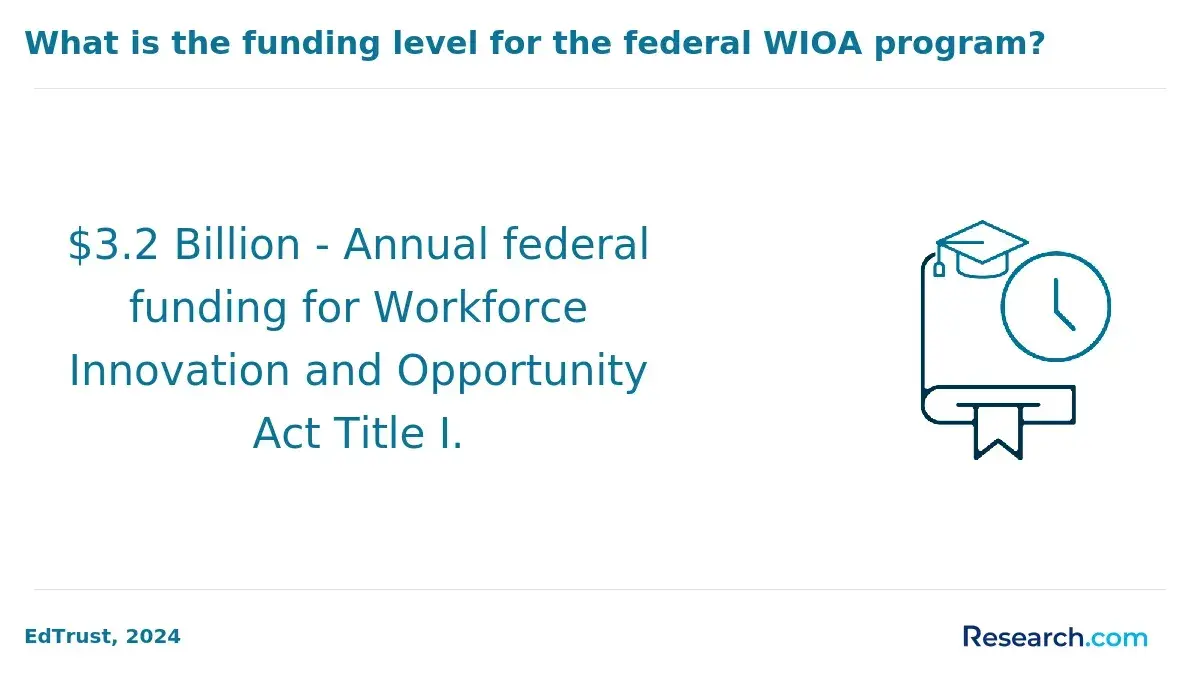
Financial aid can significantly reduce the initial expenses of pursuing a global security degree, leading to improved long-term financial returns by lowering debt and accelerating salary growth. Currently, the average graduate student loan debt in the U.S. approaches $66,000, making aid essential for managing educational costs and maximizing career earnings.
Several types of financial support commonly benefit students in global security programs:
- Scholarships: Awarded based on merit or financial need, scholarships directly decrease the total tuition burden without requiring repayment, which enhances the overall ROI by reducing accumulated debt.
- Grants: Typically need-based, grants help cover program fees without adding to loan balances, improving affordability and easing financial pressures after graduation.
- Fellowships: Often competitive and linked to research or professional growth, fellowships provide financial stipends or tuition waivers that lessen living and education expenses, supporting income stability while studying.
- Employer tuition assistance: Many organizations offer support for continuing education, which can offset costs and propel career advancement, allowing students to build income without increasing personal debt.
- Federal loans: Though these loans require repayment, they usually offer lower interest rates and flexible terms compared to private loans, helping borrowers manage debt smartly and maintain a sound ROI.
The duration needed to finish a global security degree plays a significant role in its return on investment by affecting opportunity costs, total expenses, and how soon graduates can start earning. A shorter completion time means less tuition and living costs, while enabling earlier entry into the workforce, ultimately boosting lifetime financial benefits.
Several key factors shape how long it takes to earn this degree and influence its overall ROI:
- Enrollment status: Students attending full-time typically graduate sooner than those studying part-time, but balancing full-time study may increase immediate costs and reduce income from working fewer hours.
- Program format: Options like online or accelerated courses offer more flexible scheduling and intensive studies, allowing some to cut down the total time to degree completion.
- Transfer credits: Bringing in credits earned from previous coursework can lighten the degree requirements, significantly speeding up the path to graduation.
- Internships or thesis: Hands-on experiences and capstone projects might extend program length but can provide valuable skills and connections that improve career prospects.
- Scheduling flexibility: Programs designed for working professionals let students progress steadily without sacrificing their current job income, although this may lengthen time to finish.
When I asked a global security graduate about her experience with the time it took to finish her degree, she shared that juggling work, family, and school was far from easy. "There were moments when I questioned if I could keep up with everything," she recalled. She found that choosing an online format helped manage her schedule but completing a thesis added months to her timeline.
Despite the challenges, she felt the extended duration was worthwhile: "The extra time really deepened my understanding and made my resume stand out." Her story highlights how individual circumstances and program choices shape not just the length but the value derived from earning a global security degree.
The return on investment (ROI) for global security degree programs can vary significantly between online and on-campus formats due to differences in cost, flexibility, and career outcomes. A 2023 report shows online enrollment in security-related programs growing by 15% annually, indicating rising acceptance of remote study by employers and students alike. This trend reflects the evolving landscape of higher education where flexible scheduling and affordability play a critical role.
Key factors influencing the ROI comparison of online vs on-campus global security degrees include:
- Tuition and fees: Online programs typically offer lower tuition and fees, reducing the initial financial burden. This affordability can make obtaining a degree more accessible without sacrificing quality.
- Opportunity cost: Flexibility in online formats allows students to maintain full-time employment or avoid lost wages, significantly reducing opportunity costs associated with time away from work.
- Networking and career services: On-campus programs often provide stronger networking opportunities and more direct access to career services, which can positively impact job placement and earning potential after graduation.
- Employer perception: The value employers place on online versus traditional campus experience varies by industry, with some sectors favoring the conventional route for perceived rigor and collaboration advantages.
- Long-term earning potential: Both delivery format and institutional reputation influence career trajectory and salary growth over time for graduates of global security degree programs.
For prospective students evaluating a global security degree return on investment by program format, understanding these factors is crucial. Additionally, considering other relevant fields such as online psychology programs may offer insights into trends in online education and career outcomes.
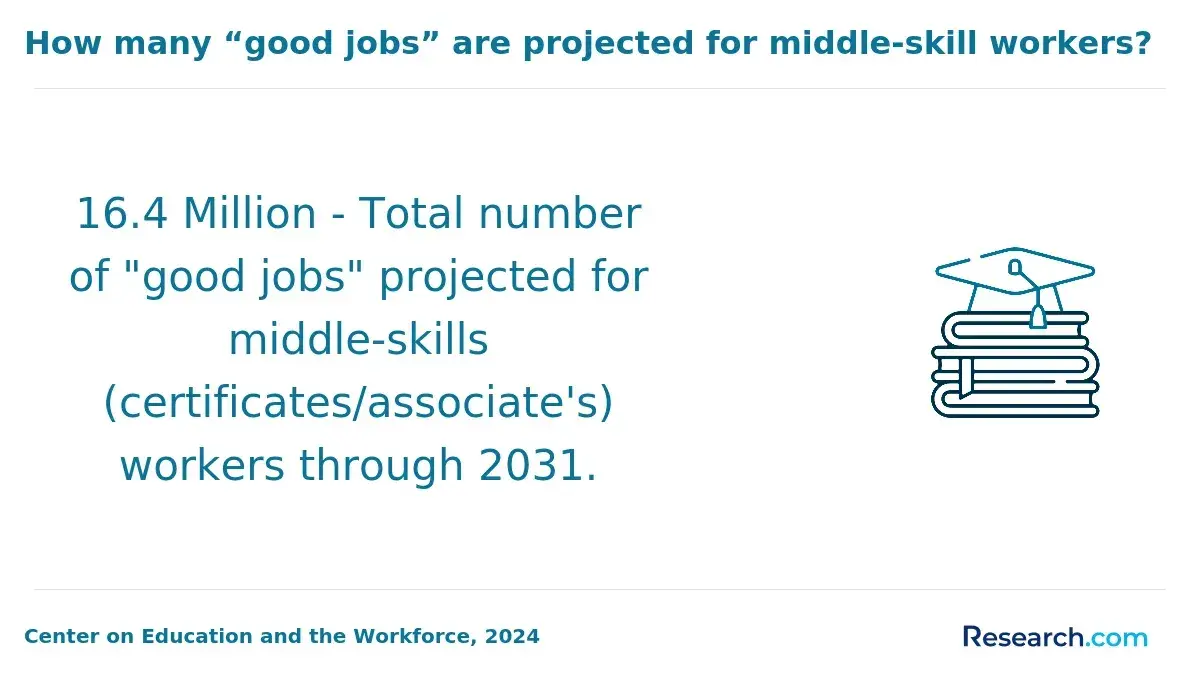
Post-graduation salary is a key factor in determining the return on investment (ROI) of earning a global security degree, as it directly influences how quickly graduates can recover their education costs. Typical earnings after global security degree completion range from $60,000 to $110,000 annually, with entry-level jobs near the lower end and experienced or specialized roles reaching the higher end.
Several factors affect the average salary for global security degree graduates and thus impact ROI. These include:
- Industry sector: Different sectors such as government agencies, defense, and private corporations offer varying pay scales, often reflecting the risk or complexity of the job.
- Geographic location: Salaries tend to be higher in urban centers or regions with heightened security needs, affecting earning potential significantly.
- Prior work experience: Candidates with relevant backgrounds can access higher-paying roles more quickly, improving financial returns.
- Specialization: Fields like cybersecurity, intelligence, or risk assessment typically command premium salaries compared to general global security roles.
- Career level: Advancement into managerial or executive positions substantially boosts income over time.
Prospective students evaluating educational options may also consider online courses for psychology degree programs as alternative or complementary paths. Factoring in these elements helps gauge the potential ROI of investing in a global security degree.
Promotions contribute significantly to the return on investment (ROI) of a global security degree by driving salary increases, expanding responsibilities, and enhancing career mobility. These advancements create financial and professional benefits that help justify the time and cost involved in earning the degree. A notable workforce trend is the rising emphasis on credential-based promotion, particularly in security and risk management fields, where higher education often distinguishes candidates for leadership roles.
Several key factors explain how a global security degree can influence promotion opportunities and improve ROI:
- Credential Requirements: Many organizations mandate relevant degrees as a prerequisite for eligibility for higher-level positions. Holding a global security degree aligns with these requirements, positioning graduates for advancement.
- Leadership Preparation: Degree programs in global security often include training that develops supervisory and managerial skills. This preparation makes candidates more competitive for roles involving greater responsibility.
- Employer Tuition Support: Tuition assistance programs can reduce the effective cost of obtaining the degree. This financial support increases net ROI and encourages professionals to pursue further education.
- Internal Promotion Policies: Companies frequently prioritize candidates who combine formal education with relevant experience. A global security degree, coupled with work background, strengthens promotion potential.
- Experience-Education Synergy: Combining practical experience with a global security degree creates a strong profile. This synergy enhances career advancement possibilities beyond peers lacking such credentials.
Professionals examining the financial and career benefits of this degree should also explore options for the cheapest online EdD or similar affordable programs to optimize their educational investments. Incorporating a global security degree into a career plan can be a strategic move to achieve promotions after security studies degree completion, thereby maximizing the degree's value over time.
The return on investment (ROI) for graduates with a global security degree varies by industry due to differences in salary levels, career progression opportunities, and demand for specialized skills. These factors significantly impact the financial and professional outcomes for degree holders.
Industries that tend to offer the strongest ROI for global security graduates include the following:
- Government and Defense: This sector provides competitive salaries, clear advancement paths, and strong job stability. National security priorities ensure consistent demand for experts, delivering long-term career growth.
- Financial Services: Banks and financial institutions rely on global security professionals to address cyber risk and compliance challenges. High compensation and promotion opportunities create one of the highest paying sectors for global security degree holders.
- Technology: Tech companies value specialists in cybersecurity and risk management. Rapid industry expansion and frequent skill utilization lead to above-average salary increases and robust job demand.
- Energy and Utilities: Protecting critical infrastructure requires specialized security expertise. This sector offers steady employment with rising compensation due to evolving security threats.
- Consulting Firms: Consulting leverages global security knowledge to serve diverse clients, combining varied project experience with strong earning potential and career advancement.
For those comparing degree options, considering the top industries for global security graduates ROI can inform career decisions significantly. This understanding helps evaluate whether pursuing a global security degree aligns with personal financial goals and job market trends. Students and professionals interested in flexible education paths may also explore the easiest bachelor degree to get online opportunities related to security and risk management fields.
Accreditation in global security degree programs signifies that an independent, authorized organization has verified the program meets specific quality benchmarks. This validation assures that the curriculum adequately prepares students for industry standards and professional expectations. Increasingly, employers prefer candidates with accredited degrees, associating these credentials with proven skills and knowledge.
Furthermore, completing an accredited program often enables graduates to pursue recognized certifications or licenses that enhance their professional credibility and job prospects. The long-term return on investment of a global security degree is strongly affected by accreditation through several critical pathways. Accredited programs tend to foster greater employer confidence, making graduates more competitive in hiring processes. They also unlock eligibility for federal financial aid and scholarships, potentially reducing overall education costs.
Additionally, credits earned from accredited institutions are more readily transferable, facilitating academic flexibility. Importantly, graduation from an accredited program is usually a prerequisite for obtaining industry certifications, which can lead to improved career advancement opportunities and higher salaries over time.
The return on investment (ROI) of a global security degree depends on various financial and career factors, including tuition expenses, duration of study, and potential earnings after graduation. Typically, these programs take one to two years to complete at the master's level, with graduates often earning between $60,000 and $90,000 annually, varying by job role and location. Career advancement opportunities contribute significantly to the degree's value, as holders frequently secure analytical, policy, or managerial positions within government bodies, private firms, or international agencies.
The stability and growth in security-related sectors further enhance employment prospects for graduates. Deciding if pursuing a global security degree is worthwhile requires weighing several elements. Industry demand, such as the rise in cybersecurity needs, can boost job opportunities, while flexible program formats like online or part-time schedules help reduce costs tied to lost income.
Availability of financial aid also plays a critical role in lowering net expenses. Ultimately, the degree is most beneficial for those targeting leadership roles or specialized security careers; for others considering entry-level positions, the upfront investment may outweigh immediate returns.
What Graduates Say About The ROI of Their Global Security Degree
- Kyla: "Choosing the global security degree program was a strategic move for me. Despite the average cost being around $30,000, the long-term ROI through career advancement and salary growth definitely justifies the investment. Since graduating from the traditional program, I've secured a leadership role in cybersecurity, proving the value of my education. "
- Ryan: "Enrolling in the online global security degree was a decision I weighed carefully. The cost was reasonable compared to other options, and the flexibility allowed me to balance work and study. Reflecting on my career growth post-graduation, it's clear the degree opened doors to higher-level consulting roles I wouldn't have reached otherwise."
- Miles: "As a part-time student, I was initially concerned about the financial and time commitment of a global security degree, especially with an average program cost near $30,000. However, the investment paid off as I transitioned into a specialized risk management position within a year of completing the program. The professional credibility gained has made all the difference. "
Other Things You Should Know About Global Security Degrees
CISSP, CompTIA Security+, and Certified Protection Professional can raise ROI by supporting higher-paying roles in risk analysis, security management, and executive protection. CISSP requires five years of paid experience in at least two domains, while Security+ has no formal experience requirement and is widely recognized.
Prior work experience in security or related fields can significantly enhance the return on investment of a global security degree. Experienced professionals often secure higher-paying positions more quickly after graduation, leveraging both their practical background and academic credentials to maximize earning potential.
Regions with significant political, economic, or cybersecurity challenges typically offer higher ROI for global security graduates due to increased demand for security expertise. Urban areas and international hubs often provide better salary prospects and a wider range of job opportunities compared to rural locations.
The 2027 ROI of a global security degree is influenced by tuition costs, job placement rates, salary expectations, industry demand, and the geopolitical climate. High government and corporate demand for security experts can enhance ROI, while increased educational costs might reduce it. **Question** How does experience impact the ROI of a global security degree? **Answer** Experience significantly impacts the ROI of a global security degree. Seasoned professionals typically command higher salaries, quickening ROI through better job positions and potential advancement opportunities. In contrast, graduates with minimal experience may initially find ROI lower due to entry-level positions. **Question** Are there specific geographic regions where the ROI of a global security degree is higher? **Answer** Yes, certain geographic regions, particularly North America and Western Europe, may offer a higher ROI for a global security degree due to a high demand for security professionals and competitive salaries. Conversely, regions with less demand or lower salary scales may present a lower ROI. **Question** What are the career growth prospects after earning a global security degree? **Answer** Career growth prospects after earning a global security degree are promising. Graduates can pursue roles in cybersecurity, intelligence analysis, and emergency management. Continuous technological advancements and global security challenges contribute to expanding opportunities and potential salary increases, positively impacting ROI.
- Top 10 High-ROI Courses To Study Abroad In 2025 - Counslo https://counslo.com/high-roi-courses-to-study-abroad-2025/
- ROI Undergraduate - FREOPP https://freopp.org/roi-in-higher-education/roi-undergraduate/
- Cybersecurity Courses vs. Traditional Degrees: Pros and Cons | Cybrary https://www.cybrary.it/blog/cybersecurity-courses-vs-degrees
- University of Glasgow - Postgraduate study - Taught degree programmes A‑Z https://www.gla.ac.uk/postgraduate/taught/globalsecurity/
- Online vs On-Campus Cybersecurity Degrees: Which Is Better? https://hakia.com/degrees/cybersecurity/online-vs-campus/
- An In-Depth Comparison of Online vs Offline Master's in Cyber Security - Careerindia https://www.careerindia.com/features/an-in-depth-comparison-of-online-vs-offline-masters-in-cyber-security-045351.html
- The Most Popular College Degrees Ranked by Return on Investment (ROI) After 5 Years in the Workforce - StudentChoice.org https://www.studentchoice.org/news/the-most-popular-college-degrees-ranked-by-return-on-investment-roi-after-5-years-in-the-workforce/
- Return on investment (ROI) of cybersecurity training | Infosec https://www.infosecinstitute.com/resources/professional-development/return-on-investment-roi-of-cybersecurity-training/
- How ROI and Employability Are Redefining Study Abroad https://www.nomadcredit.com/blog/overseas-education-roi-employability
- The ROI of Accreditation: Why It Matters More Than Ever https://www.kramah.com/the-roi-of-accreditation-why-it-matters-more-than-ever/