2027 Return on Investment of an Online Management Bachelor's Degree: Salary vs Cost

Co-Founder and Chief Data Scientist
Consider a working professional with a non-business bachelor's degree seeking a flexible way to transition into management. The high cost of traditional degrees and uncertain salary gains can create hesitation. According to the National Center for Education Statistics, graduates with a bachelor's degree in management earn a median annual salary 25% higher than those without.
But does an online management bachelor's degree justify its cost through improved earnings? This article explores the balance between tuition expenses and salary outcomes, guiding prospective students to evaluate the true return on investment before committing to an online management program.
Key Things to Know About the Return on Investment of an Online Management Bachelor's Degree
- Average tuition for an online management bachelor's degree ranges from $15,000 to $35,000, significantly lower than traditional campus programs, enhancing affordability for budget-conscious students.
- Graduates report median salaries between $60,000 and $75,000 per year, showing a favorable salary-to-cost ratio that supports quicker return on investment compared to many other disciplines.
- Non-financial benefits include improved job security, career advancement, and expanded professional networks, which contribute significantly to long-term career growth beyond initial earnings.
What Is the True Cost of Earning an Online Management Bachelor's Degree From Enrollment to Graduation?
Costs associated with earning an online management bachelor's degree go beyond just tuition; they include several direct and indirect expenses that impact the total price. Using data from the National Center for Education Statistics, IPEDS, and university net price calculators, students can anticipate a spectrum of fees when budgeting for their education.
- Tuition Fees: Published tuition for public institutions ranges between $15,000 and $40,000 for the entire online bachelor's degree, while private universities typically charge $30,000 to $70,000 or more. Many students pay less due to financial aid, scholarships, or employer tuition reimbursement, often reducing these costs by 25% to 50% on net price calculators.
- Technology Fees: Programs usually charge mandatory technology or online platform fees ranging from $100 to $600 yearly. These cover access to software, virtual labs, and technical support essential for remote learning.
- Course Materials: Textbooks, e-books, and other resources generally cost between $800 and $2,000 throughout the program. Some courses may also require paid subscriptions or access to specialized databases or tools.
- Proctoring and Exam Fees: Online exams often carry additional proctoring fees of $30 to $75 per test, which can accumulate if multiple proctored exams are required.
Factoring these expenses, the total cost of an online management bachelor's degree usually ranges from $18,000 to $50,000 at public schools and $40,000 to $85,000 at private institutions after typical financial aid is applied.
Candidates should consider these figures as a starting point when evaluating the return on investment alongside potential salary outcomes and career benefits. For further insight into affordable degree options, including other fields, consider looking into MSW programs.
Budget-conscious students or career changers should carefully examine these cost breakdowns for online management degree paths to select programs that align with their financial and professional goals.
How Does the Starting Salary for Management Bachelor's Degree Graduates Compare to the Total Cost of the Degree?
The starting salary for graduates with a bachelor's degree in management varies by industry, with entry-level roles such as management analysts, human resources specialists, and marketing coordinators reporting median annual salaries between $50,000 and $65,000, according to the Bureau of Labor Statistics (BLS).
Comparing these figures to the total cost of an online management bachelor's degree, which typically ranges from $15,000 with scholarships and financial aid to upwards of $50,000 for more expensive programs.
This helps clarify the return on investment (ROI) for many students searching for the balance of cost versus reward. This comparison of total cost versus salary return management bachelor's degree graduates provides critical insight for budgeting and planning.
In a best-case scenario, graduates who benefit from low tuition and aid might recover their investment within three to four months of starting salary. On the other hand, those paying full tuition without significant aid may need up to a year's worth of their initial income to offset costs.
These estimates offer a practical financial framework for first-generation college students, working professionals seeking advancement, or career changers evaluating the value of an online degree.
Beyond immediate earnings, BLS projections forecast steady wage growth in management occupations. This upward trajectory-along with career advancement opportunities-improves long-term financial outcomes and strengthens the overall ROI of a management degree.
Prospective students should also consider non-financial returns such as job stability, skill development, and expanding professional networks. For those exploring options, resources like business degree guides can help identify affordable programs aligned with career goals.
What Is the Average Return on Investment (ROI) for an Online Management Bachelor's Degree Over a 10-Year Career?
Return on investment (ROI) in higher education measures the financial gain from a degree by subtracting the total cost of the program from the additional earnings it yields over a decade compared to holding only a high school diploma or associate degree in the same field.
According to research by the Georgetown University Center on Education and the Workforce, this net calculation offers a clear metric for assessing the value of educational investments. Taking median wage data from the Bureau of Labor Statistics for management roles, an individual with a bachelor's degree in this area earns about $90,000 annually.
With an assumed 3% yearly increase, total earnings across ten years can reach approximately $1 million. Meanwhile, comparable positions filled by workers with only high school diplomas average $40,000 per year, accumulating roughly $460,000 over the same time span.
Considering tuition fees for online management programs typically range between $40,000 and $60,000, the long-term financial benefits are significant—potentially exceeding $500,000 in net earnings over ten years. PayScale's College ROI Report supports this, indicating management bachelor's degrees generally deliver returns well above the average for all bachelor's programs nationwide.
A professional who enrolled in an online management bachelor's degree after carefully evaluating its cost versus ROI described the experience as a balancing act between financial risk and opportunity. He recalled feeling uncertain at first, weighing tuition prices against potential earnings increases while managing his job and family responsibilities.
"It wasn't just about the money; it was about building a career path that felt stable and promising," he reflected. The flexibility of online study allowed him to progress steadily, and as he advanced, he saw promotions and raises that validated his initial calculations. "Seeing tangible results made the investment feel worth it-knowing I made an informed decision gave me confidence every step of the way."
- Public Institutions: Online management programs at public universities typically provide the most cost-effective choice for in-state students, with tuition ranging from $5,000 to $12,000 annually. Many offer flat-rate tuition that applies equally to all online learners, easing financial planning. These programs tend to have stronger graduation rates and well-established reputations, which can improve employment prospects and salary potential after graduation.
- Private Nonprofit Colleges: Tuition costs average between $20,000 and $35,000 per year. Despite the higher price, these colleges often feature smaller class sizes and extensive career support services. Robust alumni networks and targeted professional development may enhance job placement rates and overall career growth, potentially providing better long-term ROI.
- For-Profit Schools: These institutions generally charge between $10,000 and $15,000 annually, appealing to cost-sensitive students. However, they often face criticism due to lower graduation rates and employer concerns about program quality and accreditation. Such factors can negatively influence career advancement and salary growth, impacting overall returns despite lower tuition.
When comparing online management program tuition rates by institution type, it's vital to look beyond sticker price. Decisions solely based on cost may overlook differences in program quality and labor market outcomes.
Considering the broader financial and professional implications can help students prioritize programs that deliver stronger lifetime returns. For readers exploring options, resources like the easiest online MSW program listings may provide insight into program accessibility along with cost.
Salary growth for individuals holding a management bachelor's degree typically follows a pattern marked by significant milestones over a 20- to 30-year span. Early on, within the first five years, earnings increase steadily from around $50,000 to $65,000 as graduates gain foundational skills in entry-level roles.
- Early Career Growth: Initial salary increases are moderate but consistent, reflecting skill-building and acclimation to professional environments.
- Mid-Career Acceleration: Between five and ten years, pay rises more sharply as many advance into supervisory or middle-management positions, with median salaries nearing $85,000. This stage often aligns with enhanced managerial responsibilities and improved negotiation leverage.
- Established Leadership: Around ten to fifteen years, salary growth typically quickens again as professionals move into senior management roles, pushing median earnings above $100,000. This reflects expanded strategic influence within organizations.
- Late Career and Peak Earnings: Beyond fifteen years, salary gains may continue steadily, especially for those rising to executive levels, with median salaries reaching between $110,000 and $130,000 depending on factors like industry and geography.
- Cumulative Earnings Premium: Over a full career, management degree holders generally earn substantially more than peers without degrees, with lifetime earnings premiums estimated around $1 million or higher.
A professional who completed an online management bachelor's degree shared how the journey involved juggling work, family, and coursework, often requiring late nights and weekend study sessions. She reflected that while demanding, the program built her confidence and leadership skills, enabling her to secure promotions and salary increases she hadn't anticipated early on.
"The degree opened doors gradually," she noted, emphasizing that persistence was key. She credited the practical coursework and flexible format for helping her remain employed while advancing, which made a substantial difference in her long-term financial and career growth.
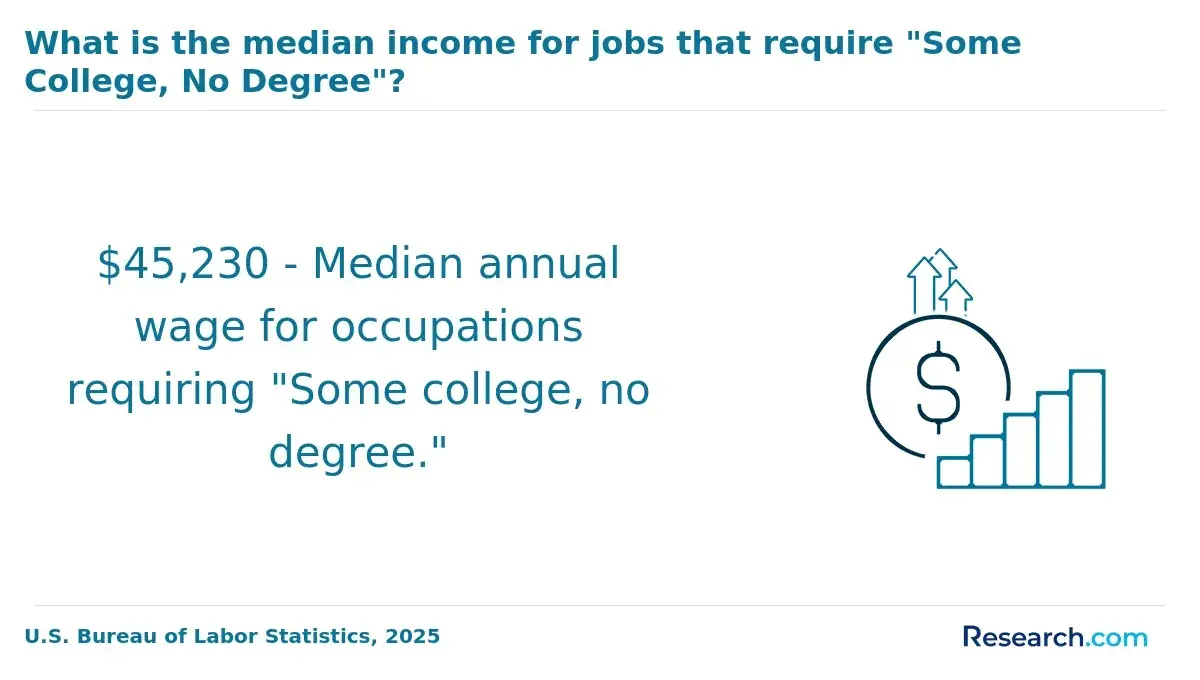
Tuition costs vary significantly across credential types: an online management bachelor's degree typically falls between $20,000 and $40,000, while associate degrees generally range from $6,000 to $15,000. Industry or professional certificates are the most affordable option, usually costing between $1,000 and $5,000 depending on the program.
- Short-Term Advantages: For learners needing rapid workforce entry or with limited resources, certificates and associate degrees offer benefits, like lower upfront costs minimize debt accumulation, quicker completion accelerates earning potential, and ideal for positions focusing on technical skills rather than leadership or comprehensive management expertise.
- Long-Term Benefits: Bachelor's degrees usually lead to greater lifetime income and career progression. Expanded skill sets enable advancement to managerial and leadership roles. Higher educational attainment correlates with improved job stability and flexibility. Four-year programs facilitate access to professional networks and development opportunities.
Students should weigh personal timelines and financial situations carefully. If immediate employment or limiting debt is a priority, certificates or associate degrees may be more suitable.
For long-term career growth and leadership ambitions, investing in a bachelor's degree tends to offer the best ROI. Considering employer tuition assistance and the flexibility of online study can help balance work and education.
Beyond salary, bachelor's degrees often provide enhanced professional credibility, wider career mobility, and access to management roles that may be unattainable with lower qualifications.
Bachelor's degree graduates who specialize in online management can expect differing salary outcomes depending on their concentration, as verified by the Bureau of Labor Statistics (BLS). Certain specializations offer a notable salary premium compared to generalist management roles, although added certification costs may affect the overall return on investment.
- Finance Management: Graduates typically pursue positions such as financial analysts or budget analysts, with median salaries around $90,000 annually. Many roles demand professional certifications like the CFA or CPA, increasing both financial and time investments.
- Human Resources Management: This track yields median earnings near $75,000 and emphasizes career advancement in talent acquisition and employee relations. Certifications such as SHRM-CP or PHR enhance job security and professional standing but add extra costs.
- Operations Management: Preparing students for supply chain and logistics roles, this specialization reports median wages near $80,000. Certifications like Six Sigma or PMP improve earning potential but require continuing education.
- Marketing Management: Marketing specialists earn roughly $85,000 on median, with digital marketing credentials available to boost employability even though formal certifications are not always mandatory.
- Project Management: With median incomes close to operations management, around $80,000, earning PMP or Agile certifications can elevate salaries significantly, though initial certification costs must be considered.
Prospective students balancing tight budgets or seeking career advancement should carefully weigh tuition fees against median salary outcomes from sources such as BLS and IPEDS.
Certifications and continuing education extend the timeline to return on investment but also enhance professional development and job security. Aligning specialization choice to prior experience and financial goals ensures an optimized pathway through an online management bachelor's degree program.
Employer tuition reimbursement programs can greatly decrease the out-of-pocket expense for an online management bachelor's degree by covering a significant portion of educational costs.
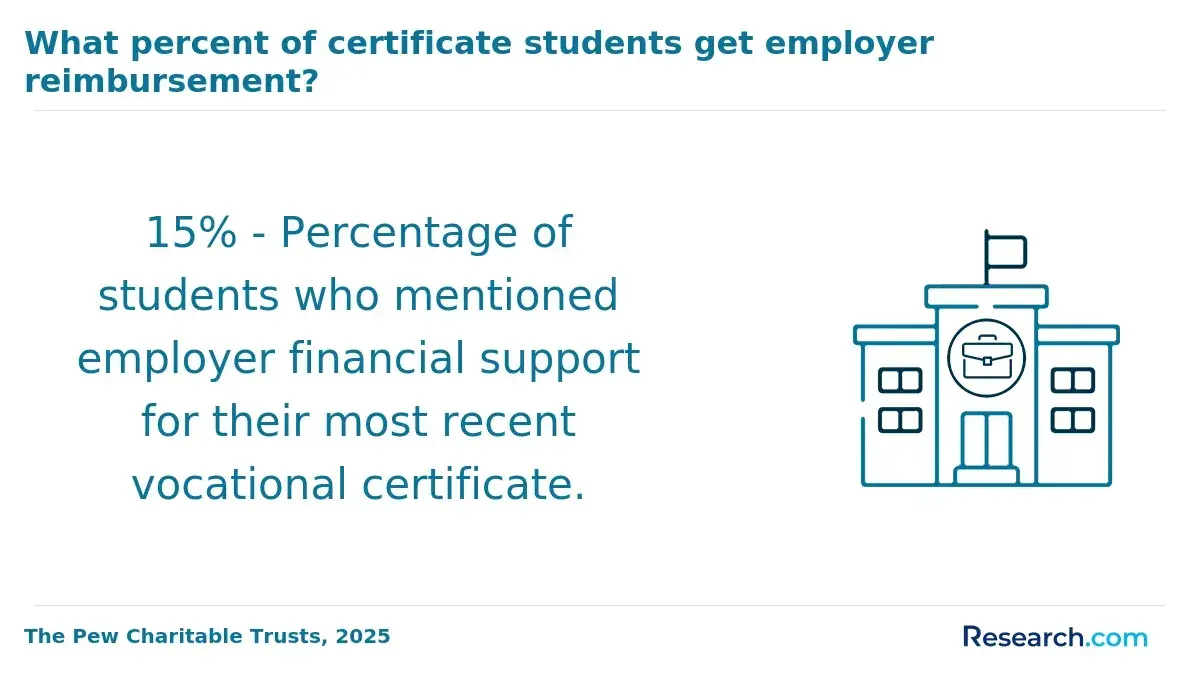
Under IRS Section 127, employers can offer up to $5,250 per year in tax-free tuition assistance to employees, which often reduces or eliminates tuition bills depending on company policy. About 50% of U.S. employers provide some form of tuition assistance, commonly requiring course completion and satisfactory grades, with agreements to remain employed for a set time post-graduation to retain benefits.
When combined with federal and institutional financial aid, such as grants, scholarships, and subsidized loans, students can substantially lower the actual cost of their degree. Unlike loans, grants and scholarships are non-repayable, while subsidized federal loans offer lower interest rates and deferred payments during enrollment.
These financial supports make pursuing an online management degree more affordable for working professionals and career changers, especially those mindful of their budgets. For instance, a student enrolled in a $30,000 online management bachelor's program might use employer tuition reimbursement of $5,250 annually, federal Pell Grants totaling $6,000, and subsidized loans to bring their net cost below $10,000.
This considerable reduction enhances return on investment by shrinking debt and speeding up post-graduation salary gains. Candidates interested in advancing their education and career may also explore an online master's in organizational leadership to build on this foundation.
Regional accreditation assesses the entire institution, confirming broad academic quality, while programmatic accreditation focuses on the management program itself to ensure it meets industry standards. Employers often give more weight to degrees from regionally accredited schools, associating them with stronger preparation and relevant skills.
Surveys by the National Association of Colleges and Employers (NACE) and the Society for Human Resource Management (SHRM) reveal that hiring managers are less inclined to consider candidates with degrees from schools lacking regional accreditation or holding only national accreditation.
This bias can lower starting salary offers and slow career growth. Graduates from non-accredited programs may also find limited access to licensure exams, advanced degrees, and certain roles in government or healthcare sectors.
Before enrolling, verify accreditation status using the U.S. Department of Education's accreditation database or the Council for Higher Education Accreditation (CHEA). Doing so helps avoid investing in programs with limited recognition that could hinder professional advancement.
- Business Analyst: Entry-level salaries typically range from $55,000 to $65,000, with the highest pay found in technology and finance sectors. Credentials such as CBAP and strong analytical capabilities can boost earnings.
- Human Resources Assistant: Starting pay usually falls between $40,000 and $50,000. Competitive wages are more common in healthcare and government. Internships and SHRM certification enhance compensation prospects.
- Marketing Coordinator: Median salaries range from $45,000 to $55,000, with technology and consumer goods industries offering top wages. Specializing in digital marketing can increase starting income.
- Operations Coordinator: Typical entry salaries span $42,000 to $52,000. Manufacturing and logistics companies tend to pay higher rates. Experience with supply chain software can lead to better earnings.
- Sales Representative: Earnings usually range from $40,000 to $60,000, often including commissions. Technology and finance sectors provide higher base pay. Obtaining sales certifications may accelerate income growth.
- Project Coordinator: Starting pay often falls between $50,000 and $60,000. Technology and construction fields offer the most competitive salaries. PMP certification and internships improve salary outcomes.
- Financial Analyst: Median entry-level salaries are approximately $55,000 to $65,000. Finance and insurance sectors lead compensation. CFA Level 1 and related certifications significantly enhance opportunities.
- Management Trainee: Entry earnings generally range from $40,000 to $50,000, primarily in retail and hospitality. Programs focused on leadership development can increase early salary potential.
Internships, certifications, and focused concentrations play a vital role in elevating initial salaries and accelerating return on investment. Graduates aligned with industries paying higher entry wages have a clear advantage in recouping educational costs more rapidly and accessing long-term career growth.
What Graduates Say About the Return on Investment of Their Online Management Bachelor's Degree
- Reign: "Choosing the online management bachelor's degree was a decision driven by weighing its ROI against the cost carefully. I appreciated how flexible the program was, letting me balance work and studies without sacrificing quality. Beyond financial returns, the degree opened doors for leadership roles and increased job security, which I hadn't initially anticipated but deeply value now."
- Yuna: "Reflecting on my journey, the return on investment of the online management bachelor's degree goes beyond just salary increments-it transformed my approach to career growth. The program provided essential skills that accelerated my promotions and made me more resilient in a changing job market. I felt confident that this degree was a smart, long-term investment in both my professional and personal development."
- Liz: "Professionally, earning my online management bachelor's degree had a significant impact by expanding my network and sharpening my strategic thinking. While the cost initially gave me pause, the career advancement opportunities and stability I gained more than justified it. This degree truly enhanced my career trajectory and proved to be an invaluable asset in the competitive landscape I navigate daily."
Other Things You Should Know About Management Degrees
On average, graduates of online Management bachelor's degree programs can expect to recoup their tuition costs within five to seven years after entering the workforce, depending on factors such as their previous experience and job placement speed. Early career salaries tend to grow steadily, enabling a quicker return as professionals advance into supervisory or managerial roles. However, this timeline can vary significantly based on individual circumstances and regional job markets.
Salary outcomes for Management graduates vary widely by geographic location and industry sector. Graduates working in metropolitan areas or regions with a high concentration of businesses generally earn higher salaries than those in rural or economically limited areas. Additionally, industries such as finance, technology, and manufacturing often offer higher wages to Management graduates compared to sectors like retail or hospitality.
Employer surveys and labor market data in 2027 indicate that a Management bachelor's degree remains valuable. Graduates generally experience favorable employment prospects, particularly in sectors like commerce, healthcare, and education, supporting a positive return on investment through increased earning potential.
Most online management bachelor’s degrees require about 120 semester credits, including general education, core business courses, and management electives. Programs often accept transfer credits, which can reduce total tuition and shorten the time needed to finish, improving return on investment.
- The Cost of an Online Business Management Degree - Intelligent https://www.intelligent.com/best-online-business-degrees/cost/
- Tuition Reimbursement: How Do Employers Benefit from It? | KBI Benefits https://www.kbibenefits.com/tuition-reimbursement-benefits
- 20 Highest Paying Bachelor’s Degrees of 2025 | National University https://www.nu.edu/blog/highest-paying-bachelors-degrees/
- The disruptive potential of online learning: Comparing the cost and quality of online and traditional education | CEPR https://cepr.org/voxeu/columns/disruptive-potential-online-learning-comparing-cost-and-quality-online-and
- Return on Education for Bachelor’s Degrees | SoFi https://www.sofi.com/learn/content/roi-by-bachelor-degree/
- How an Online MBA Can Accelerate Your Career Growth as a Working Professional - The Quantic Blog https://quantic.edu/blog/2024/04/26/how-an-online-mba-can-accelerate-your-career-growth-as-a-working-professional/
- Online college courses are popular, why do they still cost so much? https://hechingerreport.org/as-online-higher-education-hits-a-milestone-why-does-it-still-cost-so-much/