2027 Return on Investment of an Online Information Technology Bachelor's Degree: Salary vs Cost

Co-Founder and Chief Data Scientist
Consider a professional with a non-IT background aiming to transition into the Information Technology sector through an online bachelor's degree. The challenge lies in balancing tuition costs against potential salary gains-especially when 67% of IT graduates report salary increases within two years of program completion.
Without clear insight into this return on investment, prospective students risk incurring debt without commensurate financial benefit. This article evaluates salary outcomes relative to costs for online Information Technology bachelor's degrees, providing data-driven analysis and guidance to help readers make informed decisions about their educational investments and career pivots.
Key Things to Know About the Return on Investment of an Online Information Technology Bachelor's Degree
- Average tuition for online information technology bachelor's degrees ranges from $15,000 to $40,000, significantly lower than traditional on-campus options, improving upfront affordability for budget-conscious students.
- Graduates report median salaries between $65,000 and $85,000 annually, with BLS data confirming consistent wage growth exceeding 10% over ten years in related technology fields.
- Non-financial benefits include enhanced job security, frequent promotion opportunities, and access to professional development-critical factors supporting long-term career resilience and satisfaction.
What Is the True Cost of Earning an Online Information Technology Bachelor's Degree From Enrollment to Graduation?
Anyone calculating the return on investment for an online information technology bachelor's degree should anticipate a realistic total cost range of $18,000 to $45,000, combining tuition, fees, and materials after aid.
Understanding these expenses helps students weigh the financial commitment against verified salary outcomes and career advancement opportunities.
- Tuition Fees: Tuition remains the largest expense in the cost of earning an online information technology bachelor's degree. Data from IPEDS and the National Center for Education Statistics show sticker prices typically range from $15,000 to $40,000 for the entire program.
- Technology and Course Fees: Additional fees cover online platform access, proctoring services, and tech support necessary for delivering coursework smoothly. These fees can range from $500 to $1,500 annually, adding an important layer to total tuition and fees for online information technology degree programs.
- Books and Course Materials: Textbooks, software licenses, and specialized materials usually add between $1,000 and $2,000 to overall costs. Some programs reduce this burden by providing digital resources or utilizing open educational resources, which can help students on a tight budget.
- Indirect Costs: While online programs eliminate commuting and housing expenses, students should still budget for reliable internet service, device upgrades, and potentially lost wages if balancing work with study.
- Sticker Price vs Net Price: The published tuition rates-known as sticker prices-may not reflect what many students actually pay. Prospective students looking to extend their education further might also consider online PhD programs as a future step.
How Does the Starting Salary for Information Technology Bachelor's Degree Graduates Compare to the Total Cost of the Degree?
Graduates with a bachelor's degree in information technology commonly enter the workforce as computer systems analysts, network and computer systems administrators, or software developers.
According to the Bureau of Labor Statistics Occupational Outlook Handbook, the median annual starting salary for these roles ranges from $60,000 to $75,000. When comparing starting salary after online information technology bachelor's degree programs to tuition costs, students can better evaluate their financial investment.
The total cost versus salary for online information technology degree graduates varies widely. Public universities often offer more affordable tuition, sometimes as low as $15,000 after financial aid and in-state rates.
Private or out-of-state programs may exceed $50,000. This translates to a payback period of roughly three to ten months of entry-level earnings to recover the full degree cost, depending on the institution and aid received.
Starting salary is only part of the financial equation. The Bureau of Labor Statistics projects steady salary growth in technology careers, increasing the return on investment over time.
Advancing to mid-level positions can significantly boost earnings, making the initial cost worth the long-term benefits. Beyond salary, degree holders often enjoy greater job security and professional opportunities, enhancing overall career satisfaction.
For those considering further education, a doctorate in leadership online can also complement technology expertise and support career advancement.
- Starting Salary Range: Entry-level roles in information technology command salaries between $60,000 and $75,000 annually, a solid foundation relative to tuition costs.
- Degree Cost Variation: Online information technology programs cost between $15,000 and over $50,000, impacting the length of financial return.
- Payback Period: Graduates typically need three to ten months of full-time salary to repay their educational investment, shorter in high-aid scenarios.
- Salary Growth Potential: Projected wage increases enhance long-term ROI, supporting career growth beyond initial earnings.
- Non-Financial Benefits: Degree holders gain improved job security and professional development opportunities that increase lifetime earnings and satisfaction.
What Is the Average Return on Investment (ROI) for an Online Information Technology Bachelor's Degree Over a 10-Year Career?
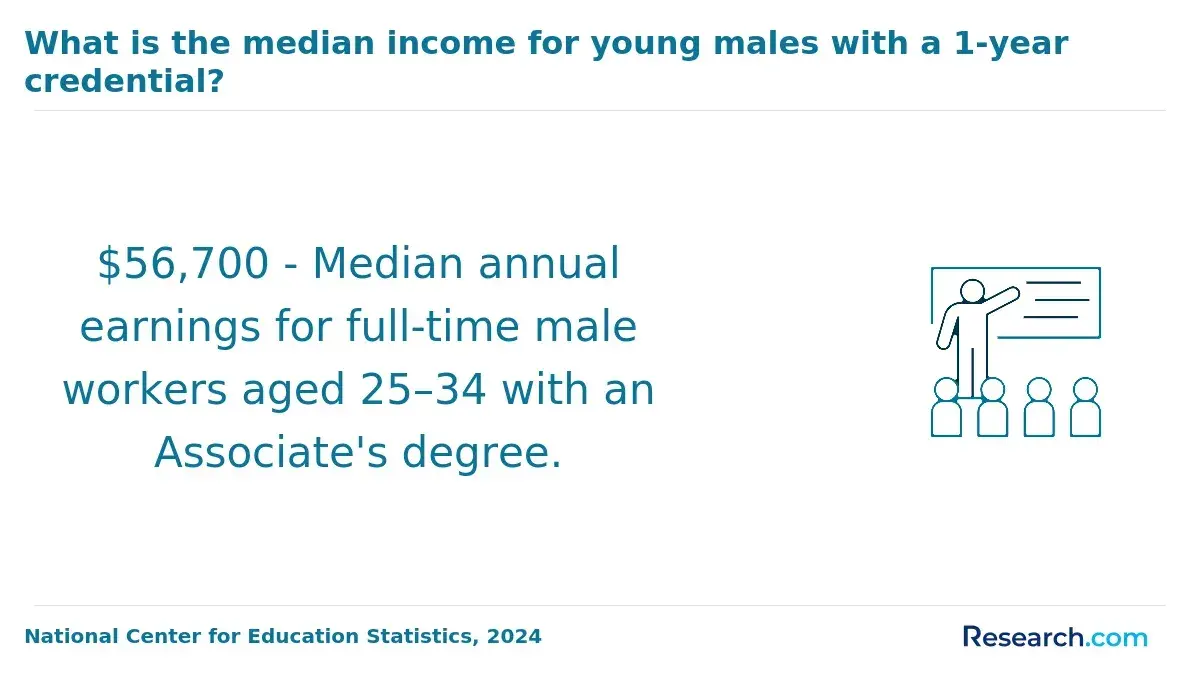
Return on investment in higher education is calculated by subtracting the total cost of a degree from the additional earnings a graduate gains over a set period-typically 10 years-compared to those holding only a high school diploma or associate degree in the same field.
Research from the Georgetown University Center on Education and the Workforce shows that bachelor's degree holders earn about $1 million more over 40 years than high school graduates. PayScale's College ROI Report highlights that degrees in information technology often deliver above-average returns due to high demand and better median salaries.
Using median annual wages reported by the Bureau of Labor Statistics for IT occupations, the starting salary averages around $60,000, with an estimated 3% yearly raise.
Over a decade, total earnings reach approximately $660,000. After deducting typical degree costs between $40,000 and $60,000, graduates realize a net gain of roughly $600,000 compared to non-degree holders, who commonly start near $35,000 with slower wage growth in similar roles.
This ROI surpasses the average for all bachelor's degrees, which often include lower-paying areas and less consistent salary increases. The financial benefits are complemented by enhanced career advancement opportunities, job security, and professional growth, reinforcing the value of investing in an online information technology bachelor's program.
- Cost Versus Earnings: Typical program expenses range from $40,000 to $60,000, but increased earnings over 10 years usually exceed $600,000, making the degree a financially sound investment.
- Median Salary Growth: Starting salaries near $60,000 combined with steady 3% annual raises lead to substantial cumulative income growth in IT careers.
- ROI Benchmarking: The information technology degree consistently outperforms the average bachelor's ROI due to strong labor demand and comparatively high wages.
- Non-Financial Benefits: Graduates gain improved job stability, advancement potential, and opportunities for ongoing professional development, which add significant value beyond income.
A professional who enrolled in an online information technology bachelor's degree program after assessing the cost and expected ROI shared his perspective. He described the process as both "intense" and "rewarding," noting that balancing work, study, and family required careful time management and persistence.
Though initially uncertain about the investment, he found that planning finances meticulously and anticipating longer-term benefits helped ease concerns.
Reflecting on his decision, he said, "Knowing I had a clear picture of the financial payoff made it easier to stay motivated during challenging periods." His experience highlights how thoughtful evaluation of costs against potential earnings can provide confidence when pursuing new career paths through online education.
How Do Online Information Technology Program Tuition Rates Compare Across Public, Private, and For-Profit Institutions?
Tuition costs for online information technology degree programs vary significantly across public, private nonprofit, and for-profit institutions, each with distinct financial and career implications.
- Public Institutions: These universities often provide the most budget-friendly options. In-state tuition typically ranges from $5,000 to $10,000 annually, with many offering flat-rate fees for online students regardless of residency, which helps stabilize expenses for out-of-state learners.
- Private Nonprofit Institutions: Tuition is higher, generally between $15,000 and $30,000 per year. These programs usually invest more in faculty and student resources, contributing to stronger graduation rates and better employer recognition, potentially enhancing long-term career prospects.
- For-Profit Colleges: These schools may charge less than $7,000 yearly, appealing to those focused on upfront affordability. However, they often report lower graduation rates and face skepticism from employers, which can limit career growth and earnings over time.
Understanding online information technology degree tuition cost comparison means balancing sticker price with outcomes like graduation rates and employer perception. For-profits may seem attractive financially but often don't deliver the same return on investment (ROI) as public or private nonprofit options.
The decision also involves considering non-financial returns such as job security and professional development. Evaluating these factors alongside tuition rates for public private for-profit IT programs empowers students to pick a path aligned with both budget and career goals.
Those seeking more on comparable affordable programs might explore the best online game design degree options as a reference for balancing cost and career outcomes.
What Long-Term Salary Growth Can Information Technology Bachelor's Degree Holders Expect Over a 20- to 30-Year Career?
An information technology bachelor’s degree can lead to strong long-term salary growth, as professionals build technical expertise, move into specialized or leadership roles, and benefit from sustained demand in the evolving tech industry.
- Early Growth (0 to 5 Years): Graduates often start with entry-level roles such as junior developers or support technicians. Salary increases during this phase are steady but modest, reflecting skill-building and industry certification achievements.
- Mid-Career Acceleration (5 to 10 Years): At this stage, professionals typically move into mid-level roles like systems analysts or project managers. Data from the American Community Survey and PayScale indicate notable pay jumps of 10% to 20%, driven by expanded responsibilities and expertise.
- Advanced Roles and Leadership (10 to 15 Years): Salary growth peaks as many advance into senior technical or management positions, including IT architects or directors. Compensation can often double compared to starting salaries, reflecting increased strategic impact and leadership.
- Late Career Stability (15+ Years): Earnings generally level off but continue to grow incrementally, especially for those in executive roles or specialized consulting. Experience combined with a bachelor's degree fosters ongoing competitive pay and job security.
- Cumulative Lifetime Earnings Premium: Over an entire career, information technology degree holders may earn over $1 million more than non-degree peers in similar roles, according to adjusted pay and employment trend analyses.
A professional who built his career after completing an online information technology bachelor's degree shared that while balancing work and studies was challenging, the flexibility of the program allowed steady progress. He noted, "It wasn't just about getting a diploma-each course deepened my skills and confidence."
Reflecting on salary growth, he explained that early job roles laid the groundwork, but real financial advancements came after gaining leadership experience. He emphasized the value of ongoing professional development, saying it helped him navigate transitions and seize new opportunities, ultimately making the degree a pivotal investment in his career trajectory.
How Does the ROI of an Online Information Technology Bachelor's Degree Compare to an Associate Degree or a Professional Certificate?
Comparing the return on investment (ROI) of an online Information Technology bachelor's degree with associate degrees and professional certificates reveals distinct advantages and trade-offs in cost, salary, and career trajectory.
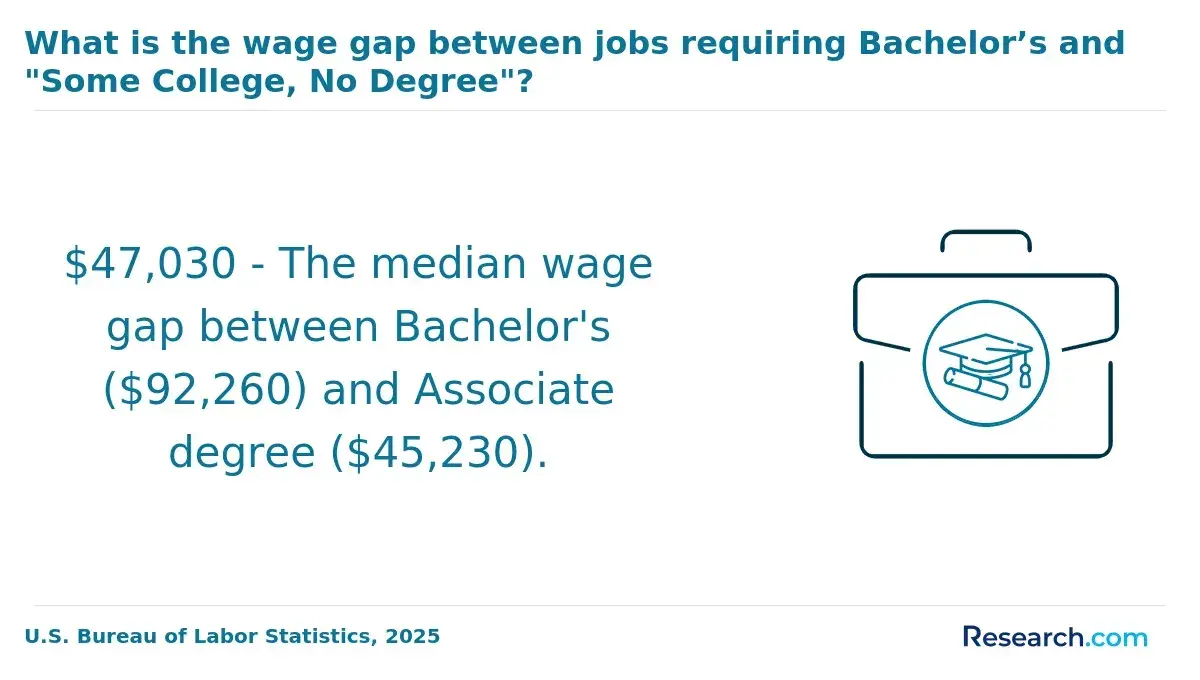
- Cost Efficiency: Certificates require the least upfront spending, usually costing a few hundred to several thousand dollars, making them the most budget-friendly for quick entry. Associate degrees average between $10,000 and $15,000. Bachelor's degrees often exceed $40,000.
- Median Salary: Entry-level jobs for certificate holders typically start near $40,000 annually. Those with associate degrees tend to command median salaries around $55,000. Graduates holding bachelor's degrees often earn closer to $80,000, driven by expanded expertise and responsibility.
- Short-Term vs. Long-Term ROI: Certificates and associate degrees allow faster workforce entry with less educational debt, advantageous for individuals needing immediate income or balancing work and study demands. In contrast, bachelor's degree holders face longer study periods and higher costs but benefit from greater salary growth, enhanced job stability, and stronger career advancement.
- Career Advancement and Job Security: A bachelor's degree frequently unlocks management roles, specialized functions, and leadership paths that lower credentials may not readily provide, contributing to sustained job security and professional growth.
- Decision Framework: Those prioritizing swift employment and manageable costs often find certificates or associate degrees more appropriate. Conversely, individuals aiming for elevated earnings and upward career mobility typically gain the greatest value from investing in an online bachelor's degree despite the higher initial expense.
Evaluating cost against median salary data from reputable sources like the Bureau of Labor Statistics and the National Center for Education Statistics equips students to select an Information Technology credential aligned with their financial realities and career ambitions.
Which Online Information Technology Specializations or Concentrations Yield the Highest Earning Potential After Graduation?
Students pursuing an online information technology bachelor's degree often face critical choices regarding specializations that influence their earning potential and career trajectory.
Data from the Bureau of Labor Statistics (BLS) and education research reveal that certain specializations yield notable salary premiums compared to generalist IT graduates entering similar industries.
- Cybersecurity: Graduates specializing in cybersecurity can expect median salaries approximately 20% to 30% higher than general IT roles. This reflects strong market demand for professionals who safeguard organizations against cyber threats. Certifications such as CISSP or CEH are often necessary.
- Data Science and Analytics: This field targets the rising demand for experts who analyze large datasets. Median salaries frequently exceed $90,000 annually, outpacing many general IT positions. Continuing education in programming languages and advanced analytics tools may be required to sustain competitive advantage.
- Cloud Computing: Specialists managing cloud infrastructure generally earn 15% to 25% more than their generalist peers. Popular certifications like AWS and Microsoft Azure certifications enhance employability but add to total tuition and education expenses.
- Software Development and Programming: Salaries in this track vary widely, though experienced developers in high-demand languages achieve strong compensation. This path typically involves less certification cost, enabling faster time-to-ROI for students and professionals alike.
- Network Administration: Although median salaries are typically lower than those in cybersecurity or data science, obtaining certifications such as Cisco's CCNA can improve career prospects and justify additional education spending.
Analyzing the balance between tuition, certification costs, and median salary premiums is essential for determining the best fit. Students with prior experience may leverage their background for quicker returns, while career changers should factor certification fees into their total investment calculations.
Ultimately, cybersecurity, data science, and cloud computing consistently offer some of the highest financial returns, making them strategic choices for maximizing long-term career benefits.
How Do Employer Tuition Reimbursement and Financial Aid Reduce the Net Cost of an Online Information Technology Bachelor's Degree?
Employer tuition reimbursement programs can greatly lower the out-of-pocket cost of earning an online Information Technology bachelor's degree by covering part of educational expenses. Under IRS Section 127, many employers provide up to $5,250 annually in tax-free tuition assistance, so employees do not pay income tax on these benefits.
According to the Society for Human Resource Management (SHRM), nearly 60% of U.S. employers offer tuition reimbursement programs, often as structured plans that either reimburse tuition after course completion or pay institutions directly.
This widespread availability of employer benefits allows many students to leverage workplace support to reduce expenses, an important factor when considering the impact of employer tuition reimbursement on net cost of online Information Technology degree programs.
Federal financial aid programs also play a crucial role in reducing costs. Pell Grants are available without repayment obligations, while subsidized loans provide lower interest rates, minimizing debt. Colleges frequently supplement these funds with merit-based scholarships and need-based grants designed for online learners.
Combining these sources can reduce net tuition to a fraction of the original cost, easing the financial burden on students pursuing an online Information Technology bachelor's degree.
For instance, a working student might receive $5,250 annually in employer reimbursement, alongside a $3,000 Pell Grant and a $2,000 institutional scholarship. This combination can cut a $15,000 annual tuition down to under $5,000 out of pocket, making degree completion far more affordable and accelerating return on investment.
It's important for prospective students to explore comprehensive financial aid options, including exploring programs like 6 week college courses online, which may fit their schedules and budgets.
- Employer Tuition Assistance: Offers up to $5,250 annually tax-free to employees under IRS Section 127, substantially lowering personal educational costs for online Information Technology degrees.
- Prevalence Among Employers: About 60% of U.S. employers provide tuition reimbursement programs, enabling many students to leverage workplace benefits for degree funding.
- Federal Financial Aid: Includes need-based Pell Grants and subsidized loans that reduce tuition expenses without adding to debt burden.
- Institutional Aid and Scholarships: Colleges often award additional grants and scholarships, which further cut the net price of the degree for online Information Technology students.
- Cost Reduction Example: Combining employer reimbursement, federal aid, and scholarships can bring a $15,000-per-year tuition down to roughly $5,000, minimizing financial barriers to degree completion.
What Hidden Costs Should Students Factor Into the Total Investment of an Online Information Technology Bachelor's Degree?
When budgeting for an online information technology bachelor's degree, students frequently overlook several hidden expenses beyond tuition. These include technology fees averaging between $100 and $500 per semester, which cover online platforms and technical support essential for remote learning.
Additionally, proctoring services required for online exams often cost $20 to $50 per test, adding recurring fees that many do not anticipate.
Course-specific software licenses represent another significant cost. Programs may require access to specialized tools such as cybersecurity platforms or coding environments, with licensing fees ranging from $50 to over $200 per course.
Graduation fees typically fall between $100 and $300 as a one-time charge but are often excluded from financial planning. Moreover, memberships in professional IT organizations, costing from $50 to $150 annually, might be encouraged or required to support networking and career advancement.
These hidden expenses can add around 10% to 20% on top of published tuition costs. For example, a $30,000 tuition might come with an additional $3,000 to $6,000 in ancillary fees, extending the break-even point for the degree's return on investment.
Prospective students on a tight budget should request a comprehensive cost-of-attendance breakdown that includes these often missed fees to make informed decisions about their education.
Students exploring shortest masters degree programs online should also consider similar hidden costs and compare total expenses carefully before enrolling.
- Technology Fees: Mandatory charges for online infrastructure and support that cumulatively raise total costs over multiple semesters.
- Proctoring Charges: Fees for remote exam monitoring, typically $20-$50 per test, which can increase expenses steadily throughout a degree program.
- Software Licensing: Required access to specialized course software costs up to several hundred dollars per course, often an unexpected burden.
- Graduation Fees: One-time charges for diplomas and administrative processing that should be included in overall budgeting.
- Professional Memberships: Annual dues for career networking and certifications can add ongoing costs from $50 to $150 each year.
How Does the Accreditation Status of an Online Information Technology Program Affect Graduate Salary and Employability?
Accreditation status plays a crucial role in a graduate's success in information technology careers, influencing both employability and salary potential.
Regional accreditation evaluates entire institutions through strict academic standards and is considered the most respected. Programmatic accreditation assesses specific information technology programs, ensuring subject-focused quality.
Employers, according to surveys by the National Association of Colleges and Employers (NACE), favor candidates from regionally accredited schools, viewing these degrees as more credible than those from nationally or non-accredited institutions. This preference affects job interviews, salary negotiations, and promotion opportunities.
Choosing a program lacking proper accreditation carries risks beyond immediate employment. Graduates may find themselves ineligible for licensing exams, barred from graduate programs, or excluded from government and healthcare jobs that require accredited degrees.
It is essential for prospective students to independently confirm accreditation status through the U.S. Department of Education or the Council for Higher Education Accreditation (CHEA) before committing to any program.
- Regional vs Programmatic Accreditation: Regional accreditation covers whole institutions and grants broader recognition, while programmatic accreditation focuses on validating individual information technology programs.
- Employer Preferences: NACE surveys reveal hiring managers prioritize degrees from regionally accredited schools, influencing job opportunities and earnings.
- Licensure and Graduate School Eligibility: Degrees from non-accredited or nationally accredited-only schools may restrict access to professional certifications and advanced studies.
- Sector-Specific Employment Requirements: Many government and healthcare roles mandate accredited degrees, limiting entry without proper credentials.
- Verification Tools: Prospective students should use official federal and CHEA databases to confirm accreditation before enrolling.
What Entry-Level Job Titles and Salary Ranges Are Available to Graduates of Online Information Technology Bachelor's Programs?
Entry-level roles for graduates with online information technology bachelor's degrees offer diverse salary ranges and industry pathways, impacting the return on investment timeline.
- Systems Analyst: Median starting pay ranges from $60,000 to $75,000, with finance and healthcare sectors offering some of the highest entry wages due to system criticality and data management demands.
- Network Administrator: Salaries typically fall between $55,000 and $70,000, with government agencies and large firms often paying more because of strict security requirements.
- Cybersecurity Analyst: Starting salaries range from $65,000 to $80,000, especially lucrative in technology and government fields. Certifications like CISSP can enhance early earning potential.
- Software Developer: Pays usually range from $65,000 to $85,000, with tech hubs offering the most competitive salaries, while healthcare and education also provide viable opportunities.
- IT Support Specialist: Starting salaries are commonly between $45,000 and $60,000, with smaller businesses and educational institutions offering lower pay, though certifications such as CompTIA A+ boost competitiveness.
- Database Administrator: Entry salaries run from $60,000 to $75,000, often higher in finance and tech sectors due to essential data handling roles.
- Business Intelligence Analyst: Starting pay ranges from $65,000 to $80,000, with industries like finance and technology valuing data analytics skills and relevant academic concentrations.
- Web Developer: Median entry-level wages typically range between $50,000 and $65,000, with technology startups and marketing agencies offering top compensation.
Internships, targeted certifications, and specialized concentrations can shift graduates into higher salary brackets at the outset. For first-generation students and career changers, focusing on sectors such as finance, government, or healthcare not only enhances job security but also accelerates the recovery of educational investment by offering stronger initial pay.
What Graduates Say About the Return on Investment of Their Online Information Technology Bachelor's Degree
- Callen: "Choosing to pursue an online information technology bachelor's degree was a strategic decision after I carefully compared its ROI against traditional programs. The cost was manageable, and the flexibility allowed me to keep working while studying-maximizing my time and income. The real payoff has been the career advancement opportunities and heightened job security I've gained since graduating."
- Koen: "Reflecting on my experience, the online information technology bachelor's degree offered more than just financial returns-it gave me a competitive edge in my field and the confidence to take on new challenges. The program's structure facilitated growth in critical skills that employers highly value, which has improved my career trajectory significantly. This non-financial ROI has become invaluable in a rapidly evolving industry."
- Owen: "From a professional standpoint, the decision to complete the online information technology bachelor's degree translated into tangible career impacts including salary boosts and leadership roles. The investment felt justified as the program was tailored to modern IT demands and gave me essential knowledge without interrupting my career. I'm now positioned for even greater opportunities thanks to this degree's solid return on investment."
Other Things You Should Know About Information Technology Degrees
On average, graduates of online information technology bachelor's programs can expect to recoup their tuition costs within 3 to 5 years after entering the workforce. This timeline depends on factors such as the total program cost, starting salary, and career progression.
The accelerated earning potential offered by information technology roles often leads to faster return on investment compared to other fields.
Salary outcomes for information technology graduates vary significantly by geographic location and industry sector. Technology hubs like Silicon Valley, Seattle, and New York tend to offer higher salaries but also higher living costs.
Industries such as finance, healthcare, and government contracting often pay more for IT skills compared to education or non-profits, influencing the overall return on investment for the degree.
Prospective students can use cost-benefit analysis tools to compare tuition fees against expected salary increases and job placement rates for each program. These tools factor in variables such as program length, financial aid, and career services to calculate estimated payback periods.
This method helps students choose online information technology programs that align with their financial goals and maximize return on investment.
References
- Which Online IT Degree Has the Best Career Outlook? https://www.collegetransitions.com/blog/which-online-it-degree-has-the-best-career-outlook/
- Careers in IT: Lucrative Fields for Recent Grads https://www.onlinemastersdegrees.org/careers/information-technology-it/
- 2025 Most Affordable Online IT Degrees https://www.onlineu.com/most-affordable-colleges/information-technology-degrees
- What Jobs Can You Get With an IT Degree? Career Paths & Opportunities https://whileresume.com/article/what-jobs-can-you-get-with-an-it-degree
- Computer Science and Information Technology Salary Trends 2026 https://vinuni.edu.vn/computer-science-and-information-technology-salary/
- The Hidden Cost of Online Education https://www.accessmba.com/articles/view/the-hidden-cost-of-online-education
- Certification vs Degree: Which Holds More Weight in Tech? - ONLC https://www.onlc.com/blog/certification-vs-degree-in-tech/
- Information Technology Degree ROI: Is It Worth the Investment? https://hakia.com/degrees/information-technology/salary-roi/
- The Hidden Cost of Technology for Students – The College View https://thecollegeview.ie/2024/09/30/the-hidden-cost-of-technology-for-students/
- How Affordable Is an Online Degree in Information Technology? - Best Colleges Online https://www.bestcollegesonline.org/faq/how-affordable-is-an-online-degree-in-information-technology/