2027 Return on Investment of an Online Clinical Psychology Bachelor's Degree: Salary vs Cost

Co-Founder and Chief Data Scientist
Imagine a working professional with a non-psychology background seeking an affordable, flexible path into the clinical psychology field. Balancing tuition costs with potential salary gains poses a challenge-especially when online degrees vary in quality and recognition.
Data from the Bureau of Labor Statistics shows that clinical psychologists earn a median annual wage of $81,040, prompting many to question if an online bachelor's degree justifies the investment. This article examines the salary prospects against the cost of online clinical psychology bachelor's programs to help readers make informed decisions-highlighting factors that influence the return on investment in this evolving healthcare sector.
Key Things to Know About the Return on Investment of an Online Clinical Psychology Bachelor's Degree
- Average tuition for online clinical psychology bachelor's degrees ranges from $12,000 to $30,000-significantly lower than traditional programs-making initial investment more manageable for budget-conscious students.
- Graduates report median annual salaries between $40,000 and $55,000, reflecting solid employment prospects and potential salary growth with experience or further education.
- Non-financial benefits include enhanced career advancement opportunities, increased job security in mental health fields, and access to ongoing professional development resources essential for long-term success.
What Is the True Cost of Earning an Online Clinical Psychology Bachelor's Degree From Enrollment to Graduation?
Costs for earning an online clinical psychology bachelor's degree extend beyond tuition and fees, encompassing several direct and indirect expenses. Accurate cost breakdowns sourced from IPEDS and university net price calculators provide a realistic view of the financial investment required.
- Tuition and Fees: Published tuition rates for online clinical psychology programs typically range between $15,000 and $40,000 for the entire degree. Additional technology fees and administrative charges average $500 to $1,500 annually, depending on the institution.
- Textbooks and Course Materials: Over the program's duration, students often spend $1,000 to $2,000 on textbooks, digital resources, and any specialized software required. Some programs include core materials in tuition, but many do not.
- Proctoring and Testing Fees: Online exams may require proctoring services costing $30 to $100 per test, with some programs requiring multiple proctored assessments. This fee is frequently overlooked during initial budgeting.
- Net Price After Aid: Most students do not pay full sticker price. Data from the National Center for Education Statistics and individual net price calculators indicate that grants, scholarships, and financial aid reduce costs by 20% to 50%, based on eligibility and availability.
- Indirect Costs: Reliable internet access, computer equipment, and potential income loss due to reduced work hours should be considered. Budgeting at least $1,000 for technology upgrades and factoring in income adjustments is advisable.
Taking these factors into account, prospective students should budget a total investment between $12,000 and $35,000 for an online clinical psychology bachelor's degree after typical financial aid. This cost range helps frame an informed ROI analysis by comparing expenses against verified salary outcomes and broader career benefits.
For those interested in related fields, exploring pathways such as the SLP online masters program can provide additional professional development ideas and financial perspectives.
How Does the Starting Salary for Clinical Psychology Bachelor's Degree Graduates Compare to the Total Cost of the Degree?
Graduates holding an online clinical psychology bachelor's degree commonly enter roles like behavioral health technicians, social services assistants, or psychiatric technicians. According to the Bureau of Labor Statistics (BLS), the median annual starting salary for these positions ranges from $35,000 to $43,000.
When comparing this to the total cost of an online clinical psychology degree-a key factor for many first-generation college students and working professionals-the variation is significant. Tuition and fees can be as low as $15,000 with strong financial aid or exceed $40,000 without much assistance.
Looking at the total cost versus salary clinical psychology bachelor's degree holders earn, this investment payoff ranges in months of gross earnings. With a $15,000 tuition cost, students may recoup their expenses in just over five months at the lower salary range. In contrast, a $40,000 tuition cost would take more than thirteen months of gross income to break even. This comparison highlights how financial aid and tuition differences have a substantial impact on return on investment (ROI).
Starting salaries reflect only the beginning stage of one's career, as salary growth potential increases with experience and advanced education. The BLS forecasts faster-than-average employment growth in mental health fields, enhancing opportunities for career advancement. Additionally, many graduates find value beyond finances-job security, professional growth, and improved career prospects contribute positively to the long-term worth of the degree.
For students considering further education, exploring a doctorate in organizational leadership can also diversify their skills and career paths.
- Starting Salary Range: Median entry-level salaries for graduates typically fall between $35,000 and $43,000, reflecting common roles accessible with a bachelor's degree.
- Degree Cost Variability: Online clinical psychology programs' costs range from about $15,000 with substantial aid to $40,000 or more without, significantly affecting ROI timelines.
- Payback Period: Depending on costs and salaries, students may recoup their investment in as few as five months or require over a year of starting income to offset tuition.
- Salary Growth Potential: Career advancement and increased salaries over time enhance the degree's value beyond initial compensation levels.
- Additional Benefits: Job security, professional development, and career advancement opportunities provide meaningful returns alongside financial gains.
What Is the Average Return on Investment (ROI) for an Online Clinical Psychology Bachelor's Degree Over a 10-Year Career?
Return on investment (ROI) in higher education measures the financial benefits gained from a degree compared to the total cost invested, assessed over a 10-year career span. Essentially, ROI equals the additional lifetime earnings a graduate makes above what a high school or associate degree holder earns in the same field, minus all expenses related to obtaining the degree.
Research from the Georgetown University Center on Education and the Workforce and PayScale's College ROI Report offer authoritative benchmarks to guide these calculations.
For example, median wage data from the Bureau of Labor Statistics (BLS) shows that an entry-level clinical psychology bachelor's degree holder earns around $58,000 annually. Projecting a 3% raise each year, total earnings over 10 years approach $645,000. In contrast, someone with only a high school diploma working in related roles might earn roughly $420,000 in that timeframe.
After subtracting typical online clinical psychology degree costs-approximately $40,000-the net advantage is about $185,000 over a decade. This figure notably surpasses the national average ROI for bachelor's degrees, which PayScale estimates around $120,000 during the same period.
- Degree Cost Impact: Online clinical psychology programs usually come with lower tuition and fees than traditional options, improving ROI by minimizing upfront spending.
- Salary Premium: Graduates experience a sustained wage increase compared to non-degree holders, reinforcing the financial value of the credential.
- Comparative ROI: With a net gain of $185,000, this degree exceeds the average returns seen across most bachelor's fields nationwide.
- Career Stability: Strong demand and job security within clinical psychology provide reliable earning potential beyond typical industry fluctuations.
- Non-Financial Returns: Many earners highlight improved career progression, ongoing professional growth, and personal satisfaction alongside financial gains.
A professional who recently completed an online clinical psychology bachelor's degree shared insights after rigorously evaluating its cost versus expected ROI. He described the process as one filled with uncertainty but grounded in careful planning: "I mapped out my budget and compared potential salaries in detail before enrolling."
Balancing work and studies was challenging, yet he valued that the program's flexible format allowed him to keep earning while advancing his education. "Knowing there was a clear financial upside helped me stay committed during tough weeks." His experience reflects how thoughtful ROI analysis can empower learners to make informed, confident decisions about their educational investments.
Tuition costs for online clinical psychology bachelor tuition comparison reveal significant variations among public, private nonprofit, and for-profit institutions. Public universities offer the most affordable options for in-state students, typically ranging from $6,000 to $15,000 per year. Some public schools also provide flat-rate tuition for online students, allowing a stable cost of about $10,000 to $20,000 annually regardless of residency.
- Public Universities: Affordable in-state tuition with options for flat-rate online tuition delivering consistent pricing.
- Private Nonprofit Institutions: Higher tuition, usually $20,000 to $40,000 yearly, but accompanied by enhanced academic support, stronger employer recognition, and generally higher graduation rates which benefit long-term career outcomes.
- For-Profit Colleges: Often the lowest sticker prices under $10,000 annually but frequently coupled with lower completion rates and employer skepticism that may hinder job placement and earning potential.
Lower tuition at for-profit programs does not always equate to better financial returns. These schools may reduce upfront costs but their lower graduation rates and reputation concerns can affect lifetime earnings. Public universities provide a balance of affordability and reasonable reputational value.
Private nonprofits, despite their higher cost, often achieve superior career outcomes, enhancing long-term stability and salary growth. Prioritizing both cost and quality is essential for maximizing return when researching options for online clinical psychology degrees. For more detailed comparisons, consult the best online schools.
A clinical psychology bachelor’s degree can lead to steady salary growth over time, with earnings typically increasing as graduates gain experience, pursue licensure, and take on greater responsibilities.
While early career roles may offer modest pay, long-term financial rewards often improve significantly through promotions, specialization, and leadership opportunities. Understanding this career earnings trajectory can help students evaluate the long-term return on investment of pursuing this degree.
- Mid-Career Acceleration: Around the 10-year mark, many clinical psychology bachelor's degree holders experience a significant boost in earnings. This phase typically aligns with obtaining licensure, certifications, or taking on more complex duties like case management or specialty assessments.
- Early Career Growth: Salaries rise gradually during the first five years after graduation as professionals gain practical experience and sharpen their clinical skills. Early roles often involve assistantship or supervised work, which limits pay but establishes a strong foundation.
- Established Professional Stage: By 15 years, salary growth accelerates again as graduates move into supervisory, administrative, or consultancy positions, reflecting deeper expertise and potential further education such as graduate degrees.
- Mid-Career Salary Benchmarks: Data from sources like the American Community Survey and PayScale indicate that those with a clinical psychology bachelor's earn about 20% to 30% more mid-career than those without a comparable degree, highlighting the financial value of formal education.
- Lifetime Earnings Premium: Over a span of 20 to 30 years, cumulative earnings for degree holders can surpass those without a bachelor's by roughly $500,000 to $750,000, driven by steady promotions, raises, and professional growth linked to their credentials.
A professional who started her career after completing an online clinical psychology bachelor's shared that navigating early career challenges-balancing coursework with part-time jobs-was demanding but essential.
Obtaining licensure required dedication and passing rigorous exams, which she describes as both stressful and rewarding. Over time, increased responsibilities and leadership roles helped her build confidence and financial stability, confirming that patience and persistence in the field pay off well in the long run.
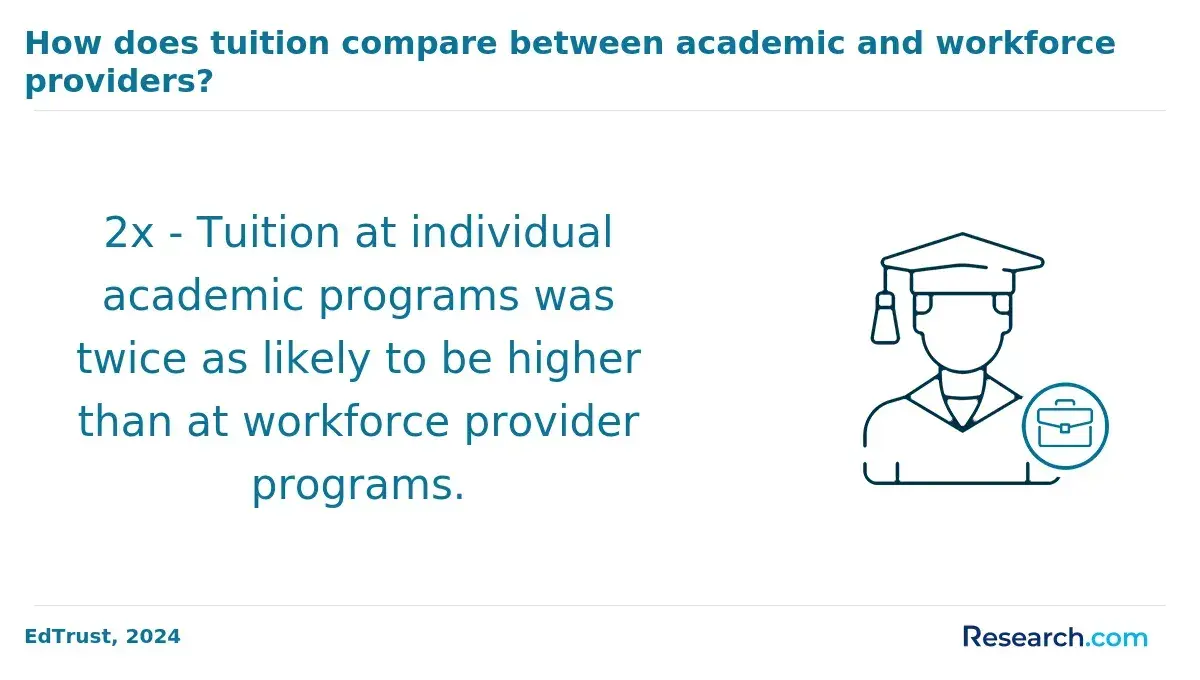
Cost differences heavily influence the financial commitment required for various credentials in clinical psychology. An online bachelor's degree generally demands tuition between $15,000 and $40,000, while associate degrees cost less, ranging from $6,000 to $15,000. Professional certificates are the most affordable option, typically under $5,000, which lowers upfront expenses and potential student debt.
- Salary Potential: Median salaries vary by credential level. Bachelor's degree holders in clinical psychology often earn between $50,000 and $60,000 annually, reflecting eligibility for entry-level psychologist assistant roles and related positions. Associate degree holders typically earn $30,000 to $40,000, whereas certificate recipients generally make less than $30,000, often in support or aide capacities.
- Short-Term Advantages:
- Certificates and associate degrees can be completed in one to two years, ideal for those needing to enter the workforce quickly or with limited financial resources.
- These credentials suit working adults aiming to upgrade skills or career changers exploring psychology without a long-term educational commitment.
- Long-Term Benefits:
- The bachelor's degree provides access to higher-paying roles, eligibility for graduate studies, and supervisory positions that increase earning potential and job stability.
- Over 10 to 20 years, cumulative earnings for bachelor's holders tend to surpass the total educational investment by a significant margin compared to lower-level credentials.
- Decision Framework:
- Individuals with limited budgets or immediate employment needs might favor certificates or associate degrees for faster entry and lower costs.
- Those prioritizing sustained career growth in clinical psychology will likely find greater value in pursuing a bachelor's degree despite its higher upfront cost and longer duration.
- Non-monetary gains, including professional development, licensing prospects, and enhanced job security, are more accessible with a bachelor's qualification.
Among online clinical psychology bachelor's degree specializations, certain concentrations offer a clear salary advantage according to Bureau of Labor Statistics (BLS) data and other labor market research. Graduates focusing on these tracks often command higher median salaries than general clinical psychology graduates working in comparable fields, though this varies by industry and location.
- Forensic Psychology: Graduates typically find roles in legal systems, correctional institutions, or law enforcement. BLS data for related criminal justice and mental health roles show median salaries roughly 10-15% higher than general clinical psychology assistants due to specialized skill sets.
- Health Psychology: This specialization emphasizes psychological aspects of physical health and chronic disease management. Jobs in healthcare or wellness often pay 12-18% above general clinical psychology roles, though some require extra certification like health coaching or case management.
- Industrial-Organizational Psychology: Applying psychology to workplace behavior and training, this field rewards those with further licensure or advanced degrees. Online bachelor's holders can start in HR or training support but see a 15-20% salary premium with graduate education or certification.
- Child and Adolescent Psychology: Focused on development stages, this track leads to roles in schools or community services. Initial earnings align with general clinical psychology averages, but licensure or certifications in child psychology significantly improve long-term income prospects.
Keep in mind that specializations like forensic and health psychology often require additional certifications or licensure-adding to education costs and time before salary benefits materialize. Industrial-organizational roles frequently demand a master's degree for advanced positions.
Selecting the best specialization means balancing expected salary gains with the extra investment in certification and education. For working professionals and career changers, options such as health psychology provide certification paths compatible with existing experience, helping optimize earnings and time-to-return on investment.
Employer tuition reimbursement programs significantly reduce the net cost of an online clinical psychology bachelor's degree by covering substantial parts of education expenses. Under IRS Section 127, employers may offer up to $5,250 annually in tax-free tuition assistance, meaning this benefit does not increase taxable income.
The Employee Benefit Research Institute and Society for Human Resource Management (SHRM) report that over half of large U.S. employers provide tuition aid, often funding between 50% and 100% of approved program costs. This widespread benefit enhances affordability, especially for working students or career changers pursuing online clinical psychology degrees.
Federal and institutional financial aid further decreases out-of-pocket tuition by offering grants, scholarships, and subsidized loans. Pell Grants target low-income students and do not require repayment, while institutional scholarships can be awarded based on merit or financial need. Subsidized federal loans provide lower interest rates and delayed repayment until after graduation, reducing the financial strain during studies.
For example, a student enrolled in a program costing $20,000 annually could use employer tuition reimbursement to cover $5,250 per year tax-free. Adding a Pell Grant of $6,000 and a $3,500 institutional scholarship lowers the net cost to around $5,000, which could be financed with low-interest loans. Such a layered aid approach enables students to complete their clinical psychology degree with minimal debt and financial burden.
Students should explore employer tuition reimbursement benefits for online clinical psychology degrees alongside other financial aid options to lower online clinical psychology bachelor's degree costs, maximizing total savings. Those interested in alternative affordable pathways might also consider a cheap project management degree online as a viable option for workforce advancement.
- Employer Tuition Reimbursement: Allows employees to reduce education costs up to $5,250 annually tax-free under IRS Section 127, making higher education more accessible and affordable without increasing taxable income.
- Prevalence of Benefits: More than 50% of large U.S. employers offer tuition assistance, commonly covering a significant portion of the tuition fees, especially for online degrees aligned with workforce needs.
- Financial Aid Availability: Federal grants, scholarships, and subsidized loans collectively lower the net cost of tuition by addressing both need-based and merit-based aid, which reduces reliance on high-interest private loans.
- Net Cost Reduction Example: When combining maximum employer reimbursement with federal and institutional aid, a $20,000 annual tuition can be effectively reduced to a few thousand dollars, easing financial pressure on working students or career changers.
- Strategic Planning: Leveraging these benefits requires early coordination with employers and financial aid offices, ensuring students maximize these programs to achieve the best return on investment on their clinical psychology degree.
Regional accreditation evaluates an entire institution's academic quality and is highly regarded by employers, while programmatic accreditation focuses specifically on clinical psychology curricula. Graduates from regionally and programmatically accredited programs tend to have greater success passing licensure exams and gaining acceptance into advanced graduate programs-both crucial for career progression in clinical psychology.
Employer surveys from the National Association of Colleges and Employers (NACE) and the Society for Human Resource Management (SHRM) reveal a clear preference for degrees from accredited schools. Hiring managers often view degrees from either non-accredited or nationally accredited-only institutions with skepticism, potentially limiting job prospects and reducing bargaining power for higher salaries, especially in fields with strict credential requirements like healthcare and government.
Prospective students should verify accreditation status with the U.S. Department of Education's database or the Council for Higher Education Accreditation (CHEA) before committing to a program. Attending a non-accredited school may bar graduates from licensure exams, restrict access to certain employment sectors, and limit eligibility for financial aid.
- Regional vs Programmatic Accreditation: Regional accreditation certifies overall institutional quality, while programmatic accreditation validates specialized clinical psychology training, both influencing employer trust.
- Impact on Licensure and Graduate Admission: Accredited programs typically meet prerequisites for licensure exams and entry into advanced clinical psychology graduate studies.
- Employer Preferences: Hiring officials favor accredited degrees, resulting in improved employment opportunities and higher starting salaries.
- Risks of Non-Accredited Education: Lack of accreditation can hinder licensure eligibility, career advancement, and access to government or healthcare jobs.
- Verification Resources: Students should consult federal and accrediting bodies' databases to confirm a program's legitimacy before enrollment.
Graduates with an online clinical psychology bachelor's degree can access various entry-level roles across multiple sectors, each offering distinct salary ranges influenced by industry and expertise.
- Mental Health Technician: Typically in healthcare, starting salaries range from $30,000 to $40,000. Internship experience and certifications can increase earnings.
- Behavioral Health Specialist: Often found in government and nonprofit organizations, entry pay usually falls between $32,000 and $45,000, with enhanced pay for specialized behavioral training.
- Case Manager: Common in social service and healthcare sectors, salaries range from $35,000 to $48,000. Focus areas like substance abuse or child welfare often boost compensation.
- Research Assistant: Usually at universities or private research firms, starting pay spans $30,000 to $42,000. Advanced skills or certifications can lead to higher offers.
- Human Resources Assistant: Employed across industries such as finance and technology, salaries start at $33,000 to $46,000. Understanding psychology principles supports salary growth.
- Rehabilitation Specialist: Working mainly in healthcare and government, typical starting wages range from $34,000 to $47,000. Additional licensure improves earning potential.
- Academic Advisor: Found within education systems, entry salaries range between $36,000 and $50,000. Experience in student support enhances compensation.
- Substance Abuse Counselor Trainee: Employed in healthcare or community organizations, salaries often lie between $31,000 and $44,000. Certification accelerates career advancement.
Internships, specialized certifications, and targeted academic concentrations help graduates enter higher salary brackets faster, shortening the time needed to recoup tuition investment. Although healthcare remains the dominant sector, roles in finance and technology frequently offer more competitive starting wages.
This variety of career paths provides multiple avenues for leveraging a clinical psychology degree toward strong financial and professional returns.
What Graduates Say About the Return on Investment of Their Online Clinical Psychology Bachelor's Degree
- Iker: "Choosing the online clinical psychology bachelor's degree was a strategic decision for me because the tuition was significantly lower than traditional programs, and the flexibility meant I could keep working full-time-making the cost-to-value ratio very favorable. Beyond the financial savings, I've gained skills that opened doors for advanced certifications and leadership roles in mental health organizations. This degree truly transformed my career trajectory, proving the return on investment extends far beyond just the paycheck."
- Hayden: "Reflecting on my experience, the online clinical psychology bachelor's degree offered much more than monetary benefits-it provided invaluable job security and opportunities to specialize within the field. I was initially concerned about the ROI compared to the cost, but the networking and practical knowledge I received have led to consistent career advancement and personal growth. For me, the program's greatest return has been the confidence it instilled to navigate the evolving mental health profession."
- Caleb: "The return on investment from my online clinical psychology bachelor's degree was clear from the start-I saved on commuting and housing expenses while earning a respected credential that boosted my resume. Professionally, it positioned me well for entry-level roles with solid growth potential and stability in an ever-demanding field. Choosing this flexible program was the best decision I made for balancing my career goals with financial responsibility."
Other Things You Should Know About Clinical Psychology Degrees
On average, graduates can expect to recover their tuition investment within five to seven years after entering the workforce. This estimate depends on factors such as program cost, financial aid, and starting salary, which for clinical psychology bachelor's holders tends to range between $40,000 and $55,000 annually. Higher salaries or additional certifications can shorten the payback period, while lower-paying positions may extend it.
No. A bachelor’s degree alone does not meet licensure requirements in any U.S. state. Licensure usually requires a doctoral degree in psychology, plus supervised clinical hours and a state exam such as the EPPP, which is administered by the Association of State and Provincial Psychology Boards.
Beyond salary, the degree offers increased career flexibility, enhanced critical thinking skills, and opportunities for professional growth. Graduates often report higher job satisfaction and greater job security in mental health fields. These non-financial benefits contribute meaningfully to the overall return on investment by supporting long-term career development and personal fulfillment.
- Average Private vs Public College Tuition [2025]: Data Analysis https://educationdata.org/private-vs-public-college-tuition
- Clinical Psychologist Salary by State (Median Annual Pay) https://www.allpsychologyschools.com/clinical-psychology/salary/
- Clinical Psychology Salary & Growth Guide [2025] https://www.upes.ac.in/blog/liberal-studies/clinical-psychology-salary-in-india
- Tuition Reimbursement: How Do Employers Benefit from It? | KBI Benefits https://www.kbibenefits.com/tuition-reimbursement-benefits
- Clinical Psychology Career Pathways & Earnings https://collegeroi.org/roi/major/clinical-psychology/
- Employer Tuition Assistance Program / Employee Tuition Reimbursement - Finance | Learn & Work Ecosystem Library https://learnworkecosystemlibrary.com/topics/employer-tuition-assistance-program-employee-tuition-reimbursement-finance/
- Certificate vs. Degree: Pros, Cons, and Career Outcomes | National University https://www.nu.edu/blog/certificate-vs-degree/
- What Jobs Can I Get With an Online Bachelorâs Degree in Psychology? | Academic Influence https://academicinfluence.com/inflection/online-education/what-jobs-with-online-bachelors-degree-psychology
- Private vs. Public Colleges https://www.onlineu.com/resources/college-planning/private-vs-public-colleges
- Jobs You Can Obtain With a Psychology Degree | CCU Online https://www.ccu.edu/blogs/cags/2019/03/8-Jobs-You-Can-Land-With-A-Bachelors-in-Psychology/