
2027 Real Estate Paralegal Careers: Skills, Education, Salary & Job Outlook

Co-Founder and Chief Data Scientist
Choosing a real estate paralegal career means weighing a practical question: will legal training, document-heavy work, and real estate specialization lead to stable employment and worthwhile pay? The answer depends on your market, credentials, technology skills, and comfort with deadline-driven transactions. Real estate paralegals help attorneys, lenders, title companies, buyers, sellers, and developers keep property deals legally organized from contract to closing.
This guide explains what real estate paralegals do, the skills employers look for, the education and certification paths that can improve your prospects, and the trade-offs of the role. It also covers earning potential, job outlook, work settings, advancement options, and related careers so you can decide whether this legal specialty fits your strengths and goals. Salary and growth figures vary by source and role, with reported median salaries ranging from $60,939 to $67,338, an average annual salary of $85,620 as of 2024, and growth estimates between 4% to 10% in some references.
Key Things You Should Know About Real Estate Paralegal Career
- A typical real estate paralegal earns between $60,939 and $70,513 annually, with entry-level roles starting around $39,548 and top positions paying up to $99,500.
- The field remains stable with moderate growth expected over the next decade, driven by consistent demand for legal support in real estate transactions.
- Most real estate paralegals need an associate's degree in paralegal studies or a bachelor's degree coupled with a paralegal certificate, and specialized training in real estate law is often preferred.
- Success depends on sharp attention to detail, strong skills in document preparation and deadline management, effective teamwork, clear communication, and familiarity with real estate contracts and closings.
- Career growth leads to senior paralegal, real estate specialist, or supervisory roles, with higher earning potential through experience, advanced education, or shifts into compliance and legal management roles.
What do Real Estate Paralegals do?
Real estate paralegals support attorneys and legal teams during residential, commercial, and financing-related property matters. Their work centers on documents, deadlines, compliance, and communication. They do not replace attorneys or give legal advice, but they help make sure the legal and administrative pieces of a transaction are complete, accurate, and ready for attorney review.
In practice, this role connects several moving parts: purchase agreements, deeds, title materials, lender requirements, zoning information, closing checklists, and client communications. A strong real estate paralegal can reduce delays, catch missing information early, and help prevent avoidable mistakes that could affect ownership rights, financing, or closing timelines.
A day in the life of Real Estate Paralegals
A typical day may include reviewing contract terms, preparing closing documents, following up with title companies, organizing due diligence materials, updating transaction checklists, and communicating with attorneys, clients, brokers, lenders, or government offices. The pace can shift quickly. A quiet morning of document review can turn into an urgent closing issue if a signature, payoff statement, title exception, or filing requirement is missing.
The work suits people who like structured processes but can stay calm when details change. Real estate paralegals spend much of their time at a computer, but the job is not isolated. Clear communication is essential because most transactions involve multiple parties who need accurate information at the right time.
What are the key responsibilities of Real Estate Paralegals?
Real estate paralegals keep property matters organized from intake through closing and post-closing filing. Their responsibilities vary by employer, but most roles combine document preparation, research, deadline tracking, and transaction coordination.
- Prepare transaction documents: Draft or assemble deeds, affidavits, contracts, closing statements, lease documents, correspondence, and related legal forms for attorney review.
- Conduct title and property research: Retrieve public records, review transaction histories, identify title issues, and organize information needed to evaluate ownership and encumbrances.
- Coordinate closings: Track deadlines, request missing materials, communicate with buyers, sellers, lenders, title companies, brokers, and attorneys, and help keep the transaction moving.
- Manage due diligence materials: Order and review surveys, environmental assessments, zoning reports, tax information, insurance documents, and other transaction-specific records.
- Maintain stakeholder communication: Provide status updates, clarify document needs, route materials for review, and make sure all parties understand next steps.
- Support compliance and filing: Check that documents meet local, state, and federal requirements and assist with accurate recording or submission to the proper authorities.
The most challenging vs. the most rewarding tasks
The most difficult part of the job is often managing high-stakes closings under tight deadlines. Real estate transactions involve many dependencies: lender approvals, title clearance, signatures, funds, inspections, payoff statements, and recording requirements. A delay in one area can affect the entire closing. Commercial transactions can be especially demanding because they may involve more parties, larger document sets, and more complex due diligence.
The most rewarding part is seeing a transaction close cleanly because the details were handled correctly. Real estate paralegals often work behind the scenes, but their diligence protects clients from costly errors and helps families, businesses, and investors complete important property decisions. If you want to expand beyond entry-level legal support, comparing options such as 1 year masters degree programs may help you evaluate whether additional education supports your long-term goals.
What are the key skills for Real Estate Paralegals?
Real estate paralegal work rewards people who combine legal accuracy with transaction discipline. Employers usually look for candidates who can prepare documents carefully, manage competing deadlines, communicate professionally, and use legal technology without constant supervision.
Real Estate Paralegal technical skills
- Real estate document preparation: Ability to draft, revise, and organize contracts, deeds, leases, closing documents, affidavits, and client correspondence for attorney review.
- Title and property research: Skill in reviewing public records, title commitments, legal descriptions, liens, easements, and prior transaction history.
- Regulatory and filing awareness: Understanding how local, state, and federal requirements affect recording, disclosures, closing procedures, and document formatting.
- Transaction management: Ability to maintain checklists, track deadlines, request missing information, and coordinate parties through closing and post-closing steps.
- Due diligence organization: Familiarity with surveys, zoning reports, environmental assessments, insurance materials, tax records, and lender requirements.
Important soft skills
- Attention to detail: Small errors in names, legal descriptions, dates, signatures, or recording information can cause major problems.
- Clear communication: Real estate paralegals must explain document needs and status updates without creating confusion or overstepping into legal advice.
- Organization: Multiple transactions may be active at once, each with separate deadlines and document sets.
- Time management: Closings often create compressed timelines, so priorities must be adjusted quickly.
- Judgment under pressure: The best paralegals know when to escalate an issue to an attorney instead of guessing.
The one overlooked skill that separates the good from the great
Legal technology proficiency is one of the clearest differentiators. Real estate legal teams increasingly rely on digital document management, e-signature tools, title platforms, deadline trackers, shared closing checklists, and remote collaboration systems. A paralegal who can use these tools well is more likely to keep files current, spot missing items, and communicate efficiently.
This skill matters most in high-volume or complex transactions. A paralegal who can track deadlines, update documents in real time, and keep attorneys and clients aligned helps prevent delays that can derail a closing. In a field where the average annual salary reaches $85,620 as of 2024, stronger technical fluency can support better performance and advancement prospects.
To build a stronger profile, consider targeted credentials or short programs that improve document, compliance, and technology skills. A comparison of certifications online that pay well can help you decide whether a certificate aligns with your budget, schedule, and career plans.
Becoming a real estate paralegal is usually a staged process: build legal fundamentals, gain hands-on experience, learn real estate transactions, and then specialize. You do not need to master every part of property law before applying for your first role, but you do need enough training and reliability to be trusted with legal documents and deadlines.
- Complete foundational education: Start with paralegal studies through an accredited or ABA-approved institution when possible. Coursework in legal research, writing, contracts, civil procedure, and ethics creates the base employers expect.
- Gain practical experience: Look for internships, externships, legal assistant roles, title company positions, or entry-level law firm jobs. Experience teaches file management, client communication, billing practices, and attorney expectations.
- Pursue professional credentialing: Voluntary national certifications from recognized paralegal associations can strengthen your resume, especially if you are changing careers or competing for specialized roles.
- Develop a real estate specialty: Seek assignments involving closings, deeds, title review, leases, zoning materials, lender documents, and due diligence. Specialized experience is often more persuasive than general legal exposure alone.
- Advance through continued learning and specialization: As you gain experience, build expertise in commercial real estate, title work, mortgage documentation, zoning, compliance, or legal technology. Senior roles often go to paralegals who can manage transactions with less supervision.
A practical approach is to apply before you feel fully expert, while continuing to build specialized knowledge. Many real estate paralegals learn the most important workflow details on the job, especially because procedures differ by state, firm, lender, and property type.
Common qualifications for real estate paralegal roles include an Associate of Science (A.S.) or Associate of Arts (A.A.) in Paralegal Studies, preferably from an ABA-approved program. Another widely accepted route is an ABA-approved Certificate in Paralegal Studies, especially for candidates who already have college coursework or a degree in another field. A Real Estate Law Specialty Certificate can add focused preparation for property transactions.
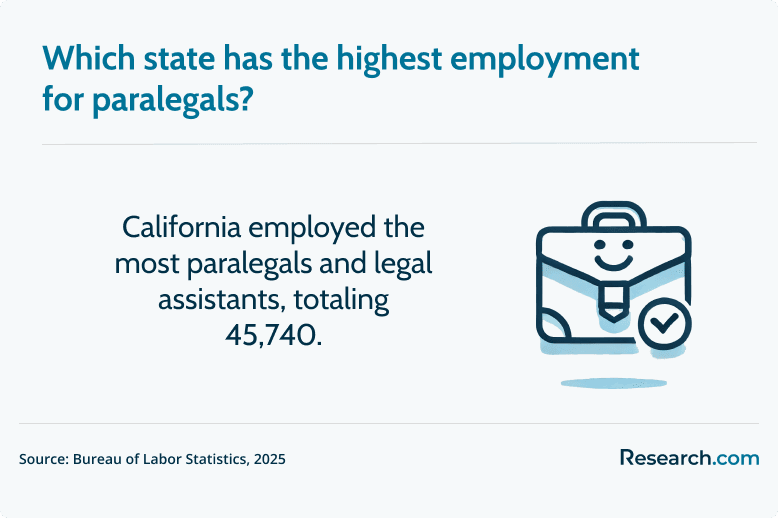
Requirements and employer expectations can vary by state. In California and some other states, a Bachelor's Degree in any subject combined with at least one year of supervised law-related experience is also recognized. Because paralegal regulation is not identical everywhere, candidates should review the expectations in the state where they plan to work and confirm whether a job posting requires a specific education level, supervised experience, or continuing education.
Key professional certifications include the Certified Paralegal (CP) credential issued by the National Association of Legal Assistants (NALA). For more specialized preparation, NALA offers the Advanced Certified Paralegal (ACP) in Real Estate. These credentials are voluntary in many settings, but they can signal professionalism, legal knowledge, and commitment to the field.
Are advanced degrees or niche certifications worth the investment?
Advanced credentials can be worthwhile when they solve a specific career problem. For example, the ACP in Real Estate may help if you already have paralegal training and want to compete for real estate-focused roles. A master's degree may support broader legal, compliance, management, or policy goals, but it is not required for most real estate paralegal positions.
The best sequence is usually to secure the essential qualification first, gain experience, and then decide whether advanced education will produce a practical return. Specialized certificates are most useful when paired with a recognized paralegal foundation and relevant work experience. If you are considering graduate study, reviewing a quick masters degree may help you compare time commitment, cost, and career value.
Before enrolling, ask three questions: Does the program meet employer expectations in my target market? Does it include real estate law, legal writing, research, and ethics? Will it help me qualify for internships, certifications, or better roles? Those answers matter more than the credential title alone.
Earning potential for real estate paralegals depends heavily on experience, location, employer type, transaction complexity, and specialization. Reported figures show a wide range: median salaries ranging from $60,939 to $67,338, a median salary for real estate paralegals in 2024 of $85,620, and top professionals earning over $115,000 annually in some regions. These differences reflect variations in data sources, job definitions, geographic markets, and seniority levels.
The real estate paralegal salary range 2025 spans from approximately $43,000 for entry-level positions to $85,000 and beyond for senior roles. Entry-level paralegals usually earn less because they are still learning document workflows, title review, closing procedures, and attorney preferences. Pay tends to improve as paralegals become trusted to manage files, communicate with clients, coordinate closings, and handle more complex transactions.
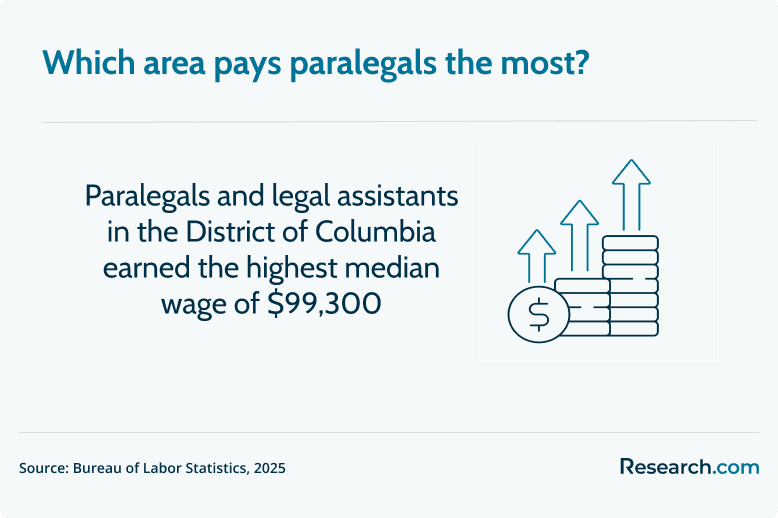
Location is another major factor. States like California and New York typically offer higher compensation to reflect cost of living and demand. Employer type also matters. A small residential practice may offer different pay and responsibilities than a large firm handling commercial real estate, financing, development, or multi-party transactions.
How to improve salary potential
- Build transaction ownership: Employers value paralegals who can manage checklists, anticipate missing documents, and keep closings on schedule.
- Specialize in complex matters: Commercial real estate, financing, zoning, title, and compliance experience can strengthen earning power.
- Document your results: Track the types of transactions you support, software you use, volume of files handled, and responsibilities you perform independently.
- Add relevant credentials: Certifications can help when they align with real estate work and are recognized by employers in your market.
- Improve legal technology skills: Efficiency with document systems, closing platforms, and collaboration tools can make you more valuable to a legal team.
The projected growth rate for real estate paralegals is 14% from 2018 to 2028, which is faster than the average growth for all occupations. Demand is supported by the continuing need for legal support in property transactions, financing, title review, compliance, and documentation. Even when real estate markets fluctuate, legal work remains necessary for purchases, sales, leases, refinancing, development, and dispute-related matters.
The key factors shaping the future outlook
Regulatory complexity supports demand because real estate transactions must comply with evolving rules, disclosure requirements, lending standards, recording procedures, and local property regulations. Paralegals who understand how to organize compliance materials and identify issues for attorney review will remain useful to legal teams.
Cost management in legal services also matters. Law firms and legal departments often assign routine but important work to trained paralegals rather than attorneys to control costs. This can create opportunities for paralegals who are accurate, efficient, and able to handle substantial responsibility within proper supervision boundaries.
Technology is changing how the work is done. Automation and digital platforms may reduce some repetitive tasks, but they also increase the value of paralegals who can manage electronic files, track deadlines, use closing software, and keep information consistent across systems. Candidates who resist legal technology may face fewer opportunities than those who adapt.
If you need flexible education to build or update your qualifications, reviewing the best universities online can help you compare pathways that fit work and family schedules while supporting a legal career transition.
Real estate paralegals usually work in professional office environments, most often in law firms, title companies, corporate legal departments, banks, mortgage firms, government offices, or real estate organizations. About 75% hold positions in legal services like law firms, followed by smaller shares in government and finance. The setting is document-intensive and communication-heavy, with frequent interaction among attorneys, clients, real estate agents, lenders, brokers, and title professionals.
The typical schedule is standard business hours, usually Monday through Friday from 9 a.m. to 5 p.m. However, closings can create deadline pressure, especially near month-end, during high transaction volume, or when a last-minute title, funding, or signature issue appears. Overtime may happen during busy periods, while weekend work remains rare for this role.
Remote or hybrid work is possible in some positions, especially for document preparation, research, and file management. However, some employers prefer on-site work because of secure document handling, attorney supervision, in-person closings, notarization needs, and coordination with physical records. Candidates seeking remote work should be ready to show strong technology skills, confidentiality practices, and independent time management.
A real estate paralegal career can be a strong fit if you like legal work, property transactions, organized processes, and practical problem-solving. It can be a poor fit if you dislike deadlines, repetitive documentation, or pressure from multiple parties. Before choosing this path, consider both the rewards and the daily realities.
Pros
- Visible impact: You help move important property transactions toward closing and can see the results of your work.
- Specialized expertise: Real estate law, title review, contracts, and closing procedures create a focused skill set that can improve employability.
- Collaborative work: The role involves regular contact with attorneys, brokers, lenders, title companies, clients, and government offices.
- Advancement potential: Experienced paralegals can move into senior, supervisory, commercial real estate, title, compliance, or virtual roles.
- Structured work product: People who enjoy checklists, documents, deadlines, and completed transactions may find the work satisfying.
Cons
- Deadline pressure: Closings can become stressful when documents, signatures, funds, or approvals are delayed.
- High accuracy demands: Mistakes in legal descriptions, names, dates, or filing requirements can create legal or financial consequences.
- Repetitive tasks: Document preparation, filing, follow-ups, and checklist management can feel routine over time.
- Limited authority: Paralegals must work under attorney supervision and cannot provide legal advice, even when clients ask direct legal questions.
- Market sensitivity: Real estate transaction volume can vary by location and economic conditions, which may affect workload and hiring.
If you are still comparing career directions, resources on careers to pursue with a vocational degree can help you evaluate other practical paths that may match your interests and training preferences.
Real estate paralegal advancement usually comes from one of two paths: taking on more responsibility within a legal team or developing a specialty that makes you valuable in a narrower market. The strongest candidates combine transaction experience, legal technology skills, careful communication, and enough judgment to know when attorney review is needed.
Steps to climb the career ladder
- Real Estate Paralegal: Supports attorneys with contracts, deeds, title searches, due diligence, closing documents, correspondence, and compliance tasks.
- Senior Real Estate Paralegal: Handles more complex transactions, manages larger document sets, mentors junior staff, and may coordinate closings with less supervision.
- Managing Paralegal / Paralegal Supervisor: Oversees paralegal workflows, trains staff, improves procedures, supports firm-wide policy development, and may represent the legal support team in professional settings.
Areas to develop specialized expertise
- Corporate Law / Real Estate Compliance: Focuses on contracts, risk management, regulatory requirements, and business-related property matters.
- Title Companies / Mortgage Firms: Builds expertise in title insurance, mortgage documentation, closing conditions, lien review, and recording procedures.
- Commercial Real Estate Transactions: Supports larger or more complex deals involving leases, development, financing, property management, and due diligence.
- Freelance / Virtual Real Estate Paralegal: Provides remote legal research, document preparation, file organization, and transaction support to attorneys or firms, where permitted and properly supervised.
To advance, focus on responsibilities that show independent reliability: managing deadlines, organizing closing files, using software effectively, flagging issues early, and communicating professionally with clients and third parties. Specialized knowledge in legal technology, zoning compliance, title review, and commercial transactions can improve your chances of moving into senior or niche roles.
If you like parts of real estate paralegal work but are not sure the full role fits, several related careers use similar strengths. Your experience with contracts, deadlines, documents, client communication, and property transactions can transfer into legal, real estate, finance, and compliance roles.
- Real Estate Specialist/Realtor: This path uses your understanding of real estate transactions and contracts, but it places more emphasis on sales, negotiation, client development, and market knowledge.
- Title Insurance Professional: This role applies your knowledge of property records, title risks, liens, and closing requirements to help protect buyers and lenders.
- Compliance Manager: Your attention to detail and experience with rules, documentation, and process control can transfer to compliance roles in regulated industries.
- Contracts Administrator: Experience with contract review, deadlines, version control, and approval workflows can support roles that manage organizational agreements.
- Project Manager: Real estate paralegal work builds scheduling, coordination, communication, and follow-up skills that can apply to project-based roles beyond legal services.
When comparing alternatives, separate what you enjoy from what you simply tolerate. If you like property transactions but not legal support, real estate or title work may fit better. If you like contracts and compliance but not closings, contract administration or compliance may be stronger options. If you enjoy coordinating people and deadlines, project management may be worth exploring.
- : "Working as a real estate paralegal, I've learned that attention to detail can literally save a deal. From verifying deed execution to making sure closing conditions are met, my role ensures every part of a transaction fits the legal puzzle perfectly. Combining my interest in property law with hands-on experience managing documents keeps me deeply engaged. I feel proud knowing my work helps families and businesses secure their investments safely. — Miguel"
- : "Transitioning from a personal injury paralegal to real estate wasn't easy, especially learning all the nuances of real estate contracts and disclosure requirements on the fly. After months of uncertainty and temporary gigs, persistence paid off when I finally landed a position where my legal skills truly matched the demands of property transactions. The challenge of mastering complex documents and regulations sharpens my critical thinking every day. Despite the hurdles, the sense of accomplishment when a closing goes smoothly is worth it. — Alina"
- : "I felt immense relief and excitement when I started my remote real estate paralegal role last November, especially after months of searching and feeling stuck. The support I received during the hiring process made all the difference, and now I'm fully confident handling title searches and drafting contracts from home. Being part of a team that values my expertise and needs brings a real sense of stability and fulfillment. This role fits my life perfectly, and I'm grateful to help people navigate such important transactions. — Darius"
Key Findings
- Real estate paralegals support attorneys with property transactions, title research, legal documents, due diligence, closings, and compliance-related tasks.
- The role is best for detail-oriented professionals who can manage deadlines, communicate clearly, and stay organized across multiple parties and documents.
- Common education paths include an Associate of Science (A.S.) or Associate of Arts (A.A.) in Paralegal Studies, an ABA-approved Certificate in Paralegal Studies, and, in some cases, a Bachelor's Degree with supervised law-related experience.
- Professional credentials such as the Certified Paralegal (CP) and Advanced Certified Paralegal (ACP) in Real Estate can strengthen a candidate’s profile, especially when paired with relevant experience.
- Reported pay varies by source and job level, with median salaries ranging from $60,939 to $67,338, a median salary for real estate paralegals in 2024 of $85,620, and top professionals earning over $115,000 annually in some regions.
- The real estate paralegal salary range 2025 spans from approximately $43,000 for entry-level positions to $85,000 and beyond for senior roles.
- The projected growth rate for real estate paralegals is 14% from 2018 to 2028, supported by regulatory complexity, cost-conscious legal staffing, and continued demand for transaction support.
- Most real estate paralegals work in legal services, with about 75% holding positions in settings like law firms; others work in government, finance, title, mortgage, or corporate environments.
- Advancement opportunities include senior real estate paralegal, managing paralegal, commercial real estate specialist, title or mortgage specialist, compliance-focused roles, and freelance or virtual real estate paralegal work.
Other Things You Should Know About Real Estate Paralegal
The National Association of Legal Assistants offers the CLA and CP credentials, and the National Federation of Paralegal Associations offers the PACE exam. Employers value these certifications because they show knowledge of real estate law, document handling, and ethics, and they can support promotion or higher pay.
In 2027, a real estate paralegal can expect to earn an average salary ranging from $55,000 to $75,000 annually, depending on experience, location, and the complexity of tasks handled. Major urban areas or firms offer higher compensation, often exceeding these averages.
- How to Advance on your Paralegal Career Path - Brown & Crouppen https://www.brownandcrouppen.com/blog/how-to-advance-on-your-paralegal-career-path/
- Real Estate Paralegal Jobs & Legal Support Careers | Axiom Law https://www.axiomlaw.com/real-estate-paralegal-jobs
- What does a Real Estate Paralegal do? Career Overview, Roles, Jobs | CLOC https://jobs.cloc.org/career/real-estate-paralegal
- Is Paralegal a Good Career? Pros, Cons & Career Insights https://thelegalschool.in/blog/is-paralegal-a-good-career
- Real estate paralegal Performance Goals And Objectives https://simbline.com/phrases/performance-goals/real-estate-paralegal
- Paralegal Skills in 2025 (Top + Most Underrated Skills) https://www.tealhq.com/skills/paralegal
- 4 Real Estate Paralegal Interview Questions and Answers for 2025 | Himalayas https://himalayas.app/interview-questions/real-estate-paralegal
- What a Real Estate Paralegal Does in a Law Firm? Day in Life https://www.remoteattorneys.com/blog/real-estate-paralegal-duties-and-responsibilities
- Breaking into Law: Your Step-by-Step Guide to Getting a Paralegal Job https://www.paralegalinst.com/how-to-get-paralegal-job
- Top 20 Real Estate Paralegal Interview Questions and Answers (Updated 2025) https://www.cvowl.com/blog/real-estate-paralegal-interview-questions-answers


