2027 Paying for an Online BS in Business Administration: Two Partners Attending College at the Same Time
Audited and Verified:
Our Editorial and Data Verification Process
Research.com uses government datasets, official education statistics and primary institutional information to support its career and degree guides. Our review process checks factual accuracy, occupational definitions, source dates and the requirements associated with the credentials discussed.
How This Article Was Fact-Checked
Our editorial team verifies salary estimates, employment projections, education requirements and program information against original data providers and official organizations. Salary figures are checked against the relevant occupational definitions and reporting periods. Information about licensure, accreditation and required in-person training is reviewed separately.
Fact-checked and verified on:

Co-Founder and Chief Data Scientist
When two partners enroll in online bachelor's programs at the same time, tuition is only part of the decision. Both must make room for coursework while the household covers its usual bills - and financial aid is determined for each student, not awarded to the couple as a package.
This guide explains how to compare the combined cost of an online BS in Business Administration, plan for different enrollment schedules, and check whether the degree and its likely career opportunities justify the commitment.
Key Things You Should Know
- Get a separate degree audit and cost estimate for each partner; two advertised tuition rates do not reveal the household's total cost.
- Each partner submits a separate FAFSA. Marriage can affect the financial information reported, but having two students enrolled does not automatically create an aid discount.
- Compare affordable schedules as well as affordable schools: slower enrollment may ease monthly payments but extend the period of tuition, fees, and reduced work hours.
How much does an online BS in business administration cost for two partners?
There is no reliable couple-wide price without knowing both students' schools, remaining requirements, and enrollment plans. Ask each institution for an itemized estimate based on that student's official or near-final degree audit. A transfer credit may be accepted as an elective without satisfying a required business course, so a preliminary credit total can understate the cost of finishing.
The table separates charges that are easy to confuse. Compare the same expected completion period for both partners rather than multiplying an advertised annual tuition figure by an assumed number of years.
| Cost component | What to confirm for each partner | Household implication |
| Tuition | Price per credit, course, or term; required credits remaining | Different transfer evaluations can produce different totals at the same school. |
| Required fees and materials | Technology, software, proctoring, textbooks, and graduation charges | Some charges recur each term or apply separately to both students. |
| Completion-related expenses | Required visits, internships, transportation, and work-hour changes | Online study may still create travel or lost-income costs. |
| Financing | Grants, employer payments, payment-plan dates, and loan terms | The amount due now can differ substantially from the eventual cost. |
For an initial school shortlist, budget-friendly online business schools can provide options to investigate. Confirm each school's current charges and each partner's remaining requirements before treating a listed price as a personal estimate.
What financial aid can two partners receive for online college?
Each partner should submit their own Free Application for Federal Student Aid (FAFSA) and review the resulting offer from each school. Eligibility for federal grants, loans, and work-study depends on the individual student, the eligible institution and program, enrollment, and applicable aid rules. An online delivery format does not, by itself, rule out federal aid.
Relationship status matters. Married applicants generally report required spouse information on their FAFSAs; an unmarried partner is not automatically treated as a spouse. An unmarried student may still need to report parent information if classified as dependent. Two people attending college simultaneously should not assume their Student Aid Index will fall simply because both are enrolled. The schools' financial aid offices can explain how the applicable FAFSA rules affect their circumstances.
Compare grants and scholarships separately from loans, which must be repaid. Ask employers whether education assistance covers this program, whether payment comes before or after grades are posted, and whether leaving the job triggers repayment. If household income has changed materially, ask each school whether a financial-aid adjustment review is available. For a student returning with prior coursework, business administration degree return and completion planning can also help frame questions about how remaining credits affect aid and cost.
How can partners budget for tuition, living expenses, and student debt?
Build one household cash-flow plan and two student-level education plans. The household plan tracks rent or mortgage payments, food, insurance, caregiving, and income. Each education plan tracks charges, aid disbursements, reimbursement dates, and borrowing. This distinction prevents an aid award from being mistaken for cash available when a tuition bill is due.
Work through the budget in this order so that the enrollment decision follows the numbers rather than an advertised monthly payment:
- Request a term-by-term course plan and itemized bill for each student, including when required classes are offered.
- Subtract confirmed grants and scholarships from each student's charges; keep employer reimbursement separate until its timing and conditions are clear.
- Map tuition due dates and aid disbursements against household income and essential bills, including any reduction in work hours.
- Compare a simultaneous schedule with staggered starts or different course loads, then estimate borrowing under each option.
- Review loan repayment obligations in each borrower's name and leave room for a delayed course, withdrawal, or unexpected expense.
Staggering enrollment can protect cash flow if one partner's classes or job hours are unpredictable, though it may delay the household's final graduation date. If one partner is comparing general business with a specialized degree, examine that alternative's costs separately. For example, supply chain program tuition time and earnings context is useful for a distinct degree scenario - not a reason to count a possible future salary as money available for today's bills.
An online BS in Business Administration is an undergraduate degree that combines general education with business coursework, usually covering several functions rather than training for one occupation. Depending on the school, students may choose electives or an official concentration. A BS, BBA, and specialized business bachelor's degree are not interchangeable titles; compare actual required courses and the credential awarded.
For two working partners, the degree's value depends partly on whether each can complete its assignments alongside paid work and shared responsibilities. Online courses may include scheduled meetings, group presentations, timed exams, and a capstone. A current workplace might supply a project topic only if the instructor approves it and the employer permits appropriate use of information. To assess that fit, compare business administration degrees for working learners against both partners' actual schedules.
Online study can eliminate a routine commute and expand school choices, but it does not necessarily reduce tuition or make attendance optional. Campus study may offer easier access to in-person recruiting, study groups, and facilities while imposing more travel and fixed class times. The better option is the one both partners can attend consistently without relying on an unrealistic division of work and household duties.
Compare the required attendance pattern - not just the label "online." Ask about live sessions, exam proctoring, group-work deadlines, internships, campus visits, accessibility support, and tutoring hours. Online bachelor's programs with short sessions may make it possible to focus on fewer classes at once, but compressed deadlines can be difficult when both partners have exams in the same week.
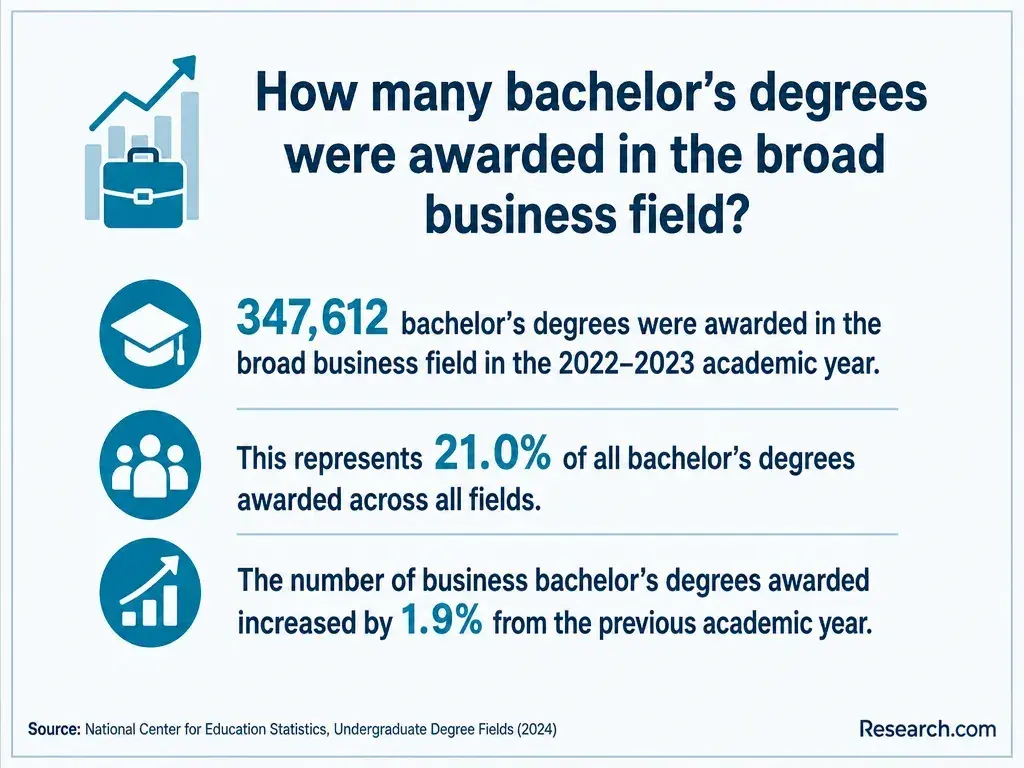
Typical programs combine accounting, economics, finance, marketing, management, operations, statistics or analytics, business law, and communication with general education and a culminating project or strategy course. Exact requirements vary. Partners should inspect prerequisite chains: a delayed accounting or statistics course can postpone later classes even if other credits are complete.
Electives should serve each student's goal, not merely fit an open slot. Someone seeking operations work might prioritize supply chain and process-improvement coursework; someone interested in HR might look for employment practices and organizational behavior. If one partner wants substantially deeper supply chain preparation, supply chain bachelor's degrees in three years or less provide a specialized comparison. Check whether changing majors would add credits before assuming a faster advertised timeline applies.
Schools commonly request prior academic transcripts and an application; requirements can differ for first-time students, transfer applicants, and admission to the business major. A school may accept a student before certain math or introductory business courses are completed. Admission does not establish that previous coursework satisfies graduation requirements.
Each partner should send transcripts for an individual evaluation and ask which credits apply to general education, the business core, electives, and any concentration. Also check minimum grades, course recency, residency requirements, and appeal procedures. If a partner has prior HR coursework, examples of how to apply prior credits to an HR bachelor's degree can help shape transfer questions, but only the enrolling school can determine how those credits apply to its program.
Completion time depends on applied transfer credits, course load, prerequisite sequencing, and how often required classes are available. Two partners starting together may finish at different times. Ask each adviser for a term-by-term graduation plan, including what happens if a required course is unavailable or either student needs a lighter term.
Accelerated formats can shorten calendar time without reducing the work required. Before selecting fast-track business degree options, compare weekly assignment demands and total charges with a conventional schedule. A longer path may be financially preferable if it lets both partners maintain employment and avoid additional borrowing; a shorter path may help when fees recur by term.
A general business degree can support applications for roles in operations, marketing, HR, purchasing, or project coordination. Relevant experience, software skills, internships, and evidence of completed work remain important; graduation alone does not qualify someone to manage staff or enter a regulated profession.
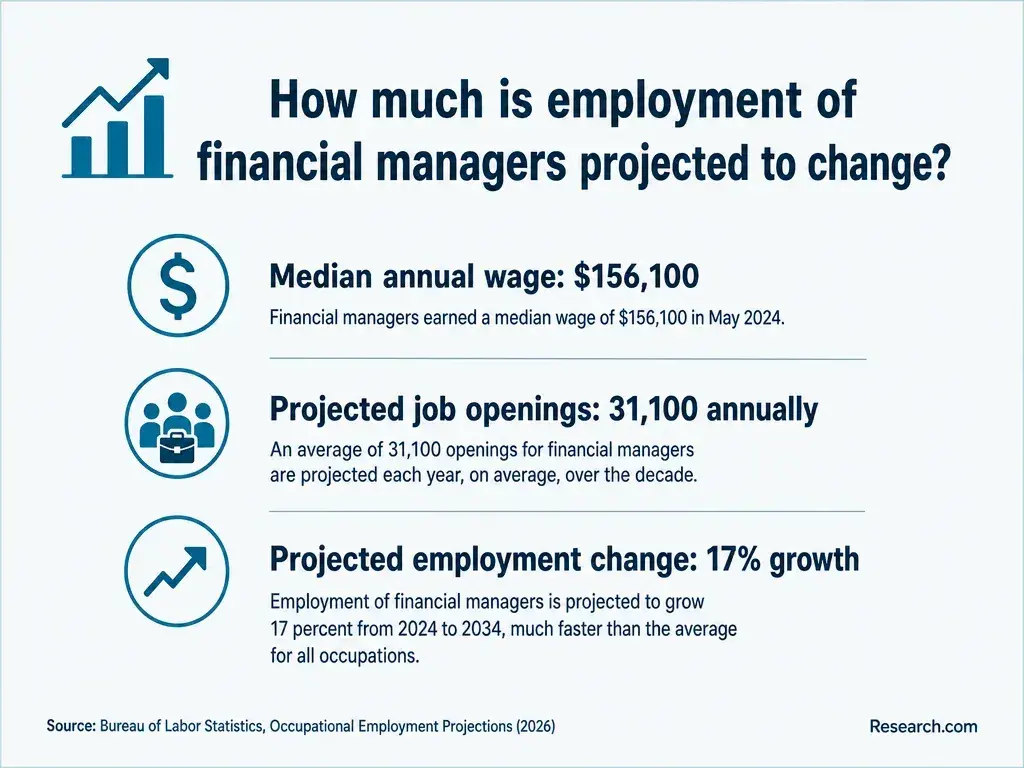
For salary context, the U.S. Bureau of Labor Statistics reports a May 2025 median annual wage of $75,940 for human resources specialists and projects 6% employment growth from 2025 to 2035. That is an occupation-wide median, not an expected starting salary for business administration graduates. Partners should compare local entry-level postings with their existing experience before using any occupation's median in a debt decision.
If one partner's target is specifically project coordination, compare business coursework and relevant work samples with project management undergraduate transfer pathways. A specialized path may fit better if its requirements accept prior credits and align more closely with the intended work.
How can you choose an accredited online business program?
Start by confirming that the institution has recognized institutional accreditation and that the specific online program is eligible for the aid each partner expects to use. If a school advertises AACSB, ACBSP, or IACBE accreditation, verify its scope; business-school or programmatic accreditation is distinct from institutional accreditation and should not be assumed to cover every degree.
Then request comparable, written answers on total remaining requirements, tuition and fees, course rotation, live attendance, student support, withdrawal policies, and career services. Ask whether published completion or employment outcomes describe online business students, which cohort they cover, and what data is missing. Lists that compare American fast-paced business bachelor's degrees can help build a shortlist, but each partner's degree audit and sustainable term schedule should decide whether a program is genuinely fast and affordable for this household.
Other Things You Should Know About Business Administration
Possibly, but simultaneous live classes and exams can make one device impractical. Check each course's technology requirements and whether a textbook license permits sharing; each student generally needs their own learning-platform account.
Federal Direct student loans do not use a spouse or partner as a cosigner. Private lenders may allow or require a cosigner, who can become responsible for repayment under the loan agreement.
Only when the instructor authorizes collaboration. Being partners or enrolling in the same course does not waive individual-assessment and academic-integrity rules.
Contact both schools before changing enrollment. The student who pauses should check withdrawal, aid, and loan-servicing consequences; the continuing student should ask whether changed household circumstances warrant a financial-aid review.
- IPEDS Data Center | ed.gov https://nces.ed.gov/ipeds/datacenter/InstitutionList.aspx
- Enrollment | U.S. Office of Personnel Management https://www.opm.gov/healthcare-insurance/healthcare/reference-materials/reference/enrollment/
- School-Determined Requirements - FSA Partner Connect https://fsapartners.ed.gov/knowledge-center/fsa-handbook/2026-2027/vol1/ch1-school-determined-requirements
- Subsidized and Unsubsidized Loans | studentaid.gov https://studentaid.gov/understand-aid/types/loans/subsidized-unsubsidized
- Tips for managing family lending and borrowing | consumerfinance.gov https://www.consumerfinance.gov/consumer-tools/educator-tool/adult-financial-education/tips-for-managing-family-lending-and-borrowing/
- Education And Career Benefits For Family Members | Veterans Affairs https://www.va.gov/family-and-caregiver-benefits/education-and-careers/
- Satisfactory academic progress - Student Financial Aid | Trends and Issues in Higher Ed https://www.washington.edu/financialaid/key-policies-information/satisfactory-academic-progress/
- Financial Aid Policies | Lake Washington Institute of Technology https://www.lwtech.edu/admissions/pay-for-college/financial-aid/policies.aspx
- Credit for Prior Learning | UMass Global https://www.umassglobal.edu/admissions/transfer-center/credit-prior-learning
- Financial Aid Student Responsibilities | Seattle Central College https://seattlecentral.edu/enrollment-and-funding/financial-aid-and-funding/financial-aid/student-responsibilities