2026 Part-Time vs Full-Time Online Retail Management Bachelor's Degree Programs

Co-Founder and Chief Data Scientist
Balancing a full-time job and family responsibilities can make returning to school feel overwhelming for many working adults aiming to advance in retail management. With nearly 60% of online retail management bachelor's degree students opting for part-time study to maintain income while learning, deciding between part-time and full-time formats becomes crucial.
Choosing the right pace affects not only academic success but career trajectory and financial stability. This article examines the key differences between part-time and full-time online retail management bachelor's programs and offers insights to help learners select the option best aligned with their personal and professional goals.
Key Benefits of Part-Time vs Full-Time Online Retail Management Bachelor's Degree Programs
- Part-time online retail management programs offer greater scheduling flexibility, allowing students to balance studies with full-time work and family commitments more effectively.
- Full-time programs generally enable faster degree completion, often within three to four years, while part-time options may extend to six years or more.
- Part-time study supports sustained career progression alongside education, whereas full-time study may require reduced work hours, impacting immediate income but accelerating workforce entry after graduation.
What is the difference between part-time and full-time online retail management bachelor's degree programs?
Part-time and full-time online retail management bachelor's degree programs primarily differ in workload, pacing, and time commitment. Nearly 40% of online undergraduate students across varied disciplines enroll part-time, indicating strong demand for scheduling flexibility in higher education. These differences can significantly affect how students balance their studies with other life responsibilities.
Below is a comparison of the structural distinctions between part-time and full-time enrollment options for online retail management programs.
Part-Time Online Programs
- Course Load: Students take fewer courses per term, allowing a lighter, more manageable workload.
- Scheduling Flexibility: Greater control over when and how many courses to take helps students adapt studies around work and personal life.
- Study Intensity: Reduced simultaneous deadlines lower stress but require consistent commitment over a longer period.
- Pacing: Coursework extends across more semesters, suiting those who need a gradual approach to complete their degree.
Full-Time Online Programs
- Course Load: Requires enrolling in a larger number of courses each semester for a faster academic progression.
- Scheduling Flexibility: More structured schedules limit choice, demanding consistent engagement and routine study hours.
- Study Intensity: A faster-paced environment with overlapping deadlines increases weekly time investment and focus.
- Program Demands: Intense academic load suits learners prepared for concentrated bursts of study.
Prospective students comparing part-time vs full-time online retail management bachelor's degree options should assess their own time availability and learning preferences carefully. For those interested in exploring the easiest paths, the easiest online masters degree rankings offer additional insight into flexible advanced education options.
How long does it take to complete part-time vs full-time online retail management bachelor's degrees?
Completion time for an online retail management bachelor's degree varies widely based on enrollment type and individual student pace. According to the National Center for Education Statistics, the median completion time for full-time bachelor's degree students is about 4.5 years, highlighting the variability across programs. This overview compares part-time online retail management bachelor's degree completion time with full-time options to help students align their priorities.
Part-Time Online Programs
- Extended Duration: Part-time students typically take five to seven years to complete their degree due to lighter course loads.
- Flexible Scheduling: Evening, weekend, and asynchronous classes accommodate working adults and nontraditional learners balancing multiple commitments.
- Steady Progression: Slower pacing helps manage external responsibilities, spreading coursework evenly over time without compromising comprehension.
- Varied Enrollment Intensity: Taking fewer credit hours each term influences the overall timeline but offers necessary adaptability.
Full-Time Online Programs
- Traditional Timeline: Most full-time students finish within four years, closely matching standard U.S. bachelor's degree durations.
- Heavier Course Load: Enrolling in 12 to 15 credit hours or more per term accelerates progress toward graduation.
- Structured Pacing: Intensive semester or quarter systems promote consistent academic engagement and timely degree completion.
- Focused Commitment: Full-time enrollment demands greater dedication but results in faster program completion.
Prospective students comparing full-time vs part-time retail management degree duration can find more insights on related programs by exploring the best online EMBA programs, which similarly balance workload and flexibility for working professionals.
What is the workload for a part-time vs. a full-time online retail management bachelor's degree?
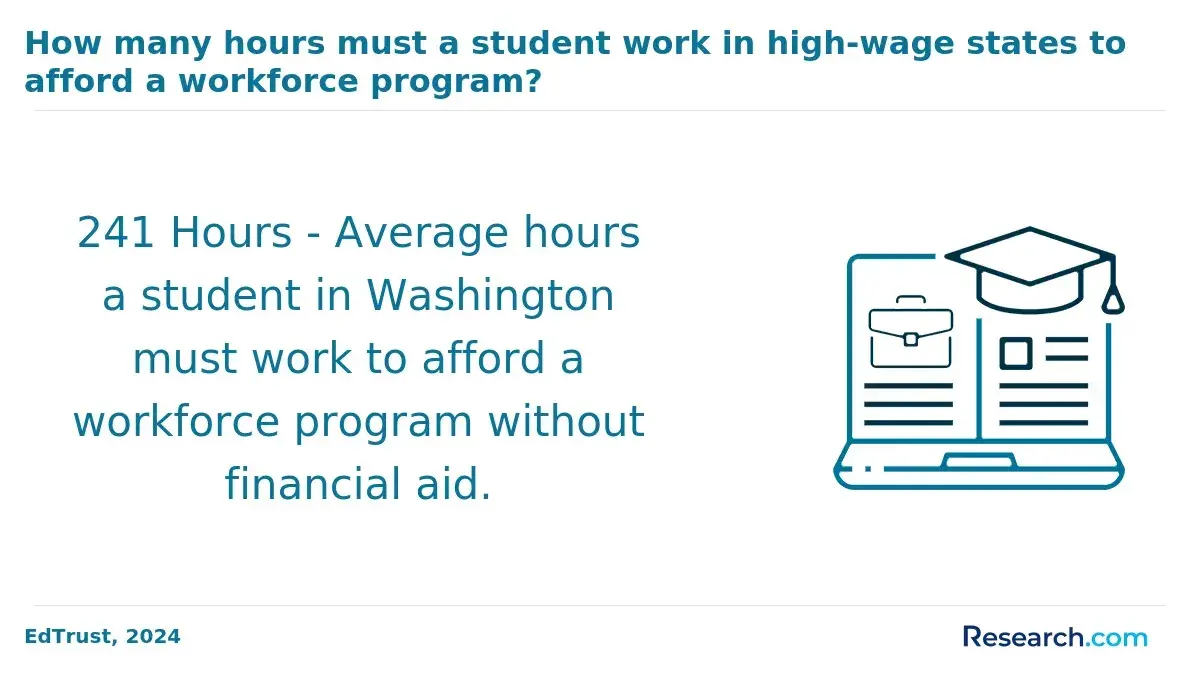
Students pursuing an online retail management bachelor's degree on a full-time basis usually take three to five classes each term, demanding roughly 30 to 40 hours of study per week. This schedule includes engaging in virtual lectures, discussions, assignments, and exam preparation, creating a fast-moving academic environment with tight deadlines.
In contrast, part-time students typically enroll in one or two courses per term, dedicating about 10 to 20 hours weekly, which allows greater flexibility for work or personal commitments. Although the pace for part-time learners is slower, the curriculum remains equally comprehensive, with the same content spread out over a longer timeframe. These differences shape how students must approach their studies depending on their chosen enrollment status.
Both full-time and part-time formats involve regular assignments and deadlines, yet the intensity varies. Full-time students confront overlapping due dates and a demanding workload that requires strong prioritization and time management skills to stay on track.
Part-time students, while still responsible for meeting consistent weekly expectations, benefit from more breathing space to absorb material and reflect on their coursework. Regardless of format, adult learners must balance their responsibilities carefully, with full-time study demanding a more rigorous commitment and part-time study necessitating steady, disciplined scheduling to succeed.
Which option is better for working adults in an online retail management bachelor's degree?
Both part-time and full-time online retail management bachelor's degree programs can accommodate working adults, depending on individual schedules, the ability to handle course demands, and personal responsibilities. Nearly 40% of online undergraduate students balance employment while pursuing their studies, emphasizing the importance of flexible education models. These differences shape how students experience their programs and progress toward their degrees.
- Scheduling Flexibility: Part-time options often allow students to take fewer courses each term, making it easier to juggle work and family commitments. Full-time programs tend to follow a stricter timeline with a heavier course load, leaving less room for unexpected changes.
- Workload Intensity: Full-time students manage multiple classes simultaneously, requiring sustained concentration and energy. Part-time learners spread coursework over a longer timeframe, which may reduce short-term pressure but prolongs overall study duration.
- Time Management: Maintaining focus across several deadlines and assignments is crucial for full-time students. Part-time students benefit from a more gradual pace, which can better accommodate fluctuations in work hours or personal life demands.
- Pace of Completion: Full-time programs often lead to graduation within about four years, while part-time study can extend beyond six years depending on course load and availability.
When I spoke with a working professional currently enrolled in an online retail management bachelor's program, she reflected on her own path: "Deciding on part-time study felt necessary since my job's hours are unpredictable. It's challenging balancing coursework with a busy schedule, but spreading classes out helps me maintain consistent progress without burnout." She described learning how to prioritize assignments and adapt weekly routines as a constant process, ultimately appreciating the program's flexibility that supports her career and family life simultaneously.
Can I switch from part-time to full-time in an online retail management bachelor's degree?
Many online bachelor's degree programs in retail management offer students the option to alternate between part-time and full-time enrollment as their personal or professional situations evolve. This flexibility is particularly valuable for nontraditional students balancing work, family, and education.
Research shows that about 60% of online degree students modify their enrollment status at least once, reflecting a growing trend toward adaptable pacing in higher education. Being able to switch allows students to better align their studies with changing priorities without interrupting progress toward graduation. Those interested in the most accommodating academic paths might also explore the best data science master's programs for additional flexible options.
When considering how to change enrollment status in online retail management program options, students should keep several factors in mind. Transitioning to full-time study often involves an increased course load, which demands more time and can affect stress levels.
Accelerating program completion by switching enrollment types requires strong time management skills and readiness to handle heavier academic responsibilities. Additionally, institutional policies may require approval from academic advisors and may limit when or how frequently students can alter their status. Being aware of these pacing differences and program rules helps ensure a smoother adjustment between part-time and full-time learning modes.
How does tuition differ for part-time vs full-time online retail management bachelor's degrees?
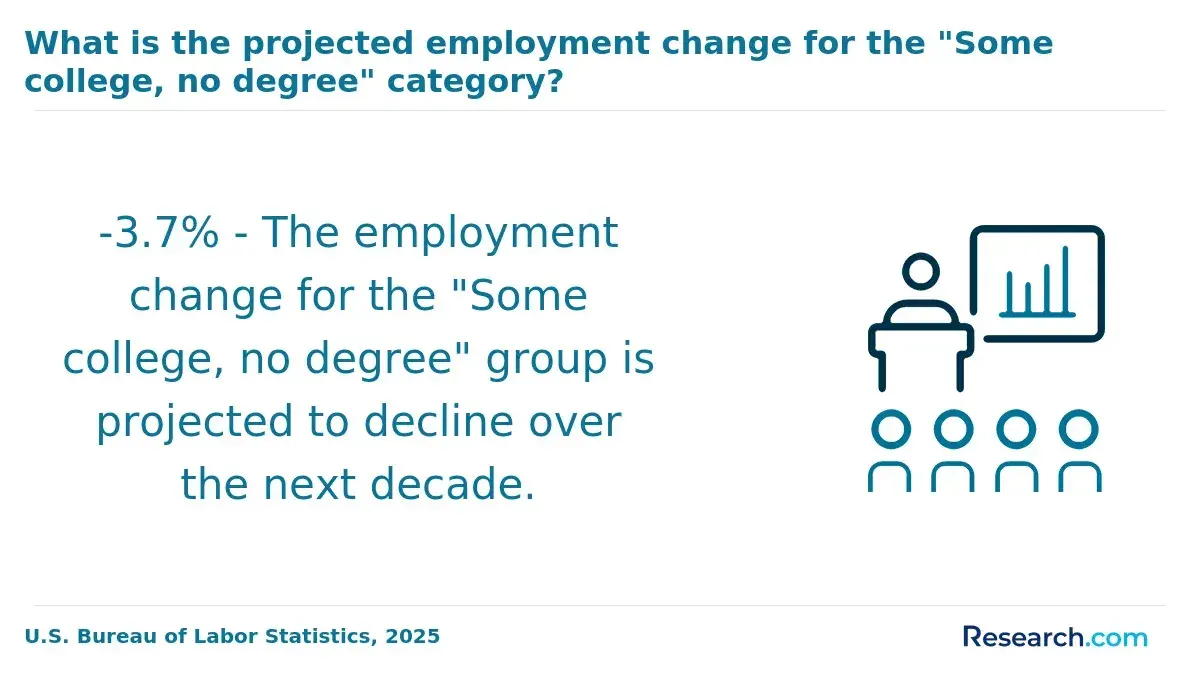
Tuition rates for online retail management bachelor's degrees vary widely based on whether students enroll part-time or full-time, the pacing of their studies, and each institution's billing practices. On average, the total cost for these programs ranges from $15,000 to $40,000, reflecting diverse pricing models. These differences affect how students budget and plan their educational expenses.
Part-Time Online Programs
- Per Credit Billing: Tuition is usually charged per credit hour, allowing students to pay only for the courses they take each term, which offers flexibility but can lead to extended overall costs.
- Extended Payment Timeline: Spreading coursework over multiple semesters means payments are made consistently but over a longer period, easing short-term financial pressure.
- Variable Total Cost: Because part-time students pace themselves, total tuition may be higher if progress is slow, with no flat-rate caps typically applied for exceeding certain credits.
- Flexible Scheduling: Paying as you go aligns well with fluctuating course loads, helping working adults fit education alongside other commitments.
Full-Time Online Programs
- Flat Semester Fees: Students often pay a lump sum per term, covering a full course load regardless of credits, resulting in predictable but larger upfront payments.
- Cost Caps: Some institutions cap tuition for full-time students, so taking additional courses beyond the typical load does not increase fees, making it more cost-effective per credit.
- Accelerated Completion: The higher immediate expense usually leads to finishing the degree faster, potentially reducing overall time-related costs.
- Budgeting Challenges: Larger semester payments require careful financial planning, which can be a hurdle for some learners balancing work and family.
When discussing how tuition differed between part-time and full-time paths, a graduate of an online retail management bachelor's degree recalled that balancing payments was a major concern. He explained, "As a part-time student, paying by credit spread my expenses out, which helped me manage bills without feeling overwhelmed, but it felt like dragging the process on longer."
In contrast, he noted the full-time approach "required a significant upfront investment each semester, which was stressful initially but kept me motivated to finish quicker." This personal insight highlights how tuition dynamics can shape both educational journeys and financial stress levels.
Which option offers better financial aid for an online retail management bachelor's degree?
Financial aid availability for online retail management bachelor's degree students depends largely on enrollment status, eligibility criteria, and individual school policies. Data from the National Center for Education Statistics shows that about 39% of part-time undergraduate online students receive some form of financial aid, a lower rate than their full-time counterparts. These differences affect the types and amounts of aid available to part-time versus full-time students. Below is a comparison of common financial aid options.
- Federal Pell Grants: These grants are need-based and generally require at least half-time enrollment. Full-time students usually qualify more easily, while many part-time learners taking fewer credits may not meet eligibility requirements.
- Federal Student Loans: Both part-time and full-time students can obtain federal loans, but loan limits and repayment terms often vary based on enrollment intensity and the total cost of attendance.
- Institutional Scholarships: Colleges tend to prioritize full-time students for scholarship awards, though some institutions offer partial or prorated scholarships to part-time retail management students.
- Work-Study Programs: These on-campus employment programs frequently require full-time status, limiting access for part-time students who want to earn funding through work-study positions.
- Employer Tuition Assistance: Working adults may benefit from employer tuition aid regardless of enrollment status, but availability depends on the employer's specific policies and support for education.
Full-time enrollment generally opens doors to a broader range of financial aid options, yet part-time students can still leverage specific resources such as loans and employer assistance tailored to their unique circumstances.
What are the pros and cons of part-time vs full-time online retail management bachelor's degrees?
Choosing between part-time and full-time online retail management bachelor degree programs involves balancing academic flexibility and workload with personal circumstances and career goals. Part-time options often appeal to those needing a more manageable schedule, while full-time paths suit learners aiming for quicker completion. Below is a comparison of the pros and cons for each approach.
Pros
- Schedule Flexibility: Part-time programs let students balance work or family responsibilities more easily, allowing steady progress without overwhelming time demands.
- Financial Ease: Spreading tuition payments over a longer period helps part-time students manage expenses while maintaining income streams.
- Accelerated Completion: Full-time study typically leads to faster graduation, enabling quicker entry into advanced career opportunities within retail management.
- Immersive Experience: Full-time students often benefit from greater interaction with instructors and peers, enhancing engagement and networking.
Cons
- Extended Duration: Part-time study delays degree completion, which may slow career advancement for students seeking immediate progress.
- Long-Term Commitment: Maintaining momentum over many terms can be challenging for part-time learners juggling multiple obligations.
- Intensive Coursework: Full-time programs demand substantial time and energy, risking burnout for students balancing personal or professional commitments.
- Financial Pressure: Full-time students face upfront tuition costs and often have less time for paid work, increasing financial strain.
Prospective students weighing part-time vs full-time online retail management bachelor degree benefits and drawbacks should also consider examples from related fields, such as the online masters in clinical mental health counseling, where similar trade-offs between flexibility and intensity are common. Comparing academic flexibility and workload in full-time and part-time online retail management programs helps identify the best fit for individual needs and goals.
Does part-time vs full-time affect career outcomes in an online retail management bachelor's degree?
Employers increasingly prioritize skills-based hiring, with 78% emphasizing practical expertise over traditional factors in evaluating candidates. This trend highlights that part-time versus full-time enrollment in an online retail management bachelor's degree often plays a minor role compared to mastery and work experience.
Understanding how these factors impact career outcomes helps prospective students decide on the best pathway for professional advancement with part-time and full-time retail management degrees.
- Skill Development: Proficiency in retail operations, customer relationship management, and data analytics is essential for career success and is cultivated regardless of whether students study part-time or full-time.
- Work Experience Integration: Part-time students typically juggle jobs alongside their coursework, allowing them to apply theoretical knowledge in real-time, which employers value highly for professional advancement with part-time and full-time retail management degrees.
- Degree Credibility: Employers favor accredited degree programs that ensure educational standards are met, making accreditation more important than enrollment pace.
- Networking Opportunities: Although full-time students might gain more access to campus events and internships, both part-time and full-time learners can build meaningful professional connections critical for career growth.
- Progression Potential: Demonstrating a commitment to continuous learning and career growth is key, and degrees earned either part-time or full-time can equally showcase this potential.
Choosing an online retail management program, especially as a working adult or nontraditional learner, should involve assessing how well the curriculum supports skill acquisition, experience application, and career networking. For students concerned about admission criteria, there are several best colleges for low GPA that offer quality retail management degrees accessible to a wide range of applicants.
What mistakes should I avoid in part-time vs full-time study?
Deciding between part-time and full-time study for an online retail management bachelor's degree involves thoughtful consideration to avoid common obstacles. Nearly 40% of online students report challenges balancing workload and time, which contributes significantly to higher dropout rates compared to in-person programs. Being aware of typical errors can help you stay on track and complete your degree successfully.
- Underestimating Workload: Both part-time and full-time students often misjudge the effort required. Full-time learners may find managing multiple courses simultaneously overwhelming, whereas part-time students can underestimate cumulative demands stretching over a longer timeframe.
- Poor Time Management: This issue affects all students but is particularly detrimental for part-time learners balancing jobs and family. Without effective scheduling, it's easy to fall behind on assignments and preparation.
- Misaligned Schedules: Full-time students might expect rigid routines but find asynchronous classes require self-discipline, while part-time students sometimes fail to align coursework with their work commitments, leading to missed deadlines.
- Unrealistic Pace Expectations: Assuming quick completion means less effort is a common mistake for full-time students, while part-time students may expect a lighter workload, not recognizing the rigor involved.
- Neglecting Academic Support: Avoiding tutoring, advising, or instructor contact can hinder progress, especially for part-time students who have fewer interactions with faculty and may feel isolated.
What Graduates Say About Part-Time vs Full-Time Online Retail Management Bachelor's Degree Programs
- Raphael: "Choosing a part-time online retail management bachelor's program was essential for me since I needed to balance work and family commitments. The flexibility allowed me to keep up with my job while advancing my education at my own pace. This degree has opened new doors, enabling me to take on leadership roles with greater confidence and strategic insight."
- Russell: "Enrolling full-time in an online retail management program was a bold step that tested my time management and self-discipline like never before. Navigating the intensive coursework from home required focus, but the interactive online environment and supportive faculty made the challenges manageable. Professionally, the degree significantly enhanced my understanding of consumer behavior and supply chain logistics, accelerating my career growth."
- Theo: "The main reason I opted for a part-time online retail management bachelor's was to continue gaining real-world experience alongside my studies. Balancing assignments and work was tough, but structuring my learning around practical applications proved invaluable. Completing this program has strengthened my analytical skills and boosted my prospects in a highly competitive retail sector."
Other Things You Should Know About Retail Management Degrees
Yes, it is generally easier to work while enrolled in a part-time online retail management bachelor's degree program because the course load is lighter and more flexible. Full-time students can also work, but balancing full-time studies with a job can be challenging due to the higher credit load and faster pace. Time management skills are crucial in both cases, but part-time study offers more accommodation for employment.
In 2026, both part-time and full-time students in online retail management bachelor's programs typically have access to similar internship opportunities. However, full-time students might have the flexibility to pursue more intensive internships, whereas part-time students often schedule internships around their existing work commitments.
Most accredited online retail management programs provide equal access to academic resources such as digital libraries, tutoring, career services, and faculty support to both part-time and full-time students. However, part-time students should proactively engage with these services, as their reduced course intensity might limit frequent interactions with professors and peers compared to full-time students.
References
- Part-Time vs Full-Time Study: Financial Impact https://www.isthisdegreeuseless.com/blogs/part-time-vs-full-time-study-financial-implications
- What are the key differences for a part time and full time student? https://arden.ac.uk/knowledge-base/learning-styles/differences-part-time-and-full-time
- Part Time vs Full Time Study: Choose What Fits Your Boots https://www.uniccm.com/blog/part-time-vs-full-time-study-choose-what-fits-your-boots
- Learn as you earn with our Part-time Degree in Retail Management Practice - Retail Ireland Skillnet https://retailirelandskillnet.com/learn-as-you-earn-with-our-part-time-degree-in-retail-management-practice
- Retail Management Career Tuition https://www.collegetuitioncompare.com/career/retail-management/
- Bentley Part-Time Vs. Full-Time MBA Programs: An In-Depth Comparison https://www.bentley.edu/news/part-time-vs-full-time-mba-programs-depth-comparison
- Full-Time Student Hours vs. Part-Time: What's the Difference? https://www.citizensbank.com/student/articles/full-time-student-hours.aspx
- Full-Time, Part-Time or Online? Which Type of MBA Program Suits me Best? https://nachrichten.idw-online.de/2015/07/07/full-time-part-time-or-online-which-type-of-mba-program-suits-me-best
- Switching from part time to full time https://www.thestudentroom.co.uk/showthread.php
- BBA Study Modes: Full vs. Part-Time Options https://www.regenesys.net/reginsights/part-time-vs-full-time-bba-which-suits-your-schedule