
2027 Paralegal Training for Franchise Law Support: Contracts and Business Organization Courses

Co-Founder and Chief Data Scientist
Franchise law support calls for more than general legal research: paralegals must work accurately with agreements, disclosure documents, business entities, and deadlines. If you are choosing a paralegal program or adding a specialty to your existing skills, the important question is which training prepares you for those tasks without requiring unnecessary time or expense.
This guide connects coursework to actual work, compares education routes and delivery formats, and identifies the costs, credentials, and hiring realities to check before enrolling.
Key Things You Should Know
- Prioritize a paralegal program with substantial contracts, business organizations, legal research, and document-management work; a course labeled "franchise law" is helpful but not essential.
- There is no universal franchise-paralegal license. ABA approval applies to qualifying education programs, not individuals, and a program certificate is different from professional certification.
- The Bureau of Labor Statistics reports $62,890 in median annual pay for paralegals and legal assistants in May 2025. Its 0% projected growth for 2025-2035 still includes about 40,800 openings annually across the broader occupation.
What Is Paralegal Training for Franchise Law Support?
Franchise law support is paralegal work involving the documents and processes used when a business licenses its brand and operating system to franchisees. It can include organizing franchise disclosure documents (FDDs), tracking agreement versions, researching filing requirements, and maintaining records for transactions or disputes. A franchisor grants the franchise; a franchisee operates under its terms.
Training for this work usually builds on a general paralegal foundation rather than a distinct, required "franchise paralegal" credential. Contracts explain obligations and amendments; business organizations explain the entities signing them. Legal research, writing, and careful deadline tracking connect those subjects to supervised work. Paralegals do not independently advise clients on franchise rights, negotiate legal terms as counsel, or practice law.
What Education Do You Need to Become a Franchise Law Paralegal?
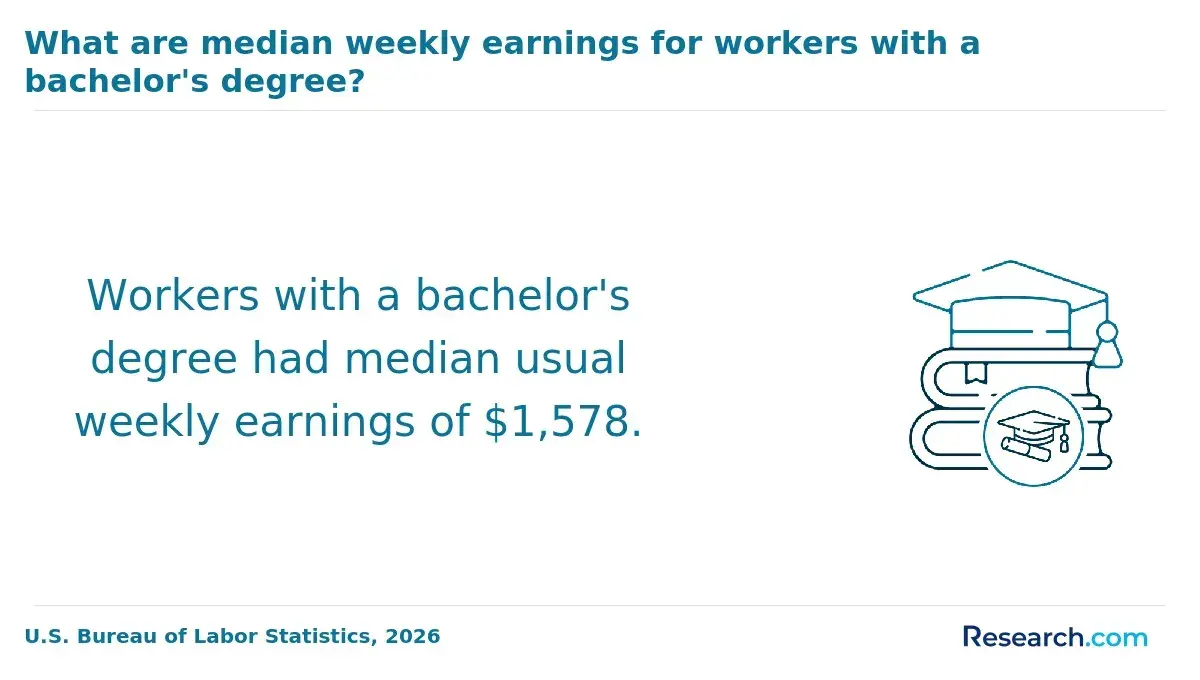
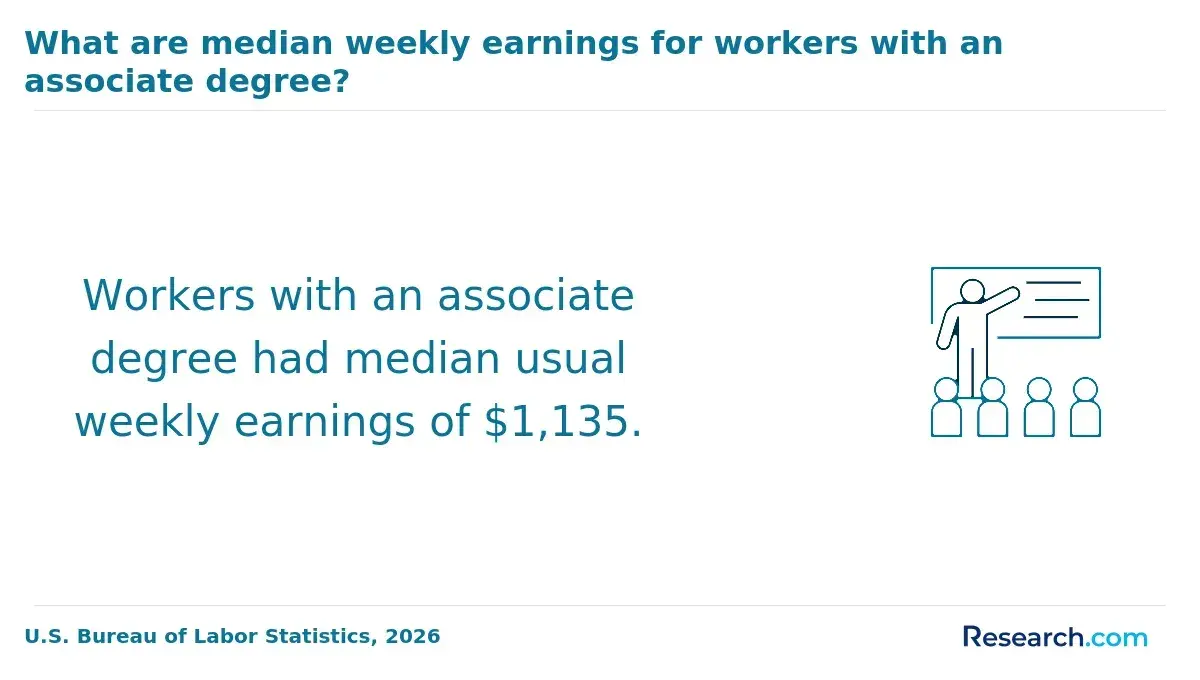
There is no single nationwide degree requirement for this specialty. Employers may seek an associate degree, a bachelor's degree with paralegal coursework, or a post-baccalaureate paralegal certificate; expectations vary by employer and jurisdiction. If you already have a bachelor's degree, online paralegal certificate education may be a more direct route than another full degree, provided its coursework meets your hiring goals.
These common routes differ most in their entry point and the amount of general education they include. None, by itself, establishes franchise-law expertise.
| Education route | Potential fit | Trade-off to check |
| Associate degree in paralegal studies | Students seeking general education and entry-level legal training together | May take longer than a certificate if substantial college credit is already complete |
| Bachelor's degree with paralegal coursework | Students who also want a broader undergraduate degree | Check how much hands-on paralegal training the degree actually includes |
| Post-baccalaureate paralegal certificate | Bachelor's graduates seeking focused legal-support preparation | Confirm prerequisites, credit status, practical assignments, and employer recognition |
Institutional accreditation concerns the college or other institution. Separately, the American Bar Association approves qualifying paralegal education programs; it does not accredit colleges through that approval or certify their graduates as paralegals. Check the current status of the specific program if ABA approval matters to you. A Master of Legal Studies or similar non-JD degree can build legal knowledge, but it is not a substitute for practical paralegal training in every hiring market and does not qualify its holder to practice law.
Which Courses Prepare Paralegals for Franchise Contracts and Business Organizations?
Start with contracts and business organizations, then look for assignments that require research, drafting support, and document control. A course title alone says little about whether students practice the work an employer needs. For someone studying alongside a job, business law study options while working can provide a comparison, but a business law degree should not be assumed to include paralegal-specific skills.
The strongest course mix connects legal concepts to supervised tasks. This comparison shows what to look for in a syllabus or course description.
| Course or skill area | Useful franchise-support application |
| Contract law and drafting | Identifying defined terms, renewal provisions, required notices, and differences between document versions |
| Business organizations | Checking entity names, formation records, ownership information, and signer authority for attorney review |
| Legal research and writing | Researching applicable federal and state requirements and summarizing findings with reliable citations |
| Business transactions and records management | Organizing disclosure materials, signature packets, calendars, and closing records |
| Intellectual property and dispute resolution | Understanding why trademark provisions and dispute clauses need careful escalation to counsel |
Franchise-specific coursework or a supervised project can add value, particularly if it uses realistic FDDs and agreements. Do not mistake software named on a course page for hands-on proficiency: ask whether students receive access, complete assessed assignments, and learn to protect confidential information.
What Do Franchise Law Paralegals Do for Attorneys and Franchise Businesses?
In a law firm or an in-house legal team, a franchise paralegal may assemble FDD materials, compare contract drafts, coordinate signatures, maintain franchisee files, and track renewal or registration calendars. Work can also involve checking corporate records, collecting information from business teams, and preparing research summaries for attorneys.
The precise workflow depends on the employer and the states involved. Federal disclosure rules and applicable state requirements can both matter, so a single checklist may not fit every transaction. The attorney remains responsible for legal judgment and advice; the paralegal's value lies in accurate preparation, organization, and timely escalation of discrepancies. Experience in franchise operations or contract administration can help, but it does not replace training in legal research, confidentiality, and supervision.
Are Online or Campus-Based Paralegal Programs Better for Franchise Law?
Neither format is inherently better. An online program may make it easier to continue working, while campus classes may offer a useful routine and direct access to instructors or local placements. Compare the actual schedule and assignments, not just the delivery label: online classes may have live meetings, fixed deadlines, proctored exams, or an in-person internship.
For either format, request examples of contracts and business-entity assignments and ask how instructors assess research and document accuracy. If an internship is required, confirm who finds the placement, when it must occur, and whether your current job can qualify. When comparing lower-tuition accredited online paralegal programs, verify institutional accreditation and any claimed ABA program approval separately; lower advertised tuition does not establish equal credit value, practical training, or total cost.
How Long Does Franchise-Focused Paralegal Training Take and Cost?
Time and cost depend chiefly on your starting education, the credential's required courses, your course load, and whether classes are offered when you need them. A focused certificate may avoid repeating general education already completed, while an associate or bachelor's route can serve students who also need a degree. Extra contracts or business-law electives may extend any route.
Compare each program's published 2026-27 tuition and mandatory fees on the same basis, then account for books, research-platform charges, technology, commuting, and unpaid placement time. Ask for a program-specific cost estimate and a course sequence showing when you could finish. Do not assume a certificate qualifies for federal financial aid: eligibility depends on the institution, the specific program, and the student. Paying for a longer credential makes sense only if its additional credit, depth, or opportunities advance your goal.
What Admission Requirements Apply to Paralegal Training Programs?
Requirements vary by credential and school. An associate program may admit students beginning college, whereas a post-baccalaureate certificate requires a completed bachelor's degree. Some programs also specify prior coursework, transcripts, minimum academic standing, or writing materials. Distinguish an admissions requirement from a recommended preparation course before ruling out a program.
Application steps matter if you are comparing start dates while employed. A guide to legal studies programs without application essays can help you explore alternatives, but legal studies admissions policies do not establish the requirements of a particular paralegal program. Obtain that program's current admissions checklist. If you hope to apply earlier college work, ask the receiving institution which credits it will accept and how they will count toward this credential.
Do Paralegals Need Licensure or Certification to Support Franchise Law?
There is no universal U.S. license or franchise-specific professional certification required to perform supervised paralegal work. State rules and employer expectations can differ, so check the jurisdiction where you expect to work. Completing a school's paralegal certificate documents education; earning a professional certification requires meeting a credentialing organization's separate standards.
For example, NALA awards the Certified Paralegal credential, and the National Federation of Paralegal Associations offers the PACE Registered Paralegal credential. Check each organization's current eligibility and examination rules rather than assuming a particular course automatically qualifies you. Optional certification may demonstrate general paralegal knowledge, but contracts experience and accurate work samples may be more directly useful for a franchise-support opening.
How Much Do Franchise Law Paralegals Earn?
The Bureau of Labor Statistics reports median annual pay of $62,890 in May 2025 for paralegals and legal assistants. That is a national figure for a broad occupation, not a franchise-law-specific salary or an expected starting offer.
Pay for an individual opening can vary with location, employer, experience, and the scope of transaction or compliance work. Compare actual job postings for the market where you plan to work, and weigh compensation against the tuition and time required for additional training. A specialty course alone does not establish a pay premium.
What Job Outlook and Skills Should Franchise Law Paralegals Expect?
The Bureau of Labor Statistics projects 0% growth for paralegals and legal assistants from 2025 to 2035, while projecting about 40,800 openings per year, largely from workers leaving the occupation. These figures cover all practice areas, not franchise law specifically. They support a realistic plan to compete for openings rather than an assumption that specialty training creates a separate expanding job category.
Strong candidates can track document versions, write concise research summaries, manage deadlines, use spreadsheets carefully, and flag inconsistent entity or contract information for attorney review. Legal technology and AI-assisted drafting may speed parts of that work, but they increase the importance of checking sources, confidentiality, and output accuracy. An experienced paralegal may pursue more complex transactions or move toward legal operations or compliance; someone primarily seeking business-law knowledge for a nonparalegal role might instead compare choosing an online business law master's by duration with shorter coursework and employer training.
Before enrolling, compare local job descriptions with the program's required courses, request sample practical assignments, and confirm total cost, scheduling, and placement rules. A common costly mistake is choosing a program for its franchise-related marketing language without verifying that it teaches contracts, entity records, research, and supervised document work.
Other Things You Should Know About Law & Paralegal
No. An FDD provides prescribed information to a prospective franchisee; the franchise agreement sets out contractual rights and obligations. A paralegal may organize or compare both, but an attorney interprets their legal effect.
Yes. Familiarity with franchise terminology and business workflows can help you communicate with a legal team. You will still need legal research, document-handling, and confidentiality skills.
Do not use client or employer documents without authorization, even if identifying details are removed. Ask for permission or create a clearly labeled fictional research summary or document-comparison sample.
It may be, depending on the employer's policies and the work involved. Remote access does not remove confidentiality duties, attorney-supervision requirements, or the need to follow rules applicable to the jurisdictions involved.
References
- Basic Information About Operating Agreements | Small Business Administration https://www.sba.gov/sba-newsroom/2016/05/18/basic-information-about-operating-agreements/
- A Consumer's Guide to Buying a Franchise | Federal Trade Commission https://www.ftc.gov/business-guidance/resources/consumers-guide-buying-franchise
- Paralegal Studies | ccp.edu https://www.ccp.edu/degree-programs/paralegal-studies
- Legal Ethics for Paralegals: Essential Principles and Real-World Dilemmas | Rasmussen University https://www.rasmussen.edu/degrees/justice-studies/blog/legal-ethics-for-paralegals/
- Paralegal Studies Certificates - [email protected] https://gpem.luc.edu/portal/program
- Paralegal Studies - Corporate Practice Certificate https://catalog.luc.edu/graduate-professional/continuing-professional-studies/corporate-practice-certificate-paralegal-studies/
- certificate-certification | americanbar.org https://www.americanbar.org/groups/paralegals/blog/Certificate-Certified/
- Item 22 of the Franchise Disclosure Documents: Contracts https://franchise.law/franchise-disclosure-document/item-22/
- A Guide to Franchise Disclosure Documents (FDDs) | Goldstein Law Firm https://www.goldlawgroup.com/franchise-business-reviews/fdd-vs-franchise-agreements/guide-franchise-disclosure-documents/


