2027 Online vs On-Campus Human Resource Management Doctorate Programs: Cost, Flexibility, and Employer Perception

Co-Founder and Chief Data Scientist
The real decision is not whether a Human Resource Management doctorate is "online" or "on campus"; it is whether the format supports your budget, schedule, research goals, and career path. The stakes are significant: the U. S. Bureau of Labor Statistics reported a median pay of $140,030 for human resources managers in May 2024. This guide is for working HR professionals, aspiring faculty, consultants, and executives comparing doctoral formats. You will learn how cost, flexibility, fieldwork, dissertation support, and employer perception should shape your choice.
Key Things to Know About Online vs On-Campus Human Resource Management Doctorate Programs
- Online HRM doctorates usually offer the strongest flexibility for working professionals, but students must verify synchronous class times, residency requirements, dissertation support, and whether the diploma or transcript identifies the delivery format.
- National data does not isolate average HRM doctorate tuition by online versus on-campus format; the best current benchmark is NCES graduate tuition data, which reported average graduate tuition and required fees of $12,596 at public institutions and $29,931 at private nonprofit institutions for 2022-23.
- Employer perception is generally strongest when the program is regionally accredited, research-intensive, and aligned with the target role; BLS data shows HR manager employment is projected to grow 6% from 2023 to 2033, but format alone does not determine job outcomes.
What are the key differences between online vs on-campus Human Resource Management doctorate programs?
Online and on-campus Human Resource Management doctorate programs usually cover similar doctoral-level themes: strategic HR, organizational behavior, workforce analytics, employment law, leadership theory, research methods, and dissertation or applied research design. The main difference is how students access faculty, peers, research resources, residencies, and professional networks.
An online doctorate often fits HR leaders who need to remain employed while studying. An on-campus doctorate may be better for students who want intensive faculty contact, teaching assistantships, campus-based research roles, or a traditional academic environment. If you are still building graduate-level HR knowledge before doctoral study, comparing best online masters degree in human resource management programs can also help you understand how online HR education is structured before committing to a doctorate.
The table below summarizes the format differences that most often affect cost, workload, and career fit.
| Comparison area | Online HRM doctorate | On-campus HRM doctorate | Why it matters |
| Course delivery | Asynchronous, synchronous, or hybrid coursework | In-person seminars and scheduled campus meetings | Determines how easily study fits around work and family obligations |
| Networking | Virtual cohorts, online faculty meetings, professional residencies | Daily campus interaction, seminars, research groups, faculty access | Can shape mentorship, references, research collaboration, and academic visibility |
| Program pacing | Often part-time or executive-friendly | Often full-time, though part-time options exist | Affects completion timeline, income continuity, and workload intensity |
| Research support | Remote advising, digital library access, virtual dissertation defenses | In-person advising, campus labs, colloquia, teaching opportunities | Important for students targeting faculty, research, or evidence-based consulting roles |
| Cost structure | Often per-credit tuition with technology and residency fees | May include tuition differentials, campus fees, relocation, commuting, or housing | Total cost can differ significantly even when tuition looks similar |
Do not assume one format is automatically better. A senior HR director pursuing executive consulting may gain more from a flexible online DBA-style program, while a future professor may benefit from an on-campus PhD with teaching and research assistantship opportunities.
Are online Human Resource Management doctorate programs as rigorous as on-campus programs?
Online HRM doctorate programs can be as rigorous as on-campus programs when they use the same academic standards: regional accreditation, doctoral-level faculty, advanced research methods, a formal dissertation or doctoral project, comprehensive exams or milestones, and clear academic progress rules. Rigor depends more on program design than delivery format.
The strongest online programs require substantial reading, original research, statistical or qualitative analysis, scholarly writing, and committee review. The weaker programs, regardless of format, tend to be vague about faculty qualifications, dissertation expectations, research methods training, or graduation requirements.
Use the following quality checks before assuming an online or on-campus doctorate is academically strong:
- Confirm regional accreditation for the institution and any relevant business-school accreditation, such as AACSB, ACBSP, or IACBE, when applicable.
- Review faculty publications in HRM, organizational behavior, labor relations, leadership, workforce analytics, or related fields.
- Ask whether online and on-campus students complete the same research methods sequence, dissertation milestones, and committee review process.
- Check whether the program publishes dissertation titles, completion expectations, residency rules, and student support services.
- Look for transparent admissions criteria, including master's degree expectations, professional experience requirements, writing samples, interviews, and research-fit review.
A common mistake is treating convenience as a substitute for quality. A flexible doctoral program still requires sustained writing, research discipline, and faculty feedback. If a school advertises a doctorate as fast, easy, or dissertation-free without explaining the scholarly alternative, treat that as a red flag.
How does scheduling flexibility differ between online and on-campus Human Resource Management doctorate programs?
Scheduling flexibility is usually the biggest practical difference. Online HRM doctorate programs often serve working adults, so coursework may be asynchronous, evening-based, weekend-based, or cohort-based. On-campus programs usually follow the academic calendar and may expect students to attend seminars, faculty meetings, research events, or teaching assignments during the workday.
NCES distance education data published in recent IPEDS releases shows that graduate-level online enrollment remains a major part of U.S. higher education, which reflects demand from students who cannot pause their careers to study full time. For HR professionals, that matters because doctoral study often overlaps with demanding leadership roles, compliance deadlines, employee relations issues, and organizational change projects.
The table below compares common scheduling models so you can identify which format best matches your weekly availability.
| Format | Typical schedule | Best fit | Main risk |
| Fully asynchronous online | Weekly deadlines with no required live class meetings | Students with unpredictable work schedules or frequent travel | Requires strong self-management and consistent writing time |
| Synchronous online | Live evening or weekend sessions | Students who want structure without relocating | Time-zone conflicts or missed sessions can affect progress |
| Hybrid or low-residency | Online coursework plus required campus intensives | Students who want flexibility and occasional in-person networking | Travel costs and residency dates can disrupt work plans |
| Traditional on-campus | Scheduled daytime or evening campus meetings | Students who can relocate or reduce work hours | Less flexible for full-time employees |
Students comparing flexible doctoral options often look across adjacent business fields, too. For example, a project management degree online may appeal to professionals whose HR work is heavily focused on change management, workforce transformation, or operations improvement.
Before enrolling, map a normal week with work, family, class sessions, reading, writing, research, and meetings with your advisor. If the schedule only works during a quiet month at work, it probably is not sustainable for a multi-year doctorate.
Fieldwork in HRM doctoral programs may include organizational research, applied consulting projects, interviews, survey design, case studies, workforce data analysis, internships, teaching practice, or executive leadership projects. Unlike clinical doctorates, HRM doctorates typically do not have a uniform national fieldwork requirement, so the school's model matters.
Online programs often let students complete applied research in their own workplace or professional network, subject to institutional review board approval and conflict-of-interest rules. On-campus programs may connect students with faculty-led research, local organizations, teaching assignments, or campus-based centers.
Use this checklist to avoid surprises before you apply:
- Ask whether fieldwork, applied research, internships, or residencies are required for all students or only for certain concentrations.
- Confirm whether your current employer can serve as a research site and whether supervisor approval is needed.
- Ask how the program handles human-subjects research, employee survey data, confidentiality, and organizational permissions.
- Review whether travel, campus attendance, or local placement is required during any stage of the program.
- Check whether the school provides placement support or expects students to identify their own field sites.
Professionals whose HR work overlaps with operations, implementation, or cross-functional initiatives may also compare the structure of a project management degree when deciding whether an HRM doctorate is the most direct path for their goals.
The biggest mistake is assuming "online" means "no in-person requirements." Many online doctorates include short residencies, dissertation intensives, orientation weekends, or defense requirements. Always request the full academic calendar and residency schedule before committing.
The dissertation or doctoral project is where format differences become most visible. On-campus students may have more informal access to faculty, research seminars, writing groups, and peer feedback. Online students may rely more on structured virtual advising, digital library tools, scheduled committee meetings, and remote writing support.
The academic expectation should still be comparable: students must identify a research problem, review scholarly literature, design a defensible method, collect or analyze data, interpret findings, and complete committee-approved writing. In HRM, dissertation topics often focus on retention, employee engagement, diversity and inclusion, leadership development, workforce analytics, labor relations, or organizational culture.
The table below shows how dissertation support commonly differs by format.
| Dissertation element | Online format | On-campus format | What to verify |
| Advisor access | Scheduled video meetings, email feedback, online advising portals | Office meetings, seminars, informal faculty contact | Advisor load, response time, and committee formation process |
| Research training | Online methods courses and virtual software support | Campus methods sequence, workshops, and peer labs | Depth of quantitative, qualitative, and mixed-methods preparation |
| Writing support | Remote writing centers and dissertation boot camps | Campus writing groups and faculty workshops | Whether doctoral-level editing and proposal support are available |
| Defense | Often virtual or hybrid | Usually in person, though hybrid options may exist | Travel expectations and technology requirements |
Ask direct questions about completion support, not just curriculum. A program with strong coursework but weak dissertation advising can become expensive if students linger in doctoral candidacy for extra terms.
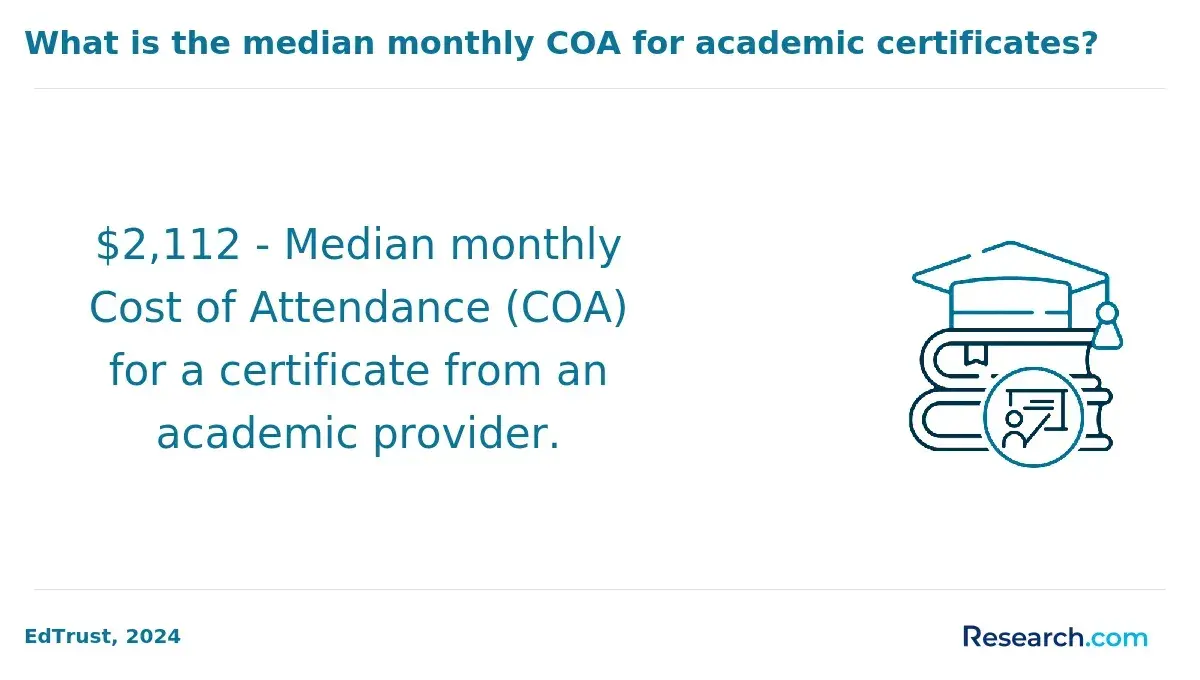
There is no single national database that reports average tuition specifically for online versus on-campus Human Resource Management doctorate programs. The most reliable current benchmark is broader graduate tuition data from NCES, combined with school-published per-credit doctoral tuition and fee schedules.
NCES graduate tuition data published in the Digest of Education Statistics reported these average tuition and required-fee benchmarks for 2022-23:
- Public institutions: $12,596
- Private nonprofit institutions: $29,931
- Private for-profit institutions: $14,161
These figures are useful as a baseline, but they are not HRM-doctorate-specific and they do not separate online from on-campus delivery. In practice, online doctoral tuition may be charged per credit at a flat rate, while on-campus tuition may vary by residency status, full-time enrollment, assistantship eligibility, and campus fees.
The table below explains which tuition elements usually differ by format.
| Tuition element | Online HRM doctorate | On-campus HRM doctorate | Decision impact |
| Base tuition | Often per credit, sometimes the same for in-state and out-of-state students | May vary by resident, nonresident, full-time, or part-time status | Online can be simpler to forecast, but not always cheaper |
| Mandatory fees | Technology, online learning, library, graduation, and residency fees | Campus, student activity, health, transportation, and facility fees | Fees can narrow or eliminate any tuition savings |
| Assistantships | Less common, though some online students may receive employer tuition support | More common in research-oriented campus programs | Assistantships can make on-campus study financially competitive |
| Residency costs | Travel and lodging for required intensives, if applicable | Relocation, housing, commuting, and parking | Total cost depends on where you live and whether you can keep working |
If you are comparing doctoral study with other graduate business paths, an MBA operations management online may provide a useful cost and flexibility benchmark, especially if your goal is broader organizational leadership rather than HR scholarship.
A practical way to compare tuition is to calculate the total number of required credits, multiply by the per-credit rate, then add mandatory fees, residency travel, dissertation continuation fees, books, software, and lost income. Do this for each program before deciding that one format is more affordable.
Cost of attendance is broader than tuition. It includes fees, books, software, transportation, housing, childcare, lost wages, health insurance, conference travel, dissertation costs, and loan interest. For many HR doctoral students, the largest financial difference is not tuition but whether they can keep working full time.
The U.S. Department of Education's College Scorecard is the best program-level tool for checking debt and earnings where data is available, but it often suppresses small doctoral program data for privacy. That limitation is important because HRM doctoral cohorts are usually small, so national averages by format can be incomplete or unavailable.
The table below shows cost categories students often miss when comparing online and on-campus formats.
| Cost category | Online students should check | On-campus students should check | Why it matters |
| Income continuity | Whether the program can be completed while working | Whether attendance requires reduced hours or relocation | Lost income can exceed tuition differences |
| Residency and travel | Flights, hotels, meals, ground transportation, and time off work | Daily commuting, parking, relocation, or campus housing | Travel costs are easy to underestimate |
| Technology | Computer upgrades, webcam, software, statistics tools, and reliable internet | Software, printing, campus technology fees, and commuting tools | Research software may be required in either format |
| Dissertation phase | Continuation tuition, editing, transcription, survey tools, and data collection | Continuation tuition, campus fees, research travel, and conference costs | Extra dissertation terms can raise total cost significantly |
| Financial aid | Federal aid eligibility, employer reimbursement, scholarships, and payment plans | Assistantships, fellowships, tuition waivers, loans, and scholarships | A higher sticker price may be offset by stronger aid |
To estimate your true cost, build two budgets: one based on minimum advertised tuition and one based on a slower completion timeline. The second budget is often more realistic because doctoral writing, committee review, and data collection rarely move perfectly.
Employer perception depends less on the delivery format and more on the credibility of the institution, the relevance of the research, the graduate's experience, and the role being pursued. In corporate HR, executive leadership, consulting, and learning and development, employers typically care whether the doctorate strengthens decision-making, analytics, organizational strategy, and evidence-based practice.
For academic hiring, format may matter indirectly. Search committees often evaluate research output, teaching experience, publications, dissertation quality, faculty recommendations, and institutional reputation. A strong online doctorate with rigorous research expectations may be respected, but an on-campus PhD with teaching assistantships and faculty co-authorship opportunities may provide advantages for tenure-track roles.
The table below outlines how employers may evaluate doctoral credentials in different HR-related career paths.
| Career path | What employers usually evaluate | Online format consideration | On-campus format consideration |
| Corporate HR leadership | Strategic impact, executive communication, compliance judgment, workforce analytics | Often acceptable when accredited and paired with strong experience | May help through alumni networks and campus recruiting connections |
| HR consulting | Methodological credibility, client results, specialization, thought leadership | Can fit well if research is applied and publishable | Can support stronger in-person networking and research collaboration |
| Higher education faculty | Research agenda, teaching record, publications, dissertation quality | Needs clear evidence of scholarly rigor and teaching preparation | May offer more direct teaching and research assistantship opportunities |
| Training and organizational development | Leadership development, learning strategy, assessment, change management | Works well for employed professionals applying research to practice | May offer campus-based labs or supervised teaching practice |
The practical question is not "Will employers accept online?" but "Will this specific program produce the evidence employers want?" Evidence may include publications, conference presentations, analytics projects, consulting outcomes, teaching experience, or a dissertation aligned with the role you want.
Program format can affect job prospects, but usually through access to opportunities rather than the word "online" or "on campus." On-campus students may have more access to teaching assistantships, faculty research teams, academic conferences, and campus recruiting. Online students may have stronger continuity in their current careers, allowing them to apply doctoral research directly to real workplace problems.
BLS projects employment for human resources managers to grow 6% from 2023 to 2033, which is faster than the average for all occupations. This outlook suggests continued demand for HR leadership, but it does not mean every doctoral graduate will need or benefit from the degree. The doctorate is most useful when it supports a specific goal: faculty work, senior strategy roles, consulting, research leadership, or evidence-based organizational change.
Think about job prospects in terms of what each format helps you build. Online students should deliberately seek visibility through conferences, publications, professional associations, and dissertation topics tied to measurable HR problems. On-campus students should use faculty access, teaching opportunities, and research networks to build a portfolio beyond coursework.
Before choosing a format, compare it against the role you want:
- Choose online if you need to keep a senior HR role, want to apply research in your current organization, and can manage independent study without frequent in-person structure.
- Choose on campus if you want a research-intensive academic path, need teaching assistantship experience, or value daily faculty and peer interaction.
- Consider hybrid if you want flexibility but still need residencies, cohort relationships, and in-person dissertation support.
- Avoid any format if the program cannot clearly explain dissertation support, faculty expertise, accreditation, graduate outcomes, or total cost.
How do you choose between online and on-campus Human Resource Management doctorate programs?
The best choice is the format that fits your career goal, learning style, support needs, financial limits, and research agenda. A convenient program is not automatically a good investment, and a prestigious campus program is not automatically practical if it forces you to leave a strong HR career.
Use a structured decision process rather than comparing programs by tuition or modality alone:
- Define the job outcome you want, such as tenure-track faculty, HR executive leadership, workforce analytics leadership, consulting, or organizational development.
- Decide whether you need a PhD-style research doctorate, a DBA-style applied doctorate, or another credential that better fits your goal.
- Verify regional accreditation, faculty expertise, dissertation expectations, and whether online and on-campus students meet comparable academic standards.
- Calculate total cost of attendance, including fees, travel, residency, technology, dissertation continuation terms, and potential lost income.
- Ask admissions for completion data, dissertation support details, residency calendars, cohort size, advisor assignment process, and graduate career examples.
- Compare networking opportunities, teaching experience, research collaboration, conference support, and employer-facing credibility.
- Choose the format that gives you the strongest path to your target role at a cost and pace you can realistically sustain.
Also watch for red flags. Be cautious if a school avoids questions about accreditation, advertises unusually fast completion, lacks identifiable faculty in HRM-related fields, provides vague dissertation guidance, or will not disclose fees and residency requirements before enrollment.
A strong final test is simple: if you removed the word "online" or "on campus," would the program still look academically credible, financially realistic, and professionally aligned with your goal? If yes, the format may be a good fit. If no, keep comparing.
Other Things You Should Know About Human Resource Management
Many HRM doctoral programs take about three to seven years, depending on program type, enrollment pace, dissertation progress, and whether the student studies full time or part time. The dissertation stage is often the biggest variable.
Some programs require standardized tests, but many doctoral programs now make the GRE or GMAT optional or waive it for applicants with strong graduate records or professional experience. Always confirm the current admissions policy with each school.
Sometimes, but transfer limits are usually strict at the doctoral level. Schools may cap transferable credits, reject older coursework, or require research-methods and dissertation courses to be completed in residence.
A PhD is usually better for research-intensive academic careers, while a DBA may fit experienced professionals focused on applied leadership, consulting, or organizational problem-solving. The better choice depends on your target role and research goals.
- Best Online MBAs in Human Resources | OnlineMBA.com https://www.onlinemba.com/rankings/best-online-mba/human-resources/
- Human Resources Master’s Programs Online: Compare Top Schools https://www.onlinemastersdegrees.org/best-programs/business/human-resources/
- How Much Does a PhD Cost https://aituedu.org/how-much-does-a-phd-cost/
- Study Human Resource Management: All you need to know https://www.study.eu/article/study-human-resource-management-hrm
- Executive PhD Program Explained for Working Professionals https://mbalondon.org.uk/executive-phd-program-explained-for-working-professionals/
- How Employers View Online Degrees: Interviews with Nine Hiring Executives https://www.onlineeducation.com/features/how-employers-view-online-degrees
- 2025 Most Affordable Online Human Resources Degrees https://www.onlineu.com/most-affordable-colleges/human-resources-degrees
- Online MPA Programs with a Specialization in Human Resource Management https://www.onlinempaprograms.com/specializations/human-resource-management
- Online vs regular MBA cost: A Complete Cost Analysis https://ebsedu.org/blog/online-vs-regular-mba-cost/