2027 Online Strategic Management Doctorate Programs for First-Time Doctoral Students

Co-Founder and Chief Data Scientist
Choosing an online strategic management doctorate is a high-stakes decision because the degree can reshape your leadership, consulting, teaching, or research path, but it also requires years of disciplined work. The U. S. Bureau of Labor Statistics reported a May 2024 median annual wage of $101,190 for management analysts, showing why advanced strategy expertise remains valuable in business decision-making. This guide is for first-time doctoral students comparing online options, research expectations, costs, support, and outcomes so they can decide whether doctoral study is the right next move.
Key Things You Should Know
- The best fit for most first-time doctoral students is usually a regionally accredited online DBA, PhD, or professional doctorate with a clear strategy concentration, structured research sequence, and documented faculty mentoring rather than a program that simply advertises "flexibility."
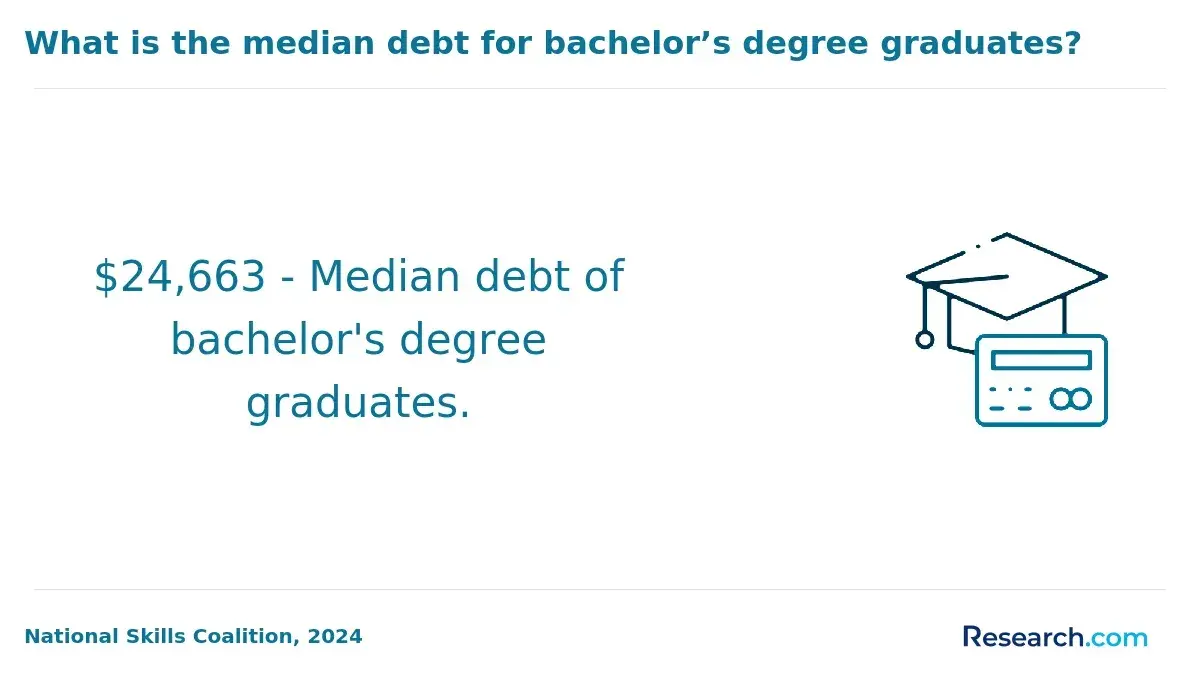
- Cost planning matters early: federal graduate Direct Unsubsidized Loans are capped at $20,500 per academic year, and 2024-2025 federal rates were 8.08% for graduate unsubsidized loans and 9.08% for Grad PLUS loans, so total borrowing can grow quickly.
- Career value depends on your target role; BLS 2024 data shows strategy-adjacent roles vary widely, with management analysts at a $101,190 median wage and postsecondary business teachers at a $97,640 median wage, but a doctorate does not guarantee either path.
Which Online Strategic Management Doctorate Programs Are Best for First-Time Doctoral Students?
The best online strategic management doctorate for a first-time doctoral student is not always the most famous or the fastest. It is the program whose structure matches your experience level, research readiness, career goal, schedule, and need for faculty guidance.
Strategic management doctorates usually appear as PhD in Business Administration programs, Doctor of Business Administration programs, Doctor of Strategic Leadership programs, or related management doctorates with strategy, innovation, entrepreneurship, organizational change, or leadership concentrations. Students who want a broader leadership-focused path may also compare a doctorate in organizational leadership online, especially if their goals center on change leadership rather than strategy research.
The table below compares common online doctoral pathways. Use it to identify which structure best fits your goals before looking at individual school rankings or tuition discounts.
| Program type | Best fit for first-time doctoral students | Typical final requirement | Main caution |
| PhD in Business Administration with strategy focus | Students interested in academic research, theory building, publishing, or university teaching | Dissertation | Often requires stronger research-methods preparation and more independent scholarship |
| Doctor of Business Administration with strategic management concentration | Experienced professionals who want to apply research to executive, consulting, or organizational problems | Applied dissertation, doctoral project, or dissertation | Program quality depends heavily on research mentoring and project design |
| Doctor of Strategic Leadership or management doctorate | Leaders focused on organizational transformation, governance, innovation, or complex decision-making | Dissertation, capstone, or applied project | May be less targeted if you specifically want a business-school strategy research identity |
| Executive-format online doctorate | Senior professionals who need predictable scheduling and peer-based learning | Applied research project or dissertation | May include residencies, weekend intensives, or synchronous sessions that reduce flexibility |
For a first-time doctoral student, a strong program usually has several features that are more important than advertising language. Look for these before you commit:
- Regional accreditation and, when relevant to your goals, business-school accreditation or recognized business-school quality indicators
- A published curriculum showing strategy, research methods, statistics or analytics, leadership, and ethics coursework
- A required research sequence that starts early rather than delaying doctoral writing until the dissertation stage
- Faculty whose research or professional work matches your intended topic area, such as competitive strategy, innovation, digital transformation, governance, or global strategy
- Transparent information about residencies, synchronous class meetings, dissertation milestones, transfer credits, and time-to-completion limits
A poor fit is often a program that looks easy to enter but vague about doctoral support. If the school cannot explain who advises students, how dissertation chairs are assigned, or what happens when students fall behind, first-time doctoral students should treat that as a serious red flag.
What Should First-Time Students Expect From an Online Strategic Management Doctorate?
An online strategic management doctorate is an advanced business or leadership degree focused on how organizations create direction, compete, adapt, innovate, and make high-level decisions. Unlike an MBA, which usually emphasizes broad managerial competence, a doctorate asks students to investigate complex organizational problems using scholarly research, evidence, and disciplined analysis.
Students entering from an online business degree, MBA, or management master's program should expect a major shift in learning style. Doctoral courses usually require less memorization and more synthesis, critique, research design, academic writing, and independent argumentation.
The table below summarizes what first-time doctoral students commonly encounter. It can help you decide whether you are ready for the academic level and workload.
| Program component | What it involves | Why it matters for first-time doctoral students |
| Strategy theory | Competitive advantage, industry analysis, resource-based views, innovation, governance, and organizational adaptation | Builds the conceptual foundation for doctoral research or applied strategy work |
| Research methods | Qualitative, quantitative, or mixed-methods design, literature review, data collection, and validity | Often the steepest learning curve for students who have not completed a thesis |
| Analytics and evidence-based decision-making | Interpreting organizational data, market data, case evidence, and performance indicators | Connects strategy theory to practical business decisions |
| Doctoral writing | Scholarly argument, citation discipline, synthesis, peer-reviewed literature, and revision | Determines whether students can progress through seminars and the dissertation stage |
| Independent research or applied inquiry | Original dissertation, capstone, or doctoral project tied to a strategic problem | Requires sustained motivation without the structure of weekly exams or routine assignments |
Current business conditions make doctoral strategy study especially relevant. AI adoption, digital transformation, remote work, supply chain redesign, cybersecurity risk, and data-driven competition have changed how organizations set strategy. A strong doctorate should help students evaluate these issues with evidence rather than relying only on executive intuition or popular business trends.
First-time doctoral students should also understand who should wait. If you do not yet have a clear career goal, cannot dedicate regular weekly study time, struggle with long-form writing, or need the degree mainly for a short-term promotion, a master's degree, graduate certificate, or professional development path may be more practical for now.
What Admissions Requirements Should First-Time Applicants Expect for an Online Strategic Management Doctorate?
Admissions requirements vary by school, but most online strategic management doctorate programs want evidence that applicants can handle graduate-level business concepts, doctoral writing, independent research, and sustained professional inquiry. First-time doctoral status is not usually a disadvantage if the applicant shows preparation and a realistic plan.
Applicants who are still building leadership, organizational change, or management foundations may want to compare master's-level options first, including the best organizational development master's programs online. A stronger master's record can make a future doctoral application more credible and may reduce the risk of starting before you are ready.
The table below outlines typical admissions elements and how first-time doctoral applicants should interpret them. Requirements differ, so always verify the current catalog and admissions page before applying.
| Requirement | Common expectation | What first-time applicants should check |
| Prior degree | Master's degree in business, management, leadership, public administration, or a related field; some programs admit bachelor's-prepared students into longer pathways | Whether bridge courses are required if your degree is outside business |
| Graduate GPA | Often a minimum graduate GPA set by the school | Whether the program reviews the full application if your GPA is below the preferred range |
| Professional experience | Commonly expected for DBA and executive doctorates | Whether your experience includes strategic, managerial, consulting, entrepreneurial, or organizational decision-making responsibilities |
| Writing sample or essay | Statement of purpose, research interest, leadership problem, or academic writing sample | Whether you can explain a focused strategic problem instead of a broad interest in "business leadership" |
| Research preparation | Prior statistics, research methods, thesis, capstone, or evidence-based professional project may help | Whether the curriculum teaches methods from the beginning or assumes prior competence |
| Interview | Some programs use interviews to assess fit, motivation, and topic clarity | Whether faculty discuss your goals honestly or mostly sell the program |
Before applying, first-time doctoral students should complete a readiness check. This helps you avoid spending application fees on programs that do not match your preparation.
- List your highest degree, major, graduate GPA, statistics or research coursework, and any thesis, capstone, or major analytical project.
- Write a one-paragraph description of the strategic problem you want to study, such as market entry, innovation adoption, executive decision-making, or organizational resilience.
- Identify whether your goal is academic research, consulting, executive advancement, teaching, or applied organizational problem-solving.
- Compare your background with each program's admissions criteria and note any missing prerequisites.
- Ask admissions whether admitted students with your background typically need bridge courses, writing support, or extra research preparation.
A common mistake is assuming that a master's degree automatically means you are ready for doctoral work. Master's programs often teach you to apply knowledge; doctoral programs expect you to critique, extend, or generate knowledge. That difference matters more than the degree title on your transcript.
Research support is one of the biggest differences between an online doctorate that is manageable for first-time doctoral students and one that becomes isolating. Strategic management research can involve literature reviews, interviews, surveys, case studies, archival data, organizational performance data, or applied consulting-style inquiry, depending on the program.
First-time doctoral students should look for support that begins in the first term, not only after coursework is finished. The most useful programs build research confidence gradually.
The table below shows common support features and why they matter. Use it when speaking with admissions advisors, faculty, or current students.
| Support feature | What it should provide | Why it matters |
| Doctoral writing center | Help with synthesis, APA or other citation formats, literature review structure, and revision | Writing quality often determines progress more than content knowledge alone |
| Research-methods sequence | Step-by-step exposure to qualitative, quantitative, and mixed-methods approaches | Reduces the risk of reaching the dissertation stage without a workable design |
| Library and database training | Guidance on peer-reviewed journals, business databases, citation tools, and literature search strategy | Strategic management research depends on current scholarly and professional evidence |
| Statistics or analytics tutoring | Support for interpreting data, selecting methods, and understanding software output | Helpful for students whose professional strengths are leadership-oriented rather than quantitative |
| Institutional review guidance | Training on human-subjects research, informed consent, and ethical data collection | Essential if your project involves employees, managers, customers, or organizational participants |
When evaluating support, ask specific questions rather than accepting general promises. Strong questions include the following:
- When do students begin developing dissertation or project topics?
- How are research mentors, dissertation chairs, or committee members assigned?
- What happens if a student's original topic is too broad or not researchable?
- Are statistics, qualitative methods, and research software support included in tuition or charged separately?
- Can online students access librarians, writing coaches, and faculty during evening or weekend hours?
- What percentage of students advance from coursework to the dissertation or project phase within the expected timeline?
A major red flag is a program that separates coursework from research too sharply. If students spend two years completing classes and only then learn that their topic is unrealistic, the delay can increase cost, frustration, and attrition risk.
The final doctoral requirement has a major effect on workload, timeline, stress level, and career value. First-time doctoral students should not treat "dissertation," "capstone," and "applied project" as interchangeable terms because each one may require a different level of original research, methodological rigor, and committee review.
In strategic management, the final project often connects to a real organizational issue: competitive positioning, digital transformation, merger integration, innovation strategy, governance, market expansion, or leadership decision-making. The right format depends on whether you want to contribute mainly to scholarship, solve a professional problem, or teach and consult from an evidence-based foundation.
The table below compares common final-project models. It can help you identify which requirement fits your goals and tolerance for independent research.
| Final requirement | Primary purpose | Best fit | First-time student risk |
| Traditional dissertation | Produce original scholarly research that contributes to theory or knowledge | Students aiming for academic research, publication, or university teaching | Can be difficult without strong methodology training and sustained faculty feedback |
| Applied dissertation | Use doctoral research methods to investigate a real organizational or strategic problem | Practitioners, consultants, and executives who want research tied to practice | May still require rigorous data collection, analysis, and ethics approval |
| Doctoral capstone | Create an evidence-based solution, framework, or strategic intervention | Professionals seeking applied outcomes rather than a research-academic career | Quality varies widely; students should verify expectations and evaluation standards |
| Portfolio-based project | Build several research or applied products across the program | Students who benefit from incremental milestones | May not carry the same recognition as a dissertation for some academic roles |
Dissertation support affects completion because doctoral projects are rarely finished through motivation alone. First-time students should look for milestone-based systems that make progress visible.
- Topic-development checkpoints during coursework
- Required literature review drafts before candidacy
- Clear rules for chair selection and committee feedback timelines
- Templates or rubrics for proposals, chapters, defense materials, and final submissions
- Access to research-design consultation before data collection begins
- Transparent policies for changing topics, committee members, or research methods
A common mistake is choosing the shortest-looking capstone path without asking how it is evaluated. A weakly supported capstone can still become a long, confusing project if expectations are unclear, while a well-structured dissertation can be manageable if the program teaches research step by step.
Online doctoral programs can be flexible, but "online" does not always mean self-paced or schedule-free. First-time doctoral students should examine delivery format carefully because flexibility affects work-life balance, study consistency, and completion risk.
The National Center for Education Statistics reported in 2024 that distance education remained a major part of U.S. higher education enrollment after the pandemic-era surge. For doctoral students, this means more online choices, but also more variation in quality, support, residency expectations, and course scheduling.
The table below explains common online delivery formats. Use it to compare how each format fits your job, family responsibilities, time zone, and learning style.
| Format | How it works | Best fit | Potential challenge |
| Asynchronous online | Students complete weekly work without required live class meetings | Working professionals with unpredictable schedules | Requires strong self-management and proactive communication |
| Synchronous online | Live virtual classes meet at set times | Students who want direct interaction and accountability | May conflict with work travel, caregiving, or different time zones |
| Hybrid or low-residency | Most coursework is online, with required campus or intensive sessions | Students who value networking and in-person faculty access | Travel costs and time away from work can add to total cost |
| Cohort-based online | Students move through courses with the same group | First-time doctoral students who benefit from structure and peer support | Less flexibility if you need to pause or change pace |
| Independent-paced model | Students have more control over course timing or research pace | Highly disciplined students with prior research confidence | Can feel isolating if mentoring is limited |
Before enrolling, create a weekly time budget. Doctoral workload changes by term, but most students need recurring blocks for reading, discussion posts, research, writing, data analysis, and meetings.
- Block fixed obligations first, including work hours, commuting, caregiving, travel, and sleep.
- Add required live sessions, residencies, or group meetings from the program calendar.
- Reserve several uninterrupted writing blocks each week rather than relying only on weekends.
- Plan extra time during research-methods courses and dissertation proposal terms.
- Ask your employer whether workload flexibility, tuition assistance, or project access may be available.
One red flag is a program that advertises flexibility but requires frequent live meetings, daytime advising, or short-notice residencies. First-time students should ask for a sample course calendar before committing.
Cohorts, mentorship, and support services can determine whether a first-time doctoral student feels guided or isolated. Strategic management doctorates require long-term intellectual development, so the support structure matters as much as the course list.
A cohort model gives students a built-in peer group, shared deadlines, and predictable progress. Independent models may offer more flexibility, but they require stronger self-direction and confidence in navigating faculty relationships. Neither model is automatically better; the right choice depends on how you learn under pressure.
The table below compares support models that first-time doctoral students often encounter. It can help you identify the environment most likely to keep you moving forward.
| Support model | Strength | Best for | Watch out for |
| Structured cohort | Peer accountability, shared pacing, and consistent sequence | Students new to doctoral expectations | Limited ability to slow down without leaving the cohort |
| Faculty mentor from year one | Early topic guidance and academic socialization | Students who need help narrowing research interests | Mentor availability may vary by workload |
| Dissertation chair assigned after coursework | Allows students to explore topics before formal supervision | Students who are still defining their research area | Can delay progress if topic development starts too late |
| Peer writing or research groups | Regular feedback and accountability | Online students balancing work and study | Effectiveness depends on participation and facilitation |
| Dedicated doctoral advisor | Helps with milestones, registration, policy questions, and escalation | Students unfamiliar with doctoral bureaucracy | Advisors may not replace faculty research guidance |
Mentorship should be more than occasional encouragement. For a first-time doctoral student, good mentoring includes realistic topic feedback, methodological direction, publication or conference guidance when relevant, and help understanding doctoral norms.
Ask schools to describe support in concrete terms. Useful questions include the following:
- How often do students meet with faculty mentors before candidacy?
- Are mentors assigned by research fit, availability, student choice, or administrative process?
- What is the expected turnaround time for faculty feedback on dissertation drafts?
- Are online students included in research seminars, speaker series, or professional networking events?
- What support exists for students who stop out, fail a milestone, or need to change topics?
A common mistake is choosing a program based only on ranking, brand, or tuition. A less flashy program with strong advising, clear milestones, and responsive faculty may be a better first doctoral experience than a prestigious option with limited online student support.
Most online strategic management doctorates require a multi-year commitment. Program length depends on degree type, credits required, transfer policy, enrollment intensity, dissertation or capstone pace, and whether the student pauses for work or personal obligations.
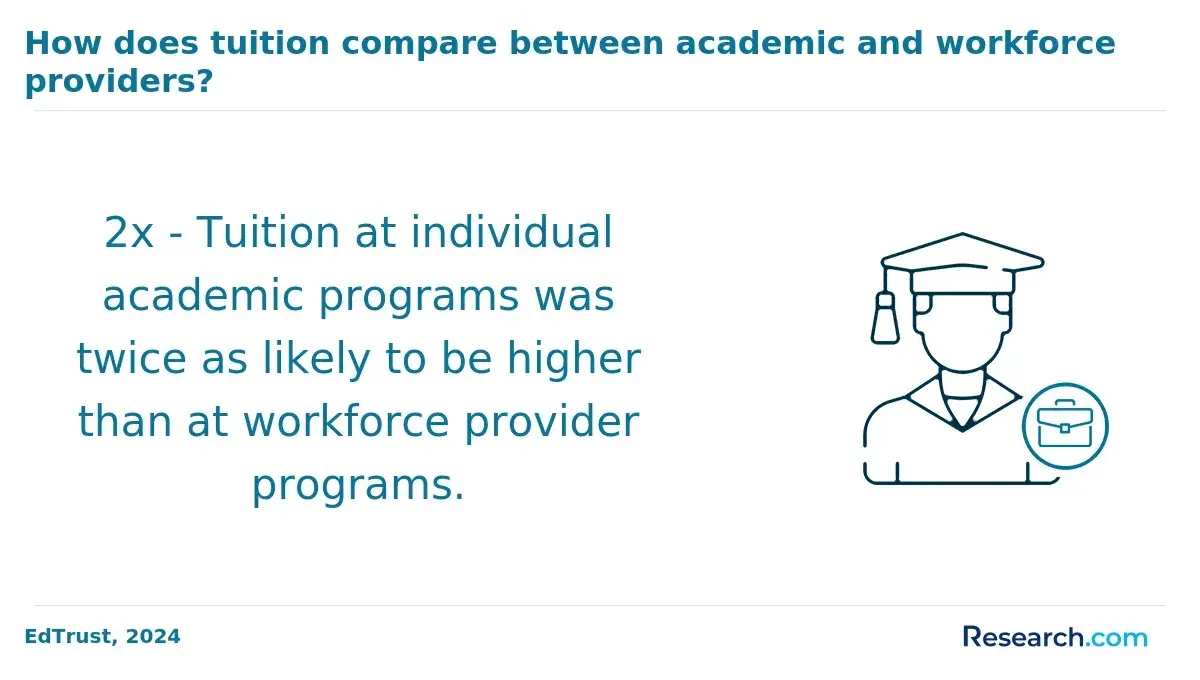
Cost is also more than tuition. First-time doctoral students should include fees, residencies, books, research software, transcript fees, dissertation continuation credits, travel, lost work time, and loan interest. Federal Student Aid listed 2024-2025 graduate Direct Unsubsidized Loan interest at 8.08% and Grad PLUS interest at 9.08%, so borrowing decisions should be made with a full completion plan rather than a first-year budget only.
The table below summarizes typical time and cost drivers. It is designed to help you compare programs using the same categories, even when schools present tuition differently.
| Factor | What to compare | Why it affects first-time students |
| Credits required | Total doctoral credits and whether master's credits are included or transferred | More required credits usually increase both tuition and time |
| Transfer credits | Maximum accepted credits, age limits, grade requirements, and course equivalency rules | Can reduce cost, but not all graduate credits apply to doctoral strategy curricula |
| Enrollment pace | Full-time, part-time, continuous enrollment, and stop-out rules | Part-time study may fit work better but extend the dissertation timeline |
| Residency requirements | Number, length, location, and travel expectations | Travel can add significant out-of-pocket costs beyond tuition |
| Dissertation or capstone fees | Continuation credits, defense fees, editing expectations, or research expenses | Students who need extra terms may pay more than the advertised program price |
| Financial aid rules | Loan eligibility, satisfactory academic progress, employer tuition benefits, and scholarships | Funding may depend on enrollment level and milestone progress |
When estimating total cost, gather the same information from each school before comparing offers. The most practical cost estimate includes the following:
- Tuition per credit or per term
- Total credits required after transfer-credit review
- Mandatory university, technology, graduation, and dissertation fees
- Residency travel, lodging, meals, and time away from work
- Books, databases, statistics software, transcription, survey tools, or editing support
- Estimated loan interest if you plan to borrow
- Employer tuition reimbursement conditions, including service commitments or grade requirements
A common mistake is focusing only on the advertised per-credit tuition. The better question is, "What will I likely pay to finish?" Ask each program for a written cost-of-attendance estimate and clarify what happens financially if the dissertation takes extra terms.
An online strategic management doctorate can support several career directions, but outcomes depend on your prior experience, industry, professional network, research focus, teaching background, and employer expectations. The degree is most valuable when it connects clearly to a target role rather than serving as a general credential.
Some students pursue doctoral study after an MBA or specialized business degree. Others may find that a focused master's pathway, such as an MBA operations management online, is enough for their immediate goal if they want operational leadership rather than research-intensive strategy work.
The BLS reported a May 2024 median annual wage of $103,840 for top executives and $97,640 for postsecondary business teachers. These figures are useful context, not promises; executive compensation varies widely by organization, and academic hiring often depends on publication record, teaching experience, institution type, and discipline fit.
The table below connects doctoral pathways with possible outcomes. Use it to assess whether the degree aligns with the work you actually want to do.
| Career direction | How the doctorate may help | Important limitation |
| Executive leadership | Strengthens strategic analysis, governance insight, evidence-based decision-making, and credibility in complex organizations | Promotion usually depends more on performance, experience, business results, and organizational opportunity than on the degree alone |
| Management consulting | Provides research-based frameworks for diagnosing strategic problems and advising leaders | Client acquisition, industry expertise, and measurable results remain essential |
| Postsecondary teaching | May qualify graduates for business faculty, adjunct, or practitioner-scholar roles | Tenure-track expectations may favor research-focused PhDs and publication records |
| Corporate strategy or innovation roles | Supports advanced analysis of markets, competition, transformation, and organizational capabilities | Employers may prioritize prior strategy experience, analytics skills, and industry knowledge |
| Research, policy, or think tank roles | Builds capability in evidence review, applied research, and organizational analysis | Role requirements vary and may require strong quantitative or publication credentials |
To judge return on investment, first-time doctoral students should avoid asking only whether the degree can increase earnings. A better ROI review considers multiple factors:
- Whether your target employers value a doctorate for the roles you want
- Whether the program's final project can produce a portfolio piece, publication, consulting framework, or applied organizational result
- Whether you can continue working while studying and avoid excessive borrowing
- Whether faculty expertise aligns with the industry or research area where you want credibility
- Whether a master's degree, certificate, or industry credential could achieve the same goal faster and at lower cost
The degree is most likely to make sense when you need doctoral-level research ability, advanced strategic credibility, or eligibility for teaching or scholar-practitioner roles. It is less likely to be the right investment if your main objective is a quick raise, a job switch into entry-level management, or a credential without a clear use case.
How Should First-Time Students Choose an Online Strategic Management Doctorate Program?
First-time doctoral students should choose an online strategic management doctorate by working backward from their goal. The right program for a future professor may be different from the right program for an executive, consultant, nonprofit leader, entrepreneur, or corporate strategist.
Start with accreditation. In the U.S., institutional accreditation affects federal financial aid eligibility, credit transfer, and employer recognition. Business-school accreditation may also matter for academic roles, but requirements vary by employer and institution. Licensure is not usually attached to strategic management itself, but students moving into education, public administration, consulting, or regulated industries should verify any employer or state-specific rules.
Use the following process to compare programs in a disciplined way:
- Define your primary outcome: academic research, college teaching, executive leadership, consulting, organizational transformation, or applied strategy work.
- Choose the degree type that matches that outcome, such as PhD for research-intensive goals or DBA/professional doctorate for applied leadership and consulting goals.
- Verify institutional accreditation and review whether business-school recognition matters for your target employers.
- Compare the curriculum for strategy depth, research methods, analytics, ethics, leadership, and dissertation or capstone preparation.
- Review faculty profiles and confirm that at least two faculty members have expertise related to your likely topic.
- Ask for written details on online format, live sessions, residencies, cohort structure, and dissertation milestones.
- Estimate total completion cost, including fees, travel, continuation credits, research expenses, and loan interest.
- Speak with current students or alumni about workload, faculty responsiveness, advising, and dissertation support.
- Compare time-to-completion expectations and policies for stopping out, changing pace, or extending the dissertation.
- Decide whether the program's support level matches your first-time doctoral needs before submitting a deposit.
Several red flags should make you slow down or keep looking. These do not always mean a program is poor, but they require follow-up before enrollment.
- The school cannot clearly explain who will supervise your research or when mentoring begins.
- The advertised timeline seems short but excludes dissertation, capstone, or continuation terms.
- Admissions staff emphasize speed and convenience more than academic expectations.
- The curriculum has little visible research-methods preparation.
- Faculty profiles are missing, outdated, or unrelated to strategic management.
- Residency, synchronous meeting, or defense requirements are difficult to find.
- Tuition estimates exclude fees or assume an unrealistically fast completion pace.
- The program cannot provide meaningful information about student support, completion patterns, or alumni outcomes.
A good program should make you feel challenged but not misled. For first-time doctoral students, transparency is a form of support: the clearer the school is about expectations, costs, milestones, and mentoring, the easier it is to decide whether you are ready.
Other Things You Should Know About Strategic Management
No. Strategic management focuses on competitive direction, organizational positioning, decision-making, innovation, and long-term performance. Organizational leadership focuses more on people, culture, change, motivation, and leadership behavior. Many doctoral programs overlap, but the research questions and career positioning can differ.
Not always, but it helps. Applicants from public administration, engineering management, healthcare administration, military leadership, nonprofit leadership, or organizational development may be competitive if they can show graduate-level preparation and strategic decision-making experience.
Employers usually focus on accreditation, institution reputation, degree relevance, your experience, and what you can do with the credential. An online format is less of a barrier when the program is properly accredited, academically rigorous, and aligned with your professional goals.
Possibly. Some programs encourage conference papers, journal submissions, or practitioner publications, especially if faculty mentors are active scholars. If publishing matters to your goals, ask whether students receive research collaboration opportunities before you enroll.
- Exploring PhD Completion Rates: How Many Finish on Time? https://wallyboston.com/phd-completion-rates/
- A Doctorate Degree in Management - Strategic Innovation and Change https://www.tuw.edu/school-news/doctorate-degree-management-strategic-innovation-and-change/
- Doctorate in Management Studies 2026 (PhD Guide) https://bheuni.io/blog/doctorate-in-management-studies
- Best Business Doctoral Programs Online 2026 https://www.onlineu.com/degrees/doctoral-business
- Where Should You Apply for a Strategy PhD? https://www.ryantallen.com/pre-phd-advice/where-to-apply/
- Strategies Used to Overcome Challenges and Graduate from Online Doctoral Programs: An Exploratory Case Study https://www.informingscience.org/Publications/5412
- PhD in Strategy and international management https://tsm-education.fr/en/programmes/doctoral-programme/strategy-and-international-management/phd
- Online MBA Programs in Strategic Management: Review Top Schools https://www.onlinemastersdegrees.org/best-programs/mba-programs/strategy/