2027 Online Security Management Degree Programs With No Letters of Recommendation Required

Co-Founder and Chief Data Scientist
Applying to an online security management degree should not stall because you cannot reach former professors or supervisors for references. Programs with no letters of recommendation required can offer a more direct application path for working adults, career changers, and transfer students.
The U.S. Bureau of Labor Statistics projects 29% employment growth for information security analysts from 2024 to 2034, underscoring demand for security-related expertise. This guide explains how to identify no-reference programs, assess their quality, compare costs, and choose an option that supports your career goals.
Key Things You Should Know
- "No letters of recommendation required" means the published application checklist does not require references; it does not mean automatic admission, and schools may still review transcripts, GPA, an essay, résumé, or placement information.
- Look first for institutional accreditation, then confirm the exact online program, delivery format, curriculum, and admissions checklist in writing; simplified admissions alone do not indicate lower quality.
- Security-related career demand remains strong: the U.S. Bureau of Labor Statistics projects 29% growth for information security analysts from 2024 to 2034, but a security management degree's value depends on the role, experience, technical skills, and certifications you pair with it.
Which Online Security Management Degree Programs Require No Letters of Recommendation?
Online security management is commonly offered as a bachelor's degree, completion degree, or concentration within homeland security, emergency management, criminal justice, or cybersecurity. A school may use "security management" to describe physical security and risk operations, while another program with a similar name may focus on information security. Read the curriculum before treating them as interchangeable.
The examples below reflect institutions whose general undergraduate admissions materials have stated that recommendation letters are not required. Requirements, modality, and program availability can change by applicant type, so use this as a starting point and obtain confirmation from admissions before paying an application fee.
| Institution and online option | Degree level | Recommendation-letter status to verify | Likely academic focus |
| American Public University System / American Military University security management programs | Bachelor's | General undergraduate application materials have not listed recommendation letters | Physical security, risk, emergency planning, and leadership |
| Bellevue University security management program | Bachelor's | Undergraduate admissions materials have not generally required letters | Security operations, investigations, risk, and organizational security |
| University of Maryland Global Campus homeland security or related security studies options | Bachelor's | Transfer and undergraduate admission pathways should be checked for the current checklist | Homeland security, policy, emergency management, and intelligence-related study |
Do not assume that a no-letter policy applies to every credential at the same institution. Graduate programs, conditional admission pathways, international applications, military-affiliated benefits reviews, and competitive concentrations can have separate requirements.
A true no-recommendation program lists no references in its required materials. That differs from a program that calls letters "optional," waives them only for applicants above a stated GPA, or permits an admissions officer to request them after review.
What Are the Admission Requirements for Online Security Management Degree Programs With No Recommendation Letters?
Most no-reference bachelor's applications center on evidence the school can verify directly: prior coursework, identity and residency documentation, and readiness for college-level study. Requirements differ sharply between first-year, transfer, graduate, and international applicants, so applicants should use the checklist for their own category.
Common requirements that may replace recommendation letters include the following:
- Official or unofficial high school, GED, and/or college transcripts, followed by official transcripts when requested.
- A minimum cumulative GPA or satisfactory academic standing, particularly for transfer admission and graduate study.
- An online application and application fee, although some institutions waive the fee during designated periods.
- A personal statement, short-answer response, or admissions questionnaire explaining academic goals.
- A résumé documenting military training, public safety work, security operations, supervisory experience, or relevant certifications.
- Placement testing or evidence of completed English and math coursework when required.
- For graduate programs, a completed bachelor's degree and often a higher GPA threshold or relevant professional experience.
Standardized test policies vary. Many online undergraduate programs are test-optional or do not request SAT or ACT scores, but test-optional does not eliminate transcript review. Graduate security management programs may not require the GRE, yet they can still require an essay, résumé, prerequisite coursework, or an interview.
Applicants comparing short graduate formats should still review admissions depth, not just speed. Resources on accelerated MFT programs illustrate a broader point: accelerated professional degrees often use program-specific eligibility rules that do not transfer automatically to security management.
Before applying, ask the admissions office to confirm whether letters are required for your intended term and degree level, whether they can be requested later, and whether a résumé or statement is mandatory. Save the written answer with the program URL and date.
Are Online Security Management Programs With No Letters of Recommendation Easier to Get Into?
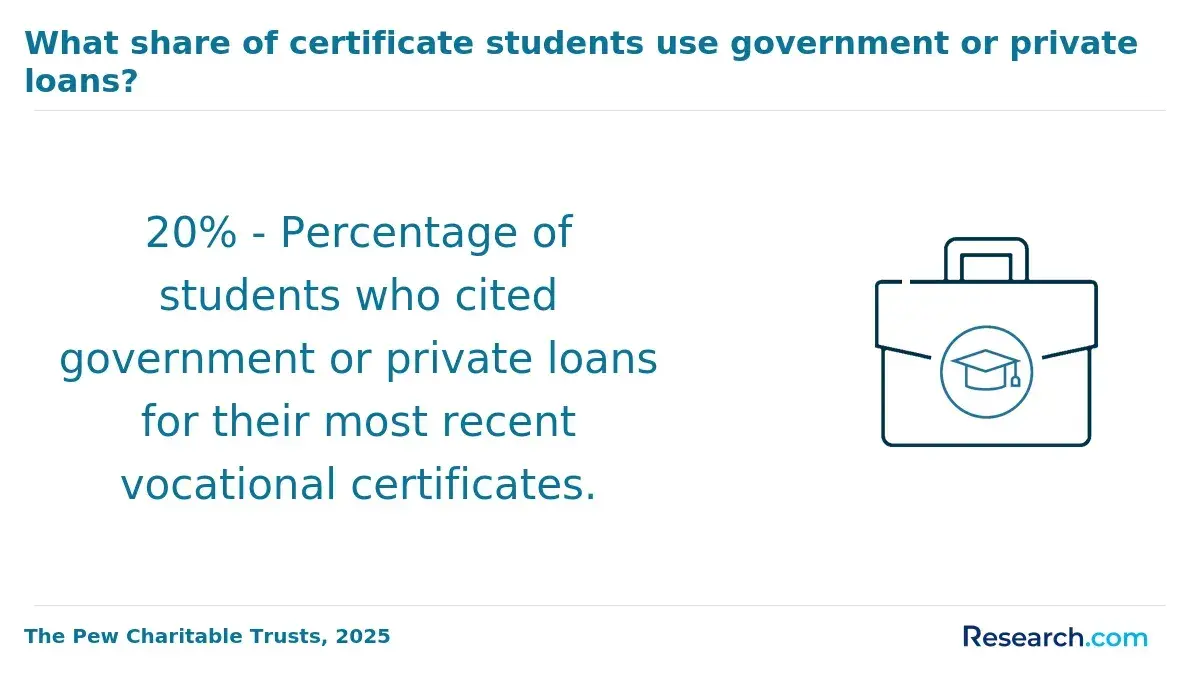
Not necessarily. Removing recommendation letters reduces administrative friction, especially for applicants who have been away from school or do not have recent academic contacts. It does not establish an open-admission policy, lower coursework standards, or guarantee acceptance.
Admissions teams can evaluate readiness through transcripts, GPA, prior credits, writing samples, work history, and prerequisite completion. A program may also limit enrollment in a cohort, require a background-related disclosure for internships, or deny admission because an applicant lacks foundational college coursework.
The practical difference is usually how the school assesses evidence, not whether it assesses it. This route can fit experienced security, military, law enforcement, corrections, emergency-management, and business professionals whose career record is more current than their academic references. It may be a weaker fit for applicants who need faculty recommendations to explain a major academic turnaround, demonstrate research potential, or compete for selective graduate funding.
A common mistake is selecting a program solely because its application looks easy. Instead, compare its curriculum with the roles you want. Physical security managers often need risk assessment, investigations, access-control, business continuity, and leadership skills; cyber-focused roles usually require networking, systems, cloud, incident response, and technical security knowledge.
What Do Online Security Management Programs Evaluate Instead of Letters of Recommendation?
Recommendation letters provide an outside perspective on an applicant's reliability, communication, leadership, and academic potential. When letters are not required, schools commonly seek comparable evidence through materials that applicants submit or institutions can authenticate.
This comparison shows what each substitute material can communicate and where it may be limited.
| Material | What it can demonstrate | How to strengthen it |
| Academic transcripts | Course completion, GPA trends, and preparation for college work | Submit all requested records promptly and explain significant gaps only when the application provides space. |
| Personal statement | Career direction, writing ability, and connection between experience and study goals | Use specific examples of security problems, decisions, or responsibilities rather than generic interest. |
| Résumé | Work progression, leadership, technical exposure, and relevant credentials | Quantify scope where accurate, such as team size, facilities supported, or projects completed. |
| Prerequisite coursework | Readiness for technical, analytical, or management classes | Check whether credits must be recent and whether a minimum grade is required. |
| Interview or questionnaire | Motivation, communication, and understanding of the program | Be prepared to explain why the degree matches a defined career direction. |
A strong application is internally consistent. Your transcript, statement, and résumé should point to the same goal, such as moving from loss prevention into corporate security management or adding risk-management knowledge to a public safety career. Do not exaggerate clearance status, technical skills, or responsibilities; employers and some programs may verify claims later.
How Can You Tell if an Online Security Management Degree With No Recommendation Requirement Is Accredited and Legitimate?
A legitimate online degree should be issued by an institution recognized by an accrediting agency accepted by the U.S. Department of Education or the Council for Higher Education Accreditation. Institutional accreditation matters because it supports credit transfer, federal-aid eligibility when other conditions are met, and employer confidence. Security management does not have one universal programmatic accreditor equivalent to those used in some licensed professions.
Use the following checks before enrolling. They help distinguish a streamlined application from a low-transparency program.
- Confirm the institution's accreditation in the U.S. Department of Education database and compare the institution name exactly.
- Locate the degree on the school's official academic catalog, not only on a marketing page.
- Verify that the listed format is fully online, hybrid, or online with required residencies, internships, examinations, or synchronous sessions.
- Read the curriculum for courses aligned with your target field, such as risk analysis, emergency planning, investigations, cybersecurity governance, or business continuity.
- Request the total estimated cost, transfer-credit policy, refund policy, and the current admissions checklist in writing.
- Ask whether internships, capstones, background checks, or state-specific requirements apply to the roles you want.
Red flags include pressure to enroll immediately, vague faculty or curriculum information, claims of guaranteed jobs or certifications, unclear accreditation language, and a refusal to provide the catalog. Employers generally evaluate an online degree by the issuing institution, curriculum, work experience, and demonstrated skills - not by whether the application requested recommendation letters.
How Much Do Online Security Management Degree Programs With No Letters of Recommendation Cost?
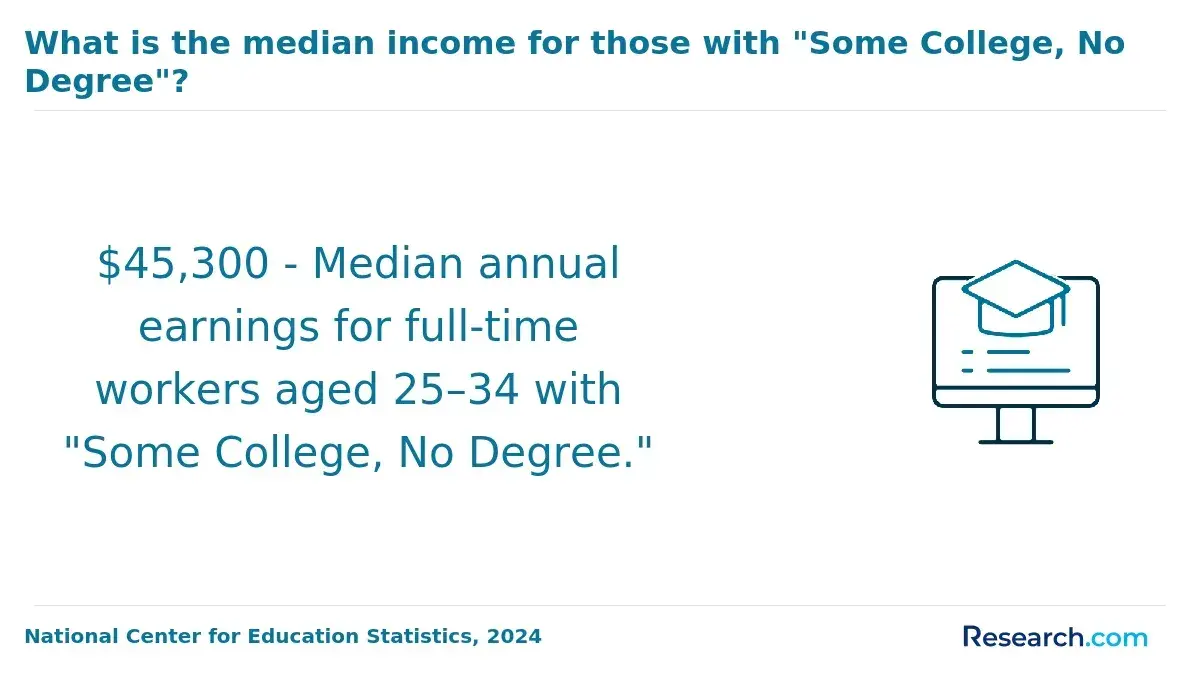
No-recommendation admission does not determine tuition. The total cost can vary based on degree level, public or private control, residency rules, transfer credits, technology fees, course materials, and whether an online learner pays a flat rate. Compare the net price after grants, not the advertised tuition alone.
For context, the College Board reported average published tuition and fees of $11,610 for in-state students at public four-year institutions and $43,350 at private nonprofit four-year institutions for 2024-25. Those figures are broad benchmarks rather than online-security-management prices, but they show why a school's per-credit rate and aid offer matter more than a simplified application.
Build a program-specific estimate using these cost categories:
- Tuition per credit multiplied by the credits you still need after transfer evaluation.
- Mandatory online, technology, graduation, proctoring, and course-material fees.
- Books, software, professional memberships, certification preparation, and optional exam fees.
- Travel and lodging for any required residency, orientation, capstone presentation, or internship activity.
- Lost income or reduced work hours if the course schedule is not compatible with your job.
Ask whether the tuition rate is guaranteed for continuing students and whether military, employer, or partnership discounts can be combined with institutional grants. Readers also comparing affordability across online professional degrees may find the cost-comparison approach used for most affordable EdD online programs useful, while recognizing that EdD tuition and program structures are different.
Can You Get Financial Aid for an Online Security Management Degree With Streamlined Admissions?
Yes, streamlined admissions and financial aid are separate processes. Students enrolled in an eligible program at an eligible institution may qualify for federal, state, institutional, employer, military, or private assistance, subject to individual eligibility and enrollment rules. Completing the Free Application for Federal Student Aid (FAFSA) is generally the starting point for federal aid consideration.
For the 2025-26 award year, the maximum Federal Pell Grant is $7,395. The amount a student actually receives depends on financial need, enrollment intensity, cost of attendance, and other federal rules; it is not a tuition guarantee and is generally associated with undergraduate study.
Take these steps before accepting aid:
- Submit the FAFSA early and review the school's financial-aid deadlines separately from the admissions deadline.
- Compare grants and scholarships before accepting federal loans, then examine interest, origination fees, and repayment obligations.
- Ask whether online students receive the same institutional scholarships and whether half-time enrollment is required for a particular aid type.
- Check employer tuition assistance and military education benefits, including grade, course-completion, and repayment conditions.
- Request a written aid offer showing direct charges, estimated indirect costs, grants, loans, and any remaining balance.
Program pace affects borrowing. A faster sequence may reduce time enrolled, but taking more credits at once can create cash-flow pressure and may not fit work obligations. Students weighing compressed graduate schedules can review one year masters programs as a separate planning reference.
How Long Does an Online Security Management Degree With No Letters of Recommendation Take to Complete?
Admission requirements do not determine completion time. A bachelor's degree commonly requires about 120 credits, while many master's degrees require roughly 30 to 36 credits, but exact requirements vary by institution and concentration. Transfer credit, course availability, credit load, prerequisites, and capstone requirements usually have the greatest effect on the timeline.
This overview can help applicants estimate a realistic pace rather than relying on promotional completion claims.
| Program route | Typical starting point | Timeline factors | Best suited to |
| Bachelor's degree | Little or no transferable college credit | General education, major courses, and course sequence | Students seeking broad foundational preparation |
| Bachelor's completion degree | Substantial transferable credit or military learning | Credit evaluation and upper-division requirements | Working adults with prior college experience |
| Master's degree | Completed bachelor's degree | Prerequisites, cohort pacing, and capstone or applied project | Professionals seeking advanced management or specialization |
| Graduate certificate | Bachelor's degree or qualifying experience, depending on school | Focused course sequence and stackability rules | Professionals testing a specialization before a full degree |
Asynchronous courses can improve scheduling flexibility, but they still have weekly deadlines and group-work expectations. Confirm whether classes are self-paced, term-based, cohort-based, or synchronous. Avoid assuming that an accelerated format is automatically better; a manageable pace that supports strong grades and skills development can be more valuable than the shortest possible schedule.
Can You Transfer Credits Into an Online Security Management Degree Program With No Recommendation Letters?
Often, yes. Transfer review is usually independent of whether letters of recommendation are required. Colleges commonly evaluate prior regionally or institutionally accredited coursework, grades, course equivalencies, credit age, and residency requirements. Some also review military training, professional learning, or standardized examinations under published policies.
Follow this process to avoid enrolling before you understand what will count:
- Send official transcripts from every prior institution, even if you did not complete a credential there.
- Request a preliminary or official transfer evaluation showing accepted credits and remaining degree requirements.
- Compare accepted courses against the degree map, not only against the total number of credits transferred.
- Ask about the maximum transfer-credit limit, minimum grade, course-age restrictions, and residency-credit requirement.
- Get written confirmation of whether military training, industry certifications, prior-learning assessment, or portfolio credit may apply.
- Keep course syllabi available if you plan to request a review of a course that was not initially accepted.
Transfer students should be especially careful with "up to" credit claims. The number approved depends on the transcript evaluation, and credits may transfer as electives without satisfying a required security management course. If finishing a bachelor's degree quickly is central to your decision, compare the mechanics of an accelerated bachelor's degree with the specific institution's transfer and residency rules.
How Should You Compare Online Security Management Degree Programs That Do Not Require Letters of Recommendation?
Start with career alignment, then test every practical claim. Security management can lead toward corporate security, risk and resilience, loss prevention, emergency management, investigations, compliance, or security-adjacent technology roles. It is not automatically the best route into highly technical cybersecurity positions, which may require additional computing coursework, hands-on practice, and industry certifications.
Use the following comparison criteria to select a program that is accessible and useful.
| Comparison area | What to verify | Why it matters |
| Admissions policy | No letters listed for your degree level, term, and applicant category | Avoids discovering a conditional or later reference request after applying |
| Accreditation and catalog | Recognized institutional accreditation and a current official degree plan | Supports legitimacy, aid review, and potential credit transfer |
| Curriculum | Courses match physical security, emergency management, intelligence, or cyber governance goals | Similar degree names can prepare students for very different work |
| Learning format | Live-session expectations, fieldwork, internship, group work, and exam proctoring | Determines whether the program works with employment and location |
| Total cost | Net price, all fees, transfer credits, and financing terms | Prevents tuition-only comparisons that understate the final bill |
| Career support | Internship access, employer relationships, alumni outcomes, and certification preparation | Helps evaluate the degree's practical return for your intended role |
Ask each school for a sample degree plan, current catalog link, net-price estimate, transfer evaluation process, and confirmation that recommendation letters are not required. Compare the responses side by side. Clear, consistent answers are a positive sign; vague promises should prompt further verification.
Also map the degree to a realistic occupation. Some security careers overlap with behavioral analysis, investigations, and public safety rather than corporate security alone. Reviewing potential jobs with a masters in forensic psychology can help applicants distinguish investigative career interests from the management and operational focus of a security management degree.
Other Things You Should Know About Security Management
Usually, yes. No-recommendation programs can be especially practical for adults without recent faculty contacts. You will still need to provide the transcripts, identification, and other materials required for your applicant category. A current résumé and focused statement can help explain relevant work experience.
Employers generally do not see your admissions file. They are more likely to evaluate the institution, degree, work history, certifications, interview performance, and demonstrated skills. Choose an accredited program with coursework that fits the job you want.
They can support governance, risk, compliance, security leadership, and organizational resilience roles. For technical positions such as security analyst or engineer, review the curriculum for networking, operating systems, cloud security, programming, labs, and incident response. You may need additional technical coursework or certifications.
Check the current admissions webpage and academic catalog for your exact program and degree level, then email or call admissions. Ask whether letters are required, optional, conditionally requested, or waived only for certain applicants. Keep the response and recheck before submitting your application because policies can change.
References
- CISM Prerequisites: Everything You Need to Prepare https://destcert.com/resources/cism-prerequisites/
- 2025 Most Affordable Online Cybersecurity Degrees https://www.onlineu.com/most-affordable-colleges/cybersecurity-degrees
- Best Bachelor's in Cybersecurity Management and Policy | CyberDegrees.org https://www.cyberdegrees.org/listings/best-bachelors-security-management-degree/
- Security Management https://ps.sckans.edu/degrees-and-certificates/bachelors/security-management/
- Cybersecurity Degree Requirements: What's New for 2025 - Programs.com https://programs.com/resources/cybersecurity-degree-requirements/
- How an Online Security Management Degree Can Prepare You for a Fast-Changing Career - Technology Org https://www.technology.org/2026/08/28/how-an-online-security-management-degree-can-prepare-you-for-a-fast-changing-career/