2027 Online Public Safety Doctorate Programs That Give Credit for Prior Graduate Work

Co-Founder and Chief Data Scientist
If you already have master's-level or unfinished doctoral coursework, repeating similar public safety classes can waste time and money. Many online public safety doctorate programs review prior graduate work for transfer credit, advanced standing, or course waivers, but rules vary sharply. The stakes are real: the U. S. Bureau of Labor Statistics reported a May 2024 median wage of $86,130 for emergency management directors, a role where advanced leadership education can be relevant. This guide explains how credits are evaluated, what usually counts, and how to compare policies before enrolling.
Key Things You Should Know
- Prior graduate work may transfer into an online public safety doctorate when it is graduate-level, completed at an accredited institution, relevant to the doctoral curriculum, and usually earned with at least a B or 3.0-equivalent grade.
- Published transfer caps often matter less than fit: schools may advertise limits such as 9, 15, 24, or 30 credits, but dissertation, residency, research, and doctoral-core requirements commonly must still be completed through the awarding university.
- Accepted transfer credits can reduce tuition and shorten coursework, but credit-age rules of about 5 to 10 years, course-equivalency reviews, and minimum in-residence credit requirements can limit actual savings.
Can Prior Graduate Credits Be Applied to an Online Public Safety Doctorate?
Yes, prior graduate credits can sometimes be applied to an online public safety doctorate, but they are not accepted automatically. Schools usually evaluate whether previous coursework is equivalent in level, content, rigor, credit value, and recency to courses in the doctoral program. The final decision normally belongs to the graduate school, program chair, registrar, or doctoral committee.
In this context, prior graduate work usually means completed master's, post-master's certificate, education specialist, professional doctorate, or previous PhD/doctoral coursework. It does not usually include undergraduate public safety courses, academy training, continuing education units, FEMA certificates, or professional development seminars unless the university has a formal credit-recognition policy.
Programs may use several terms that sound similar but are not identical. The table below explains the differences because they affect whether you actually pay for fewer credits, finish sooner, or simply skip material you already know.
| Term | What it usually means | Effect on cost and time |
| Transfer credit | Previously completed graduate credits are applied to the doctoral credit total. | Can reduce required credits, tuition, and course load if accepted before enrollment or early in the program. |
| Advanced standing | The program recognizes a relevant master's degree or doctoral coursework as preparation for upper-level study. | May reduce total credits or allow entry into a shorter pathway, depending on school policy. |
| Course waiver | A required course is waived because of prior equivalent study, but credits may not be added to the transcript. | May improve scheduling flexibility but may not lower the total number of credits required for graduation. |
| Substitution | A previous or alternate course satisfies a specific requirement in place of another course. | May help avoid repetition, but total doctoral credits may remain unchanged. |
Public safety doctorate programs are typically designed for experienced professionals in emergency management, homeland security, law enforcement leadership, fire and emergency services, corrections administration, occupational safety, disaster policy, or public administration. Students with a prior online criminal justice degree may have relevant background, but transfer eligibility still depends on graduate-level coursework and doctoral program fit.
What Types of Prior Graduate Work Can Count Toward an Online Public Safety Doctorate?
Online public safety doctorate programs usually look for graduate coursework that supports doctoral-level leadership, research, policy, and applied decision-making. The closer your prior courses are to the new curriculum, the stronger your transfer case will be.
The table below summarizes common sources of prior graduate work and how schools are likely to view them. It is not a guarantee, but it can help you sort your transcript before requesting an evaluation.
| Prior graduate work | Possible fit for a public safety doctorate | Common limitation |
| Master's in public safety, homeland security, emergency management, or criminal justice | Often the strongest match for leadership, policy, and public safety administration courses. | Research, dissertation, and doctoral seminar courses usually still must be completed in the new program. |
| Master of Public Administration or public policy coursework | May apply to budgeting, governance, ethics, policy analysis, and organizational leadership requirements. | May not satisfy technical emergency management or homeland security requirements. |
| Graduate certificate in emergency management, cybersecurity policy, corrections leadership, or public health preparedness | Can be useful if credits are transcripted by an accredited graduate institution. | Non-credit certificates or professional training may not transfer as academic credit. |
| Unfinished doctorate in criminal justice, public administration, public safety, or leadership | May transfer well if courses are recent, graded, and comparable in rigor. | Schools may limit transfer of dissertation, candidacy, or independent study credits. |
| MBA, education, social work, public health, or organizational leadership graduate courses | May apply to management, evaluation, ethics, or research requirements. | Public safety-specific course matches may be limited. |
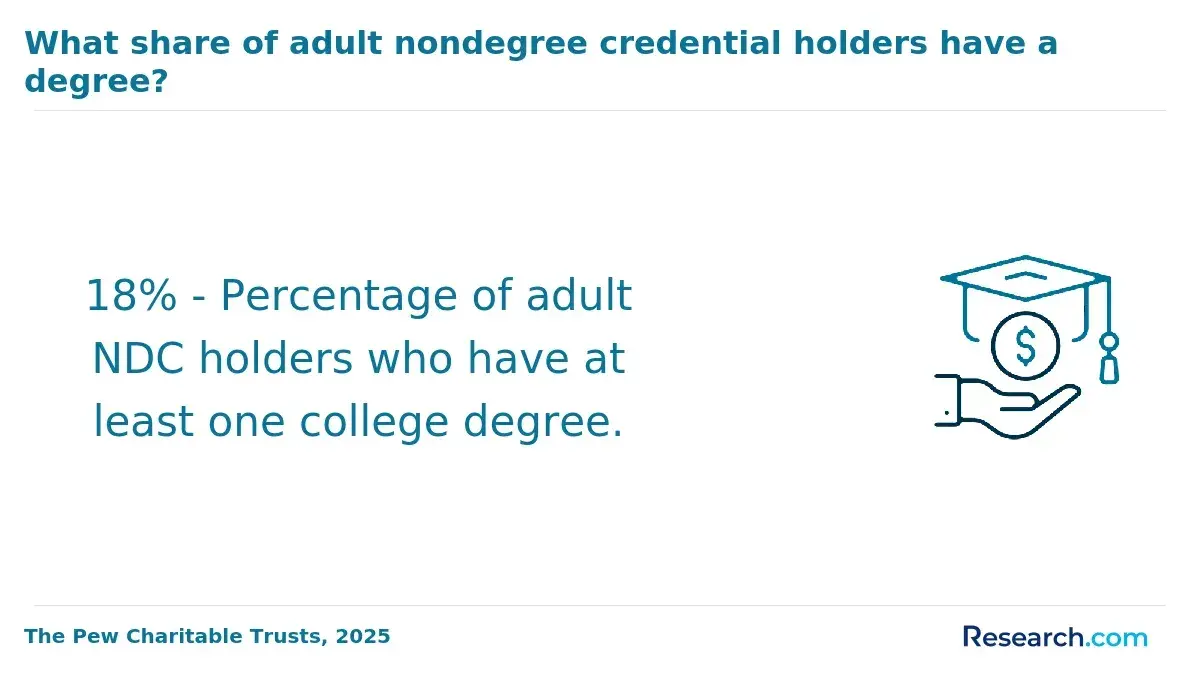
Students often overestimate the value of professional training because it feels more advanced than classroom study. A fire officer credential, police academy leadership course, FEMA training record, or emergency management workshop can strengthen an application, but it may not become doctoral credit unless the university has an approved prior-learning assessment or credit recommendation process.
When reviewing your own background, separate your prior work into categories before contacting schools. This makes the conversation with admissions and faculty more precise and helps you avoid relying on a vague transfer estimate.
- Courses most likely to transfer: accredited graduate courses with clear public safety, leadership, policy, law, research, budgeting, emergency management, homeland security, or organizational behavior content.
- Courses that may transfer only as electives: related-field graduate courses in public health, cybersecurity management, social services administration, education leadership, environmental safety, or business continuity.
- Work that usually supports admission but not credit: professional certifications, in-service training, academy coursework, conference certificates, job experience, and continuing education units.
How Many Credits Can You Transfer Into an Online Public Safety Doctorate Program?
The number of credits you can transfer depends on the school's doctoral residency requirement, the total credit requirement, the structure of the curriculum, and how closely your previous courses align with required doctoral courses. A program with a high advertised transfer cap is not automatically the fastest or cheapest option if few of your credits match the degree plan.
Many doctoral programs publish either a fixed maximum number of transferable graduate credits or a percentage-based limit. The table below shows how to interpret those policies when comparing online public safety doctorate options.
| Policy type | What it means | Decision point for students |
| Low fixed cap | The program accepts only a small number of prior graduate credits. | May be a better fit if tuition is low, the curriculum is highly specialized, or you want full doctoral preparation. |
| Moderate fixed cap | The program allows a meaningful block of previous coursework but keeps most doctoral work in-house. | Often useful for students with a relevant master's degree or several doctoral courses from another accredited school. |
| High transfer cap | The program advertises a larger number of possible transfer credits. | Worth exploring, but request a written evaluation because dissertation, research, and residency rules may reduce actual acceptance. |
| Percentage-based cap | The school limits transfer credit to a share of the total degree credits. | Compare the cap with the minimum credits that must be completed at the university granting the doctorate. |
| Advanced-standing pathway | A completed master's degree may move students into a shorter post-master's doctoral sequence. | Check whether the master's must be in public safety or whether related fields are accepted. |
Two students can enter the same program with the same number of prior credits and receive different transfer decisions. For example, a student with recent doctoral research methods, public policy analysis, emergency management law, and homeland security strategy may receive more usable credit than a student with older, unrelated management electives.
Students comparing programs should also ask whether the transfer cap applies to all prior graduate credits combined or separately to master's credits, post-master's certificates, and prior doctoral coursework. Some universities are more willing to accept previous doctoral-level courses than excess master's credits because doctoral courses may be closer in rigor and learning outcomes.
What Grades, Course Matches, and Credit-Age Rules Apply to an Online Public Safety Doctorate?
Transfer-credit decisions usually depend on three core tests: academic performance, course equivalency, and recency. These rules help the university protect doctoral quality and ensure that students are prepared for current public safety leadership, research, legal, and policy challenges.
| Criterion | What schools commonly review | Why it matters |
| Minimum grade | Graduate courses usually need a B, 3.0, or equivalent grade to be considered. | Doctoral programs rarely award transfer credit for marginal graduate performance. |
| Course level | The course must be graduate-level; doctoral-level coursework may receive stronger consideration. | Undergraduate, academy, or continuing education work usually does not match doctoral rigor. |
| Course equivalency | Syllabus, learning outcomes, readings, assignments, and credit hours are compared with program requirements. | A course title alone is not enough to prove a match. |
| Credit age | Some schools restrict older credits, often using a 5- to 10-year recency window. | Public safety law, technology, homeland security, and emergency management practices change over time. |
| Accreditation status | The prior institution's recognized accreditation is checked. | Credits from unaccredited or non-recognized institutions may be denied even if the course content appears relevant. |
Course matching is especially important in public safety because similar course titles can cover very different material. "Crisis Leadership," for example, might focus on organizational psychology in one program and disaster command systems in another. Faculty evaluators often need the syllabus, textbook list, weekly topics, assignments, and catalog description to judge equivalency.
Credit-age rules can be frustrating for experienced professionals, but they are not arbitrary. Public safety doctoral programs may emphasize current issues such as AI-enabled threat monitoring, cyber-physical infrastructure risk, climate-related disaster planning, emergency communications interoperability, and data-informed public administration. Older courses may still support admission, but they may not satisfy current doctoral outcomes.
How Does the Transfer-Credit Evaluation Process Work for an Online Public Safety Doctorate?
The transfer-credit evaluation process is usually separate from general admission. An admissions advisor may give an informal estimate, but the official decision often happens after transcripts, syllabi, and faculty review are complete. For cost and timeline planning, a written evaluation is more useful than a verbal promise.
Students can reduce uncertainty by approaching the evaluation in a structured way. The steps below show a practical sequence for comparing transfer-friendly online public safety doctorate programs.
- Request the doctoral transfer-credit policy before applying, including maximum credits, grade rules, credit-age limits, residency requirements, and whether dissertation credits can transfer.
- Order official transcripts from every graduate institution you attended, including unfinished doctoral programs and graduate certificates.
- Collect syllabi, catalog descriptions, credit-hour information, course outcomes, major assignments, and reading lists for courses you want reviewed.
- Create a course map that pairs each prior course with a specific requirement or elective in the public safety doctorate curriculum.
- Ask whether the school offers a preliminary or pre-enrollment credit review and whether the result will be honored after admission.
- Request the final decision in writing, including accepted courses, rejected courses, substituted requirements, remaining credits, estimated tuition impact, and expected completion sequence.
The strongest transfer requests are specific. Instead of asking, "How many credits will you take?" ask, "Will my three-credit graduate course in disaster policy satisfy your doctoral course in public safety policy analysis, and if not, could it count as an elective?" That question gives the school a concrete equivalency decision to make.
Be cautious if a school promises a large transfer award before reviewing transcripts and syllabi. A legitimate doctoral program may be transfer-friendly, but it should still verify academic level, content, accreditation, grade, and credit value before applying credits to a doctorate.
How Do Accreditation and Academic Recognition Affect Public Safety Doctoral Transfer Credits?
Accreditation is one of the most important filters in doctoral transfer-credit decisions. In the U.S., colleges and universities generally rely on institutional accreditation recognized by the U.S. Department of Education or the Council for Higher Education Accreditation when deciding whether prior graduate credits are eligible for transfer.
Public safety doctoral programs may not always have a field-specific programmatic accreditor in the same way that nursing, counseling, or education licensure programs often do. That makes institutional accreditation even more important. It also means students should not assume that a public safety, homeland security, or criminal justice doctorate has the same external professional approval requirements in every state or employer setting.
The table below clarifies accreditation-related issues that can affect whether prior graduate credits are accepted and whether the degree will be credible for career purposes.
| Accreditation issue | Impact on transfer credit | Why students should care |
| Recognized institutional accreditation | Usually required or strongly preferred for transfer consideration. | Employers, universities, and financial aid systems often rely on recognized accreditation as a baseline quality signal. |
| Unaccredited prior school | Credits are often rejected or reviewed under stricter rules. | Even strong grades may not overcome lack of recognized academic oversight. |
| National versus regional accreditation history | Policies vary by institution and may require case-by-case review. | Students should ask the receiving school how it treats the specific accreditor involved. |
| Programmatic recognition | May matter in related areas such as public administration, occupational safety, or public health. | It can influence employer perception, but it may not automatically control doctoral transfer decisions. |
| State authorization for online study | Does not usually determine transfer credit, but affects whether the school can enroll students in a state. | Online students should confirm eligibility before applying. |
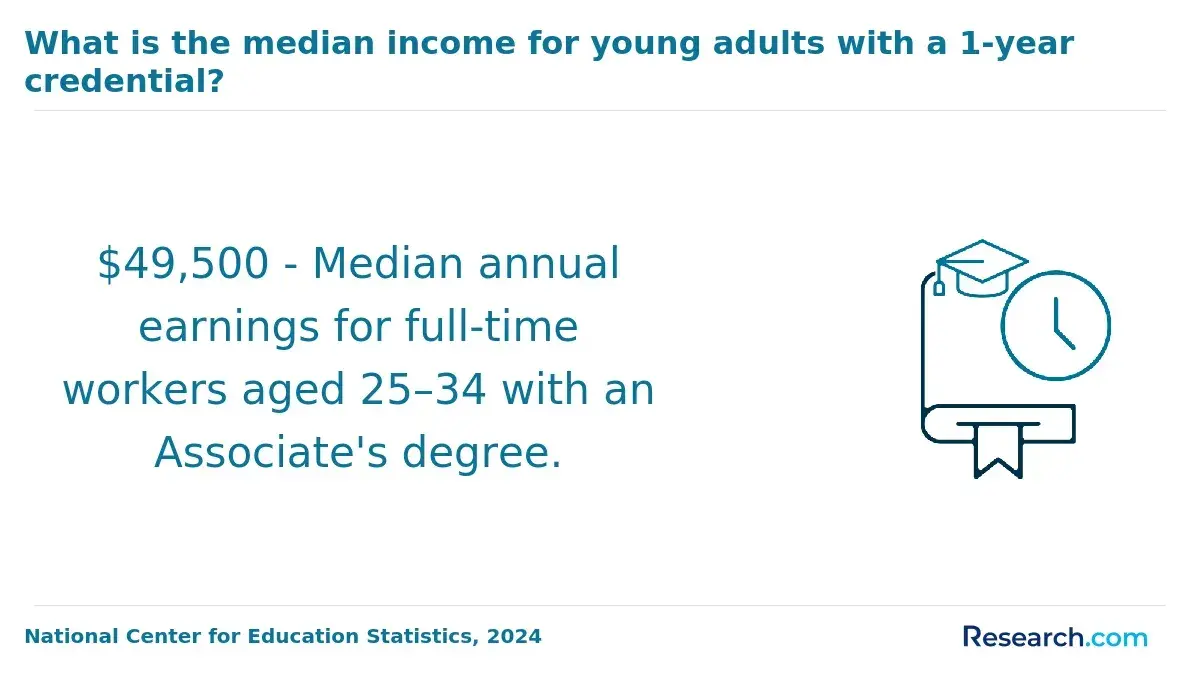
Accreditation also matters for financing. Federal Student Aid rules require eligible institutions and programs to meet federal participation requirements, and graduate borrowing can be expensive. For loans first disbursed in the 2024-25 award year, federal Direct Unsubsidized Loans for graduate students carried an 8.08% fixed interest rate, while Grad PLUS Loans carried a 9.08% fixed interest rate. If transfer credit reduces the amount borrowed, it may lower interest costs as well as tuition exposure.
How Do Transfer Credits Affect the Curriculum, Residency, and Dissertation Requirements of an Online Public Safety Doctorate?
Transfer credits usually affect the coursework portion of an online public safety doctorate more than the research, residency, or dissertation portion. Schools want the final doctorate to reflect their own doctoral standards, faculty supervision, research expectations, and institutional learning outcomes.
Most programs divide the degree into several components. The table below shows which parts are most and least likely to be reduced through prior graduate work.
| Doctoral component | Likelihood of transfer impact | Typical reason |
| Foundation or bridge courses | Higher | Relevant master's-level coursework may cover introductory public safety administration or policy content. |
| Specialization electives | Moderate to higher | Prior graduate courses in emergency management, homeland security, criminal justice, or safety may fit elective categories. |
| Doctoral core courses | Moderate | Some leadership, ethics, policy, or organizational theory courses may transfer if doctoral-level and closely aligned. |
| Research methods and statistics | Moderate but closely reviewed | Programs may require current, doctoral-level research preparation aligned with dissertation expectations. |
| Residency, colloquium, or seminar requirements | Lower | These experiences often build cohort integration, faculty mentoring, and doctoral identity at the awarding school. |
| Dissertation, capstone, or applied doctoral project | Lowest | The final scholarly product is normally supervised, approved, and defended through the degree-granting institution. |
Residency does not always mean moving to campus. In online public safety doctorates, it may involve virtual residencies, synchronous seminars, research intensives, weekend campus visits, or applied field experiences. Even when coursework transfers, these requirements may remain because they are tied to doctoral milestones rather than course repetition.
Dissertation and capstone rules are also important for timeline planning. A student may transfer enough credits to finish classes sooner but still need time for proposal approval, institutional review board review if human subjects are involved, data collection, writing, revision, and defense. This is why transfer credit can shorten a program without making it "quick."
How Much Time and Tuition Can Transfer Credits Save in an Online Public Safety Doctorate?
Transfer credits can create real savings, but the amount depends on tuition structure, course sequencing, fees, financial aid, and whether transferred credits replace required courses or only electives. The safest approach is to calculate savings from the official remaining degree plan, not the advertised maximum transfer allowance.
Use the same line-item approach you would use when checking a criminal justice degree price: tuition per credit, mandatory fees, residency costs, technology fees, books, dissertation continuation fees, and borrowing costs. Graduate tuition can vary widely by institution, and NCES data published in 2024 shows that average graduate tuition and required fees differ substantially between public and private nonprofit institutions, so your net price should be calculated program by program.
The table below shows the main cost and time variables that determine whether transfer credit improves value. It is designed to help you read a school's transfer evaluation as a financial document, not just an academic decision.
| Variable | How it affects savings | What to verify |
| Credits accepted | More accepted credits can lower course tuition if they reduce total credits required. | Confirm which accepted credits actually count toward graduation. |
| Tuition model | Per-credit tuition creates clearer savings than flat-rate term tuition. | Ask whether transferred credits reduce billable credits or only change course placement. |
| Course sequencing | A missing prerequisite or annual course rotation can delay graduation even after transfer. | Request a remaining-course schedule by term. |
| Residency and dissertation fees | These may remain unchanged even if coursework is reduced. | Ask about seminar, continuation, defense, and research fees. |
| Financial aid and employer reimbursement | Lower credit loads may affect aid timing, enrollment status, or reimbursement eligibility. | Confirm minimum credits per term for aid, benefits, and tuition assistance. |
A simple estimate is: accepted credits multiplied by the tuition charged per credit, then adjusted for fees and sequencing. For example, if a program charges $900 per credit and officially applies 12 prior credits to the degree, the gross tuition reduction would be $10,800 before considering fees, aid rules, or dissertation costs. Treat that as a planning estimate, not a promise, until the bursar and financial aid office confirm the billing impact.
Transfer credit is most likely to shorten completion time when accepted courses remove entire terms from the sequence. It may save less time when courses are offered in a lockstep cohort, when the student studies part time, or when the dissertation phase is the longest part of the doctorate.
Can Students Transfer Credits From Another Field, an International University, or an Unfinished Public Safety Doctorate?
Students can sometimes transfer credits from another field, an international university, or an unfinished doctorate, but these cases require closer review. The key question is not whether the previous program had a similar name; it is whether the course content, level, accreditation or recognition, and documentation fit the new doctoral curriculum.
Related-field credits can be valuable in public safety because the field overlaps with public administration, public health, cybersecurity governance, environmental risk, occupational safety, social systems, law, and organizational leadership. Students exploring safety-focused alternatives may also compare the best online environmental health and safety programs if their career goals lean more toward compliance, industrial safety, or environmental risk management than emergency services leadership.
The table below explains how schools may handle nontraditional transfer scenarios. It can help you decide whether to request a review or look for a program with a better curriculum match.
| Scenario | Transfer potential | Extra documentation often needed |
| Graduate work in another U.S. field | Possible when courses support leadership, policy, research, law, analytics, or organizational management. | Syllabi showing relevance to public safety outcomes. |
| International graduate coursework | Possible after credential evaluation and institutional review. | Official transcripts, certified translations, and a course-by-course evaluation from an accepted evaluator. |
| Unfinished public safety doctorate | Often worth reviewing, especially if coursework was recent and graded. | Doctoral syllabi, proof of good academic standing, and explanation of withdrawal or transfer reason. |
| Professional military or federal training | May support admission or electives only if transcripted or formally credit-reviewed. | Joint Services Transcript, ACE credit recommendations if accepted by the institution, and course descriptions. |
| Prior dissertation or capstone work | Usually limited because the new university must supervise the final doctoral product. | Research prospectus may help with topic development but may not transfer as completed dissertation credit. |
International credits require special care because grading scales, credit systems, course levels, and institutional recognition differ by country. Many U.S. universities require an external course-by-course evaluation before faculty will review the academic match. Students should ask which credential evaluation agencies the university accepts before paying for a report.
If you are transferring from an unfinished doctorate, be prepared to discuss academic standing. Leaving a prior program does not automatically hurt your application, but unresolved dismissal, plagiarism, unpaid balances, or lack of official transcripts can slow or prevent transfer evaluation.
How Should Students Compare Online Public Safety Doctorate Programs That Accept Prior Graduate Work?
The best online public safety doctorate for a transfer student is not simply the one with the highest advertised credit limit. It is the program that accepts the right credits, maintains credible academic standards, fits the student's career goal, and produces a remaining degree plan that is financially and academically realistic.
Students should compare programs using both academic and practical criteria. The table below highlights the factors that most often separate a genuinely transfer-friendly doctorate from one that only appears flexible in marketing materials.
| Comparison factor | Why it matters | Warning sign |
| Written transfer evaluation | Confirms which credits apply and what remains. | Only verbal estimates are provided before enrollment. |
| Curriculum fit | Determines whether your prior coursework replaces required courses or only electives. | The program advertises high transfer limits but has few electives. |
| Accreditation and authorization | Supports credibility, aid eligibility, and employer acceptance. | The school avoids clear answers about recognized accreditation or state authorization. |
| Doctoral support | Dissertation advising, research support, library access, and faculty expertise affect completion. | The program focuses on speed but says little about mentoring or research quality. |
| Total net cost | Transfer credits only help if they lower billable credits, fees, or time. | Fees, residency costs, or continuation charges offset the apparent savings. |
| Career alignment | Public safety doctorates vary by leadership, policy, research, emergency management, and criminal justice emphasis. | The degree name sounds relevant, but courses do not match your target role. |
Before enrolling, ask targeted questions that force clear answers. These questions are especially important for working professionals who must plan tuition assistance, agency schedules, family responsibilities, and dissertation time.
- How many of my prior graduate credits are officially accepted, and which specific degree requirements do they satisfy?
- Are any accepted credits electives only, and will they reduce the total credits I must pay for?
- What minimum grade, credit-age, accreditation, and course-equivalency rules were applied to my evaluation?
- How many credits must I complete through your university to meet doctoral residency requirements?
- Can research methods, statistics, dissertation, capstone, or residency credits transfer?
- What is my remaining course sequence by term if I study part time versus full time?
- Will transferring credits affect financial aid eligibility, employer reimbursement, veterans benefits, or enrollment status?
- Who supervises dissertations in my area of public safety, and what completion support is available online?
Common mistakes include assuming every graduate credit will transfer, choosing a program based only on a high transfer cap, ignoring dissertation requirements, and enrolling before receiving a written credit decision. Another mistake is treating public safety as one uniform field. A doctorate focused on emergency management leadership may not serve the same goal as one centered on criminal justice policy, homeland security, occupational safety, or public administration.
For readers mapping a longer education pathway, resources such as the best online associate degree programs in criminal justice can clarify how early academic choices differ from graduate transfer rules. However, doctoral transfer decisions are based on graduate-level academic work, not lower-division credits.
A transfer-friendly doctorate can be worth it when it recognizes substantial relevant graduate work without weakening dissertation preparation or career fit. Starting without transfer credit may be better if your prior courses are outdated, unrelated, or from a school the receiving university will not recognize. The right decision is the one that leaves you with a credible doctorate, manageable cost, and a realistic completion plan.
Other Things You Should Know About Public Safety
Not always. Some programs are PhD programs focused on research and theory, while others are professional doctorates focused on applied leadership, policy, administration, or emergency management practice. Compare dissertation expectations, research methods depth, and career outcomes before choosing.
Usually no. A public safety doctorate is generally a leadership or research credential, not a direct licensure pathway. Licensure and certification rules for roles such as law enforcement, emergency medical services, occupational safety, or public health vary by state, employer, and profession.
Many online programs are designed for working professionals, but the workload can still be demanding. Research courses, residencies, comprehensive exams, and dissertation milestones may require protected study time, especially for students in shift-based public safety roles.
Depending on experience and specialization, the degree may support advancement in emergency management, homeland security, criminal justice administration, fire services leadership, public safety policy, consulting, higher education, or applied research. Employers may still prioritize field experience, certifications, command history, and agency-specific qualifications.
References
- Building Pathways Between Non-Credit and Credit Programs: Where to Begin? - Education Strategy Group https://edstrategy.org/building-pathways-between-non-credit-and-credit-programs-where-to-begin/
- Number of Credits for a Master's Degree in Education https://creditsforteachers.com/the-necessary-number-of-credits-for-a-masters-degree-in-education/
- Grad School 101: What to Consider Before Applying to Grad Schools https://www.elmhurst.edu/blog/applying-to-grad-schools/
- CAEL | Why Credit for Prior Learning (CPL) or Prior Learning Assessment (PLA) Matters https://www.cael.org/lp/cpl-pla
- How Many Credits Do You Need to Graduate College? (2026 Guide) https://www.straighterline.com/blog/self-paced-how-many-credits-do-you-need-to-graduate-college-2026-guide
- Third-level courses and mature students https://www.citizensinformation.ie/en/education/third-level-education/applying-to-college/third-level-courses-for-mature-students/
- Credit for Prior Learning: Why All the Controversy? https://www.higheredtoday.org/2014/06/17/credit-for-prior-learning-whyallthecontroversy/
- How to Fulfill Graduate School Prerequisites: Your Complete Guide to Missing Coursework - Prereqcourses https://www.prereqcourses.com/graduate-school/
- Answering 8 Common Questions About Grad School Requirements https://www.umassglobal.edu/blog-news/answering-8-common-questions-grad-school-requirements
- Explore Doctorate Degrees In Criminal Justice | Criminal Justice Degree Schools https://www.criminaljusticedegreeschools.com/degrees/doctoral-degrees/