2027 Online Nonprofit Management Master's Curriculum Breakdown: Core Courses & Specializations

Co-Founder and Chief Data Scientist
The evolving nonprofit sector demands professionals who balance strategic vision with operational expertise, making curriculum design a critical factor in workforce readiness. Choosing a program's core courses and specialization pathways directly affects a graduate's ability to align with employer expectations, secure relevant certifications, and adapt to sector innovations like digital fundraising or social impact analytics. However, intensive specialization risks constraining flexibility, while rigid course sequences may delay timely credential completion.
Moreover, gaps often surface between academic frameworks and on-the-ground nonprofit challenges, requiring critical judgment in program selection. This article examines how online nonprofit management master's curricula shape both immediate employability and long-term career agility.
Key Things to Know About Online Nonprofit Management Master's Curriculum
- Core courses often emphasize fund development and strategic leadership; however, this focus can limit exposure to emerging issues like digital engagement, affecting graduates' adaptability to evolving nonprofit ecosystems.
- Employers increasingly seek candidates with data analytics skills integrated into nonprofit management, reflecting a 2024 study showing 67% of organizations prioritize evidence-based decision-making in leadership roles.
- Specializations requiring extensive practicum experiences increase tuition and time investment, potentially delaying workforce reentry; working professionals must weigh these costs against the depth of hands-on learning gained.
What core courses are included in an online nonprofit management master's program?
Core courses within an online nonprofit management master's curriculum often serve as a structural backbone, signaling how well a program equips students to meet evolving employer expectations and sector-specific challenges. Balancing theoretical fundamentals with applied expertise, these courses demand significant workload intensity and often require sequential progression to build competencies that support advanced specialization and operational leadership roles.
- Nonprofit Financial Management: This course dives deeper than basic accounting principles, focusing on budgeting, fund accounting, and financial reporting tailored to tax-exempt organizations. Students learn to navigate the complexities of restricted funds and donor-imposed conditions, critical skills given the sector's regulatory scrutiny and the emphasis on transparency.
- Regulatory Compliance and Tax Law: Understanding the legal framework enabling nonprofit operations is essential. This course covers IRS regulations, filing requirements, and emerging legislation, preparing students to mitigate risks associated with noncompliance and to advise boards on governance issues effectively.
- Strategic Planning and Organizational Leadership: Designed to translate mission and vision into actionable frameworks, this course enhances strategic thinking and stakeholder engagement capabilities. It addresses the governance structures that influence decision-making and prepares students to work closely with boards, donors, and volunteers in mission-driven environments.
- Fundraising and Resource Development: Practical training in campaign design, grant writing, and donor relationship management is central here. Students develop the skills to diversify revenue streams and sustain funding pipelines, reflecting employer demand for professionals adept in securing both public and private sector resources.
- Program Evaluation and Impact Assessment: Reflecting data from the Nonprofit Academic Centers Council, which notes that 86% of top employers prioritize this competency, this course trains students in performance measurement, outcome analysis, and data-driven decision-making. Mastery of these tools is critical for justifying funding and improving service delivery effectiveness.
- Ethics and Social Responsibility: Addressing transparency and accountability, this course challenges students to confront ethical dilemmas and align operational practices with the nonprofit social mission. Its emphasis on sustaining public trust is crucial for leadership roles that influence organizational culture and external reputation.
- Nonprofit Law and Public Policy: This course explores the intersection of legislation, advocacy, and social change, equipping students to analyze policy impacts and engage in advocacy efforts. Such expertise enables graduates to position nonprofits as active agents in legislative and community contexts.
The curriculum design frequently integrates interdisciplinary approaches, such as case studies and simulations, to foster practical application alongside conceptual understanding. This format supports working professionals in applying core competencies directly, a pragmatic approach reflecting the realities of job roles in the field.
Those assessing an online nonprofit management master's curriculum overview should weigh how these courses collectively prepare for both foundational expertise and specialization paths, mindful of workload demands and sequencing effects on timely degree completion. Prospective students interested in accelerated formats may also consider related EDD programs that emphasize streamlined leadership training.
What specializations are available in online nonprofit management master's programs?
Choosing a specialization in online nonprofit management master's programs is a strategic decision that extends well beyond academic labeling. It directly shapes the depth of practical skills acquired, employability in targeted nonprofit sectors, and flexibility for future career shifts. Certain concentrations prepare graduates for highly specialized roles with intensive technical demands, while others emphasize adaptable leadership abilities favored in a competitive job market.
A 2024 workforce study by the Nonprofit Quarterly reveals that graduates focusing on strategic leadership and fundraising consistently achieve higher placement rates in senior nonprofit roles. This reflects an industry demand for professionals who combine organizational oversight with effective resource development, reinforcing the practical impact of specialization choices on career trajectory.
- Nonprofit Financial Management: Emphasizing budgeting, accounting, and compliance, this concentration appeals to those targeting finance or operational management roles within nonprofits. The curriculum often demands internships in finance departments, requiring candidates to navigate regulatory frameworks alongside practical fiscal stewardship.
- Grant Writing and Fundraising: This specialization builds skills in securing and managing funding sources, a critical need given nonprofits' reliance on external revenue streams. Graduates learn persuasive communication, donor relations, and campaign design, positioning themselves for frontline development roles or fundraising leadership.
- Social Entrepreneurship: Centered on innovation and scalable impact, this track fosters project-based practicums that prepare candidates to design new initiatives or social ventures. While potentially limiting traditional nonprofit career paths, it appeals to those aiming for entrepreneurial solutions within or alongside nonprofit organizations.
- Program Development and Evaluation: This focus trains students in designing, executing, and assessing nonprofit programs, emphasizing data-driven decision-making and impact measurement. Graduates are prepared for roles requiring both strategic planning and operational oversight, balancing analytical and managerial responsibilities.
- Leadership in Nonprofit Organizations: Concentrations here develop executive skills essential for navigating complex stakeholder networks and driving organizational change. The emphasis on strategic leadership aligns closely with employer preferences for candidates capable of sustaining funding streams while managing diverse teams, though internship demands may limit accessibility for working professionals.
Can students choose electives outside their specialization?
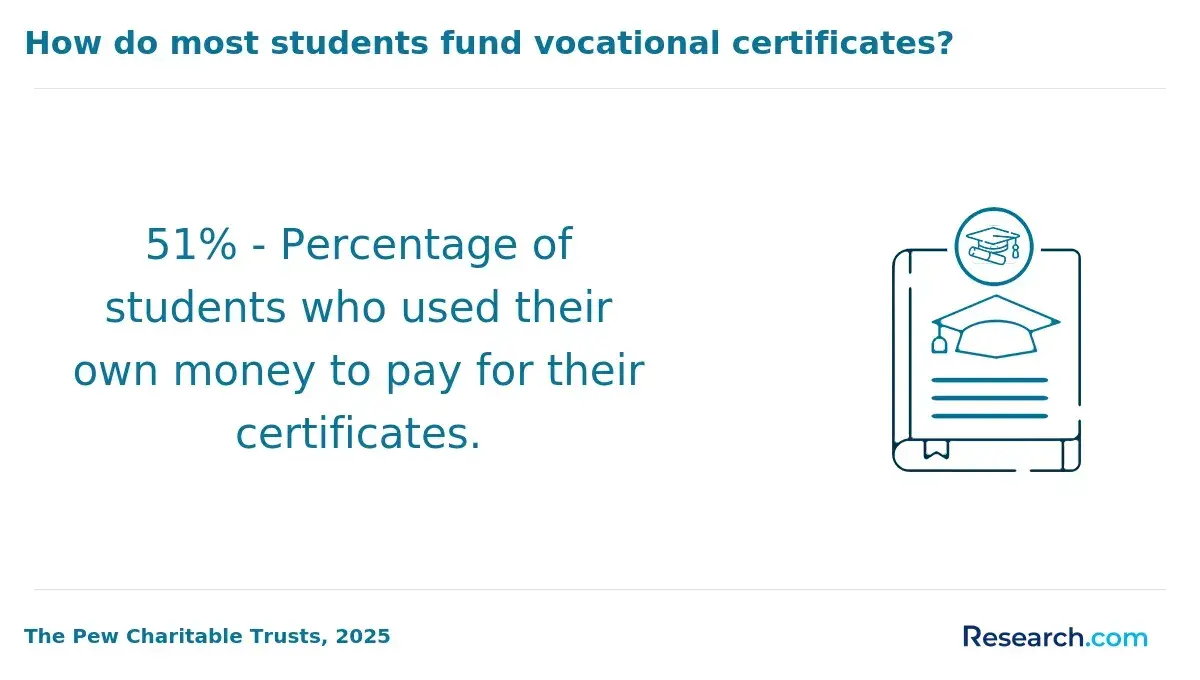
In practice, selecting electives outside a designated specialization in online nonprofit management master's programs is often shaped by structured curriculum requirements and institutional policies that emphasize core competency development. Many programs require that typically 70 to 80 percent of coursework remains within the chosen concentration, limiting the number of outside electives to preserve subject mastery.
Students usually need academic advisor approval to enroll in electives beyond their specialization, with additional constraints like prerequisite courses and limited seat availability further restricting flexibility. According to data from the National Center for Education Statistics in 2024, about 65% of nonprofit management graduate programs allow some elective cross-specialization options, but these are closely managed to ensure alignment with learning outcomes and accreditation standards.
The decision to pursue electives outside the specialization entails practical tradeoffs; while such courses can broaden a student's skill set and adaptability-important for evolving nonprofit roles-they may also dilute specialization depth that employers value in certain job functions. Electives not aligned with a core focus can sometimes extend time to degree completion, especially if prerequisite chains are involved, complicating workload balance for working professionals.
This balancing act influences job readiness and employability since sector employers often prioritize both specialized knowledge and applied versatility. For instance, students aiming for leadership roles may benefit from strategic elective choices outside their specialization, but must weigh this against potential delays and a less concentrated expertise profile.
One graduate recalled applying during a rolling admissions period when elective options outside their specialization were a key consideration in finalizing program enrollment. The student hesitated initially, concerned about meeting prerequisite requirements on time and how the additional courses might affect their overall schedule.
After discussions with an advisor, they appreciated the program's structured approach, which allowed some elective flexibility without jeopardizing core requirements, but the uncertainty during the admissions phase highlighted how timing and program design can significantly impact a student's planning and confidence in navigating course selection. This experience underscored that elective access is as much about institutional policy and timing as it is about academic freedom.
How are online nonprofit management master's courses delivered?
Online nonprofit management master's courses predominantly rely on asynchronous delivery formats, allowing students to access lectures, readings, and assignments on their own schedules. These courses often integrate recorded lectures with case studies and project work, supporting flexible course schedules for nonprofit management students balancing full-time jobs.
Many programs supplement asynchronous learning with periodic synchronous sessions like live webinars or virtual office hours to encourage real-time interaction, although the extent of these varies significantly by institution. This hybrid participation model, combining self-paced study with scheduled discussions, reflects efforts to maintain engagement while accommodating diverse professional commitments.
Such delivery methods demand considerable self-discipline and time management, challenges that can influence student persistence and success. Working professionals may find entirely asynchronous programs easier to fit around demanding schedules, but they miss the collaborative dynamics that synchronous elements provide-dynamics that are critical for developing skills in communication and teamwork valued by employers.
Conversely, programs emphasizing regular live engagement may better simulate workplace interactions but can strain students juggling employment and personal responsibilities. Data from the 2024 Online Learning Consortium indicates that programs incorporating active learning through digital collaboration tools experience a 22% higher completion rate, highlighting a tradeoff between flexibility and consistent engagement.
Carefully assessing these delivery models is crucial because they shape practical learning outcomes and skill development in nonprofit management roles. For example, a student enrolled in a highly asynchronous course might excel in independent project management but face obstacles adapting to team-based challenges common in nonprofit leadership.
Evaluating program structure with reference to personal work-life integration and professional growth goals ensures a better match between educational format and career demands. Those interested in related fields may also explore alternatives like an online library science masters for complementary skills relevant to nonprofit administration.
Which core classes are considered the most challenging?
Core classes focused on nonprofit financial management, strategic planning, and nonprofit law consistently present the greatest challenges for students in online nonprofit management master's programs. Their difficulty stems from requiring mastery of complex, specialized skills-such as fund accounting with strict donor restrictions, long-term sustainability frameworks, and jurisdiction-specific legal principles-that go beyond theoretical understanding and demand rigorous analytical application.
According to a 2024 survey by the National Association of Schools of Public Affairs and Administration, nearly 68% of students identified financial management as the toughest core course, highlighting the widespread struggle with navigating regulatory compliance alongside financial analysis. Additionally, these courses require learners to synthesize abstract concepts with evolving real-world variables, which is often more taxing than practical, routine operational classes like fundraising or program evaluation.
The implications of navigating these demanding courses extend into students' ability to progress smoothly and prepare effectively for advanced specialization or leadership roles. For example, difficulty in strategic planning can delay a student's readiness to engage with impact assessment methodologies important for executive nonprofit roles. Struggling with nonprofit law can impede understanding of governance responsibilities critical to ethical management and stakeholder trust.
Students frequently face intensified pressure balancing coursework with work obligations, as the nuanced content often requires significant reflection and repeated practice to internalize. These academic challenges ultimately affect employability prospects in roles where financial acumen and legal literacy are non-negotiable.
One student recalled hesitating to submit their application early due to uncertainty about prerequisite experience for these challenging core topics. Amid rolling admissions, they wrestled with whether investing time in preparatory workshops before enrollment might reduce the initial burden.
Eventually, they enrolled but found that intensive self-study during the early weeks was necessary to keep pace. This experience underscored for them the strategic value of timing and preparatory planning when approaching these foundational, rigor-intensive courses in an online nonprofit management program.
Do online nonprofit management master's programs require internships or practicums?
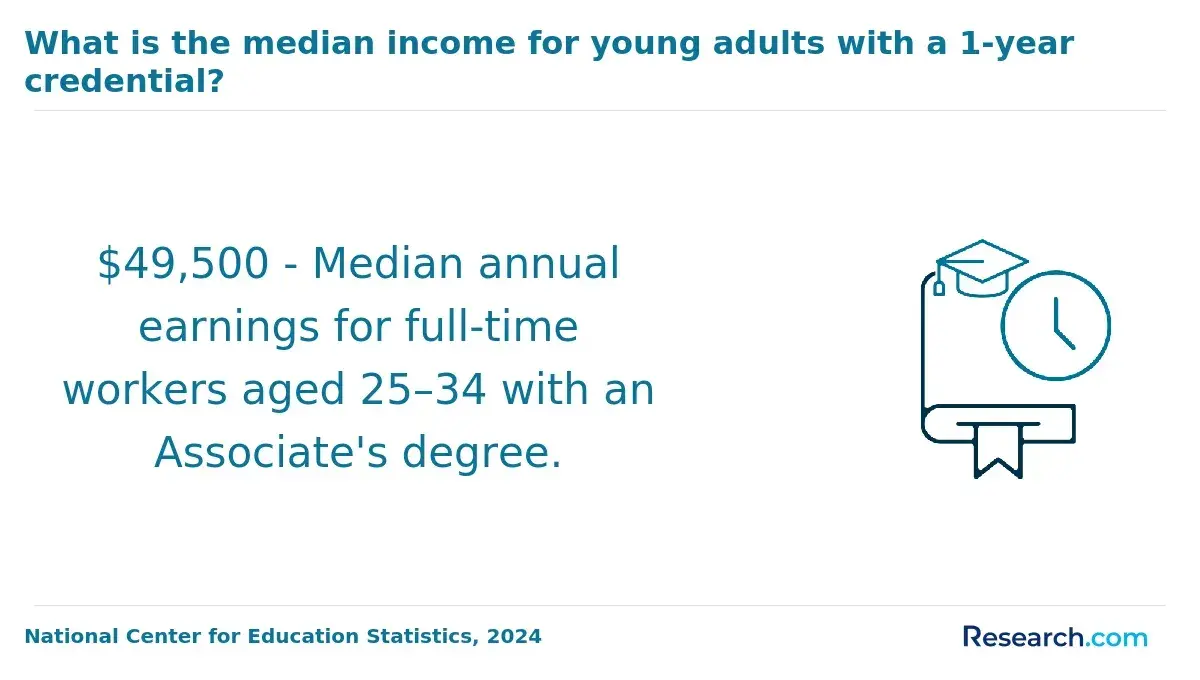
Online nonprofit management master's programs internship requirements vary widely, often reflecting institutional priorities and accreditation standards. Around 65% of accredited programs mandate an experiential component, such as an internship or practicum, recognizing its role in building applied skills and sector familiarity.
However, some programs integrate these requirements into alternative formats like intensive projects, simulations, or case studies to accommodate professional students. This flexibility helps align curriculum with differing specialization tracks and learners' professional backgrounds while maintaining academic rigor within the nonprofit management master's programs internship requirements framework.
For working professionals and career changers, mandatory internships can introduce significant scheduling challenges, especially when placement availability or geographic constraints limit options. Programs offering virtual or flexible practicum opportunities help mitigate these barriers but may extend completion timelines or reduce direct networking benefits.
Conversely, programs without required experiential components frequently rely on students to seek external volunteer roles to gain comparable practical experience, potentially impacting job readiness in competitive nonprofit sectors. These tradeoffs highlight the importance of evaluating how internship demands intersect with personal circumstances and career objectives, informed by recent data on nonprofit management master's programs internship requirements.
For those exploring further education options, it is also useful to compare with related fields, such as the cheapest online PsyD programs, which navigate experiential requirements differently.
Which courses are required for professional certification exams?
Online nonprofit management master's programs frequently design their required coursework to align closely with the competencies outlined by professional certification bodies such as the Nonprofit Leadership Alliance's Certified Nonprofit Professional credential. Core subjects typically cover nonprofit governance, financial oversight, strategic planning, and fundraising-areas directly reflected in exam domains and industry standards.
Programs often supplement this core with courses in nonprofit accounting, ethics, grant writing, and program evaluation to build both theoretical understanding and practical analytical skills essential for certification. Electives tailored to specializations like social entrepreneurship or advocacy address optional certification concentrations, ensuring students meet precise credentialing requirements rather than pursuing generalist coursework.
Program structure decisions have tangible effects on exam eligibility and job market readiness. For instance, omitting or substituting core courses in fiscal accountability or legal compliance may delay qualification for certification exams, forcing additional coursework or study post-graduation.
A 2024 Foundation Center report highlighted that candidates with coursework closely mapped to grant-funded program administration passed certification exams at significantly higher rates, illustrating how tailored curricula enhance practical exam success. Students investing in programs without explicit certification pathways risk facing cumulative tradeoffs involving extended timelines and potential skill gaps when transitioning to roles that prioritize certified expertise within nonprofit organizations.
Do specialization requirements extend graduation timelines?
Specialization requirements within online nonprofit management master's programs are commonly structured to build on core knowledge through additional coursework, often including prerequisite chains and mandatory capstone or practicum projects. While some programs allow specialization courses to run concurrently with core classes, others sequence these offerings to ensure mastery before advancing, which can extend the total degree time.
The availability of specialization courses each term and credit distribution rules can further influence pacing, meaning that students who select certain concentrations may face unavoidable delays if required classes are infrequent or if strict credit minimums limit elective flexibility.
According to recently published data from the National Center for Education Statistics, approximately 38% of students pursuing specialized tracks spend between 6 to 12 months longer completing their degrees compared to their peers on generalist paths.
From a practical standpoint, this structure creates tradeoffs impacting time to degree and workload balance. For example, a student focusing on grant writing as a specialization might encounter course scheduling bottlenecks or limited opportunities to substitute electives, prolonging their program beyond the traditional two years. This delay can affect timely career transitions or advancement, especially for working professionals balancing education with employment.
Employers often value depth of expertise that specializations deliver but typically do not require them for leadership roles, making it essential for students to weigh the benefits of extended study against potential lost income or postponed job entry. Therefore, understanding how specialization sequencing, course availability, and capstone integration interact is critical for managing expectations and optimizing educational investments in nonprofit management fields.
How do nonprofit management specializations affect career opportunities?
Specializations within an online nonprofit management master's program act as clear signals to employers about a candidate's focus and technical skill set, which influences recruiter expectations in targeted hiring pipelines. Employers often interpret focused coursework, applied projects, and demonstrated competencies as evidence of readiness to address sector-specific challenges, such as grant writing or program evaluation.
Research from the National Center for Education Statistics (2024) reports that graduates with nonprofit management specialization enjoy a 15% higher employment placement rate within six months than those without a dedicated concentration. This reflects how specialization helps clarify a candidate's value proposition amid a competitive pool, particularly for roles that require immediate functional expertise rather than broad management knowledge. Understanding how nonprofit management specialization impact on career growth is critical for applicants aiming to position themselves strategically within niche employment sectors.
However, specializing in nonprofit management simultaneously presents real-world tradeoffs, notably in how it may narrow long-term career flexibility versus broadening specialist opportunities. Certain entry-level roles may favor candidates with generalist credentials for versatility, while specialized degrees can limit eligibility to distinct functional areas, such as fundraising director versus general program coordinator.
For example, a student focusing on nonprofit leadership might transition smoothly to executive management, whereas a concentration strictly in grant writing could constrain shifts into unrelated nonprofit functions. Professionals should weigh these considerations alongside potential career changers' goals, as specialization can either facilitate or hinder pivot opportunities depending on labor market dynamics. Those interested in cross-disciplinary advancement might also explore complementary credentials like a PhD no dissertation to deepen expertise without excessive narrowing.
How should students compare online nonprofit management master's curriculum?
Comparing online nonprofit management master's curricula requires analyzing structured tradeoffs beyond surface preferences. Differences in core versus specialization course balance, sequencing, and experiential elements directly impact job readiness, workload, and alignment with certifications or career milestones.
A nuanced understanding of curriculum design clarifies how these factors shape employability and time-to-completion in practice.
- Core Course Composition: Assess the proportion of foundational courses covering nonprofit finance, governance, and ethical leadership. Programs emphasizing core competencies tend to prepare students for mid- to senior-level roles by creating a robust sector baseline.
- Specialization Depth and Elective Flexibility: Examine how extensively programs allow tailoring toward areas like social entrepreneurship or grant writing. Depth in specialization can enhance relevance but may reduce time available for generalist skills.
- Delivery Format and Scheduling Structure: Consider whether courses offer asynchronous options or fixed schedules. Flexible delivery is critical for working professionals balancing study with employment or personal commitments.
- Experiential Learning Integration: Identify program requirements for internships, practicums, or project-based modules. Hands-on experience aligns with employer preferences for candidates with strategic problem-solving capabilities.
- Certification Alignment and Progression Sequencing: Evaluate if the curriculum maps onto recognized nonprofit credentials and how course order builds progressively. This affects how efficiently students achieve competency milestones without redundancy.
- Trend Inclusion and Career Outcome Focus: Confirm incorporation of emerging skills such as data analytics, digital fundraising, and diversity, equity, and inclusion (DEI), reflecting 2024 nonprofit employer priorities. Curricula aligned with these trends better position graduates for current job market demands.
This analytical approach allows prospective students to compare online nonprofit management master's programs effectively, balancing specialization depth with practical skill development and scheduling needs within their career paths.
According to the National Center for Education Statistics (2024), 67% of nonprofit students select courses aligned to career specialization, underscoring the importance of curricular relevance. Meanwhile, a Nonprofit Leadership Alliance survey highlights that 74% of employers seek skills in data analytics and digital fundraising in recent hires. These realities reinforce the need to weigh curriculum design against concrete labor market outcomes and practical constraints.
Prospective students aiming to understand how much do AI trainers make can draw parallels in evaluating curriculum rigor and real-world applicability in nonprofit management specialization selections, considering evolving workforce demands.
What Graduates Say About Online Nonprofit Management Master's Curriculum
- Bryson: "After completing core courses in nonprofit management, I quickly realized that many employers valued hands-on experience and internship portfolios more than formal licensure. This pushed me to prioritize volunteering and project work during my studies, which turned out to be instrumental in securing remote roles that offered flexibility but modest salary growth. The program gave me the framework, but navigating the hiring landscape required a lot of adaptability."
- Tripp: "My specialization in nonprofit management helped clarify my career pivot from corporate to social impact. Although I found it challenging competing against candidates with years of direct experience, the coursework emphasized practical skills like grant writing and stakeholder engagement, which I leveraged to build a strong portfolio. While licensure wasn't essential in my field, I discovered that certain advancement opportunities still favored candidates with certifications combined with proven leadership."
- Joshua: "The program's focus on nonprofit management allowed me to enter the workforce faster, especially since I pursued remote internships complementing my studies. Employers seemed to prioritize certifications and demonstrated success managing campaigns over graduate degrees alone. I learned that while salary ceilings exist without licensure, the flexibility and varied project experience I gained opened doors to roles focused on program development rather than traditional leadership tracks."
Other Things You Should Know About Nonprofit Management Degrees
Many online nonprofit management master's programs blend quantitative skills like budgeting and data analysis with qualitative topics such as leadership and ethics. However, programs vary widely in this balance, which impacts readiness for specific roles. Students targeting analytics-driven positions should prioritize curricula with stronger financial modeling and impact measurement courses, while those focused on community engagement must seek programs emphasizing stakeholder relations and qualitative assessment. Overlooking this distinction may leave graduates underprepared for the real-world demands of their desired nonprofit function.
Choosing a specialization often means committing to a narrower subject area but gaining deeper expertise, which can enhance employability in certain niches. However, this focus might limit exposure to broader nonprofit management skills critical for leadership roles requiring adaptability across functions. Working professionals should weigh their current experience and career goals: if aiming for leadership that spans fundraising, program development, and administration, a more generalist pathway could provide better long-term flexibility. Specialization is best suited for those with a clear trajectory within a specific nonprofit domain.
Employers tend to value specialized degrees when hiring for roles requiring technical proficiency, such as grant management or program evaluation, viewing them as indicators of relevant expertise. Conversely, candidates with broader degrees are often preferred for senior or cross-functional positions that demand strategic versatility. For students uncertain about their specific career path, starting with a generalist curriculum may improve adaptability in a fluctuating nonprofit job market and better position them for leadership advancement. Ultimately, the choice should align with the targeted role's expectations rather than perceived prestige alone.
References
- Free Nonprofit Management Courses For Global South Leaders https://www.globalgiving.org/learn/free-nonprofit-management-courses/
- Master of Science in Nonprofit Management | Worcester State University https://www.worcester.edu/programs/master-of-science-in-nonprofit-management/
- Certificate in Nonprofit Management (Self-Paced) https://www.umassglobal.edu/academic-programs/certificate-nonprofit-mgmt-self-paced
- Top Masterâs in Nonprofit Management Online 2019 https://www.gograd.org/online-masters-programs/best-non-profit-management-degrees/
- Online MPA Programs in Nonprofit Administration & Leadership https://www.onlinempaprograms.com/specializations/nonprofit-administration
- Professionals - Nonprofit Leadership Alliance https://nla1.org/cnp-professionals/
- Nonprofit Management (MS) - Online Master's in Nonprofit Management | Lancaster Bible College https://www.lbc.edu/academics/masters-programs/nonprofit-management-online-ms/
- Nonprofit Management Internship — The Asherah Foundation https://www.asherahfoundation.org/nonprofit-management-internship
- Best Online Master’s in Nonprofit Management – Rankings https://www.collegeconsensus.com/rankings/best-online-masters-nonprofit-management/