Online MBA in Operations Management: Admissions Guide for First-Time Managers

Co-Founder and Chief Data Scientist
Your first management role may require you to set schedules, manage a budget, resolve team conflicts, and improve processes you once followed as an individual contributor. An online MBA in operations management can help build those skills while you keep working - but admission policies and the value of the degree vary by program. This guide explains what first-time managers should prepare before applying, how to assess an operations concentration, and when a shorter qualification may be the better next step.
Key Things You Should Know
- First-time managers do not universally need a business bachelor's degree or a formal management title to apply; each MBA sets its own experience, testing, and prerequisite policies.
- A strong application connects specific process improvements and team responsibilities to the management skills the applicant needs next - not just an interest in operations.
- The U.S. Bureau of Labor Statistics reports a $126,520 median annual wage for management occupations in May 2025, but that figure covers occupations broadly, not new managers or MBA graduates.
What is an online MBA in operations management?
An online MBA in operations management is a general management degree with additional study in how organizations design, deliver, and improve products or services. The MBA core typically covers subjects such as accounting, finance, leadership, and strategy; operations-focused courses may examine process design, supply chains, quality, capacity, and performance measurement.
Program labels matter. One school may offer a formally named operations management concentration, while another offers only an operations elective within a general MBA. Neither arrangement is automatically better, but applicants should check the required courses and the designation that will appear on their academic record. Online delivery also describes where learning happens, not whether classes are self-paced or free of scheduled meetings.
Is an online MBA in operations management worth it for first-time managers?
It can be worthwhile when your new role requires decisions beyond your technical specialty - particularly staffing, budgets, cross-functional coordination, and process improvement - and when you can apply coursework at work. For example, a newly promoted production supervisor might use managerial accounting to evaluate overtime costs and operations coursework to identify a bottleneck. The degree can develop judgment; it cannot grant authority your employer has not assigned or guarantee a promotion.
Value depends on the gap you need to close. If your immediate challenge is conducting performance conversations, employer leadership training and a mentor may be faster and less expensive. If you need deeper technical supply-chain expertise rather than broad business education, a specialized master's degree or targeted coursework may fit better. An MBA becomes more compelling when you expect to manage across functions and can afford the total cost without relying on an assumed salary increase.
What careers can you pursue with an online MBA in operations management?
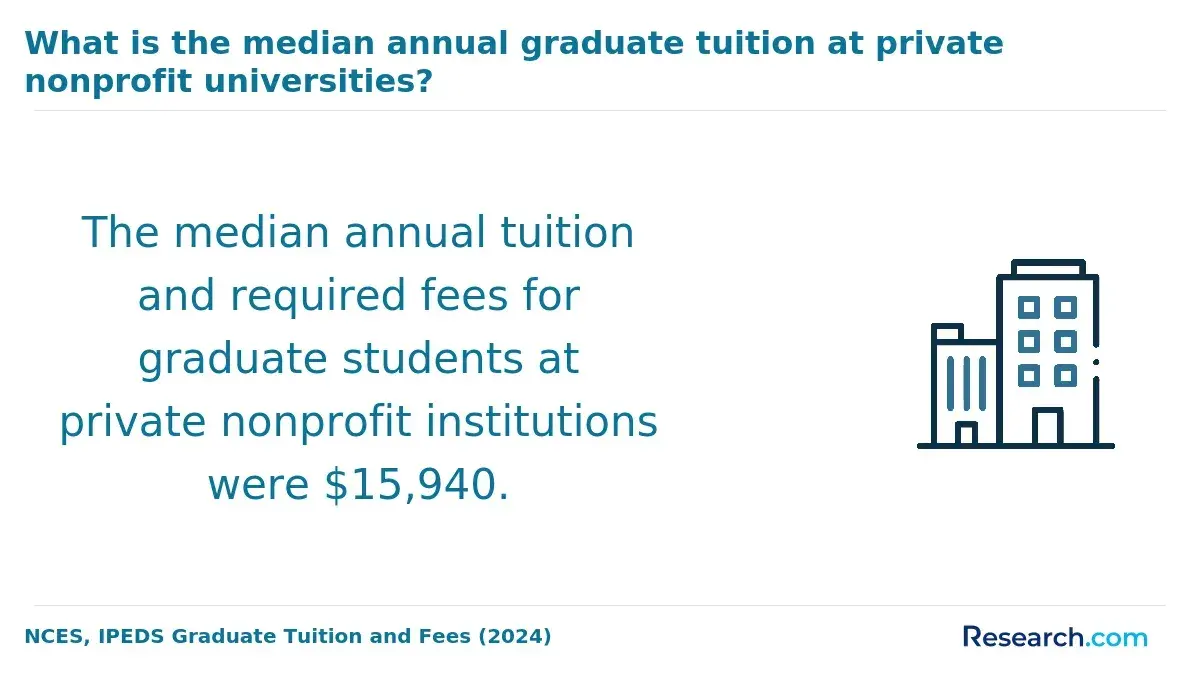
For a first-time manager, the most realistic near-term path is often greater responsibility within a familiar operation: supervising a larger team, managing a service unit, coordinating production, or taking ownership of a process-improvement initiative. With relevant experience, operations manager, supply chain manager, and general manager may become longer-term targets. Moving directly from an unrelated individual-contributor role into senior operations leadership is less likely without evidence of operational results.
Responsibilities differ by industry. A hospital operations team may focus on patient flow and staffing, while a manufacturer may prioritize production capacity and supplier performance. Healthcare workers considering that setting can compare online MBA programs for healthcare professionals with an operations-focused curriculum; the more useful choice depends on whether they need sector-specific knowledge or broader process-management skills.
The Bureau of Labor Statistics projects about 1.1 million U.S. management-occupation openings annually, on average, from 2025 to 2035, including openings created when workers leave occupations. That indicates a broad market for managers, not a forecast of openings available to new MBA graduates. For an individual applicant, industry experience, location, and demonstrated results remain more useful career signals.
The core teaches managers to interpret financial information, make strategic decisions, and lead people. Operations coursework applies that perspective to questions such as how much capacity a team needs, where delays occur, which quality measures matter, and how changes affect costs and customers. Analytics may support those decisions, but an MBA should not be mistaken for advanced engineering or data-science training.
For first-time managers, the connection between people and processes is especially important. A proposed scheduling change may look efficient on a spreadsheet yet fail if employees lack training or other departments cannot accommodate it. Look for assignments that require both operational analysis and a plan for communicating and implementing change. Check whether a capstone or employer-based project is available rather than assuming every program includes one.
Requirements are set by the university, not by the operations management field. Applicants commonly encounter a bachelor's degree requirement, transcripts, a résumé, and some combination of essays, recommendations, or an interview. Schools differ on work-experience expectations, minimum grades, GMAT or GRE policies, and whether applicants need foundation work in accounting or quantitative subjects. A nonbusiness bachelor's degree does not, by itself, rule out admission.
For a first-time manager, preparation should focus on evidence of readiness rather than an inflated job title. Use this checklist to separate documents to gather from ways to strengthen your case:
- Check each program's current admissions page for degree, experience, testing, prerequisite, deadline, and document requirements; ask admissions staff about any unclear policy.
- Update your résumé with the scope of your work, such as schedules, resources, projects, or teams you have coordinated, and describe results you can substantiate.
- In your statement, explain a specific operational problem you want to handle better and why broad MBA coursework - not only a short course - fits that goal.
- Choose recommenders who have observed your judgment, collaboration, and potential to lead; brief them on the responsibilities you are taking on.
- If accounting or quantitative work is unfamiliar, review the fundamentals before classes begin and ask whether the school offers foundation courses.
Leadership evidence can come from training colleagues or leading a project even if your managerial appointment is recent. Present those experiences accurately: influencing a team is valuable, but it is not the same as having direct reports or budget authority.
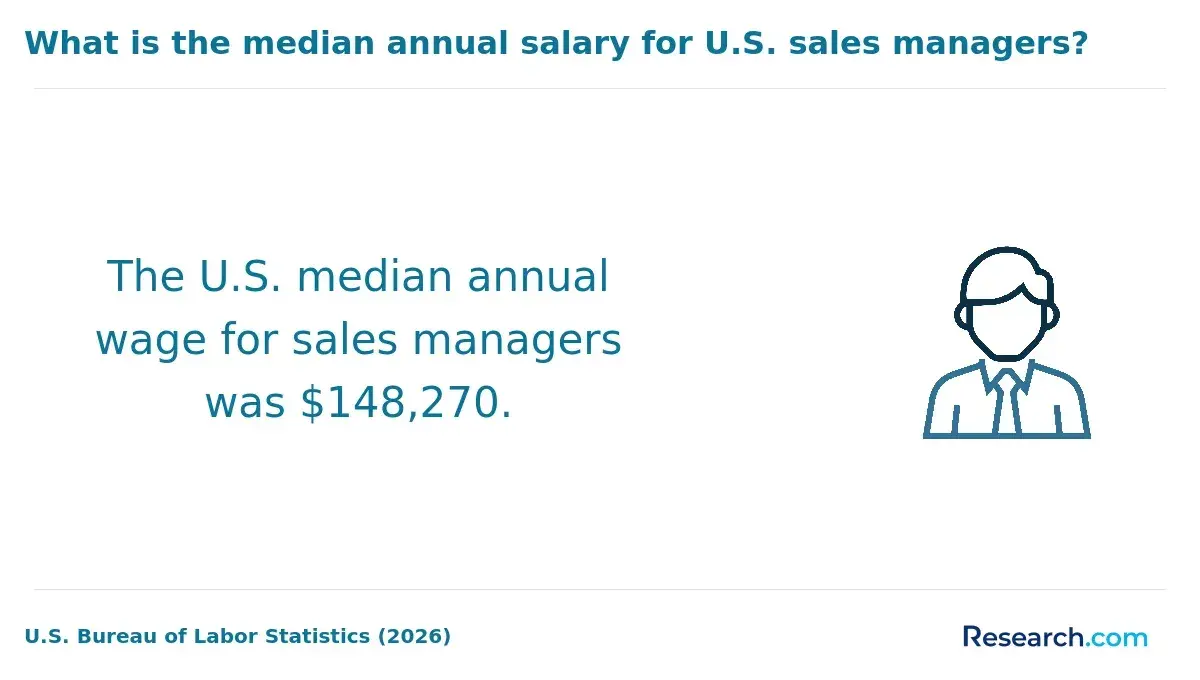
Completion time depends on required credits, course sequencing, enrollment pace, and when operations electives are offered. Accelerated study can shorten the calendar time but may leave less room to absorb new management responsibilities; part-time study spreads the workload while keeping school in your schedule longer. Compare published completion paths rather than assuming every online MBA follows the same timetable. Readers who need a shorter path can review accelerated graduate business degrees, then check whether the pace is feasible alongside their job.
Before enrolling, ask for a sample course sequence and identify required live sessions, group meetings, residencies, and policies for pausing enrollment. A new manager whose busiest season coincides with a required team project may benefit more from a flexible part-time sequence than the fastest advertised finish.
There is no reliable single price for this degree category. Compare the tuition required for the full program, mandatory fees, books and software, and any travel for required campus activities. Ask whether operations courses carry different charges and whether published tuition assumes a particular enrollment pace. A tuition figure alone is not a total-cost estimate.
Employer assistance can change the decision, but reimbursement may depend on grades, continued employment, or annual limits. Borrowing adds financing costs, while studying part time can preserve income but extend the period of tuition payments. Compare the school's itemized estimate with your available employer support and financing terms; a guide to online MBA tuition and total cost can help you identify charges to ask about. Do not base affordability on the earnings of experienced managers if you are newly entering management.
Delivery format changes how you participate, not necessarily what degree you earn. The comparison below highlights the practical trade-offs a first-time manager should investigate; individual programs may differ from either pattern.
| Factor | Online MBA | Campus-based MBA |
| Work continuity | Often designed for employed students, although scheduled sessions may still conflict with shifts | May offer evening or part-time study, while full-time attendance can require leaving or reducing work |
| Peer interaction | May rely on virtual discussions and remote group projects | Offers in-person interaction when students attend on campus |
| Recruiting access | Career services and employer events vary by program | Access also varies, but in-person recruiting may matter more for a major career change |
If you intend to keep building responsibility with your current employer, a well-supported online format may let you apply lessons immediately. If you need an intensive career switch, compare the actual recruiting, project, and alumni access offered to online and campus students at each school. Do not assume those services are identical because the institution awards both degrees.
First, confirm that the university holds recognized institutional accreditation and that the online MBA is offered by that institution. Then distinguish institutional accreditation from optional business-school accreditation, such as AACSB, which evaluates business education at the school level. A list of accredited MBA options for online students can provide a starting point, but verify each school's current status directly with the accreditor and university.
Next, inspect the current catalog for a formally designated operations concentration and its required courses. For your first management role, prioritize usable leadership instruction, applied operations work, a schedule you can sustain, and a cost you can justify. Request a sample course schedule and ask whether online students can use career coaching and employer projects. Accreditation establishes an important quality checkpoint; it does not establish that a particular concentration, timetable, or career service fits you.
Do operations managers need certifications or professional licenses?
There is no general professional license required simply to hold an operations manager title in the United States. Employers may nevertheless value certifications in supply chain management, process improvement, or project management for particular roles. Those credentials can demonstrate focused skills, but they are not interchangeable with the MBA's broader finance, strategy, and people-management education. Check job postings in your target industry before paying for either route.
Industry-specific work can have separate rules. A clinician moving into healthcare operations, for example, must not assume an MBA replaces a license needed for clinical duties. A nurse considering combined clinical and business leadership education may also explore a guide to online MSN and MBA dual-degree programs; the right path depends on the position's clinical responsibilities and educational requirements.
Other Things You Should Know About MBA
Yes, if a program's experience policy permits it. Explain what you have already led and what responsibilities you are beginning to assume, without presenting anticipated duties as completed experience.
Usually. A conversation can clarify tuition assistance, schedule flexibility, and whether you could use a workplace project for coursework. Confirm any funding conditions in writing.
It still can, but applying new concepts may be harder. Ask whether the program supplies cases, simulations, or external projects that let you practice operational decisions.
That depends on the school's rules and course availability. Ask an advisor whether previously completed electives would count toward the new concentration and whether a change would delay completion.
- Understanding U.S. Accreditation | EducationUSA https://educationusa.state.gov/understanding-us-accreditation
- Accreditation in the U.S. | ed.gov http://www.ed.gov/laws-and-policy/higher-education-laws-and-policy/college-accreditation/accreditation-in-the-us
- Full-Time MBA Requirements | UCLA Anderson School of Management https://www.anderson.ucla.edu/degrees/full-time-mba/admissions/requirements
- Components of the US College Application | harvard.edu https://psil.hsites.harvard.edu/components-us-college-application
- Choosing the Right Online MBA Program | Gies College of Business https://giesonline.illinois.edu/news/2025/10/03/choosing-the-right-online-mba-program--a-comprehensive-guide-to-asynchronous--synchronous--and-hybrid-programs
- Operations Management | Career Exploration & Student Employment https://careerexploration.indiana.edu/majors/operations-management
- Qualifications - Jenkins MBA - NC State University https://mba.ncsu.edu/admissions-process/qualifications/
- Does the GMAT/GRE waiver affect my application? - Carey Blog https://blog.carey.jhu.edu/article/does-the-gmat-gre-waiver-affect-my-application
- Flexible MBA Formats: Compare Accelerated, Evening & Online Programs | YSU https://online.ysu.edu/degrees/business/mba/general/flexible-formats-comparing-accelerated-evening-programs/
- AACSB Initial Business Accreditation Process https://www.aacsb.edu/educators/accreditation/accreditation-process/initial-accreditation