
Is an Online MBA in Cybersecurity Management Worth It for First-Time Managers?

Co-Founder and Chief Data Scientist
Your first management role may require decisions you never made as a cybersecurity specialist: setting priorities, defending a budget, and explaining risk to executives. An online MBA in Cybersecurity Management could help, but its value depends on the work you do now and the responsibilities you want next. This guide examines what the degree teaches, where it may help your career, and how to weigh its cost against more targeted development. You will leave with a practical way to decide whether to enroll, wait, or choose another path.
Key Things You Should Know
- An online cybersecurity MBA is most likely to pay off when you already work near security decisions and need stronger budgeting, people-management, and executive communication skills - not when you need entry-level technical training.
- Compare the full cost with employer support and a realistic next role; an MBA does not itself confer management authority, a cybersecurity certification, or a promotion.
- The Bureau of Labor Statistics reports a $126,520 median annual wage for US management occupations in May 2025. That broad occupational figure is not a salary forecast for cybersecurity MBA graduates.
Is an online MBA in Cybersecurity Management worth it for first-time managers?
Often, but not automatically. The strongest case is for a new security team lead, IT manager, or risk supervisor who can apply business coursework immediately and has a credible path toward broader responsibility. If your main gap is incident response, cloud security, or another technical specialty, a targeted course, certification, or supervised project may be a better first investment.
A first-time manager must learn to assign work, handle conflict, justify spending, and communicate trade-offs without treating every security risk as equally urgent. An MBA can provide a framework for those decisions. It cannot provide the trust, technical judgment, and record of delivery that employers usually want before expanding someone's authority.
Use your likely next role - not a hoped-for executive title - to test the investment. The comparison below separates goals that call for broad management education from those better served by narrower training.
| Immediate goal | Potentially better fit | Why |
| Lead security staff and make budget or enterprise-risk decisions | Cybersecurity-focused MBA | Combines general management with security governance, if the curriculum has sufficient depth. |
| Become stronger in a technical security specialty | Technical training, certification, or specialized master's | Usually provides more hands-on depth than a management-focused MBA. |
| Improve supervision in an existing role | Employer training or shorter leadership courses | May address an immediate skills gap with less cost and time away from work. |
Executive programs are generally aimed at professionals with substantial leadership experience, so leadership-focused executive MBA programs online executive MBA programs are a comparison point rather than an automatic upgrade for a first-time manager. The MBA's value is less certain if you would borrow heavily, cannot identify responsibilities you could use the coursework for, or would need to change both occupation and seniority to reach your target job.
What is an online MBA in Cybersecurity Management?
It is a business administration degree with cybersecurity-related study, commonly focused on enterprise risk, security governance, and technology decisions. The MBA core typically addresses finance, operations, strategy, and organizational leadership; the cybersecurity component applies business judgment to issues such as security investment, vendor risk, and incident oversight.
The label does not guarantee a formal concentration. One school may award an MBA with a named cybersecurity concentration, while another offers only relevant electives. Check the degree designation and required courses before assuming two programs provide equivalent preparation. Neither format should be mistaken for a hands-on cybersecurity degree.
What careers can an online MBA in Cybersecurity Management prepare you for?
For someone already working in cybersecurity, IT, compliance, or technology risk, the degree may support progression toward security team management, security program management, governance and risk leadership, or technology management. The common thread is responsibility for people, priorities, budgets, and communication - not simply deeper technical execution.
A new security manager might first supervise analysts and coordinate projects, then take on a wider program budget or cross-functional risk decisions after demonstrating results. Roles such as chief information security officer generally require extensive security and leadership experience. An MBA may complement that background, but it does not replace it.
If your experience is outside security, assess the size of the transition honestly. Managing people in another field provides transferable skills, but employers may still expect familiarity with security operations, regulatory obligations, or risk assessment. Look for ways to gain that experience at work before relying on the degree as a career-switching credential.
An online MBA may let you remain employed and apply coursework to your current team. A campus-based program may offer more routine face-to-face interaction and, depending on the school, different recruiting or experiential opportunities. Neither format is inherently better for learning cybersecurity management; the relevant question is whether its schedule and career support fit your next step.
Online does not necessarily mean self-paced. Live classes, group assignments, examinations, and campus visits can still constrain your week. Group projects can be useful practice for coordinating security, legal, finance, and operations stakeholders, but a manager with unpredictable incident duties should ask how teams handle scheduling. If that constraint matters, compare online study options for online MBA programs with limited group work and verify each program's actual collaboration requirements.
The MBA core can help a new manager read financial reports, evaluate competing investments, manage organizational change, and communicate decisions across departments. Cybersecurity-focused courses may cover risk governance, security policy, privacy, compliance, or the business implications of incidents. Exact subjects and depth vary by program.
Look for assignments that require you to defend a security recommendation against cost, operational disruption, and residual risk. That resembles the work of a manager more closely than memorizing technical controls. Also check whether leadership courses address feedback, delegation, and conflict: a concentration can teach security strategy while leaving everyday people management relatively untouched.
Requirements vary by university. Applicants commonly need a bachelor's degree and may be asked for a résumé, statement, recommendations, transcripts, or an interview. Schools set their own policies on work experience, test scores, and prerequisite coursework; a cybersecurity job title or certification is not a universal admission requirement.
As a first-time manager, use your application to show a specific transition from individual contribution to leading others. A credible example could explain how you resolved a competing-priorities problem or helped colleagues understand a security risk. If you have a nonbusiness degree, check whether the school requires foundation coursework in accounting or quantitative subjects rather than assuming you are ineligible. For a broader look at admissions options, MBA program choices: online MBA programs with accessible admissions acceptance rates can help frame the search; confirm current requirements directly with each school.
Completion time depends on the school's required credits, course sequence, term calendar, and whether you study part-time or at an accelerated pace. A cybersecurity concentration can affect scheduling if its courses are offered less frequently than the MBA core. Published minimum completion times may assume a course load that is difficult alongside a new management job.
Map required classes against your busiest work periods, including audits or planned system changes. Ask whether you can reduce your course load or pause enrollment without disrupting the concentration sequence. MBA programs with adaptable schedules may be worth comparing, but confirm what "self-paced" means at each school before planning around it.
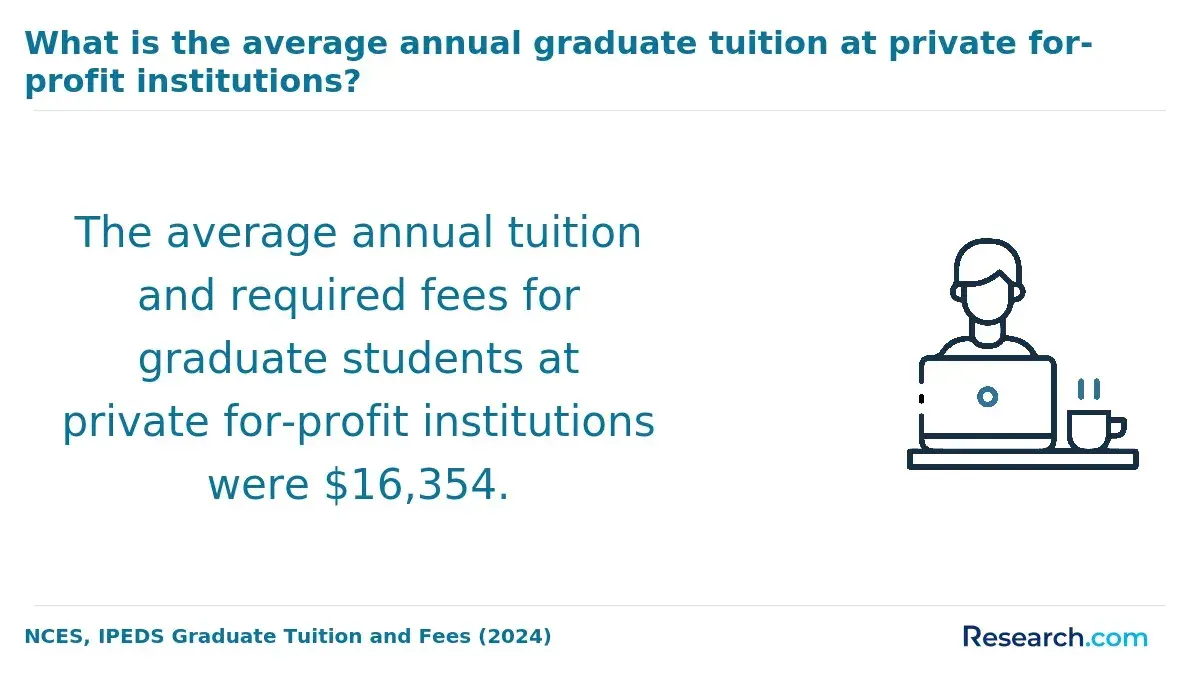
There is no reliable single price for this degree type. Compare each program's tuition against its required credits, then add mandatory fees, books or software, any travel, and borrowing costs. Ask whether tuition differs by residency status or enrollment pace. A published per-credit rate alone is not the total cost of attendance.
For a personal break-even test, subtract confirmed employer reimbursement and grants from your expected total cost, then compare the remainder with a plausible increase in compensation or other value from responsibilities you could realistically obtain. Treat any future raise as uncertain and consider what happens if it arrives later than expected. Staying employed while studying may reduce foregone wages, but it does not eliminate the time cost of coursework and management practice.
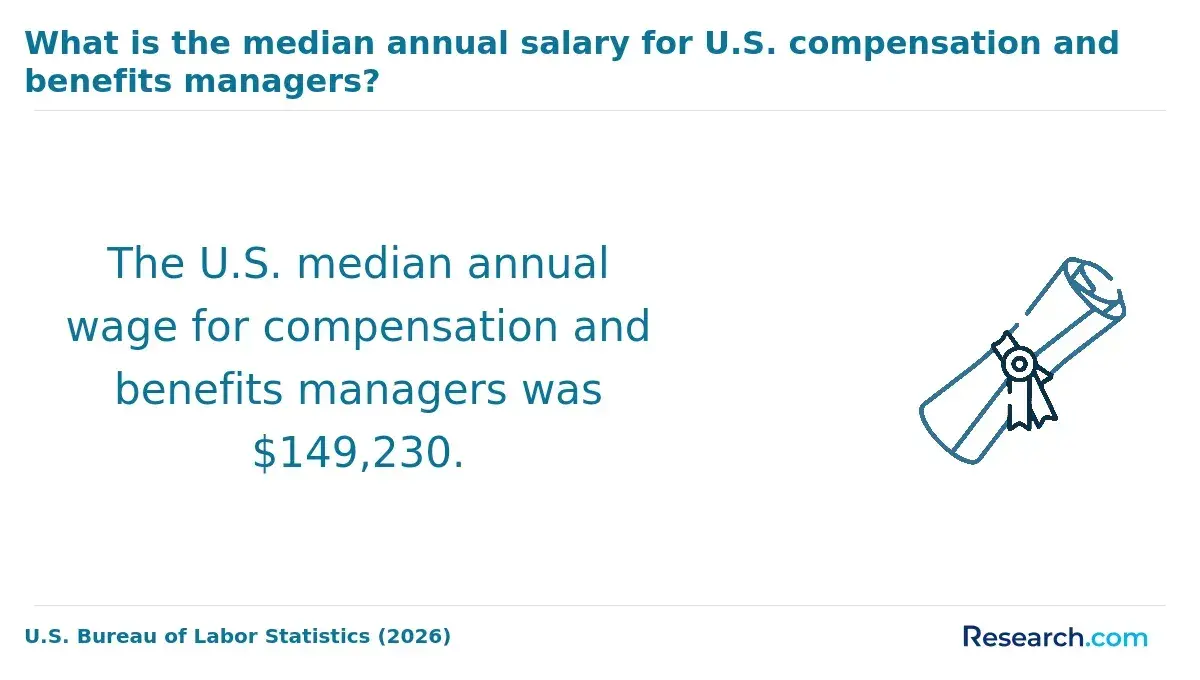
There is no single salary or job-growth figure for cybersecurity MBA graduates. The US Bureau of Labor Statistics reports that management occupations had a median annual wage of $126,520 in May 2025. That figure covers many management jobs and workers with varied experience; it should not be used as an expected starting salary or as evidence that an MBA caused higher earnings.
BLS projects overall management employment to grow faster than the average for all occupations from 2025 to 2035, but that broad outlook does not predict demand for a particular cybersecurity concentration. For a useful personal estimate, examine pay for the specific role, location, and experience level you could reasonably reach next. Compare that role's requirements with your current record of leading projects and people before counting a salary increase in your degree decision.
How should you choose an accredited online cybersecurity MBA program?
Start by verifying institutional accreditation and then check whether the business school holds any additional specialized accreditation it claims. These are different forms of recognition. Verify the online MBA's actual cybersecurity requirements, not just a marketing description or an elective that may be available to some students.
For a first-time manager, the best comparison goes beyond the concentration name. Ask for the required course list, a sample term schedule, live-session and residency rules, the level of group work, and examples of leadership-focused assignments. Confirm whether career services and alumni activities are accessible to online students. If you need to study around an on-call rotation, compare flexible online MBA programs online MBA programs with asynchronous classes, then verify whether every required course follows that format.
Finally, request a written estimate of total charges and ask your employer which expenses qualify for education assistance. Choose the program that closes your most important management gaps at a sustainable cost - not the one with the broadest claims about cybersecurity careers.
Other Things You Should Know About MBA
No. An MBA is an academic degree. Certification bodies set separate eligibility, examination, and continuing-education requirements.
An MBA does not grant a security clearance. Clearance decisions follow separate government processes and depend on the position and sponsoring organization.
Only if your employer permits it. Obtain approval and remove sensitive details; otherwise, use a public case or a hypothetical scenario.
Not necessarily. Management-focused courses may rely on cases and business analyses rather than technical labs. Check each program's software and equipment requirements.
- National Centers of Academic Excellence in Cybersecurity | nsa.gov https://www.nsa.gov/Academics/Centers-of-Academic-Excellence/
- Cybersecurity Leadership Program | Foster School of Business https://foster.uw.edu/executive-edu/executive-programs/cybersecurity-leadership-program/
- Do You Need a Tech Background for a Cybersecurity Master's? | Bay Path University https://www.baypath.edu/news/bay-path-university-blogs/post/do-you-need-a-tech-background-for-a-cybersecurity-master-s/
- Why an MBA in Cybersecurity Is Your Next Step | eccuedu https://www.eccu.edu/blog/mba-in-cybersecurity-career-leadership/
- What Is Cybersecurity Management? A Business Leader's Guide | Lamar https://degree.lamar.edu/online-programs/business/mba/cybersecurity-management/cyber-risk-framework/
- MBA in Cybersecurity: Online Degree & Career Guide | UIS https://onlinecbm.uis.edu/degrees/business/mba/cybersecurity-management-program/online-degree-guide/
- Cybersecurity Management: Online Master Of Business Administration | Strayer University https://www.strayer.edu/online-degrees/masters/master-of-business-administration/cybersecurity-management/
- How Many Hours of Work Per Online Course Credit | ASU Online https://asuonline.asu.edu/newsroom/online-learning-tips/discover-weekly-number-hours-online-students-study/
- Online Cybersecurity Management MBA at UWF https://getonline.uwf.edu/business-programs/mba/cybersecurity/
- Case-based learning for cybersecurity leaders | sciencedirect.com https://www.sciencedirect.com/science/article/pii/S0378720624000971


