Online MBA in Information Systems: Curriculum and Workload for Public Sector Professionals

Co-Founder and Chief Data Scientist
Leading a government technology project takes more than understanding the software. Budget approval, procurement, data governance, and organizational change can determine whether a system delivers public value. An online MBA in information systems may help professionals manage those decisions, but its technical depth and scheduling demands vary by program.
This guide explains what you are likely to study, how the work fits around a public-sector job, and when an MBA makes more sense than a technical degree or shorter training.
Key Things You Should Know
- An information systems MBA combines a management core with technology-focused courses; it typically prepares students to oversee systems and decisions, not to become software engineers.
- Weekly workload depends on course load, live meetings, group work, and term length - not simply on whether a program is advertised as online.
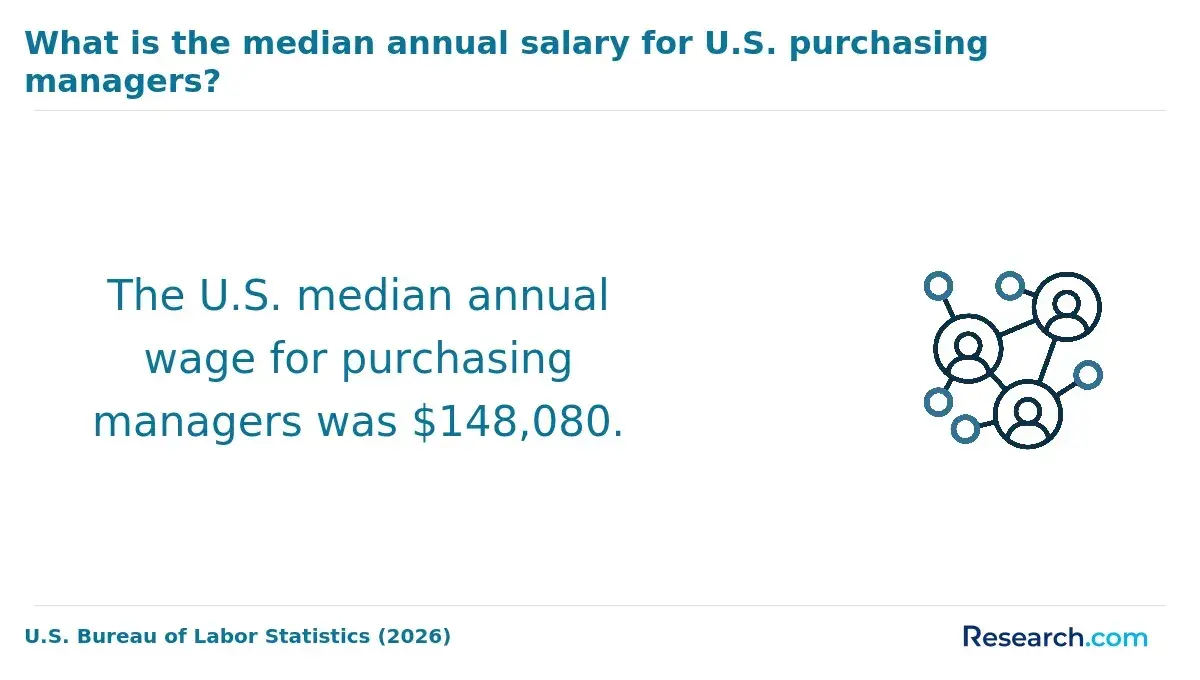
- For public employees, the strongest fit connects coursework to budgeting, procurement, security governance, and service delivery; the U.S. Bureau of Labor Statistics' $126,520 median for all management occupations in May 2025 is not an expected public-sector or MBA-graduate salary.
What is an online MBA in information systems for public sector professionals?
An online MBA in information systems is a graduate business degree that pairs broad management education with coursework on how organizations select, govern, and use information technology. Schools may call the focus information systems, management information systems, or IT management. Some offer a formally designated concentration; others offer only relevant electives. Check the actual course requirements and the designation awarded rather than relying on a program's marketing language.
For a public-sector professional, the value lies in connecting technology choices to budgets, accountability, and services. A city IT manager, for example, may need to assess a vendor proposal and explain its operating costs to finance staff - not build the system personally. An MBA is less direct preparation for a role centered on advanced programming, network engineering, or security operations.
What does an online MBA in information systems curriculum include?
Curricula vary, but the distinction that matters most is between the MBA core and the information systems component. This comparison shows how each part could support public-sector work; it is not a course list shared by every school.
| Curriculum component | Typical subjects | Public-sector application |
| MBA core | Accounting, managerial finance, operations, strategy, leadership, and organizational behavior | Defending a technology budget, managing staff, and evaluating operating trade-offs |
| Information systems focus | IT strategy, systems analysis, analytics, digital transformation, and technology governance | Evaluating systems against agency needs, data responsibilities, and implementation risks |
| Electives or applied work, if offered | Cybersecurity management, project management, vendor analysis, or a capstone | Planning a procurement, change initiative, or service-delivery improvement |
Look closely at the assignments, not just course titles. A systems course built around business cases may be useful for a future agency director but insufficient for someone seeking intensive database or software-development training. If cost limits your choices, compare syllabi across affordable graduate business education degree programs to see whether lower-priced options still cover the governance and applied work you need.
How much workload does an online MBA in information systems require?
There is no dependable weekly-hour estimate for every online information systems MBA. Time demands change with the number of courses taken, term length, quantitative preparation, and whether assessments are individual or team-based. A course with recorded lectures may still have fixed exam windows, scheduled discussions, or group deadlines.
Public-sector work adds less predictable pressure: budget cycles, legislative sessions, audits, incident response, and procurement deadlines can coincide with exams or capstones. Before enrolling, ask for a recent syllabus and a sample term calendar. Identify required live sessions, their time zones, group-meeting expectations, exam windows, and any campus visits. Then test that schedule against your busiest work period, not an average week.
An accelerated schedule can reduce calendar time while increasing the intensity of each term. Compare accelerated graduate business degrees degree programs only if you can protect study time during peak agency demands. Otherwise, a lighter course load and a clear leave-of-absence policy may be more useful than the shortest advertised completion time.
The degree level and academic goals can be similar, but the way students participate may differ substantially. Online study can let a public employee remain in a job and apply course concepts immediately. It does not necessarily mean self-paced study: live classes, team projects, residencies, and fixed submission dates may still apply.
Campus-based study may make spontaneous faculty contact, employer events, and in-person cohort relationships easier. Online programs can offer networking and career support, but access varies; do not assume it matches a school's full-time campus MBA. If your primary goal is advancement within your agency, the ability to keep working may outweigh campus recruiting. If you hope to move into private-sector technology management, compare the actual recruiting access and employer connections available to online students.
Requirements are set by each school, not by the specialization. Applicants commonly submit evidence of a bachelor's degree, academic records, a résumé, and application statements; policies on professional experience, recommendations, interviews, and GMAT or GRE scores vary. An information systems concentration does not universally require a computer science degree or prior coding experience.
A public employee can strengthen an application by describing decisions and outcomes: coordinating a systems rollout, managing a vendor, improving a data process, or working across finance and IT teams. If accounting or quantitative coursework is unfamiliar, ask whether the program provides foundation modules and whether they add time or cost. Applicants comparing online study options for online MBA programs with accessible admissions acceptance rates should still verify the current requirements and academic fit of each individual program.
Completion time depends on required credits, transfer-credit rules, course availability, and how many classes you take each term. A faster plan may be difficult to sustain alongside a full-time agency role, particularly if information systems electives are not offered every term. Ask the school for a course-by-course completion plan at the pace you intend to follow.
For cost, compare the full amount you would pay - not just an advertised tuition figure. Confirm whether tuition is charged per credit, course, or term; add mandatory fees, materials, technology charges, and any required travel. Ask your employer whether education assistance covers this degree, whether approval must come before enrollment, and whether reimbursement requires a grade or continued service. Compare published charges through a tuition-focused MBA program search, then obtain an individualized estimate from each school. Borrowing costs and time away from paid work can change the calculation further.
The most direct use is improving decisions at the boundary between technology and management. An agency analyst might build a stronger business case for replacing an outdated system. A program manager might improve vendor oversight, implementation planning, or communication with the people who use a new service. A technology supervisor might apply finance and leadership coursework to staffing and long-term operating costs.
Private-sector frameworks need adjustment in government. A proposal that promises efficiency may still need to satisfy procurement rules, accessibility obligations, records requirements, security controls, and public accountability. Using a real workplace problem in a course project can make learning more useful, but obtain authorization before sharing agency data or documents. Where approval is unavailable, use public or fictionalized information instead.
For internal advancement, compare the MBA with your agency's position requirements and promotion practices. If the immediate need is a narrower skill - such as procurement management, security governance, or a specific platform - employer training, a certificate, or selected graduate courses may be a better first step.
Potential paths include IT program manager, information systems manager, digital transformation lead, operations manager, and technology-focused agency leadership. The realistic next role depends heavily on existing experience: managing a systems project can support a move into broader program oversight, while an MBA alone is unlikely to qualify someone for a senior technical post.
Salary comparisons require particular care. The U.S. Bureau of Labor Statistics reports a May 2025 median annual wage of $126,520 for all management occupations. That figure combines many occupations and employers; it is neither a public-sector IT salary nor a forecast of what an MBA graduate will earn. Government pay grades, locality, civil-service rules, and the responsibilities of the specific vacancy are more useful for estimating your prospects. Compare posted roles you could credibly pursue before treating a potential raise as part of your degree's financial return.
First, verify that the university holds recognized institutional accreditation. Then check whether its business school has specialized accreditation, such as AACSB, ACBSP, or IACBE, if that distinction matters to you or your employer. Institutional and business-school accreditation are different claims; neither, by itself, confirms that the information systems concentration is available online or contains particular courses.
Professional certifications serve a different purpose. A project-management or information-security credential may document knowledge in a defined practice area, sometimes alongside experience requirements. MBA coursework does not automatically award such a certification or replace its examination. If a job posting names a credential, check the credentialing organization's current eligibility rules and compare that route with the broader management education an MBA provides.
How can you choose a reputable online MBA in information systems?
Start with your intended decision-making role, then request evidence that the program will prepare you for it. Confirm the official concentration designation and required courses, inspect sample assignments, and ask who teaches the information systems subjects. Verify accreditation directly with the institution and relevant accreditor, and request written answers about live attendance, residencies, elective availability, and total charges.
Next, map the proposed course sequence against your agency calendar and funding rules. If you have prior graduate study, ask whether credits can apply to the MBA and its concentration - not merely whether the university accepts transfers in principle. A comparison of online MBA programs that accept transfer credits can help you identify schools to question, but the school must evaluate your individual record.
Choose the MBA when you need both general management skills and informed oversight of technology initiatives, and the workload and net cost are workable. If you need deep technical training or only one narrowly defined skill, compare a specialized master's degree or shorter training before committing to the MBA.
Other Things You Should Know About MBA
No. A degree does not grant a clearance. The employing organization and applicable government process determine whether a position requires one and how eligibility is assessed.
Only if your agency authorizes that use and it complies with applicable privacy and security rules. Public, synthetic, or fictionalized data is often a safer choice.
Diploma and transcript wording varies by school. Ask the registrar for the exact credential and transcript designation before enrolling.
That depends on the program's leave and reentry policies. Ask how a pause affects course sequencing, tuition, financial aid, and the deadline for completing the degree.
- IT Accessibility Laws and Policies | Section508.gov https://www.section508.gov/manage/laws-and-policies/
- Online group projects in higher education - PMC https://pmc.ncbi.nlm.nih.gov/articles/PMC10038701/
- Management Information Systems Major (Undergraduate Newark) | Rutgers Business School-Newark and New Brunswick https://www.business.rutgers.edu/undergraduate-newark/management-information-systems
- What are Asynchronous Classes? | University of Bridgeport https://www.bridgeport.edu/news/what-are-asynchronous-classes/
- Synchronous vs. Asynchronous Learning | Saint Leo University https://www.saintleo.edu/about/stories/blog/synchronous-vs-asynchronous-learning-for-course-delivery
- How Many Hours of Work Per Online Course Credit | ASU Online https://asuonline.asu.edu/newsroom/online-learning-tips/discover-weekly-number-hours-online-students-study/
- Time on Task in Online Courses | RIT https://www.rit.edu/teaching/time-task-online-courses
- Master of Business Administration (MBA): Information Systems | NMSU Global Campus https://global.nmsu.edu/degree-programs/masters/business-administration-information-systems-mba/
- How Do Asynchronous Classes Work? | Hopkins EP Online https://ep.jhu.edu/news/how-do-asynchronous-classes-work/
- How many hours per week should I expect to spend on coursework? - Professional Degrees & Certificates https://pdc.wisc.edu/knowledgebase/how-many-hours-per-week-should-i-expect-to-spend-on-coursework/