2027 Online Health Education Bachelor's Degree Programs With Open Enrollment

Co-Founder and Chief Data Scientist
Imagine a working adult aiming to advance their career without interrupting their job or relocating. Online health education bachelor's degree programs with open enrollment offer this flexibility, catering specifically to such learners.
Recent data shows that over 40% of students enrolling in online health education programs choose open enrollment options for their adaptability. This approach allows continuous admission without restrictive deadlines, helping learners start when ready. This article will explore key factors, benefits, and challenges of these programs. It aims to guide prospective students through essential decisions to successfully pursue an online health education bachelor's degree via open enrollment.
Key Benefits of Online Health Education Bachelor's Degree Programs With Open Enrollment
- Flexible start dates in online health education bachelor's programs allow students to begin coursework year-round, accommodating varying schedules and reducing wait times for enrollment.
- Open enrollment policies provide accessible admissions pathways, often eliminating standardized test requirements and broadening opportunities for nontraditional and returning students.
- These programs offer convenience for working adults by enabling asynchronous learning, which supports balancing career, family, and academic responsibilities with minimal disruption.
Who Qualifies for an Online Health Education Bachelor's Degree With Open Enrollment?
Open enrollment policies aim to increase access to higher education by allowing a broader spectrum of students to enroll without strict admission criteria. Research indicates that nearly 40% of college students identify as nontraditional learners, highlighting the value of programs that accommodate various educational backgrounds.
These policies help foster inclusivity in online health education bachelor's degree programs open enrollment eligibility.
Typical groups eligible for these programs include:
- Recent Graduates: High school graduates seeking flexible options to begin their college careers can benefit from open enrollment, which removes barriers to entry and allows a smooth transition into higher education.
- Working Adults: Individuals currently employed who want to advance or change their careers often find open enrollment suitable, as it provides opportunities to study without disrupting their job schedules.
- Nontraditional Students: Those who delayed college after high school or who balance family and other responsibilities can access online health education bachelor's degree programs through flexible open enrollment models.
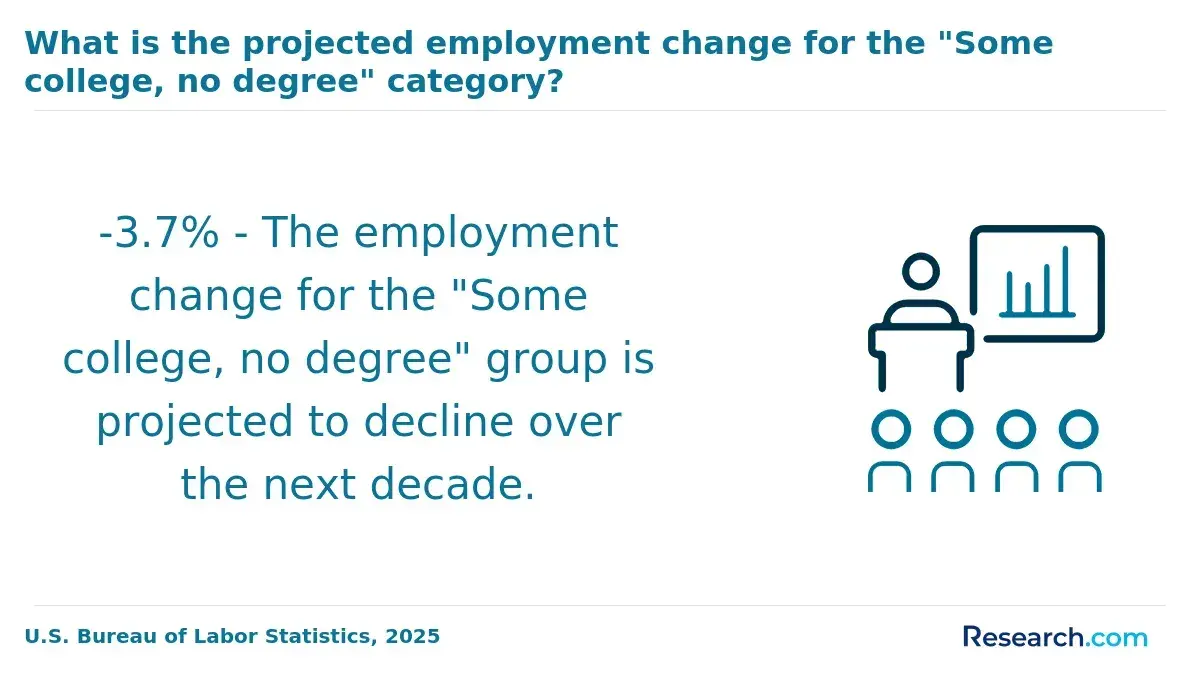
- Prior College Experience: Students with some college credits but no completed degree can reengage with their studies through programs designed to recognize previous coursework in health education.
- Military Personnel: Active service members and veterans often seek such programs due to their adaptable schedules and support for unique lifestyle demands.
Many prospective students explore options among easy nursing colleges to get into to find programs aligning with their needs. Understanding the requirements for open enrollment health education bachelor programs further supports students in making informed decisions when pursuing their education goals.
What Is the Difference Between Open Enrollment and Rolling Admission in an Online Health Education Bachelor's Degree?
Open enrollment and rolling admission are often confused but represent distinct approaches to admissions and timing for online health education bachelor's degree programs. Approximately 63% of online learners prefer open enrollment due to its flexibility, making it a popular choice for many institutions seeking to expand access.
The differences between admission types for online health education degrees can influence prospective students' decisions significantly.
Below is a detailed comparison to help clarify how each model operates.
Open Enrollment
- Admission Flexibility: Open enrollment allows students to register for courses without a traditional application or evaluation process, removing common barriers such as deadlines or admission criteria.
- Immediate Access: Learners can start almost any time throughout the year, facilitating continuous or multiple start dates that accommodate various schedules.
- Accessibility: This model supports nontraditional students balancing work or other commitments by offering a more accessible path to education without prolonged waiting periods.
- Application Process: There is typically no selective review; students simply enroll in their chosen courses without needing transcript evaluations or interviews.
Rolling Admission
- Continuous Acceptance: Applications are reviewed as received, allowing students to apply at different times throughout the year rather than adhering to strict deadlines.
- Selective Evaluation: Admission decisions involve a case-by-case review, often requiring transcripts and additional documentation to determine eligibility.
- Seat Availability: Enrollment depends on available seats, and there may be waitlists for popular programs, which can delay start dates.
- Scheduled Starts: While start dates are staggered, students must meet admission criteria and gain approval before enrollment, making it less immediate than open enrollment.
When exploring options, prospective students should consider these factors in relation to their needs for flexibility and immediacy. For those seeking low cost nursing programs with flexible admission policies, understanding these differences is especially important.
The growing popularity of open enrollment programs reflects a broader trend toward accommodating diverse learner schedules and commitments.
More information about affordable options can be found at low cost nursing programs.
2026 Update: Checking Program Credibility Before You Enroll
For this 2026 refresh, we added guidance on how students can judge whether an open enrollment online health education bachelor’s program is credible, career-relevant, and appropriate for public health or community education goals.
- Confirm the college is institutionally accredited by a recognized accrediting agency.
- Review whether the curriculum includes health promotion, program planning, evaluation, communication, and community health topics.
- Ask if the program includes a practicum, internship, capstone, or applied project tied to real health education settings.
- Check whether coursework may support future eligibility for relevant health education credentials or graduate study.
- Look for student support services such as academic advising, online tutoring, library access, and career guidance.
- Verify how transfer credits are evaluated before committing to enrollment.
Checking these details helps students choose a flexible open enrollment program that is not only accessible, but also respected and aligned with their long-term career plans.
What Are the Admission Requirements for an Online Health Education Bachelor's Degree With Open Enrollment?
Online health education bachelor's degree programs with open enrollment offer more flexible and accessible admission criteria than traditional routes. Data shows nearly 60% of U.S. schools with open enrollment report improved access for students who might otherwise face barriers in selective admissions.
These programs balance openness with essential requirements to prepare students for academic success.
Common admission elements often include:
- Proof of Prior Education: Applicants typically must provide evidence of completing high school or an equivalent credential to confirm foundational academic readiness.
- Basic Application Materials: Submission of personal and educational information is usually straightforward and handled through an online application platform.
- Identity Verification: Schools verify the applicant's identity to maintain program integrity and confirm eligibility.
- Readiness for Online Learning: Some programs require proof of technical skills or participation in an orientation to ensure students can navigate virtual courses effectively.
A current student in an online health education bachelor's degree with open enrollment shared that while the admission process was "less intimidating than other programs," it wasn't without its difficulties. He mentioned feeling anxious about demonstrating enough technical proficiency since the orientation included unfamiliar software tools.
However, the clear guidance and supportive staff helped ease his concerns. "It felt like the school genuinely wanted me to succeed, not just to fill a seat," he noted, emphasizing the value of a process designed to confirm readiness while remaining accessible.
Which Online Health Education Bachelor's Degree Programs Have Open Enrollment?
Open enrollment options are increasingly integrated into diverse academic fields to promote access for a wide range of learners, including working adults and career changers. Recent trends reveal that more than 60% of students in online undergraduate programs benefit from flexible admission policies, emphasizing the demand for accessible program formats.
This is especially relevant for those exploring the best accredited online health education programs with open enrollment.
Many online health education bachelor's degree programs with open enrollment focus on distinct specializations. These pathways cover essential public health knowledge and targeted areas of expertise, such as:
- Community Health Education: Concentrates on enhancing wellness and preventive strategies at the population level, equipping students to develop outreach programs addressing diverse community needs.
- Health Promotion and Wellness: Focuses on behavior change and effective health communication tactics to foster healthier lifestyle choices among varied populations.
- Public Health Education: Combines elements of epidemiology, health policy, and environmental health to prepare students for complex challenges in public health sectors.
- Health Services Administration: Develops leadership skills required for managing organizations within healthcare settings, emphasizing operational and financial responsibilities.
- School Health Education: Specializes in creating health curricula and wellness programs tailored for school environments to support student well-being.
Students interested in accelerating their healthcare career paths may also consider exploring fast-track LPN programs online, which complement broader health education studies with practical training opportunities.
How Do I Apply to an Online Health Education Bachelor's Degree With Open Enrollment?
Applying to an online health education bachelor's degree program with open enrollment is designed to be user-friendly and flexible, making it ideal for students balancing other responsibilities. The process is typically simple and geared toward quick completion.
Below is an overview of the common steps involved.
- Create an Online Account: Begin by setting up a profile on the school's admissions portal. This account will be your central point for submitting information and monitoring application progress.
- Complete the Application: Fill out the form with your personal and academic details. Open enrollment programs often forgo standardized testing and extensive paperwork to speed up this stage.
- Submit Required Documents: Upload essential items such as your high school diploma or GED and official transcripts. Some programs might request a few additional documents, but generally keep these requirements minimal.
- Confirm Enrollment Details: After your materials are reviewed, expect confirmation that includes tuition information, class schedules, and orientation resources. Some schools may ask you to complete placement assessments or advising sessions next.
- Receive Next Steps: You'll get instructions on class registration and setting up access to learning platforms. Admissions support is usually available at all stages to help you navigate the process.
When asked about her experience applying, a graduate of an online health education bachelor's degree with open enrollment shared that the process "felt surprisingly manageable despite my busy schedule." She appreciated how creating the account was straightforward and how each step came with clear instructions.
Though she initially worried about submitting transcripts online, the minimal documentation requirements eased her concerns. She recalls feeling reassured after receiving her enrollment confirmation and valued the availability of staff when questions arose. This support helped her transition smoothly from applicant to student, highlighting the program's practical design for learners like her.
Can I Start an Online Health Education Bachelor's Degree at Any Time?
Many online health education bachelor's programs with open enrollment provide students with flexible start dates, allowing them to begin their studies at various points throughout the year. This benefit supports learners balancing work, family, or other responsibilities.
Recent findings indicate that about 62% of online learners have access to multiple potential start dates within their programs. Availability of start times varies depending on how the program is structured. Below are some important factors to consider:
- Continuous Enrollment: Some programs offer year-round admission, enabling students to enroll at any time rather than waiting for traditional semester beginnings.
- Multiple Start Dates: Many programs feature quarterly or tri-semester starts, making it easier to begin classes at different intervals that match individual schedules.
- Program Pacing: Options range from self-paced progress, which lets students set their own speed, to structured terms requiring adherence to fixed deadlines and class schedules.
- Administrative Processing: Even with open enrollment, application reviews and enrollment confirmations may need several days to complete before students can officially commence courses.
These considerations help prospective students find health education programs that align with their timing needs and support their unique circumstances.
Is It Easier to Get Into an Online Health Education Bachelor's Degree With Open Enrollment?
Open enrollment policies generally reduce traditional barriers to admission for online health education bachelor's degree programs, making them more accessible to a broader range of students. These programs often waive requirements such as minimum GPA, standardized test scores, or competitive ranking, aligning with national trends.
For example, about 40% of U.S. community colleges and various online universities have adopted nonselective admissions to better serve diverse learners, including working adults and those returning to education. This approach opens opportunities for motivated students who might not meet conventional criteria but are eager to advance their education.
Despite the increased accessibility, open enrollment does not guarantee automatic admission without meeting essential standards. Prospective students must still complete an application, provide necessary documentation like a high school diploma or equivalent, and may be required to participate in placement tests or orientation sessions.
These steps ensure that students demonstrate basic readiness for postsecondary study while maintaining academic quality and completion rates. Open enrollment programs also often include support services such as tutoring and advising to help students succeed once admitted.
How Much Does an Online Health Education Bachelor's Degree With Open Enrollment Cost?
Costs for an online health education bachelor degree with open enrollment vary widely based on program structure and credit requirements. Tuition is often the largest expense, averaging between $300 and $400 per credit hour for many online bachelor's degree programs in the U.S. Understanding the main components of cost can help prospective students plan their finances effectively.
Key cost factors include:
- Tuition Per Credit: Tuition rates are usually calculated on a per-credit basis, with degree programs requiring roughly 120 to 130 total credit hours. This means overall tuition costs depend heavily on the number of credits needed to graduate.
- Technology Fees: Many programs charge technology or online learning fees to support the digital platforms and resources necessary for remote coursework. These fees might be assessed per credit or as a flat rate each term.
- Course Materials: Costs for textbooks and supplies can add a few hundred dollars per semester. Some programs offer digital resources included in tuition, while others require students to purchase materials separately.
- Administrative Fees: Fees such as application, registration, or student service fees support services like advising and library access, adding incremental costs beyond tuition.
Students seeking affordable online health education degree programs should evaluate all these factors carefully. Additionally, understanding accreditation standards such as CAHME accreditation for MHA programs can provide assurance of quality in their educational investment.
Are There Disadvantages to Open Enrollment Online Health Education Bachelor's Degrees?
Open enrollment in online health education bachelor's degree programs increases access for many students by reducing admission barriers. However, this approach can also bring challenges, such as lower retention and completion rates, with some programs reporting dropout rates as high as 40%. These statistics reflect difficulties students may encounter when managing studies without traditional campus support.
The following points outline common limitations seen in open enrollment models.
- Less Selective Admissions: Admitting a wide range of applicants results in varied academic preparedness. This diversity can make it harder for instructors to pace courses effectively and provide targeted support, impacting overall student success.
- Varying Student Preparedness: Students new to college-level work or online learning environments might struggle to meet the demands of fully online coursework. Without foundational skills, keeping up with assignments and technology can become overwhelming.
- Limited Cohort Interaction: Open enrollment often allows students to start classes at different times, reducing opportunities for consistent peer engagement. This can hinder collaborative learning and weaken the sense of community, which is vital in many health education programs.
- Need for Strong Self-Discipline: Flexible schedules require learners to manage their own time and motivation absent face-to-face accountability. This independent structure may lead to procrastination or difficulty maintaining progress for some students.
These limitations highlight important considerations within the broader discussion of open enrollment challenges in online health education bachelor's programs. Prospective students should carefully evaluate their readiness and identify additional resources to support success, such as tutoring or academic advising.
For those seeking flexible yet quality options, it can be helpful to explore an online nutrition degree as a related field that may offer similar benefits and challenges.
Understanding the limitations of open admission health education degrees allows students to make informed decisions about their education pathways, balancing accessibility with the necessary supports to achieve their academic and professional goals.
How Do I Manage Time in an Open Enrollment Online Health Education Bachelor's Degree?
Success in open enrollment online health education bachelor's degree programs depends heavily on managing your time wisely. Research indicates that about 70% of online learners experience improved results by creating regular study habits.
Implementing effective strategies can help maintain focus and keep you on track.
- Consistent Study Schedule: Designate specific hours each day or week solely for your coursework to build a steady routine and avoid last-minute stress.
- Task Prioritization: Organize assignments by their deadlines and difficulty level, tackling the more complex tasks first when your energy is highest.
- Minimize Distractions: Select a quiet workspace and reduce interruptions by silencing notifications and informing others of your dedicated study times.
- Track Progress: Use planners or digital apps to monitor your advancement regularly, which helps maintain motivation and allows adjustments to your schedule as needed.
What Graduates Say About Online Health Education Bachelor's Degree Programs With Open Enrollment
- Derrick: "Choosing an online health education bachelor's degree with open enrollment made it possible for me to start immediately without waiting for traditional admissions deadlines. Balancing work and study was tough, especially learning how to manage my time effectively to meet course demands. This degree has truly opened doors in my career, allowing me to transition into a community health coordinator role where I can make a real difference."
- Arjun: "I appreciated the flexibility of open enrollment in the online health education program, which fit perfectly with my unpredictable work schedule. The biggest challenge was staying motivated during self-paced lessons without in-person interaction, but the support forums helped immensely. Earning this degree has enhanced my understanding of public health initiatives and positioned me well for leadership opportunities in my field."
- Elias: "Pursuing an online health education bachelor's degree with open enrollment was my way to advance without interrupting my family life. While the lack of set start dates was convenient, staying disciplined through the coursework was a real test of my commitment. Ultimately, the knowledge and credentials I gained have significantly boosted my credibility and practice as a wellness advisor."
Other Things You Should Know About Health Education Degrees
In 2027, online health education bachelor's degree programs with open enrollment often offer various support services to enhance student success. These include academic advising, career counseling, technical support, and access to online resources such as libraries and writing centers. Such services help students manage coursework and navigate their educational journey effectively.
Yes, online health education bachelor's degree programs with open enrollment are ideal for working professionals. These programs often offer flexible scheduling, allowing students to balance work and study. Asynchronous classes can be accessed at any time, making it easier to manage career and educational commitments simultaneously.
Many online health education programs provide support such as academic advising, tutoring, and career services. Additionally, students typically have access to virtual libraries, technical support, and networking opportunities to enhance their educational experience.
References
- Online Bachelor's Degrees in Human Services: Top Schools https://www.edumed.org/online-schools/human-services-degrees/bachelors/
- 20 Best Online Bachelor's in Public Health - MPH Online https://www.mphonline.org/best-online-bachelors-in-public-health/
- Specializations https://www.publichealthdegrees.org/specializations/
- Programs A-Z - Health Sciences Education - Mayo Clinic College of Medicine & Science https://college.mayo.edu/academics/health-sciences-education/programs-a-z/
- Enroll Any Time or Open Enrollment Bachelors Degree Program https://www.bachelorsdegreecenter.org/accessible/bachelors-degree-program-open-enrollment/
- Bachelor of Health Online | UC Online | UC Online https://uconline.ac.nz/courses/bachelor-of-health
- Online Bachelor’s Degree in Community Health and Wellness https://www.monroeu.edu/academics/undergraduate-programs/school-allied-health-professions/online-bachelors-degree-community
- The Problem With Exclusively Online Degree Programs https://tcf.org/content/commentary/the-problem-with-exclusively-online-degree-programs/