
2027 Online Data Science Master's Programs for Vermont Residents: In-State and National Options

Co-Founder and Chief Data Scientist
Vermont residents can look beyond nearby campuses for an online data science master's, but a school's location does not determine whether its program is available in Vermont - or whether Vermont residency lowers the price.
This guide compares identifiable national options with the questions to ask about Vermont-based study. It will help you narrow programs by degree focus, enrollment eligibility, schedule, and total cost before applying.
Key Things You Should Know
- Vermont residency does not automatically provide in-state tuition at an out-of-state online university. Confirm both Vermont enrollment eligibility and the rate you would pay.
- National options worth comparing include Georgia Tech's online Master of Science in Analytics, UT Austin's online Master of Science in Data Science, and the University of Colorado Boulder's online Master of Science in Data Science.
- The U.S. Bureau of Labor Statistics projects 35% growth in data scientist employment from 2025 to 2035; that outlook does not predict an individual graduate's job prospects.
What are online data science master's programs for Vermont residents?
These are graduate programs a person living in Vermont can complete primarily or entirely online, whether the university is in Vermont or another state. The degree may be called data science, analytics, or computer science with a data science emphasis. Those titles are not interchangeable: their required courses can place different weight on statistics, software, machine learning, and business decisions.
For a Vermont resident, online availability and permission to enroll from Vermont are separate questions. Before applying, ask the university whether its program currently accepts students physically located in Vermont and whether any course, exam, or other requirement involves travel. If you are still deciding which credential leads toward your target work, review online degree pathways into data careers before committing to a graduate program.
Which accredited online data science master's programs accept Vermont residents?
Georgia Tech, the University of Texas at Austin, and the University of Colorado Boulder offer online graduate programs relevant to data science. Georgia Tech and UT Austin are institutionally accredited by the Southern Association of Colleges and Schools Commission on Colleges; CU Boulder is institutionally accredited by the Higher Learning Commission. Institutional accreditation does not, by itself, confirm that a particular online program can enroll a student living in Vermont.
The programs below are a shortlist for Vermont residents to investigate, not a verified roster of current Vermont-authorized enrollments. State authorization and program-specific eligibility can change, so request written confirmation from each admissions office before paying an application fee or accepting an offer.
- Georgia Tech: Online Master of Science in Analytics. Confirm Vermont eligibility, tuition and fees, and whether its analytics emphasis matches the work you want to do.
- UT Austin: Online Master of Science in Data Science. Confirm Vermont eligibility and the current admissions and course requirements.
- University of Colorado Boulder: Online Master of Science in Data Science. Confirm Vermont eligibility and how its admission and course-enrollment policies apply to you.
A Vermont address also does not make an out-of-state public university an in-state institution for tuition purposes. Check the online program's published rate rather than assuming its campus resident or nonresident rate applies.
What are the best in-state and national online options for Vermont students?
There is no universal best option: the strongest choice is the eligible program whose required curriculum and schedule fit your goal at a cost you can support. The table separates identifiable national online degrees from the in-state question a Vermont applicant needs to resolve.
| Option | Degree and decision-relevant focus | What a Vermont resident should check |
| Vermont-based university | Potential access to local faculty, employers, or campus resources; an institution's data-related offerings should not be assumed to constitute a fully online data science master's. | Confirm the exact degree title, online delivery, required visits, current tuition, and whether local access is useful to you. |
| Georgia Tech | Online MS in Analytics; compare its analytics requirements with data science degrees rather than relying on the title. | Vermont eligibility, course schedule, fees, and fit for your target role. |
| UT Austin | Online MS in Data Science; a direct degree-title match for applicants seeking graduate data science study. | Vermont eligibility, current price, prerequisites, and required-course availability. |
| CU Boulder | Online MS in Data Science; compare its enrollment route and course structure with conventional application-based programs. | Vermont eligibility, current tuition and fees, and how courses count toward the degree. |
Choose a Vermont-based option if its verified online degree fits your goals and you would use nearby campus or employer connections. Choose a national option if it offers a better curriculum, schedule, or verified total price; geographic proximity alone is not an academic advantage in an online program. If your target is primarily reporting or business analysis rather than model development, compare master's in data analytics study options as well.
How do online data science master's programs compare with campus programs?
An online degree may let a Vermont resident remain employed without relocating, while a campus program may offer easier access to in-person research groups, recruiting events, or classmates. Neither format establishes the amount of faculty interaction or practical work by itself; those depend on the specific program.
Scheduling matters across state lines. A live class scheduled in another U.S. time zone may be inconvenient in Vermont, even if all instruction is online. Ask whether lectures are recorded, attendance is mandatory, group work has fixed meeting times, and exams require a particular time slot. For a fuller scheduling comparison, see graduate data science study while working.
A common mistake is treating "online" as synonymous with self-paced. Choose by the timetable you can actually sustain, not just by whether you can study from home.
What courses are included in an online data science master's degree?
Expect some combination of statistics, programming, data management, machine learning, and applied analysis. The balance differs: an analytics degree may emphasize organizational decisions, while a data science degree may devote more required work to statistical modeling or computation. Check the required courses, not only the elective list; an appealing elective may not be offered when you need it.
For each finalist, inspect course descriptions and recent schedules. A course title mentioning machine learning does not show how much programming, model evaluation, or project work it requires. If your goal is a specialized machine learning role, compare that depth with a dedicated degree - and compare its price on the same basis using machine learning master's tuition and required fee comparisons.
What are the admission requirements for online data science master's programs?
Requirements vary by university and admission route. Programs may evaluate a bachelor's degree, academic records, quantitative preparation, programming experience, statements, and recommendations. Do not assume that professional experience replaces a formal prerequisite - or that a degree outside computer science rules you out.
Before investing in an application, compare your transcript and experience with the program's current prerequisites. If a requirement is unclear, ask admissions which prior courses or other evidence it accepts. Also check whether admission to individual online courses differs from admission to the master's degree; taking a course should not be mistaken for a guaranteed place in the degree program.
How long do online data science master's programs take and cost?
Completion time depends on required credits, course availability, prerequisites, and how many courses you can take while working. Georgia Tech's online MS in Analytics lists 36 credit hours; UT Austin's online MS in Data Science and CU Boulder's online MS in Data Science each list 30. Credits alone do not establish which program will take less time, because course sequencing and a student's pace also matter.
For costs, request the current tuition schedule for your intended start term and build a like-for-like estimate. Use these components rather than comparing one school's tuition figure with another school's all-in estimate:
- Program tuition: the rate that applies to a Vermont-based online student multiplied by the credits you expect to complete.
- Required fees: technology, student, course, or graduation charges that apply to the online program.
- Additional costs: materials, possible travel, prerequisite courses, and any financing costs relevant to your situation.
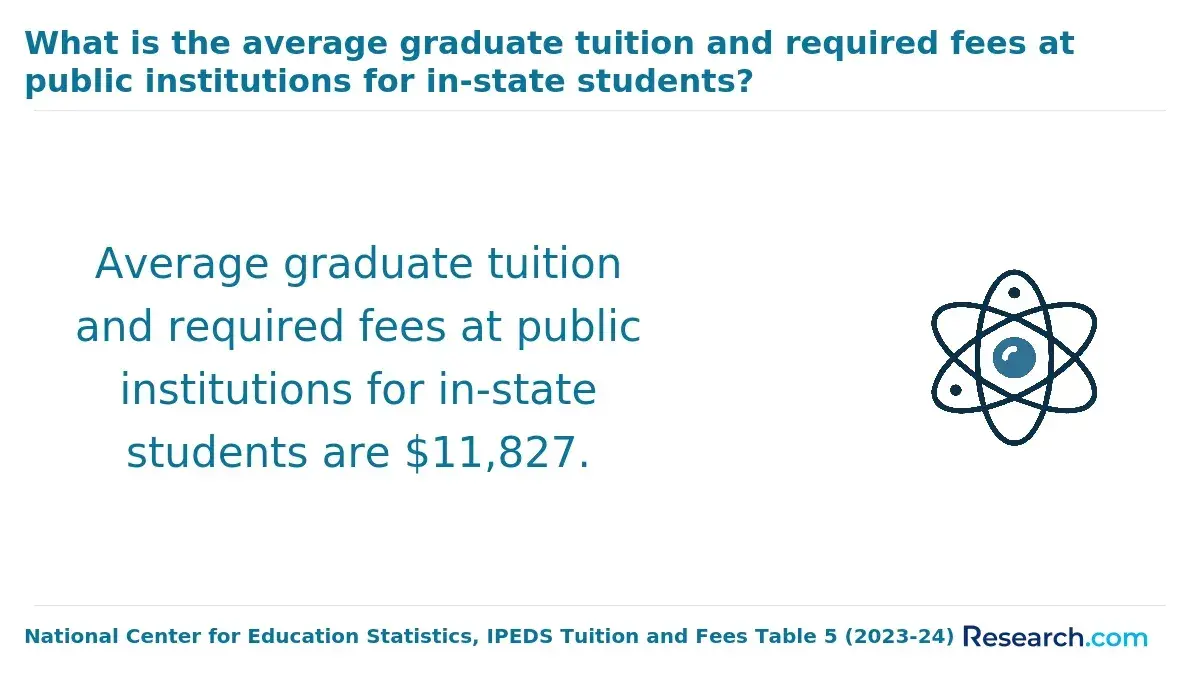
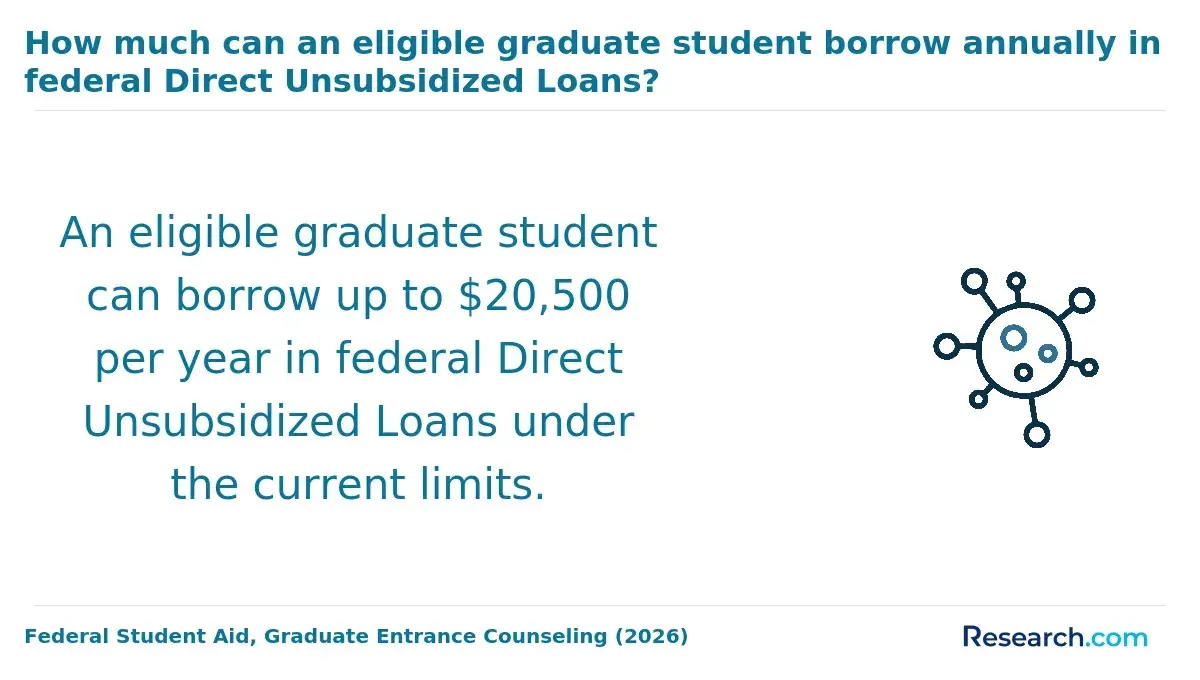
Published rates can change, and a quoted tuition total may omit fees. Ask each school for its current estimated total required cost, then investigate employer benefits and financial aid for graduate data science degrees. Avoid assuming that a lower sticker price - or a future salary - will make borrowing affordable.
What careers can you pursue with a data science master's degree?
Depending on your prior skills and the program's curriculum, relevant targets include data scientist, machine learning specialist, analytics engineer, and advanced analyst roles. These jobs differ: some center on statistical inference and experiments, others on production software, data pipelines, or communicating findings to decision-makers.
Use current postings from Vermont employers and remote employers to identify the tools and project experience required for your target role. Then compare those requirements with each program's required courses and projects. A master's can deepen your preparation, but it does not substitute for demonstrating that you can solve the kinds of problems an employer hires for.
How much do data scientists earn and where is demand growing?
The U.S. Bureau of Labor Statistics reports a $120,230 median annual wage for data scientists in May 2025. That national occupational figure includes workers with different education levels and experience; it is not a starting salary or a predicted outcome for master's graduates in Vermont.
BLS also projects strong national growth in data scientist employment over 2025-2035. National demand does not mean that nearby Vermont openings will match every graduate's specialty, so a resident choosing between local and national programs should search both Vermont-based and remote job postings. Compare the actual requirements and location policies of those jobs before using salary expectations to justify a program's cost.
Do data science careers require licenses or professional certifications?
Data scientist roles generally do not require a state-issued professional license. An employer may prefer a particular software or cloud certification, but that is an employer preference, not a Vermont licensing requirement for the occupation.
Regulated settings can introduce other rules: working with sensitive health or financial information, for example, may require employer-mandated training and compliance practices. Check the requirements of your intended role rather than choosing a master's because it appears to prepare you for a nonexistent general data scientist license.
Other Things You Should Know About Data Science
Potentially. Ask the program about live sessions and workload, and ask your employer whether tuition assistance requires advance approval, a minimum grade, or continued employment.
It can, but local connections may require deliberate effort. Ask whether the program supports employer-sponsored projects, alumni introductions, or career events accessible to remote students.
That depends on program rules and your employer's permission. Get approval before sharing company data, and ask whether a public or anonymized dataset can meet the assignment's requirements.
Do not treat a general "available online" statement as confirmation. Request a written answer from the office responsible for online enrollment or state authorization before you enroll.
References
- M.S. in Data Science - Graduate Programs in Software | University of St. Thomas https://software.stthomas.edu/degree/masters/data-science/
- Federal & State Grants - Financial Aid | Community College of Vermont https://ccv.edu/paying-for-ccv/financial-aid/federal-state-grants/
- Financial Aid and Scholarships | Vermont State University https://vermontstate.edu/admission/financial-aid/
- MS in Data Science | Online | $9900 | Eastern University https://www.eastern.edu/academics/graduate-programs/ms-data-science
- M.S. in Data Science, Online | virginia.edu https://datascience.virginia.edu/degrees/msds-online
- Residency Regulations, In-State Status Regulations | University of Vermont Catalogue https://catalogue.uvm.edu/undergraduate/admissioninfo/residency/
- Financial Aid, Scholarships, and Loans for Graduate and Professional Schools | Saint Michael's College https://www.smcvt.edu/outcomes/career-education/graduate-and-professional-schools/financial-aid-scholarships-and-loans-for-graduate-and-professional-schools/
- Data Science vs. Applied Data Science: Main Differences | Syracuse University https://ischool.syracuse.edu/applied-data-science-vs-data-science/
- What Is Data Science? Definition, Skills, Applications & More | Harvard SEAS https://seas.harvard.edu/news/what-data-science-definition-skills-applications-more
- Curriculum - MU Institute for Data Science and Informatics https://muidsi.missouri.edu/academic-programs/m-s-data-science-and-analytics-program/masters/curriculum/


