2027 Online Cybersecurity Doctorate Programs for First-Time Doctoral Students

Co-Founder and Chief Data Scientist
Choosing an online cybersecurity doctorate is a high-stakes decision because the field is growing fast, but doctoral study demands time, money, research skill, and persistence. The U. S. Bureau of Labor Statistics projects information security analyst employment to grow 33% from 2023 to 2033, much faster than average, which makes advanced cybersecurity leadership and research training more relevant.
This guide is for first-time doctoral students comparing online options, program formats, admissions expectations, support systems, costs, and career value so they can decide whether a doctorate is the right next step.
Key Things You Should Know
- The best online cybersecurity doctorate for a first-time doctoral student is usually the one with structured research support, clear dissertation or capstone milestones, faculty access, and transparent completion expectations-not simply the highest-ranked school.
- Professional doctorates often fit working cybersecurity leaders better, while PhD-style programs fit students aiming for research, university teaching, or theory-building; BLS data reports a May 2024 median annual wage of $124,910 for information security analysts, but a doctorate does not guarantee higher pay.
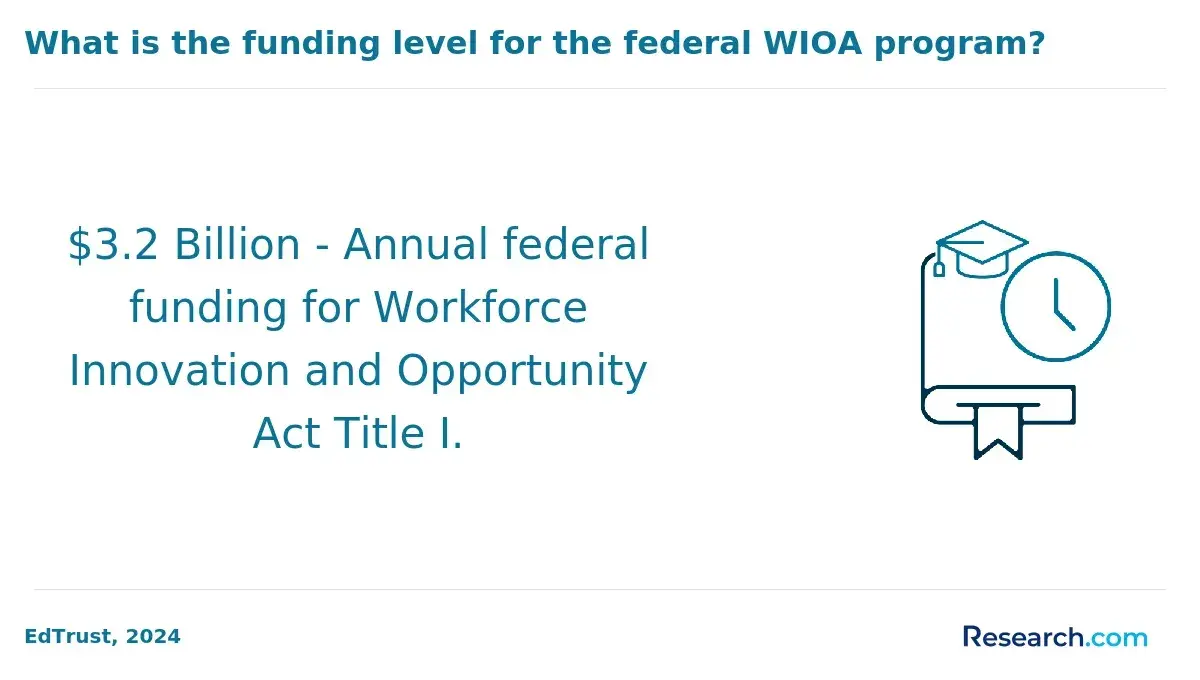
- First-time doctoral students should compare total cost, not only tuition; federal graduate Direct Unsubsidized Loans are capped at $20,500 per academic year, so many students must also evaluate employer aid, scholarships, payment plans, or Grad PLUS borrowing.
Which Online Cybersecurity Doctorate Programs Are Best for First-Time Doctoral Students?
The best online cybersecurity doctorate programs for first-time doctoral students are not always the most independent or research-intensive options. Beginners usually benefit from programs that combine rigorous doctoral expectations with structured advising, writing support, milestone-based research planning, and a curriculum that connects security theory to real organizational problems.
Before comparing schools, first identify the doctoral pathway that fits your goal. Students who are still building foundational cybersecurity knowledge may be better served by a master's program or a cybersecurity degree online before entering doctoral study, especially if their background is in general IT, business, criminal justice, or another adjacent field.
The table below compares common online cybersecurity doctoral pathways. Use it to match program type with your intended outcome, not as a substitute for reviewing each school's curriculum, faculty expertise, accreditation, and completion support.
| Program pathway | Best fit for first-time doctoral students | Typical academic focus | Common final requirement | Potential drawback |
| PhD in Cybersecurity, Information Assurance, or Computer Science with a cybersecurity concentration | Students aiming for research, academic roles, think tanks, or advanced technical research leadership | Original research, theory, methods, advanced computing, security models, privacy, cryptography, systems, or human factors | Dissertation | Often less structured and more research-intensive, which can be difficult for students without prior research experience |
| Doctor of Science or Doctor of Cybersecurity | Experienced security professionals who want applied doctoral training with technical depth | Advanced cybersecurity practice, applied research, risk, governance, infrastructure defense, and emerging threats | Dissertation, applied dissertation, or doctoral project | Program titles and expectations vary widely by school, so students must verify rigor and faculty alignment |
| Doctor of Information Technology with cybersecurity concentration | IT managers, security architects, consultants, and technology leaders | Enterprise IT leadership, cybersecurity strategy, systems design, digital transformation, and applied research | Applied project or dissertation | May be broader than cybersecurity, which can be a poor fit for students seeking a narrowly technical doctorate |
| DBA or DM with cybersecurity, risk, or information systems concentration | Executives, CISOs, compliance leaders, and governance professionals | Business strategy, cyber risk management, leadership, policy, operations, and organizational decision-making | Applied research project or dissertation | Usually less technical than a computing-focused doctorate |
| PhD in Technology, Information Systems, or Security Studies with cybersecurity research area | Students with interdisciplinary interests such as policy, critical infrastructure, national security, or human behavior | Research methods, security policy, digital systems, cyber conflict, organizational risk, or socio-technical security | Dissertation | May require careful faculty matching to ensure the program can support cybersecurity-specific research |
For first-time doctoral students, a "best" program usually has several practical features. Look for a clear sequence from coursework to proposal to final defense, published faculty research areas, transparent online residency requirements, and evidence that students receive help with research design and scholarly writing.
Be cautious if a program advertises speed, flexibility, or accessibility without explaining dissertation support, faculty availability, research expectations, or student outcomes. A doctorate should be challenging, but the path should not be mysterious.
What Should First-Time Students Expect From an Online Cybersecurity Doctorate?
An online cybersecurity doctorate is an advanced degree focused on creating, applying, or evaluating knowledge about protecting digital systems, data, organizations, and infrastructure. Unlike a master's program, which often teaches established tools and practices, doctoral study expects students to analyze complex problems, critique research, design studies, and produce an original dissertation or applied doctoral project.
Students should expect a mix of advanced cybersecurity content, research methods, leadership or policy coursework, and sustained independent work. Depending on the program, topics may include secure systems, cyber risk, privacy, governance, cloud security, critical infrastructure, digital forensics, artificial intelligence in security, human factors, or security policy.
AI is now a major decision factor. Cybersecurity doctoral students may study AI-enabled threat detection, adversarial machine learning, automated vulnerability discovery, or the governance risks created by AI systems. Students interested in the overlap between security and machine learning may also want to compare cybersecurity doctoral options with an artificial intelligence major or related graduate pathway before committing to a cybersecurity-specific doctorate.
The work is different from professional certification study. Certifications often measure whether you can apply known frameworks or tools, while doctoral programs require deeper reading, writing, evidence evaluation, and independent inquiry. A first-time doctoral student should expect to spend substantial time outside class reading journal articles, refining research questions, revising written work, and communicating with faculty.
The main expectations usually include the following areas. Reviewing them early can help you decide whether you are ready for doctoral-level study or whether you should first strengthen your academic foundation.
- Advanced technical or managerial coursework: Programs may emphasize engineering, systems security, policy, leadership, or cyber risk depending on the degree type.
- Research methods training: Students typically learn qualitative, quantitative, or mixed-methods approaches, along with research ethics and data analysis.
- Independent scholarly writing: Doctoral work requires sustained argumentation, literature synthesis, precise citations, and multiple rounds of revision.
- Faculty-guided research development: Students gradually move from broad interests to a feasible dissertation, capstone, or applied project topic.
- Professional application: Many online programs expect students to connect research to real cybersecurity problems in organizations, government, education, or industry.
A common mistake is assuming that strong technical experience automatically makes doctoral writing easy. Security engineering, incident response, and architecture experience are valuable, but doctoral success also depends on reading research critically, narrowing a problem, and defending methods.
What Admissions Requirements Should First-Time Applicants Expect for an Online Cybersecurity Doctorate?
Admissions requirements vary by institution and degree type, but most online cybersecurity doctorate programs expect applicants to show graduate-level academic readiness, relevant professional or technical experience, and a clear reason for pursuing doctoral study. First-time doctoral applicants should read requirements carefully because some programs are designed for experienced professionals, while others are more research-oriented.
The table below summarizes common requirements and what they mean for someone who has never completed doctoral study. Exact thresholds, prerequisite courses, and test policies vary by school.
| Requirement | What schools may ask for | Why it matters for first-time doctoral students | How to prepare |
| Master's degree | A completed master's degree in cybersecurity, computer science, information technology, information systems, engineering, business, or a related field | Many programs use prior graduate work as evidence that you can handle advanced coursework | Ask whether your degree field qualifies and whether bridge coursework is required |
| Graduate GPA | A minimum graduate GPA set by the institution | Doctoral programs need evidence of sustained academic performance | Prepare an explanation for weak grades and show stronger recent academic or professional evidence |
| Professional experience | Cybersecurity, IT, risk, compliance, intelligence, software, systems, leadership, or related experience | Applied doctorates often rely on workplace context for projects and research problems | Use your resume to show scope, impact, tools, leadership, and security responsibilities |
| Technical background | Prior coursework or experience in networking, programming, systems, databases, security, or analytics | Some doctoral courses assume advanced technical vocabulary and problem-solving ability | Take prerequisite coursework or a focused cyber security course if your foundation is uneven |
| Statement of purpose | A written explanation of goals, research interests, and fit with the program | Admissions committees look for realistic expectations and alignment with faculty or curriculum | Name the problem area you want to study and connect it to faculty, courses, or program outcomes |
| Writing sample | Academic paper, professional report, policy analysis, thesis, or research-based essay | Doctoral programs require sustained writing, not just technical knowledge | Submit work that shows evidence-based reasoning, organization, and citation skill |
| Recommendations | Letters from professors, supervisors, executives, or technical leaders | Schools want confirmation of your readiness, persistence, and professional judgment | Choose recommenders who can discuss analytical ability, independence, ethics, and communication |
If your background is adjacent but not directly in cybersecurity, do not assume you are disqualified. Many programs admit students from IT, software, defense, intelligence, law enforcement, risk, business, or policy backgrounds, but they may expect additional preparation. A short certificate, prerequisite course, graduate bridge class, or employer-sponsored training can make the transition more realistic.
First-time applicants should take these steps before applying. This sequence can help you avoid applying to programs that are either too technical, too research-heavy, or too broad for your goals.
- Map your prior coursework against the program's core prerequisites, especially networking, systems, programming, statistics, research methods, and security fundamentals.
- Compare your professional experience with the program's target student profile, such as practitioner, researcher, executive, educator, or policy specialist.
- Ask admissions whether students enter with limited research experience and what support is provided during the first year.
- Request examples of acceptable dissertation, capstone, or applied-project topics so you can judge whether your interests fit the program.
- Confirm whether transfer credits, prior graduate coursework, or professional certifications can reduce requirements, and ask how those decisions are made.
A red flag is an admissions process that does not evaluate your goals, writing ability, or readiness. Flexible admission can be helpful, but a serious doctoral program should still help you determine whether the degree is academically and professionally appropriate.
First-time doctoral students often need the most support during the transition from coursework to independent research. In cybersecurity, that transition can be especially challenging because research questions may involve fast-changing technologies, sensitive data, proprietary systems, ethical constraints, or access to organizations willing to participate in a study.
Good online programs make research development visible. They do not wait until the final year to explain how students choose a topic, build a literature review, design a study, and meet institutional review requirements. Instead, they embed research preparation throughout the curriculum.
Look for these support features when comparing programs. They indicate that a school understands the needs of students who are new to doctoral research.
- Required doctoral orientation that explains expectations, academic integrity, research ethics, library systems, and technology platforms.
- Early research seminars that help students move from broad topics such as "cloud security" to feasible doctoral questions.
- Methodology courses aligned with cybersecurity problems, including qualitative interviews, survey design, case study methods, statistical analysis, design science, or experimental approaches.
- Structured writing support, including dissertation templates, literature review guidance, citation help, and feedback before formal proposal stages.
- Regular faculty advising checkpoints so students are not left to discover major problems only after completing coursework.
- Access to cybersecurity databases, journals, labs, simulation tools, or approved datasets where relevant to the program's research model.
One major current trend is the growth of AI-assisted research and writing tools. Doctoral students should expect schools to have policies on acceptable AI use, citation, data privacy, and originality. AI can help with brainstorming or organization when allowed, but it cannot replace literature review judgment, research design, ethical analysis, or the student's own scholarly contribution.
A common mistake is choosing a program because it appears self-paced and convenient, then discovering that independent research requires more structure than expected. Ask whether students are assigned research mentors early, how often they meet, and what happens if a student's topic does not match available faculty expertise.
The final doctoral requirement is one of the most important fit factors for first-time students. A traditional dissertation usually requires original research that contributes to scholarship, while a capstone or applied project may focus on solving a practical problem using rigorous evidence. Neither path is automatically easier; the better choice depends on your career goal, research experience, and tolerance for ambiguity.
The table below explains how different final requirements can affect your workload and decision-making. Use it to ask more precise questions before enrolling.
| Final requirement | Best fit | Typical cybersecurity examples | Support first-time students should verify |
| Traditional dissertation | Students pursuing research, teaching, policy analysis, or PhD-style scholarly contribution | Human factors in phishing resistance, security behavior, cryptographic protocol analysis, cyber policy effectiveness, or incident response maturity models | Dissertation chair assignment process, committee formation, research methods coaching, proposal timelines, and defense expectations |
| Applied dissertation | Professionals who want doctoral rigor connected to organizational or industry problems | Improving zero-trust adoption, evaluating security awareness programs, assessing cyber risk governance, or designing incident response frameworks | Access to organizations or data, applied research standards, IRB guidance, and sponsor or site approval requirements |
| Doctoral capstone | Students focused on practice, leadership, systems improvement, or implementation | Cybersecurity maturity roadmap, cloud governance plan, security operations improvement model, or compliance framework evaluation | Project scope rules, deliverable expectations, faculty feedback frequency, and evaluation criteria |
| Design science or technical project | Students with strong technical skills who want to build or evaluate a security artifact | Prototype detection tool, secure architecture model, simulation, analytics workflow, or risk scoring system | Lab access, technical faculty expertise, evaluation methods, software requirements, and intellectual property policies |
Dissertation and capstone support can determine whether a first-time doctoral student progresses steadily or stalls after coursework. Students often underestimate how hard it is to narrow a topic, secure data access, receive ethics approval, and complete multiple rounds of revision.
Before enrolling, ask direct questions about the final requirement. These questions can reveal whether a program has a structured pathway or simply expects students to figure it out independently.
- When do students begin developing their dissertation or capstone topic?
- How are dissertation chairs, project mentors, and committee members assigned?
- How often do students meet with faculty during the proposal and final project stages?
- What are the most common reasons students delay completion after coursework?
- Does the school provide examples of completed dissertations, applied projects, or capstones in cybersecurity?
- What support is available if a student loses access to a workplace site, dataset, lab environment, or project sponsor?
A strong program will not promise that the final project will be easy. Instead, it will show you the process, milestones, review points, and support structure that help students finish responsibly.
Online cybersecurity doctorate programs can be highly flexible, but "online" does not always mean fully asynchronous, self-paced, or free of campus visits. First-time doctoral students should verify format details before applying because schedule structure can affect work, family responsibilities, travel, and progress toward completion.
Flexibility usually depends on course delivery, residency requirements, pacing rules, and faculty meeting expectations. A program may allow online coursework but still require synchronous seminars, virtual residencies, in-person intensives, proctored exams, research colloquia, or scheduled dissertation defenses.
The table below compares common online formats and how they affect first-time doctoral students. This matters because the most flexible option is not always the most supportive option.
| Format | How it usually works | Advantages for first-time doctoral students | Possible challenges |
| Fully asynchronous online | Students complete weekly work without required live class meetings | Maximum scheduling flexibility for working professionals and students in different time zones | Can feel isolating if advising, peer interaction, and faculty feedback are limited |
| Synchronous online | Students attend live virtual classes or seminars at set times | More interaction, accountability, and real-time discussion | Harder to manage with rotating shifts, incident response work, travel, or caregiving |
| Hybrid or low-residency | Most work is online, with occasional campus or intensive sessions | Can strengthen cohort relationships, research planning, and faculty access | Adds travel costs, time away from work, and scheduling constraints |
| Cohort-based online | Students move through courses with the same group | More predictable schedule, peer support, and momentum | Less flexibility to pause, accelerate, or change sequence |
| Individually paced online | Students take courses or research credits with more customized timing | Useful for advanced students with clear goals and strong self-management | Riskier for first-time doctoral students who need structure and deadlines |
Working cybersecurity professionals should be especially careful because security work can be unpredictable. Incident response, audits, compliance deadlines, system migrations, and emergency events can collide with doctoral deadlines.
To test whether a program is realistic, build a sample weekly schedule before applying. Include class time, reading, writing, meetings, research tasks, family responsibilities, commuting if needed, and recovery time. If the plan only works during a perfect week, the program may not be sustainable.
A common mistake is asking only whether a program is online. Better questions include whether live sessions are required, whether attendance is mandatory, whether residencies are virtual or in person, how dissertation meetings are scheduled, and whether students can slow down without losing financial aid eligibility or progress.
Cohorts, mentorship, and student support can make the difference between feeling like an isolated online student and functioning like a developing scholar-practitioner. This is especially important for first-time doctoral students who may not yet understand the hidden curriculum of doctoral study: how to work with faculty, manage feedback, revise research questions, and persist through uncertainty.
A cohort model can provide accountability and peer learning. Students often benefit from discussing research ideas, sharing resources, and seeing that others also struggle with literature reviews, methods, and time management. However, cohorts can be less flexible if you need to pause or change pace.
Mentorship is more than occasional encouragement. In a strong doctoral program, mentors help students identify feasible topics, avoid overly broad projects, understand standards of evidence, and connect coursework with long-term goals. Faculty alignment is particularly important in cybersecurity because a student interested in malware analysis may need different mentorship than one studying governance, policy, human behavior, or cyber education.
When evaluating support, look beyond marketing language. The following support areas are especially valuable for students entering doctoral study for the first time.
- Academic advising that helps students understand degree plans, milestone timing, registration, transfer credits, and satisfactory academic progress.
- Faculty mentorship from instructors or chairs with expertise related to the student's cybersecurity interest area.
- Research librarian access for cybersecurity databases, literature searches, citation management, and systematic review strategies.
- Writing center support for doctoral-level synthesis, argument structure, APA or other style requirements, and revision planning.
- Technology support for learning platforms, secure remote access, statistical software, labs, virtual machines, or collaboration tools.
- Career services for doctoral-level transitions such as executive roles, consulting, teaching, research, or policy work.
Ask whether support is available during evenings or weekends if you work full time. Also ask whether online doctoral students receive the same library, writing, career, and research resources as campus students.
A red flag is a program where the only named support is a general academic advisor. First-time doctoral students usually need a broader ecosystem that includes faculty mentorship, research methods guidance, writing help, and peer connection.
Most online cybersecurity doctorates require several years of study, with total time depending on credits, transfer policy, enrollment pace, dissertation or capstone complexity, and how quickly students complete research milestones. First-time doctoral students should plan for both coursework and the less predictable final project phase.
Cost also varies widely. Schools may charge per credit, per term, or by program; students may also pay technology fees, residency travel costs, books, software, graduation fees, research expenses, and continuation credits during the dissertation or capstone stage. Federal Student Aid lists the annual Direct Unsubsidized Loan limit for graduate or professional students at $20,500, which means students in higher-cost programs may need additional funding sources.
The table below shows the main time and cost variables to compare. It does not replace each school's official tuition page, but it can help you identify the expenses and timeline factors that first-time students often miss.
| Decision factor | What to check | Why it matters |
| Credit requirement | Total credits beyond the master's degree and whether research or dissertation credits are included | More credits usually increase tuition and extend the coursework phase |
| Transfer credit policy | Whether prior graduate coursework can apply and the maximum allowed | Transfer credit can reduce cost and time, but schools often limit what qualifies |
| Enrollment pace | Full-time, part-time, cohort lockstep, or flexible pacing options | Part-time study may be more manageable but can extend time-to-degree |
| Dissertation or capstone stage | Continuation tuition, research credit fees, proposal review timelines, and defense scheduling | Delays often occur after coursework, so this stage can affect total cost substantially |
| Residencies | Whether travel, lodging, meals, or time away from work are required | Low-residency programs may add meaningful out-of-pocket expenses |
| Employer support | Tuition assistance limits, reimbursement timing, grade requirements, and service obligations | Employer aid can reduce borrowing but may restrict course load or job mobility |
| Financial aid eligibility | Enrollment minimums, satisfactory academic progress rules, and loan options | Dropping below required credits may affect aid access |
First-time students should estimate total cost before applying, not after admission. A realistic estimate includes tuition through expected completion, fees, books, software, travel, additional dissertation terms, and the opportunity cost of reduced work hours if applicable.
Use this process to create a practical cost estimate. It can help you compare programs that advertise tuition differently.
- Find the official total credit requirement and the current tuition rate for doctoral students in your program, not the general graduate rate unless the school confirms they are the same.
- Add mandatory fees, technology costs, residency expenses, graduation charges, and estimated books or software.
- Ask how many dissertation, capstone, or continuation terms students commonly need after coursework.
- Subtract confirmed grants, scholarships, employer reimbursement, military benefits, or institutional discounts.
- Compare the remaining amount with your savings, annual federal loan limits, Grad PLUS options, and repayment comfort.
A major mistake is comparing only per-credit tuition. A lower per-credit rate can become more expensive if the program requires more credits, has limited transfer acceptance, or charges continuation tuition during a long dissertation stage.
An online cybersecurity doctorate can support advanced career goals, but it should be tied to a specific professional purpose. The degree may help students pursue senior technical leadership, security strategy, consulting, higher education teaching, research, cyber policy, or executive roles. It is not necessary for many cybersecurity jobs, and it should not be treated as a guaranteed salary upgrade.
U.S. labor market data supports strong demand for cybersecurity expertise. The BLS reported a May 2024 median annual wage of $124,910 for information security analysts, but that figure represents the occupation broadly, not doctoral graduates specifically. For a first-time doctoral student, the key question is whether the doctorate unlocks work that a master's degree, certifications, and experience would not.
The table below connects doctoral pathways with possible career directions. Use it to clarify whether your intended role actually values doctoral-level preparation.
| Career direction | How a cybersecurity doctorate may help | Other credentials employers may value | Fit for first-time doctoral students |
| Senior cybersecurity leadership | Supports strategic decision-making, risk governance, policy development, and executive credibility | CISSP, CISM, CISA, cloud security credentials, leadership experience, MBA or management training | Best for experienced professionals already moving toward director, VP, or CISO responsibilities |
| Cybersecurity research | Builds ability to design studies, publish findings, evaluate evidence, and contribute to new knowledge | Technical specialization, publications, lab experience, statistical or computational methods | Best for students drawn to original inquiry and long-form research |
| Higher education teaching | May meet doctoral expectations for tenure-track or full-time faculty roles, depending on institution and field | Teaching experience, publications, curriculum design, industry certifications | Best for students who enjoy writing, mentoring, and academic service |
| Cyber policy or governance | Supports analysis of regulation, organizational risk, critical infrastructure, privacy, and public-sector security | Policy experience, legal or compliance knowledge, public-sector experience, risk credentials | Best for students interested in systems-level security decisions rather than only technical operations |
| Consulting or advisory work | Can strengthen credibility for complex engagements, assessment frameworks, and executive-level advising | Industry reputation, certifications, project portfolio, client outcomes, communication skills | Best for professionals who can translate research into business recommendations |
| AI security and emerging technology roles | May support research or leadership involving AI risk, model security, automated defense, and governance | Machine learning knowledge, secure software experience, data governance, cloud and platform skills | Best for students who want to bridge cybersecurity with advanced computing trends |
Students interested in AI-heavy research should compare cybersecurity doctorates with adjacent programs before deciding. An online PhD in artificial intelligence USA may be a better fit if your primary goal is machine learning research and cybersecurity is only one application area.
The degree is most likely to be worth considering when your goal requires advanced research ability, a doctoral credential, or high-level credibility in a specialized field. It may be a poor fit if you mainly want an entry-level cybersecurity role, a quick career change, or a short-term salary increase.
Before enrolling, compare the doctorate with alternatives such as a master's degree, graduate certificate, industry certification, leadership training, or targeted technical specialization. For many professionals, a doctorate is valuable only after they have enough experience to turn doctoral work into focused career leverage.
How Should First-Time Students Choose an Online Cybersecurity Doctorate Program?
First-time doctoral students should choose an online cybersecurity doctorate by starting with career purpose, then testing academic fit, support quality, flexibility, accreditation, and total cost. A strong program should make its expectations clear and help you understand what kind of doctoral work you will actually produce.
Begin by deciding whether you need doctoral study now. If your goal is to enter cybersecurity, change specialties, or refresh technical skills, a focused cyber security course, certification, or master's program may be more practical. If your goal involves research, executive-level security strategy, higher education, or specialized consulting, a doctorate may be more justifiable.
Use the following steps to compare programs. They are designed to help you move from broad interest to an evidence-based enrollment decision.
- Define the job or professional outcome you want, then verify whether employers, universities, consulting clients, or public-sector agencies in that area actually value a doctorate.
- Choose the degree type that matches your goal: PhD for research and scholarship, professional doctorate for applied leadership, or interdisciplinary doctorate for policy, governance, or organizational security.
- Review accreditation at the institutional level and confirm whether the program's academic unit, computing curriculum, or business school has any additional recognition relevant to your goals.
- Compare faculty expertise with your interests by reading faculty bios, publications, labs, grants, professional work, and recent dissertation or capstone topics.
- Ask for completion expectations, including typical time-to-degree, dissertation or capstone milestones, residency requirements, and what support exists after coursework.
- Evaluate the online format carefully, including live class requirements, group work, residency travel, advising availability, and whether the schedule fits your work pattern.
- Calculate total cost through completion and compare it with confirmed funding, employer support, debt tolerance, and realistic career benefit.
- Speak with admissions, faculty if possible, and current or recent students to understand workload, responsiveness, and the real student experience.
Several red flags deserve special attention. Avoid choosing a program based only on reputation, speed, or convenience. Be cautious if dissertation expectations are vague, faculty research alignment is unclear, support services are generic, transfer-credit promises are not documented, or the school does not clearly explain accreditation and costs.
Also avoid assuming that a doctorate is the natural next step after a master's degree. Many strong cybersecurity professionals build excellent careers through experience, certifications, leadership roles, and targeted graduate study. A doctorate makes the most sense when it connects directly to a problem you want to study, a role you want to reach, and a level of scholarship or applied expertise you are prepared to develop.
Other Things You Should Know About Cybersecurity
Many online doctoral students work full time, but it requires realistic scheduling. Expect heavier demands during research methods courses, proposal development, dissertation or capstone revisions, and defense preparation.
It depends on the program. Technical doctorates may expect programming, networking, systems, or data analysis skills, while policy, governance, or management-focused doctorates may require less coding but stronger research and leadership preparation.
They can be respected when the institution is properly accredited, the curriculum is rigorous, and the student can connect the degree to relevant experience and outcomes. Employers usually evaluate the school, skills, experience, and role fit together.
Certifications are not always required, but they can strengthen practical credibility and help fill technical gaps. They are especially useful if your doctorate will focus on applied security leadership, risk, cloud security, auditing, or incident response.
- Educational Funding https://phdproject.org/educational-funding/
- How to Pay for a Degree in Cybersecurity | CyberDegrees.org https://www.cyberdegrees.org/resources/how-to-pay-for-a-degree/
- How to Pay for a Ph.D in 2026 - ELFI https://www.elfi.com/how-to-pay-for-a-ph-d/
- Top 25 Cybersecurity PhD Programs In 2026 - Programs.com https://programs.com/programs/cybersecurity-phd-programs/
- Doctoral Degrees in Cybersecurity | ComputerScience.org https://www.computerscience.org/degrees/doctorate/cybersecurity/
- Cybersecurity Bootcamp vs Degree | Cost, Time, Outcomes https://www.quickstart.com/blog/bootcamps-blog/cybersecurity-bootcamp-vs-degree-cyber-degree-comparison-vs-self-study/
- Funding your Degree https://gradsense.org/funding-your-degree/
- Can You Get Financial Aid for Doctoral Programs? - Graduate Programs for Educators https://www.graduateprogram.org/blog/can-you-get-financial-aid-for-doctoral-programs/
- Cybersecurity Bootcamp vs Degree: Complete Comparison 2026 https://unihackers.com/compare/bootcamp-vs-degree
- Online Doctorate in Cybersecurity | IMET worldwide https://imetworldwide.com/online-doctorate-cybersecurity-certificate-program-usa/