2027 Online Curriculum & Instruction Doctorate Programs with Strong Student Support: Advising, Writing Help, and Career Services

Co-Founder and Chief Data Scientist
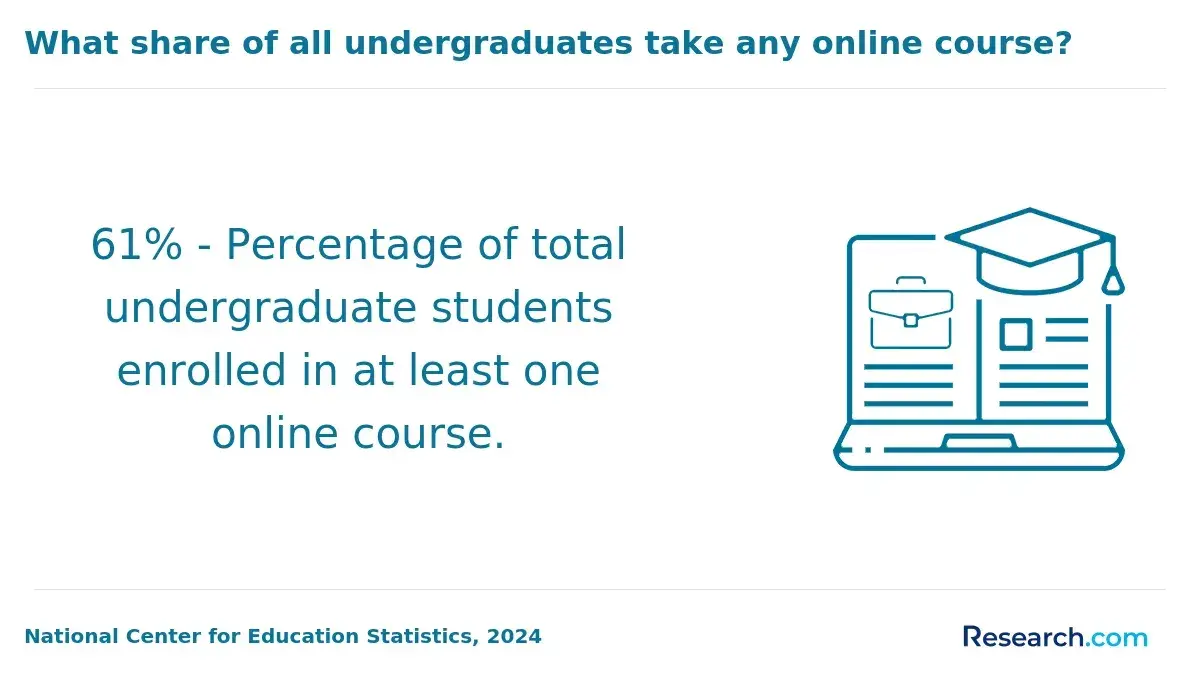
Choosing an online curriculum & instruction doctorate is not only about tuition or course titles; it is about whether the program can support you through advanced research, writing, and career planning. NCES distance education data published in 2024 shows that online learning remains a major part of U.S. higher education, making support quality harder to judge from websites alone.
This guide is for educators, instructional leaders, and aspiring scholars who want to compare advising, dissertation help, faculty access, and career services before enrolling.
Key Things You Should Know
- Strong online doctoral support is usually proactive, not passive: look for named advisors, documented response-time expectations, virtual dissertation meetings, and services clearly available to fully online students.
- Career value varies by path; BLS May 2024 data lists median pay of $74,720 for instructional coordinators and $103,960 for postsecondary education administrators, so career services should help you map the degree to realistic roles rather than vague advancement claims.
- The biggest support gaps to watch are dissertation isolation, limited evening access, writing help that is not doctoral-level, and career centers built mainly for undergraduates rather than experienced education professionals.
What Student Support Services Should Strong Online Curriculum & Instruction Doctorate Programs Provide?
A strong online curriculum & instruction doctorate should support the whole doctoral journey: planning courses, developing a research identity, completing a dissertation or applied doctoral project, and translating the degree into leadership, faculty, consulting, or policy opportunities. "Student support" means more than a help desk; it includes academic, research, writing, technical, accessibility, and career services designed for working adults in a doctoral program.
Use the table below to distinguish basic support from stronger support. This matters because many schools list similar services, but the depth, availability, and doctoral relevance can differ sharply.
| Support area | Basic version | Stronger version for online doctoral students | Why it matters |
| Academic advising | General advising inbox or call center | Dedicated advisor who understands doctoral milestones, transfer credit, continuous enrollment, and dissertation sequencing | Reduces confusion around course order, candidacy, and graduation requirements |
| Faculty mentoring | Instructor access during each course | Ongoing faculty guidance tied to research interests, leadership goals, and dissertation topic development | Helps students move from coursework to independent scholarship |
| Writing support | Grammar checks or general writing center appointments | Doctoral writing coaching, literature review support, APA guidance, and revision feedback | Supports the long-form academic writing required in doctoral study |
| Research support | Library database access | Research librarian consultations, methodology resources, citation management help, and IRB guidance | Improves the quality and feasibility of dissertation research |
| Career services | Job board access | Executive-level coaching, CV and portfolio review, interview preparation, networking, and support for academic and nonacademic roles | Connects the doctorate to practical career outcomes |
For many students, the best program is not simply the one with the most services. It is the one whose support model matches your schedule, research readiness, writing confidence, and career goals.
How Does Academic Advising Work in Online Curriculum & Instruction Doctorate Programs?
Academic advising in an online curriculum and instruction doctorate should help you understand program requirements before small choices become expensive delays. Doctoral advising is more complex than undergraduate advising because students must manage specialization courses, research methods, exams or portfolio requirements, dissertation milestones, and sometimes residency or internship expectations.
When comparing programs, ask how advising is assigned and how often it happens. The strongest models usually combine administrative advising with faculty guidance instead of expecting one person to handle every academic, research, and career question.
- Dedicated advisor: A named advisor follows your progress across terms, helps you avoid missed requirements, and can explain policies such as leaves of absence, transfer credit, and continuous enrollment.
- Milestone-based advising: The program schedules check-ins before key stages such as first registration, research-methods coursework, comprehensive exams, proposal development, and final defense.
- Degree-planning tools: Students can see completed courses, remaining requirements, dissertation benchmarks, and projected completion timelines in an online portal.
- Escalation support: Advisors can connect students quickly with faculty, financial aid, disability services, writing support, or registrar staff when a problem crosses departments.
- Adult-learner availability: Advising appointments are offered outside standard business hours or through asynchronous options for students working full time.
A common mistake is assuming that "advisor access" means regular guidance. Before enrolling, ask whether advising is proactive or available only when you request help, and request a sample degree plan showing how doctoral milestones are sequenced.
What Dissertation Mentoring and Committee Support Should Online Curriculum & Instruction Doctoral Students Expect?
Dissertation mentoring is often the most important support difference among online doctorate programs. In curriculum & instruction, doctoral research may focus on curriculum design, teacher learning, assessment, educational technology, literacy, equity, instructional leadership, or program evaluation. A strong program helps you turn a broad interest into a feasible, ethical, and methodologically sound study.
Dissertation support should begin before the formal proposal stage. If a program waits until the end of coursework to discuss research topics, students may discover too late that their idea is too broad, lacks available data, or does not fit faculty expertise.
- Early topic development: Courses should help students refine a problem of practice or research problem tied to curriculum & instruction, not leave topic selection entirely to the dissertation phase.
- Transparent chair assignment: The program should explain when chairs are assigned, how expertise is matched, and what happens if a chair leaves or the fit is poor.
- Committee expectations: Students should know how often they can meet with the chair and committee, what type of feedback is provided, and how long reviews typically take.
- Proposal and defense preparation: Strong programs offer templates, rubrics, mock presentations, or recorded examples so online students understand expectations.
- IRB and ethics guidance: Students researching schools, teachers, or students need clear support for human-subjects review, district approvals, consent procedures, and data privacy.
The key red flag is vagueness. If a program cannot explain chair assignment, dissertation timelines, proposal review steps, or committee communication norms, you may face avoidable delays later.
What Writing and Dissertation Help Is Available in Online Curriculum & Instruction Doctorate Programs?
Doctoral writing support should go beyond proofreading. Online curriculum and instruction students often need help synthesizing research, building literature reviews, writing in a scholarly voice, applying APA style, and responding to committee feedback. Strong writing services treat writing as part of doctoral development, not a remedial service.
The table below shows common types of writing help and how to judge whether they are useful at the doctoral level:
| Writing support type | What to look for | Possible limitation |
| Writing center appointments | One-on-one online sessions with staff familiar with doctoral research writing | General tutors may not understand dissertation chapters or research methods |
| Dissertation writing groups | Regular virtual sessions for accountability, goal setting, and peer support | Helpful for momentum but not a substitute for committee feedback |
| APA and citation support | Guidance on current APA style, citation management tools, and avoiding plagiarism | Students still need to verify school-specific formatting requirements |
| Literature review support | Help organizing themes, identifying gaps, and synthesizing evidence | Writing staff should not choose the research argument for the student |
| Revision coaching | Support for interpreting feedback and improving clarity, structure, and scholarly tone | May be limited by appointment caps or turnaround time |
Ask whether writing help is unlimited, appointment-based, embedded in courses, or available only through self-service guides. For students returning to school after years in practice, doctoral writing coaching can be one of the highest-value support services.
Do Online Curriculum & Instruction Doctorate Programs Provide Research, Statistics, and Library Support?
Yes, strong online curriculum & instruction doctorate programs should provide research, statistics, and library support that online students can use remotely. This is especially important because doctoral students may need to conduct literature searches, evaluate research designs, use qualitative or quantitative methods, and prepare an IRB application without visiting campus.
Research support is strongest when it is integrated into the program rather than treated as an optional library service. Look for support that helps you make defensible research decisions, not just access databases.
- Research librarian consultations: Online appointments should help students build search strategies, locate peer-reviewed educational research, and use discipline-specific databases.
- Statistics or methods support: Programs should provide guidance through courses, labs, tutoring, or faculty office hours for students using quantitative, qualitative, mixed-methods, or program evaluation designs.
- Software access: Ask whether students receive access to tools such as statistical software, qualitative analysis software, survey platforms, citation managers, or data visualization tools.
- IRB navigation: Students should receive templates, training, and clear timelines for research involving schools, educators, or student data.
- Data-use guidance: Strong programs help students understand permissions, confidentiality, de-identification, and district-level approval processes.
A practical way to test research support is to ask admissions for the name of the education librarian, available methodology resources, and whether online doctoral students can book live consultations during evenings or weekends.
Curriculum and instruction leaders weighing their next step may pursue EdD online programs that pair advanced research training with accessible librarian and methods support, enabling them to design defensible studies without relocating or leaving their positions. These structured pathways help working educators develop evidence-based leadership credentials, supporting advancement into district, university, or policy roles that demand rigorous research judgment.
What Career Services Should Online Curriculum & Instruction Doctorate Programs Offer Doctoral Students?
Career services for online curriculum and instruction doctoral students should be built for experienced professionals, not only first-time job seekers. Many students are already teachers, instructional coaches, curriculum specialists, administrators, higher education staff, or learning designers. They may need help moving into leadership, consulting, faculty, research, policy, or district-level roles.
Career outcomes vary by employer, region, prior experience, licensure, and leadership background. BLS May 2024 data lists median pay of $74,720 for instructional coordinators and $103,960 for postsecondary education administrators, which shows why career planning should be role-specific rather than based on a general promise of advancement.
| Career goal | Relevant doctoral support | What to ask the program |
| District curriculum leadership | Leadership coaching, resume review, interview preparation, and portfolio development | Do career staff understand district hiring and curriculum leadership roles? |
| Higher education teaching | Academic CV review, teaching statement feedback, and guidance on adjunct or full-time faculty searches | Does the program help students prepare academic application materials? |
| Instructional design or learning leadership | Portfolio support, employer networking, and translation of doctoral projects into applied outcomes | Are career services familiar with corporate, nonprofit, and online learning roles? |
| Consulting or entrepreneurship | Personal branding, proposal writing, networking, and client-facing communication support | Does the school support independent consulting pathways? |
| Policy or research roles | Research portfolio review, writing sample feedback, and job-search strategy | Can faculty or career staff advise on non-school education organizations? |
Be cautious if the only career service mentioned is a job board. Doctoral students usually need higher-touch support: networking strategy, executive communication, promotion planning, and help translating scholarly work into employer-ready evidence of expertise.
Educational specialists seeking advanced leadership roles may consider EDS to EdD programs, which build directly on existing graduate coursework and practical experience to shorten the path to a doctoral credential. These bridge pathways help working professionals move toward district, curriculum, and policy positions without stepping away from their current jobs.
How Accessible Are Faculty and Support Staff in Online Curriculum & Instruction Doctorate Programs?
Faculty and staff access can determine whether an online doctoral student feels guided or isolated. In a strong program, access is not limited to occasional emails. Students should have clear ways to reach instructors, advisors, dissertation chairs, librarians, technical support, and career staff.
Before enrolling, evaluate access in practical terms. The question is not whether support exists, but whether you can realistically use it while balancing work, family, and doctoral deadlines.
- Response-time expectations: Look for stated norms such as expected email response windows for faculty, advisors, and dissertation chairs.
- Live meeting options: Strong programs offer video appointments, phone calls, virtual office hours, and scheduled dissertation meetings.
- Evening or weekend availability: Fully online students often need support outside standard office hours, especially if they work in schools during the day.
- Clear contact map: Students should know whom to contact for advising, research, writing, billing, registration, technical problems, and disability accommodations.
- Continuity during transitions: Programs should explain what happens if an advisor, faculty mentor, or dissertation chair changes.
A good comparison tactic is to contact admissions, advising, and the writing center before applying. Note how quickly they respond, whether answers are specific, and whether they distinguish support for doctoral students from general online student services.
Prospective students comparing programs may find that online counseling degrees with clear faculty access, responsive advising, and evening or weekend support make it easier to stay connected through the dissertation process. These access features help working learners balance coursework with professional and family commitments while building the mentoring relationships that support long-term completion.
How Do Online Curriculum & Instruction Doctorate Programs Build Peer, Cohort, and Mentoring Support?
Peer and cohort support matters because online doctoral study can be academically demanding and socially isolating. Curriculum and instruction students benefit from discussing research problems, leadership challenges, classroom realities, district systems, and dissertation progress with peers who understand the field.
Programs build community in different ways. Cohort models can offer structure and accountability, while flexible models may work better for students who need to pause, accelerate, or take fewer courses during busy professional seasons.
| Support model | Strength | Trade-off | Best fit |
| Cohort model | Built-in peer community and predictable course sequence | Less flexibility if work or family obligations change | Students who want structure and regular peer accountability |
| Flexible pacing | More control over course load and timing | Students may need to build community more intentionally | Working professionals with variable schedules |
| Faculty-led mentoring groups | Direct access to faculty around research interests | Availability may depend on faculty workload | Students seeking scholarly identity and research feedback |
| Peer writing groups | Accountability during dissertation writing | Quality depends on participation and facilitation | Students who need momentum and encouragement |
| Professional networks | Career contacts beyond coursework | May require active participation outside class | Students seeking leadership, consulting, or academic opportunities |
Students comparing options may find that accredited online colleges offering cohort-based peer communities and faculty mentoring help reduce isolation during demanding doctoral study. These support structures give working professionals the accountability and professional networks that sustain progress from coursework through dissertation completion.
What Technology, Accessibility, and Student Wellness Support Do Online Curriculum & Instruction Doctorate Programs Provide?
Technology, accessibility, and wellness support are not extras in an online doctorate; they are part of the learning environment. A strong program makes it easy to access courses, submit assignments, attend video meetings, use library tools, request accommodations, and get help when systems fail.
Support should be clear before the first course begins. Many strong programs provide online orientation, learning management system training, research tool tutorials, and guidance on academic integrity, time management, and doctoral expectations.
- Technical support: Look for extended-hour or 24/7 help for login issues, video platforms, assignment submission, and course technology.
- Accessibility services: Online students should be able to request accommodations, accessible course materials, captioning, assistive technology support, and exam adjustments when eligible.
- Online orientation: Strong orientations cover course navigation, library access, writing resources, advising contacts, financial aid processes, and expectations for doctoral-level work.
- Wellness and counseling resources: Doctoral students may need stress-management resources, counseling referrals, crisis support, or wellness programming that is available remotely.
- AI and academic integrity guidance: Programs should clearly explain permitted and prohibited uses of generative AI in coursework, research, and dissertation writing.
The rise of AI tools makes policy clarity especially important. A trustworthy program will not simply ban or encourage AI in vague terms; it will explain how students may use tools ethically for brainstorming, organization, accessibility, or editing while protecting authorship, data privacy, and research integrity.
How Can You Compare Online Curriculum & Instruction Doctorate Programs Based on Student Support Quality?
To compare online curriculum and instruction doctorate programs effectively, evaluate support quality with the same seriousness you apply to accreditation, tuition, faculty credentials, and curriculum. Regional institutional accreditation should be a baseline expectation, but accreditation alone does not tell you how responsive advisors are or how well the dissertation process is managed.
The following steps can help you move beyond marketing language and compare real student-support quality before you apply or enroll:
- Map your support needs first: Identify whether you need strong writing help, research-methods support, career coaching, flexible advising hours, faculty mentoring, or disability accommodations.
- Request a sample degree and dissertation timeline: Ask how coursework, research methods, comprehensive exams, proposal approval, IRB, data collection, and final defense are sequenced.
- Ask who supports each milestone: Separate the roles of enrollment counselors, academic advisors, faculty mentors, dissertation chairs, librarians, writing coaches, and career staff.
- Verify online access: Confirm that every major service is available to fully online students through video, phone, chat, or asynchronous review.
- Test responsiveness: Contact advising, writing support, the library, and career services before applying and compare clarity, speed, and usefulness of responses.
- Ask for doctoral-specific examples: Request examples of dissertation workshops, doctoral writing resources, career events, alumni panels, or research support sessions.
- Look for red flags: Be cautious of vague claims such as "personalized support" without named services, response expectations, dissertation procedures, or online appointment options.
Cost should still matter. Graduate tuition, fees, books, software, residencies, dissertation continuation credits, and lost time all affect the total investment. However, choosing the lowest-cost program can become more expensive if weak advising or dissertation support leads to repeated courses, delayed milestones, or extended enrollment.
A strong final question to ask each program is, "If I struggle with my dissertation, writing, statistics, or career transition, what specific support will be available? Who provides it? How soon can I access it, and is it included in tuition?" The answer will tell you more than a brochure.
Other Things You Should Know About Curriculum & Instruction
An EdD is often designed for practicing educators and leaders who want to apply research to school, district, curriculum, or instructional problems. A PhD is usually more research-intensive and may be a better fit for students aiming for university research, scholarship, or policy analysis. Program design matters more than the degree label, so compare dissertation expectations, faculty expertise, and career support.
Some are fully online, while others include short residencies, intensives, dissertation seminars, or on-campus defenses. Ask whether travel is required, how often it occurs, whether virtual alternatives exist, and what additional costs are not included in tuition.
Many online doctoral students continue working, but the workload can become heavier during research methods, proposal writing, data collection, and dissertation revision. If you plan to work full time, compare part-time pacing, advising availability, writing support, and whether dissertation milestones are flexible.
Requirements often include a master's degree, transcripts, professional experience in education or a related field, recommendation letters, a statement of purpose, and sometimes a writing sample or interview. Some programs may require educator licensure for certain tracks, while others focus on broader instructional leadership or learning design careers.
References
- Best Online EdD in Higher Education Programs of 2025 https://www.eddprograms.org/schools/higher-education/
- SUPPORTING THE DEVELOPMENT OF POSTGRADUATE ... https://perlinguam.journals.ac.za/pub/article/view/702/693
- 2025 Most Affordable Online Doctorates in Education https://www.onlineu.com/most-affordable-colleges/education-doctoral-degrees
- Exploring The Student to Advisor Ratio https://eab.com/higher-education-glossary/student-to-advisor-ratio/
- Careers With a Doctor of Education Degree | University of Phoenix https://www.phoenix.edu/articles/education/careers-with-a-doctor-of-education-degree.html
- For Career Centers - The Center for Graduate Career Success https://gradcareersuccess.com/for-career-centers/
- Benefits of Getting a Doctorate in Curriculum and Instruction - Graduate Programs for Educators https://www.graduateprogram.org/blog/benefits-of-getting-a-doctorate-in-curriculum-and-instruction/
- Advising as a Strategy for Achieving Equitable Student Outcomes | MDRC https://www.mdrc.org/work/publications/advising-strategy-achieving-equitable-student-outcomes