2027 Online Clinical Nurse Specialist Doctorate Programs for First-Time Doctoral Students

Co-Founder and Chief Data Scientist
Choosing an online Clinical Nurse Specialist doctorate is a high-stakes decision because it affects licensure options, clinical leadership roles, research expectations, time, and debt. The U.S. Bureau of Labor Statistics projects nurse practitioner employment to grow 35% from 2024 to 2034, reflecting strong demand for advanced practice expertise, though CNS roles vary by state and employer.
This guide is for nurses considering their first doctorate and explains program types, admissions, support, cost, flexibility, and career outcomes so you can judge whether doctoral study fits your goals.
Key Things You Should Know
- The best online Clinical Nurse Specialist doctorate for a first-time doctoral student is usually a CCNE- or ACEN-accredited DNP with a CNS population focus if the goal is advanced clinical practice, or a PhD if the goal is research, faculty scholarship, or theory development.
- Costs vary widely: NCES reported in 2024 that average graduate tuition and required fees were $12,596 at public institutions and $29,931 at private nonprofit institutions, so total price depends heavily on credits, residency travel, fees, and time to completion.
- Career value depends on role fit, not the title alone: BLS reported a 2024 median wage of $129,210 for nurse practitioners and $117,960 for medical and health services managers, but CNS compensation and advancement vary by state recognition, specialty, employer, and leadership scope.
Which Online Clinical Nurse Specialist Doctorate Programs Are Best for First-Time Doctoral Students?
The best online Clinical Nurse Specialist doctorate programs for first-time doctoral students are not simply the most famous or most selective. They are programs with recognized nursing accreditation, a clear CNS specialty or population focus, transparent clinical and residency requirements, structured doctoral writing support, and faculty who actively mentor students through a DNP project or dissertation.
For most nurses seeking CNS practice, systems leadership, quality improvement, and evidence-based practice roles, a Doctor of Nursing Practice is the most direct doctoral pathway.
A PhD in nursing is usually better for nurses who want to build a research career, become tenure-track faculty, or design studies rather than primarily lead clinical practice change.
The table below compares the main doctoral pathways a first-time student is likely to encounter. Use it to match the degree type to your career goal before comparing tuition or online format:
| Doctoral pathway | Best fit for first-time doctoral students who want | Typical final requirement | Key caution |
| DNP with CNS focus | Advanced practice, clinical leadership, quality improvement, population-specific expertise, and possible CNS certification eligibility | DNP scholarly project or applied capstone | Students must verify that the curriculum supports CNS certification and state APRN recognition where they plan to practice |
| Post-master's DNP | A doctorate after completing an MSN, CNS, NP, educator, or leadership graduate pathway | Practice-change project based on evidence translation | Prior graduate credits may reduce time, but clinical hour gaps can add requirements |
| BSN-to-DNP with CNS focus | A direct path from RN preparation to doctoral-level CNS education | DNP project plus graduate clinical preparation | Longer, more intensive, and often harder to balance with full-time work |
| PhD in nursing | Research, theory, academic scholarship, grant-funded inquiry, or tenure-track teaching | Dissertation based on original research | Less direct for CNS practice preparation unless paired with appropriate clinical graduate preparation |
| EdD or health leadership doctorate | Education, organizational leadership, curriculum, or executive practice improvement | Applied dissertation or practice-based project | May not meet CNS clinical preparation or certification needs |
First-time doctoral students should prioritize programs that show evidence of structure. Look for milestone calendars, project seminars, faculty availability, statistics or evidence-based practice refreshers, library research training, and clear expectations for clinical hours or practice sites.
If you are still comparing advanced nursing roles, it may help to review how online nurse practitioner programs differ from CNS-focused doctoral pathways. Nurse practitioner programs usually prepare students for direct diagnosis and treatment within a population focus, while CNS programs emphasize expert consultation, clinical systems improvement, staff development, and patient outcome improvement.
What Should First-Time Students Expect From an Online Clinical Nurse Specialist Doctorate?
An online Clinical Nurse Specialist doctorate is a graduate nursing program designed to prepare nurses for advanced clinical reasoning, evidence translation, population-focused care improvement, interprofessional leadership, and, in some cases, CNS certification eligibility.
"Online" usually describes didactic coursework delivery, not the entire experience; most programs still require supervised practice hours, local clinical experiences, project implementation, synchronous sessions, intensives, or campus residencies.
First-time doctoral students should expect a shift from completing assignments to producing independent scholarly work. Courses often require literature synthesis, data interpretation, systems analysis, clinical outcome measurement, policy evaluation, and formal academic writing. The workload is less about memorizing content and more about defending decisions with evidence.
The table below summarizes common features of online CNS doctoral programs and why each matters for someone entering doctoral study for the first time:
| Program feature | What it usually means | Why it matters for first-time doctoral students |
| Evidence-based practice courses | Training in appraising research and applying evidence to clinical problems | Builds the foundation for a DNP project and reduces early research anxiety |
| Advanced pathophysiology, pharmacology, and assessment | Core APRN science courses when required for clinical preparation | Important for certification eligibility and advanced clinical credibility |
| CNS population focus | Preparation in adult-gerontology, pediatric, neonatal, or other defined specialty areas when offered | Determines whether the degree aligns with certification and practice goals |
| Practice hours | Supervised advanced nursing experiences, often arranged locally with faculty approval | Can be the biggest scheduling challenge for working nurses |
| Residencies or intensives | Short campus or virtual sessions for orientation, skills, project planning, or defense | Affects travel costs, time off work, and family logistics |
| DNP project or dissertation | A major scholarly requirement completed in stages | Requires sustained faculty support, writing discipline, and realistic project scope |
A common mistake is assuming that online doctoral study is self-paced and lighter than campus study. In many nursing doctorates, online courses are highly structured, writing-intensive, and tied to weekly deadlines, group work, live discussions, or clinical deliverables.
What Admissions Requirements Should First-Time Applicants Expect for an Online Clinical Nurse Specialist Doctorate?
Admissions requirements vary by school and degree type, but first-time doctoral applicants should expect programs to evaluate academic readiness, RN licensure, professional experience, writing ability, and alignment between the program's faculty expertise and the applicant's goals.
For CNS-focused DNP programs, schools may also review whether prior coursework supports APRN preparation or whether the student needs additional clinical science courses.
The table below outlines common requirements and how to interpret them. It can help you identify gaps before you spend money on applications:
| Requirement | What programs may ask for | How first-time doctoral applicants should prepare |
| Active RN license | Unencumbered RN license, usually in the state where clinical work occurs | Confirm state rules before applying, especially if you live far from the school |
| Prior degree | BSN, MSN, or related graduate nursing degree depending on entry point | Choose BSN-to-DNP only if you are ready for a longer pathway; choose post-master's DNP if your MSN aligns with your goal |
| GPA | Minimum graduate or undergraduate GPA, often with higher expectations for competitive programs | If your GPA is borderline, strengthen your statement, references, certifications, and recent graduate coursework |
| Professional experience | Clinical nursing experience, specialty practice, leadership work, or advanced practice experience | Show evidence of complex clinical judgment and readiness to lead change |
| Goal statement | Essay explaining doctoral goals, specialty interest, and possible project area | Avoid vague goals; connect the program to a defined CNS, quality, leadership, or research outcome |
| References | Academic, clinical, or leadership recommendations | Choose recommenders who can speak to writing, clinical judgment, follow-through, and leadership potential |
| Writing sample or interview | Scholarly writing, professional paper, or admissions interview | Demonstrate evidence-based thinking rather than personal motivation alone |
Applicants who have not taken graduate-level statistics, research methods, or evidence-based practice recently may need a refresher before enrolling. A master's degree is valuable, but it does not automatically mean a student is ready for doctoral-level synthesis, project design, or independent scholarship.
Before applying, first-time students should take several practical steps to reduce surprises during the admissions process. These steps are especially important if you are applying across state lines or changing from bedside nursing to advanced practice leadership:
- Confirm whether the program is accredited by a nursing accreditor recognized for graduate nursing education.
- Ask whether the CNS track prepares graduates for the certification exam and population focus you intend to pursue.
- Verify whether your state recognizes CNS practice and what requirements apply to APRN licensure or title protection.
- Request a formal transfer-credit review if you already hold an MSN or graduate certificate.
- Ask how many clinical or practice hours you must complete after your transcript review.
- Review sample course schedules to see whether synchronous sessions conflict with work shifts.
Strong online CNS doctoral programs do not assume first-time doctoral students already know how to conduct literature reviews, evaluate evidence quality, analyze practice data, or write at a doctoral level. Instead, they build research and scholarly practice skills through sequenced courses, faculty feedback, library support, writing resources, and project milestones.
The most helpful programs make research support visible before enrollment. If a school cannot clearly explain how students move from a broad clinical problem to an approved project or dissertation proposal, that is a red flag for first-time doctoral students.
Look for support systems that address the most common transition points from master's-level work to doctoral-level scholarship. These supports can make the difference between steady progress and delayed completion:
- Required doctoral orientation that explains expectations for scholarly writing, academic integrity, databases, citation management, and project timelines.
- Embedded evidence appraisal courses that teach students how to judge study quality and apply findings to clinical practice problems.
- Access to nursing librarians who understand systematic searching, CINAHL, PubMed, evidence hierarchies, and practice guidelines.
- Writing center support for doctoral synthesis, APA style, argument structure, and revision rather than only grammar correction.
- Faculty feedback at defined checkpoints, such as problem statement, literature review, methods, implementation plan, and final defense.
- Statistics or data analysis help for students who need to interpret quality metrics, survey data, clinical outcomes, or process measures.
A practical way to evaluate research support is to ask admissions advisors for a sample project sequence. A beginner-friendly program should be able to show when students select a topic, choose a faculty advisor, receive methods approval, implement the project, and prepare for final dissemination.
The final scholarly requirement shapes the entire doctoral experience. In a DNP, the final requirement is usually a practice-focused project that applies evidence to improve outcomes in a real clinical or organizational setting.
In a PhD, the dissertation is original research intended to generate new knowledge. First-time doctoral students should choose the model that matches how they want to use the degree after graduation.
The table below compares final doctoral requirements by purpose and student fit. This distinction is one of the most important decisions for nurses who have never completed doctoral work before:
| Final requirement | Main purpose | Best fit | First-time student risk |
| DNP scholarly project | Translate evidence into practice, improve outcomes, evaluate a practice change, or address a systems problem | Nurses who want advanced clinical leadership, CNS practice influence, quality improvement, or executive practice roles | Choosing a project that is too broad, lacks site support, or cannot be measured realistically |
| Applied capstone | Solve a practice, education, or organizational problem using evidence and structured implementation | Students in practice-oriented doctorates with leadership, education, or systems goals | Underestimating stakeholder approval, data access, and implementation time |
| PhD dissertation | Produce original research that contributes to nursing science | Nurses aiming for research faculty roles, grants, publications, or scientific inquiry | Entering without a clear research interest or tolerance for independent, long-term inquiry |
Capstone and dissertation support matters because delays often occur after coursework, when students must work independently. A program that offers structured project courses, writing retreats, peer review groups, faculty committees, and clear approval processes is often safer for first-time doctoral students than a program that leaves milestones loosely defined.
Before enrolling, ask targeted questions about final-project support rather than simply asking whether the program is "student-centered." Strong answers should be specific and verifiable:
- When is the faculty advisor assigned, and can students change advisors if the project focus evolves?
- How many formal checkpoints occur before implementation or data collection begins?
- Does the school help students identify project sites, or must students secure sites independently?
- What approvals are required from the university, clinical site, quality office, or institutional review board?
- How often do students meet with project faculty during the final year?
- What happens if a student's clinical site withdraws support or data access changes?
Online CNS doctoral programs can be flexible, but flexibility is not the same as minimal structure. Most successful first-time doctoral students need a format that provides enough predictability to plan work, clinical hours, writing time, and family responsibilities while still offering faculty access and peer connection.
Program schedules typically fall into a few formats. The best choice depends on whether you need maximum independence, weekly structure, or a cohort model that keeps you moving:
| Format | How it works | Best fit | Potential drawback |
| Asynchronous online | Students complete weekly modules, readings, discussions, and assignments without regular live class meetings | Nurses with rotating shifts or unpredictable schedules | Requires strong self-discipline and proactive communication |
| Synchronous online | Students attend live virtual classes at scheduled times | Students who learn best through discussion and immediate faculty interaction | Can conflict with night shifts, call schedules, or family commitments |
| Hybrid with residencies | Most coursework is online, but students attend campus intensives or clinical sessions | Students who want online access but value face-to-face mentoring | Adds travel, lodging, and time-off costs |
| Cohort-based | Students progress through courses with the same peer group | First-time doctoral students who want structure and accountability | Less flexibility to slow down or accelerate |
| Part-time progression | Students take fewer credits per term over a longer period | Working nurses, caregivers, and students avoiding overload | May increase total fees and extend time to graduation |
Students considering a CNS doctorate sometimes compare the pathway with NP-focused preparation. If your goal is diagnosis and treatment as a provider rather than CNS consultation and systems improvement, researching how to become a nurse practitioner can clarify whether a doctoral CNS pathway is the right match.
A common mistake is choosing the program with the fewest campus visits without reviewing clinical hour requirements, live class times, and project-site expectations. A fully online course format may still require weekday clinical availability, synchronous presentations, or extensive collaboration with site leaders.
Cohorts, mentorship, and student support are especially important for first-time doctoral students because doctoral study can feel isolating after structured undergraduate or master's programs.
The strongest online CNS doctorates create a support ecosystem: academic advisors help with degree planning, faculty mentors guide scholarly development, peer cohorts provide accountability, and student services remove administrative barriers.
Support quality is more important than the number of services listed on a website. A program may advertise advising, mentoring, and writing help, but first-time doctoral students should ask how often those services are used, who provides them, and whether they are available during evenings or weekends.
The table below separates common support features by the problem they help solve. This can help you evaluate whether a program is built for doctoral beginners or mainly for highly independent students:
| Support feature | Problem it helps solve | What to verify before enrolling |
| Cohort model | Isolation, loss of momentum, unclear expectations | Whether students take courses together and how peer interaction is structured |
| Faculty mentor | Difficulty narrowing a project or research focus | Advisor assignment timing, faculty workload, and specialty match |
| Academic advisor | Registration errors, course sequencing issues, delayed graduation | Whether advising is proactive or only available when students request help |
| Clinical placement support | Challenges finding qualified preceptors or sites | Whether the school finds sites, approves student-found sites, or offers limited support |
| Writing and library services | Difficulty with synthesis, citations, evidence searches, and doctoral formatting | Whether support is available for doctoral nursing assignments and final projects |
| Technology support | Problems with learning platforms, teleconferencing, or online testing | Availability outside standard business hours |
Red flags include vague mentor descriptions, no published project timeline, limited faculty biographies, no clear clinical placement policy, and advising that begins only after admission. First-time doctoral students should not assume they will receive extensive one-on-one guidance unless the program explains how mentorship works.
Time and cost depend on entry point, transfer credits, clinical hour requirements, enrollment pace, residency travel, and whether the student completes the final project on schedule.
A BSN-to-DNP pathway usually takes longer than a post-master's DNP because it includes advanced graduate nursing preparation and doctoral practice coursework. PhD timelines may be less predictable because dissertation research can extend beyond coursework.
Use the table below as a planning framework rather than a promise. Exact timelines vary by school, transfer policy, state clinical requirements, and whether students study full time or part time:
| Entry point | Common timeline pattern | Cost drivers | Best fit |
| BSN-to-DNP with CNS focus | Often the longest route because it combines graduate clinical preparation and doctoral work | More credits, more clinical hours, longer enrollment, possible residencies | RNs who want a direct doctoral path and can manage a multi-year commitment |
| Post-master's DNP | Often shorter if prior graduate coursework and clinical hours are accepted | Gap credits, project courses, fees, clinical hour completion, technology costs | MSN-prepared nurses seeking doctoral practice leadership |
| PhD in nursing | Coursework plus dissertation; completion depends heavily on research progress | Research methods courses, dissertation credits, assistantship availability, extended enrollment | Nurses seeking research-intensive or academic careers |
Published tuition rarely shows the full cost of completion. First-time doctoral students should calculate total cost using the required number of credits, university fees, course materials, travel, clinical compliance costs, certification preparation, and possible lost income if work hours are reduced.
Current national tuition data can help you benchmark school prices. NCES reported in 2024 that average graduate tuition and required fees were:
- $12,596 per year at public institutions.
- $29,931 per year at private nonprofit institutions.
- $14,161 per year at private for-profit institutions.
Those figures are averages, not CNS doctorate prices. Use them as a reference point when asking schools for a full program cost estimate. A lower per-credit rate may not be cheaper if the program requires more credits, repeated project enrollment, high fees, or multiple residencies.
An online Clinical Nurse Specialist doctorate can support roles in advanced clinical practice, evidence-based practice leadership, quality improvement, nursing education, clinical consultation, program development, and healthcare systems leadership.
The exact outcome depends on state recognition of CNS practice, population focus, certification, prior experience, employer structure, and whether the degree is a DNP or PhD.
CNS roles are not always reported separately in national labor data, so salary comparisons require care. BLS reported a 2024 median wage of $129,210 for nurse practitioners and $117,960 for medical and health services managers. These figures can provide context for advanced practice and leadership roles, but they should not be read as a guaranteed CNS doctorate salary.
The table below connects doctoral pathways to likely career directions. Use it to decide whether the degree supports the role you actually want:
| Career direction | Most aligned doctorate | How a CNS doctorate may help | Important limitation |
| Clinical Nurse Specialist practice | DNP with CNS focus | Supports advanced clinical consultation, staff development, outcome improvement, and specialty practice leadership | State recognition and certification requirements vary |
| Quality improvement or patient safety leadership | DNP | Builds skills in evidence translation, systems analysis, implementation, and outcome measurement | Employers may also value Lean, Six Sigma, informatics, or leadership experience |
| Nursing faculty role | PhD, DNP, or EdD depending on institution | Can support teaching, curriculum work, clinical education, and doctoral-level credibility | Tenure-track research roles often prefer or require a PhD |
| Research scientist or grant-funded investigator | PhD | Develops research design, theory, methods, and publication preparation | A DNP is practice-focused and may not provide enough research preparation for this path |
| Healthcare leadership | DNP, PhD, or leadership doctorate | Can strengthen systems thinking, policy analysis, and evidence-based decision-making | Leadership advancement also depends on management experience and organizational opportunities |
If you are comparing advanced practice pathways partly because of earning potential, role scope, or market demand, salary guides such as psychiatric nurse practitioner salary resources can provide useful context for NP roles. However, CNS and NP roles are different, so compare scope of practice and daily responsibilities before comparing pay.
The degree is most likely to be worth it when it is tied to a defined career move: CNS certification, clinical leadership, faculty appointment, research preparation, or a specific employer requirement. It is a weaker investment if the student is pursuing a doctorate mainly for prestige, without confirming licensure implications, role demand, and total cost.
How Should First-Time Students Choose an Online Clinical Nurse Specialist Doctorate Program?
First-time doctoral students should choose an online CNS doctorate by working backward from the role they want, then checking whether the program's accreditation, curriculum, clinical requirements, faculty expertise, format, cost, and final project structure support that role. Rankings can be useful, but they should not replace a careful fit analysis.
The following decision sequence can help you move from interest to a realistic enrollment decision. Use it before submitting applications or committing to a deposit:
- Define your target role in one sentence, such as CNS practice, quality leadership, faculty teaching, research, or executive nursing leadership.
- Choose the correct doctoral pathway; DNP for practice change and clinical leadership, PhD for research, or another doctorate only if it directly supports your goal.
- Verify nursing accreditation and ask whether the CNS curriculum aligns with certification and state requirements.
- Request a written review of transfer credits, clinical hours, gap courses, and estimated time to completion.
- Ask for the total program cost, including tuition, fees, residencies, books, technology, clinical compliance, travel, and project enrollment.
- Review faculty profiles to confirm that at least one faculty member has expertise related to your population focus, clinical area, or project interest.
- Ask current students or alumni how responsive faculty are during project planning, revisions, and final defense.
- Compare online format details, including live class times, residency dates, clinical scheduling, and expected weekly study hours.
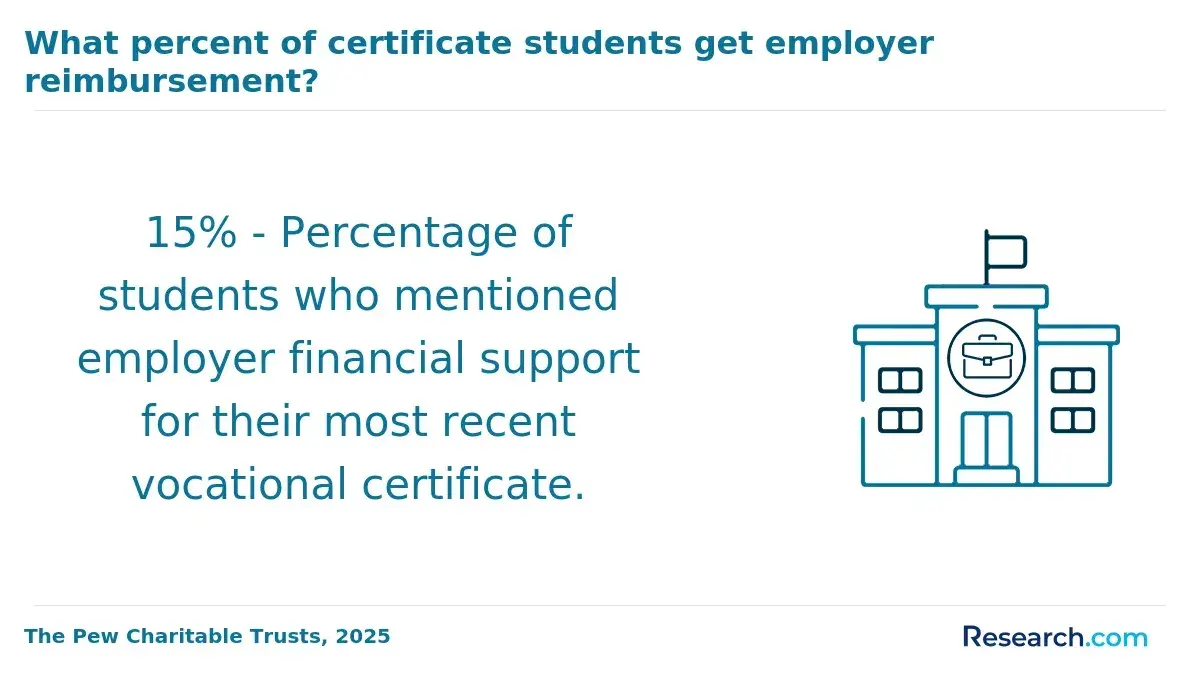
- Check whether your employer offers tuition assistance, schedule flexibility, clinical-site access, or project support.
- Delay enrollment if you cannot identify a career goal, financing plan, clinical-site strategy, or weekly study schedule.
When comparing options, remember that the best program is the one that reduces your biggest risk. For some students, that risk is cost. For others, it is clinical placement, scholarly writing, dissertation independence, or balancing doctoral work with full-time nursing employment.
Students drawn to mental health, diagnosis, and prescriptive provider roles may find that best PMHNP programs online are a better fit than a CNS doctorate. The right choice depends on whether you want provider-focused practice, systems-focused CNS leadership, research, or academic work.
Common mistakes to avoid include choosing a doctorate based only on school reputation, assuming online means easier, overlooking state CNS recognition, ignoring residency travel, underestimating writing demands, focusing only on tuition, and enrolling without understanding the final project or dissertation process. A strong program should be able to answer your questions clearly before you apply.
Other Things You Should Know About Clinical Nurse Specialist
No. A Clinical Nurse Specialist is an advanced practice registered nurse role in many states, usually prepared at the graduate level with specialty expertise. A Clinical Nurse Leader is a master's-prepared role focused on care coordination, outcomes, and microsystem leadership, but it is not the same APRN role.
Often, yes, but requirements vary by state, specialty, and employer. Students should confirm whether their intended CNS population focus has an available certification exam and whether their state board of nursing requires certification for APRN recognition.
Prescriptive authority depends on state law, APRN recognition, specialty preparation, certification, and employer policy. Some CNSs may have prescriptive authority in certain states, while others practice in consultation, leadership, education, and systems-improvement roles without prescribing.
It depends on the goal. An MSN may be enough for some CNS, educator, or leadership roles, while a DNP or PhD may be better for doctoral-level practice leadership, academic advancement, research, or employer expectations. First-time doctoral students should compare the added cost and time with the specific role they want.
- Your Guide to Online PhD Nursing Programs: What They Are, What to Expect, and How to Choose the Right One – FRESHRN https://www.freshrn.com/online-phd-nursing-programs/
- Most Affordable Online DNP Programs https://www.onlineu.com/most-affordable-colleges/dnp-degrees
- Can You Earn a DNP Online? | All Nursing Schools https://www.allnursingschools.com/dnp/online-or-on-campus/
- Doctor of Nursing Practice (DNP) Programs/ DNP Degrees — NP Reasoning https://www.npreasoning.com/practice-management/dnp-in-nursing-doctor-of-nursing-practice
- Online Doctor of Nursing Practice (DNP) Degrees for the Neonatal Clinical Nurse Specialist Role https://www.doctorofnursingpracticednp.org/online-doctor-of-nursing-practice-dnp-degrees-for-the-neonatal-clinical-nurse-specialist-role/
- 6 Steps to Become a Clinical Nurse Specialist (CNS) https://nursinglicensemap.com/advanced-practice-nursing/clinical-nurse-specialist-cns/
- Top Online Clinical Nurse Specialist Programs (CNS Rankings) https://www.npschools.com/rankings/all-online-cns-programs
- Doctor of Nursing Practice, Clinical Nurse Specialist https://www.pointloma.edu/graduate-studies/programs/doctor-nursing-practice-clinical-nurse-specialist
- What does a Clinical Nurse Specialist (CNS) do? Career Overview, Roles, Jobs | NADP https://jobs.nadp.org/career/clinical-nurse-specialist-cns
- How to Pay for a Ph.D in 2026 - ELFI https://www.elfi.com/how-to-pay-for-a-ph-d/