2027 Online Clinical Nurse Leader Master's Programs Under $20,000: Total Tuition and Required Fees

Co-Founder and Chief Data Scientist
An advertised low tuition rate can become a much higher nursing graduate-school bill once university, technology, clinical, and graduation charges are added. This guide is for RNs and BSN-prepared nurses evaluating an online Clinical Nurse Leader (CNL) master's degree with a $20,000 ceiling.
The U.S. Bureau of Labor Statistics reported a $93,600 median annual wage for registered nurses in 2024, underscoring why nurses may consider leadership education. Learn how to calculate a defensible total, verify program quality, and decide whether a low-cost CNL path fits your career goal.
Key Things You Should Know
- A program is genuinely under $20,000 only when its required tuition and mandatory institutional or program fees remain below that amount; books, travel, clinical compliance, and optional services may still add costs.
- Multiply the published per-credit rate by the exact graduation-credit requirement, then add recurring fees for every term; a seemingly small $50 fee can become material across a multi-term program.
- A CNL degree is a nursing leadership and care-coordination pathway, not an advanced practice registered nurse license; compare its curriculum and employer relevance with your intended role before choosing the lowest price.
How Much Does an Online Clinical Nurse Leader Master's Degree Under $20,000 Cost in Total?
For this purpose, total program cost means mandatory tuition plus charges every enrolled student must pay to graduate. It is more useful than an advertised "starting at" price because CNL curricula can require different numbers of credits, terms, clinical experiences, and campus-based assessments.
A cautious under-$20,000 comparison separates costs the school requires from expenses that vary by student. The table shows the calculation framework to use before treating a program as affordable.
| Cost component | How to calculate it | Should it count toward the $20,000 threshold? |
| Tuition | Required credits × published rate, or the stated program price | Yes |
| Mandatory institutional fees | Required fee per term × expected terms, plus one-time required charges | Yes |
| Required program charges | Clinical, simulation, distance-learning, or graduation charges required for the degree | Yes |
| Variable educational expenses | Books, background checks, immunizations, travel, supplies, and licensure-related costs | Track separately |
Use the school's current graduate tuition schedule, not a search-result snippet or an old brochure. If a school cannot state the credit total, applicable rate, and mandatory fees in writing, classify the final cost as unverified rather than assuming it meets the cap.
Low advertised tuition may be enough for a nurse who can use an employer's existing clinical site, study continuously, and avoid extra terms. It may not be enough for a student who needs prerequisite coursework, repeats a course, travels for intensives, or faces a tuition increase before graduation.
What Required Fees Can Increase the Cost of an Online Clinical Nurse Leader Master's Degree Beyond $20,000?
Required fees are the most common reason a tuition-only estimate fails. Schools label them differently, so look beyond "student fees" for nursing-specific or distance-learning charges that may appear in a separate catalog, term bill, or clinical handbook.
Ask the bursar or program coordinator to identify each item below and whether it is charged once, per credit, per course, or per term.
- Application, enrollment, matriculation, and graduation fees
- Online-learning, technology, student-services, and distance-education fees
- Clinical-placement, simulation, laboratory, course-material, or competency-assessment fees
- Background-check, drug-screen, immunization-tracking, CPR, and health-insurance compliance charges
- Required on-campus residency, travel, parking, proctoring, or examination expenses
Not every expense belongs in the school-billed total, but it belongs in a personal budget. A required campus intensive can make an otherwise fully online degree cost more than an on-campus local option when transportation and lodging are considered. Confirm whether clinical placement is arranged, supported, or entirely the student's responsibility; that distinction can affect both cost and completion time.
A red flag is a program that promotes a flat price while excluding fees that every online learner must pay. Request an itemized estimate for the full course sequence and retain the response with the tuition schedule used for your decision.
How Does Per-Credit Tuition Affect the Total Cost of an Online Clinical Nurse Leader Master's Degree Under $20,000?
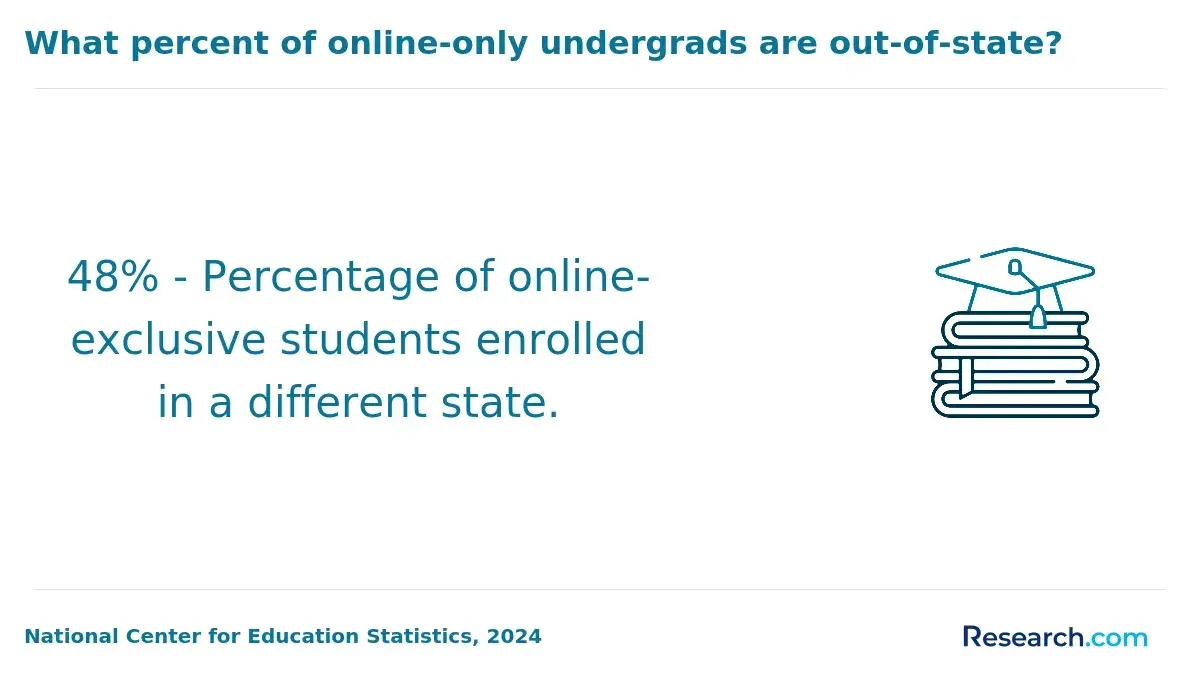
Per-credit pricing is straightforward only when the credit requirement and tuition rate are fixed. A $500 per-credit rate produces $15,000 in tuition for a 30-credit curriculum but $18,000 for a 36-credit curriculum, before fees. The rate alone therefore cannot identify the better value.
This comparison illustrates why applicants should evaluate credits and mandatory charges together rather than ranking programs by the lowest per-credit figure.
| Example pricing model | Credits required | Tuition calculation | Mandatory fees | Estimated required total |
| Lower rate, longer curriculum | 36 | 36 × $450 = $16,200 | $1,200 | $17,400 |
| Higher rate, shorter curriculum | 30 | 30 × $550 = $16,500 | $900 | $17,400 |
| Near-cap curriculum | 36 | 36 × $500 = $18,000 | $1,500 | $19,500 |
Credit totals can also signal curricular differences. More credits may reflect added informatics, quality-improvement, population-health, systems-leadership, or practicum content; fewer credits may work well for an experienced nurse whose career target does not require those additions. Neither is automatically better.
Check whether the rate is guaranteed for continuous enrollment, changes after a stated date, or differs for online courses. A tuition guarantee can be valuable near the $20,000 ceiling because even a modest future increase could move the required total above it.
How Long Does It Take to Complete an Online Clinical Nurse Leader Master's Degree Under $20,000?
Completion time depends on the curriculum sequence, enrollment pace, clinical or practicum requirements, and whether the student enters with all prerequisites complete. Full-time students may finish a master's curriculum in roughly 18 to 24 months, while part-time working nurses often need longer. Confirm the school's published plan of study rather than relying on the shortest possible timeline.
Online delivery does not mean every requirement is asynchronous. Asynchronous coursework can help shift-working RNs, while live sessions can provide structure but may conflict with rotating schedules. Hybrid intensives, virtual simulations, and locally completed practicum work can each affect scheduling and out-of-pocket expenses.
Before applying, map the program calendar against work and family obligations. The following checks help prevent an inexpensive program from becoming costlier because of delayed progression.
- Confirm the required credit load and the order in which courses are offered.
- Ask whether practicum or clinical hours can be completed near your home and whether placement support is available.
- Identify synchronous class times, on-campus dates, and maximum time-to-degree rules.
- Determine whether a leave, failed course, or missed practicum delays graduation until the next cohort.
Admissions requirements can also change the true timeline. Applicants who are still comparing entry routes may find a nursing school that doesn't require TEAS test useful for earlier nursing education decisions, but CNL master's admissions commonly focus on prior nursing education, RN licensure, grades, prerequisites, and professional experience rather than a single undergraduate admission test.
How Can Students Verify Accreditation for an Online Clinical Nurse Leader Master's Degree Under $20,000?
Verify both institutional accreditation and nursing-program accreditation before paying an application fee. Institutional accreditation supports the school's overall academic standing and access to federal aid, while nursing accreditation evaluates the nursing program against profession-specific standards. Accreditation does not guarantee employment, but its absence can limit transfer options, employer confidence, and eligibility for some educational benefits.
Use a direct verification process rather than relying only on a school webpage.
- Check the institution's accreditation status in the U.S. Department of Education database.
- Confirm the nursing program's current status directly with the relevant accreditor, such as the Commission on Collegiate Nursing Education or the Accreditation Commission for Education in Nursing.
- Ask whether the specific online or hybrid CNL pathway is included within the accredited program scope.
- Request the program's most recent accreditation decision, any warning status, and the next review date.
- Confirm with prospective employers or health systems whether the curriculum aligns with their leadership-role expectations.
CNL preparation is distinct from advanced practice preparation. Nurses whose long-term objective is nurse practitioner practice should compare that goal with an RN to NP bridge program, because NP pathways have different clinical, certification, and state practice requirements.
Do Out-Of-State Students Pay More for an Online Clinical Nurse Leader Master's Degree Under $20,000?
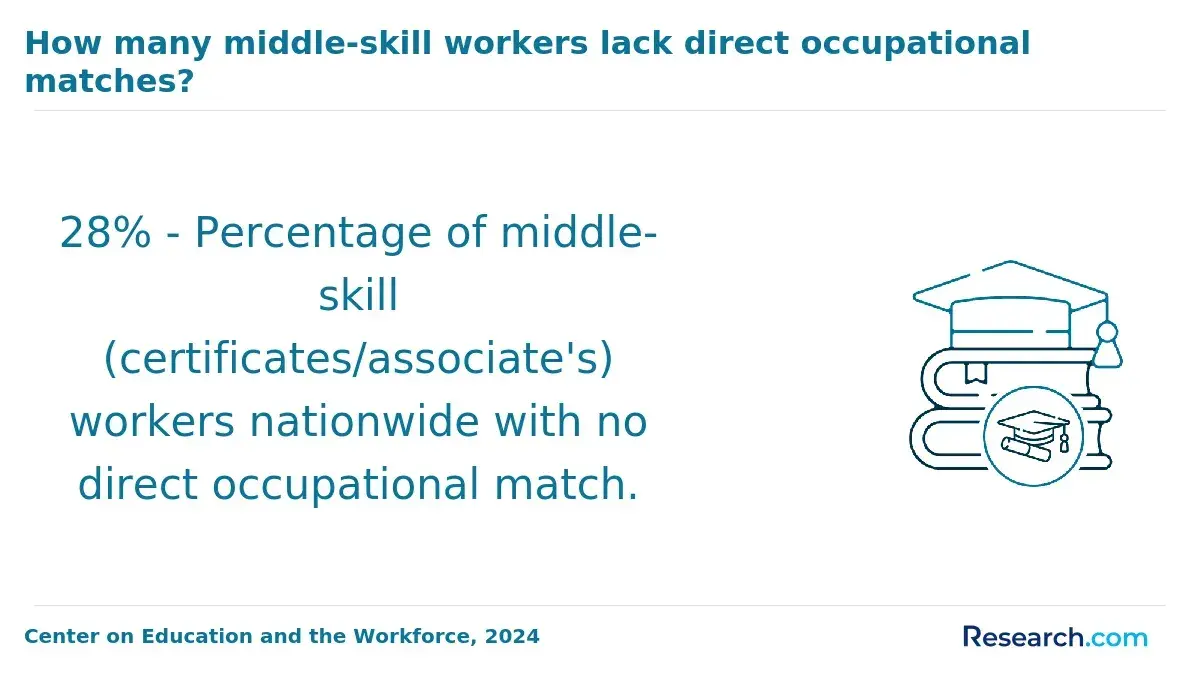
They may, but many online graduate nursing programs use one rate for all distance learners. Public institutions are more likely to distinguish resident and nonresident tuition, while some private nonprofit and public online programs publish a uniform graduate rate. Institution type alone does not determine cost or value.
Ask the admissions and billing offices for the exact rate tied to your state of residence, program format, and anticipated start term. Also ask whether the program can accept students in your state; nursing authorization, clinical agreements, and state rules can affect enrollment even when coursework is online.
Compare the residency policy alongside required total cost, not separately. An in-state rate can still exceed the cap after fees, and a uniform online rate can be the better deal for an out-of-state student. Do not assume relocation will create immediate resident eligibility; residency rules and their timing vary by institution and state.
Before committing, obtain written confirmation that the school can enroll you where you live, that required experiences can be completed there, and that the quoted rate applies throughout the planned program sequence.
Can Transfer Credits Keep the Total Cost of an Online Clinical Nurse Leader Master's Degree Under $20,000?
Transfer credit can reduce tuition only if the receiving school accepts coursework that also replaces a required degree component. Graduate nursing programs commonly limit the number, age, grade, and equivalency of transfer credits, and they may not transfer specialty leadership or practicum courses. Never subtract prior credits from a program price until the registrar issues an official evaluation.
Transfer credit is most useful when a nurse has recent, graduate-level coursework that closely matches required courses, such as research, statistics, informatics, or health policy. It is less likely to help when the program uses a tightly sequenced cohort curriculum or requires all students to complete its signature clinical and leadership courses.
Take these steps before selecting a program based on a transfer assumption.
- Provide official transcripts and course syllabi early enough for a pre-enrollment review.
- Ask for the maximum transferable credits, minimum grade, recency rule, and whether credits affect tuition, graduation requirements, or both.
- Request a revised plan of study that shows every waived or transferred requirement.
- Compare any transcript-evaluation fee and lost employer reimbursement against the tuition saved.
Prerequisite gaps can offset transfer savings. For students who need substantial foundational science coursework before graduate nursing study, an online biology bachelor's degree may be a separate educational option, but it is usually far more coursework than a single prerequisite and should not be chosen solely to solve a short-term admissions gap.
Can Financial Aid Bring the Cost of an Online Clinical Nurse Leader Master's Degree Below $20,000?
Yes, aid can reduce what a student pays out of pocket, but it does not change the school's published required price. Start with the FAFSA and the school's graduate financial-aid office. Eligible graduate students may use federal Direct Unsubsidized Loans and, subject to eligibility and borrowing limits, Direct PLUS Loans; loans must be repaid with interest.
For a working RN, employer tuition assistance can be especially important, but verify the annual maximum, grade requirement, service commitment, approved-school list, and reimbursement timing. Scholarships from employers, nursing associations, foundations, workforce agencies, and schools can help, though availability and selection criteria vary.
Build two budgets: the school-billed total and the net out-of-pocket estimate after grants, scholarships, employer support, and expected loans. This avoids the common mistake of calling a program "under $20,000" because financial aid is available. Aid offers can change by academic year, and borrowing should be evaluated against income, existing debt, and realistic career plans.
If an employer requires a commitment after reimbursement, compare that obligation with the leadership opportunities available at your current organization. A lower tuition bill may not be the best outcome if it restricts a planned job change.
Is an Online Clinical Nurse Leader Master's Degree Under $20,000 Worth the Cost for Career Advancement?
It can be worthwhile for an RN seeking systems-level leadership, quality improvement, care coordination, evidence-based practice, patient-safety work, or unit-level improvement responsibilities. The CNL role focuses on improving care delivery across a microsystem rather than independently diagnosing and treating patients as an advanced practice nurse would.
Salary evidence should be used carefully because the CNL title is not a separate Bureau of Labor Statistics occupation. The Bureau of Labor Statistics reported that medical and health services managers had a $117,960 median annual wage in 2024, but that occupation includes many roles with varied education and experience requirements. It is context for healthcare leadership potential, not a predicted salary for CNL graduates.
An under-$20,000 degree is strongest value when it directly supports a role available in your employer or target market, provides applicable leadership and quality-improvement preparation, and can be completed without large opportunity costs. It may be a weaker fit for nurses whose employers prefer an MSN in administration, an MBA/MHA, a nurse educator credential, or advanced practice preparation.
Compare alternatives by the work you want to perform. Nurses pursuing doctoral-level leadership, systems, or advanced-practice objectives can review short DNP programs; that pathway generally involves a different scope, admissions profile, and investment than a CNL master's degree.
Before enrolling, review job postings at your employer and in your intended region. Look for recurring requests for MSN preparation, quality-improvement experience, project management, data literacy, and clinical leadership. This local evidence is more useful than broad salary promises.
How Should Students Choose the Best-Value Flat-Rate Online Clinical Nurse Leader Master's Program?
A flat-rate program can simplify planning, but only if "flat rate" covers the entire required curriculum and the student can complete it within the included timeframe. It is not automatically cheaper than per-credit pricing, especially if the flat amount excludes fees, prerequisites, travel, or an extended-enrollment charge.
Use this decision sequence to compare finalists with similar advertised totals.
- Request a written all-in estimate showing tuition, required fees, credits, expected terms, and any excluded program expenses.
- Verify institutional and nursing-program accreditation and confirm that the online pathway is authorized for your state.
- Compare curriculum depth in quality improvement, informatics, care coordination, leadership, and practice experiences against your target role.
- Test the schedule against work demands, including live classes, clinical expectations, and campus visits.
- Evaluate transfer-credit decisions, employer assistance, and the financial impact of taking longer than planned.
- Choose the program with the strongest verified fit, not simply the lowest advertised number.
Paying more than $20,000 can make sense when the added cost buys a clearly better curriculum match, local clinical support, schedule flexibility that prevents delayed completion, or an employer-recognized credential. Conversely, a lower-cost program may be sufficient when its accreditation, outcomes information, delivery format, and leadership preparation align closely with your goal.
Career fit matters as much as price. Nurses who are weighing a transition away from nursing leadership into behavioral-health work can explore different types of counseling degrees; that is a separate professional pathway with its own education and licensure considerations.
Other Things You Should Know About Clinical Nurse Leader
A Clinical Nurse Leader applies clinical knowledge and leadership skills to improve care quality, coordinate services, use evidence in practice, and help teams address patient-safety or workflow problems. Actual duties vary by employer and may not use the CNL title.
No. A nurse manager commonly has formal responsibility for staffing, budgets, operations, and personnel. A CNL may lead improvement work and coordinate care at the point of service without holding a traditional management position. Some roles overlap depending on the organization.
No. Nurse practitioners are advanced practice registered nurses whose practice authority, certification, and prescribing authority are governed by state law and specialty preparation. A CNL degree is generally designed for clinical leadership and systems improvement, not NP practice.
Helpful skills include clinical judgment, communication, quality-improvement methods, data interpretation, care coordination, conflict management, project implementation, and the ability to collaborate across disciplines. Experience in a clinical setting helps students connect graduate coursework to operational problems.
References
- Applying To Clinical Nurse Leader MSN Program https://stage.sentara.edu/admissions-aid/applying-clinical-nurse-leader-msn-program
- UTMB School of Nursing | Executive Nurse Leader Program https://nursing.utmb.edu/Academics/Programs/Graduate/ExecutiveNurseLeader
- Cost of Attendance https://the-bac.edu/cost-of-attendance
- Clinical Nurse Leader (CNL) https://www.aacnnursing.org/cnl
- What does college tuition pay for? https://www.nacubo.org/Topics/COVID-19/What-does-tuition-pay-for
- How To Become A Certified Clinical Nurse Leader https://www.leaderstat.com/knowledge-base/how-to-become-a-certified-clinical-nurse-leader
- What Is a CNL Degree? Clinical Nurse Leader - OnlineEducation.com https://www.onlineeducation.com/nursing/faqs/what-is-a-cnl-degree
- Student supports only work if students know they exist https://www.luminafoundation.org/news-and-views/student-supports-only-work-if-students-know-they-exist/
- Top 50 Most Affordable Online Nursing Administration Degrees (MSN) - Healthcare Administration Degree Programs https://www.healthcare-administration-degree.net/best/affordable-online-nursing-administration-degrees-msn/
- SECTION 3: PROFESSIONAL PRACTICE - CACREP https://www.cacrep.org/section-3-professional-practice/