
2027 Online Christian Ministry Doctorate Programs with Strong Student Support: Advising, Writing Help, and Career Services

Co-Founder and Chief Data Scientist
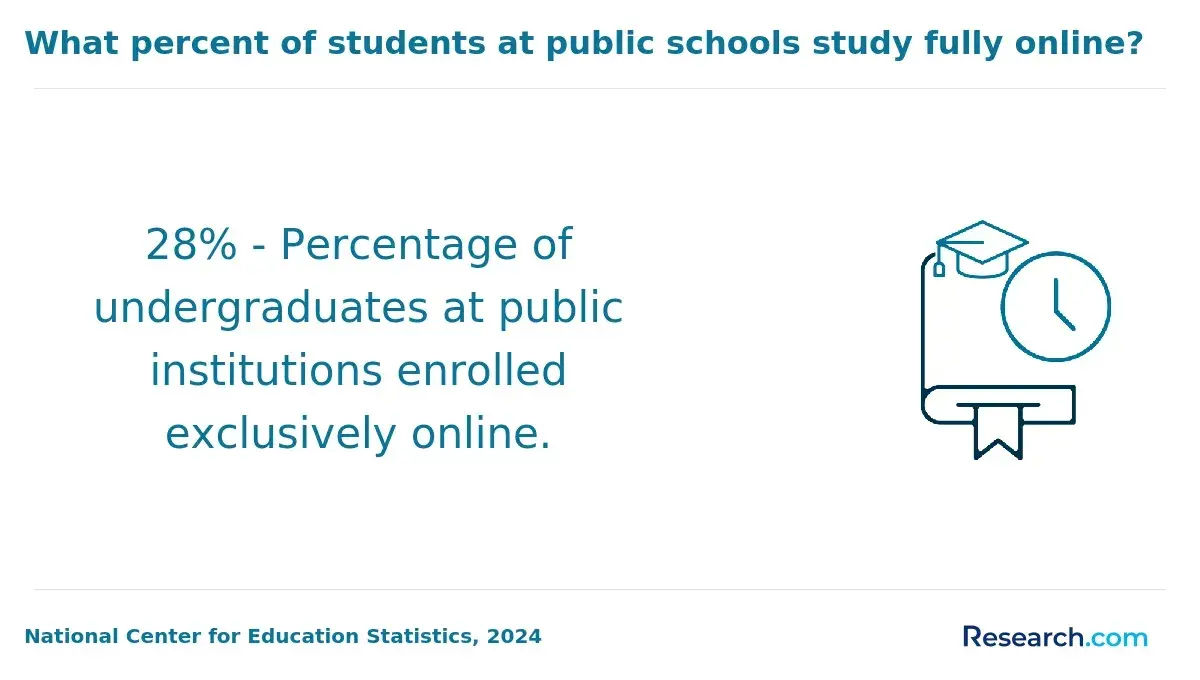
Choosing an online Christian ministry doctorate is not just about theology, tuition, or flexibility; it is about whether the program can support you through advanced research, writing, ministry leadership, and career transitions. The National Center for Education Statistics reported in 2024 that distance education remains a major part of U. S. higher education, making support quality especially important for remote doctoral students. This guide is for pastors, ministry leaders, chaplains, educators, and faith-based professionals comparing online doctorates. You will learn how to judge advising, dissertation help, faculty access, and career services before enrolling.
Key Things You Should Know
- Strong online Christian ministry doctorate programs usually combine academic advising, faculty mentoring, dissertation or doctoral project guidance, writing support, library access, technology help, accessibility services, and career coaching for fully online students.
- The biggest differences are often service quality, not service names: compare dedicated advisors versus general help desks, live writing appointments versus static guides, doctoral career coaching versus job boards, and stated response times versus vague availability.
- Use current cost and outcome context carefully: federal data released in 2024 shows online learning is now a normal part of higher education, while BLS May 2024 wage data shows ministry-related roles vary widely, so support should be evaluated alongside affordability, accreditation, and career fit.
What Student Support Services Should Strong Online Christian Ministry Doctorate Programs Provide?
A strong online Christian ministry doctorate program supports the whole doctoral journey: coursework, spiritual and professional formation, research design, writing, ministry application, and career planning. In this context, "student support" means more than a general student services email address. It means clearly assigned people, predictable access, doctoral-level resources, and support that remote students can actually use without visiting campus.
Online Christian ministry doctorates may include the Doctor of Ministry, PhD in Christian Ministry, Doctor of Theology, Doctor of Educational Ministry, or related leadership doctorates. Some are professional doctorates built around a ministry project, while others emphasize academic research and teaching. The support model should match the degree type.
The table below summarizes the support areas worth comparing before you apply. It helps you distinguish a program with basic online access from one built for doctoral persistence and completion.
| Support area | What strong support looks like | Why it matters for online doctoral students |
| Academic advising | Assigned advisor, degree plan reviews, milestone tracking, registration help, and proactive outreach | Doctoral students can lose time if prerequisites, residencies, candidacy steps, or dissertation timelines are unclear |
| Faculty mentoring | Regular access to faculty with ministry, theology, research, or leadership expertise | Doctoral work requires guidance on argument quality, research scope, and ministry relevance |
| Writing and dissertation support | Doctoral writing consultations, proposal help, citation support, formatting review, and project coaching | Many capable ministry leaders need help translating practice-based knowledge into doctoral-level writing |
| Library and research support | Remote database access, theological research guides, interlibrary loan, and librarian consultations | Online students need the same scholarly sources and research help as campus students |
| Career services | Doctoral career coaching, ministry leadership preparation, CV support, interview coaching, and networking | Career goals may include senior pastor roles, chaplaincy leadership, nonprofit leadership, teaching, consulting, or denominational work |
| Technology and accessibility | Orientation, 24/7 or extended tech support, accessible course design, and disability accommodations | Remote doctoral students often balance ministry, family, and study across different schedules |
Students considering ministry-adjacent counseling paths should be careful not to confuse pastoral care preparation with clinical licensure preparation. If your goals involve licensed counseling rather than ministry leadership, comparing online masters programs for counseling may be a more appropriate step before choosing a ministry doctorate.
How Does Academic Advising Work in Online Christian Ministry Doctorate Programs?
Academic advising in an online Christian ministry doctorate should help you move through the program without guessing what comes next. At the doctoral level, advising usually covers course sequencing, transfer credit review, candidacy requirements, residency expectations, dissertation or project milestones, academic policies, and graduation planning.
The strongest programs use advising as a retention and completion tool, not merely as a registration service. That distinction matters because many online doctoral students are working adults, often serving in churches, chaplaincy settings, schools, nonprofits, or mission organizations while studying part time.
When you speak with admissions or program staff, ask for concrete details rather than accepting broad claims about "personalized support." These questions can reveal whether advising is proactive and doctoral-specific:
- Will I have a dedicated academic advisor, a faculty advisor, or a rotating advising team?
- How often will my advisor review my degree plan, research milestones, and graduation timeline?
- What is the expected response time for emails, appointment requests, and urgent academic issues?
- Are advising appointments available during evenings or weekends for working ministry leaders?
- Does the advisor understand the difference between a Doctor of Ministry project, a PhD dissertation, and other doctoral capstone models?
- How are online students notified if they fall behind on coursework, research milestones, or financial aid requirements?
A common mistake is assuming that "online advising" means high-touch advising. In some programs, advising is primarily administrative, while faculty handle intellectual development separately. That model can work, but only if the handoff between academic advisor, faculty mentor, and dissertation chair is clear.
If your long-term goals involve pastoral counseling, marriage ministry, or family systems work, ask whether the advising team can help you distinguish ministry training from clinical licensure pathways. Students who need licensure-oriented preparation may also want to review the best online MFT programs before committing to a ministry doctorate.
What Dissertation Mentoring and Committee Support Should Online Christian Ministry Doctoral Students Expect?
Dissertation and doctoral project support is often the make-or-break factor in online Christian ministry doctorate programs. Coursework may be structured, but the dissertation, thesis, or ministry project requires independent progress, sustained faculty feedback, research design decisions, and revision discipline.
Professional doctorates such as the Doctor of Ministry often culminate in an applied ministry project, while research doctorates such as a PhD or ThD may require a traditional dissertation that contributes to scholarship. Either way, students should expect a defined committee process, not informal encouragement alone.
Before enrolling, compare the program's dissertation or project pathway in practical terms. Strong programs usually make the following steps visible early:
- Topic exploration during coursework, so students do not wait until the final year to identify a researchable ministry problem.
- Faculty matching based on research interest, theological tradition, methodology, and ministry context.
- Proposal development with feedback on scope, literature review quality, ethical considerations, and feasibility.
- Committee review with clear expectations for revisions, meeting frequency, and approval timelines.
- Ongoing chair communication during data collection, analysis, writing, and final defense or presentation.
- Formatting, submission, and graduation clearance support so administrative details do not delay completion.
Ask specifically how dissertation chairs are assigned and how many doctoral students they supervise. A faculty member may be an excellent scholar or ministry leader but have limited capacity for frequent feedback. You should also ask whether online students can meet with committee members by video and whether defenses, project presentations, or residencies can be completed remotely.
One red flag is a program that describes the dissertation as "self-paced" without explaining mentoring checkpoints. Flexibility is useful, but doctoral independence should not mean isolation. The best support models balance student ownership with structured progress reviews.
What Writing and Dissertation Help Is Available in Online Christian Ministry Doctorate Programs?
Doctoral writing support is especially important for ministry leaders who have deep practical experience but have been away from academic writing for years. Strong programs help students develop scholarly voice, theological argumentation, research synthesis, citation accuracy, and revision habits appropriate for doctoral work.
Writing support can range from basic grammar feedback to specialized dissertation coaching. The difference matters. A writing center that mainly serves undergraduates may not be enough for students preparing a theological literature review, ministry research proposal, or publishable article.
Look for writing services that are available to fully online doctoral students and that address advanced work, not just general composition. Useful supports include:
- Live online appointments with writing consultants familiar with doctoral-level argument, structure, and revision
- Workshops on literature reviews, theological research writing, qualitative research reporting, and academic integrity
- Support for citation styles commonly used in theology, ministry, counseling, education, or social science research
- Dissertation or ministry project templates, formatting guidance, and final manuscript review processes
- Feedback policies that clarify what consultants can and cannot edit, so students avoid academic integrity problems
- Asynchronous paper review options for students serving in different time zones or irregular ministry schedules
The rise of generative AI has also changed doctoral writing expectations. Strong programs should have clear AI-use policies that explain when tools may be used for brainstorming, editing, translation, or organization, and when their use would violate academic integrity. A vague or missing AI policy can create risk for students preparing dissertations or ministry projects.
If your doctoral interests are closer to clinical mental health, crisis care, or counseling ministry, make sure the program's writing support matches the research methods you will use. Students still deciding between ministry and licensure-oriented counseling preparation may find it helpful to compare accelerated mental health counseling programs online as a separate pathway.
Do Online Christian Ministry Doctorate Programs Provide Research, Statistics, and Library Support?
Yes, many online Christian ministry doctorate programs provide research and library support, but the depth varies widely. At minimum, online doctoral students should have remote access to theological databases, e-books, journals, research guides, citation tools, interlibrary loan, and librarian consultations.
Research support matters because doctoral ministry work often sits at the intersection of theology, leadership, education, sociology, counseling, ethics, and organizational change. A student studying discipleship, pastoral burnout, congregational conflict, or chaplaincy practice may need both theological sources and applied research methods.
Ask whether research help is available at the doctoral level. The most useful services often include:
- Theology and ministry librarians who can help students locate peer-reviewed sources, primary texts, denominational documents, and historical materials
- Research-methods support for qualitative interviews, case studies, surveys, program evaluation, or mixed-methods projects
- Statistics or data-analysis assistance when a ministry project includes survey results, assessment measures, or program outcomes
- Ethics and institutional review board guidance for projects involving church members, congregants, students, clients, or ministry staff
- Database training sessions that are recorded for online students who cannot attend live
Be cautious if a school promotes access to a large digital library but does not mention librarian appointments, doctoral research guides, or interlibrary loan. Access to databases is valuable, but many doctoral students need expert help narrowing a topic, building a search strategy, and evaluating source quality.
For ministry projects involving human participants, also ask how the school handles research ethics review. Even when a project is conducted in a church or ministry setting, students may still need formal approval before collecting interviews, surveys, or observations.
What Career Services Should Online Christian Ministry Doctorate Programs Offer Doctoral Students?
Career services for online Christian ministry doctorate students should be more advanced than resume templates and job boards. Doctoral students may already be employed, so they often need help with leadership mobility, executive ministry roles, teaching opportunities, consulting, chaplaincy advancement, denominational service, nonprofit leadership, or publishing strategy.
Current labor data reinforces why career fit matters. The Bureau of Labor Statistics reported May 2024 median pay of $60,530 for clergy in the U.S., while related roles can vary by denomination, region, institution type, and leadership responsibility. That figure should not be treated as an expected outcome for doctoral graduates, but it reminds students to compare program cost, debt, and career goals carefully.
Strong doctoral career services should help students translate their degree into specific professional outcomes. Look for services such as:
- Doctoral CV and resume reviews for ministry leadership, academic, nonprofit, chaplaincy, or consulting roles
- Interview coaching for senior pastor, executive pastor, denominational, higher education, or faith-based nonprofit positions
- Guidance on teaching portfolios, academic conference proposals, publishing, and adjunct faculty applications
- Networking with alumni, faculty, denominational leaders, chaplaincy organizations, and ministry employers
- Career coaching that helps students evaluate whether a doctorate is necessary for their intended role
- Support for bivocational students who may combine ministry, teaching, counseling-adjacent work, coaching, or nonprofit service
A common mistake is assuming a doctorate automatically leads to a new role. It may strengthen credibility, deepen leadership capacity, or open doors in some contexts, but hiring decisions still depend on experience, denominational requirements, institutional needs, location, and professional networks.
Students comparing ministry doctorates with counseling doctorates should evaluate licensure and cost separately. If affordability is a major concern and your career target is counseling education or supervision rather than ministry leadership, reviewing the cheapest online PhD in counseling can help clarify the trade-off.
How Accessible Are Faculty and Support Staff in Online Christian Ministry Doctorate Programs?
Faculty and staff accessibility is one of the clearest indicators of whether an online doctorate is designed for distance learners. A program can have respected faculty and still be frustrating if students cannot get timely feedback, schedule meetings, or resolve administrative questions.
Accessibility should be evaluated before enrollment because doctoral study depends on recurring interaction. Students need faculty feedback on ideas, advisor help with policies, librarian support for research, writing help for drafts, and technical support when online systems fail.
Use the following criteria to compare accessibility across programs:
- Response-time standards: Strong programs publish expected response windows for faculty, advisors, help desks, and dissertation chairs.
- Appointment formats: Online students should have access to video meetings, phone appointments, and asynchronous support when schedules conflict.
- Extended hours: Evening or weekend availability can be important for pastors and ministry leaders whose workdays do not follow standard office hours.
- Feedback timelines: Courses and dissertation processes should clarify how quickly students can expect comments on assignments, proposals, and chapter drafts.
- Escalation process: Students should know whom to contact if an advisor leaves, a chair becomes unavailable, or a support ticket is unresolved.
During the admissions process, ask to see the online student handbook, dissertation handbook, advising model, and technology support policy. These documents often reveal more than marketing pages. If a school cannot explain who supports online doctoral students after enrollment, treat that as a significant warning sign.
Another useful test is to ask whether online students receive the same faculty access as campus or hybrid students. Some programs advertise online flexibility but still reserve the best mentoring, networking, or research opportunities for students who can attend in person.
How Do Online Christian Ministry Doctorate Programs Build Peer, Cohort, and Mentoring Support?
Peer support matters because doctoral study can feel isolating, especially for ministry leaders serving in demanding roles. Strong online Christian ministry doctorate programs create intentional communities through cohorts, discussion groups, residencies, spiritual formation activities, peer review, alumni networks, and faculty-led mentoring.
Cohort models can be especially helpful because students move through core courses with the same group. This structure can strengthen accountability, encourage collaboration, and help students process ministry challenges with peers who understand both academic and spiritual dimensions of doctoral work.
Programs may build community through several formats. The best option depends on your schedule, personality, ministry context, and learning preferences:
- Structured cohorts that keep students together through core courses and early research planning
- Online discussion seminars that require substantive engagement rather than brief participation posts
- Virtual prayer, chapel, or formation gatherings for students who want spiritual community integrated into the program
- Peer writing groups that help students maintain progress on proposals, chapters, and ministry project reports
- Optional or required residencies that provide intensive faculty access, networking, and project development time
- Alumni mentoring that connects current students with graduates serving in similar ministry or leadership roles
Residencies deserve special attention. They can be valuable for community and mentoring, but they also add travel, lodging, missed work, and family-care costs. Before enrolling, ask whether residencies are required, how often they occur, where they are held, and whether any components can be completed virtually.
A red flag is a program that relies only on discussion boards for community. Discussion boards can support learning, but doctoral students often benefit from live interaction, peer accountability, and long-term mentoring relationships.
What Technology, Accessibility, and Student Wellness Support Do Online Christian Ministry Doctorate Programs Provide?
Online doctoral students need reliable technology support, accessible learning environments, and wellness resources that recognize the pressures of ministry leadership. These services may seem secondary to theology and research, but they affect whether students can stay engaged during demanding seasons.
Technology support should include orientation to the learning management system, video conferencing tools, digital library access, plagiarism and citation platforms, online submission systems, and dissertation formatting tools. Ideally, help should be available beyond standard weekday hours because online students often study early in the morning, late at night, or between ministry responsibilities.
Accessibility support is also essential. Strong programs explain how students request accommodations, how quickly requests are reviewed, and whether online courses are designed with accessible documents, captions, readable formats, and flexible assessment options when appropriate.
Wellness support may include counseling referrals, pastoral care resources, student assistance programs, crisis support information, and policies for leaves of absence or reduced course loads. Ministry doctoral students can face burnout, grief work, congregational conflict, and family strain while studying, so support should be practical and confidential.
When comparing programs, ask these questions before you commit:
- Is technical support available during the hours I am most likely to study?
- Are online orientation modules required, optional, or available on demand throughout the program?
- How are disability accommodations handled for online courses, residencies, exams, and dissertation defenses?
- Does the school provide mental health resources or referrals for fully online graduate students?
- Can students take a temporary leave, reduce enrollment intensity, or pause dissertation work without losing all progress?
Support flexibility does not mean lower academic standards. It means the program has systems to help adult learners continue responsibly when ministry, health, or family obligations become intense.
How Can You Compare Online Christian Ministry Doctorate Programs Based on Student Support Quality?
To compare online Christian ministry doctorate programs well, look beyond the list of services and evaluate how support is delivered, measured, and integrated into the doctoral journey. A program with fewer but more responsive services may be better than one with many services that online students rarely use.
The table below can help you compare support quality in a practical way. Use it as a checklist when reviewing websites, speaking with admissions staff, and interviewing current students or alumni.
| Comparison factor | Stronger evidence | Weaker evidence |
| Advising model | Named advisor, milestone plan, documented response times, and proactive check-ins | General advising inbox with no doctoral milestone tracking |
| Dissertation support | Clear chair assignment process, committee timeline, proposal support, and defense guidance | Broad promises of mentoring without a dissertation handbook or timeline |
| Writing help | Doctoral writing appointments, dissertation templates, citation support, and advanced workshops | Generic writing center mainly designed for undergraduate papers |
| Research support | Remote librarian appointments, theological databases, research-methods help, and ethics review guidance | Library access only, with little evidence of live help for online doctoral students |
| Career services | Doctoral career coaching, alumni networking, leadership preparation, and academic CV support | Basic job board access with no ministry or doctoral specialization |
| Faculty access | Virtual office hours, feedback timelines, and clear escalation procedures | Faculty contact is available but not structured or predictable |
| Online student inclusion | All services explicitly available to distance learners | Services exist, but campus students appear to receive priority access |
After narrowing your options, use a step-by-step comparison process. This approach helps you avoid being swayed only by tuition, reputation, or convenience.
- Confirm institutional accreditation and, where relevant, theological accreditation or denominational recognition.
- Request the doctoral handbook, dissertation or project handbook, online student handbook, and sample degree plan.
- Ask admissions to identify the exact advising, writing, library, technology, and career services available to online doctoral students.
- Ask for response-time expectations for advisors, faculty, dissertation chairs, writing consultants, and technology support.
- Compare total cost, including tuition, fees, books, software, residencies, travel, continuation fees, and graduation fees.
- Speak with current students or recent graduates about the support they actually received, especially during the dissertation or project phase.
- Choose the program whose support model fits your schedule, writing confidence, research experience, ministry responsibilities, and career goals.
Do not choose solely by the lowest tuition. Lower-cost programs can be a strong value, but only if they provide enough guidance to help you progress. Conversely, a more expensive program should be able to show concrete support advantages, not just prestige or broad claims about community.
Other Things You Should Know About Christian Ministry
No. A Doctor of Ministry is usually a professional doctorate focused on applied ministry leadership and a ministry project. A PhD in Christian Ministry or Theology is usually more research-intensive and may be better suited for academic teaching, scholarship, or research-focused roles. Support needs differ, so compare dissertation expectations carefully.
Some do, and some do not. Many programs are fully online, while others require short residencies, intensives, retreats, or dissertation defenses. Ask about travel frequency, location, lodging costs, and whether online alternatives are available before enrolling.
Usually not by itself. A ministry doctorate may strengthen pastoral care, chaplaincy, or leadership skills, but licensed counseling roles typically require a licensure-eligible counseling, marriage and family therapy, psychology, or social work degree plus supervised hours and state approval.
Many students complete a professional ministry doctorate in about three to five years, while research doctorates can take longer depending on enrollment pace, dissertation progress, and program structure. Ask schools for typical time-to-completion data for online students, not just the fastest possible timeline.
References
- The Doctor of Ministry | Virginia Theological Seminary https://vts.edu/admissions-academics/degrees/the-doctor-of-ministry/
- Distance Learning Doctoral Programs for Busy Professionals https://www.seminary.ws/distance-learning-doctoral-programs/
- Advising as a Strategy for Achieving Equitable Student Outcomes | MDRC https://www.mdrc.org/work/publications/advising-strategy-achieving-equitable-student-outcomes
- How to Choose the Right Christian Ministry Education Program for You - Christian Bible Colleges and Universities Online https://christianministryedu.org/blog/how-to-choose-the-right-christian-ministry-education-program-for-you/
- Practical Advice Before you Pursue a Doctor of Ministry Degree https://danieldisgrigg.com/2023/11/04/advice-doctor-of-ministry/
- Do any writing agencies provide personal tutors (i.e. face to face assistance with writing a thesis)? https://essayscam.org/forum/gt/writing-agencies-provide-personal-tutors-face-3359/
- DOCTOR OF MINISTRY PROGRAM (D.Min.) – Virginia Christian University https://vacu.edu/academics/doctor-of-ministry-program-d-min/
- Doctor of Ministry (D.Min.) Online | Luther Rice - Luther Rice College & Seminary https://www.lutherrice.edu/degree-programs/doctor_of_ministrys
- Book Review: Re/Writing the Center: Approaches to Supporting Graduate Students in the Writing Center https://thepeerreview-iwca.org/issues/issue-4-0/book-review-re-writing-the-center-approaches-to-supporting-graduate-students-in-the-writing-center/
- What Can You Do With a Doctor of Ministry Degree? | Houston Christian University https://hc.edu/articles/what-can-you-do-with-a-doctor-of-ministry-degree/


