2027 Online Child Psychology Bachelor's Degree Programs for Adult Learners Returning to School

Co-Founder and Chief Data Scientist
Adult learners returning to education often face unique challenges balancing work, family, and academic pursuits, especially when shifting to specialized fields like child psychology. Many find that traditional programs lack the flexibility to accommodate their schedules, causing delays in degree completion and career advancement. According to the National Center for Education Statistics, over 40% of students enrolled in online programs are aged 25 or older, highlighting a growing trend toward nontraditional learning paths.
This article examines online child psychology bachelor's degree programs tailored for adult learners, offering insights to help prospective students find flexible, accredited options that support professional goals and personal commitments.
Key Benefits of Online Child Psychology Bachelor's Degree Programs for Adult Learners Returning to School
- Flexible scheduling allows working adults to balance coursework with job and family responsibilities, making degree completion achievable without sacrificing current commitments.
- Programs emphasize practical skill development, preparing students for career advancement through applied knowledge in child psychology theories and interventions.
- Online degrees often include opportunities to build professional and peer networks via virtual collaborations, enhancing support systems and career connections.
Who Qualifies as an Adult Learner in an Online Child Psychology Bachelor's Degree?
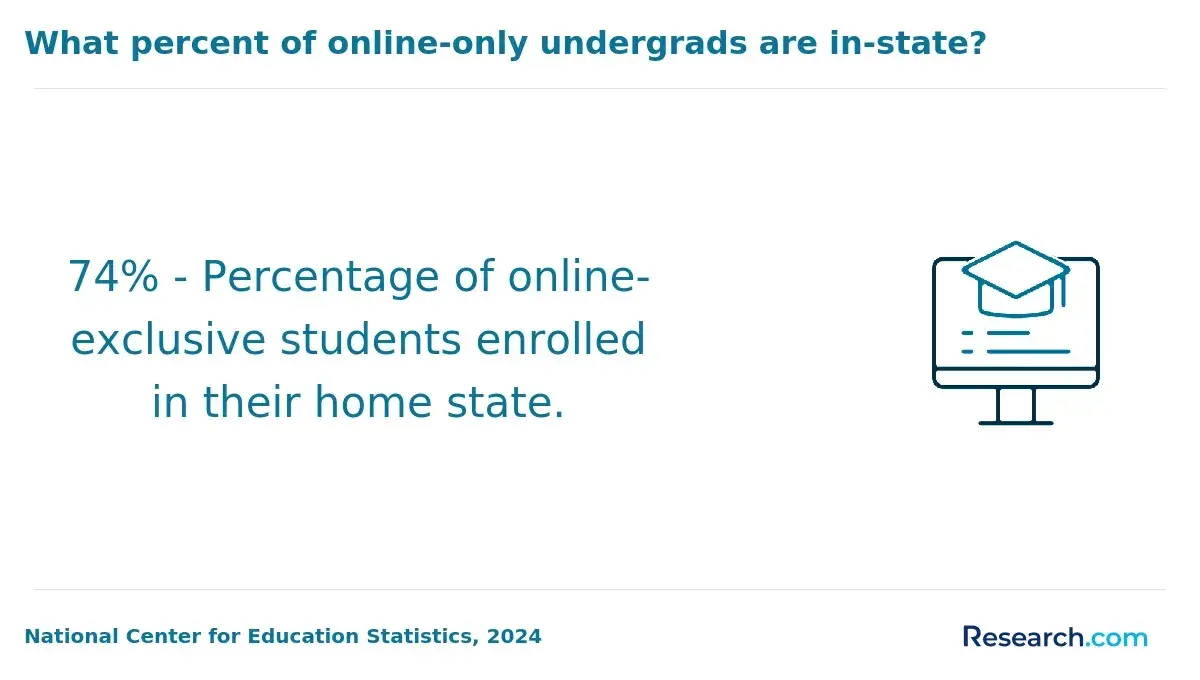
Adult learners pursuing postsecondary education online are typically individuals aged beyond the traditional college age of 18 to 24. These students often balance education with work, family, or other commitments, making flexible online programs a practical choice. Nearly 40% of undergraduate students in the U.S. are considered nontraditional or adult learners, many of whom select online courses to fit their schedules. Various types of adult learners qualify for enrollment in online child psychology bachelor's degree programs.
- Working Professionals: These learners seek to enhance their credentials or deepen their knowledge of child psychology to advance in their current careers or transition into related fields. Their motivation often centers on professional growth and practical application.
- Career Changers: Individuals moving from other sectors, such as education, social work, or healthcare, pursue child psychology degrees to establish new career paths. This group values flexible programs that accommodate their existing responsibilities.
- Returning Students: Adults resuming education after a break-due to family commitments, military service, or other reasons-often take advantage of transfer credit policies for returning adult students in child psychology programs to accelerate degree completion without starting over.
- Part-Time Students: Those balancing school with personal or professional commitments appreciate self-paced online child psychology courses, allowing them to study at a manageable speed.
These learners are frequently motivated by career development and the need for adaptable education. Many also look for programs that recognize prior learning and credits. For those interested in expedited paths to advanced degrees, exploring shortest online EdD programs can offer options beyond the bachelor's level.
What Are the Admission Requirements for an Online Child Psychology Bachelor's Degree for Adult Learners?
Admission requirements for online child psychology bachelor's degree programs tailored to adult learners acknowledge the varied educational backgrounds of nontraditional students. These criteria ensure that candidates possess the necessary academic readiness while providing flexibility to those returning to school after time away. The following points highlight the typical admissions components adult learners can expect.
- Proof of Prior Education: Most programs require a high school diploma or an equivalent such as a General Educational Development (GED) certificate. This documentation verifies foundational academic achievement, crucial for progressing into higher education.
- Completed Application Form: Applicants must submit a formal application including personal and educational information. Some schools may request a statement of purpose to assess motivation and commitment to pursuing a child psychology degree.
- Academic Transcripts: Official transcripts from high school and any previous college coursework are required to confirm eligibility and readiness for college-level study. These records play a key role in admission decisions and transfer credit policies for adult learners in child psychology programs.
- Readiness for Online Learning: Due to the nature of distance education, many institutions ask applicants to demonstrate their ability to manage time, use technology effectively, and maintain a stable internet connection. This may include completing an orientation or answering readiness assessment questions.
Adult learners researching their options often compare these criteria alongside financial considerations, such as those detailed in the cheapest online business management degree, to find affordable and accessible paths to advance their education.
2026 Update: Field Experience and Child-Safety Requirements
For 2026, this section adds a practical check for adult learners: whether an online child psychology bachelor’s program includes in-person learning requirements tied to working with children, schools, clinics, or community agencies.
- Ask whether the program requires practicum, observation hours, service learning, or site-based projects.
- Confirm if placements can be completed near your home or workplace instead of near the campus.
- Check whether background checks, fingerprinting, immunizations, or child-safety training are required before placement.
- Review whether evening, weekend, or school-day availability is expected for any field experience.
- Find out who secures the placement: the school, the student, or both together.
- Ask how online students are supervised and evaluated during child-focused field activities.
Understanding these requirements early helps returning students avoid schedule conflicts, hidden delays, or location issues while choosing a program that fits real adult responsibilities.
Most online child psychology bachelor's degree programs tailored for adult learners returning to education typically do not require SAT or ACT scores for admission. Instead, these programs emphasize a candidate's past academic achievements and overall preparedness for college-level study. As of 2023, more than 1,600 U.S. colleges and universities have adopted test-optional policies, reflecting a growing shift that increases access for nontraditional students. Standardized testing is often waived because it can fail to capture the diverse experiences and skills adult learners bring, including work history or previous college credits, which serve as more relevant indicators of success.
An adult learner currently enrolled in an online child psychology bachelor's program shared that the absence of standardized test requirements made returning to school less intimidating. He recalled feeling anxious about taking exams after many years away from formal education but was relieved to focus on his transcripts and past experience instead. "It was a huge relief knowing I wouldn't have to take the SAT or ACT again," he explained, noting that admissions staff valued his professional background and personal motivation. This approach "made the process feel much more accessible and tailored to someone like me."
Flexibility is a crucial benefit of online learning, especially for adult students balancing education with other life responsibilities. Research shows that 70% of adult online learners prioritize the ability to study on their own schedules, which helps maintain work-life balance. These adaptable features make flexible online child psychology degree programs for adult students an ideal choice for returning learners. Key aspects of this flexibility include:
- Asynchronous Learning: Students can complete coursework on their own time without attending fixed class sessions, enabling them to fit studies around professional and family commitments.
- Part-Time Enrollment: Many programs allow part-time study, reducing course loads each semester and helping adult learner options for online child psychology bachelor's degrees better accommodate busy schedules.
- Accelerated Pacing: For those eager to graduate sooner, accelerated courses offer faster progression through the curriculum without waiting for traditional semester cycles.
- Self-Paced Coursework: Learners can advance through materials at a speed that matches their personal understanding, whether they need extra time on complex topics or prefer to move quickly.
- 24/7 Access to Materials: Around-the-clock access to lectures, readings, and assignments allows students to study when it works best for them, adapting to unpredictable daily routines.
For more on flexible educational opportunities, consider exploring the best online colleges that offer accommodating programs tailored to adult learners' needs.
Many online bachelor's programs in child psychology accept transfer credits, enabling students to save time and avoid repeating coursework. According to the National Center for Education Statistics, about 38% of students completing bachelor's degrees nationwide apply transfer credits. This flexibility supports adult learners by streamlining degree progression. Consider the following factors when transferring credits:
- Evaluation of Prior Coursework: Schools assess transcripts carefully to verify that transferred classes match their curriculum standards and come from accredited institutions.
- Credit Limits: Programs typically cap the number of credits accepted to ensure students complete a substantial portion of their degree through the institution itself.
- Program Relevance: Transfer credits are generally accepted only if closely related to child psychology or foundational subjects like psychology and human development.
- Adult Learner Benefits: Using transfer credits can reduce time to graduation and lessen tuition expenses, helping adult students maintain momentum in their education.
- Variable Policies: Transfer regulations differ between schools, so it's crucial to review each program's specific guidelines for credit acceptance.
One adult learner who earned her online child psychology degree shared her experience: "Transferring credits wasn't automatic; I had to submit detailed course descriptions and wait for evaluations. It was a bit nerve-wracking wondering which classes would count. But once approved, it felt rewarding to see my previous efforts recognized. This helped me finish sooner and focus on new material relevant to child psychology." Her story highlights how credit transfer can be a valuable but sometimes involved part of returning to school.
Many online child psychology bachelor's programs for adult learners accept prior professional experience as part of their credit evaluation. According to the Council for Adult and Experiential Learning, nearly 31% of colleges nationwide offer prior learning assessments (PLA) that let students convert relevant work experience into academic credits. Below are common ways these experiences are assessed.
- Prior Learning Assessments (PLA): These formal evaluations review knowledge and skills gained outside the classroom, often through exams or documented evidence, to award college credits.
- Portfolio Reviews: Learners compile collections of work artifacts, reflective essays, and proofs of expertise. Program faculty assess these portfolios to decide if they meet academic standards.
- Competency-Based Evaluations: This method measures mastery of specific skills crucial to child psychology, allowing students to demonstrate abilities regardless of how or where they were obtained.
- Certification and Training Recognition: Professional credentials or specialized training related to child development may qualify for credit or satisfy prerequisite requirements.
Recognizing prior experience can reduce the time and effort needed to complete the degree, making programs more accessible for working professionals or those changing careers. Since policies vary widely by institution, prospective students should carefully review how their experience might translate into credit at their chosen school.
The total cost of earning an online child psychology bachelor's degree for adult learners depends on several variables, including program structure, pacing, and credit requirements. Many adult learners choose flexible schedules that can extend the time needed to finish the degree, impacting overall expenses. On average, tuition for online bachelor's degrees in the U.S. ranges from $10,000 to $25,000 annually, but this figure varies widely based on the institution and format. Below are important cost factors to keep in mind when budgeting for your studies.
- Tuition Per Credit: This often makes up the largest portion of total costs. Tuition is usually charged by the credit hour, so the number of credits required and your enrollment pace will directly influence your expenses.
- Technology Fees: Online programs commonly add fees for access to learning platforms, software licenses, and technical support that ensure a smooth virtual learning experience.
- Course Materials: Students may need to purchase textbooks, digital content, and specialized materials related to child psychology coursework. While some programs use free or low-cost resources, others require paid materials.
- Application and Administrative Fees: These smaller, sometimes recurring fees cover enrollment processing and other institutional services over the course of the degree.
- Proctoring or Examination Fees: Certain programs charge for secure online testing, especially for major exams or final assessments, which is an additional expense to consider.
Many adult learners pursuing an online child psychology bachelor's degree find that various financial aid options are available to help manage the cost of their education. According to the National Center for Education Statistics, nearly 70% of undergraduate students receive some form of financial aid, which supports a wide range of learners including those balancing work and family. These options can make returning to school more affordable and accessible.
Financial aid options for adult learners in child psychology degrees often include the following:
- Federal and State Grants: These are need-based awards that do not require repayment, making them an excellent resource for adult learners with limited financial means to cover tuition and fees.
- Student Loans: These provide flexible repayment plans after graduation or leaving school, although they must be repaid with interest. They offer adults the ability to finance their education with manageable monthly payments.
- Employer Tuition Assistance: Many companies offer tuition reimbursement or assistance programs to employees advancing their education, often requiring continued employment and satisfactory academic progress.
- Institutional Payment Plans: These allow students to distribute tuition costs over the semester or academic year, easing upfront financial burdens and improving budget management.
- Scholarships: There are scholarships available specifically for returning students and those in specialized fields such as child psychology, which can significantly defray costs despite being competitive.
Adult learners interested in advancing their careers in related fields might also explore MSW online programs as a continuation of their studies and professional development.
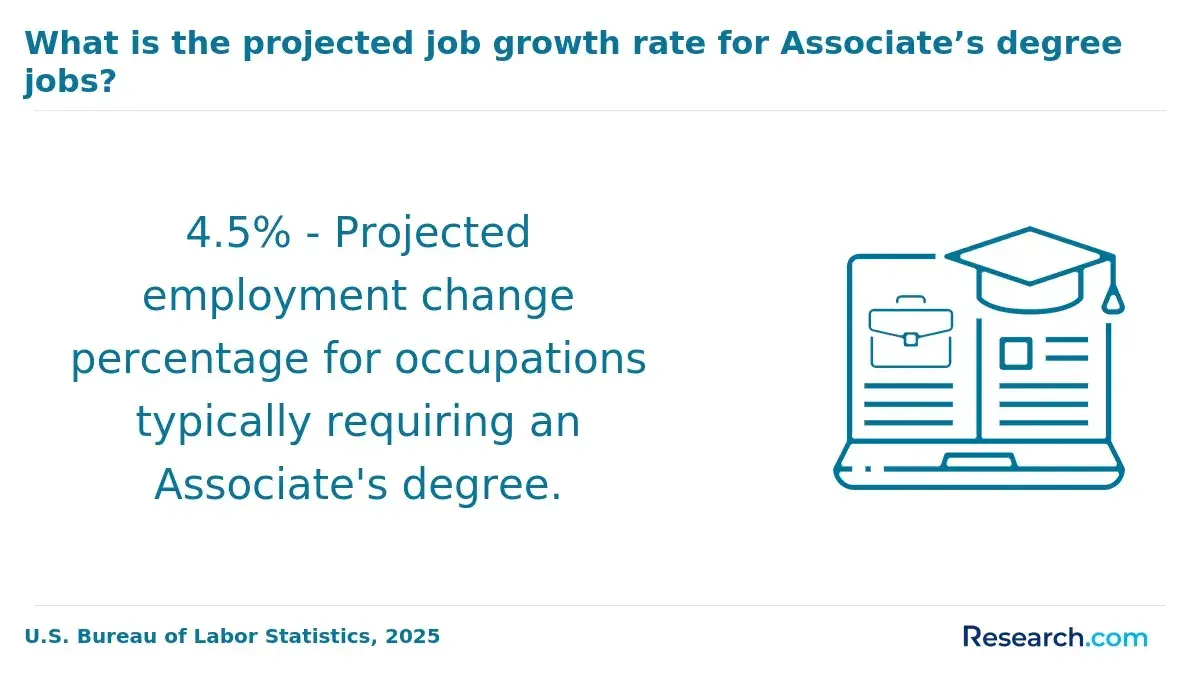
Employer attitudes toward online child psychology bachelor's degrees for career advancement have shifted significantly as online education becomes more accessible and respected. A 2023 survey by the National Association of Colleges and Employers found that 65% of employers now view online degrees as equally valid as traditional on-campus degrees if the program is properly accredited. This change reflects a larger emphasis on skills-based hiring, where candidates are evaluated more on their competencies than on the delivery format of their education.
Key factors influencing employer perception include accreditation, the relevance of skills attained, and the integration of prior work experience. Degrees from accredited institutions signal quality and rigor, enhancing employer trust. Programs offering practical knowledge-such as child development, behavioral assessment, and counseling-help graduates meet real-world job demands, especially when combined with internships or professional experience.
Adult learners pursuing an online child psychology degree can increase their marketability by aligning their studies with demonstrated skills, consistent with the growing recognition of the most useful masters degrees in-demand.
Selecting an online child psychology bachelor's degree program is a crucial choice for adults managing work, family, and education simultaneously. A 2023 survey showed that 68% of online learners prioritize program flexibility when making their decision. Here are essential factors to consider when choosing the right program.
- Accreditation: Ensure the institution holds regional accreditation and relevant program-specific approvals. These credentials confirm academic quality and increase the degree's recognition by employers and graduate schools.
- Program Flexibility: Look for asynchronous classes, part-time options, and multiple start dates. Such features support balancing education with other personal and professional commitments.
- Curriculum Relevance: The program should include core psychology subjects and specialized courses in child development, emotional and behavioral disorders, and evidence-based interventions to prepare you effectively for career challenges.
- Student Support Services: Access to tutoring, academic advising, career counseling, and digital library resources is vital. These resources foster motivation and help adult learners succeed in an online setting.
- Tuition and Affordability: Compare costs while considering financial aid, scholarships, and the long-term value of the degree. Understanding expenses relative to benefits prevents unnecessary debt and aids in smart financial planning.
What Graduates Say About Online Child Psychology Bachelor's Degree Programs for Adult Learners Returning to School
- Armando: "Returning to school as an adult was a challenging yet rewarding decision for me. I chose an online child psychology bachelor's degree program because it allowed me to balance work, family, and my studies without sacrificing any aspect of my life. This degree has opened doors professionally, enabling me to contribute meaningfully in educational settings and advocate for children's mental health with greater confidence."
- Damien: "After years in the corporate world, I realized my true passion lay in supporting children's emotional well-being. The flexibility of an online child psychology bachelor's program was crucial in my journey, giving me the chance to learn at my own pace while maintaining my job. Graduating has not only deepened my understanding but also enhanced my credibility as a professional counselor focused on child development."
- Aiden: "I returned to college later in life because I wanted to make a tangible difference in children's lives. Pursuing an online child psychology bachelor's degree was practical for me since it fit within my busy schedule and allowed access to diverse learning resources. Now, equipped with this degree, I find myself more effective in parenting workshops and youth programs, where I apply psychological concepts daily."
Other Things You Should Know About Child Psychology Degrees
Most online child psychology bachelor's degree programs offer foundational courses, but typically do not include certification or licensure preparation. Students may need to pursue additional graduate studies or specialized training to meet certification requirements specific to their career goals in 2027.
Yes. Many 2027 online child psychology bachelor’s programs accept up to 90 transfer credits from regionally accredited colleges, with a minimum of 30 credits completed at the degree-granting institution. Schools usually require official transcripts and a GPA of 2.0 or higher for transfer review.
Programs frequently provide asynchronous classes allowing students to access lectures and assignments at convenient times. This flexibility supports learners balancing family responsibilities or work schedules. Additionally, many programs offer extended deadlines and academic support services designed to help adult students manage coursework effectively.
- Psychology (Extended), BSc Hons https://ezyapply.net/program/detail/15607
- Online Bachelors in Child & Adolescent Development | AE.org https://academicearth.org/bachelors-in-child-adolescent-development/
- BA in Psychology in Child Development Online Degree – Carlow https://online.carlow.edu/programs/bachelors-psychology/child-development/
- Child Psychology https://www.acsedu.co.uk/courses/psychology/child-psychology-bps104-362.aspx
- enrolled degree is in psychology but haven't taken a psych course since first year - RedFlagDeals.com Forums https://forums.redflagdeals.com/enrolled-degree-psychology-but-havent-taken-psych-course-since-first-year-1428108/
- How can I become a child psychologist studying from home? - DB-UK Community https://decembearduk.org/viewtopic.php
- Online BA in Psychology Child & Adolescent Psychology | TUW https://www.tuw.edu/academics/psychology/online-ba-psychology-child-adolescent/
- How Studying Child Psychology Online Prepares You For A Rewarding Career https://matric.edu.za/blog/how-studying-child-psychology-online-prepares-you-for-a-rewarding-career/
- Online Psychology Degree Prices and Subsidies in the United States https://burstingspectrum.com/en/articles/online-psychology-degree-prices-and-subsidies-in-the-united-states