2027 Regional vs National Accreditation for Online Child Psychology Bachelor's Degrees

Co-Founder and Chief Data Scientist
A prospective student seeking an online child psychology bachelor's degree faces a pivotal decision: enroll in a regionally accredited university known for widespread credit transfer and stronger academic recognition, or choose a nationally accredited school offering greater flexibility and potentially faster admission. The concern centers on whether credits will transfer smoothly to graduate programs or if future employers will value the degree equally.
With 65% of child psychology-related jobs requiring at least a bachelor's degree, these accreditation differences carry long-term career consequences. This article examines regional vs national accreditation, focusing on recognition, transferability, standards, and career impact to guide students' choices.
Key Benefits of Regional vs National Accreditation for Online Child Psychology Bachelor's Degrees
- Regional accreditation generally offers broader recognition and credibility, which can enhance graduate school eligibility and employer trust compared to many nationally accredited programs.
- Credits from regionally accredited online child psychology degrees transfer more easily between institutions, facilitating academic mobility and completion of advanced studies.
- National accreditation may better serve career-focused students seeking quicker entry into specific jobs, while regional accreditation supports those targeting comprehensive education and graduate research opportunities.
What Is the Difference Between Regional and National Accreditation for an Online Child Psychology Bachelor's Degree?
Regional accreditation is granted by agencies overseeing institutions within specific geographic areas of the United States, focusing on overall academic quality and rigorous evaluation standards across a broad array of degree programs. In contrast, national accreditation covers institutions with a more specialized or career-oriented approach, often including vocational or online-only schools. These accrediting bodies operate nationwide but typically have narrower criteria emphasizing practical training rather than comprehensive academic rigor.
The differences between regional and national accreditation in child psychology programs reflect these distinct priorities. Notably, over one-third of higher education students engage in distance learning, underscoring the importance of recognizing these accreditation types when pursuing an online child psychology degree.
The practical effects of regional versus national accreditation are significant for students. Credits earned from regionally accredited schools are more widely accepted for transfer, especially among other regionally accredited institutions. Graduate programs and employers often prefer degrees from regionally accredited schools, viewing them as stronger indicators of academic quality and rigor.
Meanwhile, nationally accredited institutions provide a baseline assurance of education quality, though their credits may have limited transferability and recognition in certain academic or professional settings. Students considering online child psychology degrees should explore online colleges carefully to understand how accreditation type could impact their academic and career paths.
Which Agencies Provide Regional Accreditation for Online Child Psychology Bachelor's Degrees?
Regional accreditation in the United States is granted by a select group of agencies that rigorously evaluate colleges and universities based on academic quality and institutional standards. More than 90% of traditional nonprofit institutions hold regional accreditation, which serves as a vital indicator of academic credibility. Students seeking an online child psychology bachelor's degree should be aware of the key regional accrediting bodies that ensure program quality and transferability of credits.
- Middle States Commission on Higher Education (MSCHE): This agency accredits public and private institutions in Delaware, the District of Columbia, Maryland, New Jersey, New York, Pennsylvania, and Puerto Rico. MSCHE prioritizes continuous improvement and comprehensive assessments of academic programs.
- New England Commission of Higher Education (NECHE): Covering Connecticut, Maine, Massachusetts, New Hampshire, Rhode Island, and Vermont, NECHE emphasizes thorough institutional evaluations and supports innovation, particularly in online education formats.
- Higher Learning Commission (HLC): Serving 19 states throughout the Midwest and Plains regions including Illinois, Indiana, Iowa, Michigan, and Ohio, HLC is one of the nation's largest regional accrediting bodies. It integrates quality assurance closely with institutional missions.
- Southern Association of Colleges and Schools Commission on Colleges (SACSCOC): Accrediting schools in Alabama, Florida, Georgia, Kentucky, Louisiana, Mississippi, North Carolina, South Carolina, Tennessee, Texas, and Virginia, SACSCOC is known for its strict standards, including review of online program delivery and student support services.
- Western Association of Schools and Colleges Senior College and University Commission (WSCUC): This agency accredits institutions in California, Hawaii, and Pacific territories, focusing on academic achievement, governance, and resource management, especially in evolving online program environments.
The regional accrediting bodies for child psychology bachelor's programs play an essential role in confirming that online programs meet rigorous academic and operational standards. This affects credit transferability, employer recognition, and eligibility for graduate education. Prospective students may also consider specialized accreditation such as CACREP for counseling-related pathways within child psychology.
What Are the Main National Accrediting Bodies for Online Child Psychology Bachelor's Degree Programs?
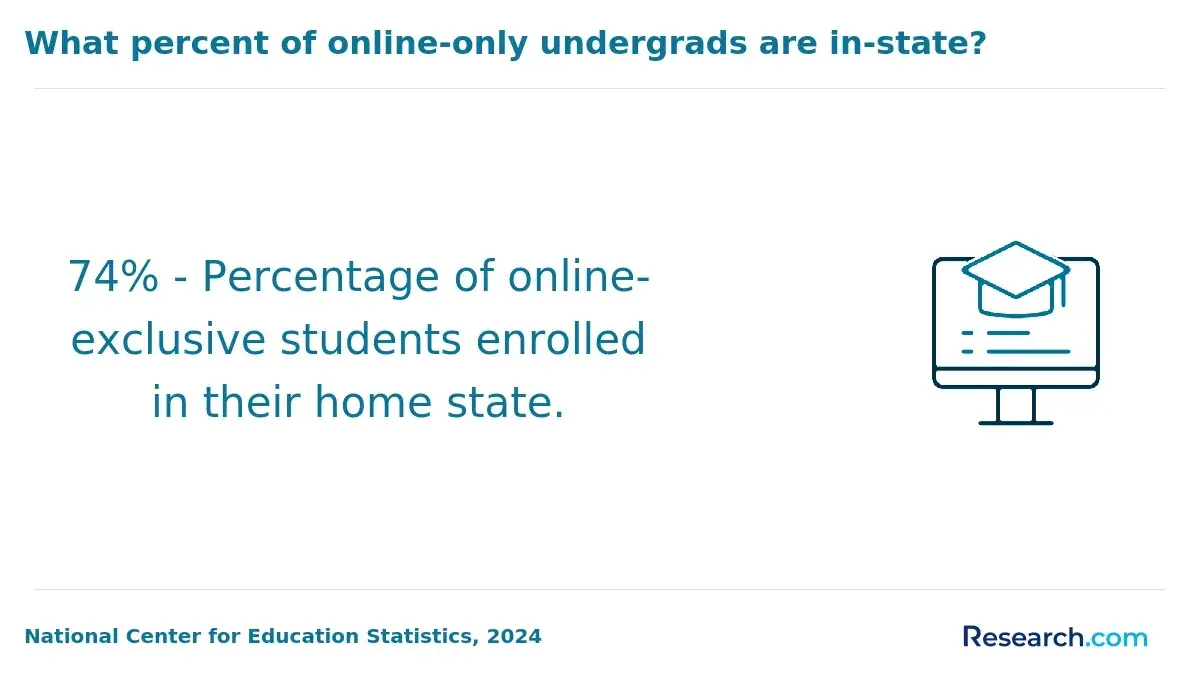
National accreditation for online child psychology bachelor's degrees is awarded by agencies that concentrate on career-focused, technical, or specialized institutions operating nationwide. These accrediting organizations emphasize practical skills and workforce readiness. Around 15% of postsecondary schools in the U.S. hold national accreditation, reflecting their role in serving a distinct segment of educational programs.
The primary national accrediting agencies for child psychology bachelor's programs include:
- The Accrediting Council for Independent Colleges and Schools (ACICS): This body accredits a wide array of independent colleges and vocational schools, focusing on career-oriented education. Many of the institutions it accredits offer online programs and certificates up to bachelor's degrees.
- The Distance Education Accrediting Commission (DEAC): Specializing in distance learning, DEAC evaluates online institutions rigorously, accrediting programs tailored for adult learners and professionals requiring flexible scheduling, including bachelor's level degrees.
- The Council on Occupational Education (COE): COE accredits institutions centered on occupational and technical training, mostly emphasizing diploma and associate degrees but also covering some bachelor's degree programs.
These agencies ensure institutions meet quality standards that meet vocational and professional objectives. While national accreditation supports practical education paths, students should consider its potential effects on credit transfers and admissions to some graduate programs.
Admission standards for online child psychology bachelor's degrees that hold regional accreditation generally require applicants to demonstrate solid academic performance, often including a minimum GPA between 2.5 and 3.0. Candidates typically must submit a high school diploma or its equivalent along with official transcripts. Some programs may request standardized test scores such as the SAT or ACT, though this is becoming less common.
Additional materials like letters of recommendation, personal statements, or interviews are often part of the process to evaluate applicants' academic readiness and motivation. According to recent data, about 60% of online undergraduate students enroll in regionally accredited programs, reflecting their widespread preference and perceived rigor.
Nationally accredited programs typically offer more inclusive admission policies aimed at widening access. These institutions often accept students with varied academic backgrounds, including those with GEDs or lower GPAs, and have more straightforward application procedures focusing mainly on transcripts and basic documentation.
Standardized testing is rarely required, and flexibility in enrollment timelines is common to accommodate nontraditional students. This approach prioritizes accessibility and convenience, enabling a diverse range of students to pursue their education without the more stringent barriers found in regionally accredited programs.
When I spoke with a graduate of an online child psychology bachelor's program, she shared that her experience reflected these contrasts. "The application was surprisingly simple, which put me at ease," she recalled, noting that her earlier academic struggles wouldn't have qualified her for more selective schools.
However, she also mentioned feeling uncertain at first whether the program's less demanding admissions would affect her future opportunities. Over time, she grew confident that the flexibility made it possible to achieve her goals without overwhelming stress, emphasizing that knowing what to expect upfront helped her stay motivated throughout her studies.
Tuition costs for online child psychology bachelor's degree programs fluctuate based on accreditation type, institutional setup, and program details. On average, students attending regionally accredited schools pay about 10-20% more than those enrolled in nationally accredited institutions. This trend reflects differences in pricing structures and academic services provided.
- Cost Range: Regionally accredited programs usually charge between $300 and $600 per credit hour, while nationally accredited options tend to be more affordable, ranging from $200 to $400 per credit hour.
- Pricing Models: Nationally accredited programs often offer flexible pricing such as competency-based rates or subscription fees that appeal to working adults, contrasting with more traditional tuition models at regionally accredited schools.
- Included Fees: Tuition at regionally accredited institutions commonly includes comprehensive student services and technology fees, contributing to higher overall expenses.
- Value Considerations: Although nationally accredited programs may be cheaper upfront, regional accreditation often better supports credit transfer and academic recognition, which can impact future education and career opportunities.
- Program Affordability: Prospective students comparing the cost differences in online child psychology bachelor's degree tuition by accreditation should also review additional program benefits; for related options, exploring affordable online criminal justice programs can provide insight into similar pricing frameworks.
Financial aid options for online child psychology bachelor's degrees differ based on the institution's accreditation and participation in federal aid programs. Around 85% of undergraduate students in the U.S. receive some form of financial assistance, showing how crucial aid is in higher education. Whether a program is regionally or nationally accredited can influence the types and availability of aid.
- Federal Pell Grants: Typically awarded to students at institutions with recognized regional or national accreditation, though regionally accredited programs are more consistently eligible. Nationally accredited schools may have limited access to these grants depending on federal participation.
- Federal Student Loans: Stafford and PLUS loans tend to be accessible through both accreditation types if the institution is authorized under Title IV federal aid. Confirming a school's status with these programs is essential for loan eligibility.
- State Financial Aid: Often aligned with federal standards, state aid commonly requires regional accreditation, which can restrict eligibility for those enrolled in nationally accredited online child psychology degrees.
- Institutional Scholarships: Both regionally and nationally accredited schools may offer their own scholarships, but availability and amounts vary. Students should verify if accreditation impacts these awards at their chosen school.
- Private Scholarships: External scholarships from foundations or organizations generally do not factor in accreditation type, allowing broad access regardless of the institution's status.
Transferring credits from a nationally accredited to a regionally accredited online child psychology bachelor's degree program often involves careful evaluation and can be complicated. Transferability depends largely on institutional policies, as each regionally accredited school sets its own standards for accepting credits.
Course equivalency plays a significant role; only credits that align closely with the curriculum's content, rigor, and level at the receiving institution are typically accepted. Additionally, regional accreditation is generally viewed as more rigorous and widely recognized in academia, which influences how credits from nationally accredited schools are assessed.
A common trend is that regionally accredited institutions tend to accept transfer credits more readily from other regionally accredited schools than from nationally accredited ones.
When discussing the transfer process with a student currently enrolled in an online child psychology bachelor's degree, he shared how navigating the credit evaluation felt "daunting" at first. He explained that submitting detailed course descriptions and syllabi was necessary to convince the new school of the courses' equivalency.
Despite the challenges, he found that persistence and open communication with academic advisors helped him clarify which credits would transfer. The experience, while frustrating at times, made him more aware of the importance of verifying transfer policies early in his academic journey to avoid unexpected setbacks.
Accreditation type can influence how employers view online child psychology bachelor's degrees, depending on industry standards and hiring practices. A survey by the National Association of Colleges and Employers found that over 80% of employers prefer candidates with degrees from regionally accredited institutions. This trend shapes the impact of accreditation on career opportunities in child psychology.
- Employer Perception: Regional accreditation is often regarded as the standard for academic rigor, which many employers in child psychology trust. National accreditation, while valid, may prompt additional scrutiny or require applicants to highlight relevant experience and certifications to prove their competencies.
- Industry Expectations: Regional accreditation aligns more closely with traditional academic and professional standards, making it easier for graduates to meet hiring filters used by employers in clinical or counseling roles. The impact of regional versus national accreditation on child psychology careers depends largely on these expectations.
- Hiring Filters: Many organizations use accreditation status as an initial screening tool, favoring regionally accredited degrees for entry-level roles or internships. Graduates with nationally accredited online child psychology degrees might face additional steps to demonstrate skills or practical knowledge.
- Role-Specific Requirements: Positions requiring licensure or graduate study generally mandate degrees from regionally accredited programs. This is crucial for students planning advanced education or roles that demand compliance with professional standards.
- Career Flexibility: Although regional accreditation often opens broader opportunities, national accreditation can still offer valuable career paths when combined with relevant experience, especially in vocational settings.
Students exploring options for an online child psychology degree should consider how accreditation impacts job prospects and align their choice with their long-term goals.
The type of accreditation-regional versus national-can significantly influence a student's eligibility and admissions prospects for advanced degree programs after earning an online child psychology bachelor's degree. Graduate schools predominantly favor regionally accredited institutions, as they are associated with higher academic standards. In fact, approximately 90% of accredited graduate programs prioritize regional accreditation when evaluating undergraduate transcripts, impacting both admission chances and eligibility for advanced funding or research roles.
- Admissions Recognition: Graduate committees generally give more weight to degrees from regionally accredited schools, viewing them as rigorous and comprehensive. National accreditation, often vocational in focus, may be less recognized, potentially limiting admission opportunities in advanced child psychology degree eligibility.
- Credit Transfer Policies: Regional accreditation facilitates smoother credit transfer and acceptance of prerequisite coursework by master's and doctoral programs. Nationally accredited degree credits might be considered on a case-by-case basis, making the transfer process less predictable.
- Institutional Variability: Some graduate schools adopt flexible policies allowing applicants from nationally accredited institutions, but this varies widely across programs and may require additional validation of coursework quality.
- Funding and Research Opportunities: Students from regionally accredited programs are often more eligible for graduate funding and participation in research activities, which plays a crucial role in advanced degree success.
- Program Specifics: Prospective students should confirm how their target graduate programs evaluate accreditation status to ensure alignment with their academic goals and avoid obstacles in their advancement.
Those considering combining child psychology studies with complementary disciplines may explore an online math degree as a way to enhance analytical skills valuable in graduate research.
When choosing between regional and national accreditation for an online child psychology bachelor's degree, students should weigh several important factors. Regional accreditation is typically regarded as more prestigious and broadly accepted by employers, graduate programs, and other academic institutions, which can facilitate credit transfer and further education.
In contrast, national accreditation often focuses on vocational or career-oriented programs and may offer greater flexibility in course formats, which can be advantageous for students balancing work or personal responsibilities.
Students' academic objectives are crucial to this decision-those aiming for graduate study or credit transfer generally benefit from regionally accredited institutions. A 2022 study revealed that nearly 40% of students were not fully aware of the differences between these accreditation types, highlighting the need for thorough understanding before enrolling.
To make an informed choice, prospective students should start by verifying accreditation directly through the U.S. Department of Education or recognized accreditation bodies. It is also important to examine how credits transfer between institutions, especially if future education plans involve switching schools or pursuing advanced degrees.
Aligning the accreditation type with personal career goals is vital since it affects recognition and academic progression. Attention to transfer policies and institutional reputation helps ensure the chosen program supports long-term academic and professional ambitions.
What Graduates Say About Regional vs National Accreditation for Online Child Psychology Bachelor's Degrees
- Armando: "Choosing a regionally accredited online child psychology bachelor's program was crucial for me because I knew it would open doors for advanced studies and professional licensing. The structured curriculum and recognized accreditation gave me confidence in the quality of my education, even without traditional on-campus attendance. This degree has truly been a pivotal step in establishing my career as a child counselor."
- Damien: "Reflecting on my experience in a nationally accredited online child psychology bachelor's program, I appreciated the flexibility it offered while still maintaining solid academic standards. Although I sometimes missed face-to-face interaction, the program's comprehensive resources and accreditation reassured me that my degree would be respected by employers. This balance allowed me to pursue work simultaneously and ultimately enhanced my professional growth."
- Aiden: "Completing an online child psychology bachelor's degree with regional accreditation provided me with a competitive edge in a crowded job market. The rigorous coursework and the program's reputation were instrumental in securing internships that enriched my practical understanding. Looking back, I value how this accredited program prepared me thoroughly for the challenges of a career in child mental health."
Other Things You Should Know About Child Psychology Degrees
Yes, regionally accredited programs typically follow stricter academic standards and often provide a more rigorous curriculum designed to meet comprehensive educational goals in child psychology. Nationally accredited programs may emphasize vocational or career-oriented training, which can vary widely in depth and academic focus depending on the institution.
Many employers in psychology and related fields prefer candidates who graduated from regionally accredited programs due to their recognized academic rigor and transferability of credits. However, some employers familiar with national accreditation may accept those degrees, especially in applied or counseling roles, but this varies by employer and state licensing requirements.
The main U.S. institutional accreditors are the regional agencies under the Council for Higher Education Accreditation and the national Distance Education Accrediting Commission. For child psychology degrees, verify the school is accredited by a U.S. Department of Education-recognized body before enrolling, because that status affects aid, transfer, and graduate school review.
Regionally accredited programs in 2027 often offer more robust experiential learning or internship opportunities due to a broader network of industry partnerships and a focus on comprehensive student support. Nationally accredited programs might provide fewer options, primarily due to limited resources and partner organizations.
- Who Provides Accreditation to Master’s and Bachelor’s Level Degree Programs? https://www.online-psychology-degrees.org/faq/who-provides-accreditation-to-masters-and-bachelors-level-degree-programs/
- Which is Better, Regional or National Accreditation? https://www.dlsii.com/blog/which-is-better-regional-or-national-accreditation/1000/
- Understanding the Difference Between Regional and National Accreditation https://www.qahe.org/article/understanding-the-difference-between-regional-and-national-accreditation/
- 2025 Developmental and Child Psychology Tuition - Online https://www.collegetuitioncompare.com/majors/42.2703/developmental-and-child-psychology/
- Psychology Accreditation: What you need to know https://www.onlinepsychologydegrees.com/articles/accreditation/
- Most Affordable Online Bachelor's in Psychology Programs of 2025 - Intelligent https://www.intelligent.com/most-affordable-online-bachelors-in-psychology-programs/
- Best Online Child Psychology Bachelor's Degrees 2025 https://www.psychology.org/degrees/child-psychology/bachelors/
- 2025 Most Affordable Online Child Development Degrees https://www.onlineu.com/most-affordable-colleges/child-development-degrees
- Most Affordable Online Psychology Degree Programs: School Reviews https://www.publicservicedegrees.org/online-degrees/psychology-programs/most-affordable/
- Raising the Bar: The Impact of Accreditation on Psychology Training | SoMAP - The Society of Modern Applied Psychology https://thesomap.org/raising-the-bar-the-impact-of-accreditation-on-psychology-training/