2027 Online BA in Psychology - Mental Health: Should You Add a Minor or Finish a Term Earlier?
Audited and Verified:
Our Editorial and Data Verification Process
Research.com uses government datasets, official education statistics and primary institutional information to support its career and degree guides. Our review process checks factual accuracy, occupational definitions, source dates and the requirements associated with the credentials discussed.
How This Article Was Fact-Checked
Our editorial team verifies salary estimates, employment projections, education requirements and program information against original data providers and official organizations. Salary figures are checked against the relevant occupational definitions and reporting periods. Information about licensure, accreditation and required in-person training is reviewed separately.
Fact-checked and verified on:

Co-Founder and Chief Data Scientist
An extra term can give an online psychology student a useful minor - or add costs and delay the next step. The better choice depends on what the minor teaches, whether it fits your degree audit, and what you would do with the time and money saved by graduating earlier.
This guide is for students pursuing a BA in psychology with a mental-health focus. It explains how to compare the two paths against your career or graduate-school goal, including the online scheduling and financial-aid details that can change the answer.
Key Things You Should Know
- Add the minor when its required courses fill a documented skill or prerequisite gap and the added term is affordable; a minor is not a mental-health practice credential.
- Graduate one term earlier when the minor mostly duplicates psychology coursework or delays relevant employment, supervised experience, or a qualifying graduate program.
- Compare the approved remaining-credit audit, the extra term's net cost, and course availability - not just the minor's name - before deciding.
What Is an Online BA in Psychology Focused on Mental Health?
It is an undergraduate psychology degree that combines the study of behavior and psychological science with coursework on topics such as mental disorders, prevention, or behavioral-health services. "Mental health" might be an official concentration, a set of electives, or simply a program description. Ask the school which designation, if any, appears on the transcript.
Online describes how coursework is delivered, not how freely you can schedule it. A program may have live meetings, group projects, a locally arranged experience, or courses offered only in certain terms. Those details matter if adding a minor depends on fitting several courses around work or caregiving. When comparing delivery options, a guide to evaluating psychology degree programs for online learning can help frame the questions, but the school's current catalog and schedule control your plan.
Should You Add a Minor or Graduate One Term Early?
Choose the minor for a specific outcome, not for its label. A statistics or data-oriented minor may strengthen research preparation; a public health, sociology, or language minor may support a defined community-service role. If your goal is graduate admission, check that program's prerequisites first: a required course or strong research experience may be more valuable than completing a minor.
The comparison below shows where each option tends to have an advantage. It is a decision framework, not a claim that either choice improves admission or hiring outcomes automatically.
| Decision factor | Add the minor | Finish one term earlier |
| Academic fit | Best when required courses address a verified gap. | Best when electives or existing experience already cover the gap. |
| Next-step timing | Worth considering if the courses strengthen a specific application or role. | Useful if an earlier start in work, research, or graduate study matters more. |
| Financial exposure | May add tuition, fees, materials, and time without added earnings. | May avoid those costs, subject to aid and billing rules. |
| Completion risk | Depends on course rotation, prerequisites, and minor approval. | Depends on all BA requirements already being satisfied. |
Before registering, make a side-by-side plan using documents the school can approve. This sequence prevents an attractive minor from turning into an unexpected graduation delay:
- Request degree audits showing the BA alone and the BA with the proposed minor, including residency rules and courses still needed.
- Confirm when every remaining course is offered and whether a prerequisite or live-session conflict changes either graduation date.
- Ask financial aid for the net cost and aid eligibility under each enrollment plan; compare that cost with the concrete experience or next-degree preparation you could pursue instead.
If your eventual aim is a research-oriented graduate degree, compare the minor's value with targeted methods coursework and experience; lower-tuition psychology master's options are a separate decision, not a reason by themselves to add undergraduate credits.
How Does Accreditation Affect an Online Psychology Bachelor's Degree?
Verify that the institution holds recognized institutional accreditation and that it covers the institution awarding the online BA. Institutional accreditation matters for matters such as federal aid eligibility and how other institutions evaluate the degree, but it does not establish that a minor meets a graduate prerequisite or a state credential rule.
Do not look for APA accreditation as a test of a general psychology BA: APA's accreditation scope does not include general undergraduate psychology majors. If the longer-term goal is licensed counseling, evaluate the subsequent qualifying graduate program and the relevant state board's requirements. A resource on counseling degree affordability and accreditation is useful for that later comparison, but it cannot substitute for checking the credential pathway in your intended state.
The BA can support applications for nonclinical roles such as behavioral-health program assistant, intake coordinator, community outreach worker, research assistant, or service-coordination support worker. Duties might include scheduling, documenting permitted information, connecting people with resources, or helping collect program data. Employers may also require experience, training, background checks, or a different degree; job titles alone do not reveal permitted duties.
For addiction services, distinguish outreach and recovery support from substance-use-disorder counseling, which may require a state-specific credential. An addiction recovery employment guide can help identify roles to investigate. If the minor would delay graduation, compare its courses with an employer-approved internship, research assistantship, or entry-level job that lets you demonstrate communication, documentation, and ethical boundaries. Do not treat an undergraduate placement as clinical supervision.
Expect a foundation in psychological science, research methods, and statistics alongside the school's general education requirements. Mental-health-focused options may cover abnormal psychology, development, health psychology, substance use, or community services. Course titles and availability vary, and studying diagnosis or therapy in class does not authorize a graduate to perform either.
Use course content to test whether a proposed minor adds something distinct. For example, additional statistics and research design may help an aspiring research assistant more than overlapping survey courses. If you are considering forensic electives because of a particular job, examine the duties and further qualifications first; forensic psychology graduate career value and qualifications illustrates why subject-matter interest and occupational eligibility must be assessed separately.
Not by itself. A psychology BA, mental-health focus, or minor does not qualify someone to independently diagnose, provide psychotherapy, or practice as a licensed psychologist or counselor. The applicable profession and state determine the qualifying education, supervised experience, examinations, and permitted titles. Some support or peer roles have separate state or employer rules.
If counseling is the destination, identify the state board's educational criteria before selecting undergraduate electives. Compare qualifying graduate programs on those criteria as well as duration; comparing accredited counseling degree completion times is relevant only after confirming that a program fits the intended credential. Graduating a term early may leave more time and resources for that required training; a minor is worthwhile if it addresses an actual admission or preparation gap.
Your remaining requirements - not the advertised program length - determine your finish date. Transfer credits must be accepted and applied to specific requirements. Prerequisite chains, institutional residency rules, capstone timing, and courses offered infrequently can prevent a seemingly short plan from ending on schedule.
Have an advisor confirm both projected graduation terms in writing, then check the next course schedule. Finishing the BA earlier does not necessarily accelerate a later counseling qualification: applications, program start dates, graduate coursework, and supervised training have their own timelines. A guide to online mental health counseling master's timelines can help you distinguish the undergraduate decision from the longer professional pathway.
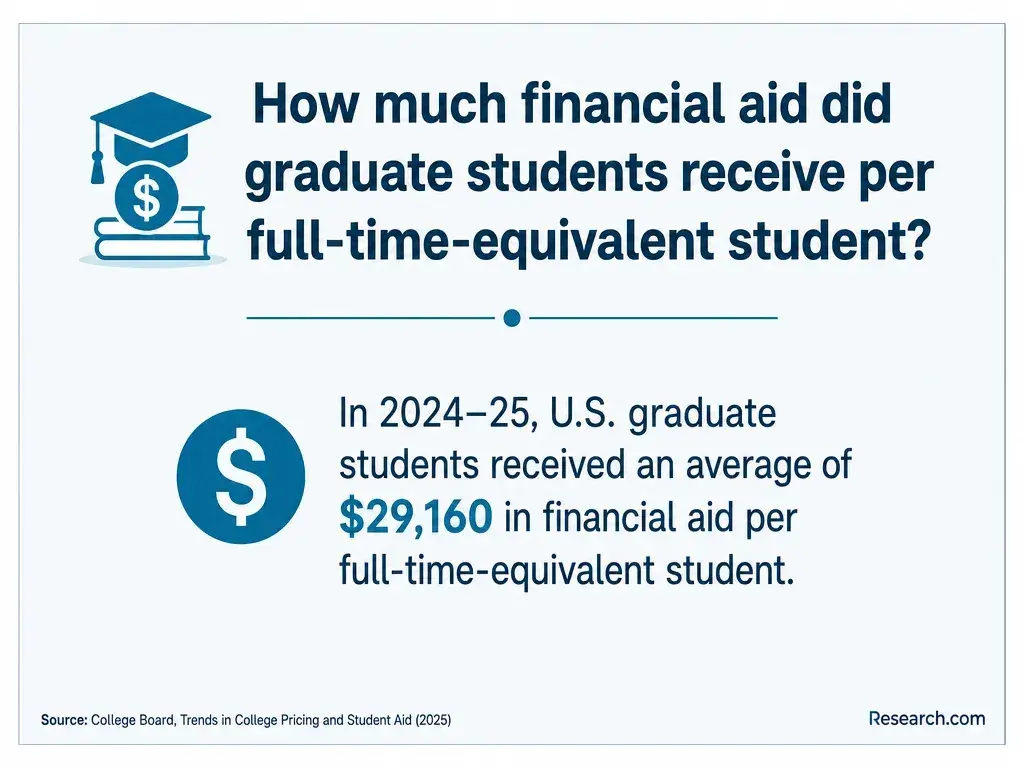
For this decision, calculate the additional net cost of the minor, not the BA's advertised tuition alone. Ask for the tuition and mandatory fees attached to the extra courses or term, then account for materials, any travel or placement costs, and aid that changes when your enrollment changes. If delaying graduation also delays paid work, include that opportunity cost without assuming a particular job or salary.
Financial aid is not automatically unchanged because courses appear on a degree plan. Ask the aid office how enrollment intensity, satisfactory academic progress, and whether the minor's courses count toward your eligible program affect your package. Guidance on funding an online bachelor's in substance abuse counseling offers related funding questions, but your school must calculate eligibility for your actual psychology BA.
Schools set their own first-year and transfer admission standards, and admission to the university may differ from entry into the psychology major or a minor. Transfer applicants should submit transcripts early and obtain a formal evaluation showing which credits meet general education, psychology, prerequisite, and residency requirements. A course accepted as elective credit may not satisfy the requirement needed to graduate early.
Check minor declaration rules before relying on the extra term: some schools require approval, a minimum number of courses taken there, or completion of particular prerequisites. If you are comparing psychology with a more specialized field, resources on choosing forensic psychology study by cost and entry criteria may clarify the alternative, but only the admitting institution can evaluate your coursework and confirm its application to a degree.
How Do You Choose a Reputable Online Psychology Bachelor's Program?
Choose the program that can document a workable route to your goal. Verify institutional accreditation, the exact degree and any formal concentration, a current course rotation, transfer and minor policies, access to advising, and whether applied experiences require live meetings or approved local sites. Ask who supervises undergraduate research or placements and what career support online students can actually use.
Request a written plan for both graduation scenarios before committing. If licensed counseling is the ultimate goal, compare the full education pathway and its costs - not just the BA's price or a minor's appeal. A shorter clinical mental health counseling master's cost guide can inform that later-stage comparison; state requirements and each program's current charges still need direct verification.
Other Things You Should Know About Psychology
Usually, a minor must be completed and awarded under the school's undergraduate degree rules. Ask the registrar whether post-graduation enrollment can result in a transcripted minor before making that plan.
They generally review the transcripted courses and grades you submit. Do not describe a minor as awarded unless the institution has officially awarded it; relevant completed coursework can still be listed accurately.
It may demonstrate useful skills, but it does not automatically replace an academic prerequisite. Ask the prospective employer or graduate program what evidence it accepts.
Check whether that course is offered before your planned graduation and whether taking it changes your aid or completion date. If it requires another term, compare its specific benefit with the additional cost.
- Cost of Attendance (Budget) | 2026-2027 Federal Student Aid Handbook https://fsapartners.ed.gov/knowledge-center/fsa-handbook/2026-2027/vol3/ch2-cost-attendance-budget
- Behavioral Health Career Descriptions | samhsa.gov https://www.samhsa.gov/about/careers/behavioral-health-workforce/careers-by-state/descriptions
- How to Become a Licensed Psychologist | Texas Behavioral Health Executive Council https://bhec.texas.gov/texas-state-board-of-examiners-of-psychologists/applying-for-a-psychology-license/how-to-become-a-licensed-psychologist/
- Online Bachelor's Degree: Psychology | University of Maryland Global Campus https://www.umgc.edu/online-degrees/bachelors/psychology
- Mason Online Psychology (BS/BA) https://psychology.gmu.edu/undergraduate-programs/online-degree-completion
- Bachelor of Arts in Psychology - Texas State's online programs https://online.txst.edu/degrees/undergraduate/ba-psychology/
- Online Bachelor's Degree (BA) in Psychology - ECU Flight Path https://onlineprograms.ecu.edu/programs/undergraduate-degrees/ba-psychology/
- Degree Requirements (BS and BA) - Psychology https://psyc.umd.edu/undergraduate/degree-requirements-bs-and-ba
- Online Bachelor's in Psychology | University of Kansas https://online.ku.edu/undergraduate-programs/online-bachelors-psychology
- Terms & Conditions | Financial Aid | University of Michigan https://finaid.umich.edu/managing-your-aid/understanding-your-offer/terms-conditions