2027 Online BA in Psychology - Mental Health for Employee Mental Health Resource Coordination: Which Courses Should You Look For?
Audited and Verified:
Our Editorial and Data Verification Process
Research.com uses government datasets, official education statistics and primary institutional information to support its career and degree guides. Our review process checks factual accuracy, occupational definitions, source dates and the requirements associated with the credentials discussed.
How This Article Was Fact-Checked
Our editorial team verifies salary estimates, employment projections, education requirements and program information against original data providers and official organizations. Salary figures are checked against the relevant occupational definitions and reporting periods. Information about licensure, accreditation and required in-person training is reviewed separately.
Fact-checked and verified on:

Co-Founder and Chief Data Scientist
Employee mental health resource coordination calls for more than familiarity with psychological disorders. The work involves explaining benefits, connecting employees with appropriate services, protecting sensitive information, and recognizing when a concern must go to a qualified professional. If you are choosing an online BA in psychology for this goal, the most useful curriculum may combine psychological science with organizational behavior, research literacy, and practical referral skills. This guide shows which courses to prioritize, what experience should accompany them, and when an HR credential or targeted training may be a more direct route.
Key Things You Should Know
- Prioritize organizational or industrial-organizational psychology, abnormal psychology, research methods, ethics, and health or community psychology; pair them with HR, benefits, or program-evaluation coursework.
- Look for an approved nonclinical project or internship involving resource navigation, communication, or program evaluation - not a course that merely promises "mental health" specialization.
- A psychology BA does not authorize diagnosis or therapy. For coordination roles, employers may value relevant HR or benefits experience and targeted training as much as, or more than, a particular major.
What Is an Online BA in Psychology for Employee Mental Health Resource Coordination?
It is typically a broad psychology bachelor's degree whose coursework you select to support a nonclinical workplace role. "Employee mental health resource coordination" describes a career goal, not a standard degree title or professional license. An employee resource coordinator might explain how to access an employee assistance program (EAP), maintain a directory of community services, help managers locate approved guidance, or assess whether employees can find and use available benefits.
The coordinator does not diagnose an employee, decide which treatment they need, or provide psychotherapy. Employers also divide this work differently: it may sit within HR, benefits, occupational health, employee experience, or a vendor organization. A BA makes the most sense when you want a broad behavioral-science education and can add workplace-specific experience. If you primarily want to coordinate substance-use services, choosing an accredited addiction psychology bachelor's may help you compare specialized curricula, but you must still check the qualifications for your intended job.
What Careers Can an Online Psychology Bachelor's Degree Prepare You For?
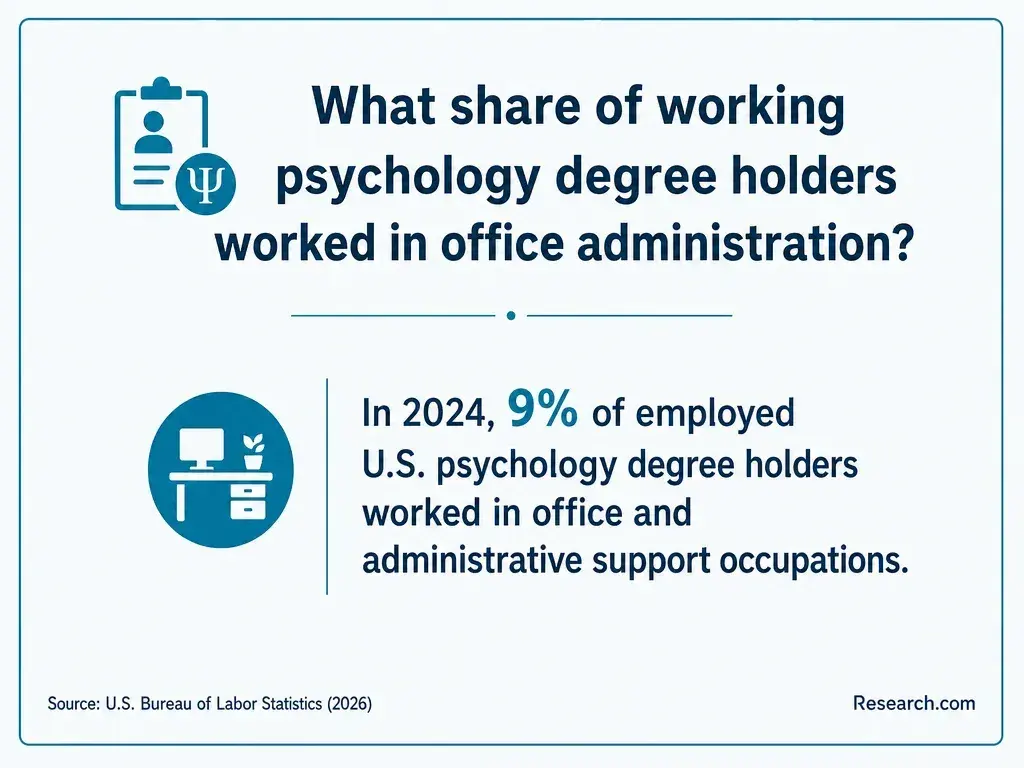
The closest opportunities are usually HR or benefits coordinator, employee experience assistant, EAP vendor support specialist, wellness program assistant, and community-resource navigator. Titles are less reliable than duties: an EAP position may involve benefit navigation, while another position at the same vendor may require a clinical license. Hiring requirements also vary with the employer, location, and level of responsibility.
Psychology coursework can help you communicate without stigma, evaluate claims about interventions, and recognize referral boundaries. It does not replace benefits administration, accessible communication, vendor management, confidentiality training, or experience handling workplace requests. Someone already working in HR may be better positioned to move into resource coordination through an internal assignment than by earning a second bachelor's degree.
Do not use salary figures for psychologists, counselors, or HR managers as a forecast for this role: those occupations have different duties and entry requirements. If you are comparing psychology-adjacent career paths, forensic psychology graduate career value and qualifications illustrates why a degree label and an occupational title must be evaluated separately; forensic work is not a substitute pathway into employee benefits coordination.
What Courses Should You Look For in an Employee Mental Health Psychology Program?
Start with the work you hope to perform: explain resources accurately, communicate with employees respectfully, maintain appropriate boundaries, and help an organization learn whether its services are accessible. The following course groups connect those tasks to academic preparation. Course titles and availability vary, so read descriptions and prerequisites rather than relying on a concentration name.
| Course or learning area | Why it matters for resource coordination | What to look for |
| Organizational or industrial-organizational psychology | Explains workplace behavior, job stressors, and organizational systems. | Applied assignments on work design, employee experience, or evaluating workplace initiatives. |
| Abnormal psychology and health psychology | Builds literacy about mental health and behavior without conferring clinical competence. | Evidence-based, nonstigmatizing coverage that distinguishes education, screening, and diagnosis. |
| Social and cultural psychology | Supports respectful communication across teams and recognition of barriers to seeking help. | Attention to culture, accessibility, bias, and limits of generalizing research findings. |
| Statistics and research methods | Helps you assess surveys, participation patterns, and claims about programs. | Practice interpreting uncertainty, selection bias, confidentiality limits, and correlation versus causation. |
| Ethics, HR, benefits, or program evaluation | Connects psychological knowledge to referral boundaries and workplace operations. | Clear treatment of privacy, role responsibilities, benefits navigation, and evaluation. |
Sequence introductory psychology and any statistics prerequisites early enough to reach methods and upper-level electives before graduation. Then seek a supervised, nonclinical project - for example, reviewing the clarity of a publicly available resource guide or proposing an evaluation plan. Access to employee records, survey responses, or vendor data requires employer authorization and appropriate privacy safeguards; a class assignment does not grant that access.
If your target job calls for advanced research design or independent program evaluation, compare the additional coursework with cost-conscious options for a psychology master's. A master's may deepen methods training, but a nonclinical psychology master's is not automatically necessary for resource coordination or qualifying for therapy work.
Check whether the institution holds recognized institutional accreditation and whether that status covers the school awarding the online BA. Do not expect APA accreditation for a general psychology bachelor's program; APA accreditation applies to specified professional psychology training programs, not ordinary BA majors. Accreditation alone also does not establish that a school offers the electives or applied work you need.
For transfer planning, distinguish credits a school accepts from credits it applies to the psychology major, general education, prerequisites, or remaining residency requirement. Ask the receiving institution for a written degree audit showing how prior statistics and psychology courses apply. If you are returning with substantial coursework, use finding psychology colleges that consider prior credits as a starting point, then obtain each school's own evaluation before estimating time or savings.
Requirements depend on whether you apply as a first-time undergraduate or a transfer student. Schools commonly request prior academic records and may have separate steps for admission to the institution and declaration of the psychology major. An unrelated prior major does not automatically disqualify you; it may instead affect which introductory or methods courses remain.
Before applying, ask admissions and the psychology department which prerequisites govern upper-level organizational psychology, methods, and internships, and when those courses are offered. A compressed calendar is useful only if it preserves that sequence. If speed matters, compare shorter routes to an online psychology major against the actual electives and project access needed for your workplace goal.
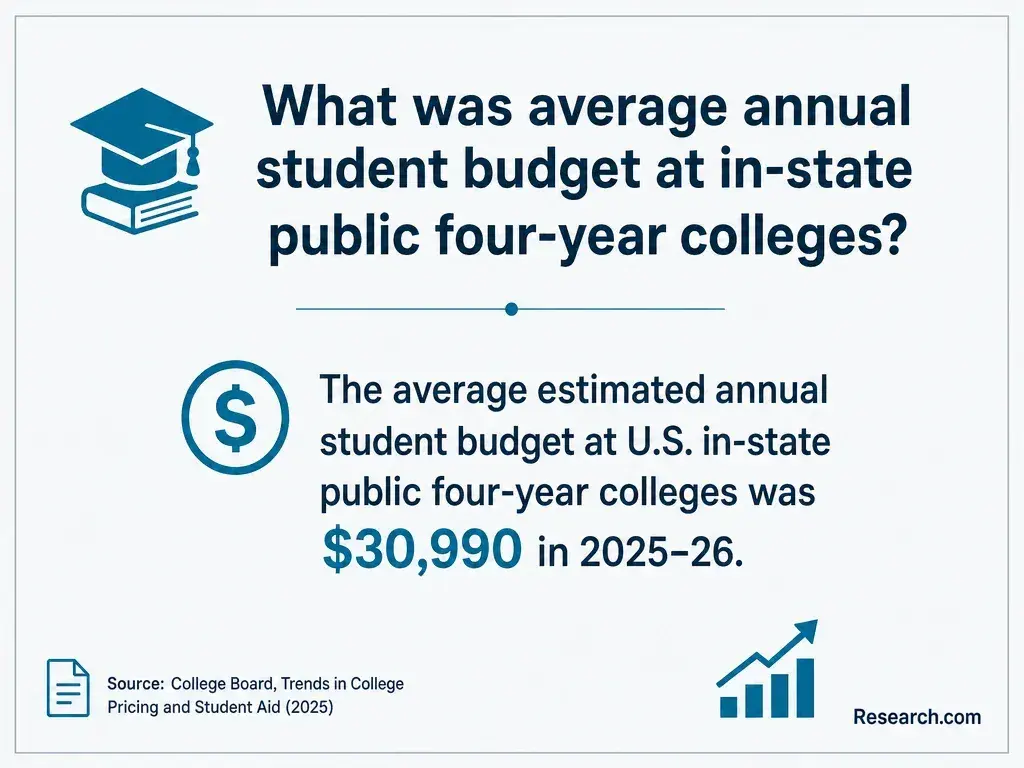
Completion time depends on accepted credits, course load, prerequisite sequencing, and whether required electives run regularly. Total cost depends on tuition, mandatory fees, books or software, and any travel or lost work time associated with an internship. Request a remaining-course plan and a term-by-term cost estimate based on your evaluated credits; a posted per-credit price is not a total-degree price.
Fast programs can reduce elapsed time without covering the most relevant subjects. For perspective, accelerating a forensic psychology bachelor's degree addresses a different curricular goal. Do not choose a faster specialized route for employee resource coordination unless its remaining courses still deliver organizational, methods, and workplace-relevant preparation.
Online study can make lectures and assignments easier to fit around employment, but it does not guarantee a self-paced schedule. Live sessions, group projects, examinations, faculty meetings, and internships may require fixed hours or an approved local site. Campus study may simplify access to in-person research teams or career events, while a well-supported online program can offer comparable academic coursework and remote advising.
Compare the format of the specific courses you need, not just the program's advertised format. Ask whether organizational psychology and methods are available online in your planned terms, and whether a current workplace can host an approved nonclinical project. For the financial comparison, an online psychology tuition comparison guide can help identify programs to investigate, but use each school's current charges and your remaining credits to compare online and campus options.
No. A psychology BA alone does not qualify someone to practice as a licensed psychologist, counselor, or clinical social worker. Resource coordination should operate within employer policy and the coordinator's training: explain available services, make appropriate referrals, and route urgent concerns through established procedures rather than conducting clinical assessment or treatment.
If your intended work is psychotherapy rather than resource navigation, investigate the qualifying graduate degree, program recognition, supervised experience, and licensing rules for that profession in the state where you plan to practice. Faster completion planning for accredited clinical counseling study addresses a distinct pathway; even an accelerated qualifying program does not eliminate applicable supervision or licensing requirements.
Choose credentials by the duties in actual job postings. An HR certification may be useful when the role includes benefits administration or policy; a benefits-focused credential may better fit vendor and plan coordination. Employer-approved training in privacy, crisis escalation, accessible communication, and mental health first response can complement either route. Check each credential provider's eligibility rules, assessment, renewal requirements, and scope before paying.
Training in mental health awareness does not make someone a clinician, and an addiction-related certificate does not automatically qualify someone for substance-use counseling. If the job is specifically about addiction-service delivery rather than employee referrals, compare credential rules and education costs alongside substance abuse counseling bachelor's affordability and duration. State requirements and permitted duties should control that decision.
How Can You Choose a Reputable Online Psychology Bachelor's Program?
Shortlist programs by evidence of fit, not by a "mental health" label. Confirm institutional accreditation, then request the current catalog and a proposed course sequence. Look for the relevant electives, sound methods training, responsive advising, and a feasible way to complete an approved nonclinical project. Ask who supervises applied work, what information students may use, and whether any on-site or live attendance is required.
Finally, compare the school's written degree audit and full cost estimate with a more direct route: an HR or benefits course, employer training, or supervised experience in your current organization. If you are considering an addiction-focused alternative, comparing grants for undergraduate addiction counseling study can inform the financing question, but confirm eligibility and the program's relevance before applying. The strongest choice is the one that closes your specific skill gaps at a manageable cost.
Other Things You Should Know About Psychology
Not without an employer-approved purpose, appropriate privacy safeguards, and qualified oversight. Screening is not diagnosis, and collecting sensitive responses can create obligations that a simple resource directory does not.
A coordinator should not promise absolute confidentiality. Follow the organization's stated privacy and escalation procedures, explain applicable limits honestly, and involve qualified personnel when required.
Compare the actual course plans. A BA with organizational psychology, methods, and HR electives may fit better than a BS without them; the reverse may be true if the BS offers stronger applied preparation.
Only with employer permission. Remove confidential information, identify your own contribution accurately, and use a public or fictionalized version if the original document cannot be shared.
- Employee Assistance Programs | U.S. Office of Personnel Management https://www.opm.gov/policy-data-oversight/worklife/employee-wellness-programs/employee-assistance-programs/
- Enforcement Guidance on Reasonable Accommodation and Undue Hardship under the ADA https://www.eeoc.gov/laws/guidance/enforcement-guidance-reasonable-accommodation-and-undue-hardship-under-ada
- Active Listening - StatPearls - NCBI Bookshelf - NIH https://www.ncbi.nlm.nih.gov/books/NBK442015/
- Psychological safety is associated with better work... - PMC https://pmc.ncbi.nlm.nih.gov/articles/PMC11288325/
- Clinically Trained Mental Health Professional License and Application Instructions | Department of Public Instruction https://dpi.wi.gov/licensing/apply-educator-license/other/clinically-trained-mental-health-professional
- Confidentiality and Release of Information | gallaudet.edu https://gallaudet.edu/academic-career-success/students-with-disabilities/disability-law/confidentiality-and-release-of-information/
- Industrial and Organizational Psychology | apa.org https://www.apa.org/education-career/guide/subfields/organizational
- Bachelor of Arts in Psychology - Online Program | CSULB CPaCE https://www.cpace.csulb.edu/courses/bachelor-of-arts-in-psychology
- What Can You Do with a Bachelor's in Psychology? | CTU https://www.coloradotech.edu/degrees/studies/business-and-management/articles/what-can-you-do-with-a-bachelors-degree-in-psychology
- Full article: The Relative Effectiveness of Active Listening in Initial Interactions | tandfonline.com https://www.tandfonline.com/doi/full/10.1080/10904018.2013.813234