2027 Online BA in Psychology - Addictions vs. a BA in Psychology with a Human Services Minor: Compare Curriculum, Cost, and Career Fit
Audited and Verified:
Our Editorial and Data Verification Process
Research.com uses government datasets, official education statistics and primary institutional information to support its career and degree guides. Our review process checks factual accuracy, occupational definitions, source dates and the requirements associated with the credentials discussed.
How This Article Was Fact-Checked
Our editorial team verifies salary estimates, employment projections, education requirements and program information against original data providers and official organizations. Salary figures are checked against the relevant occupational definitions and reporting periods. Information about licensure, accreditation and required in-person training is reviewed separately.
Fact-checked and verified on:

Co-Founder and Chief Data Scientist
An addictions-focused psychology BA and a psychology BA with a human services minor can lead toward similar support roles, but they emphasize different skills. That distinction matters if you are weighing tuition, online scheduling, and the possibility of a future counseling credential. This comparison is for prospective and returning undergraduates who want to know which coursework better fits addiction services, broader community work, or later professional study. It shows what to compare in actual degree plans - and what neither undergraduate option qualifies you to do on its own.
Key Things You Should Know
- Choose the addictions focus for deeper study of substance use and recovery; choose the human services minor for broader preparation in service systems and community support.
- Neither BA alone qualifies you for independent addiction counseling. Check the target state's education, supervised-experience, and examination rules before paying for either path.
- Compare remaining required credits, tuition per credit, placement costs, and scheduling - not the concentration or minor label alone. A full-time bachelor's degree commonly takes about four years, but transfer credit and course availability can change the timeline.
What is the difference between an online psychology addictions degree and a human services minor?
An addictions-focused psychology BA is a psychology bachelor's degree whose designated coursework concentrates on substance use, behavior, and recovery. Schools may call that focus a concentration, track, or specialization; its official status depends on the catalog. A psychology BA with a human services minor combines the psychology major with a smaller, separately defined set of courses about helping systems and community needs.
This comparison shows where the emphasis usually falls. Actual requirements, including whether an internship is available or required, must come from each school's degree plan.
| Decision factor | Addictions-focused psychology BA | Psychology BA with human services minor |
| Specialized study | Substance use, recovery, prevention, and related behavior | Service delivery, community resources, advocacy, and support |
| Career breadth | More directly aligned with addiction-service settings | Applicable across a wider range of human services settings |
| Transcript structure | Focus may be recorded as a concentration or track | Minor is distinct from the psychology major |
| Credential effect | Does not establish counseling eligibility by itself | Does not establish counseling eligibility by itself |
Neither option is necessarily the same as a degree explicitly designed around a state addiction-counselor credential. If that credential is your goal, compare the required courses in online study options for addiction counseling against your state's rules rather than relying on the program name.
Which curriculum better prepares students for addiction and human services careers?
For nonclinical work in a recovery organization, the addictions focus may offer more relevant language and evidence about substance use, stigma, relapse, and prevention. For intake, referral, outreach, or service coordination across several populations, a human services minor may offer better exposure to agencies, eligibility processes, and community resources.
Experience can outweigh the label. A student who completes supervised, nonclinical work documenting referrals and communicating with clients may be better prepared for an entry-level support job than one whose specialized coursework offers no applied practice. Compare each program's placement options, supervisor expectations, and access to local sites. Online classes do not necessarily mean remote fieldwork.
If you are exploring addiction recovery career paths, start with the duties and credential requirements of the particular job. Recovery support, case coordination, and licensed counseling are different functions, even when performed in the same organization.
How do costs and financial aid compare between these psychology degree options?
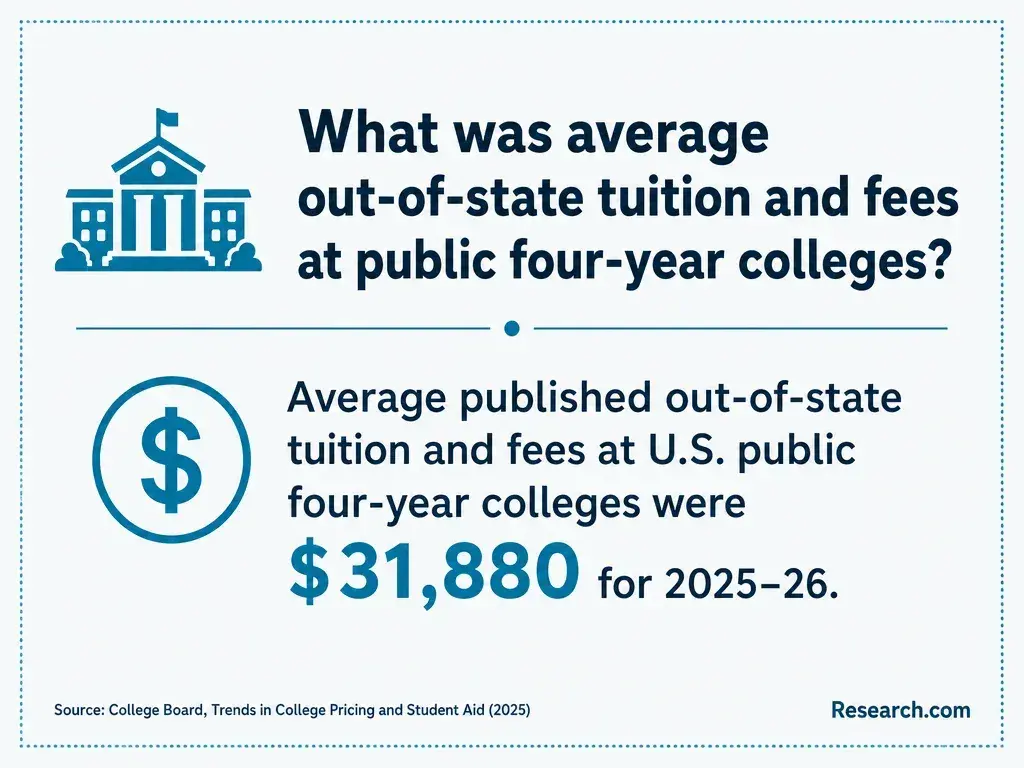
There is no reliable price winner without two degree audits and current tuition schedules. A minor that fits entirely into open electives may add little or no coursework; one that requires extra credits or a delayed course can cost more. An addictions concentration may fit within the major, or its course sequence may limit scheduling and delay graduation.
Request a term-by-term estimate for each option that separates remaining tuition-bearing credits, mandatory fees, books, technology, any placement-related travel, and expected completion date. Multiply the school's applicable per-credit tuition by the credits you would actually need, then add other charges. This is more useful than comparing advertised annual tuition for different enrollment loads.
Ask the financial aid office how each proposed schedule affects aid eligibility and whether a minor's additional courses count toward your degree requirements. Federal aid, institutional grants, employer assistance, and satisfactory academic progress have distinct rules. For school-by-school context, use budget-conscious psychology program comparisons, but obtain a personalized cost estimate before enrolling.
Expect a psychology foundation that may include research methods, statistics, development, social psychology, and biological or abnormal psychology, alongside specialized courses on substance use, prevention, recovery, or co-occurring conditions. Course names and required depth vary. Studying abnormal psychology or counseling theories is academic preparation, not authorization to diagnose or treat clients.
Read the catalog for the distinction between required courses and electives. In particular, check whether the program teaches evidence evaluation, culturally responsive communication, ethics, and boundaries; whether relevant courses are offered often enough to finish on schedule; and whether an applied experience is optional, required, or unavailable. If you are comparing a psychology concentration with a counseling-oriented bachelor's, budget-friendly substance abuse counseling bachelor's study offers another type of program to examine. Verify its curriculum against your intended credential rather than assuming a more specific title is sufficient.
Depending on the employer and your experience, this combination can support applications for nonclinical roles such as intake assistant, community outreach worker, program assistant, or case-coordination support staff. Typical tasks may involve explaining services, arranging referrals, documenting contacts, and helping teams monitor whether clients can access support. Employers may require relevant work experience, training, background checks, or an additional credential.
The minor is especially useful if you want to move among settings rather than commit to addiction services alone. A placement with an approved agency can help you demonstrate respectful communication, confidentiality, and appropriate referral boundaries. If your actual interest is victim services or justice-system support, compare those job descriptions with your curriculum; forensic psychology bachelor's completion planning is a separate choice and does not confer investigative or clinical authority.
Do not assume either one does. States and credentialing bodies set the rules for addiction-counselor titles and duties. Requirements can involve specified coursework, a qualifying degree, supervised work, an examination, and an application. A school's statement that its courses cover addictions topics is not the same as written confirmation that graduates meet a particular jurisdiction's educational rules.
Before choosing a BA, identify the exact credential and state where you intend to work. Ask the regulator or certifying body which undergraduate courses count, whether a bachelor's-level credential exists for your goal, and what supervised experience remains. Then request a course-by-course response from the program. If your intended role instead requires a qualifying graduate counseling degree, compare that distinct route, including choosing a shorter clinical mental health counseling master's; a shorter advertised duration does not remove state or supervised-practice requirements.
Requirements depend on whether you are a first-year applicant or a transfer student. Schools commonly request prior academic records and may have separate steps for admission to the psychology major or declaration of a minor. An addictions focus may also have prerequisite courses or a declaration deadline. Check the requirements for your intended entry term rather than assuming all online programs use the same policy.
For transfer students, the crucial question is not simply how many credits a school accepts. Ask for an official degree audit showing which credits satisfy general education, psychology methods and statistics, the addictions focus or minor, and any residency requirement. That audit can reveal whether previously completed courses shorten either route. Guidance on using previous coursework toward a psychology degree can help you prepare questions, but the receiving institution makes the binding evaluation.
A bachelor's degree commonly takes about four years of full-time study from the start, but that is not a promise for either option. Transfer credits, part-time enrollment, prerequisite order, and how often specialized courses run determine your actual finish date. A minor can sometimes fit within existing electives; an infrequently offered required course can instead extend the schedule.
Ask each school for a term-by-term plan that includes the classes you still need and any placement hours. If you work or care for family, verify live-session times, daytime agency supervision, and whether breaks or reduced course loads disrupt the sequence. If graduate counseling is your eventual destination, add that separate training period when comparing timelines; faster completion planning for accredited clinical counseling study should not be mistaken for faster completion of a psychology BA or of licensure.
Neither degree has a single salary or employment outlook. Pay depends on the job's duties, location, employer, experience, and required credential. U.S. Bureau of Labor Statistics figures for substance abuse, behavioral disorder, and mental health counselors describe an occupation that includes workers with different qualifications; its median wage should not be treated as the expected pay of a new psychology BA graduate. Entry-level support roles may fall under different occupational categories altogether.
For a useful return-on-cost comparison, collect local postings for the specific jobs you could qualify for immediately, then compare their stated pay and requirements with each program's remaining cost. If your goal requires graduate training, include that additional expense before treating a counselor salary as a possible return. Mental health counseling education costs after aid are relevant to that longer pathway, not evidence that either BA leads directly to a counseling job.
How can you choose an accredited online psychology program?
First, verify that the institution holds recognized institutional accreditation and that it applies to the school awarding the degree. Then confirm the precise BA title, whether addictions is a formal concentration, how the minor appears on the academic record, and whether required courses and student support are available online. Institutional accreditation does not establish that a BA satisfies addiction-counselor rules, and APA accreditation is not a general accreditation for psychology bachelor's programs.
Request written answers about transfer-credit application, total remaining costs, course rotation, live attendance, fieldwork location and approval, and career services for online students. If later graduate study is central to your decision, check prerequisites at the graduate programs you might actually pursue and budget for that separate step; planning the cost of a psychology master's is useful only if that type of master's fits your goal. Choose the addictions focus when its specific coursework and experience match your target roles; choose the human services minor when broader service-system preparation better fits them. Neither label should override an unfavorable degree audit or a credential mismatch.
Other Things You Should Know About Psychology
That depends on the school. Ask the registrar whether each designation appears on the diploma, transcript, both, or neither.
Often, but catalog rules, course availability, and completed credits matter. Request a revised degree audit before changing your plan.
Policies differ. Ask the registrar for the exact diploma wording and how the program appears on the transcript.
Do not count on it. Schools set their own rules for declaring minors and awarding them after a degree is conferred; check before your graduation application is finalized.
- Cost of Attendance (Budget) | 2025-2026 Federal Student Aid Handbook https://fsapartners.ed.gov/knowledge-center/fsa-handbook/2025-2026/vol3/ch2-cost-attendance-budget
- Managing Life with Co-Occurring Disorders | samhsa.gov https://www.samhsa.gov/mental-health/serious-mental-illness/co-occurring-disorders
- Finding Help for Co-Occurring Substance Use and Mental Disorders - National Institute of Mental Health (NIMH) https://www.nimh.nih.gov/health/topics/substance-use-and-mental-health
- Accreditation in the U.S. | ed.gov http://www.ed.gov/laws-and-policy/higher-education-laws-and-policy/college-accreditation/accreditation-in-the-us
- Substance Use Disorder Professional (SUDP) | Washington State Department of Health https://doh.wa.gov/licenses-permits-and-certificates/professions-new-renew-or-update/substance-use-disorder-professional/certification-requirements
- Human Services Concentration (Online or On Campus) | Fisher College https://www.fisher.edu/academics/undergraduate-programs/psychology/human-services-concentration
- Undergraduate Programs - Psychology at Georgia State https://psychology.gsu.edu/undergraduate/
- Transferring Credit | Undergraduate Admissions | University of Houston https://www.uh.edu/undergraduate-admissions/apply/transfer/transferring-credit/
- Applied Psychology: Addictions Studies, B.S. - CPS, CPSO | University of New Hampshire https://www.unh.edu/program/bachelor-science/applied-psychology-addictions-studies
- Overview of the Psychology Major | emory.edu https://psychology.emory.edu/undergraduate/major/index.html