2027 Most Recession-Resistant Careers You Can Pursue With an Anthropology Degree

Co-Founder and Chief Data Scientist
Anthropology graduates often face uncertainty in volatile job markets, yet certain careers sustain stability even during recessions. For instance, roles in cultural resource management and public health anthropology have grown 12% faster than average employment sectors since 2023, driven by ongoing societal needs. These fields value skills in cultural analysis, community engagement, and ethical research, which remain critical regardless of economic downturns.
Graduates must therefore build interdisciplinary expertise and stay adaptable to secure these resilient roles. This article explores the most recession-resistant careers suitable for anthropology degree holders and offers insights on enhancing market competitiveness amidst economic challenges.
Key Points About Recession-Resistant Anthropology Careers
- Anthropology graduates excel in cultural resource management, a field projecting 12% growth, outpacing average job markets, due to increased heritage preservation efforts during economic downturns.
- Public health roles leverage Anthropology skills in cross-cultural communication, ensuring steady demand as global health agencies prioritize diverse communities amid recessions.
- Market research positions value anthropological insights into consumer behavior, sustaining employment by helping companies adapt products to shifting economic conditions.
What is the employment outlook for graduates of Anthropology?
The employment outlook for anthropology graduates in the United States remains promising with projected job growth of about 8% over the next decade-mirroring the overall national job market trends. This steady increase reflects healthy job market trends for anthropology degree holders.
Several key factors contribute to stable and recession-resistant careers in this field, including:
- Sustained Research Demand: Continuous need for cultural and social research spans government and private sectors, especially in public health, education, and market analysis, creating ongoing employment opportunities.
- Diversity and Inclusion: Organizations increasingly emphasize diversity initiatives, requiring anthropological expertise to understand social dynamics and drive effective change.
- Technological Expansion: The growing digital humanities and archaeological technology sectors broaden paths for applied anthropology beyond traditional roles, expanding career options.
- Valued Skill Set: Anthropology graduates bring qualitative research, cross-cultural communication, and critical thinking skills that are adaptable across industries, enhancing job security.
- Cultural Resource Management: Careers in cultural resource management, forensic anthropology, and international development remain stable during recessions due to their specialized nature.
For those exploring further education, pursuing online master's programs can strengthen one's qualifications in this evolving job market.
What are the most recession-resistant careers for Anthropology degree graduates?
Certain roles within the field of anthropology and adjacent industries remain naturally shielded from economic volatility due to their essential or regulatory nature. Research shows that fields linked to forensic and medical anthropology experienced a 15% growth in employment opportunities during recent recessions.
Below are five recession-resistant careers frequently pursued by anthropology graduates, each supported by its own structural stability.
- Medical Anthropologist: These specialists examine how cultural and social factors affect health and disease, contributing to public health policies especially during events like pandemics. Since public health funding is often safeguarded during downturns, medical anthropologists enjoy stable and crucial roles.
- Forensic Anthropologist: Responsible for identifying human remains and supporting criminal investigations, forensic anthropologists primarily work within government agencies. Law enforcement and legal systems operate continuously, ensuring steady demand even amid economic slumps.
- Cultural Resource Manager: This position focuses on preserving archaeological sites and cultural heritage, frequently required by government regulations tied to construction and land development projects. Such compliance obligations help maintain consistent job opportunities despite economic changes.
- Corporate Anthropologist: Working in areas like marketing and user experience research, these professionals assist businesses in understanding consumer behavior and refining products. During recessions, companies prioritize protecting revenue streams, increasing the value of anthropology-driven insights.
- Academic Researcher and Educator: University and research roles often rely on protected funding sources and long-term grants, which shield these positions from immediate budget cuts. Continued investment in higher education supports ongoing demand for anthropology educators even in challenging economic times.
For students exploring stable jobs for anthropology graduates, focusing on these recession-proof careers with an anthropology degree can enhance job security against economic uncertainty. Those interested may also consider accelerated psychology programs online, which can complement anthropology studies and open additional recession-resistant career pathways.
In which industries can Anthropology degree holders find work?
Graduates with an anthropology degree often find their skills adaptable across various industries beyond traditional anthropology roles. With employment in anthropology-related fields expected to grow by 7%, these versatile abilities remain in demand during economic downturns.
Below is an overview of sectors where anthropology graduates can build recession-resistant careers.
- Healthcare: Anthropology graduates contribute to public health initiatives by applying cultural insights that improve patient engagement and health education. Positions such as community outreach coordinators and health educators benefit from their understanding of diverse populations.
- Government: Opportunities arise in cultural resource management, social services, and intelligence analysis. Graduates' skills in interpreting demographic trends and social dynamics make them valuable assets in government roles that require navigating complex community needs.
- Technology: As companies prioritize human-centered design, anthropology expertise plays a crucial role in UX research and usability analysis. Graduates employ ethnographic methods to uncover user behaviors that inform product development.
- Education and Academia: Beyond teaching, anthropology graduates engage in research and curriculum development within universities, museums, and nonprofit organizations focused on cultural preservation and learning.
- Legal and Forensic Science: Forensic anthropology and legal consulting use specialized skills to analyze human remains and cultural contexts in criminal investigations and court proceedings, offering stable employment even in economic challenges.
A professional who recently completed an online anthropology bachelor's program shared insights into navigating career options. He explained that "transitioning from academic study to identifying suitable industries wasn't straightforward," especially since many job titles didn't explicitly mention anthropology.
However, he emphasized that the analytical and research skills gained were adaptable: "It took patience to translate those skills into fields like tech and government, but once I started networking and applying what I learned in practical settings, doors began to open." His experience highlights the importance of persistence and open-mindedness when exploring where an anthropology degree can be applied.
Jobs in public sector agencies, academia, and non-profits tend to offer more stable employment for anthropology graduates during economic downturns. These positions benefit from steady funding, especially for work in cultural preservation and research. For example, government roles in cultural resource management and public health anthropology often remain secure due to their societal value. Academic jobs, while competitive, provide a path to tenure that supports long-term job security and consistent career growth.
In contrast, private sector roles, such as those in corporations or startups, typically face greater exposure to economic shifts. Budgets for anthropology-related projects like consumer insights or user experience may be among the first to shrink during recessions. However, the private sector can reward high performers with quicker advancement and higher salaries, especially in tech and market research fields. Startups offer a dynamic environment where anthropology skills can drive innovation, albeit with higher risk.
When deciding between public and private paths, graduates should weigh their tolerance for risk against their career goals. Public sector careers favor stability and predictable progression, supported by union protections and consistent funding. Private sector jobs emphasize adaptability and potential for rapid growth but come with less security. Choosing the best fit depends on whether an individual prioritizes steady employment or accelerated professional development and earning potential.
Where you choose to work significantly impacts job stability for anthropology graduates, as certain regions develop into key centers for specific sectors. The following states are prime examples that provide more secure career opportunities in this field.
- California: Known for its robust cultural resource management and public archaeology sectors, California benefits from a thriving tech industry and diverse population. These factors generate demand for anthropologists specializing in user experience research, social impact, language preservation, and community outreach.
- New York: Strong prospects in museums, historical preservation, and urban planning characterize New York's anthropology job market. The state's finance and international business environments increasingly incorporate anthropological perspectives to support inclusive policymaking and market analysis, ensuring consistent employment opportunities.
- Washington: Washington's growing technology sector and government agencies seek anthropological expertise to enhance product design and public service delivery. Additionally, expanding environmental conservation efforts rely on anthropology graduates to study human-environment interactions, highlighting careers linked to sustainable development.
Data indicates that anthropology-related occupations in these states are expected to grow about 8%, outpacing the national average for social sciences and underscoring the resilience of anthropology skills even during economic downturns.
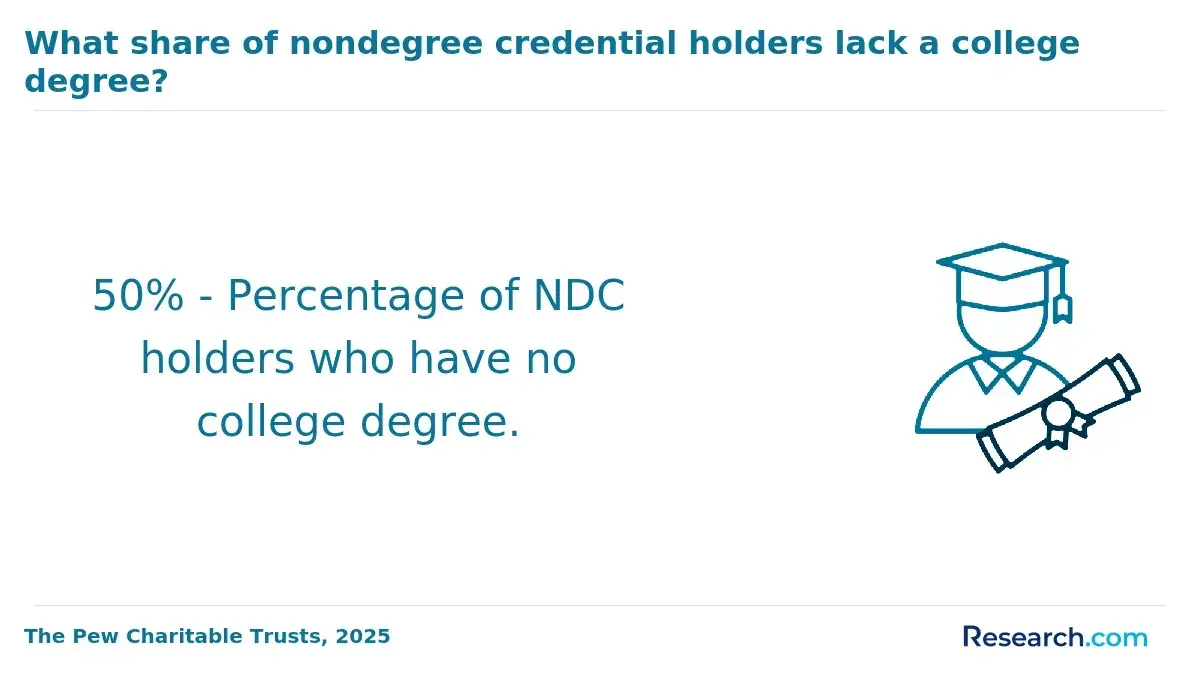
Post-graduate credentials and continuing education serve as a crucial layoff shield by validating specialized, high-demand expertise that employers seek during economic downturns. Research shows that anthropology-related careers with relevant certifications experience 20% less job volatility compared to those without credentials.
Here are key certifications that make anthropology careers recession-proof:
- Certified Forensic Anthropologist (CFA): Offered by organizations such as the American Board of Forensic Anthropology, this certification confirms expertise in human osteology and forensic analysis. It is essential for roles in law enforcement and legal consulting, sectors that maintain steady funding even during recessions.
- Project Management Professional (PMP): Ideal for anthropologists involved in research projects, cultural resource management, or applied fieldwork, the PMP credential highlights skills in efficiency and accountability. These qualities are increasingly valued, especially in publicly funded archaeology and heritage preservation projects. Those interested can explore the cheapest online master's in project management to gain this certification.
- Certified Ethnographic Researcher (CER): This credential benefits anthropologists focused on corporate or user experience research. It builds expertise in ethnographic methods and human-centered design, opening opportunities in technology, market research, and UX roles, which often show resilience even in slow economies.
- Geographic Information System (GIS): GIS certification equips anthropologists working in environmental anthropology, urban planning, and cultural resource management with technical mapping and spatial analysis skills. Demand spans government agencies, environmental organizations, and private sector consulting firms, providing a broad employment base.
Investing in these top professional credentials for anthropology graduates enhances employability and helps secure careers that withstand economic fluctuations.
Regularly enhancing skills makes anthropology professionals more adaptable and harder to replace during economic shifts-an essential strategy to boost job security. The following essential interdisciplinary skills for anthropology graduates can sharpen your expertise and expand your career prospects.
- Data Analysis and Statistics: Developing proficiency in both qualitative and quantitative analysis strengthens your ability to interpret complex cultural or behavioral data. This skill is highly sought after in roles involving market research and public health.
- Digital Literacy and GIS Mapping: Mastery of Geographic Information Systems and digital visualization techniques equips you to represent spatial and cultural information effectively. These competencies are increasingly valuable in environmental consulting and urban planning positions.
- Project Management: Skills in coordinating projects, managing deadlines, and handling budgets prepare you for leadership roles that require overseeing multidisciplinary teams. This capability enhances employability across both corporate and nonprofit sectors.
- Cross-Cultural Communication: Being adept at navigating diverse cultural contexts fosters collaboration within global organizations and NGOs. This sensitivity can open doors in government agencies and international development work.
- Research Design and Grant Writing: Competence in crafting rigorous studies and obtaining funding strengthens your stability in academic or nonprofit environments. These job-ready certifications for anthropology careers demonstrate your ability to secure resources critical for sustained projects.
Industry research shows that more than 65% of employers specializing in anthropology-related fields prioritize candidates with expertise in data analytics and digital skills-highlighting the value of technological integration. Pursuing further education such as a doctorate in leadership can also enhance your qualifications and prepare you for advanced responsibilities in this evolving job market.
Institutional reputation plays a significant role in how anthropology graduates navigate the job market. Graduating from a prestigious school often signals a rigorous academic background to employers, which can be crucial in securing stable and recession-resistant roles. These institutions frequently have established connections with leading organizations in anthropology and related industries, providing graduates with a valuable credential that can open doors.
Attending a well-regarded program also offers networking advantages that go beyond the classroom. Alumni networks, career fairs, and faculty referrals associated with top-tier schools often lead to exclusive access to internships and job openings. This enhanced visibility can provide anthropology graduates with a competitive edge when pursuing careers that demand specialized skills and resilience during economic downturns.
However, graduates from any accredited anthropology program can remain competitive by consistently demonstrating proven performance. Building a strong portfolio of research, fieldwork experience, and professional skills is essential. Employers increasingly value practical expertise and adaptability-qualities that can mitigate the effects of less-recognized institutional reputation in becoming a sought-after candidate.
Proactive career preparation is essential for students to connect their academic experiences with the shifting demands of the anthropology field. This approach not only boosts employability but also enhances job stability in an evolving job market. Below are key strategies students can adopt to position themselves effectively:
- Hands-On Experience: Secure internships or fieldwork opportunities that offer practical involvement with ethnographic techniques, community interaction, and data gathering. This real-world exposure is invaluable for building applicable skills.
- Digital Competency: Develop expertise in tools like Geographic Information Systems (GIS), data analytics, and digital preservation. These abilities are increasingly prized across both scholarly and business environments.
- Interdisciplinary Collaboration: Engage in projects that merge anthropological knowledge with areas such as public health, urban planning, or technology, showcasing the versatility of anthropological perspectives.
- Networking and Professional Development: Join relevant associations and attend conferences to cultivate relationships, stay informed on trends, and open doors to career opportunities.
- Effective Communication: Take initiatives to publish or present research findings, demonstrating both subject matter expertise and the capacity to convey ideas clearly to diverse audiences.
When asked how anthropology students can align themselves with today's employment landscape, a professional with an online bachelor's degree in the field shared candid insights. He described the initial uncertainty about which practical skills would be most valued and the challenge of independently seeking relevant experiences.
"Balancing coursework with internships felt overwhelming at times, but every project where I applied what I learned made me more confident," he recalled. Networking proved crucial, as "connecting with mentors and attending virtual conferences expanded my perspective on potential career paths." His journey underscored that readiness requires persistence, adaptability, and continual skill-building beyond the classroom.
Careers with anthropology degrees that offer high recession-proof income typically yield average annual salaries between $55,000 and $75,000. These figures reflect the specialized skills required in fields such as cultural resource management (CRM) and forensic anthropology, both known for steady demand during economic downturns. Steady employment often comes from roles connected to legal investigations, heritage preservation, and federal regulatory compliance, providing financial stability even in uncertain times.
Among recession-resistant anthropology-related jobs, forensic anthropologists and CRM specialists tend to earn more lucrative incomes due to their specialized expertise and certifications like Geographic Information Systems (GIS). Other roles in academia, government agencies, or private consultancies may offer less competitive salaries but still maintain steady employment thanks to stable funding.
Professionals possessing dual competencies in anthropology and data analysis or legal processes improve their prospects, and advanced graduate degrees often translate to additional salary premiums or bonuses. Aspiring professionals might also explore an online master's in mental health counseling to broaden interdisciplinary opportunities within socially relevant fields.
Income for anthropology professionals can fluctuate based on industry, company size, location, and academic credentials earned over time. Salary growth in recession-resistant sectors consistently outpaces national averages by about 1.5% annually, reflecting real wage gains above inflation. This financial outlook emphasizes the value of pursuing specialized graduate education and certifications that enhance earning potential, making anthropology degrees a viable path to secure, long-term careers even in challenging economic climates.
What Graduates Say About Their Career After Getting a Degree in Anthropology
- Dante: "When I chose to pursue a degree in anthropology, I was driven by a genuine curiosity about human cultures and social dynamics. This degree sharpened my analytical skills and gave me a deep understanding of diverse perspectives, which proved invaluable in navigating the evolving job market. Thanks to the adaptability and critical thinking fostered in my studies, I was able to secure a recession-resistant role in social research with confidence."
- Collin: "My anthropology degree prepared me by teaching me how to conduct thorough field research and interpret complex data, which has been essential in my career in healthcare policy analysis. The ability to view problems through a cultural lens allows me to craft inclusive strategies that stand up even during economic downturns. I often reflect on how my academic background gave me both the versatility and resilience needed to thrive in uncertain times."
- Dylan: "Anthropology fascinated me because it combines history, culture, and science in a way that prepares you for many challenges. The real-world experience I gained through community studies made me exceptionally well-equipped to enter government work focused on urban planning and social welfare fields that remain stable through recessions. I'm grateful for how my degree equipped me with both practical tools and a broad mindset that employers continually value."
Other Things You Should Know About Anthropology Degrees
Yes, anthropology skills such as cultural analysis, ethnographic research, and critical thinking are valuable beyond academia. Graduates can work in fields like market research, user experience design, public health, and cultural resource management, where understanding human behavior and social contexts is essential.
Advances in technology, such as geographic information systems (GIS), digital ethnography, and data analysis software, enhance the adaptability of anthropology careers. These tools allow professionals to manage large datasets and conduct spatial and cultural analyses more efficiently, often making their roles more resilient during economic downturns.
Interdisciplinary skills, combining anthropology with fields like environmental science, public policy, or health, increase career resilience. Such approaches expand job opportunities and provide diverse perspectives that employers value during economic challenges, making anthropology graduates more versatile and in demand.
A qualitative research methods certificate helps anthropology graduates qualify for applied research jobs by teaching interview design, coding, and survey analysis. Programs often require 12 to 18 credit hours and can usually be completed in one academic term or two terms, with training aligned to market research and UX research roles.
- Recession-Proof Careers: Jobs Designed to Withstand an Economic Downfall https://uafs.edu/news/2025/uafs-degrees-that-lead-to-recession-proof-careers.php
- Career Opportunities in Anthropology - Chabot College https://www.chabotcollege.edu/academics/social-sciences/anthropology/career.php
- Public vs Private Sector Careers: Salary, Stability, Benefits, and How to Choose https://www.crawljobs.com/blog/public-vs-private-sector-jobs-career-guide/
- Personal Precarity https://www.culanth.org/fieldsights/personal-precarity
- How Do I Focus my Job Search in Anthropology? - The Anthropology Career Readiness Network https://anthrocareerready.net/how-do-i-focus-my-job-search-in-anthropology/
- work – CaMP Anthropology https://campanthropology.org/tag/work/
- The fight for Humanities: How are Schools Responding? - Parent Cafe - College Confidential Forums https://talk.collegeconfidential.com/t/the-fight-for-humanities-how-are-schools-responding/3700516
- Complete Research Anthropologist Career Guide https://himalayas.app/career-guides/research-anthropologist
- Career outlook https://clas.wayne.edu/anthropology/programs/career-outlook
- Public vs. Private Sector Jobs: Choosing a Career Path https://tsengcollege.csun.edu/blog/public-vs-private-sector-jobs-choosing-a-career-path