2027 Is an Anthropology Degree Better Than Experience Alone? Salary, Hiring, and Career Growth Compared

Co-Founder and Chief Data Scientist
Anthropology degree holders generally access higher starting salaries and more stable employment opportunities compared to those relying solely on experience and self-teaching. For instance, a 2025 report found that 68% of Anthropology professionals with formal degrees earned at least 20% more than non-degree peers within five years of employment. Entry into specialized roles such as academic research or cultural resource management often requires at least a bachelor's degree, limiting options for experience-only candidates.
Career growth also correlates strongly with credentials, as promotions and leadership roles frequently demand formal education. This article will analyze salary differences, hiring trends, and advancement potential to help readers weigh the value of pursuing an Anthropology degree.
Key Points About Having Anthropology Degrees vs Experience Alone
- Anthropology degree holders earn on average 18% more than experienced non-degree workers due to specialized knowledge valued in academic and research roles.
- Employers prefer degree holders for advanced roles in cultural resource management and museum curation, limiting opportunities for non-degree personnel despite relevant experience.
- Career growth for degree holders often includes faster promotion to leadership roles, especially in research institutions, while experienced non-degree workers face slower advancement.
What technical proficiencies can you gain from having Anthropology degrees vs self-teaching?
Professionals pursuing anthropology degrees gain structured knowledge of foundational principles and practical applications that are often difficult to acquire solely through self-teaching or on-the-job experience. These degree programs offer comprehensive training in both theoretical frameworks and applied technical skills. Below are five critical technical proficiencies where anthropology degree programs provide deeper, more integrated learning compared to practical expertise gained through self-teaching.
- Research Methods: Degree programs emphasize advanced qualitative and quantitative research approaches, including ethnographic fieldwork and statistical analysis, offering a systematic foundation that on-the-job learning can lack in scope and rigor.
- Dating Techniques: Formal education covers specialized methods like radiocarbon dating and stratigraphy, which often require supervised practice and understanding of complex scientific principles that self-directed learners might miss.
- GIS Application: Using Geographic Information Systems (GIS) for spatial cultural data analysis is typically taught with guided examples and projects in academic settings, whereas self-taught individuals may learn software mechanics but miss interdisciplinary context.
- Bioarchaeology Knowledge: Degree coursework includes interpreting skeletal remains within cultural frameworks, combining biological science and anthropology, a blend that practical experience alone seldom fully addresses.
- Ethical Training: Formal programs instill essential ethical standards and cultural sensitivity, ensuring respectful research with diverse populations and artifacts, which self-teaching often overlooks or undervalues.
While some technical skills can be partially developed through self-teaching, the integration of these proficiencies within comprehensive anthropological theory usually demands structured academic guidance. Practical experience alone rarely covers the full scope and depth necessary for credible research and professional standards.
In fact, a 2025 industry survey shows 67% of employers in anthropology-related fields prefer candidates holding formal degrees for the robust technical skills these programs ensure, while only 22% favor applicants with exclusively self-taught practical expertise. This preference reflects the growing importance of a complete skillset in complex interdisciplinary projects.
Students exploring career paths in anthropology can also review the top 10 best majors for the future to understand where anthropology stands among other fields offering strong technical and practical education.
Are there certifications or licenses that only Anthropology degree holders can obtain?
Continuing education and professional credentials remain valuable assets, particularly as more employers favor skills-based hiring. Alongside experience, having recognized certifications can open doors and elevate credibility. Below are key credentials that require an anthropology degree for eligibility.
- Registered Professional Archaeologist (RPA): This credential is designed for those in archaeological research, cultural resource management, or heritage preservation. It requires an anthropology or archaeology degree, documented fieldwork, and passing a professional ethics exam. Holding the RPA demonstrates verified expertise and adherence to industry standards.
- Certified Forensic Anthropologist (CFA): Offered by the American Board of Forensic Anthropology, this certification is exclusive to individuals with advanced anthropology degrees who have undergone rigorous forensic competency testing and peer review. The CFA credential allows access to forensic consulting and positions in law enforcement or academia.
- Certified Applied Anthropologist (CAA): Provided by the Society for Applied Anthropology, the CAA focuses on applied anthropological methods for solving practical problems. Candidates must generally have an anthropology degree and submit a portfolio showcasing applied work, which helps strengthen professional credibility in public and private sectors.
Many employers still prioritize formal credentials over experience alone; industry analysis finds that 78% of anthropology-related roles prefer certification that requires educational background. For students weighing options, pursuing an anthropology degree remains a crucial step to access these exclusive licenses and certification benefits. If considering expanding your qualifications beyond experience, a formal degree is often indispensable for meeting the requirements of specialized credentials.
For those interested in further enhancing their career prospects, exploring programs like an online masters in psychology can complement anthropology training and broaden professional opportunities.
Will a degree in Anthropology make you more employable?
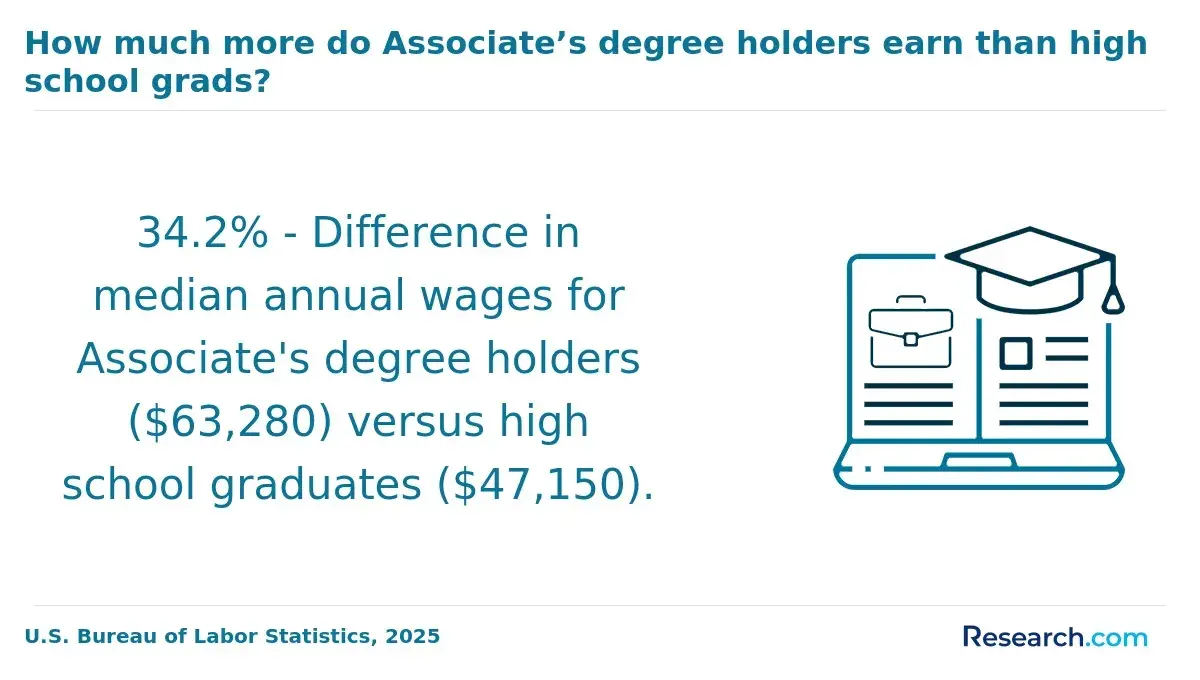
Employment opportunities in anthropology heavily favor candidates with formal degrees over those relying solely on experience or self-education. Most roles require at least a bachelor's degree, reflecting an increase in credential expectations across the field. Those without a degree often face limited options, particularly for research or culturally focused positions that demand specialized academic training.
This preference arises because academic programs offer essential skills including critical analysis, theoretical knowledge, and research techniques that experience alone may not fully develop. Employers typically look for candidates who combine these qualifications with practical work exposure, valuing the balance between theoretical foundation and applied abilities. While some newer positions in tech or interdisciplinary areas emphasize skills more than formal diplomas, this remains an exception within traditional anthropology careers.
Ultimately, the necessity of a degree depends on individual career objectives. For those aiming at roles requiring deep academic understanding, credentials are indispensable. Conversely, careers favoring technical skills or niche expertise might allow more flexibility in educational background, though such paths are less common.
A professional who earned an online anthropology bachelor's degree shared insights on employability after graduation. He recounted feeling uncertain about how employers would value his degree compared to hands-on experience. "Navigating job listings was overwhelming," he said, "because many required a degree, but I also had to prove practical skills through internships." He described the challenge of balancing coursework with gaining relevant field experience and noted that "the degree opened doors, but building a strong network and securing internships really made the difference." His journey highlighted the importance of both formal education and active engagement in the field to enhance job prospects.
Certain careers in anthropology require candidates to hold formal degrees, while others prioritize skills and job-readiness gained through experience. Job opportunities vary depending on how much academic training versus practical expertise employers value. Below are examples of stable career paths where anthropology degrees typically make a significant difference in hiring and advancement.
- Academic Researcher or Professor: These roles demand advanced degrees to conduct original research, publish findings, and teach students at the university level. Academic positions rely heavily on specialized methodologies and theoretical frameworks that are difficult to acquire without formal education.
- Cultural Resource Manager (CRM): CRMs focus on the preservation of historical sites and ensuring compliance with heritage laws. Although some may enter through certifications and experience, most CRM jobs require formal degrees due to the need to interpret material culture and legal regulations accurately.
- Museum Curator or Conservator: These professionals manage collections and design exhibits while educating the public. Theoretical knowledge and techniques acquired through degree programs are essential, although extensive practical experience can occasionally substitute for a formal background.
- Public Policy Specialist: Roles related to indigenous affairs or cultural heritage preservation demand a deep understanding of complex ethical, social, and legal challenges. Senior positions typically expect candidates to have an anthropology degree, while entry-level aides might rely more on experience.
Careers in anthropology for degree holders in the United States often provide access to more stable and higher-paying opportunities compared to those relying solely on self-teaching or field experience. According to a 2025 labor market study, anthropology degree holders earn on average 23% more over their careers, reflecting employers' preference for verified knowledge and methodological skills.
This is a key factor to consider when evaluating anthropology jobs and employment outlook for graduates. For students exploring different academic paths, comparing options like online finance degrees alongside anthropology programs can help shape well-informed career decisions.
Anthropology degree holders often gain access to professional networks through academic channels like faculty members, alumni connections, and membership in organizations such as the American Anthropological Association. These networks provide structured opportunities for mentorship, referrals, and introductions at conferences, which can be pivotal for early career advancement. In contrast, individuals relying on experience alone may have to actively build their networks within their immediate work environment or through informal groups without institutional support.
Both degree holders and non-degree practitioners can utilize online forums and social media platforms to connect with others in the field. However, students in anthropology programs typically benefit from more reliable pathways, including internships and fieldwork that embed them in professional communities, making referrals and job leads more accessible. Non-degree professionals often depend on personal initiative to find similar opportunities.
Networking plays a significant role in anthropology careers, with many positions filled through recommendations and connections. While it is possible to succeed without formal academic ties, the field generally favors those who engage actively in professional networks. Building such relationships enhances visibility and can be a deciding factor in securing employment and advancing within anthropology-related roles.
Holding a degree in anthropology can increase eligibility for certain roles within the field, especially those involving leadership or academic responsibilities. Employers may prefer candidates with formal education because such degrees provide essential knowledge, research skills, and ethical training that are difficult to acquire through experience alone. The following points highlight key ways these degrees influence career advancement.
- Credibility and Expertise: Having an anthropology degree signals a solid foundation in theoretical frameworks and research methods, which enhances a professional's credibility. This foundation is critical for roles requiring careful analysis of cultural contexts and complex data interpretation.
- Access to Networks: Degree programs often connect students with specialized training and professional communities, offering opportunities that support career progression and open doors to leadership positions.
- Faster Promotion Paths: Those with degrees tend to be considered more quickly for supervisory or interdisciplinary project roles. Conversely, individuals without formal education generally need extensive, exceptional experience to achieve comparable advancement.
Anthropology degree holders typically earn an average starting salary of about $58,000, while those relying on experience and self-teaching begin closer to $40,000. Over time, professionals with degrees often advance into specialized roles like cultural resource management or academic research, where salaries can surpass $90,000. In contrast, those without formal degrees face more limited income growth and encounter lower earnings ceilings.
This salary difference reflects disparities in credentials, research expertise, and employer preferences, especially in competitive sectors such as government and museums. Therefore, salary differences between Anthropology degree holders and experienced professionals continue to widen as careers progress.
Although individuals without degrees can improve their income outlook through networking and varied project experience, they may struggle to match the long-term advantages of formal education. Pursuing graduate studies or certifications can further enhance earnings and job prospects. For those interested in interdisciplinary growth, pursuing a cybersecurity masters can diversify skills and open additional career paths.
The cost of pursuing a bachelor's degree in anthropology generally ranges from $20,000 to $50,000 per year, totaling approximately $80,000 to $200,000 over four years at most U.S. institutions. Graduates usually begin to see a return on investment within 7 to 12 years after completing their degree. This timeline varies based on factors such as career choice and geographic location. Studies reveal anthropology degree holders earn about 25% more over their lifetimes compared to those relying solely on relevant work experience and self-teaching.
To reduce financial burden and enhance ROI, students should explore financial aid options including scholarships, grants, and work-study programs. Enrolling in accelerated degree programs can shorten the time needed to graduate, allowing quicker entry into the workforce. Additionally, internships and networking opportunities during studies can improve employability and salary potential. Balancing tuition costs with long-term income and strategic educational choices is crucial when deciding between formal education or experience-based learning in anthropology careers.
The anthropology job market shows resilience amid growing use of AI and automation, especially since many roles demand nuanced cultural understanding and qualitative analysis that machines cannot easily replicate. Economic volatility affects routine jobs more severely, but applied anthropology fields such as healthcare and environmental policy increasingly rely on human expertise to interpret complex social data, limiting automation's reach.
Holding an anthropology degree appears to offer a measure of protection against layoffs and automation-related displacement. Formal education provides critical thinking skills, methodological training, and exposure to emerging areas like digital anthropology and data visualization, which enhance adaptability. Employers often prioritize candidates with verified academic backgrounds during downturns, while non-degree professionals may struggle to demonstrate the depth of knowledge necessary to retain specialized roles in uncertain times.
When asked about his experiences, a professional who completed an online bachelor's in anthropology shared that the degree offered him confidence navigating job market shifts. He recalled times when colleagues without formal qualifications were laid off, while his credential helped him secure projects involving ethnographic research and AI collaboration. "It wasn't easy balancing work and studies online," he noted, "but having that structured education showed employers I'm prepared for evolving challenges." His perspective suggests that anthropology degrees can improve job security by signaling reliable expertise in a changing employment landscape.
What Graduates Say About Their Anthropology Degrees
- Danielle: "Graduating with a degree in anthropology truly set me apart in the job market; the broad analytical skills and cultural insights I gained made me immediately competitive. The hands-on research experience and fieldwork prepared me to hit the ground running from day one. I've seen a clear impact on my career progression, including faster promotions and a salary increase that reflects the unique perspective my degree provides."
- Collin: "Looking back, my anthropology degree was the foundation for understanding human behavior and cultural complexity, which has been invaluable in my career. The program's emphasis on critical thinking and qualitative methods gave me practical tools that employers highly value. While the path wasn't always straightforward, the degree definitely enhanced my job readiness and opened doors to opportunities I wouldn't otherwise have had."
- Dylan: "My background in anthropology has been instrumental in navigating the complexities of the workplace and advancing professionally. The degree's interdisciplinary nature taught me adaptability and nuanced communication, distinguishing me from peers. I feel confident that having an anthropology degree improved not only my employment prospects but also positively influenced my salary and chances for promotion."
Other Things You Should Know About Anthropology Degrees
Having an anthropology degree equips individuals with formal training in ethnographic methodologies and theory, which can improve the rigor and validity of their research. Experience alone may provide practical skills but often lacks the theoretical framework necessary to interpret findings comprehensively. Degree holders typically demonstrate stronger familiarity with ethical guidelines governing ethnographic studies.
Publishing academic work in anthropology usually requires established credentials, including a relevant degree, to meet scholarly standards and peer-review expectations. Self-taught professionals may face challenges in gaining acceptance within academic circles without formal qualifications. However, significant practical experience and unique insights can sometimes compensate, particularly in applied or community-focused research.
Museum and archive employers usually value coursework in archaeological methods, cultural anthropology, and collections management most. A bachelor’s degree is often the minimum requirement, and many jobs ask for 12 to 18 semester hours in anthropology, plus documented experience handling artifacts or records.
- Anthropology degree vs supporting yourself (vent) - Off Topic - Chronicle Forums https://forum.chronofhorse.com/t/anthropology-degree-vs-supporting-yourself-vent/280562
- How To Become an Anthropologist (A Step by Step Guide) https://www.owlguru.com/career/anthropologists/requirements/
- Anthropology College Degree | ROI & More by ABD https://allbachelordegrees.com/degrees/liberal-arts-humanities/anthropology/anthropology-college-degree-cost-and-return-on-investment-all-you-need-to-know/
- How Can Anthropologists Navigate Careers in Emerging Technologies? - The Anthropology Career Readiness Network https://anthrocareerready.net/how-can-anthropologists-navigate-careers-in-emerging-technologies/
- Teaching Anthropology in an Age of Unrecognizability — American Anthropologist https://www.americananthropologist.org/undergraduate-desire/teaching-anthropology-in-an-age-of-unrecognizability
- Employability https://www.durham.ac.uk/departments/academic/anthropology/undergraduate-anthropology-degrees/employability/
- Anthropology Meets Technology: A Glimpse into the Future of Cultural Understanding https://labatdemographica.co.za/blog/intro/anthropology-meets-technology-a-glimpse-into-the-future-of-cultural-understanding/
- College Students Weigh AI's Impact on Majors and Careers https://news.gallup.com/poll/704087/college-students-weigh-impact-majors-careers.aspx
- Careers - Vault https://vault.com/professions/anthropologists/requirements
- How to Become an Anthropologist https://www.northcentralcollege.edu/news/2023/07/14/how-become-anthropologist