2027 Most Recession-Resistant Careers You Can Pursue With a Sports Analytics Degree

Co-Founder and Chief Data Scientist
Graduates armed with a sports analytics degree often face a paradox: while the sports industry is dynamic, economic downturns can tighten budgets, jeopardizing many roles. However, nearly 38% of sports analytics jobs remain stable during recessions due to their direct impact on team performance and fan engagement strategies.
This resilience is bolstered by a growing reliance on data-driven decisions across sports media, healthcare, and e-sports, fields less prone to economic swings. To stay competitive, professionals must deepen skills in advanced statistical modeling and cross-industry applications. This article explores career paths within and adjacent to sports analytics that resist recessions, guiding students toward stability in uncertain times.
Key Points About Recession-Resistant Sports Analytics Careers
- Data scientists with a sports analytics degree are highly sought after, with a 22% growth rate in sports-related data roles during economic downturns due to sustained demand for performance optimization.
- Careers in sports technology firms remain stable as analytics skills drive innovation in fan engagement and athlete monitoring fields, less impacted by recessions.
- Sports analytics graduates find recession-resistant opportunities in adjacent industries like healthcare and finance, leveraging predictive modeling and statistical expertise transferable beyond sports.
What is the employment outlook for graduates of Sports Analytics?
The hiring landscape for graduates with a sports analytics degree is robust, reflecting strong job market trends for sports analytics degree holders across multiple roles. Projections from the U.S. Bureau of Labor Statistics estimate an 11% growth over the next decade for positions like data analysts, performance analysts, and sports statisticians, more than double the 5% average for all occupations.
Key factors driving this outlook include the following:
- Data-driven decision-making: Professional and collegiate sports organizations increasingly depend on advanced analytics to inform strategies, player evaluation, and game management, fueling demand for experts.
- Expanding sports media: The growth of sports media outlets and fantasy leagues requires complex data analysis to engage fans and provide insightful content consistently.
- Cross-industry opportunities: Fields like sports technology, health sciences, and marketing seek specialists who can interpret multifaceted sports data reliably despite changing economic conditions.
- Specialized skill set: Combining statistical modeling, programming, and domain knowledge, sports analytics graduates enjoy a competitive edge and lower unemployment compared to national averages.
Those evaluating the most recession-resistant careers can consider sports analytics as a strong choice given its adaptability and sustained demand. For more details on choosing the best degree to get, including insights on employment outlook for graduates in fields like sports analytics, visit research.com, which offers comprehensive guidance.
What are the most recession-resistant careers for Sports Analytics degree graduates?
Certain roles within sports analytics and adjacent industries remain naturally shielded from economic volatility due to their essential or regulatory nature. Industry data indicates nearly 70% of sports analytics positions remained stable or experienced growth through recent recessions, highlighting their resilience.
Below are some of the top recession-proof sports analytics jobs and career paths for graduates to consider.
- Performance Analyst: These professionals deliver data-driven insights that help athletes and teams improve performance, directly impacting ticket sales, sponsorships, and media rights. Their contributions sustain core revenue sources, making this role less vulnerable during economic downturns.
- Sports Data Scientist: Focused on processing large datasets, sports data scientists uncover trends affecting player recruitment, injury prevention, and game strategy. Their ability to mitigate long-term financial risks makes them indispensable even when budgets tighten.
- Compliance Analyst: Specialized in sports regulations, these analysts ensure organizations meet rigorous legal and federation standards. Because penalties for non-compliance can be severe, their role is crucial for maintaining operational continuity during recessions.
- Sports Business Intelligence Analyst: By monitoring financial performance, fan engagement, and sponsorship effectiveness, these analysts help decision-makers identify growth opportunities and wisely allocate resources. Preserving and expanding revenue streams keeps these roles in demand during economic slowdowns.
- Injury Prevention Specialist: Using analytics to reduce athlete downtime, these specialists protect valuable team investments. Preventing extended injuries reduces significant financial losses, supporting a franchise's competitiveness and economic stability during uncertain times.
Graduates pursuing a sports analytics degree will find these recession-resistant careers provide a strategic advantage when seeking stability in a fluctuating job market. For those interested in broadening their expertise in related fields, exploring programs like an online master's of counseling can also complement their skill set, increasing versatility in sports and wellness industries.
In which industries can Sports Analytics degree holders find work?
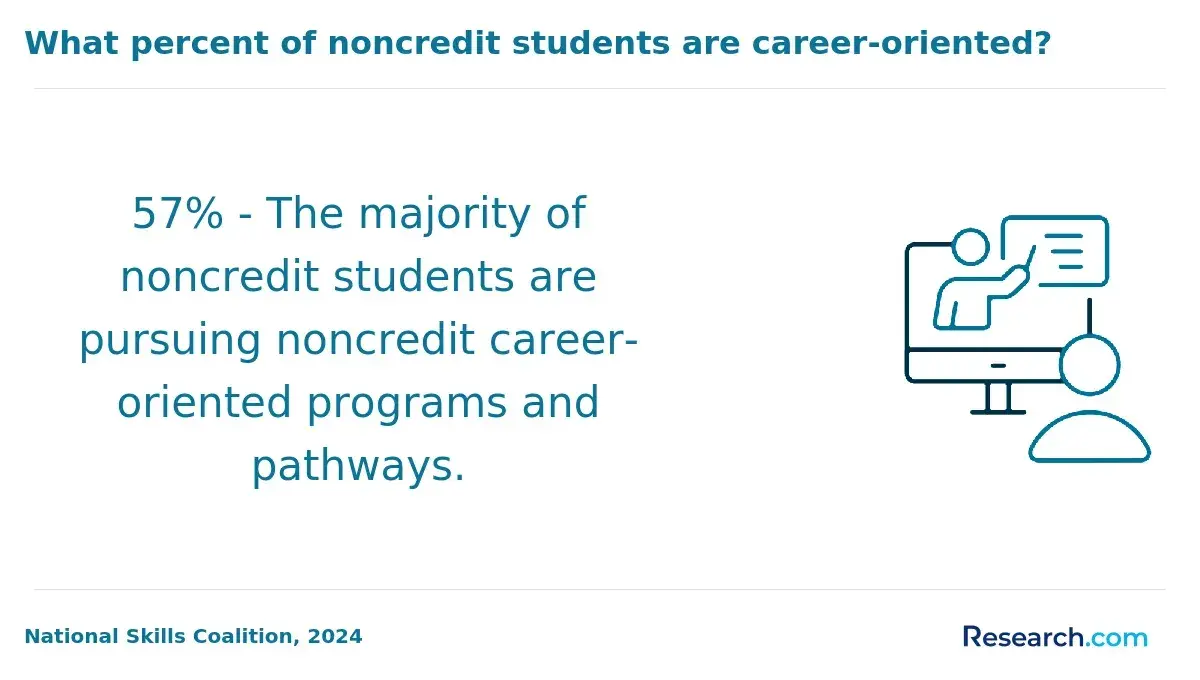
Graduates with a sports analytics degree are not confined to roles within sports alone-their expertise fits into multiple stable sectors that rely heavily on data-driven strategies. In fact, demand for professionals in this field is expected to increase significantly, outpacing growth in many other occupations.
Below is a snapshot of industries where sports analytics skills are especially valued.
- Professional sports teams: These organizations utilize analytics for improving player performance, injury prevention, and tactical decisions. Common roles include performance analyst, data scientist, and sports statistician, helping teams maintain a competitive edge.
- Healthcare and sports medicine: This sector applies biomechanical analysis and predictive models for injury rehabilitation and personalized treatments. Positions such as clinical data analyst and biomechanical researcher focus on enhancing recovery outcomes and reducing injury risk.
- Entertainment and media: Growing fields like sports broadcasting, fantasy sports, and sports wagering leverage analytics to boost engagement and forecasting. Jobs here include data analyst, content strategist, and product manager specializing in sports technologies.
- Education and public sector: Agencies and institutions employ sports analytics professionals to support youth sports programs, public health initiatives, and research. These roles often involve combining data insight with policy development for sustained impact.
Speaking with a professional who earned an online sports analytics degree revealed a unique perspective beyond typical career pathways. He mentioned feeling uncertain about where his skills would fit initially but found that the adaptability of his training opened unexpected doors.
"Navigating the transition from theory to practice meant embracing projects that sometimes challenged my assumptions," he shared, highlighting how collaboration across different departments enhanced his problem-solving skills. This experience underscored that sports analytics graduates often thrive by being flexible and willing to engage with diverse data environments outside traditional sports contexts.
Jobs in sports analytics within the public sector generally offer more stability due to consistent funding from government entities, universities, or non-profit organizations. These positions benefit from protected budgets-often backed by legislation or long-term grants-leading to clearly defined career paths, such as moving from data analyst to research leadership roles within academic or public sports programs.
On the other hand, private sector jobs, especially at startups or corporate firms, face greater volatility. Economic downturns can prompt layoffs or slow hiring, making job security less predictable. However, private companies tend to foster rapid professional advancement because of a culture focused on innovation and performance incentives, alongside offering roles in dynamic fields like sports technology and media analytics.
Choosing between these sectors depends largely on an individual's tolerance for risk and career goals. Graduates seeking steady employment with structured growth might lean toward public sector roles, while those prioritizing fast-paced innovation and varied experiences may prefer the private sector. Understanding these differences helps tailor career decisions to personal values-whether favoring security or accelerated development.
Location significantly impacts job stability for sports analytics graduates, as certain states serve as key industry hubs. Below are three states offering robust, recession-resistant opportunities in this field.
- California: Home to numerous professional sports franchises and major college programs, California drives strong demand for sports analytics experts to support player development, scouting, and strategic decision-making. Its expanding tech sector also fosters innovations in sports technology, reinforcing job security.
- Texas: Texas benefits from a large population, extensive collegiate athletics, and professional teams, creating steady openings for sports analytics professionals. The state's growing sports broadcasting and media industries further increase opportunities for analyzing fan engagement and team performance metrics.
- Florida: With a year-round sports calendar featuring baseball spring training, golf tournaments, and multiple pro teams, Florida offers a climate-resilient sports environment. Its vibrant tourism sector intersects with event management and marketing roles, allowing sports analytics graduates to find stable employment across overlapping industries.
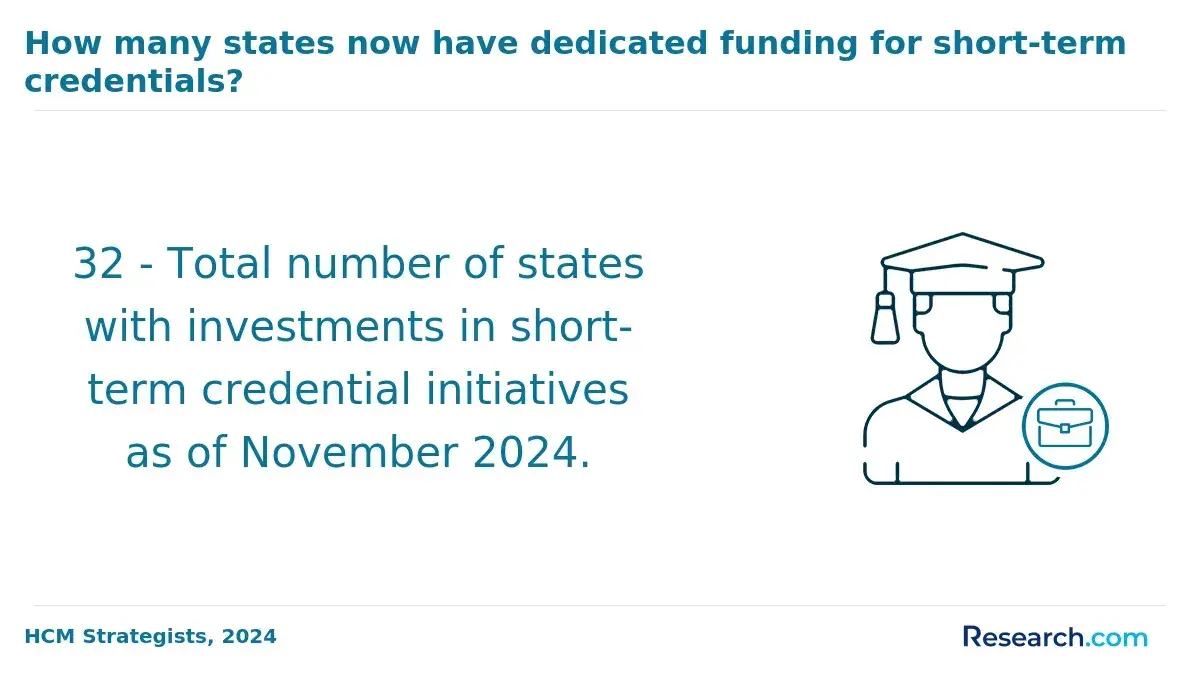
Post-graduate credentials and continuing education offer a strong shield against layoffs by validating specialized, high-demand expertise. Certified professionals are 20% more likely to retain employment during economic downturns. These certifications boost career stability and open doors to evolving roles.
Below are key certifications that can future-proof your career in sports analytics:
- Certified Analytics Professional (CAP): This industry-recognized credential showcases expertise in data analytics processes and tools, critical for roles like sports data analyst and performance analyst, where data-driven decisions optimize gameplay and athlete outcomes.
- SAS Certified Data Scientist: Validates advanced skills in manipulating and interpreting large datasets using SAS software. It is highly valued in professional sports franchises and sports tech firms for predictive modeling and player health monitoring positions.
- Sports Analytics Innovation Certificate: Offered by industry associations, it emphasizes integrating analytics with emerging technologies such as AI and machine learning. This certification prepares candidates for niche roles combining data science with sports technology.
- Google Data Analytics Professional Certificate: Equips learners with foundational skills in data cleaning, visualization, and cloud-based analytics tools. It enhances prospects for entry to mid-level analyst positions within sports organizations adopting scalable analytics platforms.
- Tableau Desktop Specialist: Focuses on converting raw data into actionable insights using business intelligence tools. This certification is key for careers in sports marketing and fan engagement analytics, where clear data storytelling drives strategy.
Demand for professionals with combined analytics and domain-specific certifications is projected to grow by over 15% through 2028, even in fluctuating economic conditions. Those interested in accelerating their education might explore options like a 6 months master's degree online that complements sports analytics certification programs for career advancement.
Continuous upskilling is vital for sports analytics professionals seeking to remain indispensable during economic uncertainties and organizational changes. Strengthening core competencies can significantly enhance job security and career longevity. Consider focusing on these essential skills:
- Advanced Data Programming: Mastery of Python and R supports efficient statistical modeling and machine learning. This skill enables sports analytics experts to streamline data workflows, making them valuable in roles that require automation and in-depth analysis.
- Cloud Computing Expertise: Familiarity with platforms like AWS and Google Cloud allows for scalable data management and real-time analytics. This knowledge is increasingly critical for positions within sports organizations and broadcasting where handling large data volumes is routine.
- Effective Communication: The ability to articulate complex analytical findings to non-technical stakeholders-coaches, agents, marketing teams-enhances collaboration and decision-making. Communication skills expand a professional's impact beyond numbers into strategic areas.
- Business Intelligence Tools: Proficiency in Tableau or Power BI helps create compelling, interactive visual data stories. These tools are often sought after by employers aiming to improve business insights and drive actionable outcomes from sports analytics.
- Biomechanics and Athlete Health Analytics: Specialized knowledge in injury prevention and performance metrics opens doors to roles in sports medicine and equipment innovation. This niche expertise differentiates candidates and broadens career pathways.
Employers favor sports analytics graduates who combine multiple cross-functional skills, with evidence showing those possessing three or more have a 35% greater retention rate during downturns. Alongside technical capabilities, relevant certifications can further safeguard career prospects, highlighting a commitment to ongoing professional development.
For those interested in expanding leadership potential within this field, pursuing an online PhD organizational leadership may offer strategic advantages. Building robust data analysis skills for sports analytics careers not only ensures adaptability but also cultivates resilience in a competitive job market.
In the competitive job market for sports analytics graduates, the prestige of the institution attended can influence hiring decisions. Employers often associate well-known programs with rigorous training and proven expertise, which may translate to more stable, recession-resistant careers. Graduating from a reputable school can act as an initial filter that helps candidates stand out in crowded applicant pools.
Beyond reputation, the right school can provide significant networking benefits. Top programs often have established relationships with sports teams, analytics firms, and key industry players, granting students access to internships, mentorships, and exclusive job openings. These connections can be crucial for launching a career in sports analytics, where referrals and professional ties matter.
However, graduates from any accredited sports analytics program can remain competitive by demonstrating tangible skills and results. Consistent performance, updated technical knowledge, and relevant project experience help overcome institutional barriers, ensuring that dedicated professionals secure roles in this evolving field regardless of alma mater.
Proactive career preparation helps students align their academic work with the evolving requirements of the sports analytics field, boosting employability and job stability. Below are five key strategies to help students adapt effectively to current industry expectations.
- Hands-On Experience: Engaging in real-world projects, such as data competitions or creating predictive models, allows students to develop practical skills that employers prioritize over theoretical knowledge.
- Internships and Part-Time Roles: Gaining work experience with sports organizations or tech firms helps students apply analytical tools like Python and Tableau to industry-specific challenges, demonstrating their capability to contribute immediately.
- Professional Portfolio: Building a portfolio that showcases concrete outcomes, like enhanced team performance or fan engagement, can be a powerful asset when seeking jobs or consulting roles.
- Industry Networking: Participating in conferences and joining specialized sports data associations connects students with professionals and opens doors to potential employment opportunities.
- Communication Skills: Developing the ability to translate complex data into clear, actionable insights distinguishes candidates and enables them to influence decision-making effectively.
A professional who completed an online sports analytics bachelor's program shared that bridging the gap between academic theory and practical application was initially overwhelming. He described the transition as a steep learning curve, especially mastering data visualization tools under pressure. "Stepping into an internship helped me see how the pieces fit together," he said, emphasizing that real-world feedback was crucial for growth.
The experience also tested his communication skills-explaining technical results to non-experts was challenging but rewarding. "It wasn't just about crunching numbers; it was about telling a story that mattered," he reflected. This journey reinforced his belief that blending technical proficiency with interpersonal abilities is essential to meeting the demands of today's sports analytics job market.
Recession-resistant sports analytics careers' salaries typically range between $70,000 and $110,000 annually. Entry-level roles begin near $60,000, while specialized or senior positions can exceed $130,000. These roles benefit from a projected salary growth rate of approximately 5.2% annually, outpacing the average wage increase nationwide, highlighting their financial stability during economic fluctuations.
Among recession-resistant sports analytics careers, positions involving advanced statistical modeling, machine learning expertise, and data strategy tend to offer the most lucrative income. Conversely, more general analytics roles within smaller organizations might yield stable but comparatively modest pay. Regardless, such roles provide job security driven by the ever-increasing reliance on data in the sports industry.
The average pay for sports analytics recession-proof jobs continues to reflect the specialized skills and certifications valued by teams, media outlets, and coaching staffs. Income for sports analytics professionals varies significantly depending on factors such as the industry sector, employer size, geographic location, and academic credentials attained over time.
For those considering a career shift or further specialization, earning certifications or pursuing advanced degrees can enhance compensation and job prospects. Students interested in expanding their qualifications might explore options like the SLP post-baccalaureate program online, which showcases how targeted education pathways can support stable, recession-resistant careers.
What Graduates Say About Their Career After Getting a Degree in Sports Analytics
- Riggs: "Pursuing a degree in sports analytics was a strategic choice for me, driven by my passion for data and sports. The curriculum helped me develop critical skills in data interpretation and predictive modeling, which have been invaluable in my current role in sports performance analysis. Thanks to this foundation, I feel confident in my ability to adapt and thrive even in uncertain economic conditions."
- Curtis: "Reflecting on my journey, earning a sports analytics degree equipped me with a versatile skill set that opened doors in an industry less vulnerable to recessions. The real-world projects and internships included in the program refined my problem-solving abilities, making me an asset to employers focused on data-driven decisions. This degree truly set the stage for job security and continuous professional growth."
- Waylon: "From the outset, I knew a sports analytics degree would differentiate me in a competitive job market, and it has exceeded my expectations. The practical training in statistical software and sports business acumen prepared me for roles that withstand economic downturns. I highly recommend this path to anyone eager for a career where their expertise directly impacts the sports industry's evolving landscape."
Other Things You Should Know About Sports Analytics Degrees
Sports analytics professionals often find stable work with professional sports teams, major sports leagues, and collegiate athletic programs, as these entities tend to maintain operations during recessions. Additionally, companies involved in sports broadcasting, sports betting, and performance technology also continue hiring due to sustained demand for data-driven insights.
Certifications in SQL, Python, Tableau, and SAS help sports analytics graduates stay competitive because hiring teams often screen for data tools used in business intelligence and performance analysis. The SAS Statistical Business Analyst credential and Tableau Desktop Specialist are common examples employers recognize.
Continuing education enhances skill sets and keeps professionals updated on industry trends, increasing their adaptability during economic downturns. For sports analytics careers in 2027, ongoing learning can strengthen job security by providing professionals with a competitive edge and broadening their expertise to meet evolving industry demands.
- Swift Tech Co. | Digital Solutions Across 35+ Industries https://swifttechco.com/blog/sports/sports-analytics-degree-careers-6-high-demand-fields-to-pursue
- Recession-Proof Jobs That Thrive During Downturns https://create.fit/blogs/recession-proof-jobs/
- Advice to Aspiring Sports Analytics Professionals https://posit.co/blog/advice-to-aspiring-sports-analytics-professionals
- 21 “Recession-Proof” Jobs That Are Actually In Pretty High Demand Right Now https://www.buzzfeed.com/haein_jung/people-share-recession-proof-jobs-economy-ai-data
- Public vs Private Sector Careers: Salary, Stability, Benefits, and How to Choose https://www.crawljobs.com/blog/public-vs-private-sector-jobs-career-guide/
- How to Land High-Paying Sports Analytics Jobs - SportsJobs Online https://www.sportsjobs.online/blogposts/50
- Advice to those seeking (sports) analytics careers https://www.soccermetrics.net/misc-stuff/sports-analytics-career-advice
- Public vs Private Sector Careers for Tech Professionals | Learning People UK https://www.learningpeople.com/uk/resources/career-guides/private-vs-public-sector/
- 5 recession-proof skills that make you immediately employable | ELVTR https://elvtr.com/blog/5-recession-proof-skills-that-make-you-immediately-employable
- The Role of a Sports Analyst: Career Path, Skills & Job Trends https://fundaspring.com/blogs/careers/sports-analyst-career-guide