2027 Most Recession-Resistant Careers You Can Pursue With a Philosophy Degree

Co-Founder and Chief Data Scientist
Philosophy graduates often face uncertainty when seeking careers that endure economic downturns-many worry about job stability beyond academia. This challenge intensifies as industries shift rapidly and employers prioritize adaptable skill sets. Yet, data shows that 68% of philosophy degree holders find employment in recession-resistant sectors such as law, ethics compliance, and strategic consulting.
These fields value critical thinking and ethical reasoning, skills cultivated by Philosophy studies. To remain competitive, graduates must augment their degrees with practical experience and interdisciplinary knowledge. This article explores the most recession-resistant career paths available to Philosophy graduates and strategies to thrive amid economic challenges.
Key Points About Recession-Resistant Philosophy Careers
- Philosophy graduates excel in critical thinking and ethics-skills vital for recession-proof roles in law, compliance, and policy analysis, where demand remains stable despite economic shifts.
- The 2025 labor report shows a 12% growth in tech ethics positions, highlighting Philosophy's relevance in emerging fields like artificial intelligence regulation.
- Academia and publishing provide steady employment, leveraging Philosophy's analytical rigor and communication for research and educational content in stable institutional settings.
What is the employment outlook for graduates of Philosophy?
The employment outlook for graduates with a philosophy degree in the United States remains favorable, especially for roles that value critical thinking, ethics, and communication. Jobs related to philosophy graduates-such as policy analysts, ethics consultants, and academic researchers-are expected to grow by approximately 8% over the next decade.
This growth aligns with or slightly surpasses national job market trends for philosophy degree holders, reflecting stable demand even through economic fluctuations. Several factors contribute to this positive forecast:
- Ethical decision-making: The increasing importance of ethical frameworks in business and technology sectors drives demand for professionals skilled in navigating complex moral issues.
- Advanced reasoning skills: Law, public policy, and education sectors require the sophisticated analytical abilities fostered by a philosophy education.
- Academic and research stability: Positions in universities and research institutions often withstand market cycles better than other fields, offering consistent employment.
Philosophy graduates also exhibit adaptability across industries like technology, healthcare, and government due to their problem-solving and argumentation training. This versatility results in a low unemployment rate of about 3.2%, below the national average of 3.8%. For students exploring recession-resistant careers, the transferable skills gained through philosophy programs are especially valuable.
Those interested in further refining their expertise might explore accelerated EdD programs online, which can complement philosophy backgrounds for educational and leadership roles.
What are the most recession-resistant careers for Philosophy degree graduates?
Certain roles within the field of philosophy and adjacent industries demonstrate remarkable resilience during economic downturns due to their essential and regulatory nature. According to research, 68% of professionals in these roles experienced stable job security throughout recent recessions, significantly higher than the overall rate of 45%.
Below are five high-demand recession-proof jobs for philosophy majors that showcase this stability.
- Compliance Officer: Tasked with ensuring organizations comply with laws and regulations, compliance officers play a critical role that cannot be postponed even during recessions. Their responsibility in preventing costly legal penalties makes their positions indispensable across both private and public sectors.
- Healthcare Ethicist: Operating mainly in hospitals and healthcare institutions, healthcare ethicists address complex moral questions regarding patient care. Their work remains essential regardless of economic fluctuations, backed by institutional and government mandates focusing on ethical oversight.
- Policy Analyst: With expertise in analyzing and interpreting governmental and social policies, policy analysts are vital during economic challenges. They develop strategies to manage resources efficiently and maintain public welfare, making their insights key to stable governance.
- Intellectual Property Consultant: These consultants protect innovations by advising on patent and copyright matters. Companies prioritize safeguarding intellectual property even in difficult financial times, as the risks of infringement lawsuits or lost competitive advantage are too great.
- University Lecturer in Humanities: Despite potential cuts in education funding, lecturers in core humanities fields like philosophy enjoy steady demand due to sustained enrollment and government support for academic programs. Their role in nurturing critical thinking skills keeps them essential in the academic landscape.
Students aiming to secure one of the most recession-resistant careers for philosophy degree graduates in the United States may benefit from exploring affordable online bachelor's degree options that provide strong foundations in philosophical principles and critical reasoning skills. For those seeking flexible learning pathways, an affordable online bachelor's degree programs offer accessible routes to these valuable career opportunities.
In which industries can Philosophy degree holders find work?
Graduates with a philosophy degree often find opportunities far beyond academia or traditional philosophy roles. Their strong critical thinking and ethical reasoning skills are highly sought after in various sectors, helping them maintain career stability even during economic downturns.
Research shows that 62% of employers in resistant industries prioritize these abilities when hiring. Below are key areas where philosophy graduates can apply their expertise:
- Healthcare: Philosophy graduates contribute to ethical decision-making in hospitals, healthcare policy, and regulatory compliance. Their skills are vital in navigating complex moral dilemmas and ensuring adherence to laws in medical settings.
- Government and Public Administration: Roles such as policy advisors and ethics officers benefit from philosophy-trained professionals who evaluate policies, develop frameworks, and uphold ethical governance standards.
- Technology: With growing focus on AI ethics, philosophy graduates are instrumental in defining fairness, transparency, and accountability in artificial intelligence, shaping responsible innovation practices.
- Legal Sector: Beyond practicing law, philosophy skills support contract analysis, mediation, and compliance consulting, providing logical rigor and clear argumentation important in legal contexts.
- Education and Research: Many philosophy graduates pursue academic careers involving teaching, curriculum development, and scholarly inquiry-fields that maintain relevance despite economic changes.
A professional who completed an online philosophy bachelor's program shared his experience about career versatility: "Initially, I wasn't sure where my degree would lead me outside the classroom. Navigating different industries required me to translate philosophical concepts into practical skills that employers value."
He noted the challenge of articulating his critical thinking in resumes and interviews but found that "once I highlighted my problem-solving and ethical reasoning, doors opened in unexpected fields." This journey underscored how philosophy graduates can adapt and thrive across diverse work environments.
Job security for philosophy graduates varies significantly between the public and private sectors. Public sector positions-such as those in government, universities, and nonprofits-generally provide more protection against layoffs, especially during economic downturns. These roles benefit from stable funding sources like government budgets and endowments, making them more resilient to market instability.
Academic jobs, while competitive, tend to preserve employment consistently as institutions prioritize faculty retention to sustain their programs.
In contrast, private sector roles, including positions in corporate ethics, consulting, and startups, tend to offer higher starting salaries but come with greater risk linked to economic cycles. Startups may rapidly enact hiring freezes or layoffs in challenging times, impacting job continuity.
However, the private sector often delivers quicker career advancement, flexible responsibilities, and opportunities for developing diverse skill sets, which can be valuable when economic conditions improve.
Approximately 70% of philosophy graduates employed in the public sector report steady work through recessions, compared to around 45% in the private sector. Those seeking job stability might lean toward public roles, where pension plans and union protections are common, while graduates open to faster progression and varied experiences may prefer private sector options despite less predictability.
Ultimately, philosophy graduates should align their career choices with their tolerance for risk and whether they prioritize long-term security or rapid professional growth.
Location significantly influences job stability for philosophy graduates, with some states emerging as key centers for sectors that highly value critical thinking and ethics. Below are three states where philosophy-related careers tend to be more secure and offer promising prospects.
- California: Known for its booming tech industry and top-tier universities, California demands professionals skilled in ethics, logic, and analysis-especially in cutting-edge areas like artificial intelligence and bioethics. The state's philosophy-related job market surpasses the national average, creating a specialized niche for graduates.
- New York: With numerous academic institutions, legal practices, and financial service companies, New York offers diverse roles in education, research, public policy, and ethical consultation. Government and nonprofit organizations further support stable employment for philosophy graduates through strategic and program analysis positions.
- Massachusetts: This state benefits from prestigious universities coupled with a growing biotech and healthcare economy. Philosophy experts are increasingly sought after in ethical review boards and research organizations handling complex moral challenges linked to medical progress.
These regions collectively anticipate a steady increase in philosophy-related employment, reinforcing the resilience of this career path amid economic uncertainties.
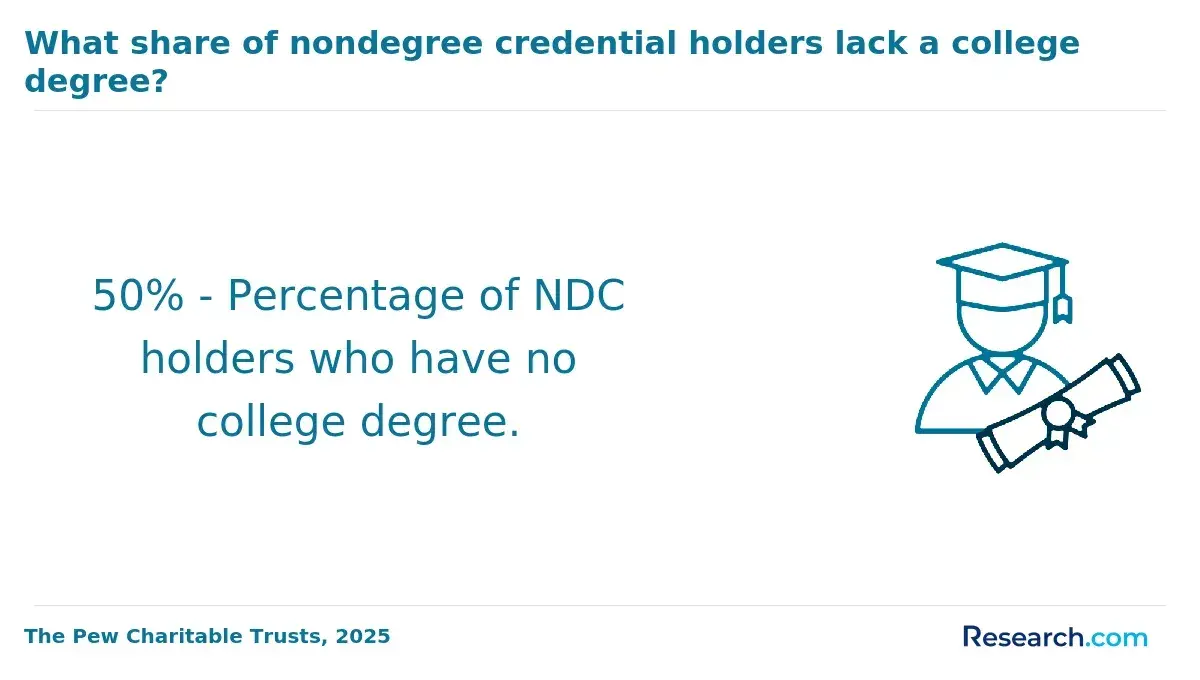
Post-graduate credentials and continuing education can serve as a potent layoff shield by validating specialized, high-demand expertise-this advantage is well supported by data showing that roles requiring interdisciplinary certifications experience 12% faster job growth during economic downturns.
Below are some of the best professional credentials for philosophy graduates looking to secure recession-resistant careers.
- Certified Ethics Professional: Offered by the Ethics & Compliance Initiative, this certification focuses on ethical decision-making vital to corporate governance and compliance roles. Philosophy graduates gain a competitive edge in sectors that prioritize integrity and regulatory adherence.
- Project Management Professional (PMP): This credential strengthens problem-solving and communication skills inherent to philosophy majors, enhancing employability in consulting, technology, and project-driven industries with stable demand.
- Data Ethics Certification: Certifications such as the Certified Data Ethics Specialist offer expertise in moral reasoning applied to technology fields like artificial intelligence and data analytics-emerging areas where philosophy graduates' skills are increasingly critical.
- SHRM-CP/SHRM-SCP: These Society for Human Resource Management certifications validate knowledge in organizational behavior and ethics, enabling philosophy graduates to transition effectively into the resilient human resources sector.
Philosophy career certifications for job security go beyond traditional academic qualifications, empowering graduates to adapt and thrive in evolving job markets. Those interested can also explore pathways such as an accelerated business degree online to complement their credentials and widen their professional scope even further.
Continuously expanding abilities makes professionals less replaceable during company restructurings driven by economic downturns. Below are five vital skills philosophy graduates can cultivate to improve job-ready certifications for philosophy degree holders and strengthen their career resilience.
- Critical Thinking and Analytical Reasoning: Excelling at dissecting complex problems and offering logical solutions is highly prized. These skills make graduates competitive in sectors like consulting and policy advisory where employer demand for recession-resistant roles is strong.
- Effective Communication: The ability to clearly express nuanced ideas-both verbally and in writing-is essential. Graduates bolstering skills in rhetoric or professional writing enhance their appeal in law, education, and public relations.
- Data Literacy: Familiarity with basic statistics and interpreting data empowers philosophy graduates to thrive in research-intensive or policy-driven environments that prioritize evidence-based decisions.
- Ethical Reasoning and Compliance: Navigating regulatory complexities requires expertise in ethical frameworks. Philosophy graduates advising on corporate responsibility or public policy become vital contributors in healthcare, finance, and technology sectors.
- Project Management and Organizational Skills: Mastery of these enables philosophy holders to assume managerial roles and provide agile team leadership. Adaptability through these skills broadens their career pathways and reinforces job security.
Enhancing such cross-functional skills is crucial for philosophy graduates seeking most recession-resistant careers you can pursue with a philosophy degree. Pursuing relevant job-ready certifications and additional qualifications, like those related to online accounting, can further expand opportunities beyond traditional fields.
School prestige often plays a notable role in securing recession-resistant jobs for philosophy graduates. Graduating from a well-regarded institution can provide immediate credibility and signal a strong academic foundation-qualities that employers frequently prioritize in competitive markets.
This reputation can open doors not only in academia but also in fields such as law, consulting, and public policy, where critical thinking skills honed in philosophy programs are highly valued.
Beyond prestige, attending the right school offers vital networking opportunities. Alumni connections, career fairs, and faculty recommendations from top-ranked programs often lead to internships and job openings that may not be widely advertised.
These networks help philosophy graduates access stable roles that align closely with their skills and interests, providing a significant edge in uncertain economic times.
Nonetheless, graduates from any accredited philosophy program can remain competitive by demonstrating proven performance and skill mastery. Building a strong portfolio, gaining relevant experience, and continuously refining analytical and communication abilities ensure that candidates stand out, regardless of institutional reputation.
Proactively preparing for a career is crucial for philosophy students who want to align their academic background with the shifting demands of the job market. This approach can significantly boost their employability and enhance job stability.
Consider these key steps to position yourself effectively:
- Internship Experience: Actively seek internships or volunteer roles in areas such as ethics consulting, policy development, or technology ethics boards. Hands-on experience in these sectors provides practical insights that employers highly value.
- Communication Skills: Develop both written and verbal communication through participation in debate clubs, publishing articles, or leading discussion groups. Strong communication abilities translate abstract ideas into relatable messages for diverse audiences.
- Technical Proficiency: Learn to work with data analytics and logic-based software tools that complement philosophical reasoning. These skills demonstrate adaptability and enhance problem-solving capacity in modern workplaces.
- Interdisciplinary Collaboration: Engage in projects that bridge philosophy with other fields, highlighting your ability to tackle complex, real-world problems using diverse perspectives and teamwork.
- Professional Networking: Connect with industry professionals via philosophy associations and specialized conferences to build meaningful relationships and uncover career opportunities.
When asked about strategies to meet current job market demands, a professional who earned an online philosophy degree shared that the journey required balancing self-motivation with continuous skill development. He recalled feeling uncertain initially but found that immersing himself in cross-disciplinary projects and seeking mentorship were essential.
"It wasn't just about mastering theory," he said, "but about translating that knowledge into action and staying open to new challenges." His experience underscored the importance of blending academic learning with practical applications to thrive in competitive fields.
Individuals pursuing recession-resistant philosophy careers earn average incomes ranging from $65,000 to $95,000 annually. Roles such as policy analysts, compliance officers, and ethics consultants showcase competitive pay due to their vital roles in regulatory, legal, and corporate governance sectors.
These salaries reflect the strong demand for analytical and ethical reasoning skills, which are critical in maintaining stability during economic fluctuations.
Among recession-proof philosophy jobs, some positions offer more lucrative income, particularly in specialized fields combining philosophy with certifications in risk management or regulatory compliance. Roles with steady but more modest pay still provide valuable employment security, delivering consistent earnings.
The income of philosophy professionals varies widely depending on factors like industry, employer size, geographical location, and advanced academic credentials. Additionally, complementing a philosophy degree with graduate studies or professional certifications can notably enhance financial prospects.
For those interested in related professions, exploring the pros of being a forensic psychologist also reveals how specialized expertise can improve job resilience.
What Graduates Say About Their Career After Getting a Degree in Philosophy
- Robert: "Pursuing a philosophy degree was driven by my desire to sharpen critical thinking and ethical reasoning skills. This foundation proved invaluable when adapting to rapidly changing job markets, especially in finance, which is known for its resilience during recessions. The discipline's emphasis on logic and argumentation truly gave me an edge in strategic decision-making roles."
- Case: "Reflecting on my time studying philosophy, I appreciate how it trained me to approach complex problems with patience and clarity. This mindset is crucial in healthcare administration, a sector remarkably recession-resistant. My degree not only prepared me intellectually but also impressed employers looking for thoughtful and adaptable professionals."
- Sebastian: "Opting for philosophy was about embracing an education that transcends specific job training, focusing instead on broad analytical abilities. These skills have been essential in my career in information security, a field with stable demand regardless of economic downturns. Philosophy's rigorous analysis sharpened my capacity to assess risks and innovate solutions under pressure."
Other Things You Should Know About Philosophy Degrees
Yes, philosophy graduates can transition into technology fields during economic downturns. Their strong critical thinking, logic, and problem-solving skills are valuable in areas like artificial intelligence, data ethics, and user experience design. Additional technical training or certifications may be necessary to gain specific industry knowledge.
A philosophy degree provides a solid foundation in ethics, argumentation, and analytical reasoning, which are crucial for law and public policy careers. During recessions, these fields often maintain some stability as legal and regulatory needs persist, making philosophy graduates well-prepared to contribute to these sectors.
No. Many recession-resistant roles for philosophy graduates hire bachelor’s degree holders for analyst, compliance, operations, and project-coordination positions. Graduate school becomes useful for law, teaching, or specialized policy work, but it is not required for most entry-level business and nonprofit jobs.
- Recession-Proof Jobs That Will Always Be In Demand https://www.buzzfeed.com/jenniferadams2/recession-proof-jobs
- 2023 Most Popular Philosophy Bachelor's Degree Schools - Course Advisor https://courseadvisor.com/majors/philosophy-and-religious-studies/philosophy/rankings/most-popular/bachelors-degrees/
- Philosophy | Career Zone | University of Exeter https://www.exeter.ac.uk/students/careers/research/explore/degree/philosophy/
- 5 recession-proof skills that make you immediately employable | ELVTR https://elvtr.com/blog/5-recession-proof-skills-that-make-you-immediately-employable
- 4 Recession-Proof, Essential Job Skills to Learn https://straighterline.com/blog/essential-job-skills-during-recession
- Handbook on Academic Job Market Practices - American Philosophical Association https://www.apaonline.org/jobmarkethandbook
- Best Recession Proof Degrees https://www.academicinfo.net/educational-resources/best_recession_proof_degrees/
- Recession-Proof Plans Study: Professionals Consider Grad School https://online.aurora.edu/recession-proof-with-graduate-school-study/
- Recession-Proof Skills: What to Learn When Job Markets Become Uncertain https://ciiskills.in/blog/recession-proof-skills-for-uncertain-job-markets
- 8 Fantastic Jobs for Philosophy Majors (and Tips to Land One) | The Muse https://www.themuse.com/advice/philosophy-degree-jobs-careers