2027 Most In-Demand School Psychology Master's Specializations

Co-Founder and Chief Data Scientist
Shifts in credentialing standards and evolving employer expectations increasingly shape how prospective students assess school psychology master's specializations. Demand hinges on factors beyond surface indicators like salary or job postings, involving regional variations, sector differences, and distinctions between short-term hiring spikes and sustained career resilience.
Specializations that align with licensure requirements, provide applied technical or managerial skills, and offer relevant internships can enhance access to stable, high-growth roles. Evaluating specialization options requires consideration of curriculum rigor, faculty expertise, alumni success, and the capacity to navigate changing workforce technologies and regulations. This article analyzes top in-demand school psychology master's specializations through a practical lens, highlighting career pathways and critical selection criteria.
Key Things to Know About the Most In-Demand School Psychology Master's Specializations
- Neurodevelopmental disorder specialization demands extensive training but limits versatility, as employers prioritize candidates with broader intervention skills over narrowly focused expertise.
- Data from a 2024 employer survey reveals 68% of school districts prefer candidates skilled in multi-tiered systems of support, showing workforce pressure toward flexible, scalable strategies.
- Specializations emphasizing culturally responsive assessment face longer program durations and higher costs, impacting access and timing for students balancing professional and financial constraints.
What Makes a School Psychology Master's Specialization "In Demand"?
An in-demand school psychology master's specialization generally reflects a blend of measurable labor-market need, focused skill development, and alignment with enduring or emerging roles within the profession. Demand varies notably by geographic region, employer types, and sectors such as public schools, private agencies, or healthcare systems, as well as by differences in technology adoption and evolving regulatory requirements.
Specializations that equip students for roles addressing long-term workforce challenges, such as those highlighted in the most in demand school psychology master's specializations in the US, tend to demonstrate greater stability than those tied to short-term hiring surges. Ultimately, the value lies in how well a specialization readies candidates for sustained relevance in a field shaped by policy shifts, mental health care integration, and evolving educational priorities.
Relying solely on demand indicators like job-posting volumes, program popularity, or broad salary claims risks overlooking crucial contextual factors influencing career fit and longevity. Popular or heavily marketed concentrations may not ensure adequate depth of curriculum, experiential learning, or alignment with credentialing and licensure standards that employers prioritize.
Prospective students should weigh program quality aspects such as faculty expertise, alumni employment outcomes, and the transferability of skills across related roles when considering a specialization. This approach counters the pitfalls of superficial demand signals and supports more informed decision-making grounded in authentic professional development rather than transient trends.
Those most likely to benefit from selecting a highly demanded specialization include working professionals, career changers, and learners focused on advancement who require clear alignment between graduate training and workforce expectations. For these groups, navigating a specialization framed by genuine employer demand means evaluating how well it supports emerging competencies like data-driven interventions, culturally responsive assessments, and legal or ethical proficiencies.
This strategic focus aids in bridging academic preparation with real-world contexts, helping students assess how their chosen path fits evolving expectations documented in top school psychology master's concentrations aligned with labor market needs. For broader educational pathways, exploring options such as a healthcare administration degree online accredited may provide complementary skills relevant to interdisciplinary roles linked to school psychology settings.
The 10 Most In-Demand School Psychology Master's Specializations
Specializing within a master's program for school psychology requires a pragmatic view of how various fields respond to shifting educational priorities and workforce shortages. Select specializations align more closely with legal mandates, district safety policies, or demographic changes, directly shaping employability.
Other concentrations demand technical skills or interdisciplinary knowledge reflecting systemic reform and innovation in assessment and intervention.
Behavioral Intervention and Applied Behavior Analysis (ABA): This specialization addresses increased identification of autism spectrum and behavioral disorders. Growth in K-12 interventions necessitates professionals adept in evidence-based behavior modification, essential for districts prioritizing autism support mandates.
Neuropsychology in Educational Settings: Mastery of cognitive developmental processes and brain-function assessments is increasingly valued. The need for precise neuropsychological testing reflects legal and educational expectations for individualized education programs, positioning graduates in roles tied closely to regulatory compliance.
Multicultural and Diversity-Focused School Psychology: As student populations diversify rapidly, cultural competence is no longer optional. Hiring trends confirm that districts prioritize psychologists who can navigate cultural nuances, reducing disparities in behavioral support and enhancing engagement with diverse families.
Trauma-Informed Care: The rise in awareness of trauma's educational impact has led to widespread adoption of trauma-sensitive frameworks. Practitioners skilled here are essential in districts aiming to improve resilience and mitigate behavioral disruptions exacerbated by socio-emotional stressors.
Special Education Collaboration and Consultation: Increasingly, school psychologists must work within multidisciplinary teams enforcing IDEA provisions. Proficiency in collaborative intervention planning enhances placement success, making this specialization vital where integrated service delivery is emphasized.
Crisis Intervention and Prevention: Safety mandates and mental health emergencies have raised demand for professionals expert in immediate response protocols and prevention strategies. These roles often require coordination with law enforcement and mental health agencies, reflecting growing sector complexity.
Early Childhood Developmental Psychology: Early screening and intervention deliver proven outcomes by identifying developmental delays sooner. Specialists who understand young learner milestones align with expanding pre-K initiatives focused on preventative rather than reactive care models.
Data Analysis and Program Evaluation: The ability to interpret behavioral and educational data supports outcome-driven funding and program refinement. Districts prize this expertise as it directly influences grant acquisition and compliance reporting, offering a technical edge in career trajectories.
School-Wide Positive Behavioral Supports (SWPBS): Proficiency in systemic behavior frameworks is critical as most schools implement SWPBS to lower disciplinary incidents and foster positive climates. Expertise here translates into leadership roles overseeing multi-tiered behavior support systems.
Technology Integration in Assessment and Intervention: Digital tools reshape assessment accuracy and intervention delivery. School psychologists adept at technology-enhanced methodologies fill emerging roles requiring continual adaptation to software and telehealth trends, reflecting the digitization of mental health services.
A prospective master's student vividly recalls grappling with specialization choices. They had initially leaned toward trauma-informed care due to personal passion but hesitated after comparing job postings emphasizing data analysis and program evaluation skills. Reviewing alumni career paths revealed some high-demand tracks also required extensive practicum hours and specialized certifications, prompting reconsideration.
After thorough research, the student balanced employer demand against actual curriculum details and recognized the value in selecting a specialization blending culturally responsive practices with data literacy to maintain flexibility in an evolving job market.
Which School Psychology Master's Specializations Lead to the Highest-Paying Careers?
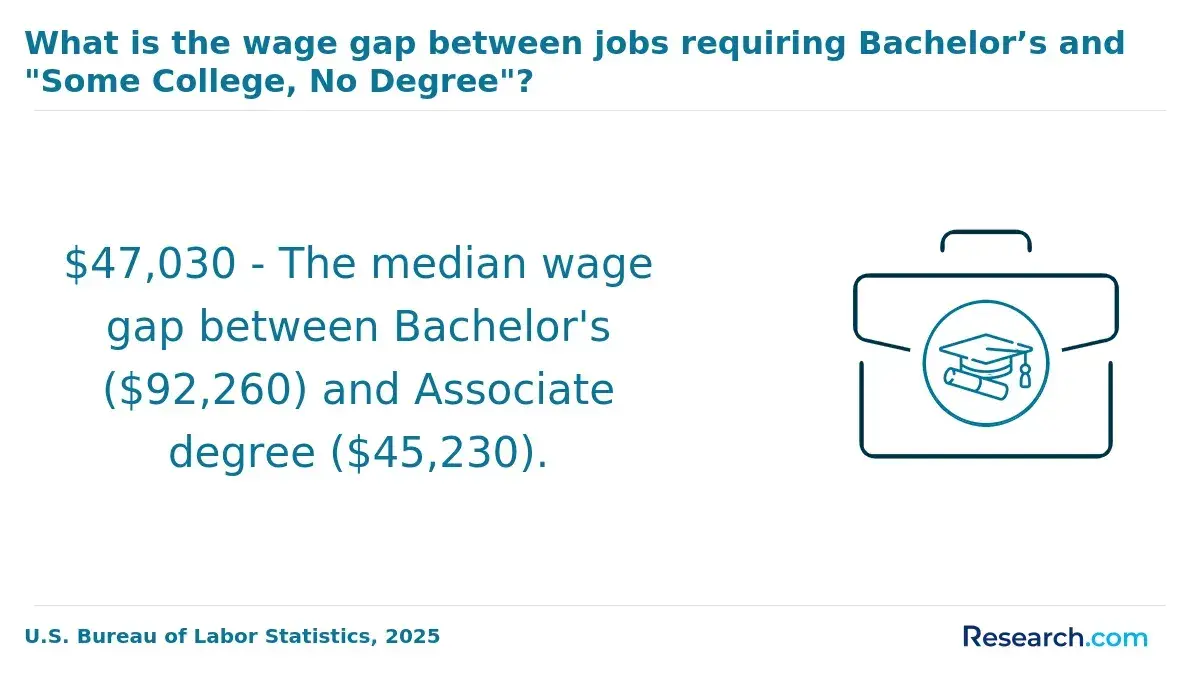
A master’s degree in school psychology prepares professionals to support students’ academic achievement, emotional well-being, and behavioral development within educational settings. While salaries depend on school district funding, certification level, and experience, certain specializations tend to lead to higher-paying roles because they expand responsibilities into assessment, intervention leadership, and system-wide student support.
As schools face increasing needs related to mental health, learning disabilities, and behavioral challenges, demand for highly trained school psychologists continues to grow. Specializations that combine assessment expertise, intervention design, special education coordination, and leadership responsibilities often provide stronger pathways to higher compensation and advancement into district-level or supervisory roles.
Common school psychology master’s specializations associated with higher-paying careers include:
- Clinical School Psychology ($70,000–$110,000+) – Focuses on diagnosing and supporting students with complex emotional and behavioral needs.
- Psychoeducational Assessment ($75,000–$120,000+) – Specializes in cognitive, academic, and behavioral testing to guide individualized education plans.
- Behavioral Intervention and Support ($70,000–$105,000) – Develops strategies to address classroom behavior and improve student outcomes.
- Special Education Coordination ($70,000–$110,000) – Prepares professionals to collaborate with educators in designing and monitoring individualized learning plans.
- Child and Adolescent Mental Health ($68,000–$105,000) – Emphasizes counseling and mental health support within school environments.
- Crisis Prevention and Intervention ($75,000–$115,000+) – Trains psychologists to respond to school emergencies, trauma, and critical incidents.
- Educational Leadership in School Psychology ($85,000–$125,000+) – Prepares professionals for supervisory and district-level decision-making roles.
- Data-Driven School Psychology ($75,000–$120,000+) – Focuses on using assessment data to improve school-wide programs and student performance.
Specializations in psychoeducational assessment, behavioral intervention, mental health services, and educational leadership often lead to the highest-paying careers due to their direct impact on student outcomes and school system effectiveness.
Which School Psychology Master's Specializations Offer the Best Job Growth?
Assessing which school psychology master's specializations offer the best job growth requires analyzing employment projections, employer demand, and how industry shifts drive skill needs. Specializations that enhance mental health integration, neuropsychological assessment, and culturally responsive practices reflect expanding workforce priorities. Rapid changes in regulation and technology, such as telehealth adoption, boost demand for adaptable competencies applicable beyond traditional settings.
According to the U.S. Bureau of Labor Statistics, employment for school psychologists is expected to rise 11% from 2022 to 2032, a rate notably higher than average, indicating strong potential for graduates with expertise in comprehensive intervention strategies aligned with current educational and healthcare trends.
Relying solely on job growth data can obscure regional disparities, cyclical hiring variations, and credentialing hurdles that impact job availability and progression. Some high-demand concentrations might have competitive internship requirements or be better suited for immediate entry rather than sustained advancement. Prospective students should consider whether a specialization balances early employability with long-term career flexibility, especially given varying state licensure standards and role saturation in certain locales.
Those evaluating school psychology master's specializations with the highest career advancement potential must also account for their personal schedule constraints, making it practical to explore flexible part-time options alongside skills development, as found in resources like programs highlighted among the best online nursing PhD programs.
Which School Psychology Master's Specializations Are Best for Career Changers?
Specializations in school psychology that best serve career changers tend to offer coursework that bridges gaps in foundational knowledge, such as developmental theory, assessment methods, and behavior interventions, enabling quicker acquisition of core competencies without excessive prerequisite demands. Programs incorporating applied practicum or internship experiences within educational or community settings facilitate hands-on transfer of prior skills-in counseling, education, or social work-into relevant school psychology roles.
Alignment with state licensure or national certification requirements is crucial, as career changers benefit from tracks explicitly designed to meet credentialing standards and streamline entry into the profession. According to 2024 labor market data from the Bureau of Labor Statistics, demand for school psychologists is expected to grow by 12%, particularly favoring those trained in trauma-informed and culturally responsive practices, indicating that specializations emphasizing these areas provide practical pathways for mid-career transitions.
Choosing a specialization solely because it appears in-demand can entail significant challenges. Without prior domain experience, learners may confront steep technical learning curves and limited context for interpreting complex assessments or intervention strategies. Credentialing hurdles-such as additional coursework or supervised hours beyond the master's program-can delay workforce entry and reduce short-term employability.
Furthermore, career changers might face competition from candidates with direct experience, and gaps in professional networks may hinder access to internships or job placements critical for successful transitions. These factors underscore the need for strategic evaluation beyond labor market signals to gauge program fit and realistic career trajectories.
A recent graduate who transitioned from a social work background into school psychology initially struggled to identify which specialization would best leverage prior counseling skills while satisfying licensure prerequisites. Uncertain about the adequacy of her academic foundation, she engaged closely with faculty and alumni to identify programs offering embedded practicums aligned with local school districts.
Balancing concerns over time-to-completion and credential requirements, she chose a specialization emphasizing trauma-informed assessment and behavioral interventions. Though this path required intensive study to master new technical content, the applied internship opportunities helped bridge experience gaps and facilitated connections that eased her entry into a mid-career school psychologist role.
Which School Psychology Master's Specializations Are Best for Working Professionals?
Working professionals evaluating which school psychology master's specializations best fit their needs must balance employer demand, schedule compatibility, and practical skill development. Specializations emphasizing applied intervention strategies, behavioral supports, and multicultural competencies align most closely with K-12 employer priorities, reflecting a 15% higher employment rate for graduates trained in these areas, according to a 2024 report from the National Center for Education Statistics.
Additionally, professionals should consider advancement potential by selecting areas tied to leadership or program coordination roles, ensuring these specializations correspond with positions they can realistically pursue without leaving full-time employment.
Specializations that offer flexible school psychology master's programs for career advancement frequently provide online, hybrid, or asynchronous coursework, allowing working adults to integrate studies without interrupting job or family responsibilities. Programs incorporating project-based learning closely tied to current professional roles and flexible practicum options optimize skill transfer and market relevance.
Attention to certification or licensure requirements also matters, as some tracks enable credential acquisition while maintaining career continuity, fostering expertise that responds directly to employer expectations.
More technically demanding specializations requiring extensive clinical hours, research, or field placements can delay progress or complicate scheduling for employed students, despite their labor-market value. These trade-offs necessitate a realistic assessment of workload feasibility and long-term goals. Those exploring transitions or less traditional roles might weigh these challenges against potential rewards.
For those seeking comparative flexibility in health administration-related fields, resources like the best online MHA programs may offer alternative pathways aligned with evolving professional demands.
How Do Online and Flexible School Psychology Master's Specializations Compare?
Online and flexible school psychology master's specializations vary notably in how programs are structured and delivered, influencing academic experience and career preparedness. Fully online programs often emphasize asynchronous coursework, which allows for independent pacing but may limit synchronous interaction with peers and faculty, impacting cohort cohesion and real-time feedback.
Hybrid models combine online study with scheduled in-person sessions, providing enhanced faculty engagement and opportunities for applied learning through hands-on practicum or internship placements, essential for licensure and skill development. Accelerated formats compress curricula into shorter timelines, offering quicker workforce entry but potentially reducing reflection and depth in applied experiences.
Part-time options extend the duration to balance work or personal commitments but may postpone key career milestones. Access to quality internships is frequently tied to program format and local network strength, with hybrid and on-site components generally better supporting these critical experiential requirements aligned with current employer standards in school psychology fields.
Flexibility in delivery does not inherently equate to program quality or market relevance; several competing factors shape the value of a specialization. Curriculum depth, alignment with accreditation criteria, and robust experiential learning opportunities are non-negotiable for meeting licensure and employer expectations. Even highly flexible or online programs must provide meaningful, supervised practicum placements and opportunities to develop competencies sought by hiring school districts and mental health providers.
Employer recognition often hinges on how well the format balances convenience with rigorous training and professional networking access. Technologies facilitating interaction and clinical skill development can partially offset format limitations but do not replace in-person mentorship and cohort support. According to a 2024 report from the National Center for Education Statistics, over a third of graduate mental health students now choose flexible formats, underscoring the sector's shift but also spotlighting the need to critically evaluate how these formats meet evolving workforce demands.
For working professionals, career changers, or advancement-minded students, flexible school psychology master's pathways offer a viable means to pursue credentials without leaving employment, which can mitigate financial strain and provide ongoing applied contexts. However, this convenience comes with tradeoffs in managing workload and accessing robust networking, which are vital for long-term specialization value and employability.
Students must assess whether program pacing, experiential components, and career support services align with their professional goals and local licensing requirements, as these factors ultimately influence the quality and recognition of the degree in competitive job markets.
What Skills Do Students Learn in In-Demand School Psychology Master's Specializations?
In-demand school psychology master's specializations are shaped by evolving labor market requirements and professional standards that prioritize applied, interdisciplinary competencies over nominal concentration titles. These programs emphasize skill-building aligned with real-world challenges in educational, clinical, and integrated health contexts, equipping graduates to meet complex needs in diverse learning environments.
- Technical Assessment and Intervention: Mastery of advanced assessment tools and intervention planning tailored to heterogeneous student populations is foundational. Students gain hands-on experience through practicums and simulations that enhance their ability to design data-driven, evidence-backed interventions critical for improving academic and behavioral outcomes.
- Analytical and Research Proficiency: Graduates develop rigorous capabilities in study design, statistical analysis, and critical evaluation of educational data. This emphasis on research literacy enables professionals to contribute to policy-informed practices and respond to workforce demands, as 68% of school districts now prioritize candidates adept in data interpretation according to the National Association of School Psychologists.
- Leadership in Multi-Tiered Systems: Training incorporates collaboration skills essential for coordinating with educators, families, and healthcare providers within MTSS frameworks. These leadership competencies prepare students to lead crisis interventions and advocate for inclusive programs, aligning career trajectories with roles requiring cross-agency navigation and stakeholder engagement.
- Communication and Cultural Responsiveness: Effective dialogue with diverse stakeholders is cultivated through coursework and fieldwork focusing on culturally sensitive practices. This competency is vital for building trust and ensuring equitable service delivery across varied school settings.
- Legal, Ethical, and Telehealth Integration: Programs prioritize understanding regulatory environments and ethical standards while incorporating telepsychology methodologies. This prepares graduates to operate within evolving legal frameworks and expanding telehealth options, factors increasingly relevant to sustainable employment in education and mental health sectors.
What Are the Admissions Requirements for Popular School Psychology Master's Specializations?
Admissions requirements for popular school psychology master's specializations function as both a fundamental eligibility screen and an indicator of how the program aligns with distinct career trajectories and skill development expectations. These requirements vary significantly depending on the specialization's focus, blending academic prerequisites with demonstration of practical readiness for professional responsibilities.
- Prerequisite Academic Background: Most programs expect a bachelor's degree from an accredited institution, ideally in psychology, education, or a related field, often accompanied by minimum GPA thresholds between 3.0 and 3.5. This baseline ensures foundational knowledge crucial for advanced psychological concepts and prepares candidates for rigorous coursework specific to school psychology master's admissions criteria.
- Relevant Work or Clinical Experience: For specializations emphasizing licensure or applied clinical skills, candidates often need documented experience through internships, research, or educational roles. This requirement signals program readiness and aligns with employer expectations for demonstrated competencies in real-world behavioral interventions and diverse student population engagement.
- Standardized Testing and Holistic Review: Many programs have made GRE submissions optional or eliminated them entirely by 2024, reflecting a growing admissions trend toward evaluating applicants through a broader lens that includes academic records, letters of recommendation, and professional fit rather than relying on standardized scores alone.
- Supporting Application Materials: Letters of recommendation typically emphasize academic aptitude and interpersonal skills vital for school psychology practice. Portfolios or writing samples may also be required to assess ethical reflection and applied psychological reasoning, while some programs include interviews to evaluate communication skills and alignment with specific specialization needs.
- Clinical Practicum Eligibility and Compliance: Certain specializations mandate clearance of background checks, immunization compliance, or certifications such as CPR before clinical placements. These requirements underscore the practical and regulatory standards necessary for safe and effective service delivery in educational environments.
Notably, over 60% of school psychology master's programs now emphasize diversity and equity training within their admissions frameworks, reflecting workforce demands for culturally competent practitioners. For prospective applicants weighing their options, understanding these multifaceted requirements is key to selecting programs that not only admit but actively prepare candidates for successful, relevant careers.
In this context, ideas about career advancement can extend beyond traditional roles, similar to how other fields-such as healthcare coding-rely on transparent salary and pathway information, as seen in the analysis of CPC salary structures.
How Should Students Compare Cost, Financial Aid, and ROI by School Psychology Specialization?
Cost analysis and return on investment (ROI) for school psychology master's specializations require more than a basic tuition comparison. Financial impact depends on specialization design, including course sequencing, practicum requirements, and credentialing pathways, as well as the student's career timing and employer support possibilities.
Understanding these factors helps avoid underestimating debt exposure or opportunity costs and aligns financial planning with both program structure and labor market realities.
- Tuition and Fee Variability by Specialization: Different specializations may have distinct tuition rates or additional fees for specialized materials, technology, or software. Some tracks might also necessitate extended coursework, increasing total costs and time to program completion, which directly affects affordability and time-to-value.
- Practicum and Internship Expenses: Applied learning components often incur indirect costs such as travel, supervision fees, or additional certification exams. These costs can vary significantly between concentrations and must be factored into financial aid considerations and realistic budget planning.
- Financial Aid and Employer Tuition Support: Eligibility for scholarships, grants, or employer tuition reimbursement can depend on specialization relevance to the employing organization's needs. Candidates should inquire about differential aid availability since this impacts net cost and may influence specialization choice.
- Certification and Licensure Preparation Costs: Specializations aligned with high-demand credentials might require paid preparatory courses or exam fees beyond tuition, influencing overall ROI. Overlooking these expenses risks underestimating financial commitments necessary for entry-level employability.
- Opportunity Costs and Salary Trajectories: Comparing ROI requires contextualizing short-term salary signals against long-term career adaptability. Some specializations with higher immediate salaries may offer less flexibility, affecting lifetime earnings and career resilience, a crucial consideration supported by recent labor market analyses.
When evaluating school psychology concentrations, attention to cost comparison for school psychology master's specializations must integrate these nuanced financial details rather than rely solely on sticker price. Students also benefit from examining financial aid options and ROI for school psychology concentrations within the context of career goals and evolving employer expectations.
For individuals exploring pathways in related disciplines, exploring whether can you get a speech pathology degree online offers similar cost-benefit patterns that may provide useful cross-professional insight.
What Do Graduates Say About Their School Psychology Master's Specializations?
- Azai: "Completing my master's with a specialization in developmental assessment really opened my eyes to how competitive the job market is, especially for roles requiring licensure. I found employers often prioritized hands-on internship experiences and a strong portfolio of student evaluations over formal credentials, which helped me land a role faster. Still, I'm aware that without full licensure my upward mobility is somewhat capped, so I'm strategically planning additional certifications now."
- Russell: "Focusing on intervention strategies during my master's was a practical decision, since many districts I explored offered flexible options including remote assessments and consultation roles. While licensure was initially daunting, the specialization's emphasis on applied skills meant I could enter the workforce quickly and gain relevant experience. I've found the need to continuously adapt and seek out new certifications to stay competitive, especially because salary growth tends to plateau without administrative credentials."
- Christian: "After graduating with a focus on behavioral analysis, I realized the field's landscape required more than just licensure to thrive-it's about building relationships and demonstrating measurable impact through intervention outcomes. The hiring process often favored candidates with specific internship placements and practical familiarity with school systems. That reality compelled me to pivot slightly toward consultancy work within special education, where my skills translated well even if traditional school psychologist roles were limited."
Other Things You Should Know About School Psychology Degrees
Many programs vary significantly in their emphasis on applied clinical skills versus research methodologies. If your goal is to enter direct practice within school settings, prioritizing a specialization with robust clinical training and practicum opportunities is critical, as employers often look for hands-on experience. Conversely, a research-heavy specialization may open pathways to policy, program evaluation, or doctoral studies but can limit immediate employability in typical school roles. Assess the curriculum carefully to align practical training intensity with your career objectives.
Specializations with broad applicability tend to provide more flexibility in job placement, especially in districts with varying demographics. However, niche-focused programs-such as those targeting special education or trauma-informed care-can position graduates as indispensable experts but may restrict job opportunities geographically or by employer type. For most students, a specialization balancing foundational skills with a meaningful niche focus often delivers better long-term employability and career growth.
In 2027, specializations in behavioral support, crisis intervention, and multicultural education are highly sought after. These areas address pressing needs in diverse school settings and equip graduates with skills to effectively support and improve student well-being.
While aligning with current employer preferences can increase immediate job prospects, prioritizing emerging trends-like integrative mental health services or culturally responsive interventions-may yield greater long-term advantages. Graduates who anticipate and adapt to evolving demands tend to maintain relevance and competitive advantage. Therefore, a balanced choice that meets present criteria while incorporating forward-looking competencies is generally the most strategic approach.
References
- Jobs With A Master's Degree In Psychology | Psychology.org https://www.psychology.org/resources/jobs-with-a-masters-in-psychology/
- Inside Online Master’s Programs in School Psychology https://www.onlinemastersdegrees.org/best-programs/psychology/school-psychology/
- Is College Worth It? A Comprehensive Return on Investment Analysis - FREOPP https://freopp.org/whitepapers/is-college-worth-it-a-comprehensive-return-on-investment-analysis/
- Browse Specializations https://mastersinpsychologyguide.com/specializations/
- How to Pick and Pursue Grad School Psychology Programs - Top Tier Admissions https://toptieradmissions.com/how-to-pick-and-pursue-grad-school-psychology-programs/
- College ROI: How to Compare Costs, Outcomes and Fit Counselor Guide: Which Students Thrive in Small Colleges https://oglethorpe.edu/post/college-roi-costs-outcomes-fit/
- www.mastersinpsychology.com: Verifying that you are not a robot... https://www.mastersinpsychology.com/programs-by-subject/school-psychology/
- Job Profile: School Psychologist https://www.masters-in-special-education.com/job-profile/school-psychologist/
- School Psychology Degree and Career Guide https://www.psychologydegree411.com/degrees/school-psychology/