2027 Best Value Online Public Policy Master's Degrees: Affordable Accredited Programs with the Highest ROI

Co-Founder and Chief Data Scientist
Choosing an online public policy master's degree often means balancing affordability, academic rigor, and career impact. With the surge in online enrollment-nearly 45% of graduate students now pursue some form of online education according to the National Center for Education Statistics-flexible, accredited programs have become crucial for working adults and career changers.
Yet, not all options deliver reliable return on investment or respect in professional circles. This analysis highlights programs that blend cost-effectiveness with strong academic standards and measurable workforce benefits, helping prospective students cut through costly commitments and focus on degrees that align with real-world outcomes and employer expectations.
Key Things to Know About the Best Value Online Public Policy Master's Degrees
- Accredited online public policy programs often require significant time investment beyond tuition savings, reflecting a tradeoff between affordability and rigorous curriculum demands that can challenge working adults balancing career and studies.
- Employers increasingly seek candidates with applied policy analysis skills; programs emphasizing experiential learning align better with workforce needs, enhancing graduate employability despite varied institutional prestige.
- Growing adult enrollment, up 15% since 2022 per the National Center for Education Statistics, signals rising demand for flexible access, but prospective students must weigh timing constraints against program start dates and cohort models.
What Are the Best Value Online Public Policy Master's Programs in the U.S.?
Best value in an online public policy master's degree means more than just affordable tuition; it requires a program that balances cost with strong accreditation, solid graduation outcomes, and meaningful salary uplift after completion. For working professionals or career-changers weighing a six-figure investment of time and money, these factors collectively determine whether a degree translates into tangible workforce returns or becomes a sunk cost.
For example, a candidate pursuing advancement within government agencies must prioritize programs whose curriculum is recognized by employers and whose graduates consistently secure pay increases, even if tuition is higher. Conversely, those with limited budgets might accept fewer synchronous offerings or narrower alumni networks in exchange for lower costs while maintaining academic credibility. Such tradeoffs are critical as practical outcomes in government and nonprofit sectors increasingly drive hiring decisions and salary negotiations.
The following five accredited online master's programs in public policy exemplify a data-driven balance between affordability and return on investment, listed by estimated total tuition from lowest to highest. Each program's delivery format and unique feature reflect important dimensions of accessibility and professional alignment:
- Indiana University Bloomington: Estimated tuition $23,000; fully asynchronous delivery; known for strong alumni networks influencing government and nonprofit sectors.
- University of North Carolina at Chapel Hill: Estimated tuition $28,500; primarily asynchronous with optional synchronous sessions; differentiated by its integration with a renowned global policy research institute.
- University of Utah: Estimated tuition $30,000; asynchronous format; emphasizes data-driven policy analysis tools tailored for working professionals.
- Georgetown University: Estimated tuition $38,000; blended delivery with scheduled live sessions; features direct access to policy practitioners in the nation's capital.
- George Mason University: Estimated tuition $42,500; mostly asynchronous; highlights its specialization tracks aligned with emerging policy areas like cybersecurity and health policy.
- Accreditation: All programs hold regional accreditation plus specialized recognition specific to public policy education, ensuring academic rigor and professional relevance.
- Graduation Rate: Typically above 70%, reflecting robust student support systems needed for online learners balancing work commitments.
- Post-Degree Salary Lift: Graduates report average salary increases between 20% and 35% within three years, a critical marker of employer valuation in policy fields.
- Delivery Format: Most options feature asynchronous coursework suited for professionals needing scheduling flexibility, often supplemented with synchronous elements to foster engagement.
- Tuition Figures: Based on institutional data reported for the current academic year and IPEDS surveys, facilitating transparent upfront budgeting.
For applicants seeking the best online public policy master's programs in the U.S. for affordability and ROI, considering these benchmarks alongside personal professional goals can streamline decision-making. This approach ensures alignment with labor market expectations and avoids common pitfalls of misaligned program choice. Further details, financial aid considerations, and comparisons across specializations are essential next steps for candidates ready to navigate this critical educational investment. For additional insight on related degree pathways with strong financial outcomes, explore best online degrees suited to evolving workforce demands.
What Accreditations Should an Online Public Policy Master's Program Have?
Choosing an online master's program without proper accreditation can limit your career flexibility and undermine long-term professional credibility. Many graduates discover too late that their degree is not recognized for credit transfer, federal aid, or by key employers, which can stall advancement or require costly additional study.
Accreditation for online public policy master's programs generally involves two essential layers. First, regional institutional accreditation is a foundational standard granted by one of the seven recognized bodies such as the Higher Learning Commission (HLC), Southern Association of Colleges and Schools Commission on Colleges (SACSCOC), or Middle States Commission on Higher Education (MSCHE). This level matters critically because only regionally accredited institutions qualify for federal financial aid, and credits earned here are more readily transferable-an important consideration for students who may change programs or pursue further degrees. Employers, especially in government or nonprofit sectors, tend to favor degrees from regionally accredited schools, viewing them as a baseline for academic rigor.
Second, program-specific or field-relevant accreditation-while less uniformly established in public policy-can signal advanced curricular quality and alignment with professional standards. For example, NASPAA accreditation applies to public affairs programs and indicates adherence to specialized competencies valued in policy and administration careers. Although there is no universal public policy accreditor akin to AACSB (business) or CEPH (public health), verifying such endorsements when applicable can distinguish programs that emphasize applied learning and up-to-date industry relevance.
Beware programs solely accredited by national or for-profit bodies lacking broad recognition; these often fail to meet federal and employer expectations and can jeopardize financial aid eligibility.
- Regional Accreditation: Does the institution hold accreditation from a recognized regional agency like HLC, SACSCOC, or MSCHE?
- Programmatic Accreditation: Is the program accredited by relevant bodies such as NASPAA for public policy or close fields?
- Credit Transferability: Are the program's credits accepted by other regionally accredited institutions?
- Accreditation Validity: Is the accreditation current and recognized by the U.S. Department of Education?
How Much Does an Online Public Policy Master's Degree Cost on Average?
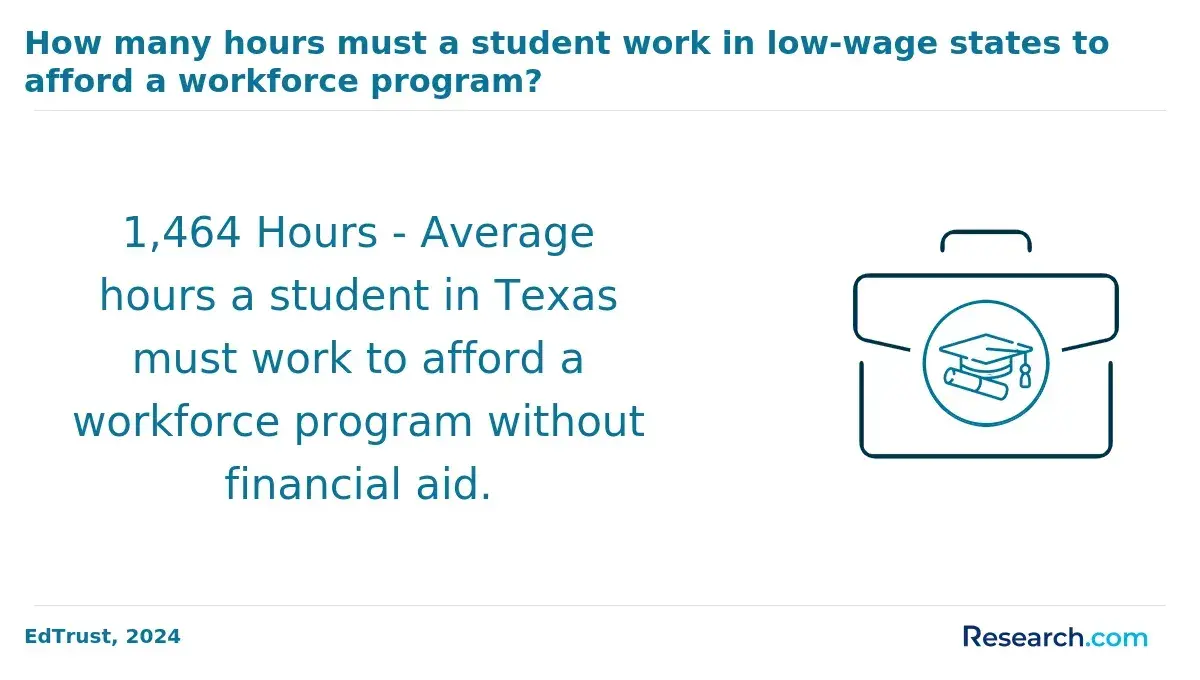
Expect the total cost of an online public policy master's degree to vary widely, largely influenced by institution type and program design. Broadly, tuition ranges can span from moderate to high when measured both as total program fees and per-credit-hour rates. Public universities generally offer lower tuition-especially for in-state students-while private and nonprofit schools command higher prices reflective of their funding sources and program structures. However, the actual financial burden extends beyond base tuition, encompassing a range of often overlooked expenses that can shift the value proposition for prospective students balancing affordability against academic and career outcomes.
- Tuition Range: Accredited online public policy master's programs typically charge between moderate to significant sums overall, with public institutions featuring lower per-credit costs, especially for residents, though many now adopt flat rates regardless of residency to expand access.
- Mandatory Fees: Administrative, technology, and library fees often add hundreds or even thousands of dollars, which can materially impact the total cost beyond sticker price tuition estimates.
- Thesis or Capstone Fees: Certain programs assess extra charges associated with culminating projects or comprehensive exams, a necessary consideration for budget planning.
- Proctoring and Residency Costs: Though less common, some degrees require proctored exams or brief campus residencies, introducing potential travel and lodging expenses that may catch students unprepared.
- In-State versus Out-of-State Tuition: Traditional distinctions between in-state and out-of-state rates are diminishing in online offerings, with many public universities shifting to uniform online pricing models to appeal to nationwide applicants.
- Benchmark Comparison: On average, public university programs maintain lower tuition and per-credit fees compared to private nonprofit institutions, yet differences in fees, program length, and added services can narrow the gap.
For working professionals and first-generation graduate students assessing the online public policy master's degree cost in the United States, these nuances have immediate practical consequences. A higher sticker price may obscure hidden costs tied to program requirements, affecting overall affordability and return on investment. Particularly for those juggling employment and family, unexpected fees or travel mandates could represent significant barriers. Balancing these tradeoffs is critical to making informed decisions aligned with career goals and financial realities.
Comparisons to other fields can shed light on cost dynamics; for example, students exploring a cybersecurity degree online might encounter different fee structures and residency expectations, influencing their total educational investment.
Hence, the average tuition for accredited online public policy master's programs should always be examined alongside these additional elements to understand the genuine financial commitment entailed and its implications on employment prospects and long-term career mobility.
What Is the Return on Investment (ROI) of an Online Public Policy Master's Degree?
The financial return on an online public policy master's degree hinges heavily on salary gains relative to the program's total cost-a ratio commonly expressed as ROI. In practical terms, ROI is calculated by subtracting the full expenses of the degree from the anticipated salary increase post-graduation, then dividing that by the cost of the program. This can be conveyed as a percentage or how quickly (in years) students recoup their investment through higher earnings. According to occupational data from the Bureau of Labor Statistics and PayScale, median salaries for professionals with a master's in public policy tend to rise from approximately $55,000 to around $85,000 annually. However, this figure masks considerable variability linked to several influencing factors:
- Work Experience: Individuals entering programs with relevant government or nonprofit backgrounds generally gain stronger salary boosts, shortening the payback period.
- Institutional Prestige: Degrees from highly regarded programs can translate into access to leadership roles, which often command higher compensation.
- Regional Demand: Employment markets with expanding public sector or nonprofit activities, such as metropolitan or policy-focused regions, offer more robust opportunities and pay scales.
- Specialization: Concentrations in niches like health policy, environmental policy, or data analytics often yield superior earnings compared to broad, general public policy tracks.
While monetary gains are critical, non-financial benefits matter substantially. The degree may facilitate entry into new fields, enhance promotion prospects, and improve job security-intangibles that influence long-term career stability and satisfaction beyond salary alone.
One online master's graduate recalled how navigating the rolling admissions process introduced real uncertainty: with applications accepted on a flexible timeline, the candidate delayed submitting their materials while weighing financial aid offers and program fit. This hesitation compressed the window to enroll before the semester started, increasing stress but ultimately enabling a more informed decision. Their strategic patience during this uncertain period was crucial to maximizing both affordability and the program's value.
What Are the Admission Requirements for an Online Public Policy Master's Program?
Admission to an online public policy master's program often hinges on a mix of academic metrics and professional evidence that signals an applicant's readiness for graduate-level challenges. Employers and academic committees pay attention not only to GPA but also to how well candidates demonstrate strategic career alignment and analytical capabilities. For instance, a candidate with a slightly lower GPA but strong, relevant work experience and compelling recommendations may outperform a peer with higher grades but weaker professional backing.
- Undergraduate GPA: Programs commonly expect a minimum around 3.0 on a 4.0 scale, though this isn't absolute. Flexibility exists depending on applicant context and program competitiveness.
- Letters of Recommendation: Two to three letters from academic or professional supervisors remain critical to validate an applicant's skills and potential.
- Statement of Purpose: This narrative is essential for conveying genuine motivation, clarity about career goals, and alignment with program strengths, which can distinguish candidates in tight applicant pools.
- Professional Resume or CV: A current document outlining relevant public policy experience or internships significantly strengthens an application, anchoring academic claims in practical evidence.
- Standardized Tests: While GRE or GMAT scores are frequently optional or waived, some STEM-inclined programs still require them to ensure quantitative aptitude.
- Prerequisite Coursework: Foundational classes in economics, statistics, or political science are often prerequisites or require fulfillment before or early in the program.
Quantitative Competency: Demonstrated proficiency in quantitative methods is increasingly mandatory in technical tracks, reflecting real-world data-driven demands.
Given the diversity of program standards, applicants should strategically apply across reach, match, and safety programs to maximize admission success without overcommitting to any single option.
What Is the Minimum GPA Requirement for a Public Policy Master's Program?
Most accredited online public policy master's programs require a minimum undergraduate GPA ranging from 2.75 to 3.0 to even consider an application. However, the threshold for competitive admission often rises to 3.2 or higher, signaling a typical admitted student profile that reflects stronger academic preparation. Understanding the difference between minimum eligibility GPA-a floor that allows your application to be reviewed-and the competitive GPA that represents the average of admitted cohorts is critical. This distinction helps prospective students realistically evaluate where they stand within the admissions spectrum and anticipate their chances accordingly.
- Minimum Eligibility: At many programs, the minimum undergraduate GPA requirement ranges from 2.75 to 3.0. This serves as the baseline criterion for an application to be reviewed at all.
- Competitive GPA: More competitive programs often expect a 3.2 or higher, reflecting the average profile of admitted students and signaling stronger academic readiness.
- Dual Thresholds: Several programs publish both their minimum eligibility GPA and the typical admitted GPA, helping applicants understand where they fit on the spectrum between basic qualification and competitive advantage.
- GPA Waivers: Known policies at some schools allow applicants to bypass GPA minimums by substituting substantial professional experience, portfolio evidence, or standardized test results, recognizing diverse pathways to academic success.
- Conditional Admission: Students with below-threshold GPAs may gain provisional acceptance contingent on demonstrating other competencies or completing remedial coursework, enabling entry while addressing academic gaps.
- Holistic Review: Importantly, GPA represents just one component of a comprehensive admissions evaluation that includes work experience, recommendations, personal statements, and leadership potential, reflecting real-world skills valued by employers and programs alike.
For applicants weighing options, especially those transitioning from unrelated fields or those with nontraditional academic backgrounds, these GPA benchmarks must be balanced against professional experience and skill development. Public policy programs increasingly recognize that a rigid GPA cutoff may overlook candidates who bring relevant expertise and real-world savvy. Indeed, some applicants pursue a project management degree online accredited to enhance skills that complement public policy education and increase employability, underscoring the value of strategic credential combinations.
Careful assessment of minimum GPA requirements alongside program outcomes and workforce expectations is essential for first-generation graduate students, working professionals, career changers, and underrepresented groups. This approach provides clearer insight into the practical implications of admission thresholds and the multiple pathways that can lead to meaningful advancement in public policy careers.
What Financial Aid Options Are Available for Online Public Policy Master's Students?
Financing an online master's in public policy often demands strategic planning due to limited federal grant availability and variability in aid sources. Unlike undergraduate students, graduate applicants usually cannot rely on Pell Grants, creating a crucial need to navigate loans, scholarships, and employer benefits carefully. Choosing between federal loan types, institutional awards, and employer support shapes not only financial burden but also career trajectory, as some funding options carry obligations like work commitments or repayment risks that influence post-graduate decisions.
- Federal Loans: Options include Direct Unsubsidized Loans and Graduate PLUS Loans, the latter requiring credit approval and offering higher borrowing limits for tuition and living costs but accumulating interest from disbursement.
- Institutional Scholarships and Fellowships: Universities frequently allocate merit- or need-based aid targeted to public policy master's candidates, sometimes bundled with partial tuition waivers which reduce out-of-pocket expenses substantially.
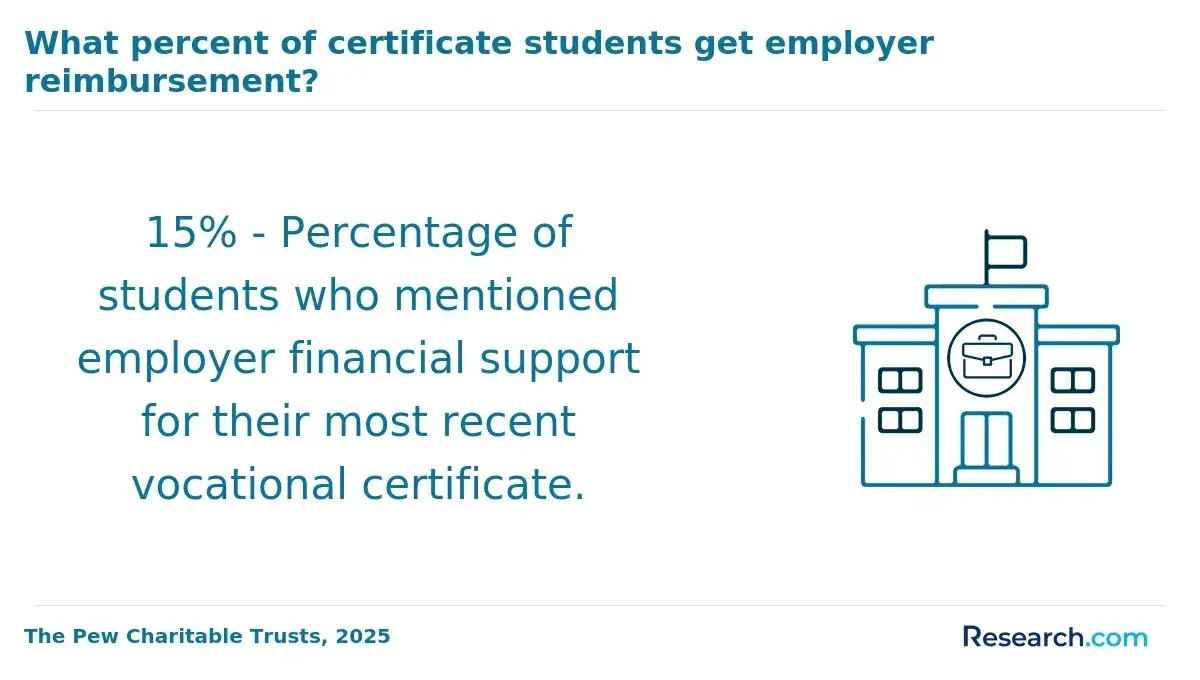
- Employer Tuition Reimbursement: Professionals can offset costs via employer programs, though such benefits often mandate maintaining employment for a prescribed period post-degree or meeting performance benchmarks.
- Graduate Assistantships: Though less common in online settings, some programs provide assistant roles that include financial stipends or tuition discounts along with experiential learning.
- External Scholarships: Public policy-focused associations offer competitive scholarships, useful particularly for those whose institutional aid is limited or who want to diversify funding sources.
To maximize aid effectiveness, apply early to account for limited funding pools, target discipline-specific scholarships to reduce competition, negotiate offers by presenting rival aid packages or credentials, and investigate state-level grants supporting public service roles. Completing the FAFSA on time remains essential; it now calculates a Student Aid Index that guides eligibility instead of the older Expected Family Contribution metric.
One recent graduate recounted navigating rolling admissions with considerable uncertainty about financial aid timing. Despite strong credentials, delayed FAFSA processing and pending scholarship decisions forced a cautious approach to enrollment commitments. Ultimately, securing a combination of institutional aid and a graduate assistantship required proactive communication and flexibility with start dates. This experience underscored how financial aid availability in online public policy programs often hinges on early, deliberate strategy rather than last-minute decisions, influencing both academic and professional pathways significantly.
How Long Does It Take to Complete an Online Public Policy Master's Degree?
Full-time online public policy master's degrees typically require 18 months to 2 years to complete, while most students enrolling part-time-often balancing work and family obligations-extend their studies from 2.5 to 4 years. This broad timeframe reflects a crucial tradeoff: accelerated completion can reduce tuition and opportunity costs but demands a heavier course load and sustained focus, which may not suit working professionals or career-changers managing complex schedules.
Given the rising demand across healthcare systems, local governments, and nonprofit sectors, employers increasingly scrutinize both academic rigor and relevance; therefore, choosing an accredited program with a credible reputation often outweighs the appeal of shorter completion periods when considering long-term career impact and salary outcomes by specialization.
- Typical Duration: Full-time students finish within 18 months to 2 years; part-time students, who constitute the majority, usually take 2.5 to 4 years.
- Credit Hours: Programs generally require 30 to 45 credit hours, with greater credits typically meaning longer study times.
- Course Load: Heavier semester loads shorten completion time but increase stress and risk of burnout.
- Transfer Credits: Prior graduate coursework can reduce duration if accepted, though limits and policies vary widely.
- Program Format: Cohort-based tracks enforce fixed pacing, while self-paced options provide flexibility, affecting timeline predictability.
- Accelerated Options: Some programs claim as little as 12 months to degree; however, accreditation and employer perceptions are key quality indicators beyond speed.
- Thesis or Capstone: Required projects may add one or two semesters depending on faculty availability and student pacing.
Analyzing enrollment patterns reveals many online public policy candidates prioritize flexible, part-time structures despite potentially longer durations, underscoring the importance of evaluating the best value online public policy master's degree duration in alignment with individual capacity and career goals. For nuanced guidance on program comparisons reflecting both career ROI and academic credibility, resources outlining the most versatile masters degrees can offer essential perspective for first-generation graduate students and professionals assessing practical pathways forward.
What Specializations or Concentrations Are Available in Online Public Policy Master's Programs?
Specializations within online public policy master's degrees carry substantial implications for career outcomes and salary potential, underscoring the need for deliberate choice rather than default pursuit. For example, a student aiming for a role in government healthcare administration will benefit more from a health policy concentration than from a generalist curriculum, directly impacting employability in specific sectors.
Many accredited programs vary in structure: some offer generalized tracks with elective flexibility, allowing students to tailor their experience broadly, while others require declaring a concentration at admission, influencing course selection and capstone projects early in the process. This decision shapes not only academic focus but also the network and practical skills aligned to targeted job markets, a critical consideration for working professionals and career-changers prioritizing return on investment.
Common concentrations in affordable public policy concentrations in the United States include:
- Health Policy: Addresses healthcare systems and public health challenges, aligning with increasing demand across healthcare organizations and government agencies.
- Environmental Policy: Focuses on sustainability and climate change, relevant to nonprofits and agencies involved in resource management.
- Economic Policy: Covers fiscal management and economic development, crucial for finance roles and policy research.
- Urban and Regional Planning: Engages with city infrastructure, housing policy, and transportation solutions.
- International Development: Prepares graduates for global governance, poverty alleviation, and international organization work.
- Education Policy: Targets reform and equity in public education systems.
- Social Policy: Concentrates on welfare programs, social justice initiatives, and community services.
- Data Analytics for Policy: Introduces quantitative methods essential for data-driven decision-making in policy contexts.
Given that not all concentrations hold equal value from the perspective of employers, researching job postings in target industries to identify frequently requested specializations is crucial. Connecting with program alumni and advisors offers nuanced insights into market demand and practical outcomes. For working adults or first-generation graduates, balancing affordability with credible specialization options can make a substantial difference in long-term career trajectories.
- Accrediting Bodies: Key accreditors include the Network of Schools of Public Policy, Affairs, and Administration (NASPAA) along with regional accreditors endorsed by the U.S. Department of Education.
- Program Outcomes: Employment rates, salary trends, and sector placement data serve as benchmarks for assessing financial and professional returns.
- Career Alignment: Choosing a concentration aligned with labor market demand is often more predictive of success than institutional prestige alone.
For those exploring interdisciplinary options, comparing programs with degrees in related areas such as an animal science degree online can also reveal useful perspectives on how program specializations correspond to sector-specific opportunities.
How Do Online Public Policy Master's Programs Compare to On-Campus Programs in Quality and Recognition?
Employer surveys, including recent data from the Society for Human Resource Management (SHRM), reveal that most hiring managers do not distinguish between online and on-campus master's degrees when both come from the same regionally accredited institution. This underscores accreditation as the primary equalizer: a degree from a regionally accredited school carries comparable credential weight across delivery modes, especially since diplomas typically omit the "online" designation. However, the decision between online and on-campus formats involves practical considerations that affect student experience and career trajectories.
- Accreditation: Regional accreditation confirms academic rigor and ensures the credential's legitimacy, which employers prioritize above modality.
- Employer Perceptions: Hiring managers tend to focus on the institution's reputation and degree relevance, minimizing bias against online credentials in policy-related fields.
- Networking: On-campus programs often offer richer, spontaneous opportunities for face-to-face interaction, alumni connections, and access to campus recruiting pipelines, which can be decisive in competitive job markets.
- Applied Learning: Those pursuing policy specialties requiring fieldwork, labs, or practicum may benefit from on-site resources; although many online programs now offer hybrid residencies or local partnerships to meet these needs.
- Virtual Adaptations: Top-tier online programs increasingly invest in virtual networking platforms, employer collaborations, and alumni communities to replicate traditional benefits and improve ROI.
- Researching Outcomes: Prospective students should prioritize evaluating individual institutions and alumni employment data on platforms like LinkedIn rather than modality alone, ensuring transparency around career outcomes and salary ranges.
What Graduates Say About the Best Value Online Public Policy Master's Degrees
- Westin: "Balancing a full-time job and family commitments meant I needed a program that offered flexibility without sacrificing depth. I chose this accredited online public policy master's because of its reputation for practical coursework and ROI, which allowed me to complete it part-time over two years. While I didn't land a traditional policy analyst role immediately, the internship I did secure via the program's network helped me transition into a government relations position with a stable salary and room for growth."
- Peter: "I was hesitant to pivot careers given the financial risks, so affordability was key when selecting my master's in public policy. My decision was driven by the program's affordability and focus on portfolio-building, which employers highly value in this field. After graduating, I found that employers preferred candidates with direct internship experience, so I pursued a series of short-term contracts before securing a permanent role, highlighting that practical experience sometimes outweighs the degree alone."
- Andrew: "Since I was aiming for a faster entry into the workforce rather than traditional licensure, the workload and duration of the program were important factors in my choice. The program's condensed structure allowed me to graduate within 18 months while working remotely. However, I encountered limitations advancing into senior roles without additional certifications, which made me realize the importance of continuous professional development alongside the online degree."
Other Things You Should Know About Public Policy Degrees
Graduates of online public policy master's programs often pursue roles in government agencies, nonprofit organizations, and consulting firms, but outcomes vary significantly by program prestige and specialization. Those from affordable, accredited programs with a strong focus on practical skills like data analysis and policy evaluation typically see higher job placement rates and faster ROI. However, graduates should be wary of programs that emphasize theory over applied skills, as employers increasingly prioritize experience with policy implementation and measurable impact over academic pedigree alone.
Beyond tuition, students should anticipate expenses such as technology fees, software licenses, and costs for crucial fieldwork or internships, which are sometimes required but not fully disclosed upfront. Many programs also require a high-speed internet connection and up-to-date hardware to support synchronous classes and data-heavy coursework, which can add financial strain. Prospective students should factor these hidden or ancillary costs into their overall budget, especially if balancing work and study without employer reimbursement.
In 2027, students seeking financial aid for online public policy master's programs can explore scholarships, grants, and employer tuition reimbursement plans. Many programs also offer assistantships or fellowships, which provide stipends or partial tuition coverage in exchange for research or teaching responsibilities.
Choosing the right program means aligning curriculum strengths with targeted career paths, such as policy analysis, public administration, or advocacy, rather than general reputation alone. Programs offering rigorous experiential learning and networking opportunities in your desired sector often yield better employment outcomes than programs focused primarily on broad theoretical training. For students with clear career trajectories, prioritizing programs with specialized tracks and strong alumni networks in relevant fields is more impactful than simply seeking the cheapest or most convenient option.
References
- Roster of Accredited Programs https://www.naspaa.org/accreditation/roster-accredited-programs
- Is Grad School Worth It? A Comprehensive Return on Investment Analysis - FREOPP https://freopp.org/whitepapers/is-grad-school-worth-it-a-comprehensive-return-on-investment-analysis/
- Best 73 Online MPA Programs for 2024-2025 Academic Year https://www.mastersofpublicadministration.org/top-online-mpa-programs
- Online MPA Programs with a Specialization in Public Policy https://www.onlinempaprograms.com/specializations/public-policy
- Funding Your Online Master’s Degree: How to Pay Less with Financial Aid https://www.onlinemastersdegrees.org/financial-aid/
- One moment, please... https://cappa.ca/wp-content/uploads/2020/06/Comparison-of-Canadian-Masters-Programs-in-Public-Administration-Public-Management-and-Public-Policy-by-JI-Gow-and-SL-Sutherland2008.pdf
- Public Administration Scholarships and Online Resources for Students https://www.degreesforgood.org/financial-aid/scholarships/public-administration/
- Master of Public Administration (Public Policy Concentration) https://catalog.tsu.edu/graduate/schools-colleges/public-affairs/public-affairs/master-public-administration-public-policy-specialization/
- Average Cost of a Master's Degree: 2025 Analysis https://educationdata.org/average-cost-of-a-masters-degree