
2027 Most Affordable Associate Degrees for Students Returning After a Long Break

Co-Founder and Chief Data Scientist
Returning to college after a long break raises a practical question: Which associate degree can you finish without taking on more cost than you need to? The College Board reports that average published tuition and fees at public two-year colleges were $4,050 for in-district students in 2024-25. That figure is a starting point, not a full-degree price: residency, remaining credits, books, and clinical requirements can change the bill. This guide compares six fields and shows how to check total cost, use previous credits, and choose a path that fits your career goal.
Key Things You Should Know
- Start with an in-district public community college, but compare the cost of all remaining requirements, not its advertised per-credit rate.
- Business, IT, criminal justice, and psychology may offer low-cost course schedules; healthcare and nursing often add labs, clinical placements, equipment, or exams.
- A nursing degree can lead toward an occupation with a $93,600 median annual wage, according to 2024 Bureau of Labor Statistics data, but becoming a registered nurse also requires meeting state licensure requirements.
Top 10 Most Affordable Associate Degrees for Students Returning After a Long Break - Affordable Degree Rankings
Business Programs
Business administration and accounting associate degrees can suit returning students who want broadly applicable office skills. Compare an AA or AS intended for bachelor's transfer with an AAS built around immediate workplace preparation. Courses may include accounting, spreadsheets, management, and communications. Business can be relatively economical when required classes are offered online or in evening schedules, but check software fees and whether old credits satisfy current requirements. An associate degree may support entry-level administrative or bookkeeping work; management jobs generally require experience, further education, or both.
Healthcare Programs
Health information technology, medical assisting, and allied-health programs differ substantially in cost and career eligibility. Health information courses may be available online, while hands-on programs can require labs, background checks, immunizations, and supervised placements. An inexpensive tuition rate may therefore mask a higher total cost or a schedule that conflicts with work. Before choosing an AAS, confirm that its curriculum meets any relevant certification eligibility rules and that required placements are realistically available near you.
Information Technology Programs
IT associate degrees may focus on technical support, networking, cybersecurity fundamentals, or software development. Many courses can be completed online, which may reduce commuting costs; compare technology fees, required equipment, and scheduled lab sessions. An AAS often emphasizes job-ready skills, while an AS may make more sense for a planned bachelor's degree. Employers may also value practical projects, experience, or industry certifications. If you already have technical skills, ask whether approved exams or prior-learning assessments could replace required coursework.
Nursing / Pre-Nursing Programs
An associate degree in nursing and a pre-nursing transfer pathway are not the same credential. A nursing program prepares eligible graduates to pursue registered-nurse licensure; a pre-nursing AS typically covers prerequisites and does not itself qualify graduates for nursing licensure. Both may require science labs, and nursing adds clinical placements and related expenses. Admission to the college does not guarantee admission to its nursing program. Ask about prerequisite expiration, competitive entry, clinical schedules, program approval, and eligibility for the licensing exam before comparing prices.
Criminal Justice Programs
Criminal justice AA, AS, and AAS programs can cover law, courts, corrections, and report writing. A transfer-focused option may be the better value if your intended job requires a bachelor's degree; a workforce-focused program may fit certain entry-level goals. Coursework can be relatively straightforward to schedule, but employment requirements vary widely. Police and corrections roles may impose separate academy training, background checks, physical standards, or other conditions. Check local hiring rules before paying for a degree based on an assumed job outcome.
Psychology / Counseling Programs
Psychology and human services associate degrees introduce behavior, development, and helping skills. An AA or AS is often the lower-cost first stage of a bachelor's pathway; some AAS programs instead prepare students for support roles and may include a practicum. Verify that credits will apply to your intended next degree. An associate degree alone does not qualify someone to practice as a licensed psychologist or mental health counselor, so compare the full educational path - not just the first two years - if that is your goal.
What Are the Most Affordable Associate Degrees for Returning Adult Students?
The most affordable choice is usually the accredited program that lets you complete your intended credential with the fewest additional paid credits and required expenses. For many returning adults, that means comparing in-district community colleges first, then checking how previous coursework applies. No field is universally cheapest: program fees, course availability, and the credits a college accepts can reverse an apparent price advantage.
This comparison identifies the expense most likely to distinguish the six fields. Use it to narrow your search, then request a degree audit and a program-specific cost estimate.
| Degree field | Potential cost advantage | Expense or limitation to verify |
| Business | Widely offered general education and major courses | Software fees and applicability of older credits |
| Healthcare | Career-focused options at community colleges | Labs, placements, screening, and equipment |
| Information technology | Possible online study and assessed prior learning | Hardware, software, and certification costs |
| Nursing / pre-nursing | Public-college pathways may limit tuition | Selective admission, science prerequisites, and clinical costs |
| Criminal justice | Potentially accessible evening or online coursework | Whether the degree meets actual hiring requirements |
| Psychology / counseling | Transfer-oriented general education courses | Cost of further education for licensed careers |
Choose an AA or AS when its courses are confirmed to apply to your intended bachelor's program. Choose an AAS when its workforce curriculum fits a realistic job goal; do not assume every AAS credit will transfer into a major. A shorter certificate may cost less if you need one specific skill rather than an associate degree.
How Much Do Affordable Associate Degree Programs Cost?
Published tuition is not the same as your bill. The College Board's $4,050 average for 2024-25 public two-year in-district tuition and fees describes one academic year, not a complete associate degree or what any particular returning student will pay. Out-of-district rates, part-time pricing, financial aid, and accepted credits can all change the result.
These cost categories show what to include when comparing two offers. Ask each college to estimate them for your remaining courses rather than relying on a general tuition webpage.
| Cost category | Why it matters |
| Tuition and mandatory fees | Residency status and course-specific charges can change the published rate. |
| Remaining credits | Accepted credits save money only when they fulfill degree requirements. |
| Books, software, and equipment | These may differ substantially between lecture-based and technical programs. |
| Labs, clinicals, and placements | Required travel, screening, supplies, or reduced work hours add costs. |
| Financing | Grants, scholarships, employer assistance, and loans affect what you pay now and later. |
Request a written estimate of total remaining cost after accepted credits and expected aid. If the college participates in federal student aid, complete the FAFSA to determine potential eligibility; do not assume a low sticker price means aid is unnecessary. Check whether your employer offers tuition assistance before borrowing.
Are Online Associate Degrees More Affordable Than Campus Programs?
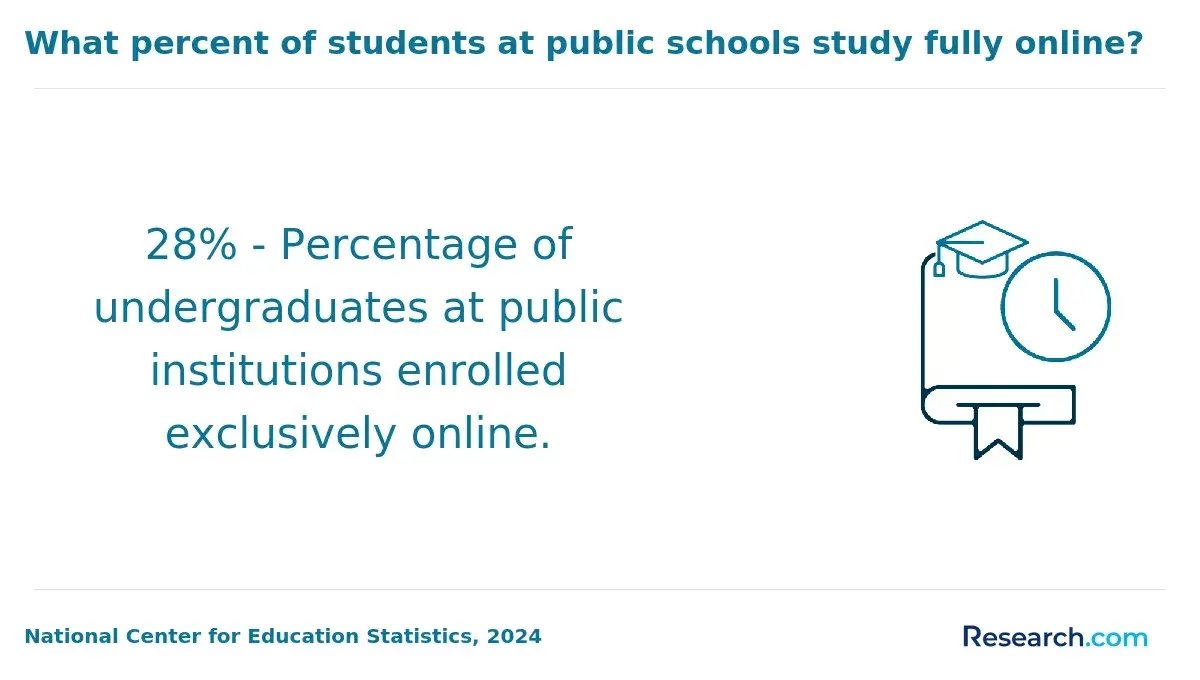
Online associate degrees are not automatically cheaper. They may eliminate commuting or parking costs, but online course fees, equipment, proctored exams, and identical tuition rates can offset those savings. An online course may also have live meetings and fixed deadlines, so confirm whether its schedule works with your job or caregiving responsibilities.
Compare accredited local options with cheap online colleges, using the price for your residency status and your actual number of remaining credits. Ask whether every required course is offered remotely and how often; a missed prerequisite can extend enrollment. Nursing and other hands-on programs commonly require in-person labs or local clinical work even when lectures are online. For some adults, a nearby campus with dependable evening sections is cheaper and easier to finish than an online program with limited course availability.
Which Associate Degrees Lead to In-Demand Careers?
Healthcare and technology can offer clear occupational pathways, but demand alone does not make a particular associate degree worth its cost. The Bureau of Labor Statistics projects employment of registered nurses to grow 5% from 2024 to 2034. That is an occupational outlook, not a promise of employment for nursing graduates; admission to an approved program and subsequent licensure still matter.
For IT, match the curriculum to advertised entry-level roles and look for opportunities to demonstrate practical skills. In business, criminal justice, and human services, job requirements vary enough that local postings are more useful than a degree title alone. If employers ask for a particular skill or credential rather than a degree, compare the full program cost with focused online courses or certification preparation. If they consistently require a bachelor's degree, prioritize transferable credits instead.
What Courses Do Affordable Associate Degree Programs Include?
Most associate degrees combine general education - such as writing, mathematics, and communication - with major courses. An AA often emphasizes transferable general education; an AS may add more mathematics or science; and an AAS commonly devotes more credits to applied coursework. Those labels are useful clues, not guarantees of transfer or career eligibility.
Course requirements can materially change affordability. A business student might need accounting and spreadsheet applications; an IT student, networking labs; and a nursing student, sequenced anatomy, physiology, and clinical courses. Psychology pathways often include introductory psychology and statistics, while human services programs may require a practicum. Request the current course sequence and identify classes offered only once a year. Then ask whether previously completed general education courses, examination credit, military training, or assessed professional learning can satisfy specific requirements.
What Are the Admission Requirements for Returning Students?
Returning students generally need an application and transcripts from previous colleges; requirements for high school records and placement vary by institution. Many community colleges admit students broadly, but a specific nursing or allied-health program may separately require prerequisites, minimum grades, testing, or a competitive application. Ask admissions to distinguish college admission from admission to your major.
Submit every previous transcript for evaluation before committing to a schedule. Find out whether courses have grade or age limits, whether developmental coursework is needed, and when an official degree audit will show which credits actually fulfill your program. If a criminal record could affect clinical placement, certification, or employment, investigate those rules before enrolling; guidance on degrees for felons may help frame questions, but the relevant board or employer makes the applicable decision.
How Long Does It Take to Complete an Affordable Associate Degree?
Many associate degrees require roughly two years of full-time study from a fresh start, but returning adults should calculate time from remaining requirements, not the catalog's standard timeline. Part-time enrollment, once-a-year courses, prerequisites, and clinical scheduling can extend it. Accepted prior credit can shorten it only if those credits apply to the chosen degree.
Ask an advisor for a term-by-term plan showing remaining credits, prerequisite order, available sections, and the minimum credits you must complete at that college. Compare a manageable part-time plan with an accelerated one: a faster schedule may raise childcare costs or force you to reduce paid work. Short online course terms describe individual classes, not the time needed to finish an entire degree.
Which Associate Degree Careers Require Licensure or Certification?
Registered nursing requires state licensure in addition to completing an eligible nursing program; graduates must meet their nursing board's requirements, including the applicable licensing examination. Some allied-health occupations likewise require state licensing or employer-requested certification. Check the exact occupation and state before enrolling, because a general healthcare or pre-nursing degree may not meet those requirements.
IT certifications are usually separate from an associate degree and may be requested for particular jobs. Criminal justice roles can require academy training or other employer-specific qualifications. Licensed counseling and psychology careers generally require education beyond an associate degree. A useful question for every program is: What occupation does this curriculum prepare me to enter immediately, and what additional credential would I need?
How Can Students Choose an Accredited Associate Degree Program?
Start by confirming the college holds recognized institutional accreditation and participates in any financial aid you intend to use. Then check whether a career-specific program has the approval or accreditation required for your intended license or certification. Accreditation alone does not guarantee that credits will apply to a bachelor's major or that graduates qualify for a particular job.
Before paying an enrollment deposit, use these checks to compare your finalists on the same basis:
- Request an official review of previous credits and a list of requirements still to complete.
- Get a program-specific estimate covering tuition, mandatory fees, supplies, travel, and required placements.
- Confirm delivery format, section availability, residency-credit rules, and a realistic part-time schedule.
- Verify transfer agreements or licensing eligibility with the receiving institution or relevant board.
If graduate study is a distant goal, establish an affordable bachelor's transfer route first; even comparisons of the cheapest online masters cannot tell you whether your associate courses will count toward a bachelor's degree. Treat a college's refusal to clarify credit applicability, total required costs, or licensure eligibility as a reason to pause before enrolling.
Other Things You Should Know About
Often, but the new college decides whether they transfer and satisfy current degree requirements. Science and technical courses may face additional recency rules. Request an official evaluation before estimating your savings.
No. In-district tuition is often a strong starting point, but fees, residency, accepted credits, travel, and financial aid determine your remaining total cost.
Some programs allow it, but verify every required course and any scheduled meetings or proctored assessments. Clinical programs generally require in-person experience.
Choose based on your next step, not the abbreviation alone. Confirm that an AA or AS applies to your intended bachelor's program, or that an AAS meets the requirements of the job or credential you want.
References
- Associate's degree - Career Outlook - Bureau of Labor Statistics https://www.bls.gov/careeroutlook/subject/associates_degree.htm
- College Credit for Military Training & Experiences | dantes.mil https://www.dantes.mil/credit4training/
- Adult Learners - Ohio Department of Higher Education https://highered.ohio.gov/students/adult-learners
- How to Get College Credit for Work Experience | post.edu https://post.edu/blog/pla-101-can-a-prior-learning-assessment-get-me-college-credit-for-work-experience/
- Effective Practices that Support Adult Learners | acenet.edu https://www.acenet.edu/Research-Insights/Pages/Student-Support/Effective-Practices-Adult-Learners.aspx
- Programs Leading to a License or Certification | wiche.edu https://wcetsan.wiche.edu/resources/programs-leading-license-or-certification
- CUNY Online - The City University of New York https://www.cuny.edu/admissions/online/
- Financial Aid as An Older Student or Returning to College | Campus https://campus.edu/blog/financial-aid/how-to-find-financial-aid-when-youre-an-older-student


