2027 Most Affordable Associate Degrees for Low-Stress Careers

Co-Founder and Chief Data Scientist
A low tuition bill does not help much if a degree leads to work you find stressful - or requires more education than you planned. The College Board reports that average published tuition and fees at public two-year colleges were $4,050 for in-district students in 2024-25, but that figure excludes books, transportation, and living costs.
This guide compares associate degree fields by total-cost considerations and likely work conditions. It will help you identify promising paths, recognize careers that require further credentials, and know what to verify before enrolling.
Key Things You Should Know
- Business administration, health information, and some IT programs are worth comparing first if you want relatively predictable, nonclinical work; the specific job and employer matter more than the major's name.
- Many associate degrees require about 60 credits, but prerequisites, part-time enrollment, and limited course availability can extend the timeline and increase total cost.
- The U.S. Bureau of Labor Statistics reports a 2024 median wage of $50,250 for medical records specialists; that is an occupational median, not a promised salary for health information graduates.
Top 10 Most Affordable Associate Degrees for Low-Stress Careers
Business Programs
An AA or AS in business often emphasizes transfer, while an AAS may focus on immediate employment. Accounting, bookkeeping, and administrative-support concentrations can be better matches for predictable routines than sales or management tracks, though deadlines still create pressure. Compare the total credits and fees required for each concentration: a cheaper course is not a bargain if it does not apply to the degree. Ask whether spreadsheet training, an internship, or transfer courses are included. An associate degree may support entry-level office work; management roles typically require experience.
Healthcare Programs
Health information management and medical records programs can lead toward documentation, coding, or records roles with less direct patient care than many clinical jobs. An AAS is often career-focused, but employers may prefer experience or a coding credential for particular positions. Compare software access, certification-exam expenses, and any internship requirement alongside tuition. Accuracy standards, productivity targets, and privacy rules can still be stressful. Check whether the curriculum prepares you for the specific credential employers request; a similarly named general healthcare degree may not.
Information Technology Programs
An AS in IT may be designed for transfer; an AAS in computer support or networking may prioritize technical skills. Support roles can involve urgent tickets, unpredictable hours, or difficult customers, so a low-stress fit depends heavily on the employer. Compare required hardware, software, lab access, and certification-exam costs. Ask whether graduates commonly enter help-desk work before moving into more specialized roles. A short certificate may cost less if you need one skill; an associate degree can make more sense if you also want general education and a transfer option.
Nursing / Pre-Nursing Programs
An associate degree in nursing can be a route to registered-nurse eligibility, subject to state approval and licensure requirements. It is not generally a low-stress career choice: clinical responsibility, shift work, and patient acuity can be demanding. Pre-nursing AA or AS coursework may prepare students to apply to a selective nursing program but does not itself qualify them as nurses. Compare prerequisites, clinical travel, equipment and exam costs, and whether admission to the college differs from admission to nursing. Choose this route for genuine interest in patient care, not solely for earnings.
Criminal Justice Programs
Criminal justice AA and AS programs commonly support transfer; some AAS programs emphasize workforce preparation. Records, court administration, and other office-based roles may offer more predictable conditions than patrol or corrections, but openings and requirements vary locally. A criminal justice degree alone does not confer a law-enforcement position or license. Compare total program cost with a general business degree if your goal is administrative work, and ask employers which credential they value. Background checks may affect hiring in some roles.
Psychology / Counseling Programs
An AA or AS in psychology usually prepares students to transfer, not to practice independently as counselors. Some community-service support jobs may accept associate-level preparation, but client needs, caseloads, and schedules can be emotionally demanding. If your goal is licensed counseling, budget for substantial education beyond the associate degree and check your state's requirements. Before choosing the lowest-priced program, confirm that its courses will satisfy the intended bachelor's program; accepted transfer credits do not necessarily count toward the major.
What Are the Most Affordable Associate Degrees for Low-Stress Careers?
For many cost-conscious students seeking lower-stress work, business administration and health information are the strongest starting points to compare. IT is another possibility if you enjoy technical problem-solving, but entry-level support can be time-sensitive. These are degree-field comparisons, not claims that every program is inexpensive or every related job is calm.
The table shows the principal cost and work-condition trade-off in each field. Use it to narrow your search before comparing individual colleges' published charges and course requirements.
| Associate degree field | Potential work setting | Cost or stress issue to check |
| Business administration or accounting | Office and bookkeeping support | Software fees; seasonal deadlines |
| Health information or medical records | Records and documentation | Credential and internship costs; accuracy targets |
| Information technology | Technical support | Equipment and exam costs; urgent requests |
| Psychology or criminal justice transfer track | Preparation for further study | Cost of the eventual bachelor's degree; limited direct occupational preparation |
"Low stress" is personal and employer-dependent. When assessing a job, ask about schedules, deadlines, customer or patient contact, staffing, and whether after-hours coverage is expected.
Which Low-Stress Careers Offer the Best Salary and Job Outlook?
Medical records specialist roles offer a useful comparison point because the work often has less direct patient contact than clinical care. The Bureau of Labor Statistics reports a 2024 median wage of $50,250 for the occupation and projects 7% employment growth from 2024 to 2034. Those figures describe workers and projected jobs nationwide - not the pay or employment prospects of a particular program's graduates.
Bookkeeping and administrative roles may appeal to people who prefer established procedures, while IT support may suit people who enjoy solving problems. Neither field guarantees a calm schedule. Nursing can offer stronger earnings potential, but its clinical demands make it a poor recommendation for someone whose primary goal is low stress. Compare local job postings for required skills, hours, and credentials before using national wage data to choose a major.
How Long Do Affordable Associate Degree Programs Take and Cost?
Many associate degrees require roughly 60 credits and can take about two academic years of full-time study. Part-time enrollment, prerequisite sequences, clinical placements, and courses offered only in certain terms can lengthen that schedule. An AA or AS often emphasizes transfer, while an AAS commonly emphasizes workforce preparation; confirm the purpose of the specific program rather than relying on its initials.
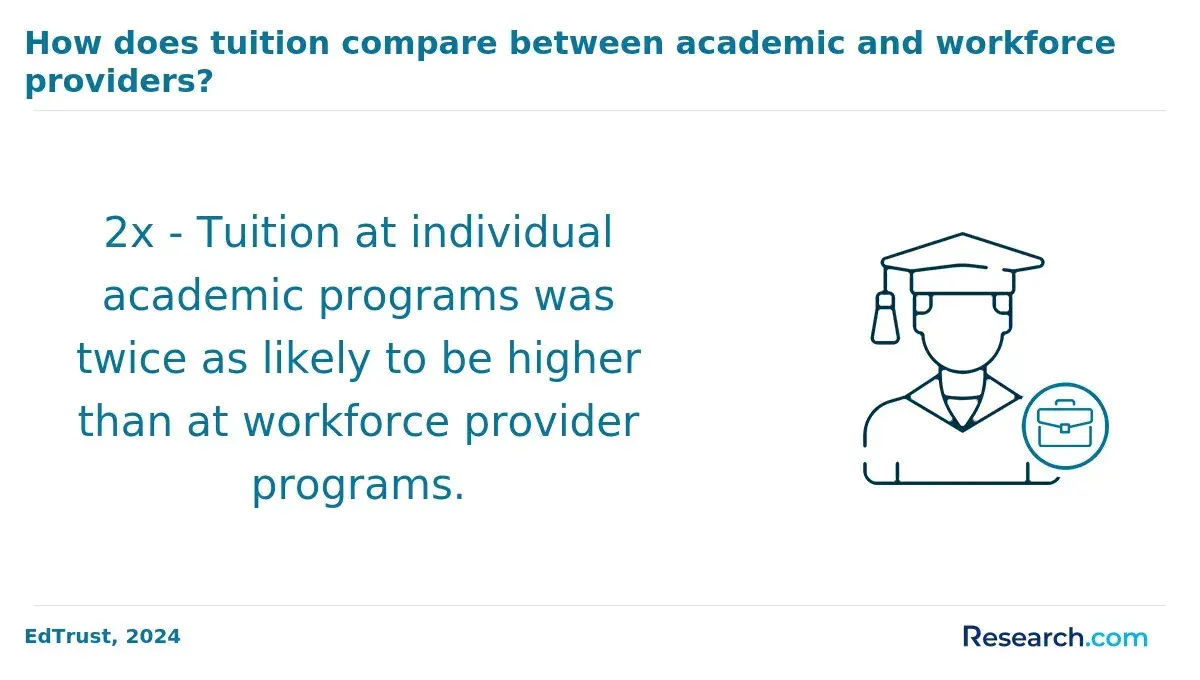
The College Board's 2024-25 public two-year average of $4,050 covers one year of published in-district tuition and fees, not a completed degree. Your actual cost depends on residency, required credits, aid, books, equipment, transportation, and potential lost earnings. Request a program-specific estimate of tuition, mandatory fees, and required extras through graduation. Then compare your expected net cost after grants and scholarships, not just the advertised per-credit rate.
If you need remote study, a list of cheapest online colleges can help you identify schools to investigate, but verify the price and delivery format of the exact associate program. Ask about FAFSA eligibility, payment plans, employer assistance, and whether previously earned credits satisfy degree requirements.
What Accreditation Should Affordable Associate Degree Programs Have?
Start with institutional accreditation from an accreditor recognized by the U.S. Department of Education. It matters for federal aid eligibility and can affect transfer, although accreditation alone never guarantees that another college will accept a course.
Then check requirements tied to your goal. Nursing applicants should verify state board approval and appropriate nursing program accreditation where relevant. Health information students should determine whether programmatic accreditation is needed for the credential they intend to pursue. For a transfer-focused AA or AS, obtain a written degree plan or articulation agreement showing how courses apply to the intended bachelor's major.
Can You Earn These Associate Degrees Online or Part Time?
Business, psychology, criminal justice, health information, and some IT associate degrees may be available online. Nursing and other clinical programs generally require in-person experiences even when lectures are online. "Online" also does not mean self-paced: courses may include live meetings, fixed deadlines, or scheduled exams.
Part-time study can make weekly demands more manageable, but it may extend the time you pay for transportation, technology, or other recurring expenses. Before enrolling, ask for a sample term schedule and confirm when required courses run. A flexible format is only affordable if you can realistically complete it without repeatedly delaying required classes.
What Courses Do Students Take in Low-Stress Associate Degree Programs?
Most programs combine general education - such as writing, math, and communication - with major courses. Business students may take accounting and spreadsheets; health information students may study medical terminology, coding, and privacy; IT students may take networking and troubleshooting. Psychology and criminal justice transfer tracks often emphasize introductory theory and research-related coursework. Clinical nursing programs add science prerequisites, labs, and supervised practice.
If you are looking for easy online college courses, check whether a course actually satisfies your degree or transfer plan before registering. An appealing elective that does not count toward graduation increases total cost.
What Are the Admission Requirements for Affordable Associate Degrees?
Colleges commonly ask for a high school diploma or equivalent, an application, and transcripts. Placement measures or prerequisite courses may determine which classes you can begin. Admission to a college is not the same as admission to a selective nursing or allied-health program, which may have separate academic and clinical-readiness requirements.
Ask admissions staff to evaluate previous college work before you commit. Confirm which credits apply to general education and the major, whether older coursework is accepted, and how many credits must be completed at the new institution. A transfer-credit award saves money only when it reduces courses you otherwise would have taken.
Which Careers Require Licensure or Professional Certification After Graduation?
An associate degree and permission to practice are separate milestones. Registered nurses generally must graduate from an approved nursing program and pass the required licensing examination; state rules also apply. Some medical coding or IT jobs do not require a government license, but employers may request a professional certification, experience, or both. Check the issuing organization's eligibility rules and exam costs before assuming a program prepares you for a particular credential.
Independent professional counseling usually requires education beyond an associate degree, supervised experience, and state licensure. Students considering that path should plan for bachelor's and graduate study; comparisons of online masters programs are not a substitute for checking counseling-specific accreditation and state eligibility.
How Can You Choose a Reputable Associate Degree Program?
Begin with the work you would actually want to do, then compare accredited programs that lead toward it. Request an itemized cost through completion, a term-by-term course schedule, the program's transfer or credential-eligibility details, and information about required in-person activities. Speak with an advisor about what happens if a course is full or you need to study part time.
Watch for claims that a degree guarantees a quiet job, a particular salary, automatic transfer, or professional licensure. Also check employment restrictions early: some occupations require background screening. If that affects your plans, guidance on best degrees for felons can provide context, but the relevant employer and licensing board determine actual eligibility. The most affordable choice is the program you can complete at a manageable total cost and use toward your intended work.
Other Things You Should Know About
There is no universally cheapest major. Business and health information are useful starting points, but compare local colleges' total required credits, fees, supplies, aid, and scheduling before deciding.
It may involve less patient contact than clinical work, but productivity targets, complex rules, and accuracy requirements can create pressure. Ask employers about training, workload, and credential expectations.
Online delivery changes where you study, not a job's demands or hiring requirements. Verify accreditation, required hands-on components, and the qualifications listed in local job postings.
Choose based on the program's documented outcome. An AA or AS may fit a planned bachelor's transfer; an AAS may fit direct workforce preparation. Confirm transfer and career requirements before enrolling.
References
- Levels and Eligibility Requirements | North Carolina Social Work Certification and Licensure Board https://www.ncswboard.gov/levels-and-eligibility-requirements/
- Stress and Work | Stress | CDC https://www.cdc.gov/niosh/stress/about/index.html
- Education level and projected openings, 2024-34 | bls.gov https://www.bls.gov/careeroutlook/2025/article/education-level-and-openings-2024-34.htm
- Cost of Attendance (Budget) | 2025-2026 Federal Student Aid Handbook https://fsapartners.ed.gov/knowledge-center/fsa-handbook/2025-2026/vol3/ch2-cost-attendance-budget
- Completion Rates and Time to Degree Completion | Academic Affairs https://academicaffairs.uams.edu/irpa/office-of-institutional-studies/student-outcomes/completion-rates/
- What does college actually cost? | About the University of Cincinnati https://www.uc.edu/blog/hidden-costs-of-college.html
- Complying with Professional Licensure Requirements | wiche.edu https://wcetsan.wiche.edu/resources/complying-professional-licensure-requirements-beginners-checklist
- Best Affordable Online Associate Degrees Of 2025 | affordablecollegesonline.org https://www.affordablecollegesonline.org/degrees/associates-programs/