2027 Most Affordable Associate Degrees for Career Changers

Co-Founder and Chief Data Scientist
Changing careers can mean paying for a new credential while still covering everyday expenses. An associate degree may offer a lower-cost route, but the cheapest tuition is not always the cheapest path to a job.
The U.S. Bureau of Labor Statistics projects registered nurse employment to grow 5% from 2024 to 2034, illustrating the appeal of a career-focused option - and the importance of checking its licensing requirements. This guide compares six degree fields by total cost, career fit, and barriers to completion so you can identify a practical next step.
Key Things You Should Know
- Start with local public colleges: College Board reported average 2024-25 in-district tuition and fees of $4,050 for public two-year colleges, before aid and other expenses.
- Business, IT, and transfer-oriented degrees may have fewer required in-person expenses; nursing and some healthcare programs can cost more overall because of clinical, equipment, and testing requirements.
- Compare the credential with the actual job requirement: an associate degree can support entry into some occupations, but nursing licensure and many counseling roles require additional steps or education.
Top 10 Most Affordable Associate Degrees for Career Changers
Business Programs
Business administration and accounting associate degrees can suit career changers seeking office, bookkeeping, or operations roles. An Associate of Arts (AA) or Associate of Science (AS) often supports transfer; an Associate of Applied Science (AAS) may emphasize immediate workplace skills.
These programs can be economical when offered at an in-district public college and completed without costly electives. Compare software training, internships, and which courses apply to a future bachelor's degree. An associate degree alone does not usually qualify someone for a management position.
Healthcare Programs
Health information technology, medical laboratory technology, and dental hygiene lead toward different jobs and costs. Some require selective admission, laboratories, supervised placements, equipment, or certification exams; dental hygiene also involves state licensure.
A lower-tuition general healthcare degree is not interchangeable with an occupation-specific credential. Before comparing prices, identify the job you want and ask for its complete program-cost sheet, placement requirements, and eligibility for any required exam or license.
Information Technology Programs
IT support, networking, and cybersecurity associate programs may appeal to career changers who can build skills while working. Compare included certification preparation, lab access, equipment requirements, and employer-facing projects - not just tuition. An AAS may prioritize technical courses, while an AS may preserve more transfer options.
Entry-level support work can be a realistic first target; a cybersecurity title may require experience beyond the degree. Ask whether required labs can be completed remotely before choosing an online program.
Nursing / Pre-Nursing Programs
An approved associate degree in nursing can provide an educational route toward registered nurse licensure, but graduates must also meet state requirements and pass the NCLEX-RN. Pre-nursing is different: it generally covers prerequisites and does not itself qualify graduates for RN licensure.
Nursing admission may be competitive even at an open-admission college. Budget for prerequisites, clinical travel, health screenings, supplies, and exam-related costs; verify that the program's clinical schedule works with your job before enrolling.
Criminal Justice Programs
A criminal justice associate degree can introduce courts, corrections, and public-safety systems, but it is not a substitute for agency hiring, background checks, academy training, or state certification where required. Some positions need a bachelor's degree or substantial experience. For the lowest practical cost, compare a transfer-focused AA or AS with a career-focused AAS against the requirements of your target employer. Ask whether an agency offers paid training before paying for a degree it does not require.
Psychology / Counseling Programs
Psychology associate degrees are generally transfer pathways, not credentials for independent counseling practice. They may make sense if you intend to pursue a bachelor's and, for licensed counseling roles, later graduate education and supervised experience.
Some entry-level human-services jobs have different requirements. To keep a longer pathway affordable, choose an AA or AS with a written transfer plan and confirm that its courses satisfy your intended bachelor's major - not merely that the receiving college accepts them as electives.
What Are the Most Affordable Associate Degrees for Career Changers?
The most affordable associate degree is the one you can complete for the lowest net cost that still meets your career goal. In-district public college programs in business, IT, criminal justice, and transfer-oriented psychology may have fewer required clinical or equipment expenses than occupation-specific healthcare programs. That is a starting point for comparison, not a ranking of every school: residency, aid, accepted credits, and program requirements can reverse the order.
This comparison separates likely cost pressures from career purpose. Use it to narrow your choices before requesting itemized estimates from colleges.
| Degree field | Cost factor to check | Best fit when |
| Business | Tuition, software, and transfer-credit applicability | You want broad office skills or a bachelor's pathway |
| IT | Equipment, lab access, and certification exams | You want technical entry-level work and can build a portfolio |
| Healthcare and nursing | Prerequisites, clinical expenses, supplies, and exam fees | You need an occupation-specific, potentially licensure-eligible program |
| Criminal justice or psychology | Whether further training or degrees are necessary | The associate degree fits a verified job requirement or transfer plan |
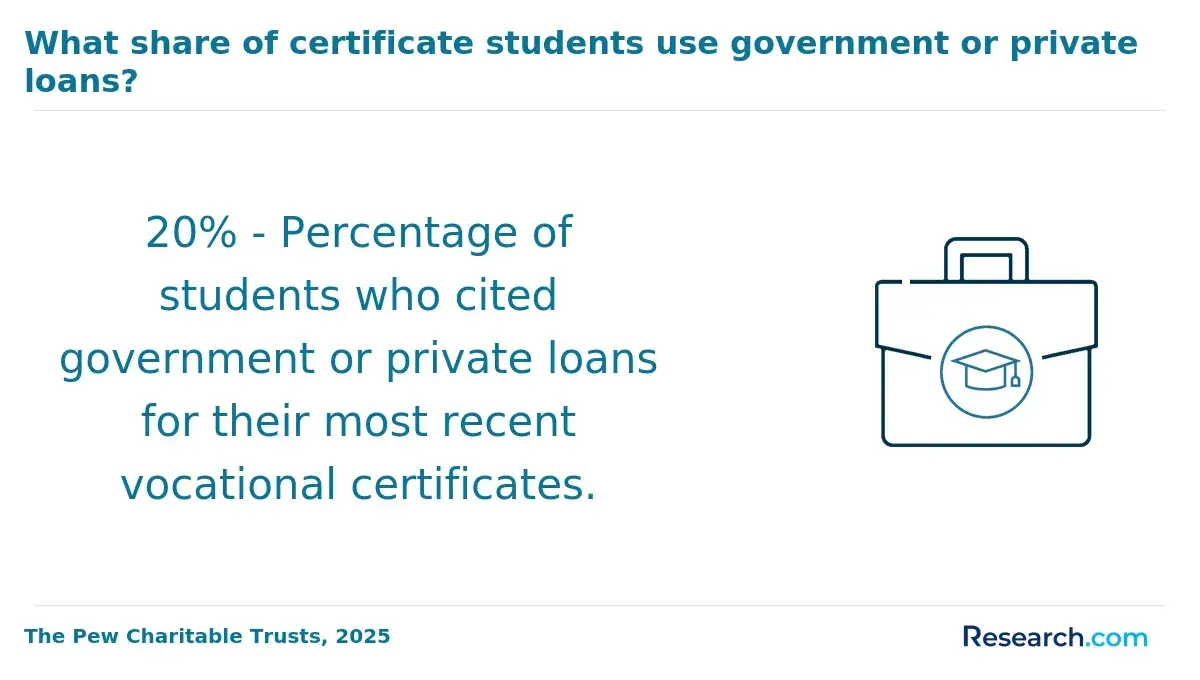
If your target job does not require a degree, compare its total cost with online certificate programs that pay well. A shorter credential is only a bargain if employers accept it for the work you want.
Which Associate Degrees Offer the Best Career Prospects and Salaries?
Career prospects depend on the occupation, not the degree label. For example, the Bureau of Labor Statistics reports a 2024 median annual wage of $93,600 for registered nurses. That is the median for employed RNs - not a predicted salary for associate degree graduates - and an eligible nursing degree must be followed by licensure.
IT support can be a more direct entry point for someone with demonstrable technical skills, although employers may value certifications or experience. Business programs can support administrative or accounting-related work, while advancement into management commonly takes experience.
Healthcare programs tied to specific regulated occupations offer clearer credential pathways but may cost more and restrict scheduling. Psychology is often strongest as preparation for further study. Compare local job postings with each program's required courses before treating any occupational wage or growth figure as your likely outcome.
Are Online Associate Degrees as Affordable and Reputable as Campus Programs?
Online study can save commuting costs, but it is not automatically cheaper or easier to finish. Compare the same school's online and campus tuition, mandatory technology fees, textbook arrangements, and your eligibility for in-district rates. Ask whether classes are asynchronous, require live attendance, or include proctored exams. Healthcare and nursing programs may offer online coursework while still requiring in-person labs or clinical placements.
Delivery format alone does not establish reputation: verify institutional accreditation and, where relevant, program approval and eligibility for your state's license. If you expect to continue beyond the associate degree, compare transfer requirements for accelerated online bachelor degree programs accredited before choosing courses. Confirm that accepted credits will apply to the intended major rather than only count as electives.
How Long Do Affordable Associate Degree Programs Take to Complete?
Many associate degrees require about 60 semester credits and can take roughly two years of full-time study. Part-time enrollment, unavailable courses, prerequisite sequences, and clinical schedules can extend that timeline. Previous college credit can reduce it only when the school accepts the credit and applies it to remaining degree requirements; ask for an evaluation before committing.
Short course terms do not make an entire degree short. If speed matters, compare required credits and course availability alongside 1-year degree programs. Check how much prior credit an advertised timeline assumes and whether the faster schedule would force you to cut paid work hours.
What Do Affordable Associate Degree Programs Cost, Including Fees and Financial Aid?
College Board reported average 2024-25 in-district tuition and fees of $4,050 for a year at a public two-year college. This is a national published-price benchmark, not a quote for a complete degree: out-of-district rates, books, transportation, lost work time, and program-specific charges can substantially change your bill. Sticker price is the published charge; net price is what remains after grants and scholarships; total program cost covers the full path to completion, including required extras.
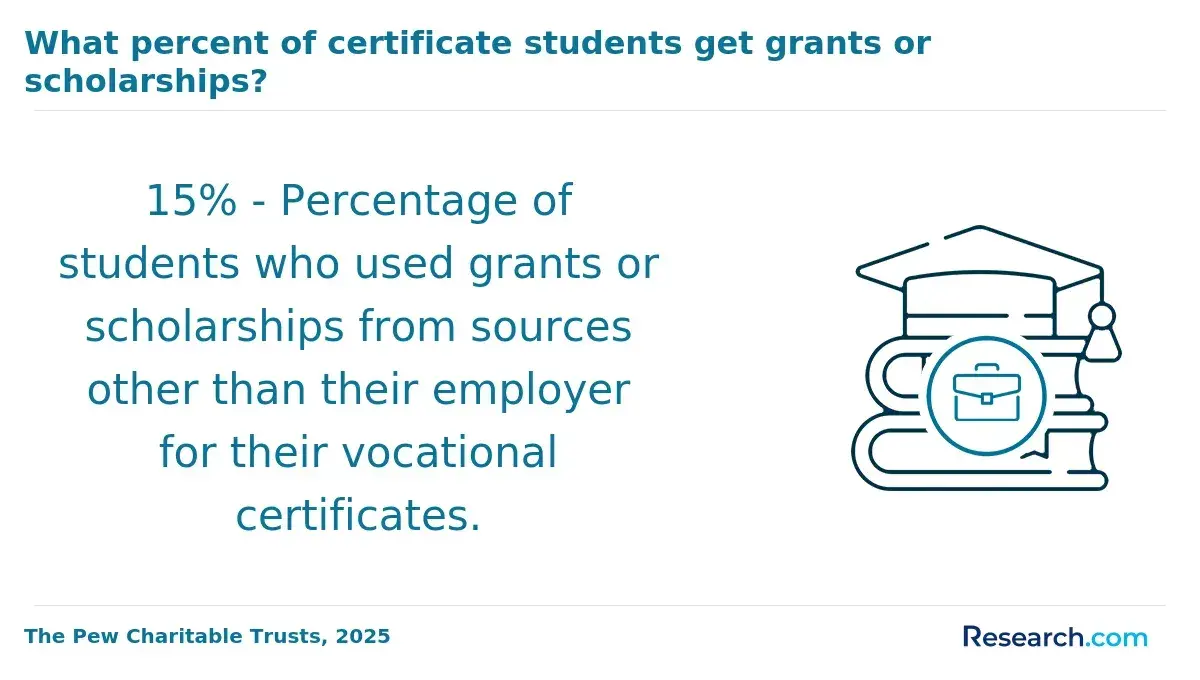
Request a term-by-term estimate for the credits you still need, with mandatory fees, labs, equipment, clinical travel, and any exam costs identified. Complete the FAFSA to learn whether you qualify for federal aid, and ask about state grants, employer tuition assistance, payment plans, and scholarships. Aid eligibility depends on the student and program; do not subtract an assumed grant from your comparison. A cheap per-credit price is misleading if the school requires more remaining credits or an expensive commute.
What Are the Admission Requirements for Associate Degree Programs?
Colleges commonly ask associate degree applicants for a high school diploma or equivalent and may use transcripts or placement information to determine starting courses. Requirements vary: admission to a college does not necessarily mean admission to a nursing or allied-health major. Selective programs may require prerequisite courses, minimum grades, entrance testing, health documentation, or background checks.
If you have prior college work, submit transcripts early and request a written evaluation showing which credits satisfy general education, major, and prerequisite requirements. Ask separately when you may enter the major and when its required courses are next offered. Those answers affect both your completion date and your total cost.
Which Accreditations Should Career Changers Verify Before Enrolling?
Verify that the college holds recognized institutional accreditation; this matters for academic quality review, federal aid eligibility, and potential transfer, although it does not guarantee that every credit will transfer. For a regulated occupation, also check the specific program's required approval or programmatic accreditation and your state board's eligibility rules. Nursing applicants, for example, should confirm that the program meets the state's requirements for RN licensure examination eligibility.
Ask the destination bachelor's program to confirm how credits will apply if transfer is part of your plan. A warning sign is a school that emphasizes broad accreditation claims but will not clearly document program approval, licensing eligibility, or transfer agreements relevant to your goal.
What Careers, Licenses, and Certifications Can Associate Degrees Lead To?
Match the educational path to the credential an employer or regulator actually requires. Business and IT degrees can support applications for entry-level roles, with experience or industry certifications sometimes strengthening a candidate's case.
An approved nursing associate degree can lead toward the RN licensing process, not directly to a license. Other allied-health occupations may require their own examinations or state credentials. Criminal justice hiring may involve agency training and screening, while independent counseling generally requires education beyond an associate degree.
Before paying for a program, review current local job requirements and the applicable state board's rules. This protects you from a common mistake: choosing an appealing major name that does not qualify you for the role you had in mind.
How Can Career Changers Choose a Reputable Affordable Associate Program?
Build a short list around the job you want, then compare colleges using the same assumptions about residency, enrollment, aid, and accepted credit. If a bachelor's degree is the eventual goal, examine articulation agreements and compare that route with accelerated degree programs only after confirming how your associate credits would apply.
Before enrolling, get written answers to the questions that most affect affordability and completion:
- Which previous credits count toward this specific degree, and which courses remain?
- What is the estimated total cost, including mandatory fees, equipment, and required in-person work?
- Does the schedule accommodate your job, and when are required courses and placements available?
- Will the program meet your target employer's, transfer school's, or state licensing board's requirements?
If a school cannot answer these questions clearly, keep comparing. The lowest published tuition is not a saving if it leads to extra semesters or a credential that misses your career goal.
Other Things You Should Know About
It can be if the degree meets a verified hiring requirement, prepares you for an eligible licensing pathway, or transfers efficiently into a bachelor's program. Compare its full cost and time commitment with certificates and employer-provided training.
Yes, for some goals. Confirm that the program's accreditation, coursework, and any required in-person labs or placements fit the job and your schedule.
They may. Savings depend on whether the new college accepts them and applies them to requirements you would otherwise have to complete.
No. Pre-nursing usually covers preparation for admission to a nursing program. It does not by itself establish eligibility for RN licensure.
References
- Cost of Attendance (Budget) | 2025-2026 Federal Student Aid Handbook https://fsapartners.ed.gov/knowledge-center/fsa-handbook/2025-2026/vol3/ch2-cost-attendance-budget
- Fast Facts: Undergraduate graduation rates (40) | ed.gov https://nces.ed.gov/fastfacts/display.asp
- Tuition and Fees - Maricopa Community Colleges https://www.maricopa.edu/students/tuition-payment-information/tuition-fees
- How to Go from an Associate's Degree to a Bachelor's Degree | George Fox University https://www.georgefox.edu/adult-degree/articles/associate-to-bachelor-degree.html
- Why Is Accreditation Important? | ACE Blog https://ace.edu/blog/why-is-accreditation-important/
- Finish Strong: Earn Your Associate Degree Before You Transfer | STLCC https://stlcc.edu/insider/college-pathways/associate-degree-transfer.aspx
- College Price - AACC https://www.aacc.nche.edu/category/news/datapoints/college-price/
- In-State vs. Out-of-State Tuition: Costs, Rules, Savings - BestColleges https://www.bestcolleges.com/resources/in-state-vs-out-of-state-tuition/
- 29 High-Paying Associate Degree Jobs | Paying for College https://www.usnews.com/education/best-colleges/paying-for-college/slideshows/10-community-college-degree-jobs-that-pay-50k