2027 MLIS Programs for Public Library Government Documents Services

Co-Founder and Chief Data Scientist
Preparing for government documents work takes more than finding an MLIS with "public libraries" in its description. You need a program that develops reference skills, knowledge of government information, and opportunities to serve real patrons. The U.S. Bureau of Labor Statistics projects 2.6% employment growth for librarians and media collections specialists from 2025 to 2035, making program fit and cost worth examining carefully.
This guide helps prospective students and career changers identify useful coursework, compare study formats, and decide whether an MLIS is the right investment for the work they want.
Key Things You Should Know
- Look for an ALA-accredited master's program with relevant electives and applied public-service experience; a government documents concentration is not required.
- Federal Depository Library Program work combines free public access to federal information with reference, digital discovery, and accessibility skills.
- The May 2025 median annual pay for librarians and media collections specialists was $68,270 across the occupation, not a starting salary or a government documents salary.
What are MLIS programs for public library government documents services?
These are library and information science master's programs that students can use to prepare for helping the public find, understand, and use government information. The work may include answering questions about legislation, agency publications, census information, local ordinances, and public services. Some public libraries also participate in the Federal Depository Library Program (FDLP), which provides public access to federal government information.
"Government documents" describes a service area, not necessarily the name of a degree track. An MLIS or another institution-specific LIS master's degree may provide the foundation through reference, collection management, information organization, and public library coursework. Relevant electives or a field placement can add focus. Federal depository responsibilities are distinct from serving patrons who need state or local information, so students should ask which kinds of sources and services a program actually covers.
Do government documents librarians need an ALA-accredited MLIS degree?
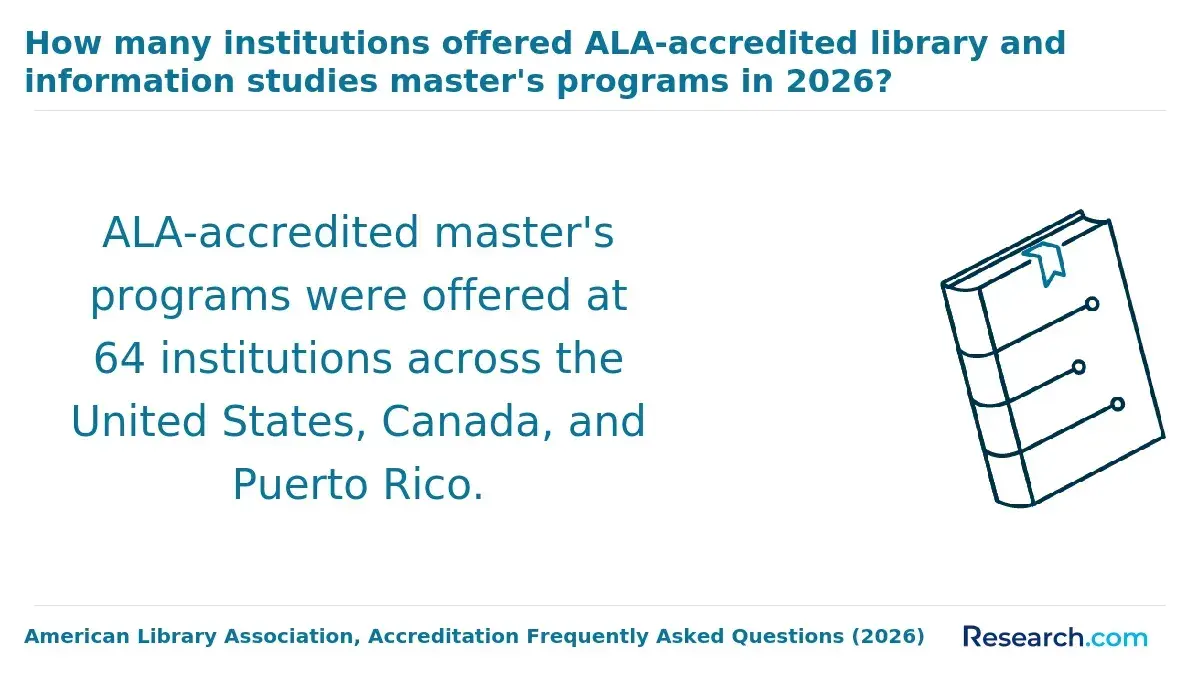
There is no universal credential requirement for every government information job. Employers set qualifications by position, but an ALA-accredited library and information science master's degree is an important qualification to check when pursuing professional librarian roles. Review the current ALA directory for the specific master's program: accreditation of the university itself does not establish ALA accreditation of its LIS degree.
Degree names vary. An MLIS, MLS, Master of Science in Library Science, or Master of Information can be relevant if its curriculum and accreditation meet an employer's requirements. For a broader explanation of credentials, see different librarian degrees explained. An ALA listing verifies program accreditation, not the availability of a government information elective or placement.
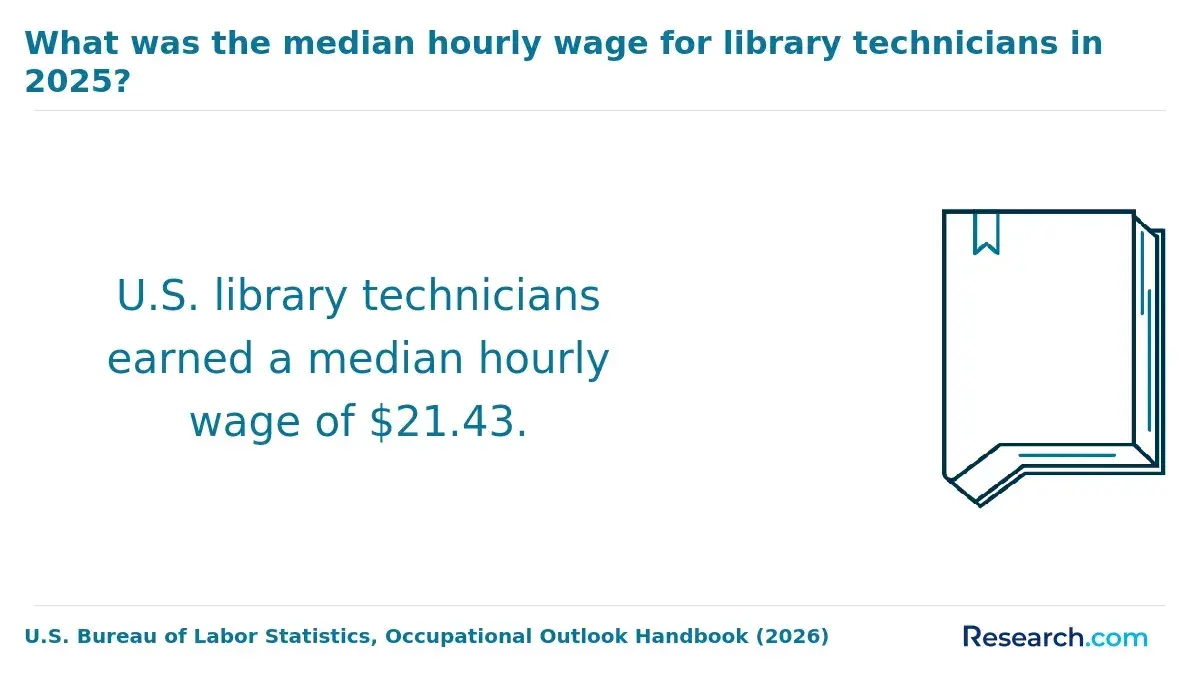
If your goal is an assistant or technician position rather than a professional librarian role, first check local job postings. Experience in public service or government information may be a more proportionate next step than enrolling immediately in a master's program.
Which MLIS degree pathways prepare students for government documents services?
The strongest pathway depends on the work you want to perform. A public library or reference emphasis suits patron-facing service. Information organization and digital collections courses are useful for making publications discoverable. Records management may help with adjacent government information careers, but managing an agency's records is not the same job as providing public access to published government information.
When comparing programs, separate a formally named concentration from a relevant elective or an independent project. A catalog listing alone does not show that a course will run during your enrollment. Ask an adviser whether you can combine reference and government information coursework with a public library placement, and whether an applied project can address a real access problem.
Are online or campus-based MLIS programs better for government documents careers?
Neither format is inherently better. Online study may let you remain employed and arrange a placement near home; campus study may make it easier to use nearby collections and established local partnerships. In either format, the decisive question is whether you can obtain relevant supervision and practice serving the public.
Check whether online classes are asynchronous or require live attendance, whether specialized electives fit your schedule, and whether a practicum can be completed at a local public library. Online delivery does not mean a government documents placement can be done remotely: patron service and collection work may require on-site hours.
If speed matters, investigate whether you can complete an MLIS in one year without losing access to the electives or field experience you need. A shorter calendar is valuable only if the resulting preparation fits your target jobs and your workload is manageable.
What courses do MLIS programs offer in government information services?
Course titles differ, and not every program has a dedicated government information course. The following curriculum areas show what to look for and how each supports public library service; confirm actual offerings in the current catalog and schedule.
| Curriculum area | Relevance to government documents work |
| Reference and information services | Interview patrons, evaluate sources, and explain findings without giving legal or benefits advice. |
| Government information or public policy information | Navigate agencies, publications, and differences among federal, state, and local sources. |
| Organization of information and metadata | Describe and improve discovery of print and digital publications. |
| Digital collections and accessibility | Support access to online publications, usable documents, and changing web resources. |
| Public library services and outreach | Design instruction and partnerships around community information needs. |
A useful applied project could be an accessible research guide to local government information or a review of how patrons discover government publications in a library catalog. These demonstrate skills more directly than an elective title alone.
What are the admission requirements for government documents MLIS programs?
Government documents preparation usually follows the admissions rules of the LIS master's program, rather than a separate specialization application. Expect to check each institution's published requirements for a bachelor's degree, transcripts, application materials, and any program-specific prerequisites. Do not assume that prior library work replaces a formal degree requirement or that every school uses the same testing policy.
Applicants can use a statement of purpose to connect relevant experience - such as public-facing service, community information work, or research with government sources - to their intended coursework. If your academic record does not neatly match a published requirement, seek an individual answer from admissions; library information degree entry requirements can help frame that conversation. Ask what must be satisfied before admission and what, if anything, can be completed later.
How long do MLIS programs cost for government documents library careers?
Program length depends on required credits, enrollment pace, and when needed electives and placements are available. There is no separate standard tuition for a "government documents MLIS." To compare programs fairly, multiply each school's published per-credit tuition by its required credits for your residency and delivery status, then add mandatory fees and likely books, technology, travel, and placement costs. Confirm whether tuition changes during enrollment.
That calculation estimates the gross cost, not what you will personally pay or borrow. Scholarships and employer assistance may reduce out-of-pocket cost if you qualify; loans shift payment into the future rather than reducing the price. Check current aid eligibility and terms with the school's financial aid office before relying on borrowing. If comparing a short affordable library science masters with a longer option, ask whether both allow you to take the government information courses and complete the experience you need.
For a realistic return-on-investment decision, compare the full cost with your current earnings and the qualifications in actual vacancies you would pursue. Avoid using a broad occupational median as a forecast of your post-graduation pay.
What jobs can you get with an MLIS in government documents services?
Titles vary by employer, and government information duties may be part of a broader reference job rather than a standalone position. This table distinguishes likely work settings and responsibilities so you can search beyond the exact phrase "government documents librarian."
| Possible role | Typical setting | Relevant work |
| Government documents or government information librarian | Public or academic library | Reference, collection access, instruction, and depository services where applicable. |
| Adult services or reference librarian | Public library | Government information questions alongside other community research needs. |
| Digital collections or metadata librarian | Public, academic, or government library | Discovery, description, and access for digital publications. |
| Library assistant or technician | Public library | Collection and patron-service support under locally defined qualifications. |
For professional roles, an MLIS may be required or preferred according to the posting; support roles may offer an entry point without one. A portfolio showing a government information research guide, an accessibility improvement, or documented reference work can help make your preparation concrete. School librarianship is a different career path with state-specific certification rules, not a default outcome of this specialization.
How much do government documents librarians earn?
The U.S. Bureau of Labor Statistics reports a $68,270 median annual salary in May 2025 for librarians and media collections specialists. This is a broad occupational median, not a figure specific to government documents librarians, public libraries, new graduates, or any MLIS program.
For a more useful personal estimate, compare current vacancies that match your desired location, employer type, and experience level. Also check whether a posting combines government documents duties with general reference, supervision, or digital services, since those responsibilities may affect its pay range.
What certifications and professional standards apply to government documents librarians?
ALA accreditation applies to qualifying master's programs; it is not an individual government documents librarian license. There is no single certification that every public library government information worker must hold. If you hope to work at an FDLP library, learn its service responsibilities and the relevant guidance of the U.S. Government Publishing Office, then ask prospective employers what training they provide.
Professional practice also calls for accurate source identification, free and usable public access where depository rules apply, accessibility, and protection of patron privacy. Verify an employer's policies before assuming its procedures match another library's. If you are also considering school librarianship, investigate the separate state credential: the Illinois school librarian pathway illustrates why a school role requires its own eligibility check rather than an assumption based on an MLIS.
Other Things You Should Know About Library Science
FDLP libraries provide free public access to depository information. A library card may still be required for separate services such as borrowing, so check the library's local policies.
A librarian can help locate official instructions and explain how to find information, within library policy. They should not present themselves as a benefits adviser or make eligibility decisions for the patron.
Look for an official archived publication or an agency-provided replacement, and record the version and date used. Do not assume an older page states current law or policy.
Identify each source's agency, jurisdiction, publication date, and purpose. When the conflict affects a consequential decision, direct the patron to the responsible agency for authoritative clarification rather than guessing.
References
- Beyond FDLP.gov: Gov't Info Librarianship / Lists https://libguides.fdlp.gov/beyond-fdlpgov/govt-info-librarianship-lists
- Guidance on Web Accessibility and the ADA https://www.ada.gov/resources/web-guidance/
- LIBRARIAN PROFESSIONAL | NC Office of Human Resources https://oshr.nc.gov/migrated-files/guide/compwebsite/profiles/librarian-professional-profile/download
- 3630-Librarian I | City and County of San Francisco - SF Careers https://careers.sf.gov/role
- Federal Depository Library Program - the New York State Library https://nysl.nysed.gov/feddep
- Federal Depository Library Program | gpo.gov https://www.gpo.gov/how-to-work-with-us/agency/services-for-agencies/federal-depository-library-program
- Disability Discrimination: Technology Accessibility | ed.gov http://www.ed.gov/laws-and-policy/civil-rights-laws/disability-discrimination/disability-discrimination-key-issues/disability-discrimination-technology-accessibility
- Library Jobs FAQ - State Library of North Carolina https://library.nc.gov/nc-libraries/current-library-jobs/library-jobs-faq
- U.S. Federal Government Information: A Basic Guide | msu.edu https://libguides.lib.msu.edu/c.php
- Government Information - Catalogs and Collections https://library.usfca.edu/governmentinfo_portals