2027 MLIS Programs for Library Publishing Platform Support

Co-Founder and Chief Data Scientist
A library publishing job may involve supporting a journal platform, preparing accessible digital books, and helping authors understand open-access options. Choosing an MLIS program for that work takes more than finding a course labeled "digital libraries."
The U.S. Bureau of Labor Statistics reports a May 2025 median annual salary of $68,270 for librarians and media collections specialists, but that broad figure does not predict pay in publishing support. This guide helps prospective students compare curricula, hands-on experience, accreditation, costs, and career paths before committing to a degree.
Key Things You Should Know
- Look for a combination of scholarly communication, metadata, accessibility, copyright, and hands-on platform work; a relevant elective alone is not a formal specialization.
- Check the specific master's program in the current ALA accreditation directory, then verify when relevant electives run and whether applied projects are available.
- Compare the degree with the job you want: the BLS projects 2.6% growth for the broad librarians and media collections specialists occupation from 2025 to 2035, not for library publishing jobs specifically.
What is an MLIS program for library publishing platform support?
It is an MLIS program whose courses and applied opportunities can prepare students to help libraries publish and maintain scholarly content. The work may include configuring a journal or book platform, guiding editors through submissions, checking metadata, making content accessible, assigning or managing persistent identifiers, troubleshooting access, and coordinating with campus technology staff. It also requires explaining workflows clearly to faculty, students, and editors.
"Library publishing platform support" describes a career focus, not a standard MLIS credential. A school might document a formal concentration, offer relevant electives without a concentration, or provide only broadly related LIS training. Ask what a student can actually take and build, rather than relying on a specialization label.
Which MLIS degrees prepare students for library publishing careers?
An MLIS or MLS can be a strong route when the intended job is a professional librarian position that also supports publishing. An institution may instead award a Master of Science in Library Science or a Master of Information; the degree title alone does not establish its curriculum or ALA accreditation. Readers comparing information science degree pathways should start with target job descriptions, then evaluate each program against the same requirements.
For publishing support, prioritize a documented combination of scholarly communication, metadata or information organization, copyright, digital accessibility, and an applied project. A technology-oriented information degree may fit a platform administration role, while an MLIS with relevant electives may fit a librarian role that combines publishing with consultations or repository services. If the goal is primarily software engineering, a computing degree or substantial development experience may be more direct; an MLIS is not required for every platform job.
Are ALA-accredited MLIS programs required for library publishing jobs?
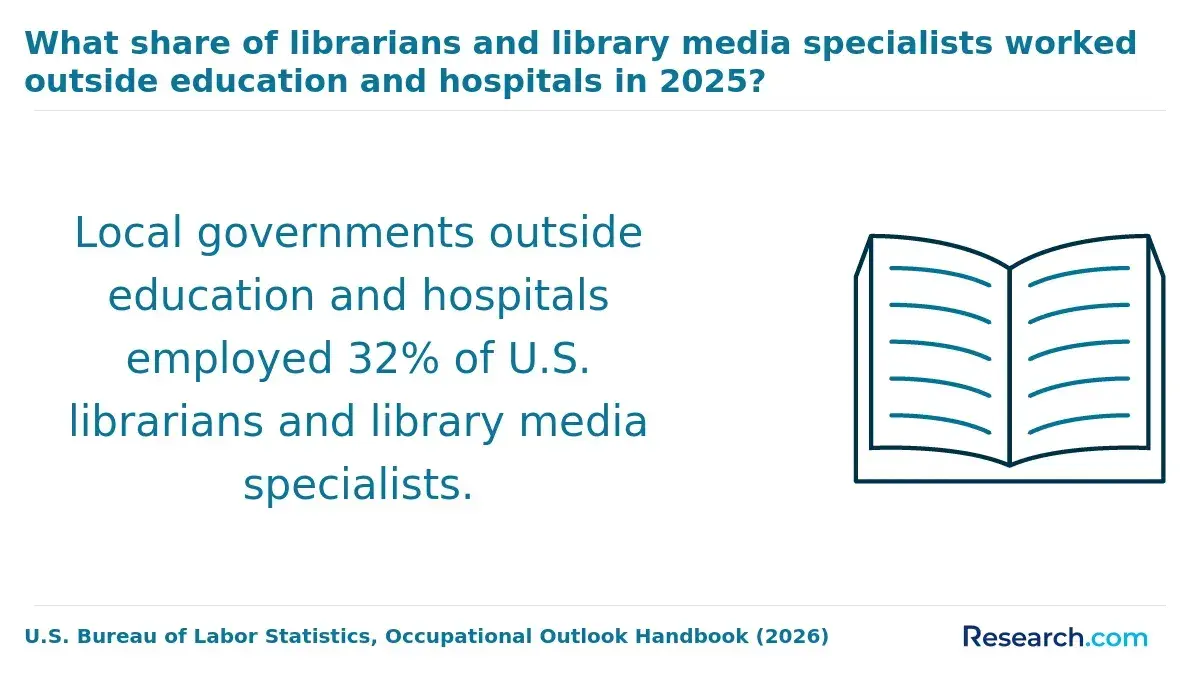
Not universally. Some professional librarian postings require or prefer a master's degree from an ALA-accredited program; other publishing, repository, and technology positions accept different degrees and relevant experience. Read the qualifications for the roles you want rather than treating one employer's requirement as a rule for the field.
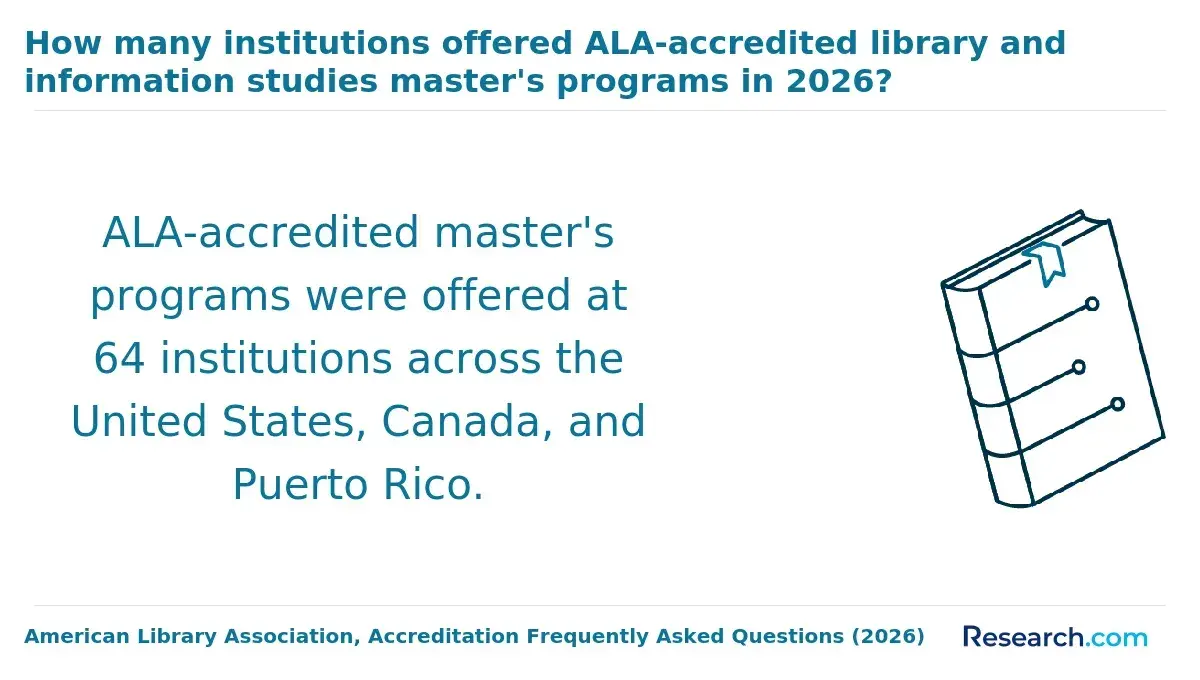
Check the specific graduate program in the current ALA directory before applying. Institutional accreditation is different, and ALA accreditation does not verify that a publishing elective, concentration, internship, or online option is offered. School librarian licensure is a separate state-specific issue: applicants considering that additional career path should check the state education authority. For example, Illinois library science degree requirements merit a separate review if Illinois school-library work is part of the plan.
What coursework covers library publishing platforms and scholarly communication?
The most useful curriculum connects publishing policy with the technical work of releasing and maintaining content. This table shows what to look for in course descriptions and why each area matters; it does not imply that every program offers each subject as a separate class.
| Curricular area | Relevance to publishing support | Evidence to look for |
| Scholarly communication and open access | Explains publishing models, author services, and library publishing decisions. | Assignments evaluating publication policies or advising authors. |
| Metadata and information organization | Supports discoverable articles, books, and repository records. | Practice with descriptive metadata and identifier workflows. |
| Copyright and licensing | Helps staff discuss permissions and reuse without giving legal advice. | Casework involving author agreements and open licenses. |
| Digital systems and accessibility | Supports platform configuration, usable files, and troubleshooting. | Work with a content platform and accessible publishing outputs. |
A catalog listing confirms that a course exists, not that it runs in the term you need it. Ask for the expected elective rotation and whether a capstone, independent study, or practicum can produce a publishing-focused portfolio piece. A useful project might document an accessible journal issue workflow, including metadata checks and a handoff guide for editors.
Which online and campus MLIS formats support library publishing careers?
Either format can work if it gives students access to relevant courses and practical experience. Online study may suit someone already employed at a library who can apply coursework to a supervised publishing project. Campus study may make it easier to participate in a local library's publishing operation, but proximity does not guarantee a placement.
Compare the actual timetable, not just the delivery label: online courses may have live meetings, group deadlines, or limited elective rotations. Confirm whether a proposed practicum may be completed remotely, who must arrange the site, and what supervision the program requires. A fast track library information science degree is attractive only if its course sequence leaves room for the publishing electives and project you need.
What are the admission requirements for library publishing MLIS programs?
Expect programs to review prior higher education, academic records, and application materials explaining your goals; exact degree, grade, testing, reference, and deadline policies vary by institution. Publishing experience is useful context for an application, but it should not be assumed to replace a stated academic requirement. Applicants with technology, editing, or repository experience can explain the workflows they handled and the LIS skills they still want to develop.
Before applying, ask whether the intended publishing courses accept new students, whether prior graduate coursework may transfer, and how an applied project is approved. Request an individual admissions review if your academic record or credentials do not fit the published instructions. Explore library science tuition assistance early, but verify eligibility and availability directly with each institution rather than building a budget around an unconfirmed award.
How long do MLIS programs cost for library publishing specialization?
Time and cost depend on the program's required credits, enrollment pace, tuition category, fees, and when relevant electives are offered. Library publishing preparation may be assembled from ordinary degree electives rather than a separately priced specialization. A delayed elective or an additional practicum term can extend completion even when the published degree requirements stay the same.
To compare offers, multiply the tuition rate that applies to you by required credits, then add mandatory fees and likely expenses for books, equipment, travel, and fieldwork. Keep gross program cost separate from what you expect to pay out of pocket and what you would borrow. Do not assume that online students receive in-state rates or that an assistantship is guaranteed. Readers looking for a cheap online MLIS for working adults should compare complete, program-specific estimates and confirm how course sequencing affects the finish date.
Ask the financial aid office which aid options apply to your enrollment period and status. For return on investment, compare the full cost with your current earnings and the qualifications in actual target postings; neither a degree nor a publishing-focused project guarantees a particular job or pay increase.
What jobs can you get in library publishing platform support?
Job titles do not map neatly to one degree. The following roles show how publishing support overlaps with librarianship, systems work, and editorial operations; individual postings determine whether an MLIS is required, preferred, or one qualification among several.
| Possible role | Typical focus | What to check in postings |
| Scholarly communication or publishing librarian | Consults with authors, supports publishing services, and develops guidance. | Professional librarian degree requirements and consultation experience. |
| Library publishing specialist or coordinator | Manages submissions, production workflows, training, and schedules. | Platform, editorial, and project-management requirements. |
| Repository or digital scholarship specialist | Maintains scholarly content, metadata, access, and user support. | Repository experience and the balance of technical and service duties. |
| Publishing systems administrator | Configures systems, troubleshoots integrations, and coordinates maintenance. | Whether computing experience matters more than an MLIS. |
Academic libraries are a natural setting, but related work can appear in university presses and other scholarly organizations. An entry point might be editorial assistance, repository work, metadata cleanup, or user support. Advancement depends on the position and employer; building evidence that you can document a workflow, resolve a problem, and train others is more persuasive than listing platform names alone.
How much do library publishing and digital scholarship professionals earn?
There is no single BLS salary category for library publishing platform support. The May 2025 median annual salary for the broader librarians and media collections specialists occupation was $68,270. Use that as context for librarian-classified roles, not as a prediction for a publishing coordinator, systems administrator, a particular location, or a new graduate.
Pay comparisons should begin with current postings that match your intended duties and experience level. Check whether a role is classified as a professional librarian position or as technical, editorial, or support staff; those distinctions can change both qualifications and compensation. The same caution applies to occupational growth figures: broad projections do not measure demand for this niche.
What certifications and technical skills strengthen library publishing careers?
No single certification is a universal prerequisite. Employers are more likely to value demonstrated ability to support a real workflow: for example, setting up a journal in Open Journal Systems, maintaining accurate descriptive metadata, checking that digital publications are accessible, and explaining permissions or licensing questions to editors. Repository experience can also help, but a repository and a journal platform serve different purposes.
Build a portfolio that shows both decisions and results. A sample could include a documented test publication, an accessibility review, a metadata quality check, and a short troubleshooting guide. Use material you have permission to share, and remove private author or reviewer information. Platform skills change; the durable skill is learning a system well enough to support users, coordinate fixes, and maintain responsible publishing practices.
Other Things You Should Know About Library Science
They can help editors examine policies, transparency, and publishing practices, but a library's platform support does not automatically endorse every publication's scholarly quality. Ask how the prospective employer separates technical support from editorial decisions.
Ownership and reuse depend on the author agreement and applicable law, not on the platform alone. Review the publication's agreement and license rather than assuming that open access transfers copyright.
Usually, if you have permission to share the work and remove confidential information. Describe your own contribution clearly, especially when the project involved a team or a real publication.
It can include administering a peer-review workflow, such as helping editors use submission tools. Editorial boards and reviewers normally make the scholarly assessments; platform support and editorial judgment are different responsibilities.
References
- Guidance on Web Accessibility and the ADA https://www.ada.gov/resources/web-guidance/
- About Open Journal Systems | Journal on Excellence in College Teaching https://celt.miamioh.edu/index.php/JECT/about/aboutThisPublishingSystem
- Library Publishing Curriculum Introduction Module | wayne.edu https://digitalcommons.wayne.edu/cgi/viewcontent.cgi
- Digital Preservation Policy - UW Libraries https://lib.uw.edu/about/policies-guidelines/digital-preservation-policy/
- Research Visibility & Impact: Persistent Identifiers | uh.edu https://guides.lib.uh.edu/c.php
- Author Rights and Open Licensing - Open Access | Library Guides at UChicago https://guides.lib.uchicago.edu/openaccess/authorrights
- online Master of Library and Information Science | DEN-EDU https://morgridgeonline.du.edu/online-mlis-program/
- Guidelines for Choosing a Master's Program in Library and Information Studies | ALA https://www.ala.org/educationcareers/accreditedprograms/guidelines-choosing-masters-program-library-and-information-studies