
2027 Media Arts Degree Levels Explained: Bachelor's vs Master's vs Doctorate

Co-Founder and Chief Data Scientist
Choosing the right media arts degree can be challenging when considering career goals, experience, and industry demands. For instance, many professionals hesitate whether pursuing a master's or doctorate will significantly improve job prospects in a rapidly evolving field. Recent data shows that employment for media artists with graduate degrees is projected to grow 18% faster than those with only bachelor's degrees over the next decade. This article clarifies the differences between bachelor's, master's, and doctoral media arts degrees. It aims to guide readers in selecting the degree level that best supports their professional advancement and personal aspirations.
Key Things to Know About Media Arts Degree Levels
- Bachelor's degrees offer foundational knowledge and broad skills, while master's and doctorates provide advanced specialization and research expertise in media arts disciplines.
- Graduates with master's or doctoral degrees often pursue leadership, academic, or high-level creative roles, unlike bachelor's holders who typically enter more general industry positions.
- Bachelor's degrees generally require 3-4 years and lower costs, whereas master's and doctorates demand additional 1-6 years with increased financial and time commitments.
How Are Media Arts Degree Levels Structured Academically?
Choosing between bachelor, master, and doctoral media arts degree academic structures requires understanding how each level advances in complexity, curriculum design, and skill development. These distinctions help prospective students assess which program best matches their experience and career goals.
The following contrasts highlight critical differences across degree levels:
- Bachelor's Foundations: Bachelor's programs emphasize broad foundational courses, practical labs, and collaborative projects. There is moderate involvement in research, preparing students for entry-level positions or graduate study in media arts degree academic structure.
- Master's Specialization: Master's studies feature advanced seminars and focused research, encouraging deeper critical analysis. Students develop professional portfolios and complete capstone projects or theses, reflecting a higher academic rigor and application of innovative media arts techniques.
- Doctorate Expertise: Doctoral programs demand original research and theory development, requiring rigorous methodology and extensive independent study. Dissertation writing and often teaching responsibilities define this stage, culminating in scholarly mastery of media arts topics.
Prospective students juggling career advancement with education may also explore accredited online mba programs that offer alternative paths for professional growth alongside media arts qualifications.
What Do You Learn in a Bachelor's Degree in Media Arts?
A bachelor's degree in media arts builds foundational knowledge and practical skills for entry-level careers or advanced study in creative fields. This degree provides students with a well-rounded curriculum blending technical training and general education. The following points outline the core skills learned in media arts bachelor programs and key aspects of the curriculum.
- Core Coursework: Students engage deeply with digital design, video production, animation, and interactive media, developing a broad base of creative and technical expertise essential for various industries.
- General Education: Studies in communication, humanities, and technology complement technical learning, fostering analytical thinking and a contextual understanding of media culture and its societal impacts.
- Hands-On Experience: Labs, projects, and internships emphasize practical learning, enabling students to create portfolios and apply their skills in real-world environments, which enhances problem-solving and collaboration abilities.
- Skill Development: The program hones visual storytelling, multimedia expression, software proficiency, and production techniques, equipping graduates with versatile tools for diverse media roles.
- Career Preparation: Graduates are well-prepared for entry-level roles in advertising, film, gaming, and digital marketing. The degree also serves as a valuable stepping stone for those pursuing graduate studies by fostering critical thinking and technical proficiency.
For those exploring further educational paths, comparing bachelor's, master's, and doctoral media arts degrees helps clarify which level aligns best with their goals. Additionally, prospective students interested in related fields might consider affordable options such as a business degree online to complement artistic skills with management expertise.

What Specializations Are Available in a Media Arts Master's Degree?
Specialization choices are a key consideration when evaluating master's-level media arts programs because they help students tailor their education toward specific industries and skill sets, enhancing career alignment and professional growth.
- Digital Filmmaking: Concentrates on directing, editing, and production techniques. Coursework often covers storytelling, camera work, and post-production, preparing students for careers in filmmaking, television, and video production.
- Interactive Media: Focuses on user experience and interface design, integrating emerging technologies and digital interaction principles. Graduates often pursue roles in web design, app development, and interactive content creation.
- Animation: Emphasizes 2D and 3D modeling, character creation, and motion graphics. Students develop technical and artistic skills for careers in animated films, games, and digital effects.
- Graphic Design: Covers visual communication, branding, and digital marketing strategies. This specialization supports career paths in advertising, brand identity, and multimedia design.
- Visual Effects: Involves post-production techniques, compositing, and digital image manipulation. Graduates typically move into roles in film, television, and commercial media industries focused on special effects.
- Multimedia Storytelling: Combines narrative techniques with various digital media platforms. Students are equipped for work in journalism, content production, and immersive media experiences.
Breakdown of Private Fully Online Nonprofit Schools

Choosing the right doctoral degree in media arts is crucial for aligning academic pursuits with career objectives. Recent data from the National Science Foundation shows that around 1,200 research doctorates in arts and humanities were awarded annually in the U.S., reflecting consistent interest in advanced study. Below are the primary types of doctoral programs available to help clarify your options:
- Professional Doctorates: These degrees, like the Doctor of Fine Arts or Doctor of Arts, center on creative practice and applied skills. Candidates engage in studio work, creative projects, and leadership preparation aimed at advancing their roles in the arts industry.
- Research-Focused Doctorates: Primarily represented by the PhD, these programs emphasize theoretical inquiry, critical analysis, and producing original scholarly research. Graduates usually pursue careers in academia, policy development, or research organizations.
- Specialized/Interdisciplinary Tracks: These doctoral paths blend media arts with other fields such as technology, communication, or cultural studies. Students often explore innovative interdisciplinary themes through collaborative research and applied projects.
When I spoke with a graduate of a media arts doctoral program about his journey, he emphasized the emotional complexity of the process. He described navigating the tension between creative expression and academic rigor as a "constant balancing act," noting that it was challenging to maintain momentum during lengthy phases of research and critique.
He also recalled moments of self-doubt and the immense satisfaction of defining his own unique contribution to the field, highlighting how the experience ultimately fostered resilience and deeper self-awareness.
Knowing the admission requirements for each media arts degree level helps prospective students choose programs that match their qualifications and career aspirations. These criteria differ markedly across bachelor's, master's, and doctoral studies, reflecting the depth of specialization and experience expected.
Bachelor's
- Academic Credentials: Applicants usually must hold a high school diploma or equivalent and demonstrate a solid GPA to be competitive.
- Standardized Testing: Some programs require SAT or ACT scores, which serve to complement academic transcripts.
- Portfolio Submission: A collection of creative work is often requested to evaluate artistic ability and technical skill.
Master's
- Undergraduate Degree: A completed bachelor's degree in media arts or a related field is typically required, along with a competitive GPA.
- Supporting Documents: Applicants generally submit letters of recommendation and a statement of purpose outlining their goals and qualifications.
- Professional Experience: Relevant work experience or prerequisite courses may be necessary to ensure readiness for advanced study.
- Portfolio Requirements: A professional portfolio showcasing higher-level creative or technical work is commonly expected.
Doctorate
- Master's Degree: Completion of a master's program with strong academic standing is essential.
- Research and Experience: Candidates often need substantial professional or research experience relevant to media arts.
- Recommendation Letters: Multiple letters of recommendation provide insight into the applicant's academic and professional potential.
- Research Proposal and Writing: Submission of a detailed research proposal and writing samples demonstrates the candidate's ability to contribute original work to the field.
Completion times vary across bachelor's, master's, and doctoral media arts programs, typically ranging from four years for a bachelor's degree to up to six years for doctorates. These timeframes are essential for students to gauge how their educational commitments align with their career objectives, financial plans, and life responsibilities.
According to the National Center for Education Statistics, around 60% of bachelor's degree students finish within six years, reflecting some variation from the standard timeline. Several elements affect how long a media arts degree might take to complete:
- Enrollment Status: Full-time students generally progress more quickly, while part-time learners may extend their studies over a longer period to balance other obligations.
- Credit Transfer: Transferring prior credits from other programs can reduce the required coursework, accelerating degree completion.
- Prior Experience: Previous relevant skills or coursework may allow students to bypass certain prerequisites, shortening their program duration.
- Program Format: Online and accelerated tracks often offer greater flexibility and can lead to quicker completion than traditional on-campus options.
- Work and Life Balance: Professional responsibilities or personal commitments might slow progress, requiring more time to fulfill degree requirements.
A graduate of an online media arts master's degree program shared her experience when asked about how long these degrees take. She recalled the challenge of juggling a full-time job while managing coursework deadlines and complex projects, which often pushed her to late-night study sessions. "It wasn't easy, but the program's flexible scheduling definitely made it manageable," she noted.
Her journey involved balancing unexpected work demands with thesis research, which extended her timeline slightly beyond the estimated two years. Reflecting back, she emphasized that being adaptable and organized was crucial, and though the process was demanding, the skills and knowledge she gained made every extra hour worthwhile.
This experience highlights how individual circumstances can influence the overall duration of media arts degrees beyond nominal completion times.
Prospective students need to evaluate the total cost of a media arts degree at each level to make informed decisions about their educational investments. Below is a breakdown of typical expenses associated with bachelor's, master's, and doctoral media arts degrees, highlighting key financial considerations.
- Bachelor's Degree Tuition: Tuition per credit hour usually varies widely, with total costs influenced by whether students enroll full-time or part-time. Full-time attendance often results in a higher upfront payment but may lower overall expenses by shortening the program duration, impacting the average tuition fees for media arts degrees significantly.
- Master's Degree Fees: Master's programs tend to have higher tuition per credit than bachelor's due to advanced coursework and specialized resources. Mandatory fees often cover labs, software, and technology essential for study. Additional costs may include purchasing hardware or software licenses, which adds to the comprehensive media arts degree cost comparison.
- Doctoral Program Expenses: Doctoral candidates face the highest tuition rates, reflecting the program's extended length and research focus. Fees for access to research facilities and equipment also increase expenses. Part-time enrollment can extend the duration and total tuition but provides flexibility, accommodating working professionals.
For those considering specialized fields like psychology within graduate studies, exploring options such as the best online masters in psychology may offer additional insights into balancing costs and educational goals.
Securing financial aid is essential for students pursuing bachelor's, master's, or doctoral media arts degrees, as education costs vary widely by degree level and institution. About 85% of U.S. college students receive some form of financial aid, with the average award exceeding $14,000 annually. Below are key options to consider when exploring financial support for media arts degree programs.
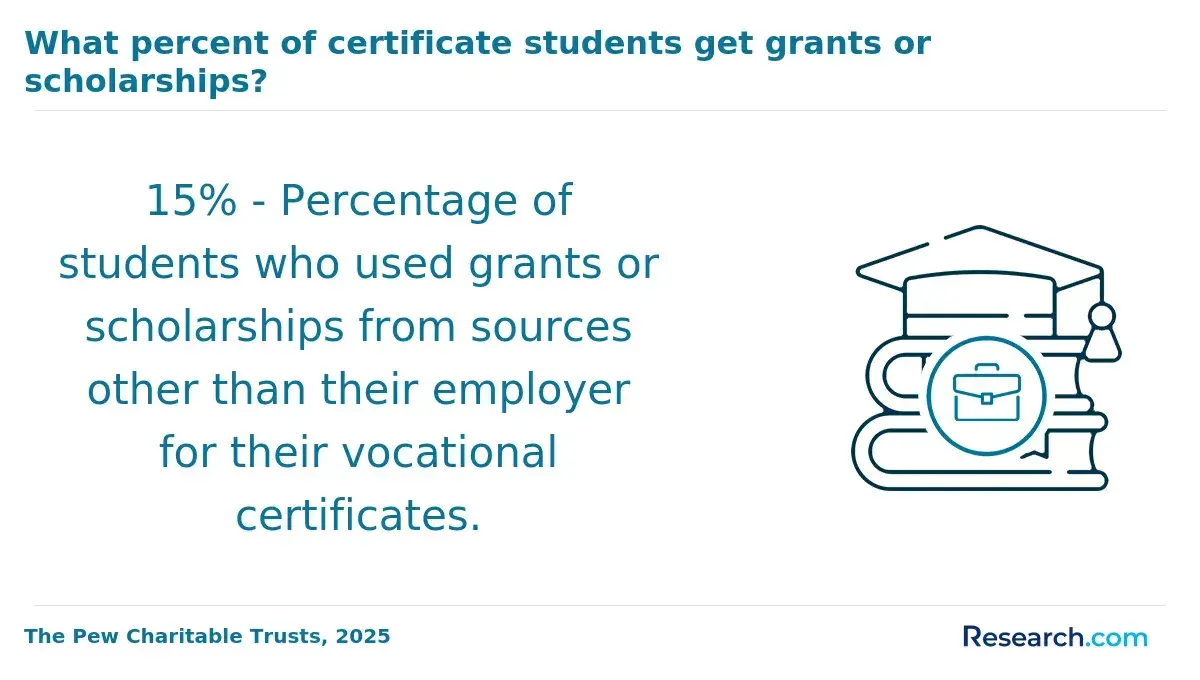
- Grants and Scholarships: These are often preferred since they do not require repayment. Scholarships and grants for media arts students are typically awarded based on merit, financial need, or specific artistic skills related to media arts, with more opportunities usually available at the undergraduate level.
- Federal Student Loans: Available for all degree levels, federal loans offer low-interest borrowing but must be repaid with interest after graduation. They are a common resource for managing education costs in media arts programs.
- Private Loans: Private loans provide another borrowing option but generally come with higher interest rates and less flexible repayment terms compared to federal loans, requiring careful consideration before use.
- Work-Study Programs: These programs enable students to earn income through part-time jobs either on-campus or within the community, helping to supplement other financial aid and reduce loan reliance.
- Employer Tuition Assistance: Many working professionals benefit from employer-sponsored tuition support, which can significantly offset the cost of completing media arts degrees while balancing work commitments.
- Military Education Benefits: Veterans and active service members may access education benefits that cover tuition and fees, applicable across bachelor's, master's, and doctoral levels in media arts programs.
Careful planning and understanding of financial aid for media arts degree programs can help students and professionals align their educational investments with long-term career objectives. For those comparing degree options, exploring what degrees make the most money can also provide valuable insight into potential returns on investment.
Career opportunities in media arts expand significantly with higher degree levels, offering broader responsibilities and advanced roles. Understanding these options can help students plan their education and professional path to align with long-term goals.
Bachelor's Degree
- Graphic Designer: Graduates often work in design studios or marketing teams, focusing on creating visual content for brands, websites, and print media.
- Video Editor: This role involves assembling recorded footage into polished videos, requiring technical skills and an eye for storytelling.
- Multimedia Specialist: Professionals develop various digital content, including animations and interactive media, supporting creative project execution.
Master's Degree
- Art Director: Masters-level professionals oversee creative projects, guiding teams to produce cohesive visual narratives aligned with strategic goals.
- Digital Media Manager: These experts combine creative and managerial skills to run digital campaigns and media strategies effectively.
- UX/UI Designer: This career focuses on enhancing user experience and interface design, requiring an understanding of user engagement and trends in media arts degree career opportunities.
Doctorate Degree
- University Professor: Doctorate holders often teach media arts theory and practice, contributing to academic research and scholarship.
- Media Arts Researcher: This role emphasizes innovative research to influence industry standards and develop new methodologies.
- Creative Strategist Consultant: Specialists at this level advise organizations on media policies and creative direction, shaping the future of the field.
Students seeking affordable pathways to further their education can explore online schools that accept fafsa, which may provide cost-effective options. Being aware of media arts degree level salary differences can also guide informed decisions on investing in the right program for career advancement.
Salary potential is a key factor when comparing bachelor's, master's, and doctorate degrees in media arts, as it reflects the financial benefits tied to each level and impacts career decisions. Below are typical salary distinctions that help clarify these differences.
- Bachelor's Degree: Graduates usually earn between $45,000 and $60,000 annually. This range often aligns with entry to mid-level creative roles but may limit opportunities for higher-level or specialized positions.
- Master's Degree: Holders can expect higher earnings, typically ranging from $60,000 to $85,000. This degree often leads to leadership roles, technical specialization, or project management jobs that offer better pay and increased responsibilities.
- Doctorate Degree: Salaries generally exceed $85,000, particularly in academia, research, or senior industry positions. Though fewer roles require a doctorate, those positions usually provide considerable compensation due to advanced expertise and leadership demands.
What Graduates Say About Their Media Arts Degree Level
- Allan: "Pursuing a bachelor's degree in media arts was a defining choice for me, despite the average cost of attendance being a considerable investment around $20,000 per year. The program offered hands-on experience that truly prepared me for the creative demands of the industry. Today, I'm thriving as a content creator, grateful for the solid foundation the degree gave me."
- Cyril: "Deciding to advance with a master's in media arts felt like the right step after realizing how competitive the creative field is; the cost, which can reach upwards of $30,000 annually, was daunting but ultimately worthwhile. This degree deepened my technical skills and broadened my conceptual framework, which has unlocked new professional opportunities. I often reflect on how essential that advanced education has been for my growth as a multimedia designer."
- Jaxon: "The decision to pursue a doctorate in media arts was driven by my ambition to contribute original research and innovation in the field, knowing the financial commitment exceeds $40,000 per year on average. Professionally, this credential has opened doors to leadership and academic positions that were previously inaccessible. Finishing this degree has been both a rigorous and rewarding experience, marking a pivotal milestone in my career."
Other Things You Should Know About Media Arts Degrees
For 2027, most advanced media arts degree programs, such as a Master's or Doctorate, require applicants to submit a portfolio. This demonstrates creative and technical skills, offering admissions committees insight into a candidate's artistic abilities and potential for research or advanced projects.
Practical experience is often required, especially in master's programs, which typically include internships, studios, or project-based coursework as part of the curriculum. Doctoral programs may emphasize research but can also involve practical components depending on the specialization. Bachelor's programs usually integrate hands-on learning throughout to build foundational skills.
Yes. Most media arts doctorates require a dissertation or a practice-based research project defended before a faculty committee. Programs usually also include 48 to 60 graduate credits, comprehensive exams, and several years of study beyond the master’s level.
- Academic Catalog https://bulletins.wayne.edu/undergraduate/college-fine-performing-communication-arts/communication/media-arts-studies-ba/
- Bachelor's Degree in Digital Media Arts - Nelson University https://www.nelson.edu/academics/programs/bachelor-s-degree-in-digital-media-arts/
- What Are the 4 Types of College Degrees? https://www.snhu.edu/about-us/newsroom/education/college-degree-levels
- What is Bachelor's vs. Master's Degree? | University of Phoenix https://www.phoenix.edu/articles/online-college/what-is-a-bachelors-vs-masters-degree.html
- Understanding Graduate Degrees: Types, Duration, and Benefits https://www.monash.edu.my/news-and-events/trending/graduate-degrees-types-duration-and-benefits
- Funding and Financial Aid / Media University https://www.media-university.de/en/study/funding-options/funding-and-financial-aid/
- Media Arts - BA https://www.sacredheart.edu/majors--programs/media-arts---ba/
- Communication and Media Studies - Doctoral School https://szkola-doktorska.uken.krakow.pl/en/dla-kandydatow/nauki-o-komunikacji-spolecznej-i-mediach/
- Bachelor of Media Studies | UBC Undergraduate Programs and Admissions https://you.ubc.ca/ubc_programs/media-studies/
- PhD https://www.sussex.ac.uk/schools/media-arts-humanities/study/phd


